


Can changing what you eat or drink really shift the inner environment where tumors grow? We separate marketing claims from real medical evidence so you can make informed choices.
Short answer: your blood stays slightly alkaline at about 7.4 and the body tightly controls that with the lungs and kidneys. Food and special waters can alter urine pH, but they do not change blood pH in healthy people.
People seeking control during treatment often try alternative plans. A 2016 systematic review found that while these approaches can make urine less acidic, they show no proof of preventing or curing disease. Talk with your oncology team and ask for a registered dietitian’s guidance before trying new regimens.
We’ll review how the body manages pH, what research and studies actually show, and what safe, evidence-based nutrition steps support recovery and quality of life. For a clear, referenced primer on how alkaline water behaves in the body, see this review from a cancer center: alkaline water and cancer review.
Key Takeaways
- Blood pH is tightly regulated: the lungs and kidneys keep it near 7.4 regardless of intake.
- Urine pH can change: foods or water may alter urine acidity but not systemic blood levels.
- No solid evidence that these eating patterns prevent or treat disease progression.
- Talk to your care team: involve oncology staff and a registered dietitian before trying alternatives.
- Focus on balanced intake: evidence-informed nutrition supports energy, recovery, and treatment tolerance.
What Patients Ask Us About the Alkaline Diet Today
Many people want clear steps to protect health during treatment. They ask whether changing foods or water will prevent disease or help feel better while on therapy.
Why the trend appeals: Simple rules feel empowering when medical care is complex. People want steady weight, fewer side effects, and clear choices about products and food.

How clinicians evaluate these claims
Our team starts with safety. We review medicines, labs, and possible nutrient gaps before any change. That step reduces risk and keeps treatment on track.
We explain that complementary approaches can sit alongside standard care, while alternative plans that replace treatment can cause harm. A dietitian tailors intake to symptoms, weight goals, and labs.
| Patient Goal | What trend promises | What clinicians advise |
|---|---|---|
| Prevent disease | Change pH to stop cells from growing | Follow evidence-based prevention and screenings |
| Feel better during treatment | Simple food rules and specialty water | Focus on protein, fruits, vegetables, and hydration |
| Maintain weight | Restrictive intake to “clean up” foods | Personalized plans from a dietitian to protect lean mass |
We summarize research: current studies do not support claims that this approach cures cancer or improves survival. Instead, we prioritize practical wins—managing appetite, protecting muscle, and keeping people on schedule for cancer treatment.
Alkaline Diet and Cancer: What the Science Says Right Now
A quick tour of body chemistry shows why food rarely shifts blood pH. The body keeps blood at a slightly alkaline level near 7.4. Lungs remove CO2 fast and kidneys excrete extra acid or base to hold that steady.
How the body keeps blood stable
Powerful buffers and organs control pH. The lungs and kidneys act quickly. Small shifts in blood pH signal serious illness and need medical care.
Why urine can change but blood does not
Foods and water alter what kidneys remove, so urine can become more alkaline or acidic. That change reflects excretion, not a new blood level. Labels that claim foods alter systemic pH mix up urine effects with bloodstream chemistry.

What an acidic environment around tumors means
Cancer cells often use metabolism that produces acid locally. That can make nearby tissue acidic without changing whole-body pH. It’s a local environment issue, not a cue that changing food will treat disease.
What research and reviews conclude
High-quality studies, including a 2016 systematic review, show diet can shift urine but not blood. To date, no clinical evidence proves that this eating pattern prevents or cures cancer. For a concise clinical review, see this brief review.
| Measure | What changes with food | Clinical relevance |
|---|---|---|
| Blood pH | Remains ~7.4 | Tightly regulated; changes indicate illness |
| Urine pH | Varies with foods and water | Reflects kidney excretion, not systemic shift |
| Tumor microenvironment | Can be more acidic locally | Result of tumor metabolism; not fixed by diet |
Alkaline Water and Cancer: Claims, Evidence, and Expert Perspective
Alkaline water changes urine pH, not blood pH. Here’s what digestion and excretion do with extra base, and why that matters for health choices.
Many people wonder what happens to specialty water once it meets stomach acid and digestive enzymes.

Drinking alkaline water: what happens in the stomach, intestines, and kidneys
Stomach acid (roughly pH 3) neutralizes most ingested base while killing microbes. Pancreatic secretions then balance the mix in the small intestine.
The kidneys remove any extra base or acid to keep the blood at a slightly alkaline level. That renal step is how the body preserves stable blood chemistry.
“You take in alkaline water, you make alkaline urine”: implications for cancer risk
“You take in alkaline water, you make alkaline urine.”
This sums it up: urine can become more alkaline, but blood levels stay steady. Current studies and research do not show that drinking alkaline water treats or prevents cancer.
Separating marketing from medicine: research gaps and present-time guidance
Specialty bottles may help some people drink more, which is useful. The main benefit of any water is hydration—not altering tumor cells.
- Tap water usually meets hydration needs at lower cost.
- People with kidney disease or on certain meds should check with clinicians.
- Beware of promoters without medical credentials; peer-reviewed evidence matters.
| Step | What happens | Clinical take |
|---|---|---|
| Stomach | Acid neutralizes most base | No lasting change to blood pH |
| Intestine | Pancreas adjusts secretions | Digestion proceeds normally |
| Kidneys | Excrete excess base → alkaline urine | Protects slightly alkaline blood level |
Common Alkaline Diet Claims vs. Facts
Many claims sound convincing, but strong science matters. Below we compare popular assertions with what physiology and studies actually show.
Claim: Certain foods “make your body acidic” and feed cancer
Fact: The lungs and kidneys keep blood pH near 7.4. Foods can change urine pH, not systemic levels.
Claim: A diet-based plan will starve cancer cells
Fact: Tumor areas can be acidic locally, but changing food cannot recreate extreme shifts that would harm tumors without also harming healthy tissue.
Claim: These plans can cure cancer
Fact: No high-quality clinical trials show that this approach cures cancer, extends survival, or prevents recurrence. A 2016 review found urine shifts but no systemic benefit.
Practical note: Over-restricting foods can cause nutrient gaps and lower tolerance to treatment. Ask your oncology team before adopting any product or major change.
| Claim | Why it sounds plausible | What evidence shows |
|---|---|---|
| Certain foods make the body acidic | Urine pH changes after eating | Blood pH remains regulated by lungs/kidneys |
| Diet-based plans starve cancer cells | Tumors thrive on altered metabolism | Local acidic environment is not fixed by food |
| Special products cure cancer | Marketing cites small studies or anecdotes | No peer-reviewed trials show cure; be skeptical |
Potential Downsides: Nutrient Gaps and Side Effects to Consider
Restrictive eating patterns can unintentionally leave holes in your nutrient intake. When key sources of protein and dairy are removed, the risk of deficiencies rises.

Short-term appetite loss, taste changes, nausea, or mouth soreness during treatment can cut overall intake. Adding strict rules often makes weight loss and malnutrition more likely.
When common foods are limited
Many plans are low in protein and exclude dairy products. That raises risk for low iron, calcium, zinc, vitamin B12, and vitamin D.
- Protein supports immune function, healing, and lean mass. Too little increases fatigue and slows recovery.
- If you prefer a diet high in plants, include legumes, tofu, tempeh, nuts, seeds, and fortified products to protect intake.
- Consider calcium- and vitamin D-fortified alternatives, and discuss supplements with your care team rather than guessing.
Real-world side effects and practical fixes
Overly restrictive patterns can cause low energy, dizziness, muscle loss, and trouble tolerating treatment. The goal is to nourish, not deplete.
“Work with a registered dietitian to tailor portions, textures, and timing so you meet needs without unnecessary limits.”
A dietitian can help you build meals with vegetables, fruits, whole grains, and a protein source at each sitting. Choose minimally processed foods most of the time, and use fortified yogurts or shakes when symptoms make eating hard.
Track how you feel. If new side effects appear after a change, pause and review with your care team to prevent compounding effects.
What To Focus On Instead: A Balanced, Evidence-Informed Eating Pattern
Build habits that support strength, recovery, and everyday function. Practical choices beat rigid plans when the goal is steady intake and better tolerance of therapy.
Prioritize a healthy diet centered on vegetables, fruits, whole grains, and adequate protein. These foods supply vitamins, fiber, and calories that help the body repair and stay strong during cancer treatment.
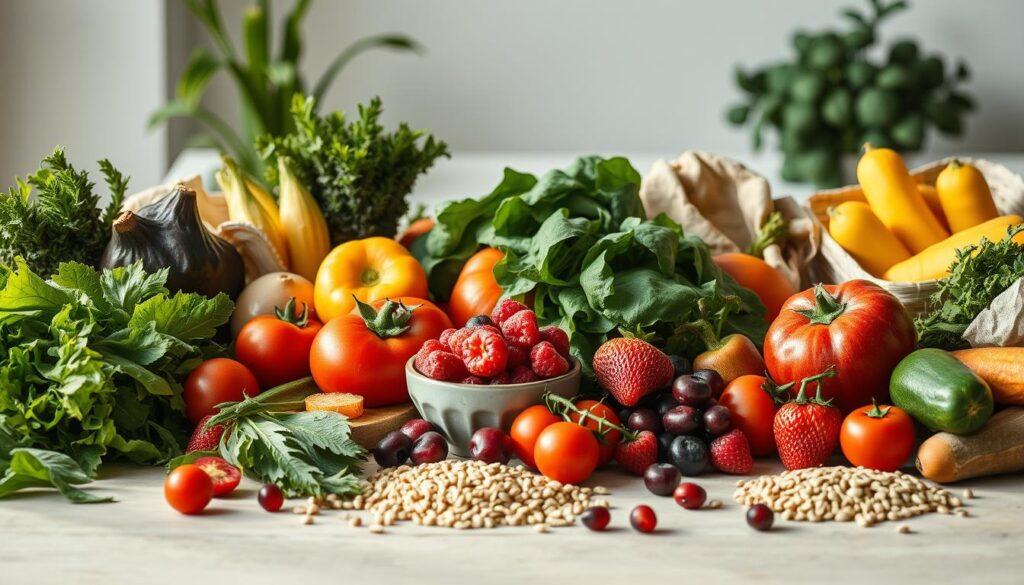
Build a healthy plate
Include protein at each meal — fish, poultry, eggs, legumes, tofu, dairy or fortified alternatives help protect lean mass and energy.
Limit processed foods without cutting groups
Cut back on ultra-processed products that displace nutrient-dense options. Avoid rigid rules that remove whole groups; flexibility boosts total intake and adherence.
Work with a registered dietitian
Individualized care matters. A dietitian tailors textures, timing, and portions so you maintain weight and strength. They can also advise on fortified dairy alternatives, hydration with tap water, and practical snacks.
“Small, frequent meals built around produce, a whole grain, and a protein are often the most tolerable and nourishing.”
- Center most meals on vegetables, fruits, and whole grains.
- Keep simple, protein-rich snacks (yogurt, nuts, hummus) handy.
- Consult a dietitian for symptom-driven adjustments and safe use of products that claim benefits.
For practical guidance on eating well during treatment, see eating well.
Conclusion
Focus on proven supports—hydration, protein, and symptom management—rather than labels. Current research shows the alkaline diet can change urine pH but does not alter blood levels or cure cancer.
The body keeps blood near 7.4 using lungs and kidneys; specialty water is neutralized in the gut and any extra base is excreted in urine.
Bottom line: drinking alkaline water may lead to more alkaline urine, not a different blood level. For most people, regular water meets hydration needs unless a clinician advises otherwise.
Prioritize balanced meals with vegetables, fruits, whole grains, and protein; avoid restrictive plans that may create nutrient gaps or increase side effects during treatment. Coordinate any changes with your oncology team and connect with a registered dietitian for a tailored plan that supports strength, treatment, and overall health.
FAQ
An oncologist weighs in — does this eating approach actually prevent disease?
Most cancer specialists say no strong evidence supports that changing food to shift body pH prevents cancer. Blood pH is tightly regulated by the lungs and kidneys and stays near 7.4. While choosing more whole plant foods can lower risk through known mechanisms (fiber, antioxidants, weight control), claiming that food-based pH shifts stop or reverse malignancy is not supported by clinical trials.
Why does this trend appeal to people during cancer prevention and treatment?
The idea is simple and intuitive: change your internal environment and you change disease risk. It also promises control during a frightening period, and it aligns with advice to eat more vegetables. That emotional and logical appeal helps explain its popularity, even when the mechanistic leap to cancer prevention is unsupported.
How do oncology dietitians and physicians evaluate these claims?
Clinicians look for randomized trials, systematic reviews, and plausible biological mechanisms. They prioritize evidence-based strategies—like maintaining weight, adequate protein during treatment, and a diet rich in vegetables and whole grains—over unproven pH-based claims. They also screen for nutrient gaps and interactions with treatment.
What is the difference between urine pH and blood pH — can foods change both?
Foods can alter urine pH because the kidneys excrete excess acids or bases. Blood pH, however, stays within a narrow range through respiratory and renal buffering. Diet-induced urine changes do not translate into meaningful changes in systemic blood pH in healthy people.
What does it mean when people say tumors like an “acidic environment” — is that why diet matters?
Tumors often show altered local metabolism and microenvironment acidity due to rapid cell growth and low oxygen, but that is a consequence of tumor biology, not a simple external pH that diet can reset. Targeting tumor metabolism is an active research area, but dietary pH manipulation is not an established treatment.
What do current studies and systematic reviews conclude about diet-based pH changes and cancer prevention or cure?
Systematic reviews find insufficient evidence that altering dietary acid load prevents or cures cancer. Observational studies linking higher fruit-and-vegetable intake to lower cancer risk support broader dietary patterns, not pH effects. No high-quality trials show that manipulating dietary acid-base balance treats malignancy.
Does drinking water with a higher pH change cancer risk or help treatment?
Drinking water with higher pH may temporarily change urine chemistry but does not meaningfully change blood pH or tumor environments. There is no clinical evidence that high-pH water prevents or treats cancer. Safety concerns are minor for most adults but include potential electrolyte shifts if consumed in extreme amounts.
If alkaline water makes urine more alkaline, does that influence cancer risk?
Altering urine pH affects only urinary solute chemistry and stone risk; it does not demonstrate an effect on systemic cancer risk. Urine pH is a poor proxy for the internal conditions relevant to tumor biology.
How can consumers separate marketing from medicine when products claim pH benefits for health?
Look for clinical evidence from peer-reviewed journals, check for endorsements from credible medical organizations, and be wary of absolute claims like “cures cancer.” Consult oncology teams or registered dietitians before adopting supplements or costly bottled water marketed for pH effects.
Is it true that certain foods “make your body acidic” and feed cancer?
No. While foods can affect urine acidity, they don’t change systemic acid-base status in a way that feeds tumors. The phrase oversimplifies metabolism and distracts from meaningful dietary factors like fiber, micronutrients, and caloric balance.
Don’t the lungs and kidneys do most of the pH regulation independent of diet?
Yes. The lungs control carbon dioxide removal and the kidneys manage bicarbonate and acid excretion. These organs maintain blood pH tightly, so ordinary dietary changes won’t override physiological regulation in healthy people.
Can diet-based pH changes cure cancer?
No credible clinical evidence shows that changing dietary acid load cures cancer. Effective cancer treatment relies on surgery, radiation, systemic therapies, and evidence-based supportive care. Nutrition supports tolerance and recovery but is not a substitute for medical therapy.
What are potential downsides to following a restrictive pH-focused eating plan?
Restrictive versions can lead to nutrient shortfalls—especially protein, iron, calcium, zinc, vitamin B12, and vitamin D—if dairy, meat, or fortified foods are removed. Weight loss, treatment intolerance, or interactions with medications are additional risks without proper dietary planning.
What should people focus on instead of trying to manipulate pH through food?
Emphasize a balanced, evidence-informed pattern: plenty of vegetables and fruits, whole grains, and adequate high-quality protein tailored to activity and treatment needs. Limit processed foods, maintain a healthy weight, and work with a registered dietitian during treatment for personalized guidance.
How can someone working through cancer get individualized nutrition support?
Ask your oncology team for a referral to a registered dietitian experienced in oncology. They can assess needs, monitor weight and labs, recommend supplements when necessary, and help tailor meals to symptoms like nausea or taste changes.




Don’t Miss These Picks