


Can a green powder really deliver steady focus without the jitters of coffee? Many people reach for a cup hoping for calm alertness, but the answer lies in how this tea blends caffeine with a unique amino acid.
Matcha is a vibrant, finely milled tea made from shade-grown Camellia sinensis leaves. Because you drink the whole leaf, it often contains more caffeine and antioxidants than brewed green tea, which changes how the body responds to stimulation.
Current research links matcha and its components to improved attention, reaction time, and memory. The combination of caffeine and L-Theanine helps sustain alertness while reducing the edgy effects some people feel with coffee.
This article lays out what matcha is, how its compounds affect the brain, which health effects are well supported by research, and practical serving tips to get steady energy from a small cup.
Key Takeaways
- Matcha differs from green tea because you consume the whole leaf, concentrating caffeine and antioxidants.
- The pairing of caffeine and L-Theanine supports focused alertness with less crash.
- Research shows links to better attention and reaction time, though some health claims remain emerging.
- Practical prep is simple: 1–2 teaspoons whisked with hot water for a small, concentrated cup.
- Busy professionals and fitness-minded readers often benefit most from steady, calm energy.
- Learn more science-backed points and practical tips from this overview and a trusted source on matcha matcha tea insights.
What Is Matcha and Why It’s Different from Green Tea
Stone-ground powder from shaded tea leaves captures the whole leaf’s nutrients in every sip. This concentrated form changes both the taste and the way the body absorbs caffeine and antioxidants.
How does that happen? Farmers shade plants before harvest to boost chlorophyll and amino levels. Workers then de-stem and de-vein the leaves, stone-grinding them into a fine powder you whisk into water rather than steep.
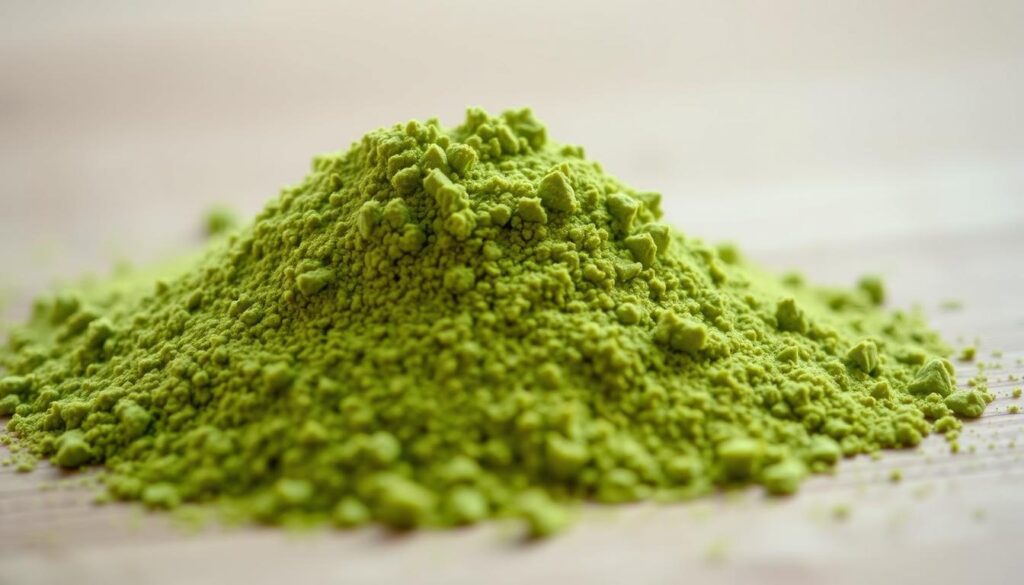
Shade-grown leaves, amino richness, and antioxidants
Shading raises certain amino compounds and gives the powder its deep green color and savory, grassy flavor. The process helps preserve an important amino acid that supports calm focus.
Matcha powder vs. brewed green teas: nutrient and caffeine differences
Because you consume the whole leaf, matcha contains higher levels of catechins, including EGCG, and typically more caffeine per serving than many brewed green teas.
| Form | What you consume | Main nutrients | Typical use |
|---|---|---|---|
| Stone-ground powder | Whole leaves (powder) | EGCG, chlorophyll, amino compounds, caffeine | Whisked shots, lattes, smoothies |
| Steeped leaf tea | Infusion only | Some catechins, less caffeine per cup | Hot brewed cups |
| Instant blends | Extracts or lower-grade powder | Variable antioxidants, added flavors | Convenient mixes |
Including this powder in your diet can boost antioxidant intake and may help protect cells when paired with a balanced diet. For a quick comparison of powder versus brewed cups, see a clear matcha vs green tea overview.
How L-theanine Works with Caffeine to Create Calm, Focused Energy
When specific tea amino acids reach the brain, they shift electrical activity toward alert, relaxed patterns. This interaction smooths stimulation so mental focus feels steady rather than spiky.
Alpha waves and alertness: why the feel differs from coffee
The amino crosses the blood-brain barrier and promotes alpha wave activity, which links to relaxed focus. Alpha waves support clear thinking without anxiety.
Combined with caffeine, this creates sharper attention but fewer jitters than many coffee experiences.
Synergy: steadier energy, fewer crashes
When the amino and caffeine act together they temper sharp spikes. People report smoother come-downs, fewer palpitations, and steadier alertness during tasks.
One study showed that 100 mg of the amino plus 50 mg caffeine improved reaction time and accuracy. See the study on combined dosing for details.
Typical levels: matcha, green tea, and coffee
Matcha often has more caffeine per gram than green tea, but brewed coffee usually supplies higher caffeine per cup.
Small servings of matcha caffeine can still influence brain function; effects depend on product grade, serving size, tolerance, and sleep.
L-Theanine Matcha Benefits
Small, regular servings can sharpen attention while softening stress, making focused work feel easier. Trials testing whole-leaf powder or snacks show gains in attention, reaction speed, and short-term memory on task-based assessments.
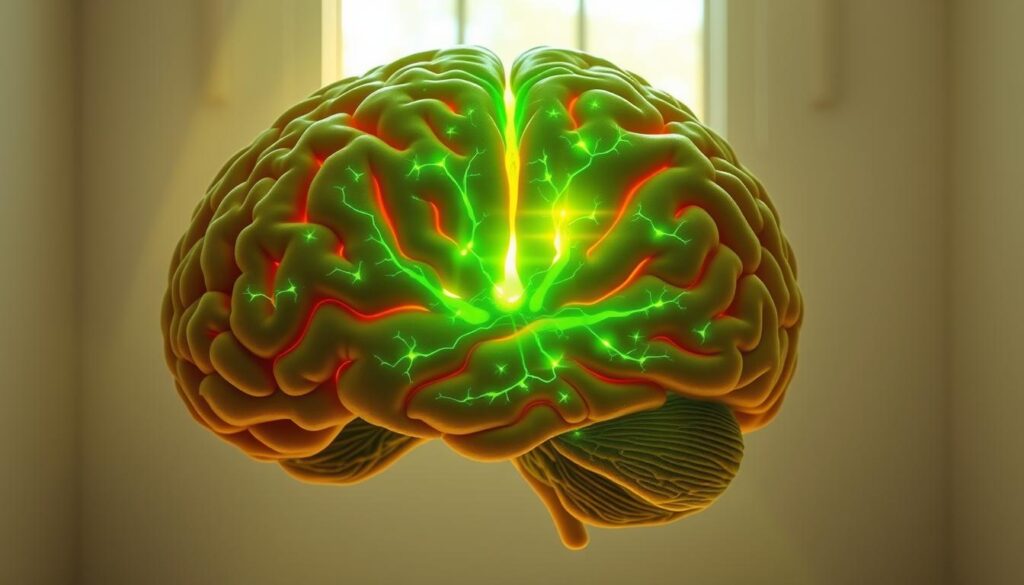
What the studies say: a study showed improved cognitive performance when participants drank the powder versus placebo. Other trials found reduced stress-related symptoms after daily intake, suggesting the compound influences GABA, dopamine, and serotonin.
- Cognitive upsides: research shows better attention, faster reaction times, and improved memory during focused tasks.
- Verbal fluency: calmer focus often translates to smoother speech and clearer delivery in meetings or presentations.
- Mood and focus: the calming amino tends to lower anxious distraction, which may help sustain mental clarity during busy days.
Timing matters: sip matcha 30–60 minutes before deep work for best results. If you want relaxation without stimulation, separate the amino from caffeine later in the day.
Practical reminder: individual sensitivity varies. Pair this tea with sleep, hydration, and movement for the best health outcomes. For real-user feedback and product context, see our full-leaf tea reviews.
Beyond Focus: Antioxidants, Heart Support, and Weight Management
The same catechins that support calm alertness also act as antioxidants that protect cells. They may also play a role in heart health and modest weight changes when paired with diet and exercise.
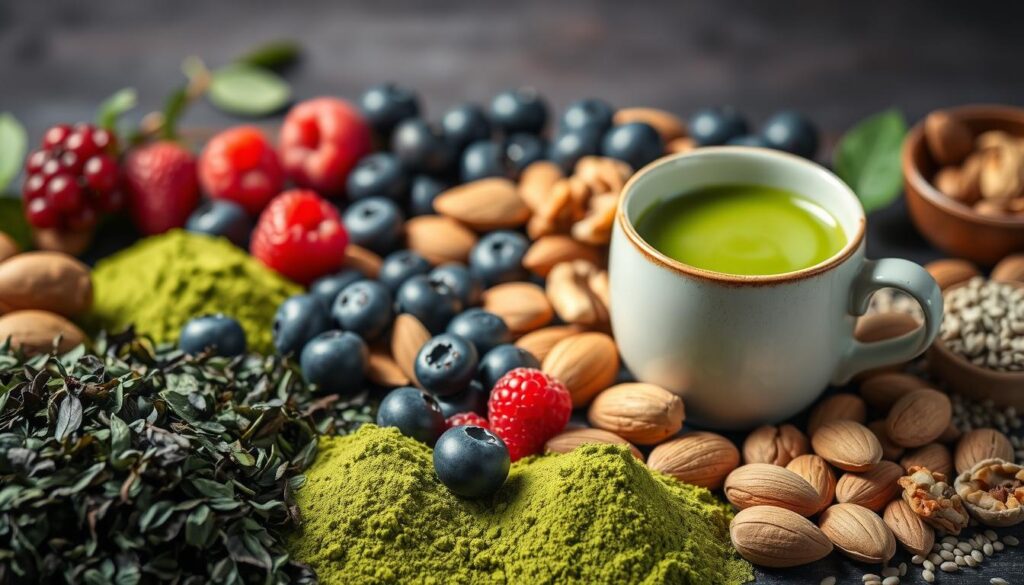
Catechins such as EGCG stabilize free radicals and can help prevent oxidative cell damage. Including this green tea form in a balanced diet adds concentrated antioxidants to your routine.
What the science says about heart health
Research links regular tea intake with improved heart markers and a lower risk of cardiovascular disease in some populations. Some studies suggest these compounds can help lower blood pressure modestly when combined with healthier habits.
“Small, consistent servings of concentrated green tea compounds can support long-term heart and metabolic health as part of a full lifestyle plan.”
Weight and metabolism: realistic expectations
A 2020 review found up to 500 mg/day of green tea extract over 12 weeks helped reduce BMI when paired with diet and exercise. Effects are modest and should be seen as supportive, not a stand-alone solution to weight loss.
| Area | What the compounds do | Practical note |
|---|---|---|
| Antioxidant action | EGCG and catechins neutralize free radicals | Supports cell health within a balanced diet |
| Heart health | May improve cholesterol and vascular markers | Works best with exercise and reduced sodium |
| Weight management | May boost fat oxidation and modest BMI loss | Effective when combined with diet and activity |
Consistency matters: small daily servings can compound over time. For a deeper dive into antioxidant effects, see the antioxidant power of matcha.
How to Prepare Matcha for Optimal Effects and Flavor
Simple technique shapes taste and steady energy. How you heat the water and whisk the powder changes both flavor and how long the lift lasts.
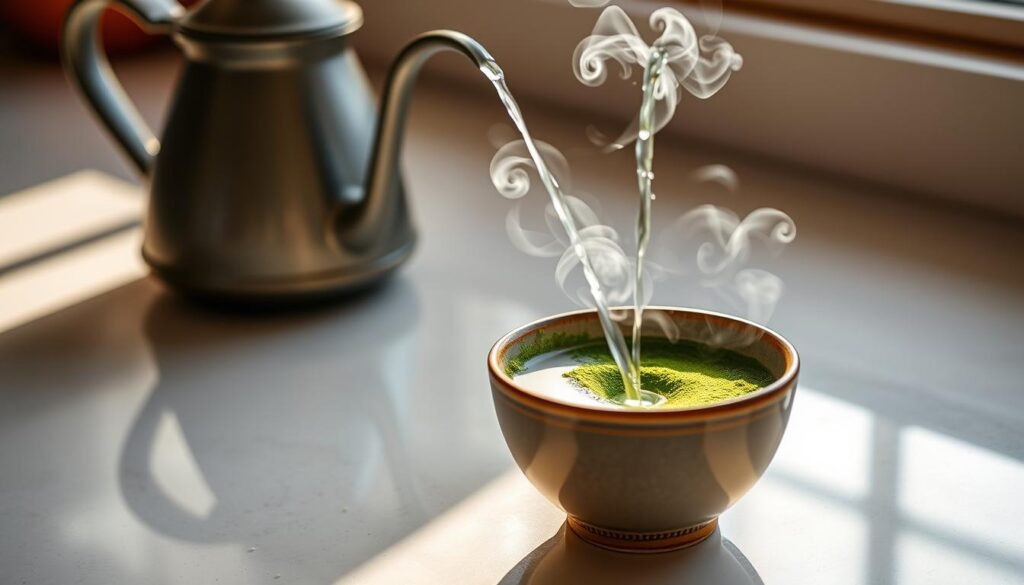
What temperature and steps make the best cup?
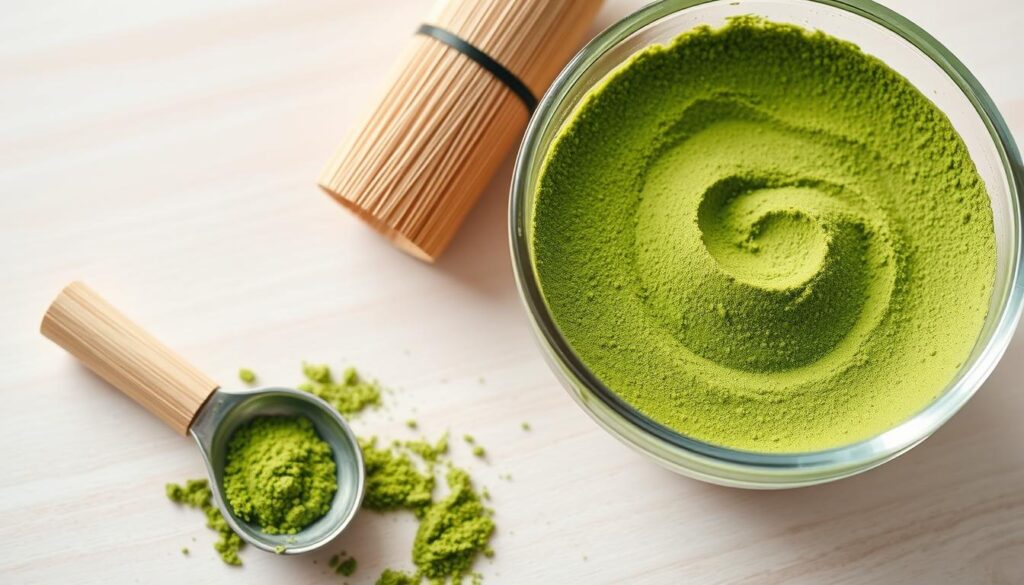
Sift 1–2 teaspoons (2–4 g) of matcha powder into a bowl to avoid clumps. Heat hot water to about 160–175°F—below boiling—to protect delicate notes and cut bitterness.
Add 1–2 ounces (30–59 ml) hot water for a thicker style or 3–4 ounces (89–118 ml) for a thinner usucha. Whisk in a fast zigzag until creamy with a fine foam.
How much should you drink and when?
Start with 1 teaspoon (≈2 g) in a small cup and adjust by grams or ounces of water. Many people have 1–2 servings per day; track total milligrams of caffeine from all sources.
If you’re feeling an afternoon slump, choose a smaller serving earlier to avoid sleep disruption.
What recipes and pairings work best?
Try it as a latte, in smoothies, or folded into oats and puddings. Pair with milk alternatives, citrus, or dark chocolate to boost flavor without masking the tea.
For scoop guidance and timing with workouts or supplements, see our scoop size guide.
Storage tip: Keep the powder airtight and away from heat and light to preserve color, aroma, and taste between uses.
Safety, Side Effects, and Quality Considerations
Before you boost your routine, know how intake levels and quality affect both effects and risks. Small changes in dose or product quality can change how your body responds.
What common reactions should you watch for?
Some people report jitteriness, headaches, nausea, dizziness, or diarrhea as side effects. These often appear when caffeine or concentrated catechins are consumed in larger amounts.
How much is too much?
Research notes that very high catechin intake can affect liver enzymes in sensitive individuals. Rough guidance suggests about 4 g of matcha (≈338 mg catechins/EGCG) daily is safe for most adults, but personal tolerance varies.
How can you lower risk when choosing tea?
Choose reputable, certified organic brands to help lower risk of pesticides, heavy metals, or other contaminants in leaves. Store powder sealed, cool, and dark to protect quality and acid-sensitive compounds.
- Moderation: spread servings through the day to reduce spikes in stimulation.
- If symptoms occur: cut grams per serving, move timing earlier, or mix into food to ease stomach upset.
- Clinical note: consult a clinician if you have liver issues or take medications that affect liver enzymes.
Matcha vs. Coffee and Other Teas: Alertness, Flavor, and Feel
Compare the rush and the rhythm: coffee often gives a quick, strong jolt, while a small bowl of matcha tends to produce steadier focus that unfolds more gradually. Choose based on the task, not habit.
Which suits your work block? Coffee usually hits fast and hard, ideal for brief, intense bursts. The powder’s amino content shapes a calmer, more even state that helps during long, focused sessions.
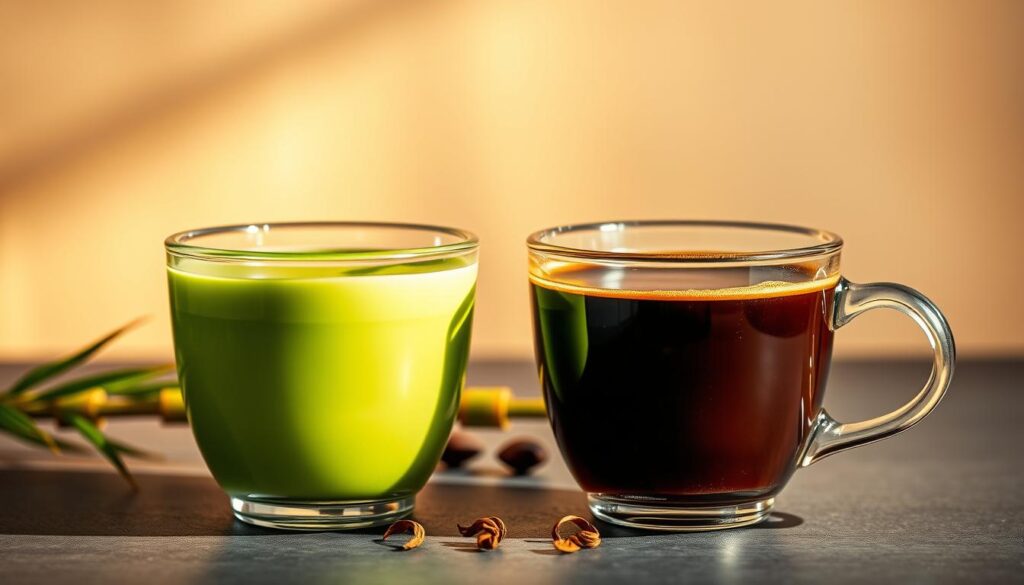
Per cup, brewed coffee typically has higher caffeine; per gram, matcha contains more than many green teas because you ingest whole leaf powder. Adjust serving sizes to match your tolerance and the levels you need for the day.
- Flavor and ritual: matcha tea offers a creamy, umami profile you whisk; coffee gives roasted, aromatic notes you brew.
- Health angles: research shows green tea patterns link to lower cardiovascular risk and some studies shown help lower blood pressure in certain groups, though results vary.
- Practical plan: use matcha for deep work, coffee for fast boosts, and rotate through the week to balance effects and sleep.
For a direct comparison and practical tips on timing and dosing, see this concise matcha vs coffee guide.
Conclusion
Shade-grown green tea leaves yield a concentrated powder that pairs a calming amino with caffeine for steady, focused energy.
Use small, mindful servings to add antioxidants and practical health benefits to your daily routine without the sharp spikes of stronger stimulants.
Takeaway: one small bowl a day can deliver antioxidants that help prevent cell damage, may help support heart markers, and may aid weight loss when paired with diet and activity.
How it works: the amino plus caffeine matcha pairing shifts stimulation toward steady focus. Watch total milligrams of caffeine, choose quality matcha powder, and note any side effects.
Practical tips: sift the powder, use properly heated hot water, and whisk for a smooth cup. If you’re feeling sluggish, try a smaller mid-morning serving or pair the drink with foods drinks.
Want the science on the amino and dosing? See this short guide on L-theanine in matcha powder for notes on milligrams and practical use.
Final thought: rotate this tea with other green tea styles, respect personal limits, and enjoy a ritual that supports clearer work and balanced health backed by ongoing research.
FAQ
What makes matcha different from regular green tea?
Matcha is made from shade-grown tea leaves that are ground into a powder, so you ingest the whole leaf rather than an infusion. That means higher levels of the amino acid found in tea leaves and more antioxidants—especially catechins like EGCG—per cup compared with brewed green teas.
How does the amino acid in matcha interact with caffeine?
The tea amino acid promotes alpha brain waves and a calm state while caffeine raises alertness. Together they create steady, focused energy with less jitteriness and fewer crashes than coffee, producing smoother mental clarity and improved attention.
How much caffeine is in a typical serving compared with coffee?
A serving of powdered green tea usually contains less caffeine than a standard cup of coffee but more than many brewed green teas. Exact amounts vary by grade and preparation, but you can expect steady alertness rather than the spike-and-crash pattern common with coffee.
Can powdered green tea improve attention and reaction time?
Research suggests the combination of that amino acid and caffeine can enhance attention, reaction time, and verbal fluency in short-term tests. Effects are generally modest and work best when paired with adequate sleep, hydration, and a healthy diet.
Does this type of tea reduce stress and anxiety?
Yes—studies show the tea amino acid may lower stress markers and subjective anxiety when consumed at typical dietary amounts, especially in combination with caffeine, which supports alertness without producing excessive nervousness.
Are there heart and metabolic benefits?
The high catechin content, notably EGCG, has been linked in studies to improved markers of heart health and modest effects on weight management when combined with diet and exercise. These findings are promising but not a substitute for established medical care.
How should I prepare powder for best flavor and effect?
Use about half to one teaspoon of powder per 6–8 ounces of hot water (not boiling—about 160–175°F), whisk until frothy, and drink immediately. For lattes or smoothies, adjust powder and liquid to taste. Proper temperature preserves flavor and beneficial compounds.
How many cups a day are safe and effective?
Moderate intake—often 1–3 servings per day—provides benefits for alertness and cognition for most adults. Pay attention to total caffeine from other sources. If you have sensitivity, lower the amount or avoid late-day servings to prevent sleep disruption.
What side effects should I watch for?
Possible effects include jitteriness, headaches, digestive upset, or sleep problems, primarily from caffeine. Very high intake of catechins has also been linked to rare liver issues, so stick to moderate consumption and consult your clinician if you take medications or have liver concerns.
How do I choose a high-quality, safer product?
Look for organic, third-party-tested powders from reputable brands to reduce the risk of contaminants. Higher-grade powders tend to taste smoother and deliver stronger nutrient profiles; taste, color, and provenance are good quality cues.
Can I substitute this powder for coffee to improve focus?
Many people switch some coffee servings to powder-based drinks to gain calmer, more sustained focus with fewer crashes. Try replacing one cup a day and monitor how your energy, sleep, and digestion respond.



Don’t Miss These Picks