


Can a quick cup really replace a meal, or does a blended drink hide a candy-like shock? This question matters because what you toss in a blender decides whether a smoothie becomes fuel or a sugar-loaded treat.
Dietitians say the answer depends on ingredients and balance. A well-built smoothie pairs protein, fiber, and healthy fat to steady energy and support satiety.
At home you control the liquid base—dairy or plant milk—and the protein source, from Greek yogurt to protein powder. Frozen produce locks in nutrients and saves time.
Later sections show how to size a snack versus a meal, check labels on powder and yogurt, and swap out juice or added sweeteners that can spike calories.
This guide blends science and practical tips so you can craft a healthy smoothie that fits your taste and goals. Expect clear steps, portion guidance, and a simple recipe you can use today.
Key Takeaways
- Whether a smoothie is a nutrient-dense mini-meal depends on the ingredients you choose.
- Include protein, fiber, and healthy fat to keep energy steady and avoid a sugar crash.
- Homemade blends let you control milk, yogurt, or powder and avoid hidden sweeteners.
- Frozen produce preserves nutrients and makes prep fast for busy people.
- Know portion cues: snack smoothies are smaller with ~10 g protein; meal smoothies aim for 20+ g protein.
How to Tell If Your Smoothie Is Actually Healthy
Check for three components every time: fiber, a protein source, and a healthy fat. When those elements are present, the drink is more likely to satisfy hunger and steady blood sugar.
Start by asking one simple question: does this blend include fiber, protein, and fat? If yes, it will fuel you longer than a fruit-and-juice mix.
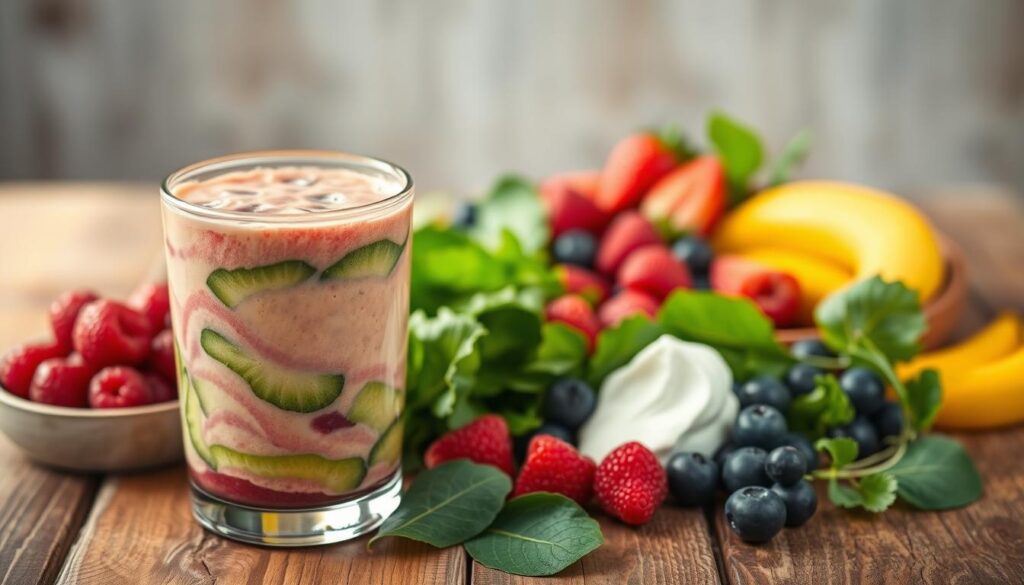
The simple balance: fiber, protein, and healthy fat
Balanced means one source from each group. Fiber can come from fruit, veggies, oats, or seeds. Protein can be Greek yogurt, milk, tofu, beans, or a scoop of powder. Healthy fat includes chia, flax, hemp, avocado, or a spoon of nut butter.
Zamudio’s basic one-serving ratio works well: 1 cup leafy greens or other veggies, 1 cup liquid, 1 cup fruit, plus 1–2 tablespoons of fat. It’s easy to tweak this for taste and thickness.
Red flags: added sugars, low protein, missing fiber
Watch for common traps. Flavored yogurt with lots of added sugar, large pours of fruit juice, or blends that use only fruit and liquid usually lack protein and fiber.
“If a drink tastes like dessert, check the label—many shop blends are high in carbs and low in protein.”
- Do a quick label check when buying premade items.
- At home, start with frozen spinach or cauliflower for texture and extra fiber.
- Taste first; sweeten last to keep added sugar in check.
Are Smoothies Healthy: What the Science and Dietitians Say
Research and clinical experience agree that a blender drink can be a true nutrition boost—or a high-sugar snack—depending on ingredients.
A balanced smoothie that includes protein and fiber supports satiety, recovery, and gut health. But blends heavy in juice or syrups can add a lot of sugars with little lasting fuel.
Pros: nutrients, convenience, more fruits and vegetables
Balanced blends pack vitamins, minerals, antioxidants, and fiber into one portable serving. For many people, this helps raise produce intake—important since only about one in ten Americans meet recommendations.
Blending can make some plant nutrients easier to absorb. Fiber in whole fruit and veggies also feeds the gut microbiome.
Cons: sugar overload, low satiety, cleanse pitfalls
Relying on juice, sweetened milk, flavored yogurt, or syrups can cause sugar overload. That raises total sugars and added sugar without adding much protein or fat.
Fruit-only drinks digest fast and may leave you hungry. The fix is adding protein (yogurt, powder, or nut butter) and healthy fat.
“When a drink feels like dessert, check the ingredients and add protein or fiber to make it part of a balanced diet.”
- Common types—green, fruit-forward, protein-focused—can all be improved with fiber and protein.
- Use moderation and mindful portions if blends become daily staples.
Takeaway: A smoothie can support health when it is balanced and included as part of varied, whole-food eating.
Build a Healthy Smoothie Base the Right Way
A smart base combines the right liquid and texture to turn a quick drink into lasting fuel. Choose liquids and ratios that match your goals—more protein, fewer calories, or a spoonable bowl.
A clear base makes all other choices easier. Think of the liquid as the backbone: it affects mouthfeel, calories, and how the blend digests.
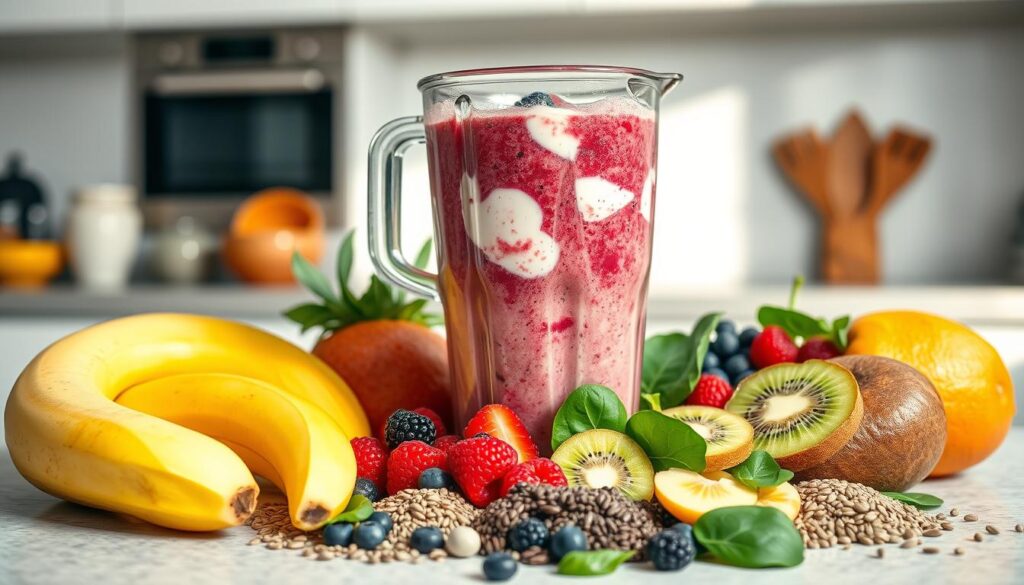
Pick the right liquid
Dairy milk adds creaminess and extra protein. Plant-based milk is a lactose-free option; unsweetened almond milk gives a nutty note. Water or coconut water keeps calories low and lightens the mix. Limit fruit juice to no more than 1/2 cup of the total liquid to avoid excess sugars.
Reliable single-serving ratio
Use Zamudio’s guideline for balance: 1 cup leafy greens or veggies, 1 cup liquid, 1 cup fruit, and 1–2 tablespoons healthy fat. This combo helps steady energy and supports satiety. Split the liquid between yogurt and water or milk to add protein without over-thickening.
Texture and consistency tips
For drinkable blends, add small splashes of liquid while blending. For bowl-style mixes, cut back on liquid and use frozen fruit or riced cauliflower for body. Oats, chia, or avocado boost thickness and fiber without diluting flavors.
| Liquid | Key benefit | Best use | Flavor note |
|---|---|---|---|
| Dairy milk | Protein & creaminess | Meal smoothies | Neutral, rich |
| Unsweetened almond milk | Low calorie, nutty | Everyday blends | Light, nutty |
| Coconut water | Electrolytes, low cal | Light, tropical mixes | Subtle sweet |
| Water | Zero calories | Thinner blends, lower cal | Neutral |
Quick rule: blend, taste, and add liquid in small splashes until you reach the texture you want. For practical how-to steps and extra guidance, see how to make a healthy smoothie.
Protein Done Right: Whole Foods and Protein Powder Options
Pick a protein that matches your goals—muscle repair, satiety, or a quick meal replacement. The right choice makes a smoothie feel like real food, not a sugary drink.
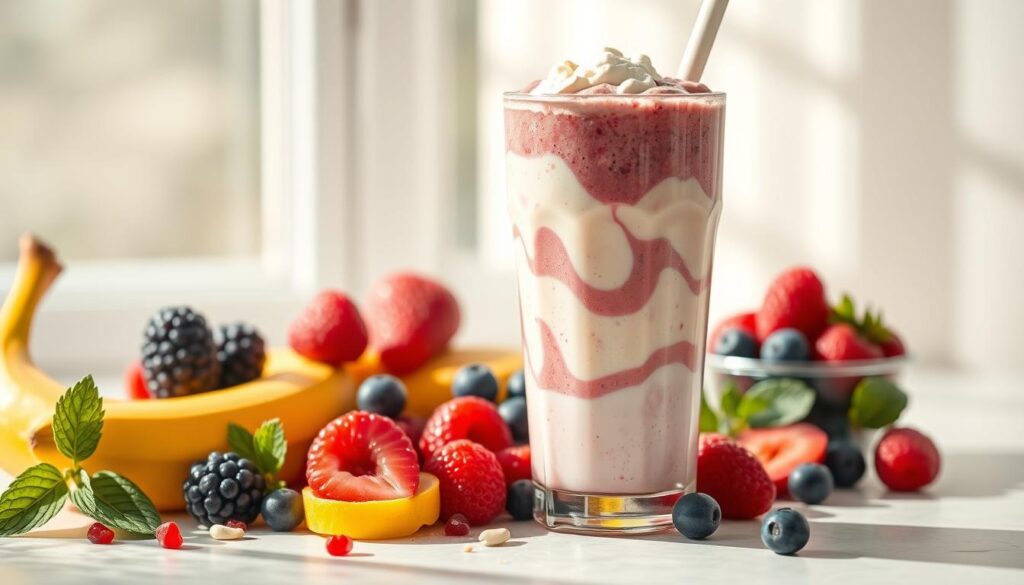
Whole-food protein choices
Start with whole foods when possible. Low-fat Greek yogurt or skyr often delivers 15–20 grams per cup. Silken tofu blends smoothly for a vegan boost, and rinsed white beans add about 8–9 grams per 1/2 cup.
Seeds and nut butters serve as both protein and healthy fat—almond or peanut butter add creaminess and staying power without large portions.
Protein powder 101
Whey vs. plant-based powders: whey absorbs quickly and is high in leucine, which supports muscle protein synthesis and healing. Pea, soy, rice, and hemp powders suit dairy-free diets.
Label checks and whey considerations
Read labels: check grams of protein per serving, watch for added sugars, and choose third-party tested powders to reduce contaminant risk. Dietitians note that powders are supplements, not FDA-regulated.
Whey benefits come with caveats: dairy-sensitive individuals may see GI upset, bloating, acne, or headaches. If that happens, rotate to plant options or cut the dose.
- Smart combos: half a scoop of powder plus yogurt and tofu boosts protein without heavy powder flavor.
- Milk matters: cow’s milk adds extra protein versus many plant milks—use it if it fits your tolerance.
Target: aim for ~10 grams of protein for a snack and 20+ grams for a meal smoothie. For picks and brand guidance on powders, see the best protein shakes and powders.
Fruits and Veggies That Boost Fiber, Flavor, and Nutrients
Pick produce that boosts texture, nutrients, and staying power in every blended cup. Whole fruits and colorful vegetables add fiber, vitamins, and real bulk so the drink fuels you longer.
Fiber-rich fruits to reach for
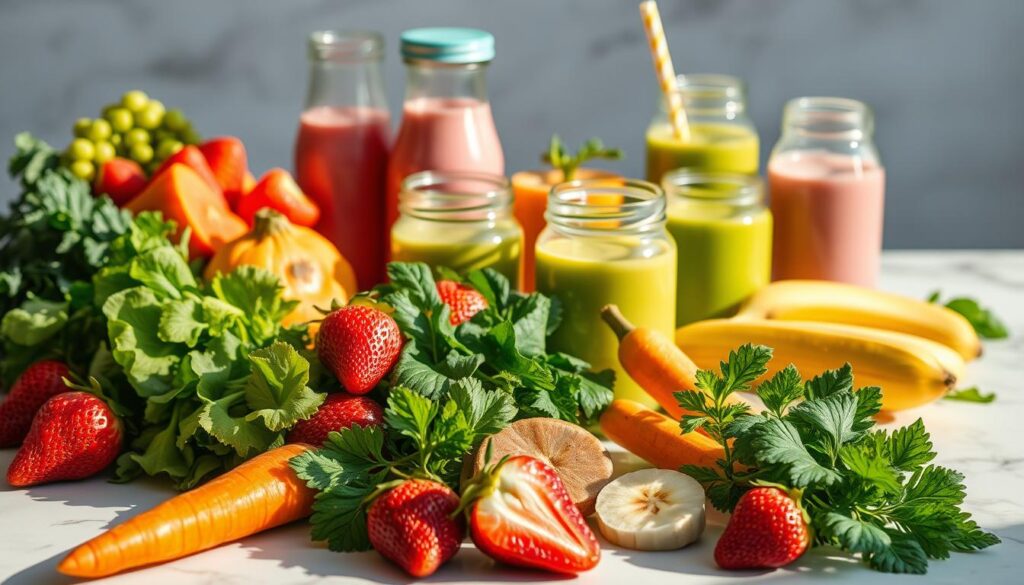
Berries—raspberries, blackberries, strawberries, and blueberries—add color, antioxidants, and meaningful fiber.
Bananas give creaminess, potassium, and inulin for gut-friendly fiber. Mango brings vitamin A and a tropical flavor without extra sweeteners.
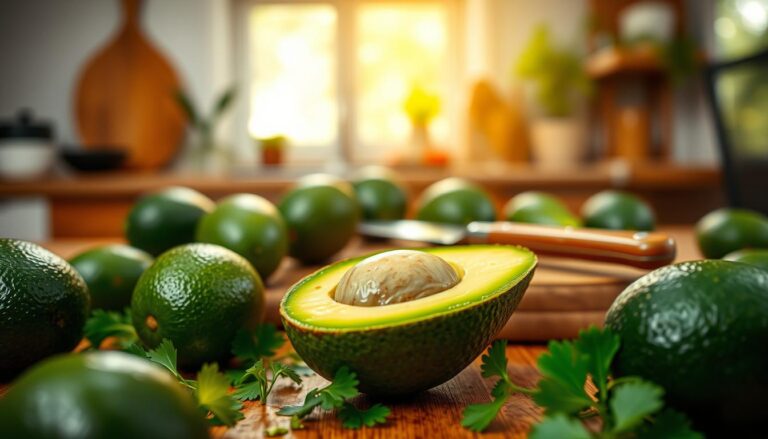
Avocado acts like a fruit-plus-fat: it thickens, adds fiber, and boosts satiety, useful in vegan blends that skip dairy or yogurt.
Greens that blend well
Start with mild spinach for easy green power. Move to kale, arugula, chard, or collards when you want more micronutrients and a deeper green profile.
Unexpected veggie add-ins
Frozen cauliflower or zucchini gives neutral creaminess. Carrots and beets add color and natural sweetness. Cooked sweet potato creates a dessert-like texture and more fiber.
Quick tip: keep mixed berries, spinach, and riced cauliflower in the freezer and blend with unsweetened almond milk for a reliable base. Rotate fruits and veggies weekly to diversify flavors and plant variety.
Healthy Fats That Keep You Full
Including whole-food fats helps a drink feel more like a meal and less like a quick sugar hit. One to two tablespoons per serving adds creaminess, slows digestion, and improves satiety without masking flavor.
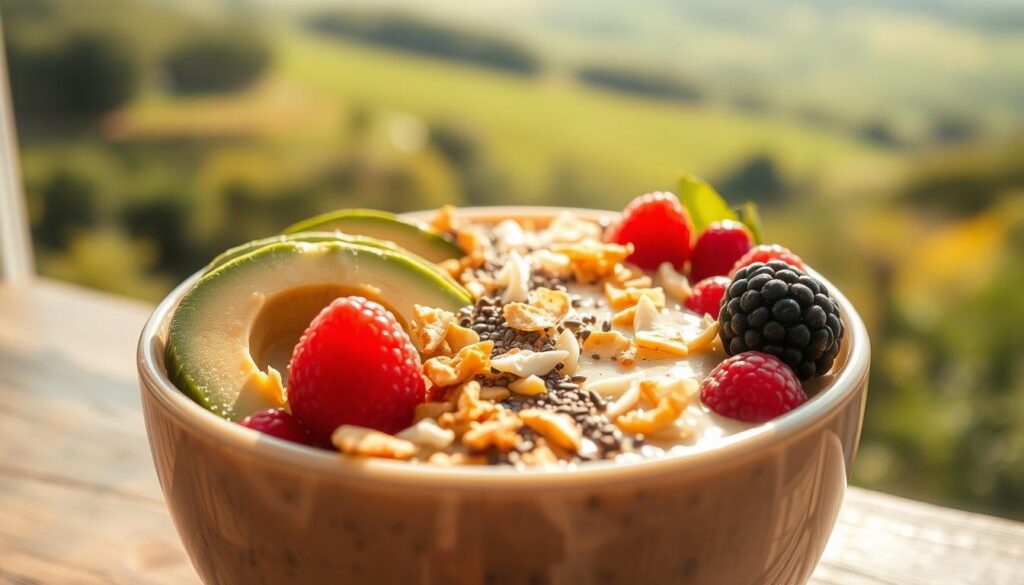
Why add fat? Fats slow gastric emptying, which steadies blood sugar and extends fullness. That makes a smoothie more sustaining when paired with fiber and protein.
Best picks for texture and nutrition
- Chia or ground flaxseed: plant-based omega-3s and extra fiber in a single spoonful.
- Hemp hearts: mild, nutty, and high in essential fatty acids.
- Walnuts or almonds: blend for a rich, nutty profile that pairs well with banana or cocoa.
- Tahini: savory, earthy—try it with cacao and dates for a less sweet option.
- Avocado: gives silky texture in green blends (spinach + pineapple + lime is a good match).
- Full-fat yogurt or nut butter: adds both fat and extra protein, boosting meal potential.
Use about 1 tablespoon for a lighter snack and up to 2 tablespoons for a meal-sized smoothie. Adjust by appetite and calorie goals; start small and add a half tablespoon if you want more richness.
“Whole-food fats bring nutrients beyond calories, unlike oils—choose seeds, nuts, avocado, or yogurt for more nutrition and better texture.”
Tip: balance fat with protein and fiber to create a complete cup that keeps you satisfied for hours. For more guidance on ingredient choices and practical combos, see Martha Stewart’s smoothie guide.
Smart Sugar Strategy: Keep Added Sugars in Check
Too much sweetener can undo a balanced cup fast. Use simple swaps and a taste-first habit to keep flavor bright and nutrition intact.
Small sources of hidden sugars often push calories up without adding protein or fiber. Read labels and plan your base to avoid surprises.
Common culprits to watch
Flavored yogurt, sweetened plant-based milk, syrups, and large pours of juice frequently add extra sugars. Premade bottles and powder mixes can do the same.
Taste first, sweeten last
Blend, taste, then add a tiny sweetener if needed. Dietitians often cap added sugar at about 1 teaspoon per serving.
“Blend, taste, and add no more than a teaspoon of extra sugar per serving.”
Why whole fruit wins over juice
Whole fruit keeps fiber intact. That fiber slows absorption, improves fullness, and helps control blood glucose and appetite.
- Choose unsweetened milk or plant-based milk and check grams of added sugars on labels.
- Use frozen fruit for chill and sweetness instead of syrups or honey.
- Boost perceived sweetness with berries, vanilla, cinnamon, or ginger.
- Limit juice to 1/2 cup of the total liquid to add brightness without excess sugars.
- People sensitive to big sugar swings do better with higher protein and fiber.
| Source | Typical added sugars (per serving) | Tip |
|---|---|---|
| Flavored yogurt | 8–12 grams | Choose plain; add fresh fruit for sweetness |
| Sweetened plant-based milk | 5–10 grams | Pick unsweetened plant-based milk or plain milk |
| Fruit juice (1/2 cup) | 12–15 grams | Limit to 1/2 cup or replace with whole fruit |
Easy rule: let balance guide sweetness—protein, fiber, and a touch of fat should come before sugar. Do that and your smoothie will taste great and support your health goals.
Calories and Portions: Make Your Smoothie Fit Your Goals
Portion size matters: a cup meant to tide you over should look and count very different from one meant to replace lunch. Match calories and macros to your purpose so the drink supports sleep, workouts, or steady energy—not sugar swings.
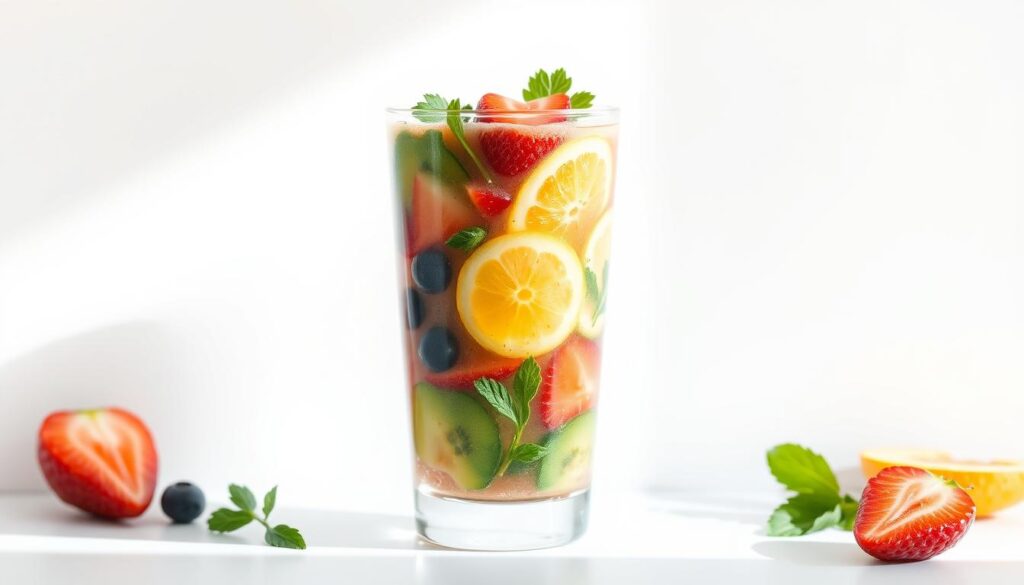
Snack vs. meal: protein, grams, and calorie ranges
Snack targets: aim for about 150–300 calories and roughly 10 grams of protein. These smaller cups bridge hunger without replacing a full meal.
Meal targets: plan for 400–800 calories and at least 20 grams of protein. That range supports recovery, a long stretch between meals, or post-workout refueling.
Practical portion and ingredient guidance
- Dense add-ins like nuts, seeds, nut butter, and avocado raise calories fast—adjust portion size or split into two servings.
- For a light snack, use one cup fruit, a lean protein like yogurt or silken tofu, and a smaller spoon of nut butter as an option.
- For a meal, boost protein, add 1–2 tablespoons of fat, and bulk with extra veggies to increase fiber without extra sugar.
Split large cups: if your blend tops 800 calories, refrigerate half and drink later the same day. Thicker blends with oats or avocado increase fullness; more liquid lowers density.
Log once, then eyeball: track ingredients the first few times to learn how many calories and grams of protein your combinations deliver. Remember that a single drink is part of your overall diet—time higher-protein cups after workouts and choose smaller snack options between meals.
Quick cue: if you’re not satisfied for 3–4 hours, add more protein or a touch more fat next time; if you feel overly full, scale back portions.
Step-by-Step: How to Make a Healthy Smoothie Every Time
Build your cup like a mini-meal: start with a measured liquid and a handful of greens. Simple ratios and a short checklist make a reliable, balanced recipe you can repeat daily.
Pick a liquid and greens
Step 1: use 1 cup liquid to start. Choose water, milk, or unsweetened almond milk. Combine half plain yogurt and half water or milk for creaminess without excess calories. Add a handful of spinach for micronutrients and minimal flavor.
Add fruit and fiber
Step 2: add about 1 cup fruit—mixed berries, bananas, or mango—for flavor and fiber. Keep total fruit modest so sugar stays in check.
Choose protein
Step 3: match protein to your goal. Use plain Greek yogurt, silken tofu, 1/2 cup white beans, or a measured scoop of third-party tested protein powder.
Add fat, boosters, and texture
Step 4: include 1–2 tablespoons healthy fat like chia, ground flax, almond butter, or 1/4 avocado. Step 5: boost texture with rolled oats, spices (cinnamon or ginger), and frozen produce for chill.
Troubleshooting
Tip: blend, taste, and add liquid by splashes to avoid a swampy mix. Keep ingredients simple—pick two hero flavors—to save time and get consistent results.
Conclusion
Build each cup like a mini-meal: measured liquid, whole fruits, a clear protein source, and a bit of fat. That balance helps a smoothie support your diet and everyday health without excess added sugars.
Keep it practical. Use frozen produce, unsweetened milk, and a trusted powder or plain yogurt to save time and control calories. Pick simple flavor anchors like bananas with peanut butter for creaminess and lasting satiety.
Size your servings to your goals and split large batches when needed. For more detail on risks and benefits, see this research on smoothies. Follow the step-by-step method here and you’ll routinely make smoothie blends that serve people’s schedules, tastes, and long-term diet goals.
FAQ
Are blended drinks a healthy choice?
Blended drinks can be nutritious when they include a balance of fiber, protein, and healthy fat. Using whole fruits, vegetables, a reliable protein source (Greek yogurt, silken tofu, or a tested protein powder), and a plant-based or dairy milk keeps calories and sugars in check while preserving nutrients and satiety.
How do I tell if my drink is actually balanced?
Look for a simple ratio: roughly one cup of greens and/or vegetables, ½–1 cup of whole fruit, 15–25 grams of protein, and 1–2 tablespoons of healthy fat. If a recipe relies on fruit juice, flavored yogurt, or sweetened plant milk for taste, it’s likely high in added sugars and low in protein and fiber.
What do dietitians and research say about using blended beverages in a diet?
Experts note benefits—convenience, increased produce intake, and nutrient density—when made thoughtfully. Risks include excess sugars, low satiety for some people, and using cleanses as a long-term strategy. Pairing protein and fiber reduces blood sugar spikes and improves fullness.
Which liquids are best for the base?
Choose unsweetened dairy or plant-based milks (almond, oat, soy), water, or diluted dairy for fewer added sugars. Limit fruit juice; it concentrates sugar and removes fiber. Use milk for added protein and calcium if that fits your goals.
What serving size and consistency should I aim for?
Aim for 12–16 ounces as a typical single serving. For meal replacements, increase protein and calories; for snacks, keep protein around 10–15 grams and total calories lower. Thicker blends suit bowls, while higher liquid yields a drinkable texture.
What are the best whole-food protein choices?
Greek yogurt, skyr, silken tofu, cottage cheese, cooked white beans, and nut butters are reliable. They add protein and texture while contributing other nutrients like calcium and healthy fats.
How should I choose a protein powder?
Compare grams of protein per serving, check for added sugars, and prefer third-party tested brands such as NSF or Informed-Sport. Whey delivers complete amino acids and leucine, aiding muscle synthesis; plant blends (pea, soy, rice, hemp) are good alternatives—choose a blend to improve amino acid profile.
Are there downsides to whey powder?
Whey is effective for muscle support but can cause digestive issues for those with lactose intolerance. It may also be unsuitable for vegans. Check for added sweeteners and opt for hydrolyzed or isolate forms if sensitive to lactose.
Which fruits and vegetables boost fiber and flavor?
Berries, banana, mango, and avocado add fiber and flavor. Greens like spinach, kale, and chard increase micronutrients with minimal calories. Vegetables such as cauliflower, zucchini, carrots, and cooked sweet potato add bulk and creaminess without excess sugar.
Is frozen produce as good as fresh?
Frozen fruits and vegetables are convenient and often retain nutrients since they are flash-frozen at peak ripeness. They also improve texture and chill without diluting flavor like ice can.
What healthy fats should I include?
Chia seeds, ground flax, hemp seeds, walnuts, almond butter, tahini, and avocado provide omega-3s and monounsaturated fats. For snacks, 1 tablespoon of nut butter or 1 tablespoon of seeds is sufficient; for meal replacements, aim for 1–2 tablespoons.
How do I keep added sugars under control?
Avoid fruit juices, sweetened yogurts, and flavored plant milks. Taste first, then add a small amount of maple syrup or honey only if needed. A good cap is about 5–10 grams of added sugar per serving; prioritize whole fruit for natural sweetness and fiber.
What calorie targets should I use for snacks versus meals?
Snacks typically range 150–300 calories with 8–15 grams of protein. Meal replacements run 350–600 calories with 20–30+ grams of protein. Adjust based on activity level and daily calorie goals.
What step-by-step approach ensures a consistently good blend?
Start with liquid and greens, add protein and fruit, then healthy fat, and finish with ice or frozen produce for texture. Blend in that order to avoid clumping and to get a smooth result. Add boosters like oats or spices sparingly to modify texture and nutrition.
Why does my blend sometimes turn out thin or “swampy”?
Overblending watery ingredients, using too much liquid, or adding too many greens without enough frozen fruit can create a thin, bitter texture. Balance warm-to-cool ingredients and use frozen fruit or ice and a touch of fat or banana to improve mouthfeel.

Don’t Miss These Picks