


Your gut thrives on diversity. Fermented picks like kefir, kimchi, sauerkraut, yogurt, and apple cider vinegar deliver live microbes that may support digestion, metabolism, and overall health.
Curious which pantry staples actually carry useful probiotics and which are just trendy labels?
As a microbiologist, I focus on human evidence and microbial diversity. I look at real strains, practical access in U.S. stores, and studies that link these items to better gut health and metabolic markers.
Kefir can house dozens of strains and unique polysaccharides. Kimchi has clinical links to improved insulin sensitivity and lower blood pressure in some trials. But benefits depend on how a product is made, stored, and labeled.
Below, you’ll find a ranked list with clear reasons, label tips, and simple ways to add servings across the week. Small, consistent portions can help beneficial microbes gain a foothold and support your body against common metabolic issues and diseases.
Key Takeaways
- Diversity matters: multiple small servings beat one huge serving.
- Choose raw or “live and active cultures” to increase probiotic chances.
- Kefir and kimchi show strong evidence for microbial variety and metabolic gains.
- Watch for added sugar and pasteurization—these reduce benefits.
- Practical swaps: kefir in smoothies, kimchi on bowls, sauerkraut with sandwiches.
Why fermented foods matter for your gut microbiome right now
Fermentation turns simple ingredients into tangy, nutrient-rich items and often creates live microorganisms. These microbes can help diversify the gut microbiome and support better digestive health when eaten regularly.
Adding bacteria or yeast to raw ingredients starts a cascade of changes. In a watery environment, microbes metabolize sugars and make acids and gases. That process preserves food and cultivates beneficial bacteria.
What fermentation is and how it creates live microorganisms
Fermentation is a controlled microbial makeover. Foods are often made by adding microorganisms like bacteria or yeast to milk, vegetables, or sweet tea. The microbes eat sugars in water or brine and produce acids that change texture and flavor.
Probiotics vs. prebiotics: why both influence digestive health
- Probiotics are the live microbes in some fermented products that can reach your gut alive.
- Prebiotics are fibers that feed existing good bacteria; together they support a resilient gut.
- Not all store products have viable probiotics—pasteurization or high sugar can kill or dilute benefits.
- Start with small daily portions to let your gut adapt and reduce bloating risk.
For a concise summary of the clinical evidence, see this research review on diet and microbes.
How a microbiologist ranked the “best”: science, strains, and everyday practicality
I ranked pantry staples by the strength of human trials and the diversity of microbes they deliver. The method prioritized clinical outcomes first, then microbial variety, and finally how easy each item is to eat daily in the U.S.
I begin with human evidence that links foods to digestive health, blood sugar, and heart markers. Kefir and yogurt show stronger trial data than kombucha; kimchi and sauerkraut have small but meaningful studies.
“Evidence first, diversity next, practicality last—this keeps recommendations useful and realistic.”
Microbial diversity matters. Items rich in lactic acid bacteria tend to supply a wider array of helpful microorganisms. Some products reliably contain probiotics; others lose microbes during pasteurization or long storage.
Accessibility is practical: choose items sold widely, affordable, and easy to portion into meals. Small daily servings often work better than occasional large portions.
- Label tip: make sure the package notes “raw,” “unpasteurized,” or “live and active cultures.”
- Watch risks: check sodium in brined vegetables and added sugar in flavored drinks.
- Serving pattern: aim for regular, modest portions to maintain exposure to beneficial bacteria.

Kefir: the powerhouse drink with diverse live microorganisms
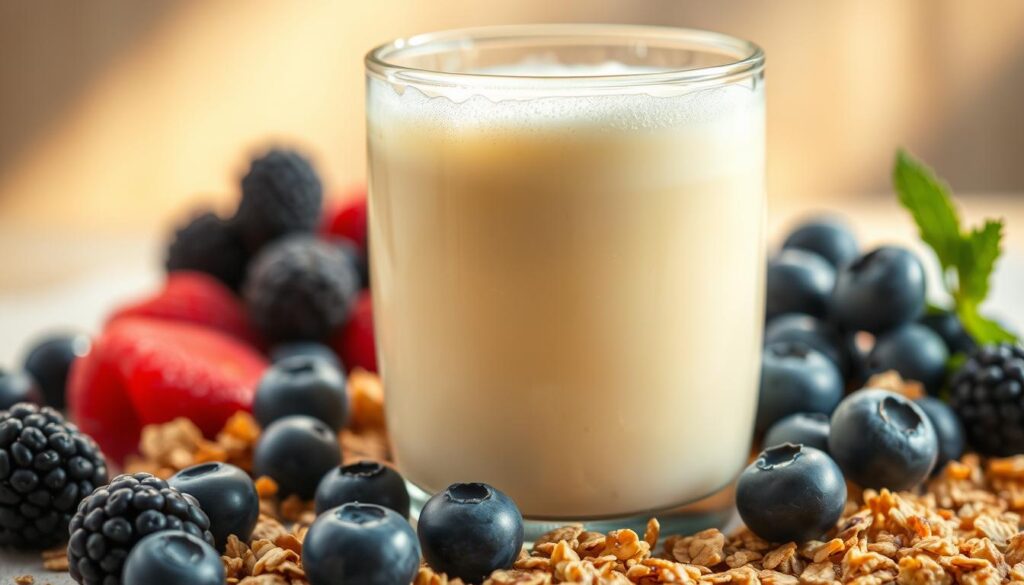
A single cup of kefir can deliver dozens of microbial strains that many yogurts do not. Made by adding kefir grains to milk and fermenting 10–24 hours, kefir often contains up to 61 strains. It includes unique species such as Lactobacillus kefiri and produces kefiran, a polysaccharide with antibacterial activity.
Why it stands out
Kefir delivers exceptional microbial diversity and consistent live cultures. Compared with many yogurts, the strain count and yeast presence give kefir broader probiotic reach.
Potential benefits supported by early human studies
Clinical work suggests kefir may help digestive wellness, improve glycemic control in type 2 diabetes, and reduce markers of inflammation. It also supplies B, C, A, K and key minerals like calcium and magnesium.
How to use kefir
- Blend into smoothies or pour over overnight oats.
- Whisk into dressings or enjoy chilled as a tangy drink.
- Choose plain kefir to limit added sugars; refrigeration and “active cultures” labeling matter.
Kimchi: spicy fermented vegetables that may support metabolic and heart health
Kimchi combines nutrient-dense vegetables with lactic acid bacteria and bold flavor. Regular servings may help improve metabolic markers and support heart health in people at risk.
Spicy, tangy, and rich in vegetables, kimchi brings bright flavor and live microbes to simple meals.
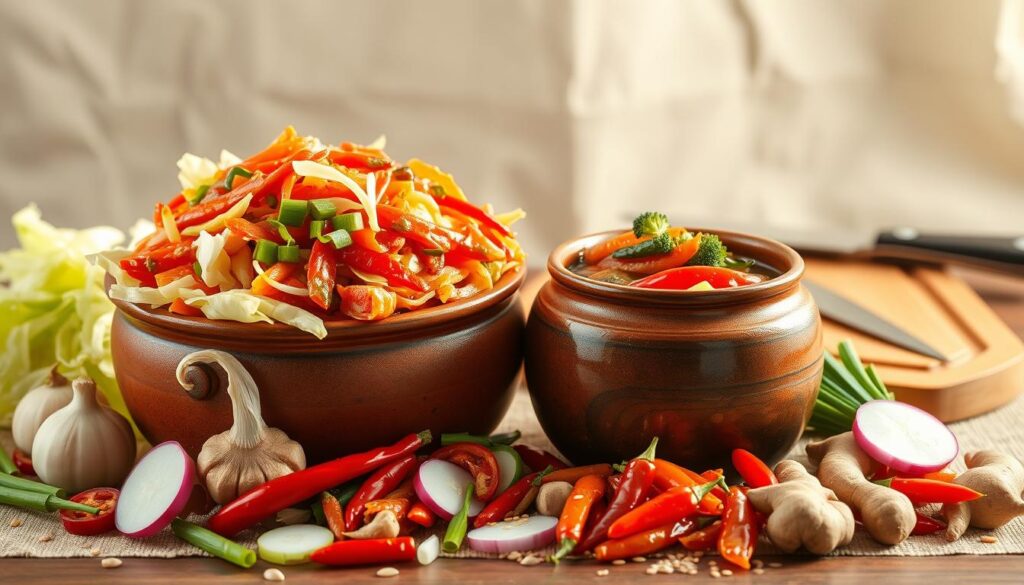
From cabbage to radish: nutrient-dense produce plus live cultures
Classic kimchi uses napa cabbage or radish, salt, and gochugaru to encourage fermentation. The process yields lactic acid bacteria and other microorganisms that act as probiotics in the gut.
Practical ways to eat it daily
- Side dish: a small scoop with meals to add fiber and vitamin C.
- Fold into rice bowls, tacos, or omelets for an easy probiotic boost.
- Choose refrigerated jars with fizz and a sour aroma—signs of active fermentation and minimal added sugar.
What the trials show: short clinical studies report improved insulin resistance, lower blood pressure, and modest weight changes over 16 weeks in people with prediabetes. Kimchi also supplies antioxidants and minerals that support blood markers and may help lower some cancer risks, though evidence is still emerging.
Match spice and sodium to your taste, and pair kimchi with salmon or tofu to build cardiometabolic-friendly meals.
Sauerkraut: simple fermented cabbage with probiotic potential
When cabbage meets salt and patience, lactic acid bacteria transform it into sauerkraut. Choose raw, unpasteurized, and refrigerated kraut to preserve live cultures that can support digestive health.
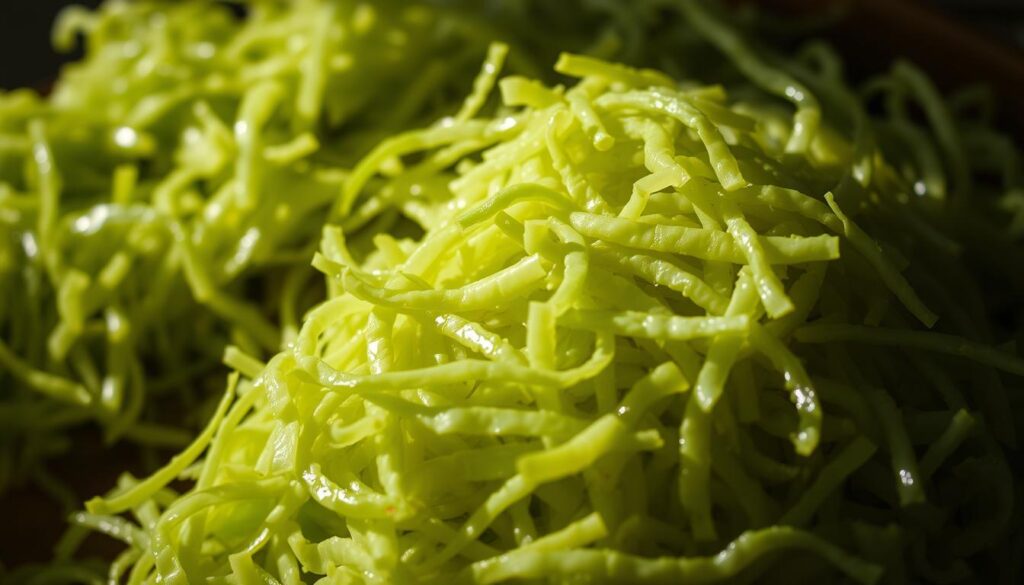
Choose raw, unpasteurized kraut and keep it chilled for live cultures
Sauerkraut is traditionally just cabbage and salt. Fermentation in a simple salt-and-water brine promotes lactic acid bacteria that sour and preserve the vegetables.
Raw kraut can contain probiotics; pasteurized, shelf-stable jars usually do not. Small clinical studies link raw sauerkraut to reduced IBS symptoms within six weeks in some people.
- Add a forkful as a side dish, layer on sandwiches, or mix into warm meals just before serving to avoid heat-killing microbes.
- Check labels for “raw” or “unpasteurized” and a short ingredient list; tang and mild fizz signal active fermentation.
- Start with small servings; kraut is salty, so balance with fresh vegetables and plenty of water.
Nutritionally, sauerkraut brings fiber, vitamin C, B6, iron, and live bacteria that may complement other healthy foods in your week. Store tightly sealed in the refrigerator to maintain quality and live cultures.
Yogurt: widely available, protein-rich, and backed by large evidence bases
When milk meets starter cultures, yogurt becomes a protein-rich food with measurable clinical benefits. Choose plain, chilled varieties with live cultures to get probiotics while limiting added sugar.
Yogurt is made by fermenting milk with bacteria such as Lactobacillus acidophilus. Analyses link regular yogurt intake to better gut markers, improved blood lipids and blood pressure, stronger bones, and lower risk of some metabolic diseases.

Look for “live and active cultures” and minimal added sugar
Make sure the label names live cultures or shows a “live and active cultures” seal. Plain or unsweetened styles let you control sugar by adding fruit or a drizzle of honey.
Greek, Icelandic, and traditional styles for balanced protein and probiotics
Greek and Icelandic (skyr) provide higher protein and thicker texture. Traditional yogurt often has milder fat content and diverse bacteria. Rotate types to vary the strains you consume.
| Style | Protein (per 6 oz) | Typical Fat | Probiotic notes |
|---|---|---|---|
| Greek | 12–17 g | Low to full fat | Often strained; many brands list live cultures |
| Icelandic (Skyr) | 15–20 g | Low fat | High-protein, check label for cultures |
| Traditional | 5–8 g | Varies | May contain varied lactic acid bacteria |
Practical tips: Use yogurt as a base for smoothies, savory dips, or breakfast bowls with nuts and berries to add fiber, vitamins, and minerals. If lactose sensitive, try plain yogurt—fermentation reduces lactose, and many find it easier to digest than milk.
Apple cider vinegar: the “mother” may contain live bacteria, but use wisely
Unfiltered apple cider vinegar can include a “mother” that may carry live microbes, but it’s not a robust probiotic source like kefir or kimchi.Use it for flavor and possible metabolic benefits, and always dilute before you drink it to limit risks.
Apple cider vinegar is made by fermenting apple juice with yeast and bacteria. In unfiltered apple cider products you may see a cloudy, web-like “mother” that hints at live microbes.
Some small studies link apple cider vinegar to improved blood sugar responses and modest cholesterol changes, but results vary by product and dose. The vinegar is acidic, so dilute it before you drink it to protect tooth enamel and reduce reflux risk.

- Choose raw, unfiltered cider vinegar with visible “mother” and shake before use.
- Use apple cider vinegar in vinaigrettes, marinades, or splashed on roasted vegetables.
- If you prefer it as a drink, dilute one tablespoon in a full glass of water and consider a straw.
- Avoid high-sugar bottled drink mixes; pair ACV with fiber and protein for steadier blood responses.
Store unfiltered vinegar in a cool, dark place. Remember: apple cider vinegar can add flavor and some benefits, but it should complement solid dietary habits rather than replace them. For a recipe that pairs well with tangy dressings and balanced meals, see this simple weight-loss recipe.
Close contenders you should know: miso, kombucha, cheeses, sourdough, and more
A few near-miss staples can broaden your microbial exposure and add real flavor to meals. They vary in live-culture content, sugar, and the strength of human evidence, yet they offer practical nutrients and taste.
Below are quick notes on how these options fit into a routine and what to watch for on labels.
Miso and tempeh: savory, protein-rich soy options
Miso and tempeh deliver plant protein and umami depth. Miso uses koji to ferment soy and adds lactic acid and flavor to soups and dressings.
Tempeh is a fermented soy cake that supplies firm texture and usable protein in stir-fries or bowls. Some studies link soy ferments to cardiometabolic benefits, though evidence is modest.
Kombucha: a fizzy fermented tea drink with variable sugar
Kombucha is a fermented sweet tea made with a SCOBY. Choose lower-sugar bottles and start with small servings to assess tolerance.
Brands vary widely in sugar and live cultures, so read labels and treat it like a flavored drink rather than a probiotic prescription.
Cheeses with live cultures
Certain aged cheeses—cheddar, gouda, Swiss—and some cottage cheeses may contain live bacteria. Check packaging for “live” or “active cultures.”
If dairy is an issue, note that fermentation often reduces lactose, and some cheeses can be easier to digest than milk or yogurt.
Sourdough and pickles
Sourdough provides prebiotic-friendly bread even though baking kills probiotics. Pair it with fiber-rich toppings to support the gut.
Pickles fermented in a salt-and-water brine can contain live microbes; vinegar-pickled cucumbers usually do not. Look for refrigerated jars and a short ingredient list.
- Summary: These near-miss favorites can round out your routine. They vary in live-culture content, sugar, and strength of human evidence—but they add flavor, flexibility, and nutrients.
- Rotate options to vary probiotics and nutrients that support heart and metabolic goals.
- If you worry about cancer risk or chronic disease, focus on an overall pattern rich in vegetables, fiber, and modest sodium rather than a single item.
Best Fermented Foods for Gut Health in the United States
If you want a simple starter kit of pantry items that support microbial variety, choose options you can buy nationwide and eat often. These picks balance human evidence, easy servings, and clear label signals so you can add probiotics without fuss.
At-a-glance picks for beginners
Your starter set: kefir, kimchi, sauerkraut, yogurt, and unfiltered apple cider vinegar. These choices are widely available in U.S. stores and may help digestive and metabolic markers when consumed regularly.
- Kefir: sip 4–8 oz daily for diverse strains; choose plain milk-based kefir and add fruit if desired.
- Kimchi: add 2–4 tbsp as a topping on bowls, eggs, or tacos to boost bacteria and flavor.
- Sauerkraut: use raw, unpasteurized kraut on sandwiches or as a small side to preserve live cultures.
- Yogurt: select plain varieties labeled “live and active cultures,” 3/4–1 cup per serving; pair with fiber for a balanced bowl.
- Apple cider vinegar: use 1–2 tsp of unfiltered cider vinegar with “mother” in dressings; dilute before drinking and avoid sugary mixes.
Quick check: look for live-culture labels, refrigerated placement, short ingredient lists, and moderate sodium/sugar to ensure likely probiotic benefit. Rotate these items across the week to vary microbes and nutrients like protein from milk-based ferments and minerals from plant ferments.
For a deeper pantry guide and shopping ideas, see this handy roundup that highlights common options and storage tips.
Smart shopping and label tips to get real probiotic benefits
Live cultures aren’t guaranteed—labels and storage matter. Choose refrigerated jars and dairy marked “live and active cultures” or packaging that says “raw” or “unpasteurized” to increase the chance of real probiotics.
A quick label check saves time at the store. Look for short ingredient lists and refrigeration; those often signal active fermentation rather than heat-treated, shelf-stable products.
Spot the live stuff
Words that matter: raw, unpasteurized, and live and active cultures usually indicate live microorganisms. Yogurt labels often carry the clearest claims.
Refrigerated kimchi and sauerkraut with brief ingredient lists likely contain live bacteria. For pickles, prefer salt-and-water brines; vinegar-pickled jars rarely have live microbes.
Balance taste and health
Limit added sugar by choosing plain yogurt or low-sugar kombucha. Keep an eye on sodium and pair salty ferments with fresh vegetables and high-potassium foods.
- Start small: introduce 1–2 tbsp servings and increase to reduce bloating risk.
- Store well: keep ferments chilled, close lids tightly, and avoid heating to preserve benefits.
- Check transparency: brands that list strains or counts give clearer signals of probiotic value.
| Shopping cue | What it means | Action |
|---|---|---|
| “Live and active cultures” | Likely viable probiotics in dairy | Choose plain yogurt or kefir with this label |
| “Raw” / “Unpasteurized” | Unheated plant ferments may contain live bacteria | Pick refrigerated sauerkraut or kimchi with short lists |
| Vinegar-based pickles | Flavors preserved but usually no live microbes | Use for taste; pick brined pickles when seeking probiotics |
Conclusion
Small, consistent servings of top fermented choices can support gut health and broader wellness. Focus on quality, live cultures, and items you enjoy so the habit sticks.
The strongest everyday picks—kefir, kimchi, sauerkraut, and yogurt—supply probiotics and live bacteria that add real benefits. Use unfiltered apple cider vinegar as a complement, not a replacement.
Pair ferments with fiber-rich vegetables, lean proteins, and whole grains to feed the gut microbiome and supply vitamins and minerals from milk and plants.
Over time, this balanced pattern links to better blood markers, lower risk of heart disease and related diseases, and improved overall health. If you have specific medical concerns, adjust choices with a clinician or dietitian.
Your next step: pick one fermented food you enjoy today and make it a repeatable habit for lasting benefits.
FAQ
What makes fermented foods helpful for the gut microbiome?
Fermentation produces live microorganisms—often lactic acid bacteria and yeasts—that can temporarily colonize the digestive tract, support microbial diversity, and aid digestion. These foods also deliver vitamins, organic acids (like lactic acid), and bioactive compounds that may influence blood sugar, inflammation, and heart-health markers. Choose unpasteurized, refrigerated options to maximize live cultures.
How is fermentation different from adding vinegar or apple cider vinegar?
True fermentation is a microbial process where bacteria and yeasts convert sugars into acids, alcohols, or gases, creating live cultures. Apple cider vinegar may contain a “mother” with live bacteria if unpasteurized, but many vinegars are pasteurized and lack active probiotics. Vinegar adds acidity and flavor but isn’t a reliable source of probiotic strains like those found in kefir, kimchi, or sauerkraut.
Are probiotics and prebiotics the same thing?
No. Probiotics are live microorganisms in foods such as yogurt, kefir, and some cheeses. Prebiotics are non-digestible fibers and compounds—found in foods like onions, garlic, and sourdough—that feed beneficial bacteria. Both influence digestive health but work differently: probiotics add microbes; prebiotics nourish the existing community.
Which fermented foods are richest in microbial diversity?
Drinks like kefir and items like traditional kimchi and unpasteurized sauerkraut tend to contain a wider variety of strains, including Lactobacillus species and other lactic acid bacteria. Yogurt often has a narrower but well-studied set of cultures. Diversity varies by production method, raw ingredients, and whether the product was pasteurized.
Is kefir better than yogurt for gut benefits?
Kefir often contains more strains, including Lactobacillus kefiri and kefiran, a polysaccharide linked to immune and gut effects, so it may provide broader microbial exposure. Yogurt remains valuable—especially Greek and Icelandic styles—for protein and well-researched health outcomes. Both are useful; personal tolerance and added sugar should guide choices.
How should I use kimchi and sauerkraut in daily meals?
Add kimchi or raw, unpasteurized sauerkraut as a side, in rice bowls, tacos, omelets, or salads. Start with small servings (1–2 tablespoons) to let your digestive system adjust. Keep chilled and follow storage instructions to preserve live cultures and nutrients like vitamins and minerals.
What should I watch for on labels to ensure live cultures?
Look for terms like “raw,” “unpasteurized,” and “live and active cultures.” Check ingredient lists for added sugar or stabilizers, and prefer low-sodium options when possible. For kefir and yogurt, choose products with minimal added sugar and explicit culture strains listed.
Can fermented foods help with blood sugar or heart health?
Some human studies suggest certain fermented foods may modestly support blood sugar control and heart-disease risk markers, likely via microbial metabolites and improved gut function. Effects vary by food, serving size, and individual factors. Fermented dairy and vegetable-based products have the most supporting evidence to date.
Are there risks or side effects to eating fermented items?
Most people tolerate small amounts well, but initial bloating or gas can occur as gut microbes adapt. High-sodium products like many sauerkrauts and kimchis can be a concern for people managing blood pressure. Immunocompromised individuals should consult a clinician before consuming unpasteurized products. Also be careful with added sugars in kombucha and some yogurts.
Is kombucha a reliable source of probiotics?
Kombucha is a fermented tea that can contain live yeasts and bacteria, but microbial content and sugar levels vary widely by brand and batch. It’s an emerging area of research; for steady probiotic intake, kefir, yogurt, kimchi, and raw sauerkraut are more consistent choices.
What about fermented cheeses, miso, tempeh, and sourdough?
Many aged cheeses (cheddar, gouda, Swiss) and cottage cheese can contain live cultures when made traditionally. Miso and tempeh are protein-rich fermented soy products with potential metabolic benefits. Sourdough provides prebiotic benefits through partial starch breakdown and organic acids. Pickles brined in salt (not vinegar) may also offer live bacteria if unpasteurized.
How should I start adding these foods to my diet safely?
Begin with small portions—one to three tablespoons or a half-cup for kefir—and increase gradually. Choose low-sugar, unpasteurized options when possible, keep products refrigerated, and balance servings with protein and fiber. If you have medical conditions or take immunosuppressive drugs, check with a healthcare professional first.
Where can I find quality options in the United States?
Many grocery stores and farmers’ markets carry refrigerated kefir, raw sauerkraut, kimchi, and “live” yogurts. Look for local brands and refrigerated shelves rather than shelf-stable jars labeled pasteurized. Health food stores often stock kombucha, miso, tempeh, and unpasteurized apple cider vinegar with a visible “mother.”


Don’t Miss These Picks