


Curious which groceries make your plate more plant-forward and less processed—without buying special products?
This quick guide lays out a clear, science-informed approach to sorting common grocery items so you can plan meals fast.
The chart focuses on choosing more non-starchy vegetables, fruits, nuts like chestnuts and pumpkin seeds, legumes, tofu and some whole grains while recommending fewer ultra-processed items such as many meats, cheeses, and refined grains.
Remember: these labels describe how a food influences urine pH and metabolic byproducts—not your blood chemistry, which the body keeps tightly regulated at about 7.35–7.45. The real benefits come from eating fresh, nutrient-dense, unprocessed food and cutting added sugars and sodium.
Later sections will explain pH in plain language, give a categorized chart for quick swaps, and share simple plate ratios and meal ideas you can use today. For a science-backed myth check, see this summary on the alkaline diet myth.
Key Takeaways
- Use the chart to favor plants and whole items over ultra-processed choices.
- Terms like alkaline and acidic refer to urine effects, not blood pH.
- Practical swaps help you shop and plan meals faster.
- Health gains stem from fresh, nutrient-dense patterns, not pH shifts.
- Expect simple plate ratios and realistic meal ideas ahead.
What “alkaline vs. acidic” really means in your diet today
The alkaline diet idea signals a move toward more whole plants and fewer processed or heavy animal items. It explains effects on urine and metabolic “ash,” not a rewrite of blood chemistry.
Many people follow the alkaline diet because it gives a simple shopping cue: pick more vegetables, fruits, legumes, nuts and less meat, dairy, eggs, alcohol, and caffeine. Advocates sometimes track urine pH with dipsticks after meals.
Remember: the body tightly regulates blood pH. Food can change urine acidity and the type of metabolic residue left behind, but it cannot override that control. The pH scale ranges roughly from 0–6 (acid), 7 neutral, and 8+ for alkaline.
The real advantage comes from swapping ultra-processed items for whole plant-based choices. That swap likely drives most health gains seen in studies, not a magical shift in core chemistry.
| Category | What it means | Typical swaps | Common test |
|---|---|---|---|
| Plants & legumes | Raise urine pH; nutrient-dense | Leafy greens for chips, beans for processed snacks | Diet tracking |
| Animal & processed | Tend to lower urine pH; more processed ash | Lean meat for plant protein, nuts for cheese snacks | Urine dipstick |
| Why it matters | Practical food shifts support energy and digestion | Small daily swaps you can keep | Not a blood health marker |
The science of pH, your body, and the alkaline diet
Short summary: pH is a simple scale that explains why the stomach must be very acidic while the blood stays tightly controlled and slightly alkaline. Food shifts urine readings and metabolic residues, but it does not push blood out of its narrow range in healthy people.
pH basics: acidic, neutral, and alkaline explained
pH runs from 0–14. Numbers 0–6 are acid, 7 is neutral, and 7.1–14 is alkaline. The stomach sits near 1.5–2 to break down meals.
The blood is much different. It stays around 7.35–7.45, a slightly alkaline zone that the body defends tightly.

Blood pH vs. urine pH: what food can—and can’t—change
The lungs and kidneys adjust acid loads every day. They remove or buffer acid so the blood stays stable.
What you eat can change urine acidity. That effect reflects metabolic residues, not a change in core blood chemistry.
Alkaline ash and metabolic waste: where the idea comes from
The alkaline ash idea says foods leave acidic, neutral, or alkaline residue after metabolism. That helps explain urine testing after meals.
It is a useful mental model, not a dial you can turn to rewrite blood balance.
What current evidence says about health benefits
Research does not support the acid-ash theory of bone loss. Adequate protein may even help bone health through calcium retention and IGF-1.
There is no proven link between dietary acid load and cancer development; tumors often make their own acidic microenvironment.
Take-home: focus on overall eating patterns—more whole plants and fewer processed items—because that is what drives reliable health gains in real life.
Alkaline vs Acidic Foods Chart
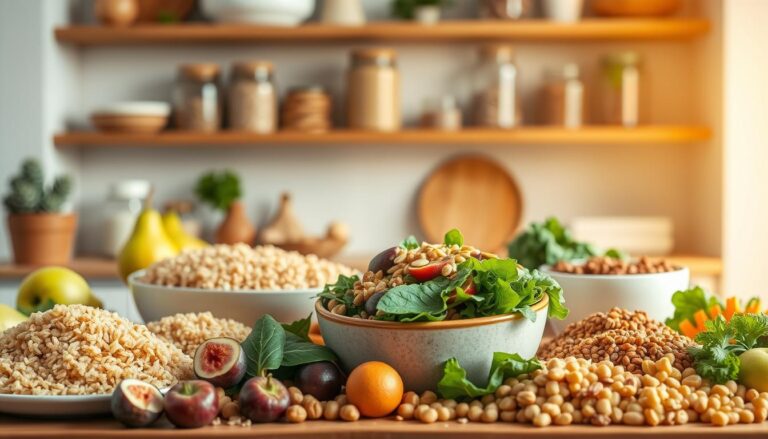
This quick reference groups common groceries so you can shop with purpose: load the cart with more plants and swap or limit highly processed and heavy animal items. Use the list to build meals that favor vegetables, fruits, legumes, nuts, and seeds first.
This guide separates items into clear groups to speed decisions in the produce aisle and pantry. The goal is a plant-forward pattern that still allows flexible protein and grain choices.
Alkaline-promoting groups
Fruits, non-starchy vegetables, legumes, tofu/tempeh, nuts, seeds, and select grains (like quinoa) top this list.
- Vegetables: broccoli, spinach, beets, asparagus, garlic, carrots, cabbage.
- Fruits: apples, cherries, citrus, pears.
- Nuts & seeds: chestnuts, pumpkin seeds; use a few for protein and texture.
- Legumes & soy: lentils, chickpeas, tofu/tempeh for filling plant protein.
Acid-forming groups
Meat, dairy, eggs, most refined grains, alcohol, fish, and many packaged items generally fall here.
- Common examples: cheese, white bread, deli meats, pastries, beer.
- Fish and poultry are nutrient-dense but count toward acid-forming categories—balance them with vegetables.
- Read labels: additives and refined flour push many processed foods into this group.
Neutral / use sparingly
Natural fats, milk, and sugars are often treated as neutral by proponents. They aren’t villains, but watch portions to keep your plate plant-forward.
| Group | Examples | Quick swap |
|---|---|---|
| Plant-forward | Broccoli, spinach, apples, quinoa, pumpkin seeds | Leafy salad + beans instead of chips + deli meat |
| Animal & processed | Cheese, white bread, sausage, pastries, beer | Grilled fish + veg instead of fried snack combo |
| Neutral / sparing | Olive oil, whole milk, maple syrup | Small drizzle or portion control |
Quick tip: Shop produce first—fill your cart with vegetables and fruits, then add legumes, tofu, and a few nuts and seeds. For a deeper list, check this alkalizing food list to compare specifics while you plan.
How to use the chart to balance your plate
Follow a simple visual rule: favor plants first, then add smaller portions of denser items to round out nutrients. This keeps meals nutrient-rich and easy to plan without strict rules.
Target ratios to aim for
Try a 60/40 plate (60% plants, 40% denser items) or push toward 80/20 on lighter days. These ratios prioritize fruits and vegetables while still allowing protein and whole grains for energy.
Smart combining for better digestion
Pair protein with non-starchy vegetables to keep meals light and satisfying. For example, serve salmon with roasted broccoli and a spinach salad.
Combine whole grains like quinoa with leafy greens and beans for balanced carbs and fiber.
Easy swaps to lower acid-forming foods without going extreme
Small changes add up: choose quinoa or brown rice instead of refined grains, swap some meat portions for tofu or lentils, and build sauces with olive oil and herbs rather than heavy cream.
- Start plates with a big salad or roasted vegetables.
- Use beans and tofu to replace one animal protein meal per week.
- Treat milk and natural fats as useful but small additions—use them thoughtfully.
| Swap | Why it helps | Quick example |
|---|---|---|
| White rice → Quinoa | More fiber and whole grains | Quinoa bowl with greens and chickpeas |
| Heavy cream → Olive oil + herbs | Lighter digestion, less saturated fats | Herbed vinaigrette on salad |
| Extra deli meat → Beans | Less processed animal protein | Bean taco with cabbage slaw |
Use ratios as guides, not rigid rules. Aim for progress most days and adjust for training, culture, or appetite. Shopping with this mindset—two bags of produce and a couple of legume choices—will rebalance a week of meals quickly.
Simple meal ideas using more alkaline foods
Use easy, whole-food meals to nudge daily eating toward more plants without strict rules.
Start breakfasts around produce and simple grains. A smoothie with almond milk, watermelon, frozen strawberries, banana, spinach, chia seeds, and ice makes a quick, nutrient-dense morning meal. Or try a veggie scramble with mushrooms and greens alongside a small quinoa side for lasting energy.
Lunch can be a big, vibrant salad. Toss baby kale, cucumber, broccoli, papaya, raspberries, avocado, and toasted almonds. Dress with a vinaigrette of Dijon, garlic, raw apple cider vinegar, lemon juice, and a touch of honey for balance.
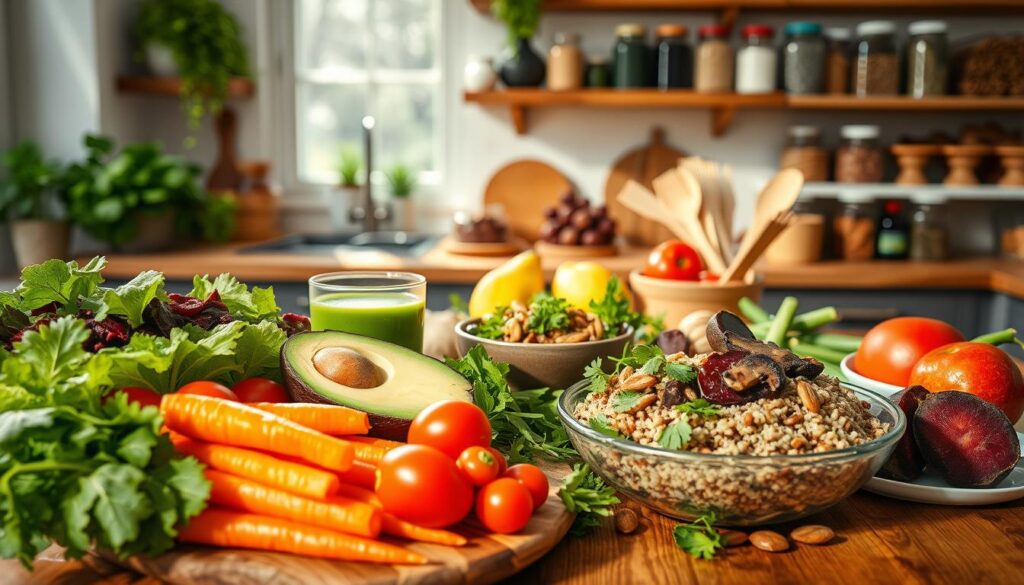
Dinner should stay plant-forward and satisfying. A quinoa bowl with sautéed mushrooms, tomatoes, avocado, herbs, and lime provides whole grains and healthy fats. Or pick a tofu stir-fry with mixed vegetables over a modest portion of brown rice.
Snacks and hydration
Snack on fresh fruits, a small handful of nuts, or raw vegetables with hummus. Sprinkle seeds on salads or nondairy yogurt for texture and extra fat.
Hydrate with mineral water or herbal tea through the day. Many enjoy warm lemon water in the morning as a gentle ritual.
A balanced 24-hour sample
| Time | Meal | Example |
|---|---|---|
| Morning | Breakfast | Smoothie: almond milk, spinach, berries, banana, chia seeds |
| Midday | Lunch | Kale salad with cucumber, broccoli, papaya, raspberries, avocado, toasted almonds, Dijon vinaigrette with lemon and honey |
| Evening | Dinner | Quinoa bowl: sautéed mushrooms, tomato, avocado, herbs, lime |
| Anytime | Snacks & drinks | Fresh fruit, a small handful of nuts, mineral water or herbal tea |
Practical tip: plan two produce-heavy meals and one grain-and-veg bowl per day. Small swaps—more vegetables, more fruits, seeds, and nuts—make the diet easier to keep and the food more nutrient-rich.
Pros, cons, and what to watch out for
This approach can deliver clear, practical gains by nudging meals toward whole produce and away from processed options. It also brings trade-offs—plan ahead for protein, calcium, and social settings so gains are real and sustainable.
A simple plant-forward shift often produces quick health benefits like more fiber, potassium, and fewer added sugars.

Potential benefits
Key upside: emphasizing fruits, vegetables, legumes, nuts, and whole grains improves nutrient density and fiber.
Many people see short-term weight changes when they cut alcohol and processed snacks. Longer gains depend on consistency and overall lifestyle.
Limitations to plan for
Removing most meat and dairy can make protein and calcium harder to meet without effort.
Dining out often means menus rich in refined grains and cheese; scan for salads, grilled options, and veggie sides.
The plan does not include exercise guidance—remember public health advice of 150 minutes weekly.
Who should be cautious
- People with kidney disease, those in cancer care, children, and anyone with a history of disordered eating should consult clinicians.
- Watch for strict rules that create “good vs bad” thinking; flexible choices protect mental health.
Common misconceptions about the alkaline diet
A persistent myth claims food can meaningfully alter your bloodstream’s balance—let’s separate myth from fact. The best evidence shows diet affects urine and metabolic residue, not steady blood values that keep you alive.
Can you “alkalize” your blood with food?
No. The lungs and kidneys work nonstop to keep blood between about 7.35 and 7.45. That tight range supports life, so ordinary meals cannot push blood pH out of this window in healthy people.
Food can change urine acidity and leave different metabolic residues. That is useful to track, but it is not the same as changing core blood chemistry.
Acidic diets, weight loss, and cancer claims—what’s supported
Weight loss after switching to a plant-forward pattern often reflects fewer processed items, less added sugar, and lower calories—not a shift in blood pH. The diet may help people feel better because they eat higher-quality meals.
High-quality reviews find no convincing link between dietary acid load and cancer. Tumors often create acidic microenvironments, and cancer cells can grow in varied pH conditions.
“Focus on whole plants and fewer ultra-processed items—those swaps drive most health gains, not a pH trick.”
For a deeper myth review, see the pH myth review.
Getting started: practical steps for the United States
Start small: a few consistent swaps in your grocery cart make healthy eating easier and cheaper. Focus on produce, reliable protein anchors, and a couple of whole grains you enjoy—this keeps planning simple and sustainable.

Build a U.S.-friendly shopping list by food group
Build your cart around produce: leafy greens, broccoli, carrots, onions, and seasonal berries. Add legumes, tofu or tempeh, nuts, seeds, and one or two whole grains like quinoa and brown rice.
- Protein anchors: beans or lentils for batch cooking, eggs for quick breakfasts, fish for a couple of dinners, or lean meats if you include them.
- Stock dairy or fortified alternatives based on preference; milk or plant milks and yogurt can help with calcium and vitamin D.
- Plan beverages: mostly water and herbal tea; limit alcohol and make it an occasional choice.
Plan balanced plates with protein, whole grains, and leafy greens
Sketch plates that are easy to follow. Aim for half non-starchy vegetables, one quarter protein, and one quarter whole grains. Let leafy greens appear at least once or twice daily.
“Small, repeatable swaps—more vegetables, reliable protein, and a whole grain—are how change becomes habit.”
| Goal | Examples | Why it helps |
|---|---|---|
| Produce-first | Leafy greens, broccoli, berries | Higher fiber, vitamins, and volume for fewer calories |
| Protein anchors | Beans, eggs, fish, tofu | Sustains energy and supports muscle recovery |
| Grains & dairy options | Quinoa, brown rice, milk or fortified plant milk | Whole grains and milk alternatives provide fiber and calcium |
Quick safety note: if you have kidney disease or special medical needs, check with your clinician before increasing protein, potassium, or phosphorus from new sources.
Conclusion
Think of this guide as a practical map for improving meal quality, not a chemical shortcut. Small, plant-forward swaps deliver most real health benefits—more fiber, minerals, and fewer ultra-processed items.
Your body keeps blood tightly controlled between about 7.35 and 7.45; food shifts urine readings and metabolic residues, not core blood pH.
Use the chart as a tool: center non-starchy vegetables and leafy greens, add modest protein and whole grains, and balance acid-forming items with produce. For more specifics on common food pH ranges, see a helpful list of acid–base foods.
If you have kidney disease or other conditions, check with your clinician before changing protein or mineral intake. Aim for gradual, sustainable changes—consistency beats perfection.
FAQ
What does “alkaline vs. acidic” mean for everyday eating?
The term refers to whether foods leave an alkaline or acid-forming residue after digestion, often called “ash.” It doesn’t mean the food’s taste—lemons are acidic but leave an alkaline residue. The practical takeaway: emphasize more vegetables, fruits, nuts, and seeds while moderating heavily processed and high-animal-protein items.
Can changing my diet meaningfully alter blood pH?
No. Your blood pH is tightly regulated by the lungs and kidneys and stays near 7.35–7.45. Food affects urine pH and metabolic waste but not systemic blood pH in healthy people. Dietary changes mainly influence nutrient balance and overall health, not blood acidity.
Is there good science behind the alkaline ash concept?
The alkaline ash idea comes from how foods affect urine and metabolic byproducts. While the mechanism is real, evidence that this translates into major disease prevention—like cancer—is limited. The strongest benefits come from eating more whole plant foods, not the claim of “alkalizing” the body.
Which food groups typically produce an alkaline ash?
Fruits (most), leafy greens, non-starchy vegetables, many nuts and seeds, and legumes generally create a more alkaline residue. These foods supply minerals like potassium, magnesium, and calcium that contribute to alkaline-forming outcomes.
Which items are commonly acid-forming?
Animal proteins (red meat, some fish), most dairy, eggs, refined grains, processed foods, and alcohol tend to be acid-forming. That said, quality and portion size matter—lean fish or modest portions of dairy can fit into a balanced plan.
Are whole grains neutral or acid-forming?
Whole grains are generally mildly acid-forming, though they provide important fiber, B vitamins, and minerals. Balance them with plenty of non-starchy vegetables and fruit rather than eliminating them entirely.
How strict should I be—do I need to follow a pure alkaline diet?
Extreme restriction isn’t necessary. Many experts recommend practical ratios such as 60/40 or 80/20 favoring alkaline-forming foods. The priority is practical improvements: more vegetables and fewer processed items rather than perfection.
Can emphasizing alkaline-forming foods support weight loss and general health?
Yes—largely because diets high in vegetables, fruits, and whole foods tend to be lower in calories and richer in fiber and micronutrients. Those shifts support weight management, improved digestion, and better metabolic markers, independent of the pH argument.
Should people with kidney disease or other conditions follow this diet?
People with kidney disease, certain metabolic conditions, or those on restricted mineral diets should consult their clinician or renal dietitian before changing intake of potassium, phosphorus, or sodium. Cancer patients and children should also get individualized medical advice.
Are processed and packaged foods always acid-forming?
Many ultra-processed foods trend acid-forming due to refined grains, added sugars, and preservatives, but not every packaged item is the same. Read labels and prioritize whole-food choices; swap snacks for nuts, seeds, or fresh fruit when possible.
What simple swaps reduce acid load without drastic changes?
Try replacing refined grains with whole grains, prioritizing salads or steamed greens with meals, choosing nuts or Greek yogurt instead of chips, and using lemon water or herbal tea instead of sugary drinks. Small, consistent swaps add up.
Are citrus fruits and lemon water bad because they taste acidic?
No. Citrus tastes acidic but is alkaline-forming after digestion. Lemon water and citrus-backed salads can help increase vegetable and fruit intake while supporting hydration—just avoid excessive added sugars.
How should I interpret claims that an alkaline diet prevents cancer?
Claims that diet alone prevents or cures cancer are not supported by strong clinical evidence. Eating more plant-based foods may lower some cancer risks, but it’s one factor among genetics, environment, and care. Rely on peer-reviewed guidance and your medical team.
Can athletes follow a more alkaline-focused plan without losing performance?
Yes. Athletes can emphasize alkaline-forming foods while maintaining adequate protein and energy intake. Focus on nutrient timing, quality protein sources, and balanced electrolytes to support performance and recovery.
How can I build a U.S.-friendly shopping list that favors alkaline-forming choices?
Prioritize leafy greens (spinach, kale), non-starchy vegetables (broccoli, bell peppers), fruits (berries, apples), nuts and seeds, beans and lentils, and whole grains in moderation. Keep frozen vegetables and plain canned beans on hand for convenience.
Are bone broths, milk, and honey considered neutral?
Many natural fats and items like milk and honey are near neutral or slightly acid-forming depending on amount and processing. Use them sparingly and focus on whole-food combinations that net toward more vegetables and fruit.
Where can I find reliable, evidence-based resources on this topic?
Look to sources like PubMed, NIH, Mayo Clinic, and .gov/.edu nutrition pages for peer-reviewed reviews and clinical guidance. Registered dietitians and primary care providers can help translate evidence into personalized plans.


Don’t Miss These Picks