


Curious how to keep progress on track when dining out after GLP-1 medications? Many people return to eating at eateries more often and face large portions and calorie-dense choices. This guide gives a science-backed, dietitian-style framework you can use right away.
Start with simple rules: prioritize protein and fiber, scan menus fast, and use easy ordering scripts. The goal is realistic support for continued weight loss momentum and long-term health without giving up favorite spots.
Each section that follows is practical and U.S.-focused — from quick-service to sit-down places. Expect clear steps on what changes after GLP-1s, what to do before you go, how to portion, and how to avoid discomfort and social pressure.
This is not about perfection. Small shifts in ordering, pacing, and plating can protect progress and fit busy lives and budgets. For broader industry context on appetite shifts and food trends, see this analysis of food-system change.
Key Takeaways
- Practical focus: actionable menu scanning, ordering scripts, and pacing that fit U.S. restaurants.
- Nutrition first: prioritize protein and fiber to support appetite control and health.
- Small shifts matter: portioning and pacing protect progress without rigid rules.
- Clinically informed: advice blends clinical basics with a friendly dietitian voice.
- Works for everyone: strategies adapt across cuisines and budgets, from quick-service to sit-down.
- Further reading: see a science-backed eating plan for specific populations here.
Why Dining Out Feels Different After GLP-1s: Appetite, Digestion, and Weight Regain Risks
GLP-1 medications change how your body signals hunger and fullness. That shift helps reduce intake but can reverse when treatment stops, so practical habits matter.
The drugs mimic gut hormones that lower appetite, improve insulin sensitivity, and slow gastric emptying. That slower digestion often increases fullness and makes restaurant portions feel more than you need.
What happens if you stop? Appetite typically rebounds, gastric emptying speeds up, and old eating patterns can return. Many patients do not refill anti-obesity prescriptions at 12 months, so behavior matters for lasting loss.
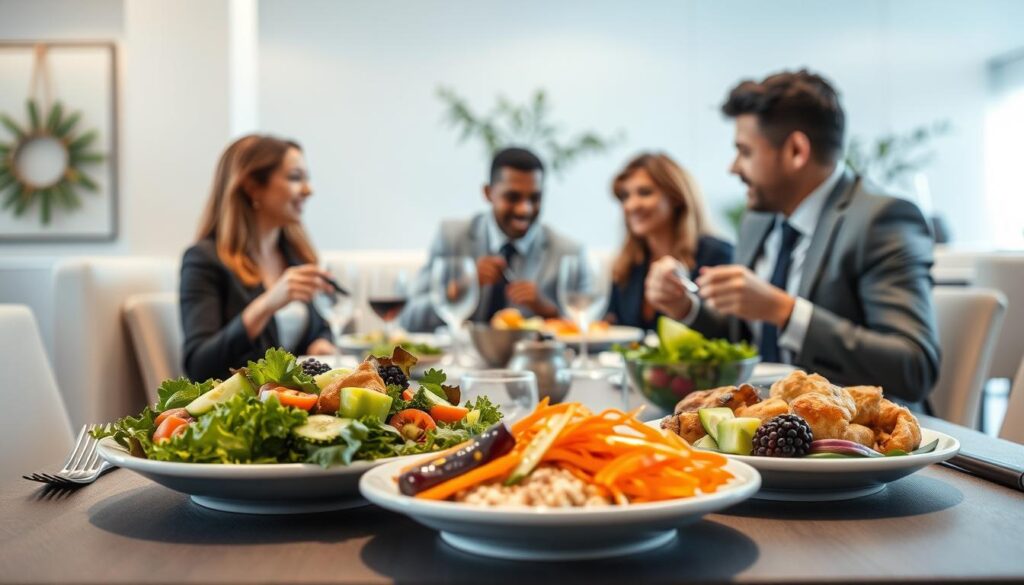
How GLP-1s alter hunger and digestion
They blunt appetite signals and prolong the time food stays in the stomach. That combo naturally limits how much you eat in one sitting.
Why restaurants can feel harder after stopping
Faster digestion, calorie-dense sauces, and shared starters can outpace your fullness cues. Deliberate choices — protein-first bites, slower pacing, and menu planning — help you stay in control.
“View this phase as a skill-building window: practice protein-forward orders and slower bites to protect progress.”
Pre-Meal Game Plan: How to Set Yourself Up for Success Before You Sit Down
A little planning before you sit down can make the entire meal feel easier and more satisfying. Quick prep reduces stress and keeps digestion comfortable.
Preview the menu and star 2–3 balanced options that include lean protein and plenty of vegetables. Pick dishes that are grilled, baked, or steamed so you avoid heavy, high-fat cooking methods that can cause GI upset.
Arrive pleasantly hungry, not ravenous. Time a small snack 60–90 minutes before the meal—think Greek yogurt, a hard-boiled egg, or sliced veggies with hummus. Hydrate with water beforehand to curb thirst-driven choices and help fullness signals work.
“Prepare a simple order script in your notes (for example: ‘grilled salmon, extra veggies, dressing on the side’) to reduce in-the-moment decisions.”
- Decide portions before you go: split an entrée or box half on arrival.
- Align your day around the meal: lighter, protein-forward earlier eating helps balance larger evenings.
- Set one non-negotiable (e.g., sauces on the side) to keep choices consistent.
| Action | Why it helps | Quick example |
|---|---|---|
| Star menu picks | Prevents impulse orders | “Grilled chicken + roasted veg” |
| Snack 60–90 min prior | Keeps hunger manageable | Greek yogurt + berries |
| Hydrate with water | Reduces sugary drink choices | Glass of water before leaving |
| Set portion plan | Controls calorie and comfort | Split entrée or box half |
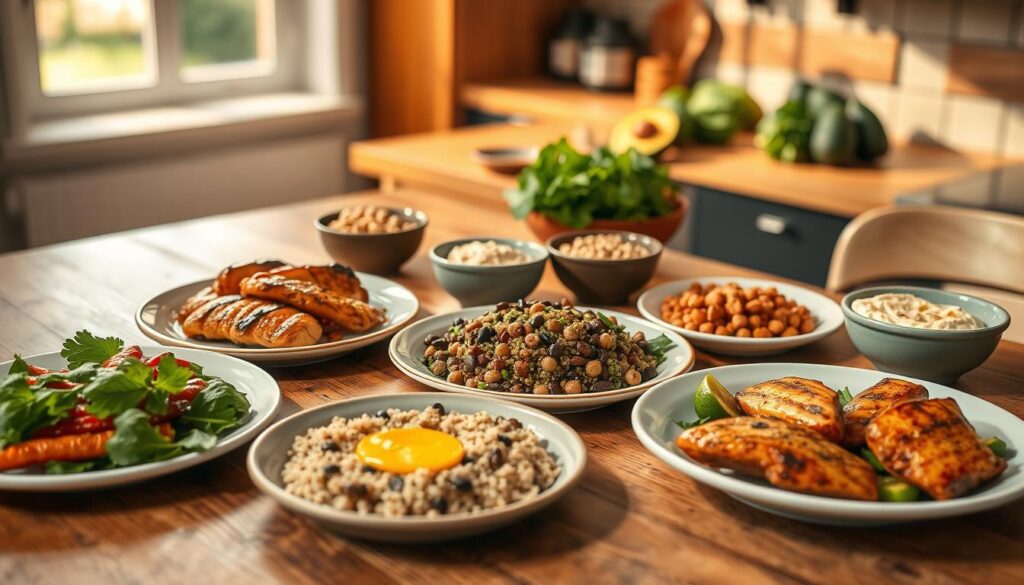
For practical meal examples and swaps, see an eating well guide and simple food swaps that make planning easier.
post-GLP-1 weight maintenance restaurant tips
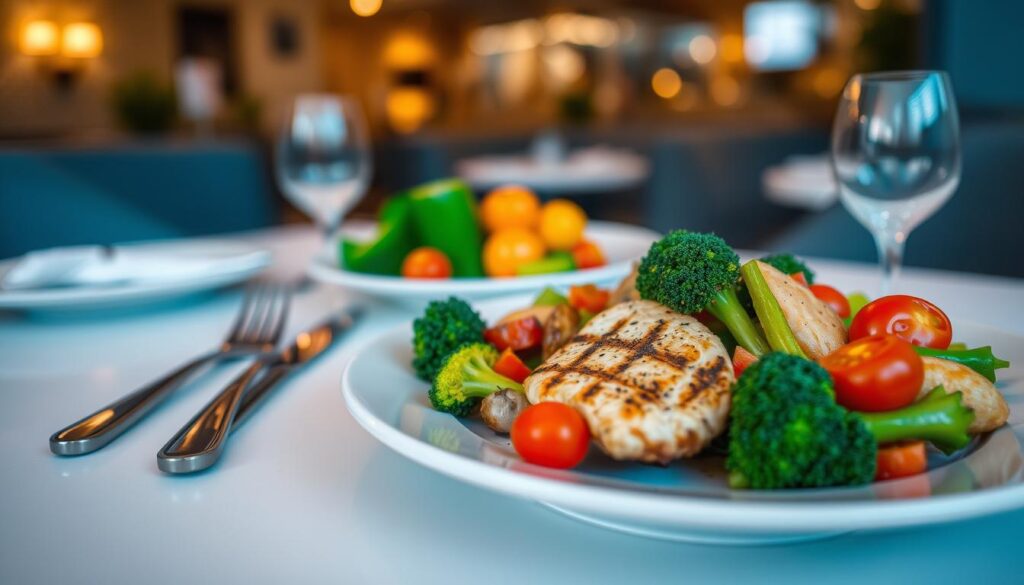
Start meals by prioritizing a lean protein to help your body register fullness earlier and slow the pace of eating. Pair that protein with high-volume vegetables and fiber to extend satiety without adding heavy calories.
Lead with protein: take the first 3–5 bites from chicken breast, fish, tofu, eggs, beans, or low-fat Greek yogurt to trigger early satiety and steady pacing.
Fill half your plate with vegetables or veggie-forward sides. Ask for extra greens or a side salad to boost fiber and volume. Swap fries or chips for roasted veggies or clear soups when possible.
Choose grilled, baked, or steamed over fried or creamy foods to reduce fat and GI discomfort. Request sauces and dressings on the side and use light drizzles so flavor stays without excess fat.
- Simple swaps: double the veggies, skip heavy sauces, and use citrus, herbs, or salsa for flavor.
- Small control moves: portion bread or chips onto your plate, then move the basket away.
“Pick one indulgent element, keep the rest simple — that way you enjoy the meal and protect progress.”
For practical dining examples on medication-era appetite changes, see how to eat out when using appetite-affecting drugs.
Portion Control That Works in Real Restaurants
Real-world portion control uses simple ordering moves so your plate matches the appetite you actually feel. Use easy strategies that work on a menu, at a counter, or when sharing a table.
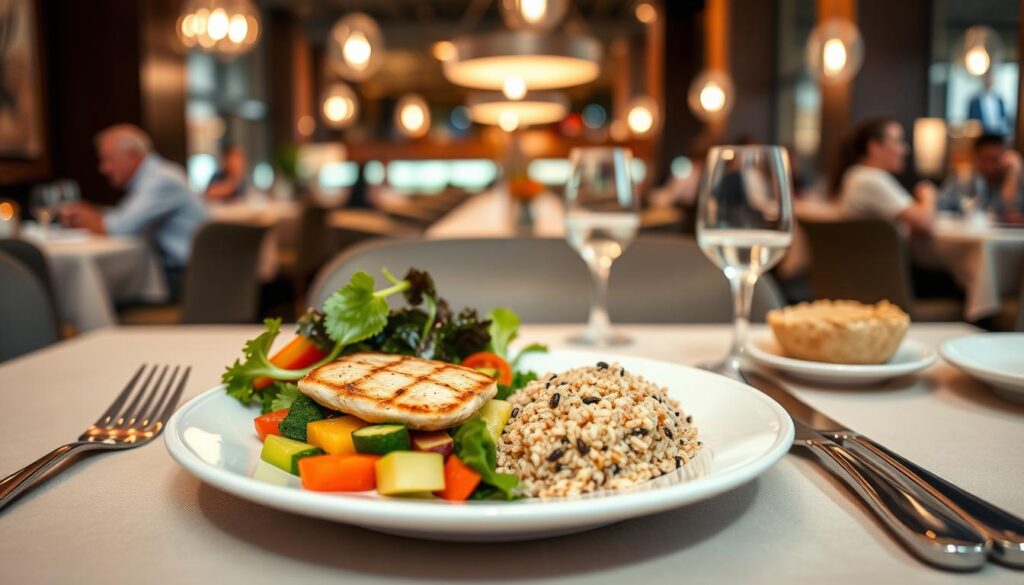
Scan the menu for smaller portions or lunch-sized versions of adult dishes. Kids’ plates often serve the same flavors with fewer calories and lower cost. This is a quick way to right-size a meal without extra effort.
Split entrées or box half before your first bite
Ask for a to-go box on arrival or split an entrée with a friend. Moving half off the plate before you start anchors portions and makes it easier to stop when satisfied.
Eat slowly, pause, and stop at satisfied—not stuffed
Slow down and check hunger cues during the meal. Take pauses between courses and reassess after the first half of the plate. If you ordered a full entrée, add a vegetable side and skip the starchy side to keep energy density lower.
- Choose high-protein starters (shrimp cocktail, edamame) as a smaller main to boost satiety.
- Aim for a palm-size portion of protein and fill the rest with vegetables and a modest complex carb.
- Split generous starters, avoid automatic refills, and box leftovers early to resist “clean plate” pressure.
“Small, repeatable portion strategies make dining out predictable and protect progress.”
For menu-specific ordering examples, see a practical guide to eating out on smaller menu options, and consider pairing these strategies with mindful movement suggestions like those in this mindful workouts.
Side Effects and Comfort: Minimizing Nausea, Bloating, and GI Upset
If heavy plates leave you queasy, a few steady habits can protect digestion and keep the meal enjoyable. Simple swaps and pacing reduce common side effects so you can dine without discomfort.
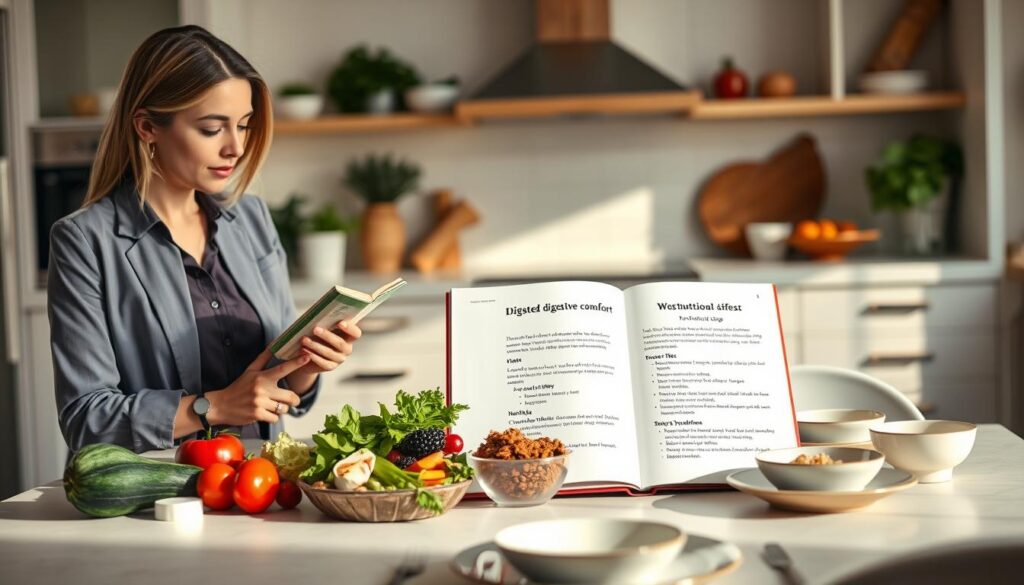
How can you limit high‑fat triggers?
Choose grilled, baked, or steamed mains instead of fried or creamy dishes. Ask for sauces on the side and pick lighter starches like sweet potato or brown rice when needed.
How do you support digestion at the table?
Start with small bites, chew slowly, and pair protein with fiber-rich vegetables. Sip water steadily rather than gulping. These moves aid digestion and cut nausea risk.
- Downshift from rich starters to a clear soup or salad.
- Avoid stacking rich courses (no fried appetizer plus creamy entrée).
- Note trigger foods in your phone so future orders stay safe.
| Common trigger foods | Why they cause effects | Gentler alternatives | When to choose |
|---|---|---|---|
| Fried foods and heavy sauces | High fat slows digestion and can cause bloating | Grilled proteins, vinaigrette on side | When you feel sensitive after medications |
| Large starchy portions | Can lead to fullness, nausea if eaten quickly | Modest portion of quinoa or sweet potato | When appetite is reduced or irregular |
| Alcohol and sugary drinks | Can irritate gut and blunt fullness cues | Sip water between sips; choose sparkling water | On nights you want to avoid GI upset |
| Creamy desserts or rich multi-course meals | Stacked richness overwhelms the body | Light fruit or a small portion to share | If you plan a walk or early bedtime after dining |
If discomfort starts, pause and breathe. Stop eating, box leftovers, and try a short, gentle walk. Build a small after-dinner routine—hydration and rest—to support your body and overall health.
For practical guidance on nausea linked to pre-meal routines, see this helpful article on handling queasiness after workouts: feeling sick after your pre-workout.
Smart Sides, Swaps, and Add-Ons That Keep You on Track
Small swaps on the side of the plate can change a full meal into a steady, satisfying one. Choose volume and fiber-rich options to stabilize hunger and support digestion.
Swap fries for extra veggies or a side salad
Switching one default side often cuts calories and increases fullness more than you expect. Ask for double vegetables, a side salad, or a broth-based soup to add fiber and bulk.
Pick complex carbs like quinoa, brown rice, or sweet potato—if needed
If you want a carb, choose modest portions of whole grains or roasted sweet potato. These foods offer fiber and steadier energy than refined starches.
- Upgrade default sides: swap fries or white rice for extra vegetables, salad, or soup.
- Choose complex carbs: quinoa, brown rice, or sweet potato in small portions alongside protein.
- Ask for add-ons: extra vegetables, avocado, or an extra protein portion when the entrée is light.
- Rebalance the plate: remove heavy sides and add a colorful, fiber-rich vegetable side.
- Dress smart: oil & vinegar or salsa instead of creamy dressings; request dressing on the side.
- Whole-grain swaps: pick brown rice or whole-wheat tortillas to boost fiber and satiety.
Keep the ratio simple: aim for half vegetables, a palm-size of protein, and a small serving of complex carbs if desired.
“Small swaps repeated across meals compound into meaningful results over time.”
Drinks, Desserts, and Leftovers: Small Choices, Big Impact
Choose beverages and sweets that support comfort and extend value into the next day. Smart drink swaps, modest desserts, and reheatable entrées keep digestion steady and stretch one order into two sensible meals.
Small beverage moves matter. Pick plain or sparkling water with lemon instead of large sweetened options.
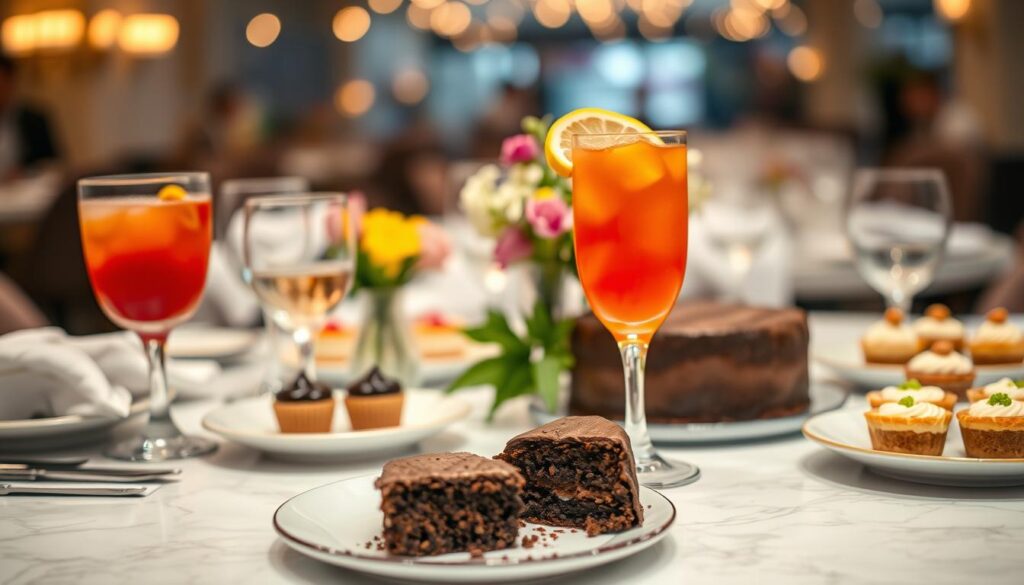
- Limit cocktails and sugary mixers: if you have one, sip slowly and pair it with a lighter entrée.
- Share dessert or pick fruit-forward options to enjoy flavor without excess sugar.
- Choose entrées that reheat well—grilled chicken, rice bowls, or sautéed vegetables become tomorrow’s lunch.
- Ask for a to-go box early and reserve half for the next day to avoid late-night snacking.
“Alternate any sweet or alcoholic drink with water to prevent ‘liquid calories creep’ and keep appetite signals clear.”
For focused ordering guidance, see a short menu guide on what to order when eating out, and learn about high-risk choices in this guide to foods to avoid.
Social Strategies: Enjoy the Experience Without Derailing Progress
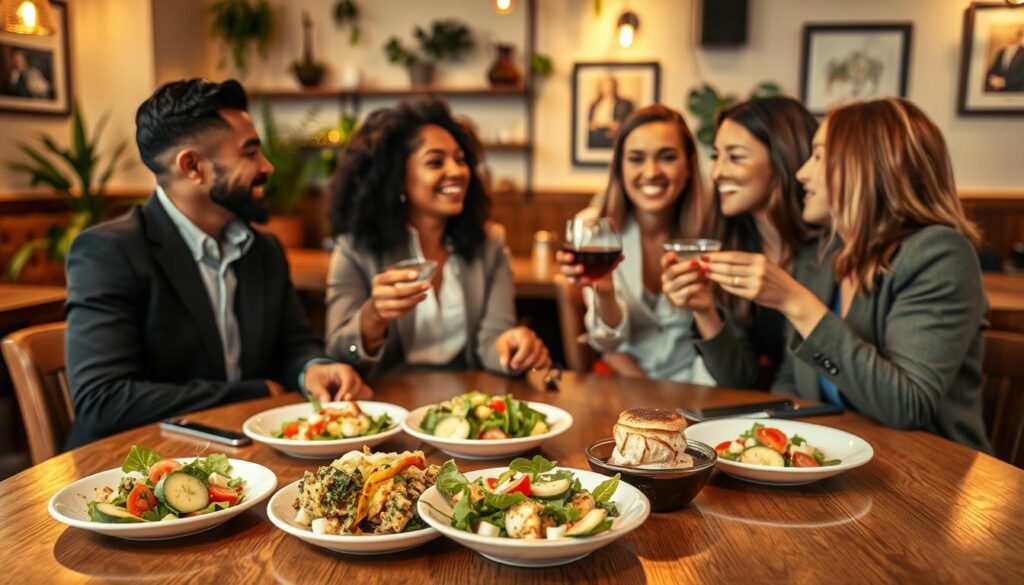
Clear small moves help you enjoy company while staying on track. Use short scripts and pacing to reduce social pressure and maintain control.
Set expectations with your group and skip pressure politely.
How do you say no without awkwardness?
Tell close friends your plan ahead: “I’m going light tonight.” This sets a friendly boundary and cuts pressure.
If someone offers a second round or dessert, a brief decline works: “No thanks, I’m good.”
How can conversation and pace help?
Order first to set the tone—grilled protein, extra vegetables, sauce on the side makes sticking to the plan easier.
Focus on talk, not trays. Slowing your bites helps fullness cues arrive and reduces overeating.
Limit alcohol and alternate with water to keep appetite signals clear.
- If asked about your approach, say: “I’m balancing meals after my medication course.”
- Check fullness mid-meal; box leftovers and rejoin the group without more bites.
- Choose shared plates that include a protein and a vegetable so the table has balanced options.
“Small social scripts and a steady pace protect progress while keeping meals social and enjoyable.”
| Move | What it does | Quick script |
|---|---|---|
| Order first | Sets a mindful tone | “I’ll have the grilled salmon, extra veg.” |
| Polite decline | Reduces extra intake | “No thanks, I’m good.” |
| Alternate drinks | Preserves appetite awareness | “Water between sips.” |
| Box early | Prevents finishing out of habit | “Can I get a to-go box now?” |
For a deeper plan on staying steady after treatment, see this guide on how to maintain weight after a GLP-1.
Conclusion
Sustaining progress after medications depends more on routines than on perfect meals.Prioritize protein-first bites, vegetable-heavy plates, smart sides, and steady pacing to protect long-term results.
Keep planning before you go: preview the menu, pick balanced options, and decide on portions ahead of time. Make grilled chicken, fish, tofu, or beans a throughline to support muscle and fullness.
Use small levers—sauces on the side, swap fries for veggies, box half early—and watch added sugar in drinks and desserts. If nausea or GI discomfort appears, simplify the plate and slow the pace.
Stay connected with your clinician about prescriptions and consider periodic check-ins with a dietitian to adapt as appetite changes. Read real success stories for context at GLP‑1 success stories and broader food science perspectives at diet science.
FAQ
How do GLP-1 medications change appetite and digestion in everyday dining?
GLP-1 receptor agonists slow gastric emptying and increase satiety signals, so you often feel full sooner and stay satisfied longer. This can reduce hunger-driven choices at restaurants but may also make large, high-fat meals feel uncomfortable. Prioritize protein and fiber to support steady digestion and fullness.
What happens if I stop GLP-1 medication — will my appetite and cravings return?
Many people experience a gradual return of appetite, increased hunger, and a higher likelihood of weight regain after stopping GLP-1s. Combining mindful eating, structured meals with protein and fiber, and a plan from a registered dietitian can blunt rebound hunger and protect progress.
How should I prep before dining out to avoid overeating?
Preview the menu to shortlist protein- and vegetable-forward options, eat a small protein-rich snack 60–90 minutes before if you tend to arrive ravenous, and set a mental plan (e.g., order grilled protein and a vegetable side). This reduces impulse orders and supports portion control.
Which main dishes are safest for maintaining progress after GLP-1 therapy?
Choose lean proteins like grilled chicken, fish, tofu, or legumes and pair them with a large portion of vegetables or a fiber-rich side. Steamed, baked, or grilled preparations minimize extra fat and lessen GI upset compared with fried or cream-based dishes.
How can I control portions in restaurants without feeling deprived?
Order from kids’ or lunch menus, share an entrée, or ask the server to box half before it’s served. Eat slowly, put your fork down between bites, and pause mid-meal to assess fullness — stop when you’re comfortably satisfied, not stuffed.
What swaps and sides keep meals filling and nutritious?
Swap fries for extra vegetables, a side salad, or a broth-based soup. Prefer complex carbs like quinoa, brown rice, or sweet potato when you need carbs. Adding beans or lentils increases protein and fiber, helping with satiety.
How can I minimize nausea or bloating after eating while on GLP-1s?
Limit high-fat, heavy meals and very large portions. Choose balanced plates with moderate carbs, lean protein, and vegetables. Sip water slowly, avoid carbonated drinks if bloating is an issue, and eat smaller, more frequent meals if needed.
Are certain drinks or desserts better choices when trying to maintain weight post-GLP-1?
Hydrate with water, sparkling water, or unsweetened tea and limit alcohol and sugary beverages, which add calories and can blunt fullness cues. For dessert, opt for fresh fruit, a modest portion of dark chocolate, or share a dessert to reduce portions.
Set expectations with your group in advance, offer to share dishes, and redirect attention to conversation and activities. Politely decline seconds or extra drinks by saying you’re focusing on your health goals — most people will respect that.
Should I consult a clinician or dietitian about dining after stopping GLP-1 therapy?
Yes. Work with your prescribing clinician and a registered dietitian to create a personalized eating plan, address medication side effects, and develop strategies to prevent weight regain. They can tailor protein, fiber, and portion guidance to your medical history and goals.

Don’t Miss These Picks