


Could a few tablespoons of pantry seeds really change how your cycle feels? This introduction lays out a practical, science-aware plan so you can decide.
This short guide explains what to eat and when, how each seed supports hormone balance, and who may benefit. Protocols usually rotate flax and pumpkin in the first half of the cycle, then sunflower and sesame after ovulation. Users often report less PMS and more regular periods within a few cycles when seeds are paired with good sleep, stress care, and balanced eating.
We’ll set realistic expectations: this approach supports hormones but is not a replacement for medical care. The article also covers prep tips—eat seeds raw and freshly ground, store them well, and add them to oats, smoothies, and salads.
For a deeper, stepwise program and practical meal ideas, see this complete guide.
Key Takeaways
- Rotating small daily portions of four seeds aims to support hormone balance.
- Benefits often appear gradually over 1–3 cycles when combined with healthy habits.
- Use fresh, ground seeds and simple recipes to fit this into daily life.
- Track your menstrual cycle or ovulation signs for accurate timing.
- Not a replacement for medical care—consult a clinician for complex hormone issues.
Why Seed Cycling Is Trending for Hormone Balance
Many women add a small seed rotation to daily eating because it’s affordable, low-risk, and fits into real life. The practice aims to support cycle regularity and ease common PMS issues while complementing medical care.
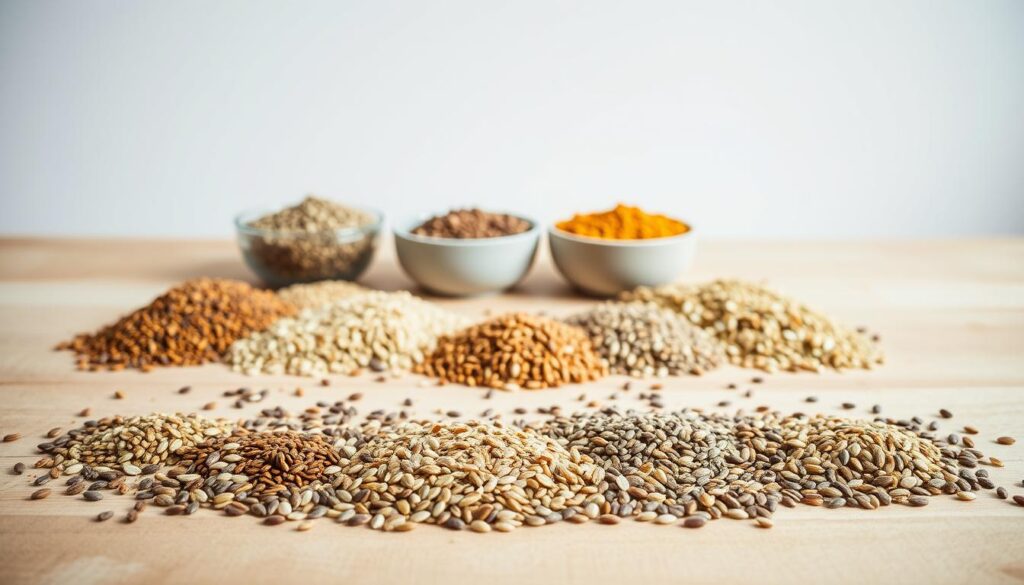
Holistic practitioners report that seed cycling often reduces symptoms like cramps, breast tenderness, mood swings, acne, and irregular periods when paired with sleep, nutrition, and stress care.
Evidence for the trend is mainly anecdotal, but nutrient studies back parts of the idea. Flax and pumpkin offer lignans and zinc that can affect estrogen dynamics in the first half of a cycle.
Later-phase choices such as sesame and sunflower bring vitamin E, selenium, and compounds tied to progesterone support and detox pathways.
- Who may try it: women with PCOS, perimenopausal transitions, or those stopping hormonal birth control seeking nutritional support.
- How to evaluate: track cycle length, PMS intensity, cramps, mood, and sleep over 2–3 months.
Seed rotation is best seen as part of a consistent wellness plan, not a stand-alone fix. Choose raw, fresh seeds, watch for allergies, and consult a clinician if symptoms persist. For a balanced review, see Is Seed Cycling Legit.
Seed Cycling Guide
Think of this as a nutrient-timing strategy: different seeds for different cycle needs. This short section explains what the practice is, a common protocol, and the realistic evidence behind it.
What it is and how it supports the menstrual cycle
Plainly: seed cycling means rotating specific pantry seeds across two phases of the menstrual cycle to support estrogen and progesterone rhythms.
- Common protocol: flax + pumpkin from menstruation to ovulation; sesame + sunflower after ovulation. Aim for ~1 tablespoon of each raw, freshly ground daily.
- How it may work: lignans, essential fats, minerals, and antioxidants support hormone pathways and liver detox, which can influence overall effects on cycle patterns.
Evidence snapshot
“No large trials label this rotation by name, but seed nutrition shows measurable benefits for women’s hormone health.”
Observational and small studies link flax with more consistent cycles, sesame powder with rises in SHBG over weeks, sunflower with vitamin E and selenium benefits, and pumpkin with zinc and tryptophan. Clinicians extrapolate from these nutrient findings rather than direct trials.
Bottom line: Treat this as a nutrition strategy to support your cycle, not a replacement for medical care. Track symptoms, pair the protocol with sleep and stress habits, and allow several cycles to judge effects. For a stepwise program see a guide to seed cycling.
Understanding Your Menstrual Cycle Phases
A clear map of cycle phases shows when estrogen or progesterone predominates and why that matters. Knowing this timing helps you align simple nutrition steps to real biological signals.
A follicular phase runs from Day 1 (first day of bleeding) to ovulation. FSH rises, follicles mature, and estrogen builds the uterine lining. An LH surge then triggers ovulation.
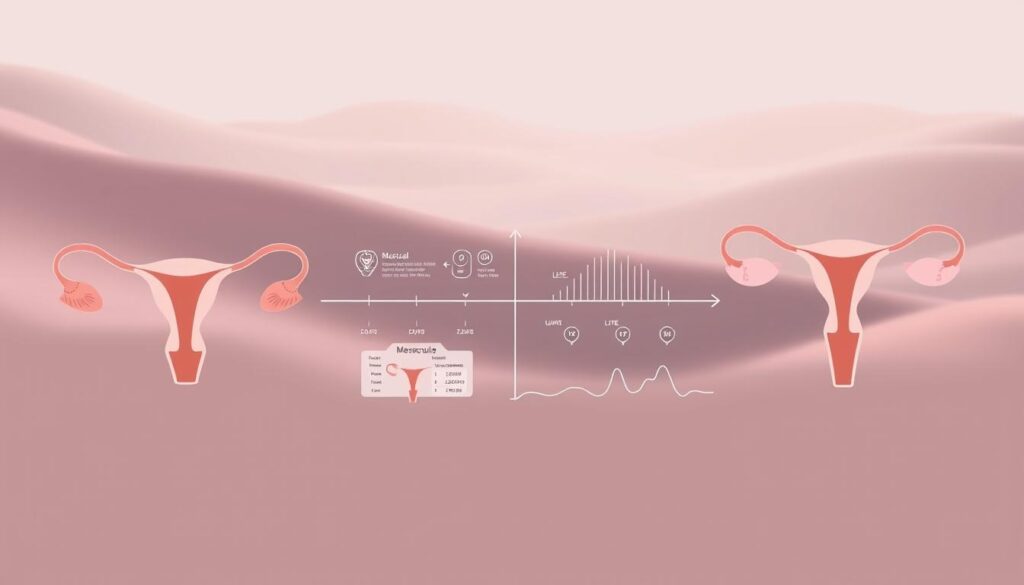
Follicular phase, ovulation, and luteal phase at a glance
Ovulation typically occurs mid-cycle and marks the fertile window of about six days when an egg can be fertilized.
After ovulation the luteal phase begins. The corpus luteum raises progesterone to stabilize the endometrium. If implantation doesn’t happen, estrogen and progesterone fall and the next period starts.
Estrogen and progesterone levels: what shifts and why it matters
Estrogen predominates before ovulation to build tissue and support fertility. Progesterone dominates after ovulation to create a receptive environment for implantation.
- Where the seed phases fit: flax + pumpkin align with the follicular build; sesame + sunflower pair with the luteal stabilizing needs.
- Watch for cervical mucus changes and basal temperature shifts to time phase switches more precisely.
- Track flow, mood, energy, and appetite for a day-by-day sense of your unique pattern.
- Consistency matters more than perfect timing; two to three cycles of gentle tracking usually reveal clear patterns.
How Seed Cycling Works: Nutrients, Lignans, and Hormone Effects
A focused rotation of common pantry seeds supplies targeted nutrients that support cycle rhythms. These small daily amounts supply lignans, minerals, and healthy fats that interact with estrogen metabolism and liver detox pathways.
Flax seeds and lignans: managing estrogen and supporting regular cycles
Flax is the richest dietary source of lignans. Lignans are metabolized by gut microbes and can bind and modulate estrogen, which may help support more consistent cycles and a longer luteal phase.
Pumpkin seeds: zinc, antioxidants, and support for ovulation
Pumpkin brings zinc and antioxidants. Zinc supports LH signaling and ovulation, while tryptophan in pumpkin seeds may help sleep and mood—both useful for overall hormone balance.
Sunflower seeds: vitamin E, selenium, and detoxification support
Sunflower supplies vitamin E and selenium, nutrients linked to liver pathways that help clear excess estrogen and support progesterone production in the late phase of the month.
Sesame seeds: phytoestrogens and maintaining progesterone levels
Sesame contains lignans and phytoestrogens. Small studies show sesame products can raise SHBG, which influences circulating estrogen levels and helps keep the hormonal environment balanced.
Mechanisms matter: fiber aids bowel elimination of estrogen, fatty acids support hormone synthesis, and antioxidants protect ovarian function. Rotate about one tablespoon of each freshly ground seed in its phase, paired with balanced meals to steady energy and cravings.
What to Eat and When: The Step-by-Step Rotation
Start on the first day of bleeding and follow a simple two-phase rotation. This makes the plan easy to track and ties each pairing to how hormones change across the month.
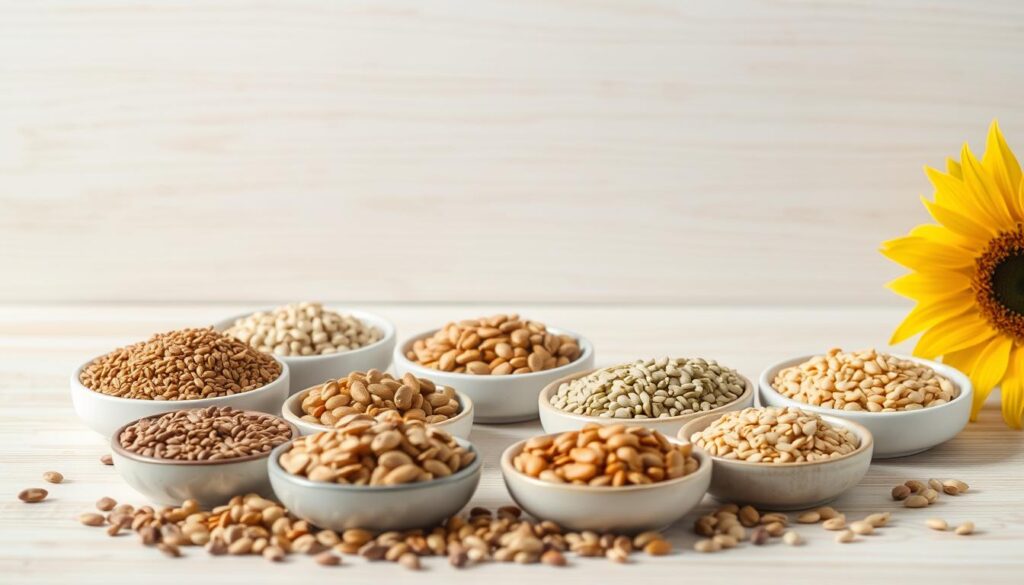
Start on the first day of your period and take 1 tablespoon raw, freshly ground flax seeds + 1 tablespoon raw, freshly ground pumpkin seeds every day until ovulation. These two support estrogen dynamics during the follicular build.
After ovulation through the luteal phase
Right after ovulation, switch to 1 tablespoon raw, freshly ground sesame seeds + 1 tablespoon raw, freshly ground sunflower seeds daily. These align with the luteal phase and help support progesterone and detox pathways.
If your cycle isn’t 28–30 days
Use ovulation signs to time the switch: look for egg‑white cervical mucus and then a shift to dryness, or confirm with a basal body temperature rise. Switch the pairs the day after you detect ovulation.
No period or very irregular cycles
If you don’t have monthly bleeding, rotate by lunar phases (new moon → full moon, then full → new) or split the calendar month in half. Consistency over days and cycles matters more than perfect timing.
“Small slips are fine — resume the right pair the next day and keep going.”
- Serving: 1 Tbsp of each raw, ground seed per day in the relevant phase.
- How to eat: stir into smoothies, oats, yogurt, salads, or make a raw seed butter.
- Track: log your period dates, ovulation cues, and PMS changes for 2–3 cycles to judge effects.
- Safety: buy fresh, store cold, and avoid cooking seeds to preserve nutrients.
For a longer program and meal ideas, see this balance your hormones resource.
Preparing and Eating Seeds the Right Way
Small kitchen habits make a big difference for nutrient uptake and taste. Grinding, storing, and simple recipes help you use seeds consistently and safely.
Why raw and freshly ground matters
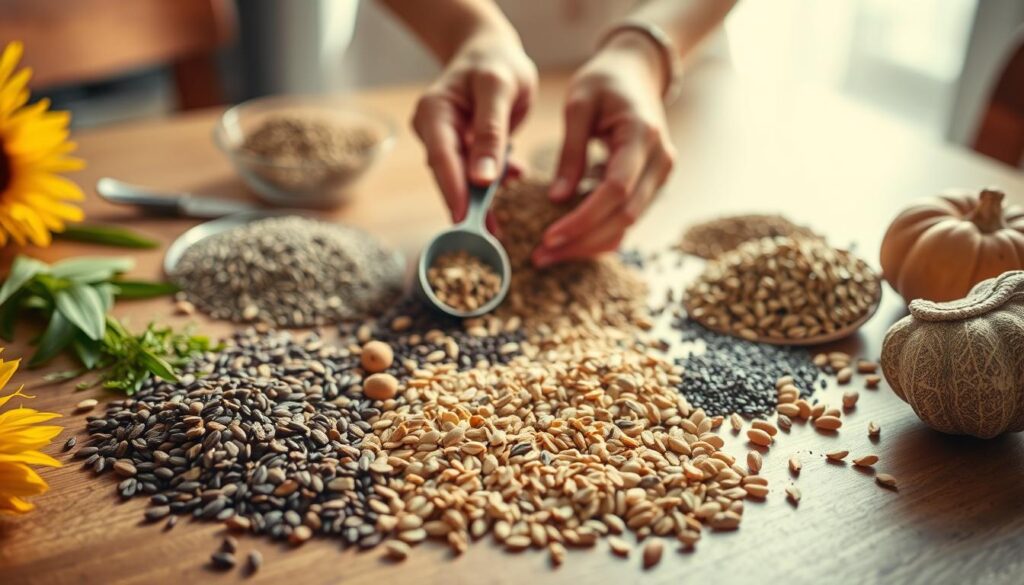
Whole kernels hide key nutrients behind tough hulls. Grinding increases bioavailability, especially for flax and sesame, so your body can access lignans and oils.
Freshly ground seeds release nutty flavors and usable fats. Oxidation starts once seeds are ground, so eat soon after grinding when possible.
Grinding, storage, and oxidation: practical tips
- Grind just before use: for best nutrients and flavor.
- Batch-grind then freeze: divide into small airtight portions and thaw one at a time to slow oxidation.
- Keep raw: avoid pre-roasted or pre-ground products when possible; they lose delicate fatty acids and some vitamins.
Easy ways to add seeds daily
Stir a heaped tablespoon of ground seeds into smoothies, oats, or yogurt. Sprinkle over salads or fold into energy balls and hummus.
Make small-batch raw seed butter or untoasted tahini for an effortless add-on. Rotate flax seeds, pumpkin seeds, sunflower seeds, and sesame seeds in recipes to match each phase.
What to avoid
Avoid high heat: cooking at high temperatures degrades fatty acids and heat-sensitive nutrients. Keep most additions raw to preserve benefits and support long-term health.
Results, Safety, and Supportive Steps
Small daily habits add up — give changes at least two to three full cycles before judging effects. This section explains likely timelines, safety flags, when to test, and the extra lifestyle steps that reinforce hormone balance.
How long to wait and what counts as success?
Some women notice symptoms like milder cramps or steadier mood within 1–2 cycles. More consistent cycle length and reduced PMS often appear after about three months.
Success means fewer severe PMS days, more stable energy, milder cramps, and less mood disruption — not perfection. Track period dates, ovulation signs, and daily symptoms to judge changes.
Who should be cautious?
If you have allergies to nuts or seeds, avoid these additions. People on hormonal birth control may not see cycle-related hormone shifts because ovulation is suppressed, though nutrients still support general health.
Always check with a clinician if you have PCOS, thyroid issues, or worsening symptoms.
When to add functional labs
Testing helps tailor care when symptoms persist despite lifestyle changes.
| Test | What it shows | When to consider |
|---|---|---|
| DUTCH Cycle Mapping | Daily hormone patterns and metabolites across a cycle | Irregular cycles, unclear luteal issues, or persistent PMS |
| Blood hormone panel | Snapshot of estradiol, progesterone, TSH, and more | Baseline checks, fertility planning, or suspected thyroid dysfunction |
| Micronutrient testing | Levels of zinc, vitamin D, selenium, iron | Low energy, hair loss, or poor recovery from symptoms |
Beyond the pantry: lifestyle steps that support hormone health
Nutrition, sleep, stress, and movement all amplify the benefits of any practice. Protein and fiber stabilize blood sugar and support hormone production.
Reduce chronic stress with simple routines, aim for consistent sleep, and move regularly to support progesterone levels and overall body balance.
- Link nutrients to effects: lignans support estrogen metabolism, zinc aids ovulatory production, and vitamin E/selenium help detox pathways.
- Track and adjust: journal symptoms, period dates, ovulation signs, and daily intake to identify what helps most.
- Partner with a clinician: for PCOS, thyroid, or post‑pill recovery, combine testing with tailored care.
Conclusion
Small daily steps often add up to clearer cycle signals and steadier energy. Keep the routine simple and consistent for best results.
Quick recap: from the first day of bleeding, take 1 Tbsp each of ground flax and pumpkin daily until ovulation. After ovulation, switch to 1 Tbsp each of ground sesame and sunflower through the luteal phase.
These pairs supply lignans, zinc, vitamin E, selenium, and essential fatty acids that support estrogen and progesterone levels, liver detox, and overall health. Track ovulation signs and period timing to time switches and note symptom changes.
Start today: add the phase pair to your oats or smoothie, prioritize sleep, and log how your body responds over days and cycles. If symptoms persist, consider labs or clinician care. Learn more at seed cycling for hormone balance.
FAQ
What is seed cycling and how does it support the menstrual cycle?
Seed cycling is a dietary rotation that pairs specific seeds with phases of the menstrual cycle to supply targeted nutrients like lignans, zinc, and vitamin E. The practice aims to support natural shifts in estrogen and progesterone by adding flax and pumpkin seeds before ovulation and sesame and sunflower seeds after ovulation. It’s a nutrition-based approach—not a medical treatment—and works best alongside other healthy habits such as balanced meals, sleep, and stress management.
Which seeds are used and why do they matter?
Typically, flax and pumpkin seeds are recommended in the follicular phase for their lignans and omega-3s, which may help modulate estrogen. After ovulation, sesame and sunflower seeds are used for phytoestrogens, vitamin E, selenium, and zinc to support progesterone production and ovulatory function. Each seed brings different nutrients that complement hormone-related pathways.
When should I start and how do I time the rotation if my cycle isn’t 28 days?
Start on day one of menstrual bleeding. For cycles shorter or longer than 28 days, time the switch around ovulation signs (like cervical mucus, temperature shift, or ovulation tests). A practical rule: use flax + pumpkin from day 1 until ovulation, then switch to sesame + sunflower from ovulation until the next period. If you don’t track ovulation, you can adjust by counting mid-cycle or follow a calendar approach, but tracking yields better timing.
How much of each seed should I eat daily and how should I prepare them?
Common recommendations are about 1–2 tablespoons of ground seeds per day. Grind seeds fresh for better nutrient absorption and store ground portions in the freezer to slow oxidation. Add them to smoothies, oatmeal, yogurt, salads, or make seed butters. Avoid heavy prolonged cooking of seeds to preserve oils and heat-sensitive nutrients.
How long before I might notice benefits like reduced PMS or more regular cycles?
Responses vary. Some people notice changes within one to three menstrual cycles; others take three to six months. Improvements often include reduced cramps, lighter PMS, more consistent cycles, or clearer ovulation patterns. Keep in mind lifestyle factors—sleep, diet, stress, and exercise—affect timelines and outcomes.
Is there strong scientific evidence that this method changes hormone levels?
Direct clinical trials on this exact rotation are limited. However, there is solid nutrition science showing that flax lignans, omega-3s, zinc, and vitamin E influence hormone metabolism and reproductive health. Seed-based nutrients can support pathways relevant to estrogen and progesterone, but seed rotation should be framed as supportive nutrition rather than proven hormone therapy.
Who should avoid or use caution with this practice?
People with seed or nut allergies should avoid listed seeds. Those on blood thinners, using hormone replacement, or taking certain medications should consult a clinician, since some seed nutrients can interact with drugs. Individuals using hormonal contraceptives or with endocrine conditions like thyroid disease or severe PCOS should discuss seed-based regimens with their provider before starting.
Can seed rotation help with PCOS, perimenopause, or amenorrhea?
Seeds can provide supportive nutrients—zinc, lignans, and healthy fats—that may help symptoms associated with PCOS, perimenopause, or irregular bleeding. They’re not a cure. For PCOS or amenorrhea, combine seed-based nutrition with medical guidance, targeted labs (like hormone panels), and lifestyle changes for best results.
Do seeds interfere with contraceptive pills or hormone therapies?
Most seed foods are safe with hormonal contraceptives and therapies, but there’s limited data on specific interactions. Because seeds influence estrogen metabolism and nutrient levels, notify your prescribing clinician before starting a rotation to confirm safety alongside any medications or hormone treatments.
Are there simple ways to track whether the practice is working for me?
Track menstrual length, flow, PMS symptoms, mood, energy, and ovulation signs (temp, mucus, or test strips). Consider retesting blood or DUTCH panels if you want objective hormone changes after 3–6 months. Consistent symptom logs help you and your clinician evaluate meaningful changes.
Can I use seed rotation during pregnancy or while breastfeeding?
During pregnancy and breastfeeding, focus on a balanced diet tailored to increased nutrient needs. While culinary amounts of ground seeds are generally safe, intentional hormone-focused rotation is not recommended without consultation. Work with an obstetrician or lactation specialist to ensure safety and adequate nutrient intake.
What are practical daily recipes or serving ideas to include these seeds?
Stir ground seeds into smoothies, overnight oats, yogurt, or warm cereal. Add to salads, soups, or use as a topping for roasted vegetables. Make seed spreads by blending roasted seeds with a pinch of salt and oil. Keep servings to the recommended 1–2 tablespoons per day and rotate types according to your phase.
Should I test hormones before starting and during the practice?
Baseline labs can clarify needs—TSH, fasting glucose, and reproductive hormones or a DUTCH test if available. Repeating tests after 3–6 months can show objective shifts. Testing isn’t mandatory for everyone but helps personalize recommendations for those with persistent irregularities or complex conditions.
How do I pick high-quality seeds and store them to keep nutrients intact?
Choose fresh, unsalted seeds from reputable brands or local suppliers. Store whole seeds in a cool, dark place; keep ground seeds in the freezer in an airtight container. Buy smaller packages to avoid stale oils and check best-by dates. Fresh grinding preserves omega fats and lignans.
If I don’t get a period, can I still follow the timing recommendations?
For amenorrhea or very irregular cycles, some people use a calendar month or moon-cycle method to rotate seeds, while others time rotation by ovulation signs if ovulation occurs. Consult a clinician to investigate causes of no period and to decide whether seed-based support is appropriate as part of a broader plan.




Don’t Miss These Picks