

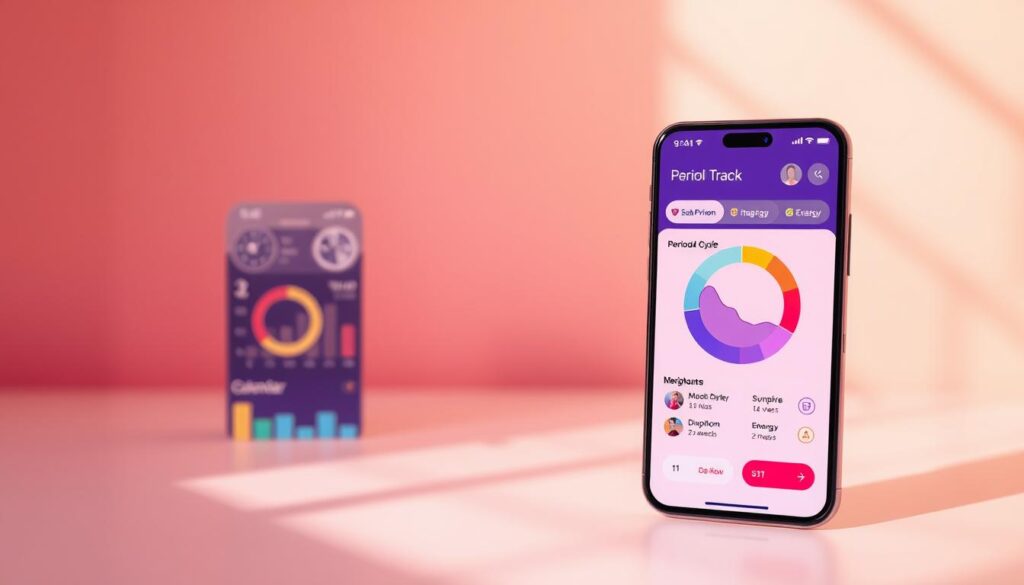
Curious if your cycle can tell you more than dates on a calendar? Many modern tools now log symptoms, sleep, and temperature so you can spot patterns in your body and plan daily life confidently.
This guide explains how upgraded trackers turn raw entries into useful data. We’ll show what to expect from predictions, how accuracy improves, and where clinical caution matters.
Experts note these tools help people trying to conceive but are not a replacement for contraception or medical advice. You’ll get quick comparisons of popular options like Clue, Flo, My Calendar, Life, and Apple Health Cycle Tracking, plus privacy-first and symptom-first choices such as Embody and Bearable.
We’ll also cover integrations with wearables, privacy settings, and how to use logs to prepare for health visits. If you want simple logs or deeper analysis, this piece will help you pick the right app and use it wisely. For practical planning tips, see our section on cycle-aware workouts here.
Key Takeaways
- Track more than dates: logging sleep, pain, and mood can reveal actionable patterns.
- Use data wisely: predictions improve with consistent, objective inputs but aren’t guarantees.
- Not birth control: these tools support awareness, not contraception; consult clinicians for medical decisions.
- Privacy varies: look for local storage, encryption, or anonymous modes if data control matters.
- Integrations help: wearables and temperature sensors can strengthen predictions without extra effort.
Why Mood, Energy, and Libido Belong in Your Cycle Tracker Today
Small, steady entries reveal recurring rhythms that a calendar alone won’t show. Logging short daily notes builds a clear baseline so you can anticipate changes and act earlier.
Small changes in mood, energy, or libido often feel random. When you log them next to period dates and symptoms, true patterns emerge over weeks.

From “vague feelings” to patterns you can act on
Recording libido, sleep, and pain alongside flow helps reveal when your body typically dips or rises. That lets you plan workouts, meetings, and rest more intentionally.
How tracking supports doctor conversations and flags changes
“Knowing what’s normal for you helps you decide when to consult a doctor.”
- Concise medical records: consistent logs give your clinician cycle length, timing, and key symptoms at a glance.
- Context matters: hormones influence feelings but don’t explain everything; sleep, stress, and nutrition also shape results.
- Note big shifts: new severe cramps or heavier flow warrant care. Use tracking as awareness, not diagnosis.
For clinicians and evidence-based guidance, see this clinical review that examines symptom logging and reproductive health.
What to Look For in Period Tracking Apps with Mood & Energy
A smarter tracker pairs short daily inputs with objective signals to give usable guidance. Choose tools that combine custom tags, evidence-based analysis, and sensible privacy controls.
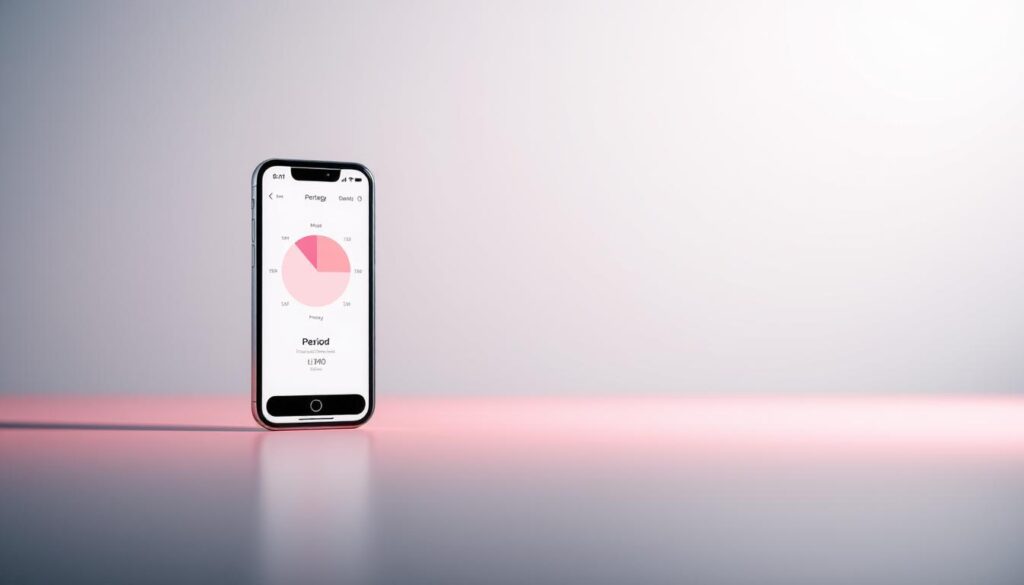
Make logging feel personal. Prioritize an app that lets you add custom tags for mood, sleep, pain, libido, and any symptoms you track.
Clinical clarity vs. calendar math
Favor evidence-based insights that explain hormonal phases and causes rather than fixed date rules. Robust algorithms and objective inputs outperform simple calendar guesses.
Actionable accuracy and reminders
Look for clear predictions, phase-based suggestions, and subtle reminders that help you act. Basal body temperature and body temperature data often sharpen ovulation windows.
Privacy and integrations
Check storage (local vs. cloud), encryption, and Anonymous Mode options. Embody, Flo, and Bearable offer different privacy models. Apple Watch and Oura integrations reduce logging burden and improve data quality.
| Feature | Why it matters | What to check |
|---|---|---|
| Custom tags | Captures individual symptoms | Ability to add and edit tags |
| Objective signals | Improves prediction accuracy | BBT, body temperature, LH tests, Apple Watch |
| Privacy | Protects sensitive health data | Local storage, encryption, Anonymous Mode |
| Export | Useful for clinician visits | PDF/CSV summaries and easy sharing |
For a curated list of the best tools and clinical notes, see the best period tracker apps.
The Standouts: Best Apps That Track Period, Mood, Energy, and More
Not all trackers are equal — some double as mini health dashboards that explain your body’s recurring signals. Below are clear choices depending on whether you want deep analysis, pregnancy support, simple logs, or wrist-based convenience.
Clue
Science-first design: clean UI, evidence-based content, custom tags and discharge logging. Clue earned praise in Obstetrics & Gynecology as a top app free option for research and planning. Shareable summaries and reminders come via Clue Plus.
Flo
AI-driven insights: clear graphs, pregnancy mode, and optional health reports for clinician visits. Flo offers a free tier and premium analysis for deeper trends and fertility support.
My Calendar & Life
My Calendar is approachable and helpful for irregular cycles, pill reminders, and password protection. Life feels all-in-one, tracking ovulation, symptoms, and reminders; premium adds weight, sleep, and medication tools.
Apple Health Cycle Tracking
On-wrist convenience: log flow and symptoms from an apple watch, capture basal body temp, and receive notifications for fertile windows and period dates. Best for users in the Apple ecosystem who value seamless sync.
- Choose Clue for analysis and clinic-ready exports.
- Choose Flo for pregnancy features and AI summaries.
- Choose My Calendar or Life for simple day-to-day use.
- Choose Apple for wrist-first logging and low friction.
Privacy-First and Data Control Options
If privacy matters most, some trackers keep your health data on-device and out of the cloud. That choice changes how you sync, share, and back up information.

Not all tools treat records the same. Below are consumer-friendly options that balance ease and control.
Embody: local-first, encrypted, and calm
Embody stores entries locally by default and encrypts files. The app free core provides education-first content and an optional encrypted backup.
Bearable: optional cycle module and correlations
Bearable adds an optional period module inside a broader health tracker. It shows correlations, offers passcode lock, encrypted data, and deletions on request. Its cycle estimates are basic, not fertility predictions.
Flo: Anonymous Mode and clearer controls
Flo gives an Anonymous Mode and clearer consent panels. Review settings during onboarding to limit what leaves your device.
- Trade-offs: local storage boosts privacy but limits automatic cloud sync; opt-in encrypted backups give a middle ground.
- Deletion: confirm ability to remove records from servers if you switch tools.
- Practical tip: calm UIs and fewer taps help you log consistently while protecting privacy.
- Cost note: Embody and Bearable offer free cores; Flo has free and premium tiers.
- Sharing: privacy-first tools still let you export clinician-ready summaries you control.
Brain-First Support for Pain, Mood, and Focus
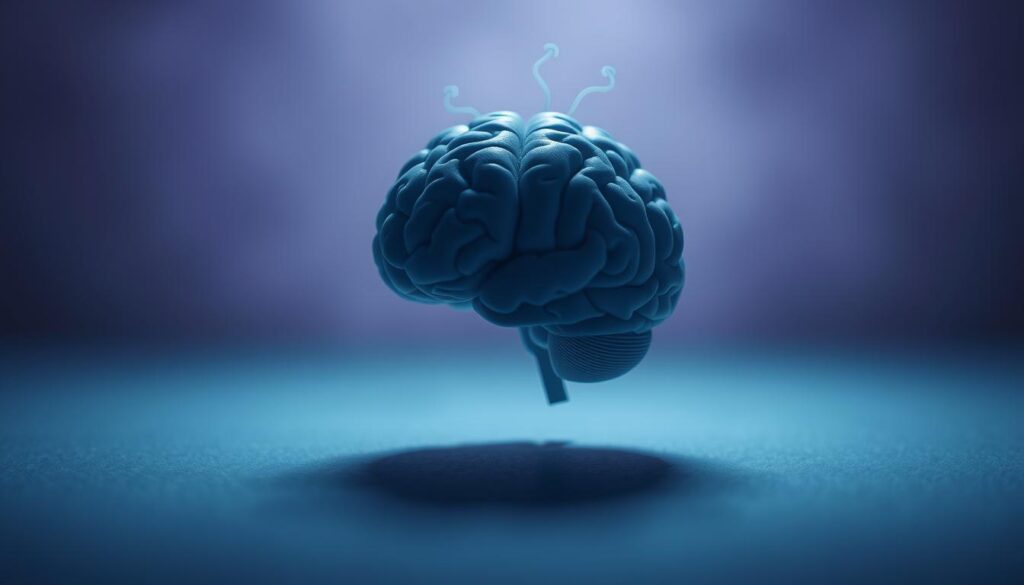
Samphire pairs short, phase-aware brain exercises with clear routines to ease symptoms across your month. It treats hormonal signals as cues the brain can learn to respond to, helping build steady resilience.
Aligning simple brain exercises to your cycle can ease pain and sharpen focus. Samphire is an app that uses a brain-first approach to translate phase changes into practical routines.
Samphire: phase-based practices and optional device
Samphire works stand-alone and offers a 30-day free trial, then $6.99/month. An optional Nettle device targets DLPFC for mood and focus and M1 for pain.
The device costs about £449, includes a one-year membership and a 90-day return policy. HealthKit sync is available via opt-in and explicit consent.
Building resilience: short routines aligned to phases
Sessions are brief and realistic so they fit busy days. Weekly loops reduce friction and help habits stick.
Consistent entries and noting sleep strengthen feedback, so logging quality matters. Samphire complements a tracker and can be a practical support alongside clinical care.
“A brain-first plan offers non‑drug tools to manage flare-ups and improve daily focus.”
Fertility, Ovulation, and Basal Body Temperature for Deeper Insights
Objective temperature trends help turn vague cycle signals into usable fertility insights. Morning basal readings and wearable body temperature smooth out day-to-day noise and improve prediction quality.
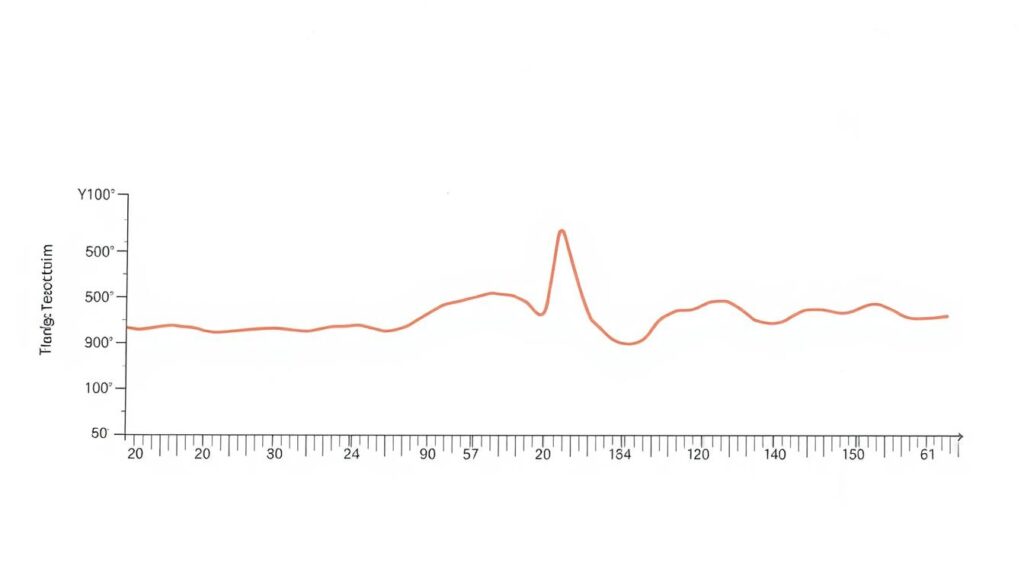
What basal body temperature does: after ovulation the basal body temperature rises slightly. That post-ovulation shift helps refine the fertile window and confirms ovulation when paired with dates and symptoms.
Natural Cycles and practical setup
Natural Cycles uses basal body temperature, period data, and optional LH tests to give a daily fertility status. It’s FDA-cleared as a hormone-free birth control and is also used by people who want to get pregnant. The tool integrates with Apple Watch and Oura for passive temperature capture to reduce manual readings.
How to boost predictions
- Combine signals: add LH tests and sleep trends when routines vary to improve accuracy.
- Consistency matters: take morning temperatures or enable wearable sync for reliable inputs.
- Realistic effectiveness: Natural Cycles reports typical-use 93% and perfect-use 98% as birth control—consistent use is essential.
Who benefits: users seeking hormone-free birth control or those tracking fertility to get pregnant. Irregular cycles may need several months of data before estimates stabilize.
Costs and extras: Natural Cycles has monthly and annual subscriptions, and U.S. users may be able to pay through HSA/FSA. For a quick roundup of options, see the best period tracking apps.
Choose by Goal: The Right Tracking App for Your Needs
Pick a tool that fits your near-term goal—analysis, fertility planning, chronic symptom correlation, privacy, or simple on-wrist convenience. Matching features to intent saves time and improves consistency.
Planning and clinician-ready analysis
Clue excels for users who want detailed logs, exportable summaries, and clear phase analysis for clinician visits. Its data layout supports medical conversations and long-term tracking.
All-in-one fertility and pregnancy support
Flo combines AI insights and pregnancy mode for everyday guidance. Natural Cycles adds objective, daily fertility status and FDA-cleared birth control features for those trying to get pregnant or avoid conception.
Chronic condition correlations
Bearable focuses on symptom correlations and an Impacts view that links cycle phases to flare-ups. It’s useful when fertility is not the main goal but health correlations matter.
Privacy-first, education-focused
Embody stores data locally by default, offers encrypted backups, and prioritizes clear educational content. Choose it if data control and learning are top priorities.
On-wrist convenience
Apple Health Cycle Tracking makes lightweight logging and notifications effortless for Apple Watch users. It reduces friction and keeps entries consistent.
“Choose the app that best advances your near‑term goal—analysis, privacy, convenience, or fertility.”
| Goal | Best fit | Key advantage |
|---|---|---|
| Clinician-ready planning | Clue | Detailed exports and phase analysis |
| Trying to get pregnant / pregnancy support | Flo, Natural Cycles | AI insights, daily fertility status, pregnancy mode |
| Chronic condition insight | Bearable | Symptom correlations and Impacts view |
| Maximum privacy | Embody | Local-first storage and optional encrypted backup |
| Low-friction logging | Apple Health Cycle Tracking | On-wrist input and seamless sync |
- Balance priorities: customization, export, and reminders reduce friction.
- Budget and learning curve: pick an interface you’ll use daily—consistency beats complexity.
- Match integrations: favor tools that work with your wearable to improve data quality.
Accuracy, Limits, and Responsible Use in the Present Day
Good predictions start when data is honest, consistent, and paired with objective signals. Most tools improve as you add more months of entries and objective measures like basal body temperature or wearable inputs.
Why predictions wobble: irregular cycles, missed logs, or only subjective notes make forecasts less reliable. Algorithms depend on clean data; gaps or highly variable cycles reduce precision, as clinicians note.
Why irregular cycles and limited inputs can shift predictions
Missed entries and irregular cycles change average timing and throw off ovulation estimates. Consistent sleep and steady morning body temperature readings tighten the signal and raise accuracy.
Tracking as guidance, not contraception—when to consult your OB-GYN
Most apps guide and educate; only FDA-cleared tools may be used as birth control. If you see heavy bleeding, new severe cramps, vanished periods, or sudden cycle length changes, contact a doctor or your obstetrics gynecology provider promptly.
- Be realistic: treat forecasts as estimates and build buffers into plans.
- Use devices: on‑wrist inputs and reliable trackers cut missed entries.
- Keep exports: save summaries for clinic visits when switching tools.
- Check privacy: know what data your tracker shares or stores.
Conclusion
Pick a thoughtful period tracking app that turns short entries into clear patterns you can act on.Use tools to support daily choices and clinical conversations, not as a substitute for medical care.
Match goals to tools: Clue for analysis, Flo for pregnancy support, Natural Cycles for fertility status, Bearable for correlations, Embody for privacy, Apple Health for on‑wrist convenience.
Keep accuracy realistic. Consistent logs, basal body temperature or wearable body temperature, and time improve estimates. Treat forecasts as helpful guides, not guarantees.
Use responsibly: only FDA‑cleared options should serve as birth control. Talk to a clinician for new severe cramps or abnormal bleeding.
Next step: start logging today, add temperature if relevant, save a concise export, and bring it to your next appointment. Better data helps women make informed choices and plan for fertility or to get pregnant when trying conceive.
FAQ
What types of symptoms beyond bleeding do these cycle apps usually let me log?
Most modern trackers let you record mood, energy, sleep quality, libido, cramps, and pain. Many also support custom tags so you can add specific symptoms like headaches, nausea, or medication side effects. Devices and integrations such as basal body temperature (BBT), Apple Watch, Oura, and LH test results can feed objective data into those logs for stronger pattern detection.
How do mood and energy entries improve predictive accuracy?
Mood and energy act as repeated behavioral data points that help algorithms learn your unique patterns. When combined with bleed dates, BBT, and ovulation test results, those subjective signals refine phase detection and timing predictions. In short, richer daily inputs lead to better phase-based suggestions and more useful trend reports for you and your clinician.
Can apps help if I’m trying to conceive (TTC) or avoid pregnancy?
Some apps like Natural Cycles and dedicated fertility modes in Flo and Clue use BBT, LH tests, and cycle history to support TTC or fertility awareness. However, fertility-focused tools vary in medical validation—Natural Cycles is FDA-cleared for contraceptive use while others are intended for tracking and education. Always consult an OB‑GYN before relying on any app as your only method of contraception.
How secure is the health data I enter — are there privacy-first options?
Security varies by app. Look for local-first storage, end-to-end encryption, anonymous or offline modes, and transparent data-export and deletion policies. Apps such as Embody emphasize local encryption and offline use; others like Flo now offer anonymous modes and clearer controls. Check privacy policies and device permission settings before you commit.
Will wearable integrations really change what I learn from an app?
Yes. Wearables add objective metrics — resting heart rate, sleep stages, and skin temperature — that complement subjective logs. Integrating BBT sensors, Apple Watch, or Oura improves ovulation estimates and helps differentiate fatigue from sleep disturbance. But accuracy depends on consistent wear and correct sensor placement, so follow app and device instructions closely.
What should I look for when choosing an app for clinician-ready reports?
Choose apps that export detailed logs and charts, allow custom symptom tags, and offer clear, evidence-based summaries. Clue and Flo can generate shareable health reports; Natural Cycles provides fertile-window summaries useful for clinical conversations. Ensure timestamps and raw data are exportable so your clinician can review specifics.
Are AI-driven insights reliable for spotting health issues like mood disorders or hormonal imbalances?
AI can flag correlations and trends—such as recurring low energy or persistent low mood during specific phases—but it cannot replace diagnosis. These insights are a starting point for discussions with mental health providers or an OB‑GYN. Use app reports as evidence when seeking evaluation rather than a substitute for professional assessment.
How do apps handle irregular cycles or missed inputs? Will predictions still work?
Irregular cycles and inconsistent logging reduce prediction reliability. Many apps will widen their prediction windows and mark confidence levels when data is sparse. For best results, log key markers (bleed start, BBT, ovulation tests) consistently and use reminders. If cycles are highly irregular, seek medical advice—apps provide guidance, not medical certainty.
Can I use these tools for chronic condition management, like endometriosis or PMDD?
Yes—apps that let you track pain severity, mood swings, sleep, and medication can reveal symptom correlations over time. Bearable and specialized mood trackers focus on chronic condition correlations and can help you spot triggers and treatment responses. Share exported charts with your specialist to inform care plans.
Do any apps support on-wrist logging or Apple Watch complications for quick entries?
Several apps offer Apple Watch integration for one-tap logging of symptoms, flow, and basal body temperature when paired with compatible sensors. Apple Health Cycle Tracking also supports on-wrist entries and notifications. On-wrist convenience increases adherence, which improves pattern detection and prediction quality.
What are the main limits of app-based predictions and when should I see a doctor?
Apps rely on past patterns and available inputs; they can’t detect all medical conditions or guarantee accuracy for contraception. See an OB‑GYN if you have very irregular cycles, heavy or prolonged bleeding, severe pain, sudden mood changes, or if you plan to use an app as your sole method of birth control. Use app data to prepare for that conversation.
Premium tiers typically add advanced analytics, clinical reports, AI insights, fertility modes, guided programs, and ad-free experiences. If you need TTC tools, clinician-ready exports, or deeper correlation analysis for chronic conditions, premium features can be valuable. Evaluate trial periods and refund policies before subscribing.
Are there apps that prioritize education and gradual habit-building rather than fertility or silent tracking?
Yes. Some apps focus on education-first experiences, offering phase-based practices, short resilience routines, and clear explanations of hormones and symptoms. Embody and Samphire-style apps emphasize phase-aligned habits and gentle coaching alongside data privacy.



Don’t Miss These Picks