

Can one app really replace a clinician’s notebook and give reliable cycle insight? That question drove our head-to-head test of leading tools, and the short answer is: it depends on your goals and data habits.
We compared accuracy, privacy, price, and real-world ease of use. Our testing pool included Natural Cycles (FDA-cleared, 93% effective with basal body temperature and daily inputs), Flo, Glow, Apple Cycle Tracking, and wearable-driven options like Oura and WHOOP.
Expect clear takes on where each tracker shines. We explain why objective measures like basal body temperature and consistent entries improve predictions, why irregular cycles complicate pinpoint timing, and how privacy and export options affect trust.
Curious about syncing workouts to your hormones? See how cycle-aware training works in our guide on cycle syncing for workouts.
Key Takeaways
- Accuracy rises with consistent inputs and objective measures like BBT.
- Natural Cycles is FDA-cleared and suited for contraception when used as directed.
- Wearables (Oura, WHOOP) add continuous temperature and trend data after a learning period.
- Feature sets and pricing vary—pick a tool that matches your goal: avoid pregnancy, conceive, or monitor symptoms.
- Privacy controls and clear export options matter for sharing reliable data with providers.
Why Period Tracker Apps Matter Right Now
Period tracker apps offer day-to-day clarity and long-term health insights. When your data is consistent, predictions get smarter over time and become useful information for clinicians.
A simple daily check-in can turn confusing cycle changes into useful clinical data. OB-GYNs like Apurva Shah, MD, and Rashmi Kudesia, MD, say these tools can flag irregular bleeding or severe pain that needs care.
You can keep tabs on signals such as basal body temperature, cervical fluid, heart rate, sleep, and past cycles. Those inputs feed algorithms that estimate your next period and ovulation window.

Longer histories and objective measures like BBT improve predictions. For irregular cycles (for example, 28–32 days), ovulation shifts by days. Apps may not nail a single day, but they still provide a helpful fertile range.
| Data Type | What it Signals | How it Improves Accuracy |
|---|---|---|
| Basal body temp | Ovulation shift | Confirms post-ovulation rise |
| Cervical fluid | Fertile days | Pinpoints high-fertility window |
| Sleep & heart rate | Physiological trends | Adds passive signals for models |
| Logged symptoms | Health changes | Flags issues to discuss with clinicians |
Organized information reduces guesswork and speeds care. For deeper reading on algorithm research, see this tracking algorithm study.
How We Tested and Chose the Winners
We mixed clinician input with hands-on use to see which tools give reliable cycle signals in everyday life. Our scoring favored clear data flows, objective measures, and steady usability over marketing claims.
Expert input, data points, and real-world use
Clinicians told us that objective measures matter most. We prioritized tools that accept basal body temperature and consistent body temperature input.
Testers logged periods, symptoms, sleep, and workouts. We tracked how forecasts changed as data built over weeks.

Longer histories and precise entries improved predictions. When entries slipped, accuracy fell—so we noted which designs reduced friction.
Scoring criteria: accuracy, features, privacy, price, and support
- Accuracy: We compared cycle and ovulation estimates to known dates, valuing apps that use basal body or body temperature.
- Features: We mapped logging depth, export options, and integrations that aid clinical visits.
- Privacy: We reviewed data handling, in-app controls, and export simplicity.
- Price & support: We checked tiers, value, and how responsive help and expert resources were.
We stress-tested reminders, entry flows, and notifications to see which tracking apps make daily use easy. That helped us judge real health impact and whether the period tracker supports consistent long-term logging.
Our Top Picks for the Best Period Tracker Apps
These five selections rise above the crowd thanks to clear data flows and practical features. We focused on accuracy, privacy, and day-to-day usability so you can pick an option that fits your goals.

- Natural Cycles — Best Overall: FDA-cleared for birth control, uses basal body temperature (BBT) to show red/green fertility days. Offers 93% effectiveness when used correctly and costs about $16.99/month.
- Flo — Highly-rated choice: Free basics with a $11.49/month premium that unlocks daily well‑being plans, courses, and expert content. Switch to pregnancy mode easily when plans change.
- Glow — Ovulation focus: Logs 40+ signals, integrates ovulation tests, and supports TTC communities. Free tier available; premium is around $69.99/year for added tools.
- Apple Cycle Tracking — Best for iPhone & Apple Watch: Built into the Health app for zero-friction logging. Syncs flow, cramps, mood, and body temperature with timely notifications.
- Wearable-driven insights (Oura / WHOOP / 28): Oura offers continuous temperature after ~2 months of data and a privacy-forward stance; WHOOP adds recovery and HRV guidance with subscription models; 28.co pairs cycle-based workouts with curated content.
Quick take: From FDA-cleared birth control to wearable temperature trends, these options cover fertility, avoidance, and fitness-focused needs. Compare pricing and premium options up front so you know what features and support come with each choice.
Want a broader roundup? See a curated list of other notable tools in our linked guide: best period tracker apps.
Best Period Tracking App Review
Quick comparisons help you spot which tool gives the right mix of accuracy and convenience. Below is a compact pros/cons rundown, a pricing snapshot, and clear winners by use case so you can decide fast.

Quick pros and cons roundup
- Natural Cycles — Pro: FDA‑cleared and 93% effective with daily BBT; Con: needs a separate thermometer and daily input.
- Flo — Pro: friendly charts and pregnancy mode; Con: frequent prompts to upgrade to premium.
- Glow — Pro: logs 40+ signals and strong TTC community; Con: advanced features behind a paywall.
- Apple Cycle Tracking — Pro: built into Health with Watch reminders; Con: limited to the Apple ecosystem.
- Oura / WHOOP / 28.co — Pro: passive data for training and recovery; Con: hardware or subscriptions and a learning period.
Pricing snapshot: free tiers and upgrades
Transparent costs matter when you choose an app. Natural Cycles runs about $16.99/month. Flo has a free core and a $11.49/month premium. Glow is free with a $69.99 premium. Oura requires a $349 ring. WHOOP lists annual plans (roughly $199–$239). 28.co offers a free option and $90/year premium.
Winners by use case
- TTC (trying to conceive): Glow and Natural Cycles for fertile window clarity.
- Avoiding pregnancy: Natural Cycles when you can record BBT daily.
- Apple users: Apple Cycle Tracking for seamless iPhone and Watch logging.
- Athletes and recovery: Oura, WHOOP, and 28.co for passive cycle‑aware data and training guidance.
For a broader list of options and deeper comparisons, see this concise guide on other period tracker apps.
Feature Deep Dive: What Actually Improves Accuracy
Objective signals change slowly — and that steadiness is what algorithms use to learn. Good inputs let models spot the subtle rise that follows ovulation and reduce guesswork for future cycles.
Basal body temperature and why algorithms love it
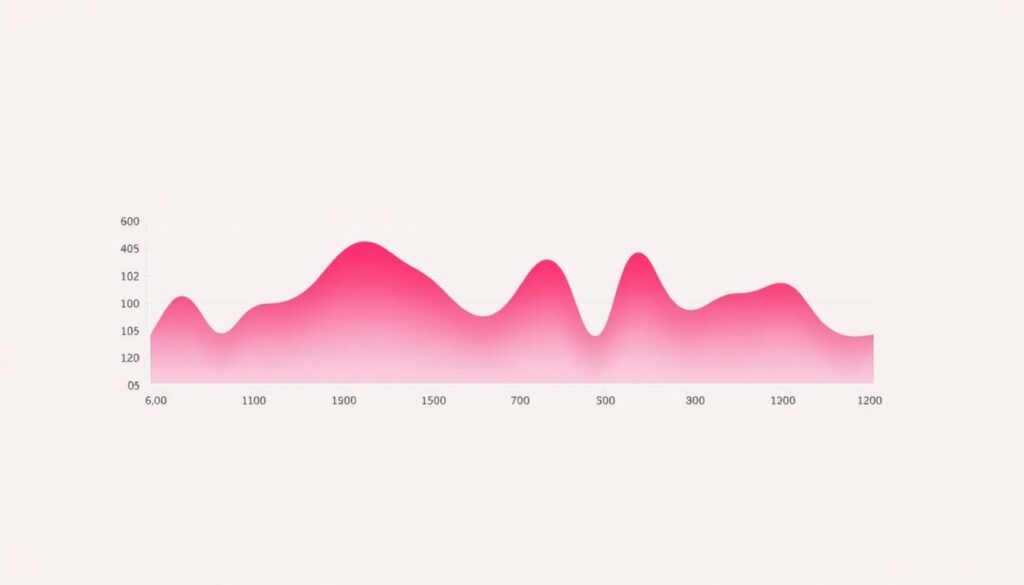
Basal body temperature is measured at rest and shows a small, sustained rise after ovulation. Capture it the same way each morning and the app can detect that shift more reliably than symptom notes.
Pairing basal body entries with flow and symptoms helps the model triangulate ovulation and refine predictions over time. Consistent timing matters: even 10–15 minutes of change in measurement time can blur the signal.
Wearables and passively tracked signals
Wearables lower friction by collecting temperature and heart rate data without extra effort. Devices like Oura provide continuous temperature trends, WHOOP adds HRV and sleep context, and Apple Watch logging feeds the health app for smoother inputs.
These passive streams help with training and recovery planning because they reveal patterns across multiple cycles.
Privacy and data controls: what to know before you sync
Control who sees your information—enable device passcodes, in-app locks, and check export settings. Some wearables, like Oura, state they do not sell user data and share only with permission.
Look for clear privacy policies, encryption, and simple export options if you plan to share charts with a clinician.
Irregular cycles: how predictions adapt over time
Expect broader fertile windows for irregular cycles; pinpointing a single day is harder. As more cycles collect, the app narrows estimates and improves timing for ovulation and period forecasts.
If travel, illness, or poor sleep change your body temperature, log those events—short-term disruptions can skew immediate estimates.
| Feature | What it adds | How it improves accuracy |
|---|---|---|
| Basal body temperature | Clear ovulation signal | Confirms post-ovulatory rise when measured daily |
| Wearable temperature & HR | Passive trends (Oura, Apple Watch, WHOOP) | Reduces manual entries and reveals multi-cycle patterns |
| Symptom & flow logs | Contextual markers | Helps algorithms triangulate fertile windows |
| Privacy controls | Passcodes, exports, policies | Builds user trust to keep consistent data sharing |
Side-by-Side Comparisons You Can Use
Start by naming your goal: avoid pregnancy, trying to conceive, or optimize training around your cycle. Once your aim is clear, compare features and device fit to pick the right period tracker for daily use.
Avoiding pregnancy versus trying to conceive
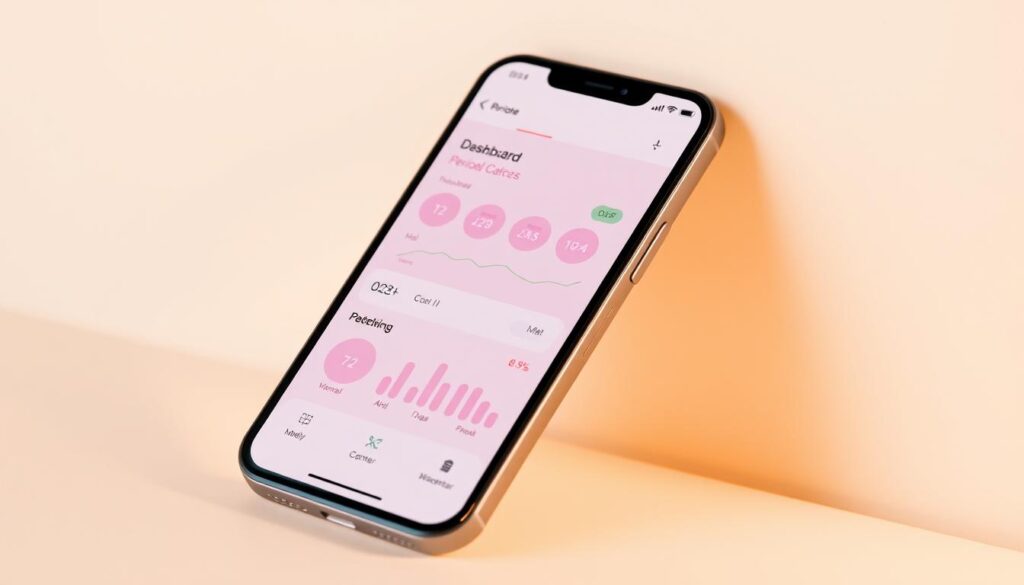
Avoiding pregnancy? Natural Cycles uses basal body temperature (BBT) and shows red/green days. Its FDA-cleared design supports birth control when you record BBT consistently.
Trying to conceive? Glow offers deep TTC tools, ovulation test integration, and community support to help time intercourse and improve fertility awareness.
Apple ecosystem users versus cross-platform needs
Apple-first users get seamless logs with Apple Cycle Tracking and Watch reminders. Health app integration keeps your charts in one place for easy review.
Cross-platform options like Flo and Glow work on iOS and Android and offer similar features, free tiers, and paid upgrades for extra insights.
Fitness-first options with cycle-smart coaching
Athletes and recovery-focused users should consider Oura or WHOOP for passive temperature, HRV, and sleep trends that link phases to training load.
Coaching-focused platforms like 28.co add phase-based workouts and nutrition tips to help periodize intensity across the cycle.
| Use case | Recommended features | Why it matters |
|---|---|---|
| Avoiding pregnancy | BBT-based fertility indicators, red/green days | Clear guidance on when to abstain or use protection |
| Trying to conceive | Ovulation tests, community support, deep logs | Better timing and peer guidance to help get pregnant |
| Apple ecosystem | Health integration, Watch sync, quick logs | Low friction keeps daily data consistent |
| Fitness-first | Passive temp, HRV, recovery coaching | Aligns training and rest with hormonal phases |
Bottom line: Match your main use case—birth control, trying to conceive, or training—and your device ecosystem. That makes daily logging easier and keeps your period data reliable for real decisions.
Who Each App Is Best For
Match the tool to your goal and experience level—this quick guide helps you pick the right fit fast. The best experience is the one you’ll use consistently, so choose an option that fits your routine and device habits.
Trying to conceive?
Glow logs 40+ signals and hosts TTC communities that help with timing and support. Natural Cycles uses FDA-cleared BBT-based red/green days to clarify fertile windows. Together, these options give clear fertility signals and peer guidance to help you get pregnant.
Avoiding pregnancy?
Natural Cycles stands out for contraception guidance when you commit to daily basal body temperature entries. Its clear red/green protocol works best with consistent morning readings and the willingness to follow guidance closely.
New to tracking or teens
Apple Cycle Tracking and Flo offer simple interfaces and essential features. Both make period tracking low friction: Apple integrates with the Watch, while Flo provides an app free tier with clean visuals and basic features to learn cycle signals.
Data lovers and clinicians
Glow provides deep logs, exportable graphs, and detailed information ideal for sharing with providers. If you want comprehensive data and flexible export options, choose tools that let you download charts and raw exports for clinical visits.
Fitness-first and budget-minded users
Fitness users should consider 28.co for phase-based workouts and WHOOP or Oura for recovery insights. If budget matters, start with free tiers in Flo or Glow and upgrade only if premium content or features add clear value to your routine.
Quick takeaways:
- Match goals: TTC? Glow and Natural Cycles. Avoid pregnancy? Natural Cycles with BBT.
- Start simple: Apple Cycle Tracking or Flo for easy, reliable period tracking.
- For deep data: Glow and exportable charts give clinicians the information they need.
| Use case | Top option | Why it fits |
|---|---|---|
| Trying to conceive | Glow / Natural Cycles | Deep logs, TTC community, and BBT-driven fertile window clarity |
| Avoiding pregnancy | Natural Cycles | FDA-cleared red/green protocol with daily BBT input |
| New to tracking | Apple Cycle Tracking / Flo | Simple visuals, app free tiers, and low-friction basic features |
| Data lovers | Glow | 40+ signals, exportable graphs, and clinician-ready information |
If you want a wider roundup of tracker apps and clinical perspective, check this curated guide: clinician-curated tracker app list.
Conclusion
Choose a tool you’ll use daily—consistency turns simple entries into reliable insight. Objective signals like body temperature and steady logging make cycle predictions and ovulation estimates meaningfully better.
Pick based on your goal and device habits. If you want FDA‑cleared birth control, Natural Cycles pairs BBT with a clear red/green protocol. For seamless convenience, Apple Cycle Tracking lives in the Health app. Glow and Flo focus on fertility support and pregnancy mode when plans change.
Wearables like Oura and WHOOP add passive temperature and recovery trends after a baseline. Protect your privacy, check export options, and revisit your choice as needs evolve. If timing, flow, or symptoms shift suddenly, bring your logged data to your clinician for next steps.
FAQ
How do these cycle apps estimate ovulation and fertile windows?
Most apps use a combination of cycle history, calendar calculations, and user-entered symptoms. Apps that support basal body temperature (BBT) or integrate wearable data—heart rate and skin temperature—apply algorithms to detect the post-ovulatory temperature rise and narrow the fertile window. Accuracy improves as you log more cycles and add objective signals like BBT or continuous wearable data.
Can I use an app to avoid pregnancy instead of hormonal birth control?
Some apps, like Natural Cycles, are cleared for use as a contraceptive method when used exactly as instructed with daily BBT measurements and careful adherence to app guidance. Effectiveness depends on consistent, correct use; user error or missing data reduces reliability. Consult a clinician before relying on any app as your sole birth control method.
Are these apps safe for people with irregular cycles?
Yes — many trackers adapt predictions over time by learning from past data, but initial forecasts may be less reliable. Apps that accept BBT and wearable signals adjust faster for variability. If you have irregular periods due to health conditions (PCOS, thyroid issues), share data with a healthcare provider for personalized guidance.
Data-sharing practices vary. Reputable apps publish privacy policies that explain whether data is stored locally, encrypted, or shared with analytics partners or advertisers. Look for apps that offer strong privacy controls, clear consent screens, and the ability to export or delete your data. Integrations with Apple Health, Google Fit, or wearables also require reviewing permissions.
Will integrating an Apple Watch, Oura, or Whoop improve predictions?
Yes. Passive signals from wearables—resting heart rate, skin or peripheral temperature, sleep patterns—provide continuous context that can improve algorithmic predictions and detect subtle cycle-related changes. Apps that accept wearable data reduce the burden of manual BBT logging and can increase day-to-day accuracy.
Which apps are best for trying to conceive (TTC)?
Apps that log multiple fertility signals and offer cycle coaching tend to perform well for TTC. Glow and Natural Cycles provide fertile-window clarity, while apps that include symptom tracking, LH test results, and charting help identify your most fertile days. Combining app insights with ovulation tests or basal temperature increases gives the best chance of timing intercourse accurately.
What core features should I expect in a solid tracker app?
Essential features include cycle and symptom logging, fertile window and period predictions, data export, password protection, and clear privacy settings. Advanced apps add BBT input, wearable integration, charting, pregnancy mode, and exportable reports for clinicians. Free tiers often cover basics; premium plans unlock deeper analytics and coaching.
Subscription prices vary from modest monthly fees to annual plans with added features like advanced analytics, personalized coaching, and unlimited historical data. Whether a premium tier is worth it depends on your goals: trying to conceive, using the app for contraceptive support, or needing in-depth health reports. Evaluate features, refund policies, and trial periods before subscribing.
Can I use the app across devices and platforms?
Many top apps offer cross-platform support (iOS, Android, web) and sync with Apple Health or Google Fit. Some features—like Apple Cycle Tracking—are optimized for Apple ecosystems and Apple Watch. Check platform compatibility, sync options, and whether your wearable is supported before committing.
How quickly do predictions improve after I start using an app?
Basic calendar predictions appear immediately, but accuracy improves over 3–6 cycles as the app learns your individual patterns. Adding daily BBT or continuous wearable signals accelerates learning and refines fertile-window estimates sooner. Regular, consistent logging is the biggest factor in speed and accuracy.



Don’t Miss These Picks