

Can tailoring your training to the menstrual cycle really boost performance, lower injury risk, and make fitness feel easier?
Many women notice that energy and strength change across a 28-day cycle. Scientists document daily shifts in sex hormones that affect metabolism, perceived effort, and recovery.
In this guide you’ll align workouts to the right phase so you can train smarter and recover faster. We explain when to push harder near ovulation and when to scale back as resting heart rate and recovery change later in the month.
Expect clear, science-backed tips on strength and cardio choices, fueling strategy, and simple tracking tools so your plan adapts to real-world symptoms rather than rigid rules.
For a deeper look at the evidence behind these recommendations, see this menstrual cycle research.
Key Takeaways
- Match intensity to hormonal levels to train smarter across the month.
- Push near ovulation when energy and strength often rise.
- Scale back in the luteal mid-to-late week to protect recovery and reduce injury risk.
- Use carb and protein timing around hard sessions for better results.
- Track symptoms and wearables to personalize the plan over time.
Why timing your training to your menstrual cycle matters right now
Training with your biology in mind helps you get more from high-energy days and protects progress when energy dips. Small hormone shifts across the month change recovery, fatigue, and injury risk, so timing matters.
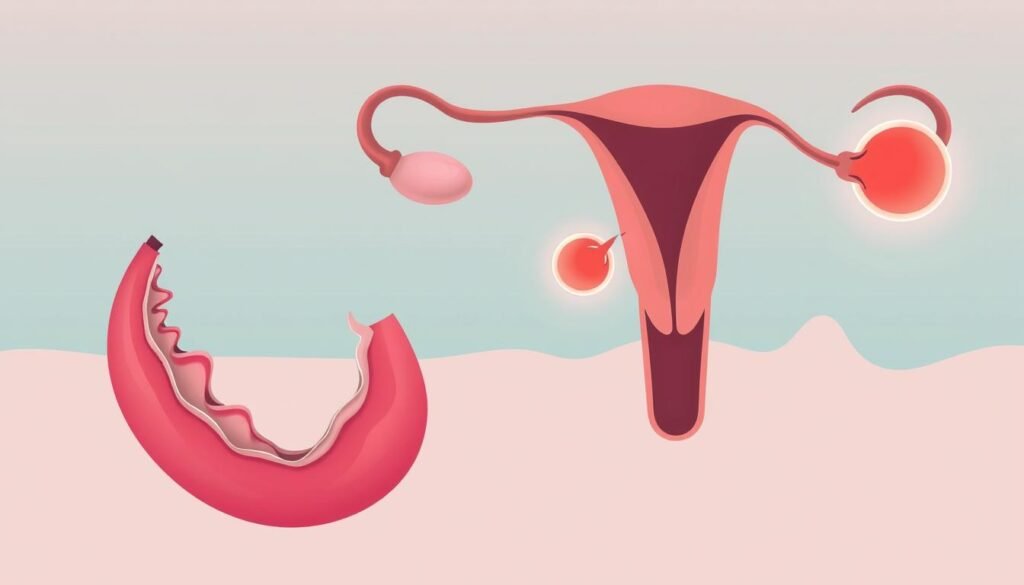
Small, regular hormone changes across the month shape how hard exercise feels on any given day. Rising estrogen early in the cycle often makes sessions feel easier and speeds recovery, especially just before ovulation.
Higher progesterone later can raise resting heart rate, reduce aerobic capacity and heat tolerance, and slow recovery. One meta-analysis found a modest performance dip during the period for some women, and small studies link mid-to-late menstrual changes to less efficient recovery and a higher injury signal in team sports.
In plain terms: plan tough, key sessions when energy and strength naturally rise, and shift to technique, mobility, or lower-intensity work when your body signals lower capacity.
- Matching intensity to cycle days improves consistency and lowers frustration.
- Adjusting load around changing hormone levels protects progress and reduces risk.
For practical templates and a simple way to apply this, see our cycle-syncing guide.
Understanding your cycle phases and how they affect exercise
Every week of a typical 28-day cycle brings a different mix of energy, recovery, and symptoms. Knowing which days favor tougher training and which call for gentler movement helps you plan smarter sessions and protect progress.
Menstruation: low hormones and what movement feels like
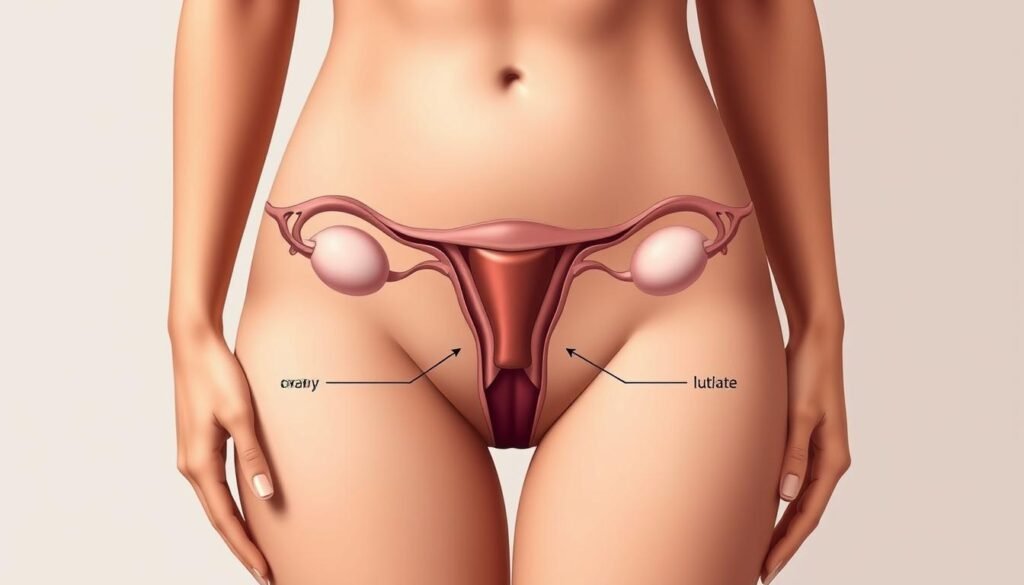
Day 1 of bleeding starts the cycle. Estrogen and progesterone are low and common symptoms—cramps, headaches, fatigue—can change how your body handles load.
Try short walks or gentle mobility to ease discomfort without adding stress.
Rising estrogen and ovulation: energy and strength peaks
During the follicular phase, estrogen climbs while progesterone stays low. In the days before ovulation, levels peak and many notice faster recovery and stronger lifts.
The LH surge around day 12–14 triggers the egg release, making this a natural window for higher-intensity work if you feel ready.
Higher progesterone: later-cycle effects to plan for
After ovulation, rising progesterone raises resting heart rate and can reduce heat tolerance and aerobic ease. Perceived effort often feels higher at the same pace.
- Late luteal days can bring bloating, mood shifts, and a 5–10% bump in metabolism.
- The body leans more on fat for fuel, so access to glucose can feel harder during hard intervals.
Follicular vs Luteal Phase Workouts: exact moves, intensity, and what to avoid
Plan hard sessions when energy and recovery are higher, and favor technique and lower load when perceived effort climbs. Simple swaps and timing choices keep progress steady without overtaxing the body.

Intensity targets by phase: where to push, where to pace
When recovery and power trend up, push higher intensity and volume with clear targets for heart rate and RPE.
In the later phase, pace efforts with steady-state cardio, mobility, and reduced interval volume to protect recovery.
Strength training picks
In higher-energy days, prioritize heavy compound lifts—squats, deadlifts, and presses—with 3–5 sets of 3–8 reps to drive strength gains.
When energy drops, switch to maintenance loads, 8–12 reps, slow eccentrics, and form-focused drills to keep strength without excess fatigue.
Cardio choices and what to avoid
Use HIIT or threshold intervals during resilient windows, but track heart rate and rest so intensity stays controlled.
During lower-tolerance days, favor zone 2, low-impact cardio (bike, elliptical) and longer warm-ups. Skip repeated max sprints, near-PR lifts, and hot-environment sessions when signs of overload appear.
Quick nutrition and recovery tips
After harder sessions late in the month, aim for carbs plus protein within two hours to support energy and repair.
| Goal | Higher-energy window | Lower-energy window |
|---|---|---|
| Strength | Heavy compounds, 3–5 sets of 3–8 reps | Maintenance load, 8–12 reps, slow eccentrics |
| Cardio | HIIT, threshold intervals | Zone 2, low-impact intervals |
| Recovery | Standard warm-up, focused cooldown | Longer warm-up, yoga, mobility |
| What to avoid | Unplanned extra max efforts | Repeated sprints, PR attempts, hot training |
Late follicular and ovulatory window: your performance advantage
Use this short high-output window to add safe intensity and test progressions. Estrogen and LH surge, so energy levels peak and recovery speeds up for a few days.
Aim for 2–3 key sessions in this time. Note the day you feel the surge and plan intensity around it.

How to progress when power is up
Small, smart increases beat all-or-nothing jumps. Add one working set or raise load 2–5% when form stays clean.
- Emphasize compound lifts and power moves—cleans, push presses, and loaded jumps—for strength and neural gain.
- Tighten interval targets for HIIT or threshold rides; keep structured rest to protect quality.
- Track readiness and limit to a few high-focus sessions to avoid cumulative fatigue.
Fueling and recovery when training hard
Prioritize timely carbs and protein to turn hard sessions into lasting gains. Eat a balanced diet with carbs before intense sets. Aim for 20–30 g of protein within two hours post-exercise to support repair.
“Plan cooler times to train in heat, stay hydrated, and use shade or fans to keep core temp in check.”
Keep sleep regular, hydrate well, and add light mobility on off days to support connective tissue as volume rises.
| Focus | Action | Why it helps |
|---|---|---|
| Strength | Increase load 2–5% or add a set | Stimulates adaptation with low injury risk |
| Cardio | Short HIIT or threshold sessions, structured rest | Maximizes power while preserving next-day quality |
| Nutrition | Carbs pre/post, 20–30 g protein within 2 hours | Supports glycogen and muscle repair |
| Heat | Train cooler, shorten peak efforts | Maintains output without overheating the body |
Luteal phase strategy: lower-intensity training, recovery, and symptom-smart swaps
Shift to lower-intensity work and prioritize recovery when progesterone rises late in the cycle. Simple adjustments—shorter sessions, cooler environments, and targeted fueling—keep you consistent without overstressing the body.
When energy falls and common symptoms like bloating or headaches appear, favor walking, yoga, mobility, and steady zone 2 cardio.

Best options for movement now
- Low-impact cardio: longer walks or easy bike rides to maintain aerobic base.
- Technique and mobility: light drills that protect form and keep the nervous system engaged.
- Yoga: restorative sequences to ease tension and support sleep.
Recovery essentials
Prioritize rest, cooler training spaces, and planned deload weeks when fatigue spikes. Extend warm-ups, hydrate more, and include active rest days to protect tissue and performance.
Modify, don’t quit
“Trim loads 5–15%, lengthen rest, and keep sessions shorter — you retain gains while respecting real-day limits.”
Fuel smartly with carbs and protein around sessions and log symptom days to tune adjustments across the next cycle.
How to track your cycle and personalize your plan
Start simple and build data you can actually use. Track dates and symptoms, then let patterns guide training choices.Small, steady logs beat one-off guesses: they give you control and clear signals about energy and recovery across the month.
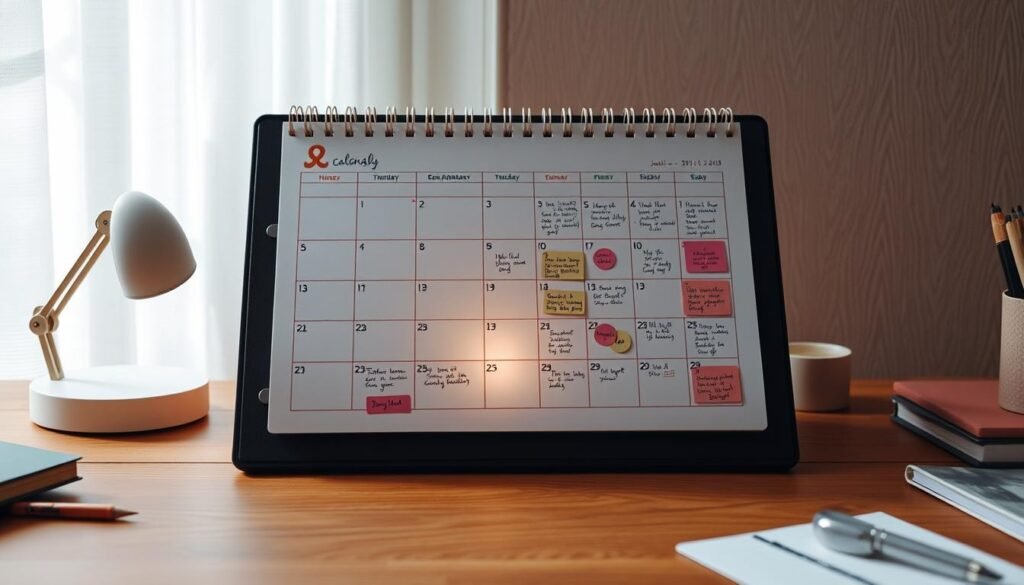
A simple log of symptoms and dates can turn guesswork into usable patterns over a few months. Mark the first day of bleeding on a calendar to estimate your cycle length. Add notes for sleep, cravings, and perceived effort each day.
Apps, wearables, and quick logs
Use one reliable app or a wearable if you want basal temperature and symptom tagging. Start without tech if that feels easier. The point is consistency, not complexity.
Listen to your body and adapt
- Start simple: log period start, cycle length, key symptoms, and energy levels.
- Tag training quality: note if sessions hit targets, struggled, or felt great.
- Be flexible: move a hard session a day, swap to mobility for cramps, then return to plan.
- Decision tree: low energy = reduce volume; strong = add one progression; spike in symptoms = walk or yoga.
- Review monthly: confirm trends across cycles and adjust the next plan.
Want a simple starting resource? Try a trusted guide to cycle syncing to set up your tracking strategy.
Safety first: injury risk, pain, and when to see a professional
Some research links the days before menstruation with a higher rate of non-contact injuries. Use signal-based adjustments to protect your body and keep training consistent.
Why late luteal may raise non-contact injury risk and how to mitigate it
Late in the cycle, rising progesterone and other hormone shifts can alter recovery and perceived effort. A 2024 study found a spike in non-contact injuries in the late luteal window for soccer players, suggesting extra caution is wise.
Mitigate risk by dialing back maximal efforts, lengthening warm-ups, and prioritizing controlled strength work. Emphasize technique, gradual loading, and mobility to protect tendons and joints.
Red flags, hormone considerations, and training on hormonal contraception
Use pain as a signal. New, sharp, or swelling pain needs an evaluation—do not train through red flags. If your period becomes very heavy or you have dizziness, seek medical advice promptly.
Many studies exclude people on hormonal contraception. Contraception alters hormone levels and responses, so work with a clinician or coach to tailor training and monitoring if you use it.
| Risk or sign | Why it matters | Action |
|---|---|---|
| Higher non-contact injury odds late in cycle | Recovery after intense intervals may be less efficient | Reduce max efforts; add technical strength and longer warm-ups |
| New sharp joint pain or swelling | Possible acute injury or inflammation | Stop exercise; get clinical assessment |
| Worsening sleep or soreness in late luteal | Accumulated fatigue raises overload risk | Cut volume; add mobility, yoga, and extra recovery |
| On hormonal contraception | Different hormone patterns can change symptoms | Individualize plan with clinician input |
Hydration, cooler training environments, and technique refreshers lower strain when the body feels more sensitive.
“When in doubt, prioritize health and form over output; sustainable training beats sporadic peaks.”
For more detailed evidence on cycle-linked injury patterns, see this late-cycle injury study.
What the science says about cycle syncing and performance
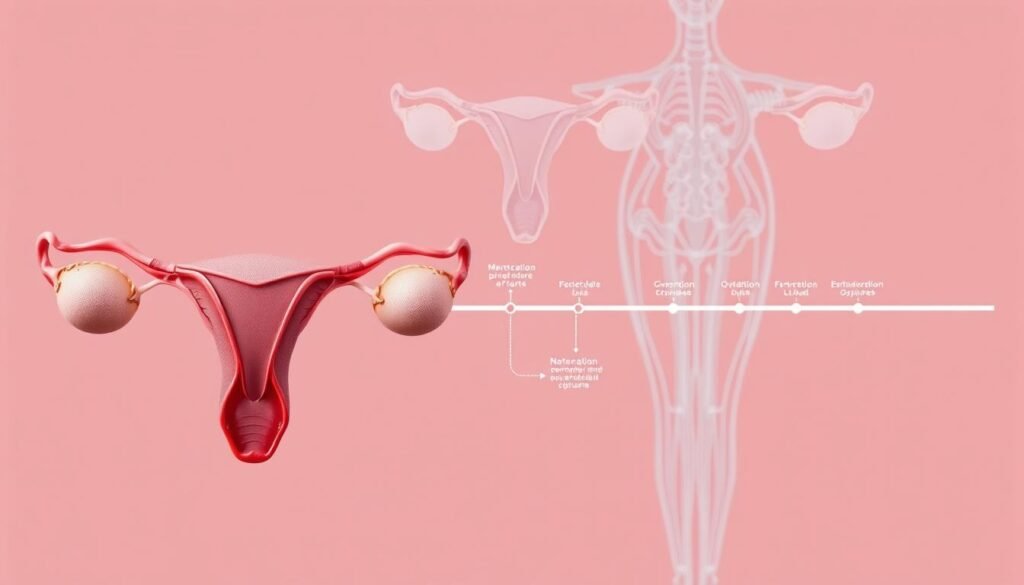
Science shows clear signals for some outcomes and mixed results for others. Apply findings as flexible guidance rather than strict rules.
Where the evidence is strongest
Multiple studies report that perceived effort often rises in the luteal portion of the cycle. Many people also see slower recovery after high-intensity exercise in mid-luteal days.
Symptom patterns—cramps, sleep changes, or bloating—consistently alter how exercise feels and how the body repairs afterward.
- Perceived effort: tends to increase later in the cycle for many women.
- Recovery metrics: can worsen mid-luteal, so plan extra recovery then.
- Injury signals: a 2024 study found higher non-contact injury odds late in the cycle for female soccer players.
Where the evidence is mixed
Research on muscle protein synthesis shows similar gains after strength training across cycle timings in several studies. That suggests no clear phase has a universal edge for building muscle.
Overall performance benefits tied to one particular part of the cycle are not consistent across sports, training ages, or contraceptive status.
“Use cycle-aware planning as a flexible tool: log symptoms, adjust load, and prioritize recovery over rigid rules.”
| Topic | Strong evidence | Mixed or weak evidence | Practical takeaway |
|---|---|---|---|
| Perceived effort | Higher mid-to-late cycle | Varies by individual | Scale intensity when effort spikes |
| Recovery after HIIT | Less efficient mid-luteal | Not universal | Add rest or reduce interval volume |
| Muscle protein synthesis | No clear advantage by timing | Similar responses in studies | Prioritize consistent strength training |
| Injury risk | Late-cycle increases reported in some sports | Depends on sport and load | Avoid repeated max efforts late in cycle |
Bottom line: the body’s response to estrogen and progesterone levels can change training feel and recovery. Use logs and wearable data to personalize plans and keep progress steady.
Conclusion
A cycle-aware plan turns unpredictable energy swings into reliable training choices. Use higher-energy windows for targeted, intense sessions and back off when the body signals lower capacity.
Keep strength training year-round, but adjust intensity and volume by phase to protect recovery and progress.
Track your menstrual cycle with a simple app or log and place key exercise sessions on days you tend to feel stronger. Fuel hard sessions with timely carbs and protein, sleep well, and train cooler when needed. For low-energy days, choose yoga, steady cardio, or skill work to retain gains without extra strain.
If you feel severe pain, very heavy bleeding, or persistent fatigue, seek medical advice promptly. Stay flexible, use data to guide choices, and keep momentum—small, consistent steps win in long‑term fitness. For help when effort feels unclear, see feeling lost in your workout.
FAQ
How do hormone changes during the menstrual cycle affect my workouts?
Hormone shifts—mainly changes in estrogen and progesterone—alter energy, recovery, body temperature, and perceived effort. When estrogen is higher you may notice better strength, power, and faster recovery; when progesterone is higher you may feel more fatigued, have a higher resting heart rate, and find intense heat or high-intensity work more taxing. Use those patterns to scale intensity and recovery rather than forcing a one-size-fits-all plan.
Which training days should I prioritize heavy lifting and maximal effort?
Schedule heavier strength sessions and power work during the window when energy and strength naturally rise—typically the late follicular and ovulatory days. Those days are best for compound lifts, heavy sets, and progressive overload because recovery tends to be faster and perceived exertion lower.
When is it smarter to focus on lower-intensity or technique work?
During the luteal time and on heavier-symptom days, prioritize lower-intensity training: walking, yoga, mobility, technique-focused resistance work, and zone 2 cardio. This reduces fatigue and injury risk while maintaining movement consistency and skill practice.
Should I skip HIIT or interval training at certain times?
High-intensity intervals can be effective when energy and heat tolerance are good. Scale back HIIT during the mid-to-late luteal period if you experience increased fatigue, higher heart rate, or poor sleep. Substitute steady-state cardio, tempo runs at conversational pace, or shorter intervals with longer recovery.
How can I modify sessions instead of quitting entirely?
Adjust load, reps, and session length: reduce weight by 10–30%, drop sets or reps, add rest sets, or shorten workouts from 60 to 30–40 minutes. Focus on form, controlled tempo, and reduced volume to preserve gains while managing symptoms.
What fueling and recovery strategies support harder training days?
Prioritize carbohydrates before and after intense sessions for glycogen support, aim for 20–30 grams of protein within 1–2 hours post-workout for muscle repair, and maintain hydration and electrolyte balance—especially if you feel hotter or sweat more. Good sleep, short cold exposure or fans for heat sensitivity, and targeted electrolytes help recovery on tougher days.
How can I track my cycle to personalize training effectively?
Use apps like Clue, Flo, or cycle features in Apple Health, pair with a wearable for resting heart rate and sleep data, and keep simple symptom logs (energy, cramps, sleep quality). Note patterns across two to three cycles and adjust weekly programming based on recurring trends rather than a single month’s experience.
Does training on hormonal contraception change these recommendations?
Contraceptives alter or flatten natural hormonal fluctuations, so some cyclical patterns—energy swings or heat sensitivity—may be reduced or different. Personal tracking remains key: monitor how you feel and adjust intensity, recovery, and nutrition based on your individual response, and consult your clinician for hormone-specific concerns.
Are there increased injury risks at certain times of the cycle?
Some studies suggest non-contact injury risk may be higher in the late luteal and early menstrual window, possibly linked to coordination, tissue laxity, and fatigue. Mitigate risk by reducing high-load plyometrics and maximal lifts during those days, prioritizing neuromuscular warm-ups, and ensuring adequate sleep and recovery.
How should I approach period symptoms like cramps or heavy bleeding when planning training?
Listen to your body: gentle movement (walking, restorative yoga, light resistance) can reduce pain for many. If bleeding is heavy or pain is severe, reduce intensity and volume and consider a deload day. If symptoms consistently impair function, seek medical advice to rule out conditions like endometriosis or fibroids.
Do I need to change my protein or calorie intake across the cycle?
Slight adjustments can help—some people need modestly more calories and carbs during higher-intensity windows and when training hard. Maintain consistent protein (around 20–30 g per meal) to support muscle protein synthesis. Tailor calories to training volume and symptom-driven appetite changes rather than strict rules.
How long will it take to see benefits from syncing training with my cycle?
Expect to notice clearer patterns in 2–3 cycles and tangible performance or recovery benefits within 6–12 weeks after applying consistent phase-informed adjustments. Improvements come from smarter periodized load, better recovery timing, and reduced missed sessions due to unmanaged symptoms.
Can everyone use cycle-based training, or is it only for athletes?
Cycle-aware training benefits recreational exercisers and athletes alike because it helps match intensity to daily capacity, reduces injury risk, and improves adherence. The approach is flexible—scale it to goals, time availability, and symptom severity.
See a clinician if you have very heavy bleeding, severe pain that limits activity, irregular cycles without explanation, or if contraception or medical conditions complicate training plans. A sports medicine physician, gynecologist, or endocrinologist can guide testing and tailored strategies.