


Curious if a simple lab visit could change your energy, mood, or fertility plans? This guide shows practical steps to choose the right test and talk to your provider with confidence.
Proactive checks in your 30s can catch subtle shifts before they become bigger problems. You’ll learn which panels matter, when to schedule a draw, and how to avoid incomplete testing that leaves results vague.
This short buyer’s guide explains the difference between basic screening and diagnostic panels. It also compares at-home kits versus clinic draws, insurance factors, and how to weigh lab accuracy and convenience.
Expect clear action points: what markers doctors often order, how to interpret levels, and when to pursue follow-up care. Use these insights to protect long-term health and fertility planning today.
Key Takeaways
- Know which markers give the most useful clinical insights.
- Ask specific questions about panels, timing, and follow-up.
- Compare at-home test convenience with lab accuracy and insurance coverage.
- Screening and diagnostic approaches serve different clinical goals.
- Early decisions now can improve future health and fertility outcomes.
Why Your 30s Matter: Subtle Hormonal Shifts with Big Health Impacts
Small endocrine changes in this decade can quietly alter energy, mood, and cycle regularity. Spotting those signals early helps protect fertility and overall health.
Subtle shifts in reproductive and thyroid function often begin in the 30s and quietly affect energy, mood, and periods. Fatigue, mood swings, weight changes, and sleep problems are common and often dismissed.
These symptoms may reflect early perimenopause, postpartum changes, PCOS, PMS, or thyroid dysfunction. A basic evaluation in this decade commonly adds prolactin and a thyroid panel (TSH, T3, T4) to standard sex hormone checks.
Why act now: early testing catches underdiagnosed imbalances that influence fertility and daily function. Tracking cycle shifts, rising PMS intensity, hot flashes, or brain fog gives your provider useful clues about estrogen, progesterone, and FSH dynamics.
Ask your clinician about building a personal baseline. That baseline makes it easier to interpret future levels and to plan as perimenopause or menopause approaches.
- Watch for changes in periods, mood, sleep, and energy.
- Consider prolactin and thyroid panels alongside sex hormone checks.
- Early action preserves fertility options and stabilizes long-term health.
Commercial Intent Snapshot: What Women in Their 30s Want from Hormone Testing Today
Today’s buyers expect accurate results fast, with clinician support and clear guidance on next steps.They want one visit or one kit to reveal root issues, explain levels, and point to practical care—no guesswork.
Busy people value clarity. They want testing that pinpoints cycle changes, mood shifts, energy dips, or early thyroid issues. Fast lab turnaround and physician oversight are top priorities.
Comprehensive panels that include sex markers, prolactin, and a thyroid screen reduce repeat visits. Clear reports that link results to symptoms and lifestyle steps are a must. Transparent pricing, insurance-friendly options, and re-test reminders increase trust and use.

| Option | Speed | Accuracy | Best for |
|---|---|---|---|
| At‑home kit + clinician review | Fast | Moderate–High | Convenience, follow-up care |
| In‑clinic lab draw | Moderate | High | Diagnostic clarity, exact levels |
| Bundled comprehensive panel | Varies | High | Single-draw, broad insights |
“I want clear next steps, not just numbers.”
Key Symptoms to Track Before You Test: From Mood Swings to Irregular Periods
Before you schedule labs, map the signs that matter most to diagnosis and timing. Keeping a short symptom diary makes your results far more useful.
Which daily changes should you note? Small details—like a skipped day or a shift in energy—help link lab levels to real life.
Cycle changes, PMS intensification, and ovulation clues
- Document cycle length, heavier flow, spotting, or missed periods to reveal estrogen and progesterone patterns.
- Note worse cramps, pain, breast tenderness, or migraines as signals of changing estrogen levels or progesterone ratios.
- Track ovulation signs (cervical mucus, BBT, LH kits) to time collection and compare with FSH and luteal adequacy.
Fatigue, sleep issues, weight shifts, and brain fog
- Record fatigue, sleep disruption, or brain fog when lifestyle is stable — these may point to thyroid or cortisol rhythm issues.
- Log weight gain, hair loss, acne, or dry skin to connect body signals with lab levels and guide targeted care.
- Capture mood patterns—anxiety, low mood, or mood swings—to correlate symptoms with biochemical imbalances.
“Bring a 1–2 cycle symptom diary to your appointment; it makes lab numbers actionable.”
Hormone Testing for Women in 30s: The Essential Buyer’s Guide
Choose a clear goal first: fertility, steady energy, or targeted symptom relief. That goal drives which tests, timing, and sample type will be most useful.
Decide what outcome matters most. Fertility planning and managing cycle issues need different labs than a simple energy check.
Goal setting: fertility, energy, or symptom relief
Clarify whether you want ovarian reserve data, cycle clarity, or symptom-focused answers.
- Fertility: include AMH and repeat fsh to view reserve and trends.
- Energy/mood: prioritize a thyroid panel and targeted metabolic markers.
- Symptom relief: choose mid‑luteal progesterone or cycle‑day 3 fsh as needed.
Choosing comprehensive vs targeted panels
When cycles are irregular or symptoms are broad, a comprehensive panel reduces blind spots.
| Scope | Best use | Sample type |
|---|---|---|
| Comprehensive panel | Broad symptoms, irregular cycle | Blood draw |
| Targeted add-ons | Specific concern (ovulation, luteal phase) | Timed blood test |
| At‑home spot test | Convenience, screening | Fingerstick or saliva |
“Ask whether reports include clinician commentary and action-oriented insights, not just raw levels.”
Practical checks: verify timing by cycle day, confirm retesting policies, and compare costs and lab logistics to match your care plan.
Core Lab Markers Your Doctor May Order in Your 30s
Knowing which lab markers to track makes clinic conversations faster and your care more targeted. These tests focus on ovulation quality, ovarian reserve, and common causes of irregular cycles.
Start with a short symptom note and cycle tracker before your visit. That context helps interpret numbers and plan repeat checks.
Sex steroids and cycle signals
Estradiol, progesterone, and testosterone reveal how the cycle is functioning and whether ovulation occurred.
- Estradiol assesses follicular growth and, with progesterone, shows luteal sufficiency and estrogen‑progesterone balance.
- Mid‑luteal progesterone (day 21 in a 28‑day cycle or ~7 days after ovulation) confirms ovulation quality.
- Total or free testosterone can explain acne, hair changes, or low libido and point toward androgen excess.
FSH, LH, and ovarian reserve
fsh (often measured with LH) on cycle day 2–3 gives insight into ovarian reserve and helps guide fertility talks alongside AMH.
Prolactin and AMH
Prolactin testing can clarify unexplained irregular cycles or luteal defects that disrupt ovulation. AMH estimates ovarian reserve for fertility planning but is not a pregnancy predictor; interpret it with age and fsh.
Tip: Most clinicians order a blood draw for sex steroids and prolactin and ask you to align sampling with cycle tracking. Discuss when to repeat tests to confirm trends if symptoms continue despite “normal” levels.
Thyroid Testing in Your 30s: Panels, Antibodies, and Follow-Up
Start thyroid evaluation with a strategy that gives fast clinical answers and avoids needless repeats. This section outlines which blood markers to begin with, when to add antibodies or conversion tests, and the proper timeline for follow-up after a medication change.
TSH with reflex to T4: the recommended starting point
Begin with TSH and reflex to serum T4 when TSH is abnormal. That approach is efficient and catches most primary dysfunctions without extra testing up front.
Free T3, Free T4, and when reverse T3 is considered
Add free T4 and free T3 when conversion or low‑symptom cases need clarification. Consider reverse T3 if illness, rapid weight loss, or severe stress may impair T4→T3 conversion.
TPO antibodies and autoimmune screening
Order TPO antibodies when subclinical hypothyroidism, postpartum thyroiditis, painless thyroiditis, or a goiter is suspected. Positive antibodies raise the chance of autoimmune disease and change monitoring and treatment advice.
Monitoring timelines after treatment or dose change
If medication is started or adjusted, retest TSH and free T4 at six weeks. Once doses are stable, monitor TSH at least annually or sooner if symptoms change.
- Track symptoms—mood, fatigue, weight, hair, and cycle changes—alongside labs to catch meaningful imbalances even when levels may look “normal.”
- Confirm follow-up workflows—many services alert you to abnormal results and arrange a physician consult to review options and provide practical advice.
- Pair tests with a sex hormone review when symptoms overlap, to narrow drivers and speed appropriate support.
| Test | When to Order | What It Shows | Follow-Up Interval |
|---|---|---|---|
| TSH (reflex to T4) | Initial screen | Primary thyroid function; prompts T4 if abnormal | 6 weeks after treatment change, then annually |
| Free T4 / Free T3 | If symptoms persist or TSH abnormal | Production and peripheral conversion | With TSH at 6 weeks or as clinician recommends |
| Reverse T3 | Severe illness, stress, or conversion concerns | Blocked peripheral conversion to active T3 | As clinically indicated |
| TPO antibodies | Subclinical hypothyroid, postpartum, goiter | Autoimmune risk (Hashimoto) | Once at diagnosis; repeat rarely needed |
“A clear baseline and timely follow-up turn numbers into action — not just charts.”
Advanced Functional Tests That Can Explain Persistent Symptoms
Advanced labs can reveal hidden drivers when standard panels leave symptoms unexplained. These options link monthly patterns, adrenal rhythms, nutrients, toxins, and genetics to clear clinical next steps.
Cycle mapping lets you see estrogen and progesterone curves across the month. Pair that with day‑specific fsh and LH draws to confirm ovulation and luteal adequacy. This approach helps time treatments and dosing precisely.
- Adrenal assessment: a daily cortisol curve plus DHEA‑S ties fatigue and sleep patterns to stress response.
- Micronutrient tests find gaps in B vitamins, magnesium, zinc, and vitamin D that affect mood and synthesis.
- OAT and stool panels check mitochondrial markers, gut metabolites, inflammation, and the estrobolome linked to estrogen recycling.
- Toxin and cardiometabolic screens detect BPA/phthalates and measure lipids, glucose, and hs‑CRP to capture wider risk.
- Genetic panels (MTHFR, COMT, CYP variants) guide personalized nutrition and detox plans.
| Panel | Key markers | Best use |
|---|---|---|
| Cycle mapping | Estradiol, progesterone, fsh, LH | Pinpoint ovulation, estrogen shifts |
| Adrenal curve | Cortisol (4 points), DHEA‑S | Link stress to fatigue and sleep |
| Gut & OAT | Organic acids, stool microbiome | Energy, neurotransmitter, estrobolome insights |
Use these tests selectively to solve persistent issues and to build a tailored plan that restores balance and supports long‑term health.
When to Test: Timing by Cycle Day and Life Stage
Timing your labs around the cycle and life stage makes interpretation far more useful than a random draw. Good timing ties symptoms to phase-specific markers and helps your clinician give clear next steps.
Follicular vs luteal phase windows for sex markers
Which days reveal baseline sex markers and ovulation
For baseline sex markers, schedule follicular testing on cycle days 2–3 to measure FSH and LH. That gives a reliable snapshot of ovarian reserve and early follicular activity.
To confirm ovulation, test progesterone about seven days after ovulation (mid‑luteal). Use an ovulation kit or basal body temperature to pick the right day if your cycle length differs from 28 days.
Prolactin and thyroid: best timing for accurate results
When to draw prolactin and thyroid panels
Test prolactin in the morning, fasting if possible, and after resting quietly. Stress and recent activity can raise levels and obscure interpretation.
Thyroid testing does not depend on cycle day, but pick a consistent morning time for each draw. That consistency helps track changes, especially after medication adjustments.
Perimenopausal patterns and what to expect
How late‑30s shifts change timing and repeat testing needs
In the late 30s, perimenopause can cause variable estrogen and luteal changes. Expect more fluctuation and plan repeat tests when results don’t match symptoms.
If you notice hot flashes, night sweats, or mood swings, pair symptom logs with phase‑specific draws so patterns emerge and guide treatment decisions.
- If cycles are irregular: use ovulation kits or cycle mapping to find the right window.
- For fertility: align day 2–3 FSH with luteal progesterone based on your cycle length.
- Reassess timing after stress, illness, or travel; levels may shift and need a fresh window.
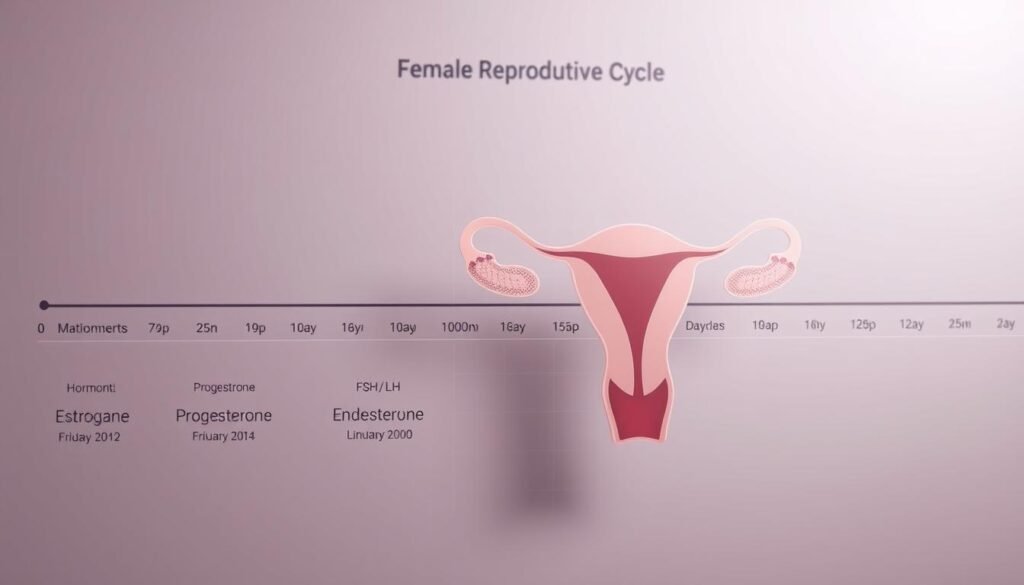
“A well‑timed draw turns a lab number into a useful clinical step.”
For more on precise scheduling and practical tips on the best time to test, see best time to test.
Blood, Urine, or Saliva: Choosing the Right Sample Type
Pick the sample that answers your clinical question and fits practical needs. Different methods reveal different patterns — choose blood for single-point clarity or multiple home samples to map daily rhythms.
What blood tests reveal best
Blood draws give the most reliable snapshot for sex markers, thyroid function, prolactin, and cardiometabolic panels. Labs report comparable levels over time, so clinicians can track trends after therapy or dose changes.
When urine or saliva adds value
Use saliva or urine when you need multiple points across the day. These sample types shine for cortisol rhythm and certain metabolite patterns that single draws miss.
- Choose the same sample type and time of day when you repeat labs to keep trends actionable.
- Ask whether the lab uses validated female ranges and flags cycle phase to avoid misreadings.
- Confirm shipping and stability rules for at‑home kits to prevent wasted repeats.
| Sample | Best use | Notes |
|---|---|---|
| Blood | Sex markers, thyroid, lipids | High accuracy; clinic draws preferred for baseline levels |
| Saliva | Cortisol rhythm | Multiple daily samples; maps diurnal patterns |
| Urine | Estrogen metabolism, metabolites | Good for detox pathway work; pairs well with stool tests |
“Combine sample types in complex cases to align production, metabolism, and daily rhythm.”
Check insurance, HSAs/FSAs, and whether a bundled kit includes multiple specimens for better value and clearer health decisions.
How to Prepare for Testing to Get Reliable Results
A few simple prep steps make results easier to interpret and speed up clinical decisions. Plan timing, note recent routines, and follow basic pre-draw rules to avoid false flags and extra visits.

Medication, supplement, and caffeine considerations
Ask your clinician about stopping biotin 48–72 hours before a blood draw. Biotin can distort some immunoassays and change reported levels.
Take routine meds unless told otherwise. Note when you took thyroid meds relative to the draw so results are interpretable.
Avoid heavy caffeine before cortisol or prolactin checks. If fasting isn’t required, a light, consistent breakfast is fine.
Stress, sleep, and exercise effects on cortisol and thyroid
Keep your usual sleep and exercise schedule in the days before the test. Sleep loss and intense workouts can shift cortisol rhythms and muddle thyroid markers.
Limit alcohol and hard training the day before. Log supplements, cycle day, any illness, and symptoms like fatigue so your provider has full context.
Practical tips: hydrate normally, book a morning draw, and plan transport or snacks if you feel faint after the visit. These small steps support clearer results and better follow-up.
Understanding Your Results: From “Normal” to Optimal
A “normal” lab range reflects a population, not your ideal. Your best zone depends on age, cycle phase, and whether symptoms persist despite acceptable numbers. Use numbers as guides, not verdicts.
How reference ranges differ from symptom-driven interpretation
Reference ranges mark common values. They don’t capture individual needs. If you have fatigue, mood changes, or heavy periods, an otherwise “normal” result may still require action.
Patterns that suggest thyroid, adrenal, or estrogen/progesterone imbalance
Look for clusters, not single numbers. Low‑normal progesterone with luteal symptoms suggests inadequate luteal support. Fluctuating estrogen levels often match PMS or heavy flow. Thyroid trends plus tiredness and low mood point to a thyroid panel review.
When to retest and common monitoring intervals
If results don’t match symptoms, retest in the correct cycle window or add adrenal or thyroid follow-ups. Typical intervals: six weeks after a thyroid dose change, the next cycle for sex markers, or after targeted lifestyle or nutrient interventions.
- Integrate lifestyle—sleep, stress, and exercise affect values and avoid mislabeling adaptive shifts as pathology.
- Look for clusters—elevated estrogen levels with low progesterone and gut issues can suggest an addressable root cause.
- Track trends: keep copies of reports and clinician notes to guide fertility or treatment decisions over time.
“Numbers become useful when paired with symptoms, timing, and a clear follow-up plan.”
For practical guidance on blood draws and what markers mean visit a concise guide to hormone blood for deeper context.
What Your 30s Results Might Reveal About Future Health
Lab results in your thirties can offer clear clues about future fertility, metabolic risk, and bone health. Use these data to plan now and avoid reactive care later.
Fertility planning, ovarian reserve, and early thyroid support
Fertility signals and thyroid starts
Day 2–3 FSH and AMH trends, plus mid‑luteal progesterone, help forecast fertility timelines and guide family planning discussions.
Early thyroid support when labs and symptoms indicate it may improve energy, mood, and cycle regularity that supports conception.
Metabolic and bone health as estrogen shifts
As perimenopause approaches, tracking estrogen and progesterone dynamics can reduce bone loss and metabolic decline.
- Monitor lipids, glucose, and hs‑CRP to prevent cardiometabolic issues.
- Address gut and toxin burdens early to support estrogen metabolism and long‑term balance.
- Save organized lab and cycle records to spot trends rather than react to single readings.
Comparing Lab Options in the United States: At-Home vs In-Clinic
Choosing between an at‑home kit and an in‑clinic draw shapes convenience, data depth, and follow‑up care. Both routes can deliver accurate results, but they differ in speed, sample types, and clinician access.
How do comprehensive panels stack up?
At‑home services often bundle multiple biomarkers so you can collect samples on your schedule. Many U.S. providers include a TSH with reflex to T4 and will alert you if values fall outside expected ranges.
In‑clinic labs allow same‑day, multi‑tube draws and broader on‑site panels. They work well when protocols require complex timing or immediate phlebotomy support.
What about provider oversight and follow-up?
Confirm whether the service sends provider alerts and offers an interpretive report with access to a consult. Some companies route abnormal results to a physician who discusses next steps, including treatment if indicated.
Which factors affect quality, convenience, and data access?
- Accuracy over speed: check assay validation and female reference ranges before you buy.
- Turnaround & logistics: compare shipping, lab processing times, and downloadable histories for trend tracking.
- Add‑on flexibility: ask if a thyroid panel or micronutrients can be added without repeating core draws.
- Comfort & privacy: consider repeated, cycle‑timed draws and whether at‑home sampling suits your routine.
- Payment & integration: verify insurance, HSA/FSA eligibility and how results integrate with your primary clinician.
| Option | Strengths | Best for |
|---|---|---|
| At‑home lab | Convenience, bundled markers, clinician alerts | Routine screening, multi‑timepoint kits |
| In‑clinic draw | Same‑day panels, phlebotomy support, complex protocols | Complex care plans, multiple tubes |
| Hybrid (clinic + telehealth) | Lab accuracy + virtual consults | Follow‑up care and treatment planning |
“Confirm provider oversight and data access before you schedule — accuracy matters more than speed when decisions hinge on levels.”
Cost, Insurance, and Value: Budgeting for Today and Ongoing Monitoring
A focused budget makes follow-up simpler and care more useful. Start by deciding which markers you need and whether a clinician review is included. That choice shapes cost and long‑term value.

What drives price differences in panels?
Panel breadth, physician review, and bundled retesting matter most. Wide panels cost more but can avoid repeat draws later. Labs that include consults often reduce trial‑and‑error spending.
Insurance, HSAs/FSAs, and smart bundling
- Verify coverage: ask if your plan pays in‑network or offers out‑of‑network claims.
- Use HSAs/FSAs: these reduce out‑of‑pocket costs for uninsured items.
- Bundle wisely: combine sex markers, prolactin, and a thyroid screen to save versus separate orders.
- Check redraw and shipping fees so you don’t pay twice for sample issues.
| Cost Driver | What to Ask | Value |
|---|---|---|
| Panel breadth | Which biomarkers included? | More markers reduce repeat visits |
| Physician review | Is clinician commentary included? | Actionable reports cut follow‑up costs |
| Logistics | Shipping, phlebotomy, redraw policy | Can add unexpected fees |
“Budget for value: cheap panels that lack clinician review often cost more over time.”
Bottom line: prioritize panels that answer your main concern, use available benefits, and ask about subscription or retest discounts to support ongoing health monitoring.
From Results to Action: Personalized Care Paths
Turn lab data into a clear plan that fits your daily routine and medical goals. Use targeted steps—nutrition, movement, supplements, and selective medication—to move from numbers to better balance and visible progress.
How lifestyle and nutrition upgrade balance
Translate results into daily actions: choose protein-forward meals, add fiber to aid estrogen metabolism, and set a fixed sleep-wake time for circadian alignment.
Move with purpose: combine resistance training and zone 2 cardio to boost insulin sensitivity and support overall metabolic balance.
When targeted supplements or replacement meds make sense
Consider supplements—magnesium, B-complex, vitamin D, and omega‑3s—when labs show gaps that affect mood and energy.
Discuss replacement options like HRT or thyroid medication with your clinician if symptoms persist or levels warrant therapy. Align any start date with symptom patterns and re-test windows.
Integrating gut, toxin, and micronutrient findings into care
Address microbiome diversity and the estrobolome to reduce excess estrogen and ease cycle issues. Improve gut health with fiber, fermented foods, and targeted probiotics when indicated.
Cut toxin exposure (BPA, phthalates) and support detox pathways with hydration, cruciferous vegetables, and liver-friendly nutrients if panels show higher burden.
- Re-test strategically: confirm trends and adjust interventions by cycle phase and life stage.
- Set clear milestones: track sleep, energy, mood, and cycle regularity so progress is measurable and motivating.
| Action | When to Use | Expected Benefit |
|---|---|---|
| Protein-forward meals + fiber | Daily | Stabilizes blood sugar; supports estrogen metabolism |
| Resistance + Zone 2 cardio | 3–5x/week | Improves insulin sensitivity and body composition |
| Targeted supplements | After deficiency confirmed | Supports mood, energy, and nutrient status |
| Medication or replacement therapy | When clinically indicated | Reduces symptoms and restores function; requires re-testing |
“Turn results into a short, staged plan — small wins each month keep you on track.”
Red Flags and When to Call Your Doctor Now
If you notice sudden, severe signs, seek care immediately. Some red flags need same‑day attention rather than routine follow‑up.
Call urgent care or 911 for severe pelvic pain, sudden heavy bleeding, fainting, or new chest pain. These events can signal emergencies and require quick evaluation and fast lab work or imaging.
Rapid, unexplained weight loss or sudden shortness of breath also needs prompt assessment. New neurological signs — severe headaches, vision changes, unilateral weakness, or severe migraines with aura — deserve immediate review before any intervention.
If you have intense hot flashes with palpitations or dizziness, or nipple discharge with sudden headaches, contact your clinician. Marked mood swings with suicidal thoughts require same‑day support and crisis services.

| Red flag | What to do | Why urgent |
|---|---|---|
| Severe pelvic pain / heavy bleeding | Go to ER or urgent care | May indicate acute gynecologic bleed or torsion |
| Chest pain / shortness of breath | Call 911 or seek ED | Rule out cardiac or pulmonary causes |
| New severe headache / vision change | Contact provider now | Can signal prolactin issues or vascular events |
| Suicidal thoughts or extreme mood swings | Seek emergency care or crisis line | Immediate safety and mental health support needed |
“When in doubt, act: rapid evaluation and prompt tests often prevent worse outcomes.”
Conclusion
Smart, timed checks reveal the patterns behind symptoms and point to clear next steps. Use results to build a practical plan that supports energy, fertility planning, and long-term health.
In your thirties, the right labs at the right time uncover why your body feels different and how to restore balance.
Build your plan: pick comprehensive panels when symptoms are broad, time samples to your cycle, and combine lab results with lifestyle and treatment steps. Use ongoing monitoring to track progress and stay ahead of perimenopause-related changes.
Partner with clinicians who give clear explanations and practical follow-up so data turns into results. Keep organized records of labs, cycles, and symptoms — those insights make each next decision easier.
Want context on why these checks matter? Read this explainer on why hormone testing is an absolute for more perspective and practical advice.
FAQ
What tests should I ask my doctor about in my 30s?
Start with core labs: a sex hormone panel (estradiol, progesterone, testosterone), FSH and LH for ovarian function, TSH with reflex to free T4 for thyroid screening, and basic metabolic markers like fasting glucose and lipids. If you’re tracking fertility, request AMH and, when relevant, cycle-timed estradiol and progesterone. Discuss symptoms so your clinician can tailor whether prolactin, cortisol, or micronutrient testing is needed.
When is the best time in my cycle to measure sex hormones?
Timing matters. Measure estradiol and FSH during the early follicular phase (cycle days 2–5) to assess ovarian reserve and baseline levels. Check progesterone in the mid-luteal window (about 7 days after ovulation) to confirm ovulation and luteal strength. Your provider can help map testing to your cycle or use serum LH/ovulation predictor kits to time sampling.
Should I test thyroid markers even if I feel “mostly fine”?
Yes—thyroid issues can be subtle and affect mood, weight, energy, and fertility. Start with TSH and reflex free T4. If symptoms suggest autoimmune thyroid disease or persistent symptoms despite normal TSH, add TPO antibodies and free T3. Early detection supports timely treatment and reduces downstream effects on reproductive and metabolic health.
Can at‑home tests replace in‑clinic lab work?
At-home kits offer convenience for some markers (saliva cortisol curves, basic blood spot tests), but they vary in accuracy and clinical oversight. In-clinic venous blood draws remain the gold standard for many sex hormones, thyroid panels, and cardiometabolic markers. Choose at‑home options backed by reputable labs and ensure results are reviewed by a clinician.
What do AMH and FSH tell me about fertility?
AMH estimates remaining ovarian follicle count and helps with family planning; it’s less cycle-dependent and can be measured any time. FSH (measured early in the cycle) reflects ovarian responsiveness—higher levels may indicate decreased reserve. Both are pieces of the fertility picture, combined with age, antral follicle count on ultrasound, and clinical history.
When should I consider advanced functional testing like cortisol curves or micronutrient panels?
Consider advanced testing if you have persistent fatigue, sleep disruption, unexplained weight changes, mood swings, or poor response to standard interventions. Daily cortisol profiles (saliva or urine), DHEA‑S, comprehensive micronutrient assays, organic acids, and stool/estrobolome testing can reveal adrenal, gut, toxin, or nutrient drivers of symptoms.
How do medications and supplements affect results?
Many medications and supplements alter lab values. Hormonal contraceptives, HRT, thyroid meds, glucocorticoids, and biotin are notable. Your provider will advise pausing or timing tests around treatments when safe. Always disclose prescriptions, OTC drugs, and supplements before testing to avoid misleading results.
What sample type is best: blood, urine, or saliva?
It depends on the target. Venous blood is best for sex hormones, thyroid panels, lipids, glucose, AMH, and many micronutrients. Saliva or urine can be useful for diurnal cortisol rhythms and some metabolite tests. Discuss goals with your clinician to pick the right matrix for reliable interpretation.
How often should I retest my markers?
Frequency depends on findings and goals. For baseline screening, repeat every 12–24 months or sooner if symptoms change. Follow-up after treatment changes (thyroid dose adjustments, HRT start) is typically 6–12 weeks for clinical response and 3 months for steady-state hormone levels. Fertility monitoring follows protocol set with your reproductive specialist.
What results warrant urgent medical attention?
Seek prompt care for very high or very low TSH, rapidly rising prolactin, abnormal glucose suggesting diabetes, severe electrolyte abnormalities, or any lab combined with acute symptoms—syncope, chest pain, severe shortness of breath, or sudden neurologic changes. Discuss abnormal reproductive bleeding, marked weight loss/gain, or unexpected hair loss with your clinician promptly.
How do clinicians interpret “normal” ranges versus optimal ranges?
Reference ranges reflect population averages but may not match symptom-driven optimal ranges for an individual. Clinicians consider symptoms, life stage, and target ranges (e.g., fertility vs menopausal thresholds) when making decisions. If labs fall in the “normal” range but symptoms persist, a symptom-based approach and targeted follow-up are reasonable.
Will insurance cover these tests and how can I manage costs?
Coverage varies by plan and medical necessity. Basic thyroid, metabolic, and reproductive tests are often covered when ordered by a provider. Advanced or direct‑to‑consumer panels may require out‑of‑pocket payment. Use HSAs/FSAs, ask for bundled lab orders, or seek clinician‑directed testing to improve coverage odds.
Can lifestyle changes affect my results and symptom improvement?
Absolutely. Diet, sleep, stress management, targeted exercise, and addressing nutrient deficits can shift markers and reduce symptoms. Lifestyle interventions often complement medical treatments and are first‑line for mild imbalances. Work with a clinician or dietitian to design realistic, evidence‑based changes aligned with your labs and goals.