


Could a simple handful of ground seeds really change how your cycle feels? This guide looks at the practical steps and real evidence behind using seeds across menstrual phases.
I’ll show what this approach can and cannot do, how to pair specific seeds with each phase, and when to seek medical advice. The practice typically alternates flax and pumpkin early, then sunflower and sesame later, and some small studies link flax to a longer luteal phase.
We’ll translate the science into clear steps you can try, plus storage and prep tips that make the routine easy to keep. You’ll also see where research is promising and where stronger trials are still needed.
For a concise primer on timing and details, see this short explainer: what is seed cycling.
Key Takeaways
- Learn clear, practical steps to use seeds across each phase and why specific pairings are chosen.
- Evidence is mixed: some studies and a recent case report show promise, but robust trials are limited.
- Seeds offer broader benefits like metabolic and heart support beyond hormone effects.
- Adapt timing for irregular cycles using ovulation cues rather than strict day counts.
- Talk with a clinician if you have endocrine conditions, are on medications, or are trying to conceive.
What Seed Cycling Is and Why It’s Trending for Hormonal Balance
Seed cycling is a phased food routine matching seeds to the menstrual cycle to support hormone balance.It’s popular because it’s simple, accessible, and nutrient‑dense—often shared widely on social platforms and wellness blogs.
This approach pairs ground flaxseed and pumpkin seeds during the follicular phase (days 1–14) and sunflower plus sesame in the luteal phase (days 15–28).
The rationale centers on lignans (plant estrogens) and minerals like zinc and vitamin E to gently influence estrogen and support progesterone production.
Only about 13% of cycles are exactly 28 days long, so many people adapt timing by tracking their own phases rather than following rigid day counts.
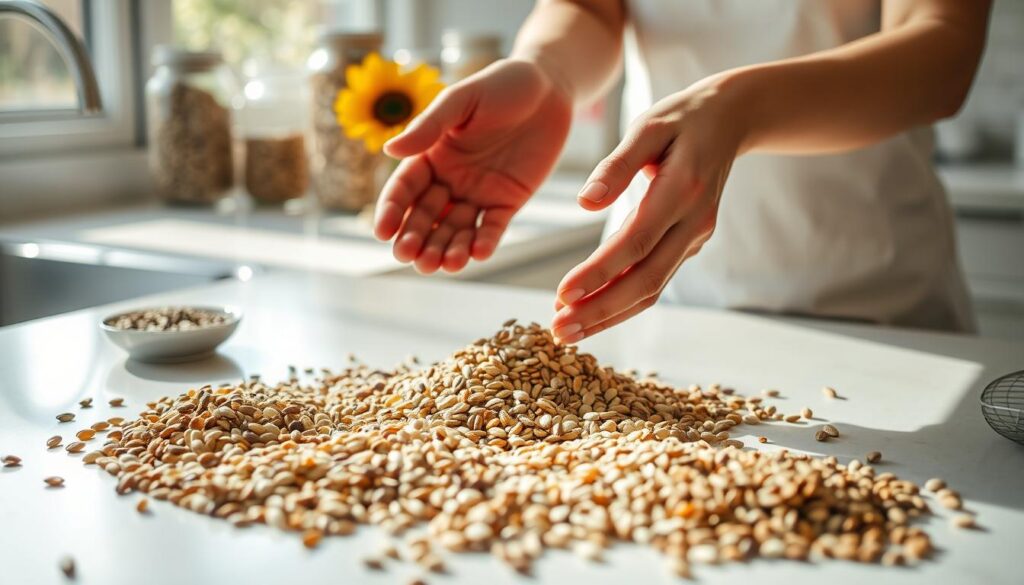
- How it works: rotate specific seeds across phases to match hormone shifts.
- Why people try it: easy to add to breakfasts and smoothies and often improves symptoms like PMS and skin clarity.
- Evidence snapshot: small studies and case reports show promise, but larger trials are needed to confirm phase‑specific effects.
Think of this as a low‑risk, food‑first habit that offers broad nutrition benefits—fiber, omega‑3s, and micronutrients—rather than a guaranteed medical treatment.
For a concise primer on timing and practical tips, see this overview: seed cycling guide.
Understanding Your Menstrual Cycle: Follicular and Luteal Phases
Think of your cycle as two distinct seasons: one that builds estrogen and one that favors progesterone. This view makes it easier to match simple foods to what your body needs each day.
Follicular phase: estrogen rises, ovulation approaches
The menstrual cycle has two main phases with distinct hormone patterns. Estrogen generally leads in the follicular phase, and progesterone leads in the luteal phase after ovulation.
During the follicular phase, follicles in the ovary develop and estrogen climbs. An LH/FSH surge triggers ovulation around mid-cycle. The fertile window appears shortly before ovulation when cervical mucus changes.
Luteal phase: progesterone dominates post-ovulation
Understanding these shifts helps clarify why certain food choices pair with each phase. After ovulation, progesterone rises to prepare the uterine lining. If no implantation occurs, estrogen and progesterone fall and a period begins a new cycle.
Cycle length varies, so align your seeds to the phase you are in rather than a fixed calendar day.
| Feature | Follicular phase | Luteal phase |
|---|---|---|
| Dominant hormone | Estrogen | Progesterone |
| Key events | Follicle growth, ovulation approach, fertile window | Uterine lining support, post-ovulation stability |
| Why it matters | Foods may support estrogenic pathways and follicle maturation | Foods may support progesterone production and luteal length |
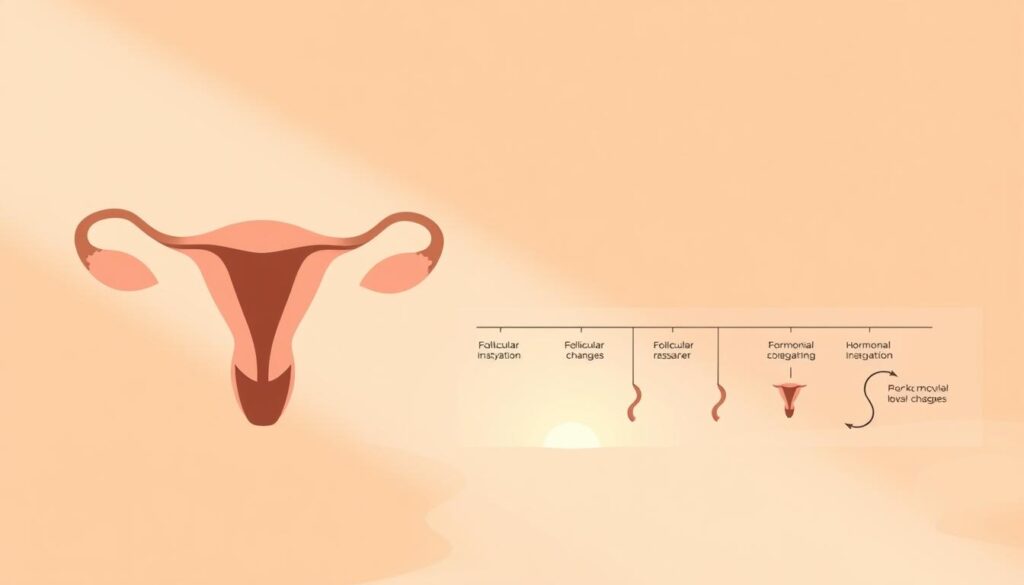
- Timing tip: Day 1 is the first day of bleeding; track symptoms to find ovulation.
- Variation: Many people have non‑28‑day cycles—adjust the schedule to your phases.
How to Practice Seed Cycling for Hormonal Health
This brief protocol focuses on practical steps: what to use, how much, and how to make it a habit. The goal is simple daily doses that fit into foods you already eat.
The core protocol: ingredients, dose, and grounding tips
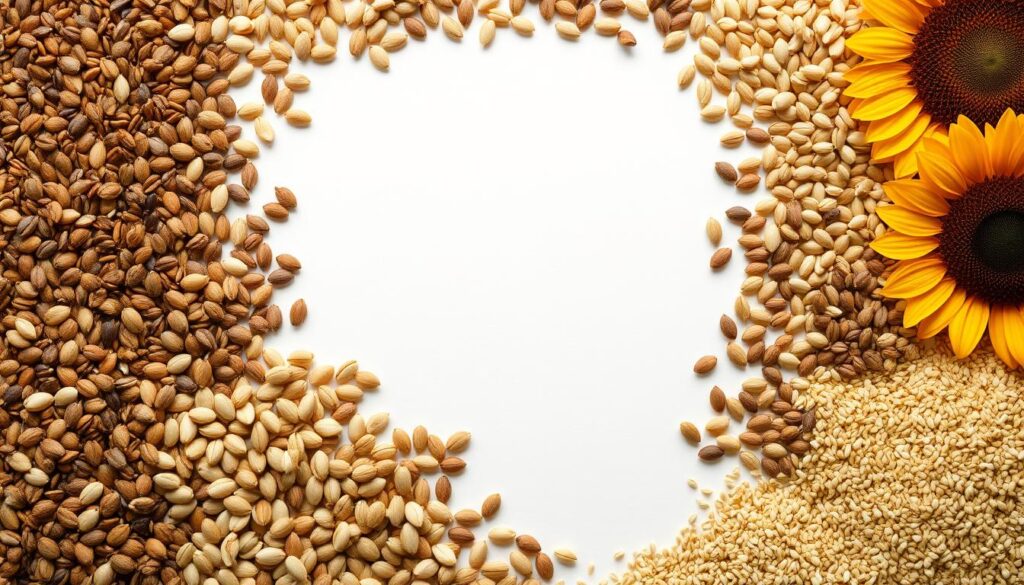
Use ground seeds for better absorption: aim for 1–2 tablespoons of each seed per day. Grind in small batches with a coffee grinder and store jars in the freezer to keep oils fresh.
Keep it easy: add the dose to smoothies, yogurt, oats, or salads so the routine sticks. Start small if you’re new to high fiber and drink water to support digestion.
Days 1–14 (follicular phase): ground flaxseed and pumpkin seeds
Follicular focus: use ground flax and pumpkin seeds each day during days 1–14. Flax supplies lignans that interact with estrogen pathways, while pumpkin seeds add zinc that supports later progesterone production.
Days 15–28 (luteal phase): ground sunflower and sesame seeds
Luteal focus: switch to ground sunflower and sesame seeds on days 15–28. Sunflower delivers vitamin E and sesame offers additional lignans and minerals to help sustain healthy progesterone levels.
- Core tips: choose fresh whole seeds, grind daily, and aim for 1–2 tablespoons per seed.
- Habit builders: prep phase jars, set calendar reminders, and pair your dose with morning coffee or breakfast.
- Safety note: if you have digestive changes or take medications, consult a clinician and start with smaller amounts.
Small trials suggest nutritional roles in cycle patterns; see a pilot trial on flax and cycle length at this clinical report.
Adapting the Cycle: Irregular Periods, PCOS, and Non‑28‑Day Cycles
If your cycle isn’t 28 days, time seeds to your actual phases rather than the calendar. Track ovulation to know when to switch from follicular to luteal seeds; this keeps the approach phase‑aware and practical.
If your cycles vary, use ovulation tracking to align the routine to your body instead of fixed dates.
Practical cues to switch: a positive LH test, a sustained basal temperature rise, or clear ovulation symptoms (mittelschmerz, cervical mucus change). Continue flax + pumpkin until you confirm ovulation, then move to sunflower + sesame that same day.
Some people without regular bleeding—such as those in perimenopause—use lunar phases as a simple proxy to keep a steady routine. This tradition is practical but mostly anecdotal; solid research does not back moon timing as precise.
- PCOS note: A 2025 case report combined seed cycling with myo‑inositol, folic acid, and metformin and reported improved cycle regularity and fertility outcomes prior to ICSI.
- Keep a log: record the day you detect ovulation signs, when you switch seeds, and any changes in energy, mood, skin, or sleep.
- Work with a clinician: if you have pcos or aim to conceive, use this as a complementary routine alongside medical care.
| Situation | Timing method | When to switch |
|---|---|---|
| Regular cycles (~28 days) | Calendar + ovulation cues | Midcycle ovulation signal or day 14 |
| Irregular cycles | Ovulation tests / BBT / symptoms | Switch the day ovulation is confirmed |
| No periods / perimenopause | Lunar proxy or chosen routine | Pick a consistent day tied to moon or a 14/14 split |
What the Research Says: Benefits, Limits, and Ongoing Studies
Early studies show promising signals but clear, phase‑specific proof is still limited. The science points to plausible mechanisms—lignans, zinc, and vitamin E—but most human trials are small or combined with other treatments.
Evidence overview: lignans, zinc, vitamin E, and hormone levels
Flax and sesame provide lignans that convert to enterolactone and enterodiol. These metabolites exert weak estrogenic and anti‑estrogenic actions that may nudge estrogen balance and menstrual patterns.
Some small human studies link higher flax intake to fewer anovulatory cycles and a longer luteal phase. Zinc from pumpkin and vitamin E from sunflower seeds are proposed to support progesterone production and luteal environment quality, though direct clinical proof is sparse.
PCOS insights and a notable case report
A 2025 case report described a 29‑year‑old with PCOS who used myo‑inositol, folic acid, metformin, and seed rotation alongside lifestyle changes. Reported outcomes included improved LH:FSH ratio, lower testosterone, reduced BMI, more regular cycles, and successful ICSI. That result is encouraging but reflects a multi‑factor intervention.
Limitations and what still needs testing
Key limits include small cohorts, mixed interventions, and inconsistent dosing. A 5‑week trial in postmenopausal women using 50 g/day sesame powder showed some hormone and lipid benefits without raising estrogen, yet it did not test phase timing directly.
| Finding | What it suggests | Confidence |
|---|---|---|
| Flaxseed and luteal length | May reduce anovulation and lengthen luteal phase in some studies | Low‑to‑moderate (small trials) |
| Sesame in postmenopausal women | Improved some sex hormone markers and antioxidant status | Moderate (short duration, specific population) |
| PCOS case report | Combined approach improved hormones, BMI and fertility outcome | Very low (single case, multiple interventions) |
| Mechanistic rationale | Lignans, zinc, vitamin E could support estrogen modulation and progesterone production | Theoretical; needs RCTs |
Bottom line: Early signals are interesting—especially around lignans in flax and sesame—but evidence that phase‑specific rotation reliably alters hormone levels or ovulation across populations remains limited and mixed. Consider these foods as nutrient‑dense additions while awaiting larger, well‑controlled studies. For deeper clinical reading, see this trial summary on flax and cycle outcomes at a related clinical report.
Beyond Hormones: Nutritional Benefits That Support Overall Health
Seeds are nutrient powerhouses that support heart, metabolic, and digestive health—benefits that stand regardless of timing across the cycle.
Think of them as daily nutrition upgrades: omega-3s, minerals, fiber, and antioxidants in a spoonable form.
Many people try rotation mainly to affect hormones, but the broader nutritional advantages often drive lasting benefits.
Flax and pumpkin offer omega‑3s, lignans, and minerals that support cholesterol, blood pressure, and blood sugar control.
How do seeds affect heart and metabolic markers?
Flaxseed has been linked to lower LDL cholesterol and modest blood pressure reductions. It may also help stabilize blood sugar, which supports steady energy and metabolic health.
Sunflower and sesame intake associate with improved lipid profiles and antioxidant support via vitamin E and selenium.
What key nutrients do these ingredients supply?
Packed nutrients include omega‑3 fats, lignans, zinc, magnesium, vitamin E, and soluble fiber. These factors support metabolism, bone health, and digestion in women and men.
Fiber in ground seeds feeds the gut microbiome and can lower inflammation that affects cardiovascular risk and overall wellness.
| Nutrient | Primary source | Potential effect | Clinical note |
|---|---|---|---|
| Omega‑3 (ALA) | Flax | Supports cholesterol and glucose control | May lower LDL; modest BP benefits |
| Vitamin E & Selenium | Sunflower seeds | Antioxidant protection; lipid balance | Associated with improved lipid markers |
| Zinc & Magnesium | Pumpkin seeds | Muscle, metabolic, and immune support | Supports neuromuscular function and metabolism |
| Lignans & Fiber | Sesame and flax | Gut health, antioxidant effects, hormone pathways | Benefits often independent of precise timing |
- Practical uses: blend into smoothies, stir into yogurt, bake into muffins, or sprinkle on salads.
- Consistency beats perfection: steady daily use often matters more than exact phase timing for broad health benefits.
For a practical clinical perspective on rotation and conception benefits, see this concise overview at seed rotation and conception benefits.
Safety, Smart Use, and Practical Tips in the United States
Talk to your clinician if you’re on medications, managing endocrine conditions, or trying to conceive—seeds are food, but your context matters. Prep small batches, store ground seeds cold, and log symptoms and days to spot trends in how you feel across the menstrual cycle.
Who should consult a clinician first?
If you take anticoagulants, thyroid medicine, or other prescription drugs, check interactions before adding ground seeds to your routine.
People with endocrine imbalances, significant hormone disorders, or active plans to get pregnant should coordinate with a clinician.
Those with pcos or complex fertility care benefit from aligning any seed cycling plan with labs and treatment steps.
Preparation, storage, and daily habit builders
Grind seeds every few days and keep them in airtight jars in the fridge or freezer to protect oils like omega‑3 and zinc.
Start with smaller amounts to reduce fiber shock, then move to the target tablespoons per day over several days.
- Prep tip: pre‑portion weekly tablespoons into containers for quick breakfasts.
- Storage tip: rotate stock and use cold storage to avoid rancidity.
- Habit tip: pair your dose with a daily ritual—coffee, oats, or a smoothie—and set a reminder on your phone.
Tracking symptoms, cycle days, and labs
Keep a brief log of energy, mood, sleep, skin, flow, and any shifts in estrogen or progesterone markers when you have lab results.
Use basal temperature or ovulation tests to know when to switch for the luteal phase and to spot changes in cycle length or period quality.
If new or worse symptoms appear, stop and consult your clinician—personalization keeps routines safe and effective.
Conclusion
This simple, food-first rotation can boost daily nutrients while you monitor cycle signs.
Use it as a supportive habit: flax and pumpkin in the first half, sunflower and sesame in the second. The routine adds fiber, omega‑3s, zinc, and vitamin E that support overall well‑being and may influence hormone levels.
Research shows interesting but limited signals. A recent case report with PCOS noted benefits when rotation joined standard care, yet larger trials must test timing‑specific effects.
Track your cycle, note changes, and work with a clinician if you have endocrine concerns or fertility goals. Keep the plan simple, consistent, and enjoyable—small daily steps can add meaningful benefits over time.
FAQ
What is seed cycling and how is it supposed to affect estrogen and progesterone?
Seed cycling is a dietary practice that pairs specific ground seeds with menstrual phases to support normal hormone patterns. The idea is to eat flaxseed and pumpkin seeds during the follicular phase to support healthy estrogen activity, then sunflower and sesame seeds in the luteal phase to support progesterone production. Evidence is limited but seeds provide lignans, zinc, vitamin E, omega‑3s and fiber that can influence hormone metabolism and overall reproductive health.
How do I match seed types to my cycle days if my period is irregular or I have PCOS?
If cycles vary, use ovulation tracking (LH kits, basal body temperature, or cervical mucus) to identify ovulation and switch seed groups after it occurs. For highly irregular cycles or PCOS, consult a clinician before starting; some people align intake to calendar days as a practical approach, while others follow a 14/14 split only when cycles are near 28 days.
What amounts should I use and how should seeds be prepared?
Typical doses are 1–2 tablespoons of ground seeds daily for each phase. Grind whole seeds and store in the fridge to preserve oils and nutrients. Adding them to yogurt, smoothies, oatmeal or salads makes adherence easier and improves nutrient absorption.
Are there safety concerns or interactions with medications?
Seeds are generally safe as food, but they can interact with blood thinners, hormonal medications, or affect thyroid and estrogen-sensitive conditions. People taking anticonvulsants, anticoagulants, or fertility drugs should consult their healthcare provider before starting a regimen.
What does scientific research say about benefits and limits?
Research shows seeds contain bioactive compounds (lignans, zinc, vitamin E, omega‑3s) that can influence lipid profiles, inflammation, and aspects of hormone metabolism. However, clinical evidence directly proving that cycling seeds alters estrogen or progesterone levels is limited and composed mainly of small studies, case reports, or mixed interventions. Larger, controlled trials are needed.
Can seed cycling improve fertility or help with ovulation issues?
Some people report improved cycle regularity and symptom relief, and small studies or case reports suggest potential benefits when seeds are combined with other therapies (for example, inositol or metformin in PCOS). Still, seed-based approaches should not replace evidence‑based fertility treatments; discuss goals with a reproductive specialist.
How long should I try seed cycling before expecting results?
Give any nutritional strategy at least 2–3 menstrual cycles to observe consistent changes in symptoms or cycle length. Some changes—like bowel regularity or energy—may appear sooner, while shifts in cycle patterns can take longer due to ovarian and endocrine rhythms.
Are there nutritional advantages beyond hormones?
Yes. Regular intake of ground seeds provides omega‑3s, fiber, magnesium, zinc, and vitamin E, which support heart health, blood sugar regulation, and gut function. These benefits can improve metabolic markers often linked with hormonal disorders.
Who should avoid trying this approach without medical guidance?
People who are pregnant, breastfeeding, on fertility medications, taking blood thinners, or diagnosed with endocrine disorders (like uncontrolled thyroid disease) should consult their clinician first. Also seek advice if you have a history of estrogen‑sensitive cancers.
How do I track whether the protocol is working for me?
Track cycle length, ovulation signs, basal body temperature, mood, bleeding patterns, and specific symptoms like PMS or acne. If accessible, measure serum progesterone mid‑luteal or other hormone tests under clinician guidance to assess objective changes.
Can men or postmenopausal people use this approach?
While the specific phase-based system targets menstrual cycles, the nutrient profile in these seeds benefits men and postmenopausal adults too—supporting heart health, prostate health, and metabolic markers. Adjust expectations: phase timing is not relevant outside reproductive cycles.
Are there preferred brands or storage tips to keep seed oils fresh?
Choose fresh, minimally processed seeds from reputable brands and buy whole seeds to grind at home. Store ground seeds in the refrigerator or freezer in an airtight container to prevent rancidity and preserve nutrients.
What role do lignans, zinc and vitamin E in seeds play in hormone balance?
Lignans can modulate estrogen metabolism, zinc supports ovulation and progesterone synthesis, and vitamin E influences reproductive tissues and antioxidant status. Together these nutrients help create a supportive dietary environment for normal hormone function.
Should I combine seed intake with other supplements or dietary changes?
Complementary strategies—balanced macronutrients, adequate protein, fiber, omega‑3s, and addressing insulin resistance when present—often enhance outcomes. Some clinicians use supplements like inositol for PCOS, but combine therapies only under medical guidance to avoid interactions.



Don’t Miss These Picks