


Perimenopause most often begins in the 40s, although changes can start earlier. The transition lasts about four years on average, but its timing and duration vary considerably from person to person.
Perimenopause is a normal, natural shift in the reproductive lifespan. Hormone levels, especially estrogen, can swing up and down rather than declining in a smooth, predictable line.
That variability can cause irregular cycles and common symptoms such as hot flashes, sleep changes, and vaginal dryness. Pregnancy can still happen until you reach menopause, which is confirmed after 12 consecutive months without a menstrual period.
This guide explains how the menopause transition unfolds, what timelines to expect, and how clinicians evaluate symptoms. You will find clear options ranging from lifestyle strategies to hormone and nonhormonal treatments.
Read on with the goal of practical, stigma-free advice. Tracking cycles and symptoms can make clinic visits more useful and help you manage day-to-day life during this transition.
Key Takeaways
- Hormone fluctuations most often become noticeable in the 40s, although some people experience changes earlier.
- Irregular periods and varied symptoms are common; pregnancy remains possible until menopause.
- Clinical evaluation relies heavily on age, history, bleeding patterns, and symptoms rather than a single hormone test.
- Treatment can include lifestyle measures, hormone therapy, and nonhormonal medicines based on symptoms and individual health considerations.
- Tracking cycles, bleeding, triggers, and symptoms can improve clinical conversations and everyday planning.
Helpful Products at a Glance
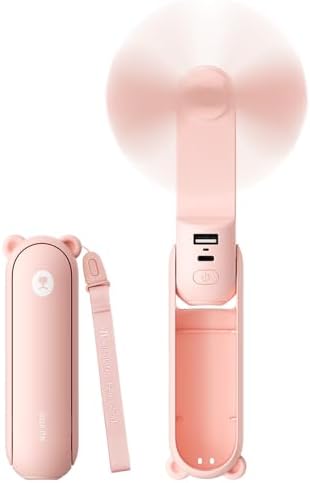
For portable cooling during hot flashes at work, while traveling, or away from home, a rechargeable handheld fan can provide a personal breeze without requiring any medication; it will not treat the underlying vasomotor symptoms.
- Small In Size, Big On Function: Featuring a Fan, Flashlight, and Backup Power Bank, the JISULIFE pocket bear fan is your summer go-to essential for staying cool on hot days while offering versatile functionality to meet your diverse needs
- 12-19 Hours Cooling Time: With up to 19 hours of cooling time on a single charge(Charging time 2–3 hours with 5V/1A charger), this mini handheld fan ensures you stay refreshed during travel, concerts, and outdoor adventures; Conveniently rechargeable via USB
Understanding the Menopause Transition: Perimenopause, Menopause, and Postmenopause
The menopause transition is a gradual, multi-year change in reproductive function driven by shifting ovarian hormone activity. It includes an early fluctuating phase, a final menstrual period, and the long-term postmenopausal stage.
Many people enter a multi-year shift in fertility as ovarian hormone production and ovulation become less predictable. The early phase is when hormones may fluctuate unevenly, producing irregular cycles and signs such as hot flashes or sleep changes.

What the early phase means and typical timing
Perimenopause is the stage when reproductive hormones and ovulation become less predictable, causing cycle changes and new symptoms. It most commonly begins in the 40s, although some people notice changes in their late 30s or earlier.
How menopause is confirmed and what postmenopause means
Menopause is defined retrospectively after 12 straight months without a menstrual period when there is no other medical explanation for the absence of bleeding. Natural fertility declines substantially through the transition and ends after menopause.
Postmenopause starts after that 12-month mark and continues for life. Some people notice fewer symptoms with time; others continue to have bothersome symptoms. Surgical removal of both ovaries can cause an abrupt menopause and may produce different symptom patterns and treatment considerations.
- Track cycles and symptoms to spot patterns and improve clinical conversations.
- Remember that cultural stigma can cloud understanding; a clear framework can reduce uncertainty.
Timeline and Hormone Levels: What to Expect in Your 30s and 40s
The timing of the reproductive transition varies but often centers in midlife. Many people first notice changes in their 40s, though earlier onset can occur and deserves appropriate evaluation when symptoms or cycle changes are unusual for age.
The transition lasts about four years on average, but the duration varies widely. That variability makes planning and symptom tracking useful.
How hormone swings affect cycles and fertility
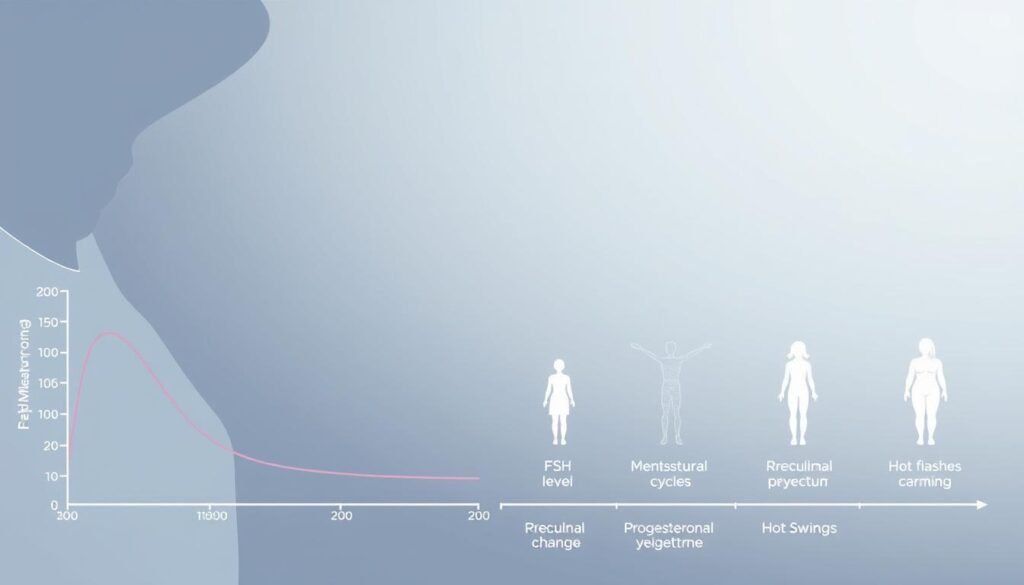
Estrogen and progesterone do not simply fall in a straight line. Levels and ovulation can fluctuate substantially during the transition. These changes may produce irregular cycles, including longer or shorter intervals between periods and changing bleeding patterns.
Fertility declines but does not immediately disappear during perimenopause. Pregnancy can still occur while ovulation remains possible, so contraception is still important if you want to avoid pregnancy.
“Skipped cycles do not always mean menopause—tracking gives clearer clues.”
- Changes often become noticeable in the 40s, although individual timing varies.
- The transition averages around four years but may be shorter or considerably longer.
- Fluctuating hormone levels can affect temperature regulation, sleep, menstrual patterns, and mood.
Track your patterns and share them with your clinician. If changes begin unusually early, bleeding is concerning, or symptoms progress rapidly, an evaluation can help rule out other causes and guide monitoring.
Learn more about typical hormonal patterns in midlife with this summary on hormonal changes in your 30s.
Early Signs and Perimenopause Symptoms You Shouldn’t Ignore
Early hormone shifts often show up as subtle, confusing changes to your cycle and daily comfort. Recognizing common signs can help you manage symptoms sooner and identify changes that deserve evaluation.

How do menstrual patterns change?
Cycles may shorten or lengthen. You can have skipped periods, spotting, or bleeding that is heavier or lighter than usual.
Track dates and flow so you can describe patterns clearly at a visit. New very heavy bleeding, prolonged bleeding, bleeding after sex, or bleeding after menopause should not automatically be attributed to perimenopause.
What do vasomotor symptoms look like?
Hot flashes and night sweats range from occasional warmth to frequent, disruptive episodes. Some people notice that alcohol, spicy foods, warm environments, stress, or caffeine make episodes more bothersome.
Breathable layers, access to a fan, and a cooler environment can make an episode more comfortable even though these strategies do not treat the underlying hormonal changes.
How do emotions, thinking, and sleep change?
Some people experience *mood swings*, anxiety, difficulty concentrating, or a sense of brain fog. Night sweats and other symptoms can also disrupt *sleep*, which may worsen fatigue, irritability, and concentration the next day.
What about genitourinary and visible body changes?
Vaginal dryness, lower libido, discomfort with sex, and urinary symptoms can occur as estrogen exposure changes. Some people also notice changes in hair, skin, body composition, or breast fullness during midlife.
- Track triggers and use suitable period products during unpredictable bleeding.
- If symptoms are severe, sudden, or unusual, seek evaluation because other conditions can mimic perimenopause.
To learn more, learn more about perimenopause and bring notes to your clinician to make diagnosis and care discussions more focused.
Diagnosis and When to See a Provider
Not all changes need urgent care, but a timely clinic visit can help distinguish a typical menopause transition from other causes. Clinicians usually rely on history and symptom patterns rather than a single hormone value.
Noticing changes in your cycles or energy? A clinic visit can help sort out possible causes and next steps.
Why there’s no single confirmatory test
Diagnosis relies heavily on history. Reproductive hormone levels can fluctuate substantially during perimenopause, so a single measurement may not provide a clear answer. Clinicians consider age, menstrual patterns, symptoms, medical history, and other possible explanations.
What clinicians evaluate
- Age and timing of changes.
- Cycle patterns: first and last bleeding dates, frequency, duration, and flow.
- Symptom profile: hot flashes, sleep, mood, vaginal or urinary changes, and severity.
- Medication and supplement use.
- Pregnancy possibility and other medical conditions when relevant.
- Major life stressors and sleep disruption that may worsen symptoms.
Role of lab tests
Routine hormone testing is often unnecessary in people with a typical history because levels vary throughout the transition. Depending on age, symptoms, and bleeding patterns, clinicians may use tests such as pregnancy testing, thyroid testing, or a complete blood count to evaluate other possible causes.
How to prepare for the visit
Track bleeding dates, flow intensity, and related symptoms over a few months when practical. Bring a complete list of medicines and supplements. Note recent stresses and prepare a short question list covering possible causes, useful tests, treatment options, and follow-up plans.
| What to bring | Why it helps | When to follow up |
|---|---|---|
| Cycle diary with dates and flow | Shows patterns better than recall alone | If new heavy bleeding or a rapid change develops |
| Medication and supplement list | Helps identify interactions or side effects | If symptoms persist or medications change |
| Symptom log and questions | Focuses the visit and supports shared decision-making | After treatment starts or if symptoms worsen |
Practice shared decision-making. Ask about available options, likely benefits, important risks, and how progress will be monitored. Consider bringing a support person if that would help you remember or record next steps.
Treatment Options: From Hormone Therapy to Nonhormonal Medicines
Treatment can include systemic hormone therapy, local vaginal therapy, and several nonhormonal prescription options. The right approach depends on the symptoms being treated, medical history, age, personal preferences, and individual risk factors.
Treatment choices include pills, patches, gels, sprays, vaginal therapies, and nonhormonal medicines, depending on the symptom and clinical situation.
Systemic estrogen and progestogen
Systemic estrogen, available in forms such as pills, patches, gels, and sprays, is an effective treatment for bothersome hot flashes and night sweats. Dose and route should be individualized. For people who have a uterus, adequate progestogen is generally needed with systemic estrogen to protect the endometrium.
Vaginal estrogen
Low-dose vaginal estrogen, available in forms such as tablets, inserts, rings, and creams, targets vaginal dryness, pain with sex, and other symptoms of genitourinary syndrome of menopause. Because exposure is primarily local, systemic absorption is generally much lower than with systemic hormone therapy.
Nonhormonal prescriptions
When hormone therapy is not preferred or appropriate, several nonhormonal medicines can be considered. Certain SSRIs and SNRIs can reduce vasomotor symptoms, gabapentin may be useful for hot flashes in some people, and oxybutynin is sometimes used for vasomotor symptoms in addition to its established bladder indications. Fezolinetant (Veozah) is a nonhormonal prescription option that targets a temperature-regulation pathway involved in hot flashes.
“Match treatment to symptoms, health history, and goals, then reassess as those needs change.”
| Option | Main use | Key notes |
|---|---|---|
| Systemic estrogen with appropriate progestogen when needed | Hot flashes and night sweats; prevention of bone loss in appropriate candidates | Benefits and risks depend on age, route, dose, health history, and timing |
| Low-dose vaginal estrogen | Vaginal dryness, painful sex, and other genitourinary symptoms | Primarily local therapy with relatively low systemic exposure |
| Nonhormonal medicines such as selected SSRIs/SNRIs, gabapentin, oxybutynin, or fezolinetant | Vasomotor symptoms and selected related concerns | Choice depends on symptoms, side effects, other conditions, and medications |
Shared decision-making matters. Align treatment with your health history, symptom priorities, and preferences. FDA-approved hormone products are generally preferred over custom-compounded hormone preparations when an approved option meets the clinical need. Reassess treatment periodically rather than assuming one plan must remain unchanged indefinitely.
Lifestyle and At-Home Strategies to Manage Perimenopause Symptoms
Practical changes in nutrition, movement, sleep, and stress management can support overall health and make some symptoms easier to manage.
Build meals around vegetables, fruit, whole grains, legumes, nuts, fish or other protein sources, and foods that provide calcium. Vitamin D intake and supplementation needs depend on diet, sun exposure, age, medical history, and laboratory findings. If alcohol, caffeine, spicy foods, or particular meals repeatedly trigger hot flashes for you, reducing those personal triggers may help.

Move with purpose
Exercise that combines aerobic activity, resistance training, and weight-bearing movement supports cardiovascular fitness, muscle strength, bone health, mood, and weight management. A practical routine might include brisk walks, regular resistance sessions, and short movement breaks throughout the day.
Sleep and cooling tactics
Keep the bedroom comfortably cool, choose breathable bedding, and layer clothing so you can adjust quickly during night sweats. Maintain a consistent wind-down routine and reduce habits that repeatedly interfere with your sleep.
Fans and other simple cooling devices can make hot-flash episodes more comfortable, although persistent night sweats may respond better to treatments that directly target vasomotor symptoms.
Comfort and stress tools
Water-based or silicone-based lubricants can reduce friction during sex, while vaginal moisturizers are intended for more regular use when dryness persists. Choose products that are comfortable for you and avoid fragrances or other ingredients that repeatedly cause irritation.
Mindfulness, yoga, tai chi, paced breathing, and other stress-management practices can be useful for relaxation, coping, and sleep even when they do not eliminate the hormonal cause of symptoms.
- Start with manageable habits, such as a short walk, several minutes of relaxation practice, and a consistent evening routine.
- Stay hydrated and use layered, breathable clothing when heat is a problem.
- Journal food, activity, sleep, and symptom patterns if you want to identify personal triggers.
For practical tips from specialists, see this clinical summary on lifestyle strategies.
Complementary and Alternative Approaches: What the Evidence Says
Some people explore plant products, supplements, acupuncture, and mind-body approaches during perimenopause. Evidence varies widely by treatment, and supplement quality, interactions, and safety deserve the same attention as potential benefits.

Do plant estrogens help hot flashes?
Phytoestrogens, including soy isoflavones, interact with estrogen receptors, but studies of supplements and hot flashes have produced inconsistent results. Effects can differ according to the preparation, dose, population, and study design.
For a summary of trial data, see this systematic review examining possible effects and limitations.
What about black cohosh and DHEA?
Studies of black cohosh for menopausal symptoms have produced inconsistent results. Rare reports of serious liver injury have also led to caution around its use, particularly for people with liver disease or symptoms suggesting liver problems.
DHEA products require an important distinction. Over-the-counter systemic DHEA supplements are not the same as prescription vaginal prasterone, and their evidence, dosing, indications, and safety considerations differ. Discuss the exact product and reason for using it with a clinician rather than treating all forms of DHEA as interchangeable.
Are acupuncture, CBT, or hypnosis useful?
Cognitive behavioral therapy can help reduce the burden of hot flashes and improve sleep-related coping, while clinical hypnosis has evidence for reducing vasomotor symptom burden in some people. Research on acupuncture for hot flashes is more mixed, so expectations should remain realistic.
How to decide and stay safe
- FDA-approved hormone products undergo standardized manufacturing and regulatory review; custom-compounded hormones do not have the same premarket approval process.
- “Natural” does not automatically mean safe, and supplements can interact with medications or affect medical conditions.
- Look for reputable manufacturing and independent quality testing when choosing supplements.
- Discuss products with your clinician when you take prescription medicines, have chronic health conditions, or are considering hormone-active supplements.
- Monitor side effects and reassess whether a product is actually helping rather than continuing it automatically.
Perimenopause Guide for Women: Coping in Public and Day-to-Day Life
Practical preparation can make sudden hot flashes, sweating, anxiety, or unexpected bleeding less disruptive. Lightweight layers, a small supply kit, and quick cooling options can be especially useful when you are away from home.
Everyday clothing can make temperature changes easier to handle. Choose breathable fabrics and removable layers when hot flashes are frequent. If you repeatedly notice personal triggers such as alcohol, spicy foods, hot rooms, or certain caffeinated drinks, planning around them can sometimes reduce discomfort.

Prepare for irregular bleeding and surprise periods
Keep a small kit with your preferred menstrual products, such as pads, tampons, a menstrual cup, or absorbent underwear, along with a spare pair of underwear or clothing if unpredictable bleeding is common. A compact stash in your bag, car, or desk can reduce the practical stress of an unexpected period.
Products can make unpredictable bleeding easier to manage, but they should not become a reason to ignore a major change in flow. Very heavy, prolonged, painful, or otherwise unusual bleeding deserves medical evaluation.
Practical ways to handle sudden migraines, anxiety, and sweats
For heat and sweating, move to a cooler area when possible, remove an outer layer, sip water, and use a personal fan or another cooling method that feels comfortable. For anxiety, slow breathing or a brief grounding exercise may help you regain composure while you decide whether additional support is needed.
A compact rechargeable fan is especially practical for commuting, work, travel, and events because it provides cooling without needing an outlet. The JISULIFE 3-in-1 Portable Fan is one optional example for this role. Its small format can be useful when portability matters, but a regular desk fan, access to air conditioning, cool water, or simply stepping into a cooler environment may work just as well if you do not need a dedicated device.
- Small In Size, Big On Function: Featuring a Fan, Flashlight, and Backup Power Bank, the JISULIFE pocket bear fan is your summer go-to essential for staying cool on hot days while offering versatile functionality to meet your diverse needs
- 12-19 Hours Cooling Time: With up to 19 hours of cooling time on a single charge(Charging time 2–3 hours with 5V/1A charger), this mini handheld fan ensures you stay refreshed during travel, concerts, and outdoor adventures; Conveniently rechargeable via USB
- A Palm-sized Backup Charger: Designed with a pocket size, this portable fan easily fits into any bag for on-the-go convenience; Doubling as a backup power bank, it keeps your devices charged when needed, making it your travel and summer essentials
- Also A Flashlight: Designed with a flashlight function, You may not look for a flashlight first but you will find that this is quite helpful when going out for a walk at night.
- Quick cooling: use a portable fan, cool cloth, chilled water, or another convenient cooling option.
- Trigger journaling: note circumstances that repeatedly precede flashes if identifying personal triggers would help.
- Work tactics: ask about reasonable access to cooler spaces, breaks, or other accommodations when symptoms interfere with work.
- Travel tips: wear removable layers and keep essential menstrual or cooling supplies easy to reach.
Small, consistent preparations can reduce surprises and make day-to-day life easier. These strategies are about comfort and convenience rather than treating the underlying hormonal transition.
Learn more about mood and anxiety during this transition to help plan care and coping strategies.
“Plan ahead: a little preparation can make difficult symptom days easier to navigate.”
Long-Term Health After the Menopause Transition
The years after menopause bring important prevention priorities, including cardiovascular health, bone health, genitourinary symptoms, and maintaining a care team that fits your needs.
Cardiovascular and bone-health risks change with age and after menopause. Nutrition, physical activity, smoking avoidance, sleep, and appropriate monitoring of blood pressure, cholesterol, and glucose remain important parts of long-term preventive care.

Cardiovascular care and bone protection
Heart health benefits from regular physical activity, a nutrient-dense diet, avoiding tobacco, adequate sleep, and management of blood pressure, cholesterol, diabetes, and other cardiovascular risk factors.
For bones, resistance exercise and weight-bearing activity are useful parts of prevention. Calcium and vitamin D needs vary, so dietary intake and supplementation should be individualized. Ask when bone-density screening is appropriate based on your age and risk factors.
Sexual, pelvic floor, and urinary wellness
Genitourinary syndrome of menopause can include vaginal dryness, discomfort with sex, urinary urgency, and other vaginal or urinary symptoms. Vaginal moisturizers, lubricants, local prescription therapies, and pelvic-floor treatment may help depending on the problem.
A pelvic health specialist can be useful when pelvic pain, painful sex, urinary leakage, or other pelvic-floor symptoms interfere with daily life.
Assemble a supportive care team
Your team might include primary care, gynecology, a menopause specialist, pelvic-floor physical therapy, or mental-health professionals depending on your needs. Review medicines and treatment goals periodically as health risks and priorities change.
Trusted resources include The Menopause Society, NIH, and the Office on Women’s Health. Use reliable sources to learn about physical, emotional, sexual, and preventive health during and after the transition.
“Proactive care across the years helps preserve health, function, and quality of life.”
Conclusion
What next? The menopause transition is common, and bothersome symptoms can often be managed with a combination of practical strategies and targeted care.
This transition includes both recognizable patterns and unpredictable days. Track menstrual changes, hot flashes, sleep, and other symptoms that matter to you, especially when they interfere with daily life or change suddenly.
Combine lifestyle measures such as exercise, sleep support, and cooling tactics with hormone or nonhormonal therapy when appropriate. Shared decision-making and periodic reviews allow treatment to change as your symptoms, goals, and health considerations evolve.
Continue paying attention to cardiovascular, bone, sexual, urinary, and emotional health. Discuss supplements and complementary treatments with your clinician and consult reliable summaries such as this summary on symptom patterns.
Heavy or prolonged bleeding, bleeding after menopause, severe new symptoms, or other concerning changes warrant timely medical evaluation. Small, sustainable habits can still make everyday life easier while you work with your healthcare team on symptoms that need additional treatment.
FAQ
What is perimenopause and when does it typically start?
Perimenopause is the transitional phase when ovarian function, ovulation, and reproductive hormone patterns become less predictable. It most commonly becomes noticeable in the 40s, although some people experience changes in their late 30s or earlier. Symptoms and cycle changes can begin years before the final menstrual period.
How is menopause confirmed and what does postmenopause mean?
Natural menopause is confirmed retrospectively after 12 consecutive months without a menstrual period when there is no other explanation for the absence of bleeding. Postmenopause refers to the years after that point. Some symptoms may lessen, while other concerns such as genitourinary symptoms, cardiovascular health, and bone health can remain important.
How long can the transition last and what age ranges are typical?
The transition commonly lasts several years, with substantial person-to-person variation. Around four years is often cited as an average, but shorter and much longer transitions occur. Changes beginning unusually early should be discussed with a clinician because premature ovarian insufficiency and other conditions require separate evaluation.
What causes the “rollercoaster” effect of estrogen and progesterone?
Ovarian follicle activity and ovulation become less predictable during the transition. As a result, estrogen and progesterone patterns can fluctuate rather than declining steadily, contributing to changing menstrual cycles and symptoms.
Can I still get pregnant during the transition?
Yes. Ovulation can still occur intermittently during perimenopause, so pregnancy remains possible. Continue appropriate contraception if you want to avoid pregnancy and discuss when it can safely be discontinued with your clinician.
Why do my periods become heavier or lighter and my cycle length change?
Changes in ovulation and reproductive hormones alter when the uterine lining develops and sheds. This can lead to shorter or longer cycles, spotting, skipped periods, or changes in flow. Persistent, very heavy, painful, or otherwise unusual bleeding should be evaluated rather than automatically attributed to perimenopause.
What triggers hot flashes and night sweats, and how often do they occur?
Hot flashes are episodes of sudden warmth, flushing, and sweating linked to changes in the body’s temperature-regulation system during the menopause transition. Frequency ranges from occasional episodes to multiple events per day. Alcohol, heat, stress, spicy foods, and caffeine are commonly reported triggers for some people, although individual triggers vary.
How can mood swings, anxiety, and brain fog be managed?
Regular sleep, physical activity, stress-management strategies, and cognitive behavioral therapy can help some people. When symptoms are persistent or severe, medication or mental-health treatment may be appropriate. Tracking patterns can help distinguish occasional symptoms from problems that need targeted care.
What causes vaginal dryness and changes in libido during the transition?
Declining estrogen exposure can make vaginal and vulvar tissues thinner, drier, and less elastic and can reduce natural lubrication. Libido is influenced by many factors, including hormones, sleep, mood, medications, physical comfort, and relationships. Lubricants, vaginal moisturizers, and local prescription treatments can help depending on the symptoms.
Are hair, skin, weight, blood pressure, and breast fullness affected?
Many physical changes occur during midlife, and reproductive aging can contribute to some of them. Hair and skin may change, body-fat distribution can shift, and breast tissue may feel different. Blood pressure and metabolic risk also commonly change with age, so regular preventive screening remains important.
Is there a single test to diagnose the transition?
No single blood test reliably confirms typical perimenopause in every person. Diagnosis is usually clinical and considers age, menstrual history, symptoms, pregnancy possibility, medication use, and other potential causes. FSH, estradiol, or other testing is used selectively when it could change the evaluation.
What will my clinician evaluate during an appointment?
Expect questions about menstrual history, bleeding, symptom timing and severity, medical history, medications, contraception, pregnancy possibility, and lifestyle factors. Depending on your symptoms, a physical examination, pelvic evaluation, imaging, or laboratory testing may be appropriate.
When are thyroid tests or other labs recommended?
Conditions including thyroid disease, anemia, and pregnancy can produce symptoms that overlap with perimenopause. Tests such as TSH, a complete blood count, or pregnancy testing may be used when your symptoms, age, or bleeding pattern make those possibilities relevant.
What should I track before my appointment?
Record cycle dates, flow changes, spotting, symptom timing, hot flashes, sleep changes, headaches, mood symptoms, medications, supplements, and questions you want answered. A paper diary or app can make patterns easier to describe.
What are the benefits and risks of systemic estrogen and progestogen therapy?
Systemic menopausal hormone therapy is highly effective for vasomotor symptoms and helps prevent bone loss while it is being used. Risks and benefits depend on factors such as age, timing relative to menopause, health history, dose, formulation, and route of administration. People with a uterus generally need adequate endometrial protection with a progestogen when using systemic estrogen. Treatment should be individualized and periodically reassessed rather than governed by an arbitrary universal stopping date.
When is vaginal estrogen recommended?
Low-dose vaginal estrogen is commonly used for genitourinary symptoms such as dryness and discomfort with sex. Because systemic exposure is generally low, its risk profile differs from systemic estrogen. Individual considerations still matter, particularly for people with complex medical histories.
What nonhormonal prescription options are available?
Options for vasomotor symptoms include certain SSRIs and SNRIs, gabapentin, fezolinetant, and in selected situations other medicines such as oxybutynin. The appropriate choice depends on medical history, other medications, side effects, and the symptoms being targeted.
Shared decision-making means you and your clinician consider symptom severity, health history, individual risks, treatment goals, available evidence, and personal preferences together. Treatment can then be reviewed and adjusted as needs change.
Which diet and supplements help with symptoms and bone health?
A nutrient-dense dietary pattern that provides adequate protein, calcium, fruits, vegetables, whole grains, and healthy fats supports general and bone health. Vitamin D requirements vary. Evidence for supplements such as phytoestrogens, black cohosh, and oral DHEA is much less consistent, and interactions or side effects are possible.
How can exercise improve sleep, mood, bone health, and weight during the transition?
Regular aerobic and resistance exercise supports cardiovascular health, muscle strength, bone health, weight management, mood, and sleep. Choose a combination of aerobic activity, strength training, and everyday movement that is appropriate for your fitness level and medical conditions.
What practical steps reduce night sweats and improve sleep?
Keep the bedroom comfortably cool, choose breathable bedding and sleepwear, maintain a regular sleep schedule, and identify personal triggers that repeatedly worsen symptoms. If night sweats remain frequent or disruptive, treatments directed at vasomotor symptoms may provide more relief than cooling strategies alone.
Which vaginal lubricants and moisturizers are safest?
Water-based and silicone-based lubricants are common options for reducing friction during sexual activity. Vaginal moisturizers are used regularly rather than only during sex. Choose products that do not cause irritation, avoid fragrances or other known personal irritants, and seek evaluation if burning, pain, discharge, or recurrent irritation persists.
Do mindfulness, yoga, or tai chi help with symptoms?
Mindfulness, yoga, tai chi, and relaxation practices can help with stress, wellbeing, and sometimes sleep. They can be useful additions to a treatment plan, although they should not be expected to eliminate every vasomotor or genitourinary symptom.
Is acupuncture or hypnosis effective for symptom relief?
Clinical hypnosis has evidence for reducing hot-flash burden in some people. Acupuncture research has produced more mixed results. Either may be used as an adjunct when appropriate, but persistent symptoms can also be discussed with a clinician so that evidence-based medical options are not overlooked.
How do I manage hot flashes in public or at work?
Wear removable layers, stay hydrated, keep a fan or other cooling option nearby, and learn which situations repeatedly worsen your symptoms. If frequent episodes interfere with work, discuss treatment and any appropriate workplace accommodations rather than relying only on coping tools.
What should I do about irregular bleeding or unexpected heavy flow?
Track the timing and amount of bleeding and seek medical evaluation when bleeding is very heavy, prolonged, painful, occurs after sex, becomes markedly different from your usual pattern, or occurs after menopause. The appropriate evaluation may include examination, laboratory testing, ultrasound, or other testing depending on age and risk factors.
How should I handle sudden migraines or anxiety spikes when they occur?
Use the migraine or anxiety plan you have developed with your healthcare professional. Moving to a quiet or cooler environment and using breathing or grounding techniques may help some people. A new severe headache, neurological symptoms, rapidly worsening migraine pattern, or severe mental-health symptoms deserve prompt medical attention.
What long-term health risks increase after the transition?
Bone loss accelerates around menopause, and cardiovascular risk increases with age and changes in several risk factors. Regular preventive care, physical activity, a nutritious diet, smoking avoidance, and appropriate monitoring of blood pressure, cholesterol, glucose, and bone health can help address these risks.
How do I maintain sexual wellness and pelvic floor health?
Lubricants, vaginal moisturizers, appropriate local prescription therapies, pelvic-floor exercises, communication with partners, and pelvic-floor physical therapy can all play a role. Persistent pain, bleeding, urinary symptoms, or sexual difficulties should be assessed rather than simply accepted as an inevitable part of aging.
How do I build a supportive care team and find reliable resources?
Your care team may include a primary care clinician, gynecologist or menopause specialist, pelvic-floor physical therapist, and mental-health professional depending on your needs. Reliable educational resources include The Menopause Society, the National Institutes of Health, the Office on Women’s Health, ACOG, and peer-reviewed medical literature available through PubMed.