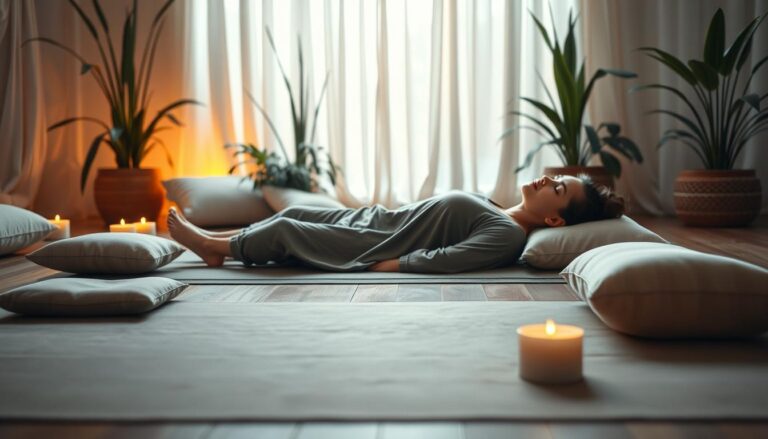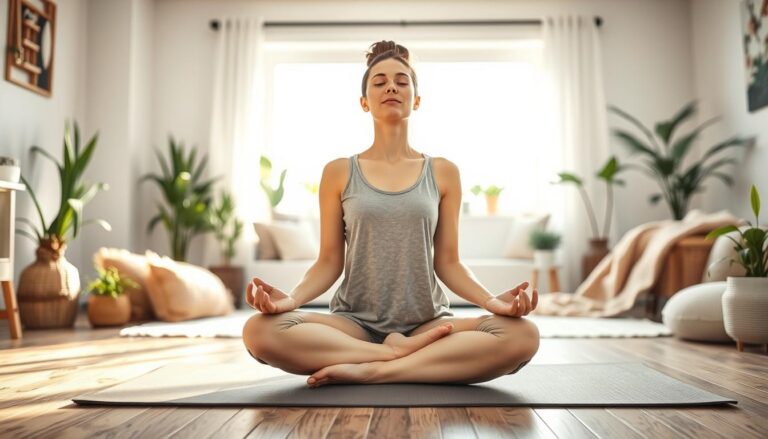


Many adults experience traumatic or highly stressful events, and the effects can sometimes show up alongside persistent muscle tension, guarded posture, or changes in breathing. This guide uses simple, yoga-based movements that may help you move more comfortably and practice calming, body-aware movement.
Stretching lengthens muscles and may support circulation, mobility, and relaxation. Mindful movement paired with steady breathing has also been studied as a supportive practice for people experiencing trauma-related symptoms.
In this short roadmap, you’ll learn where tightness commonly shows up and which gentle poses target the hips, back, and shoulders. The aim is practical: use accessible exercises and props like pillows, blocks, or straps to adapt each pose.
Move slowly, notice sensations, and stop if anything feels too intense. A compassionate, choice-based approach can make movement feel more manageable while improving mind-body awareness over time.
For step-by-step routines and a flexible practice you can try at home, see this helpful program: guided flexibility resource.
Key Takeaways
- Gentle, targeted movement can help reduce physical tension and support relaxation.
- Stress and trauma can be associated with patterns such as muscle guarding, shallow breathing, and heightened body awareness.
- Research suggests trauma-informed yoga and mindful movement may help some people manage PTSD-related symptoms.
- These poses emphasize comfort, choice, steady breathing, and easy modifications rather than forcing deeper stretches.
- No advanced yoga skills are required; pillows, blankets, blocks, straps, chairs, or other simple supports can make positions easier to adapt.
Helpful Products at a Glance
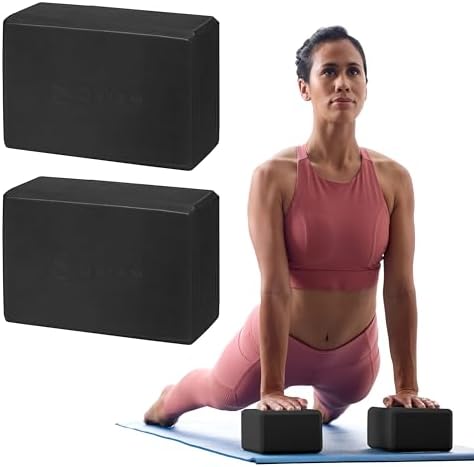
For bringing the floor closer during forward folds or other supported positions, the Gaiam Yoga Block provides a firm foam surface, although a sturdy household support may work when appropriate.
- Yoga Blocks for Stability Plus Balance - The Gaiam Essentials yoga blocks help provide the stability and balance needed in your practice to help with optimal alignment, deeper poses and increased strength. We have a variety of colors to match your style.
- Durable Supportive Foam - These lightweight and supportive foam blocks are constructed of a durable foam with a non-slip surface and beveled edges for easy gripping. These blocks are denser than standard EVA blocks.
For stretches where reaching the leg comfortably is difficult, the Tumaz 10-foot yoga strap can extend your reach without requiring you to pull aggressively.
- ◆【Strap In, Stretch Out】- Boost your stability and flexibility with this simple, non-elastic strap. Stretch as much as you want with the help of Tumaz yoga belt!
- ◆【Best Strap Design】- Delicate texture, eco-friendly dyeing, and special tight-knit technique coupled with extra thickness (2.5mm) and a strong welded D-ring buckle (4mm) - all the best features you can find in a yoga strap.

Why Emotions Live in the Body: Mind-Body Connection and Your Nervous System
Stress and trauma can influence how the nervous system responds to perceived threat, and those responses may be accompanied by changes in breathing, posture, and muscle tension. Gentle movement can provide a structured way to notice and work with those physical patterns.
Stress can leave recognizable patterns in the body: tight muscles, shallow breathing, or a nervous system that remains highly alert. The nervous system coordinates survival responses such as fight, flight, or freeze, and prolonged stress can contribute to persistent muscle guarding and altered breathing patterns.
Thoughts and emotions can influence posture and muscle tone. In the other direction, slower movement and controlled breathing may provide sensory cues that support relaxation and greater awareness of bodily sensations.
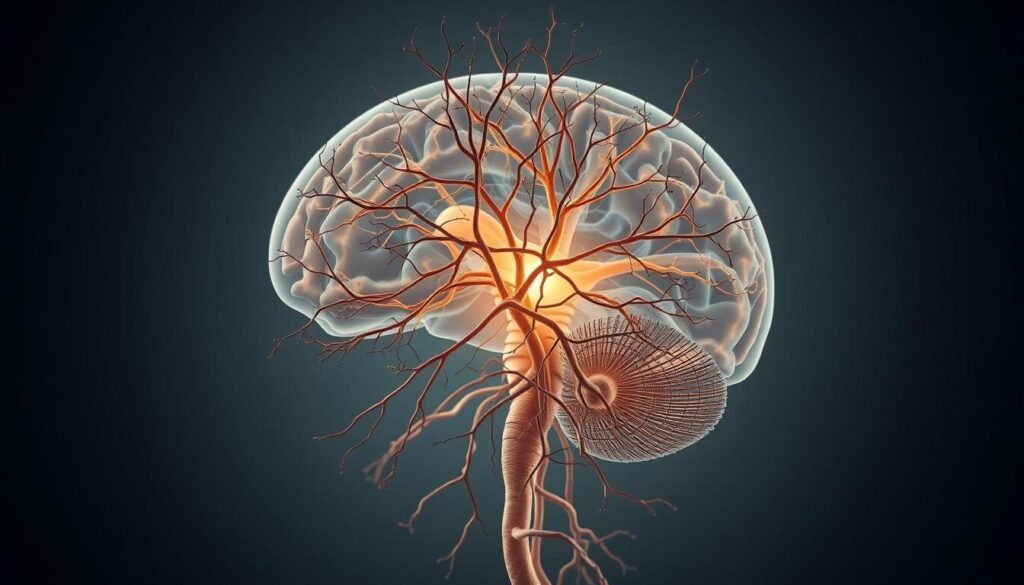
During a calmer state, you may notice slower breathing, less muscle gripping, or a steadier sense of physical control. These changes do not erase trauma, but they can make gentle movement and emotional awareness easier to tolerate.
- Why certain poses may feel calming: supported positions and comfortable forward folds can reduce muscular effort.
- How awareness grows: notice small shifts, pause, adjust, and choose movements that feel manageable.
- Reconnection: gentle movement can help you notice areas such as the hips, knees, back, and shoulders that tend to brace under stress.
| Pose Cue | Potential Effect | Simple Prop |
|---|---|---|
| Forward fold | Reduces effort when comfortably supported | Pillow under chest |
| Supported hip opener | Allows the hips to relax without forcing range | Bolster or folded blanket |
| Gentle seated sway | Encourages body awareness and easy movement | Chair or wall support |
Tip: Match poses to your energy that day. If you want guided context about how the body responds to emotional stress, read this mind-body overview. For another look at somatic approaches, see this somatic therapy guide.
The Science and Benefits: How Stretching and Trauma-Informed Yoga May Help
Slow movement paired with mindful breathing may help some people feel less physically activated and more aware of their responses to stress.
Trauma-informed yoga and mindful movement have been studied as complementary approaches for PTSD and related symptoms. A randomized controlled study published in the Journal of Clinical Psychiatry by van der Kolk and colleagues in 2014 found that a trauma-sensitive yoga program was associated with reductions in PTSD symptoms among participants.
What does the evidence say?
Research reviews suggest that yoga, mindful movement, breathing practices, and related mind-body interventions may improve some symptoms associated with PTSD, anxiety, stress, and emotional dysregulation. Results vary between studies, and these approaches are better viewed as supportive tools rather than standalone treatments.
How it may work: Slow, rhythmic movement, controlled breathing, and deliberate attention to bodily sensations can influence arousal and help people practice regulation skills in a structured setting.
This approach can complement talk-based therapy by giving people another way to notice and respond to physical sensations associated with stress. Simple positions—such as forward folds, supported hip movements, and gentle spinal waves—can be practiced without pushing into discomfort.
| Potential Benefit | What Research Suggests | Practical Cue |
|---|---|---|
| PTSD symptom support | Trauma-sensitive yoga has shown symptom improvements in some clinical studies | Use short, predictable sessions and comfortable poses |
| Mood and stress support | Gentle movement and mind-body practices may help reduce stress and improve mood | Pair comfortable movement with slow breathing |
| Regulation skills | Mindful movement can provide a structured way to notice and respond to arousal | Move slowly and keep hands or feet comfortably grounded |
Practice tips: Brief, consistent sessions may be easier to maintain than occasional intense efforts. Personalize poses to your range—keep feet grounded, arms relaxed, head supported, and adjust the position as needed.
Learn more about trauma-informed yoga and how these practices may fit into a wider care plan.
Safety First: Trauma-Informed Principles to Guide Your Practice
Use clear choice, steady sequencing, and props to keep sessions predictable and manageable. These elements can reduce unnecessary physical strain and help you maintain control over the practice.
How do you put this into action?
Choice, consent, and modifications
Lead with agency. Use invitational language such as “if you choose” and give yourself permission to stop, change position, or rest. Trauma-informed practice emphasizes personal choice rather than pushing through distress.
Practical cues to protect comfort and control
- Short sessions: Start with only a few minutes if longer practice feels overwhelming.
- Predictability: Keep sequencing, surroundings, and cues familiar when that helps you feel more comfortable.
- No hands-on touch in a class or guided setting without explicit permission and ongoing consent.
- Use props: Chairs, bolsters, blankets, blocks, and straps can reduce the amount of mobility or muscular effort a pose requires.
| Principle | Why It Matters | Quick Action |
|---|---|---|
| Agency | Keeps you in control of the practice | Choose whether to continue, modify, or rest |
| Predictability | Can make sessions feel easier to anticipate | Repeat a familiar short sequence |
| Modifications | Makes movement usable for different bodies and abilities | Add props or reduce range of motion |
| Integration | Can connect movement with broader therapy goals | Discuss useful or difficult responses with a provider when appropriate |
Notice early signals such as rapid breathing, muscle gripping, dizziness, rising panic, or feeling disconnected from your surroundings. Pause or stop rather than trying to push through them.
Stretches for Emotional Release: Five Poses to Soothe Hips, Spine, and Shoulders
These five simple yoga poses target areas that commonly become tense—hips, spine, shoulders, and the back of the legs—and use comfortable movement rather than force. Each position emphasizes props, easy entry and exit, and a range of motion you can control.
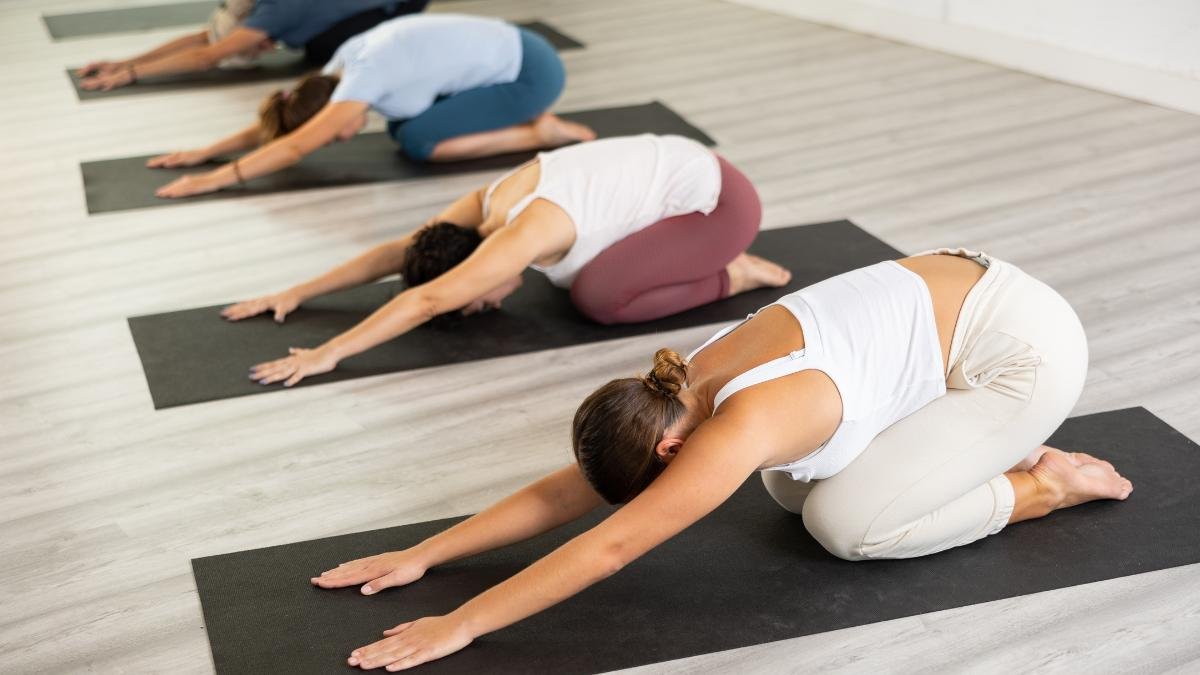
Supported Child’s Pose
Start with knees comfortably apart and bring the big toes toward each other if that position feels natural. Place a bolster, firm pillow, or folded blanket under the torso and rest your forehead or turn your head to one side. Soften the arms and breathe comfortably into the back body for several breaths.
A dedicated bolster may make the setup easier, but it is not required. Firm bed pillows or folded blankets can often provide enough elevation for a home practice.
Cat-Cow Spinal Waves
On hands and knees, align wrists approximately under the shoulders and knees under the hips. Inhale while gently extending the spine, then exhale while rounding it. Keep the movement small if a larger spinal motion is uncomfortable.
Standing or Seated Forward Fold
Hinge at the hips and bend the knees as much as needed. Rest your hands, forearms, or upper body on a chair, pillow, or another stable support rather than reaching for the floor. Let the shoulders soften and stop before the stretch becomes sharp or difficult to control.
If the floor feels too far away, yoga blocks can raise the support surface so you do not have to force extra hamstring or back flexibility. The Gaiam Yoga Block uses supportive EVA foam with a non-slip surface and beveled edges. The verified black two-block version can provide different support heights depending on how the blocks are positioned. A sturdy chair or firm household support can still work if you do not need dedicated blocks.
- Yoga Blocks for Stability Plus Balance - The Gaiam Essentials yoga blocks help provide the stability and balance needed in your practice to help with optimal alignment, deeper poses and increased strength. We have a variety of colors to match your style.
- Durable Supportive Foam - These lightweight and supportive foam blocks are constructed of a durable foam with a non-slip surface and beveled edges for easy gripping. These blocks are denser than standard EVA blocks.
- Extend and Deepen Stretches - Blocks make for the ideal yoga prop and companion as they are an important tool in your practice to help extend, support, and deepen your stretches while also working to increase your range of motion.
- Modify and Align - Use under your hands, feet, or seat during meditation to ensure the proper alignment needed for support and modifying poses to suit your level of flexibility. Our yoga blocks are a great compliment to your meditation accessories.
Reclined Figure Four
Lie on the floor and cross one ankle over the opposite thigh. Keep the head and shoulders relaxed. You can stay there, or gently bring the supporting thigh toward you if that feels comfortable. Avoid forcing the knee outward or pulling aggressively.
Reclined Knee-to-Chest
Bring one knee toward the chest while the opposite leg stays bent or extended, whichever feels better for your back. Keep the shoulders relaxed and switch sides when ready.
If reaching behind your thigh causes your shoulders, neck, or hands to strain, a yoga strap can extend your reach. The Tumaz Yoga Strap in the verified Candy 10-foot configuration uses an adjustable D-ring and non-elastic cotton-blend strap. Its extra length can be useful when you want more distance between your hands and leg, although a towel can serve a similar purpose for many simple stretches.
- ◆【Strap In, Stretch Out】- Boost your stability and flexibility with this simple, non-elastic strap. Stretch as much as you want with the help of Tumaz yoga belt!
- ◆【Best Strap Design】- Delicate texture, eco-friendly dyeing, and special tight-knit technique coupled with extra thickness (2.5mm) and a strong welded D-ring buckle (4mm) - all the best features you can find in a yoga strap.
- ◆【A Ton of Safety】- It's literally a ton! The maximum load of our yoga belt is "2,379 lbs (1.079 ton)", safe enough for stretching, yoga, therapy, and all types of workout. ⚠️The strap is designed for yoga, exercise, PT using. We do NOT recommend using it for other purposes. ⚠️
- ◆【Show Your Colors】- Pick a color, show your personality, and share it with everyone. Make your yoga day bright and joyful with Tumaz yoga strap!
- Entry and exit: move slowly, adjust props, and pause if intensity rises.
- Small changes: place arms by the sides, support the head, bend the knees, or widen the feet to find a more comfortable position.
- If emotions or physical discomfort rise sharply, stop and choose a simpler position.
For another stepwise practice you can explore, see this guided trauma-release sequence.
Breath Meets Movement: Simple Breathing Techniques to Support Relaxation
Simple breath tools can provide a steady rhythm during movement and may help reduce feelings of physical tension or overactivation. Begin with comfortable breathing before adding longer breath counts.
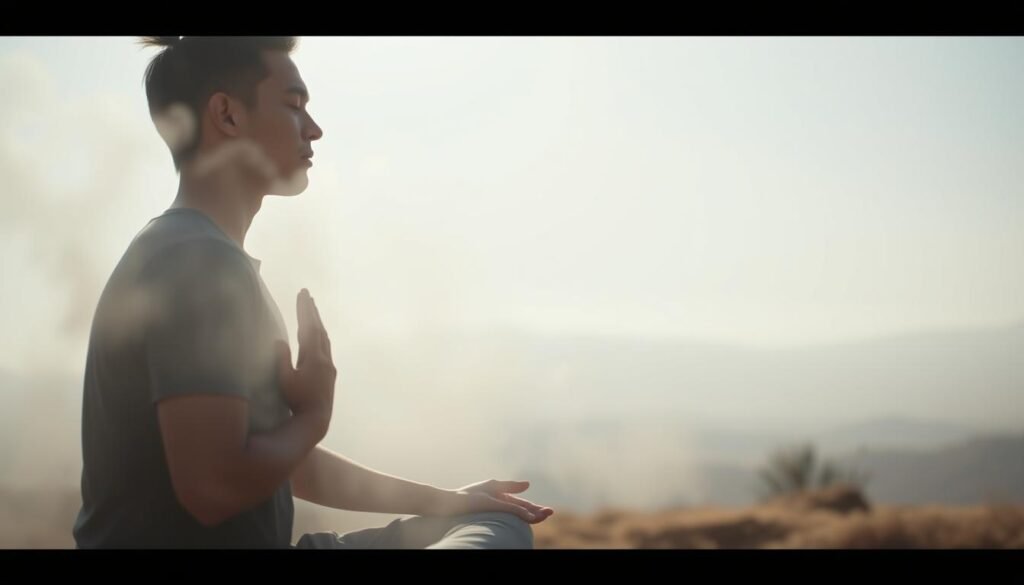
How to do diaphragmatic breathing
Step 1: Sit or lie comfortably. Place one hand on the chest and one on the abdomen if that helps you notice the movement of your breath.
Step 2: Inhale gently through the nose and allow the abdomen and lower ribs to expand. Exhale comfortably without forcing all the air out.
The goal is not to keep the chest completely still, but to encourage comfortable diaphragmatic movement and slower breathing.
Timing tools: 4-7-8 and box breathing
For 4-7-8 breathing, inhale for a count of four, pause for seven, and exhale for eight. Because the breath hold is relatively long, start with only a few cycles and shorten the counts if the pattern feels uncomfortable.
Box breathing uses equal phases—for example, inhale for four, pause for four, exhale for four, and pause for four. You can also use shorter counts. The exact numbers matter less than keeping the rhythm comfortable and controlled.
- Start with a minute or two of comfortable breathing, then add one gentle pose or small spinal wave.
- Pair breathing with slow shoulder rolls if that feels natural.
- If you become lightheaded, breathless, anxious, or uncomfortable, stop the counting pattern and return to normal breathing.
Practice tip: Brief, repeatable breathing sessions are often easier to tolerate and maintain than long or demanding sessions.
Step-by-Step: Positioning, Props, and Cues for Each Pose
Clear, comfortable positioning can reduce unnecessary strain. Use props to shorten the required range of motion and adapt the exercise to your mobility rather than forcing your body into a preset shape.
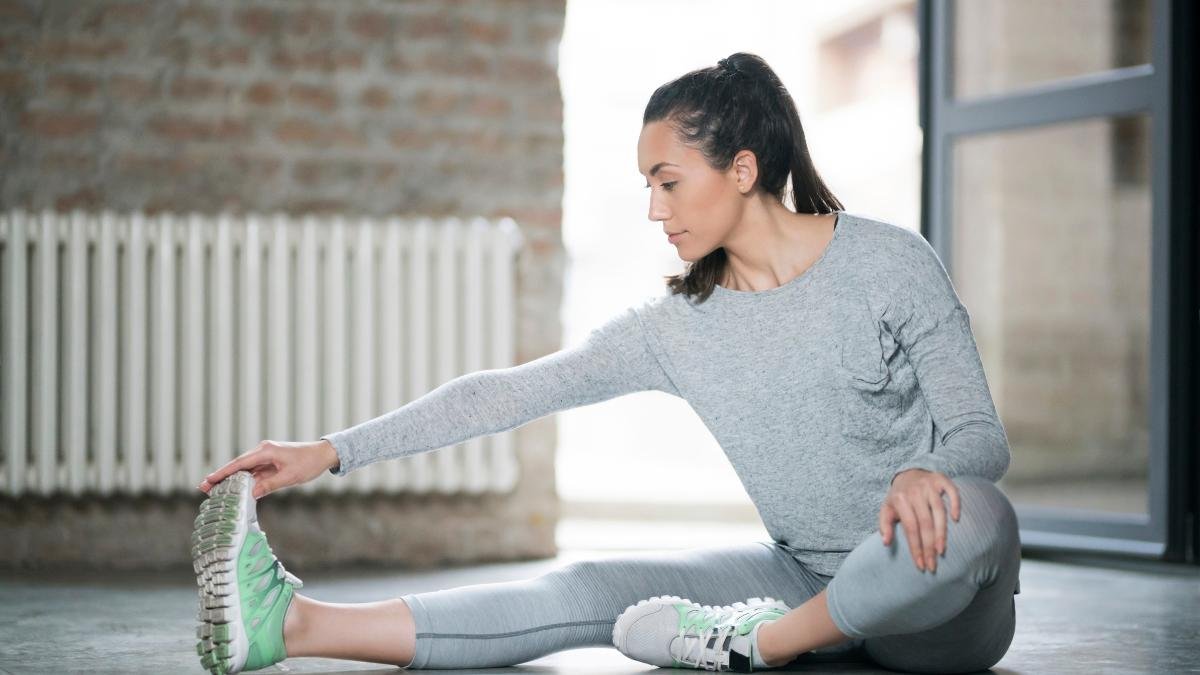
How to set up on the floor
Start in tabletop with your hands approximately under the shoulders and knees under the hips. Keep the neck comfortable and the spine in a position that feels natural before beginning movement.
- For Cat-Cow, inhale while gently extending the spine and exhale while rounding it. Keep pressure through the hands and knees comfortable.
- In forward folds, stand with the feet at a comfortable width, hinge at the hips, bend the knees generously, and rest the hands or forearms on a chair or blocks to reduce the required range.
- For Reclined Figure Four or Knee-to-Chest, lie on the floor and use a strap behind the thigh when reaching with your hands creates unnecessary tension.
Timing, exits, and safety cues
Begin with roughly 30–60 seconds per pose if that feels comfortable. Restorative positions may be held longer, but there is no requirement to reach a specific duration. Change position whenever numbness, pain, dizziness, or emotional distress begins to build.
| Action | Example Starting Time | Signs to Stop |
|---|---|---|
| Tabletop / Cat-Cow | 30–60 seconds | Lightheadedness or sharp pain |
| Forward fold | 30–90 seconds | Numbness, pain, or rising panic |
| Figure Four / Knee-to-Chest | 30–60 seconds per side to start | Radiating pain, numbness, or dizziness |
Exit slowly. If you have been lying down, roll to one side before sitting when that feels more comfortable. Pause and notice sensations in the back, chest, hips, or legs. Small adjustments—moving the hands wider, bending the knees more, or changing the support height—can make a substantial difference.
Stop for sharp pain, numbness, worsening radiating pain, significant dizziness, or escalating fear. New or persistent symptoms after an injury or surgery deserve individualized guidance from an appropriate healthcare professional.
Beyond the Mat: Integrating These Practices Into Daily Life and Therapy
Brief movement pauses during the day can make body-awareness and relaxation practices easier to repeat. Use short, predictable sessions rather than treating flexibility or emotional release as something you must force.

Stack small sessions. Try two to five minutes of gentle movement in the morning, a short breathing pause at your desk, or an evening supported pose. Pair one or two simple exercises with comfortable breathing to make the routine easier to repeat.
Link practice to therapy when appropriate. You might track sensations in a journal and discuss patterns, triggers, or helpful regulation strategies with your clinician. Movement can provide useful information about how your body responds to stress, but it does not need to become another performance goal.
- Functional wins: less stiffness, easier movement from floor to standing, or greater awareness of tension before it becomes uncomfortable.
- Environment cues: keep a folded blanket, cushion, strap, or chair available where you normally practice.
- Awareness: notice when your muscles begin gripping or your breathing changes and decide whether gentle movement, rest, or another coping strategy feels appropriate.
Compassion matters: consistency is easier to build when the routine remains manageable. A few brief sessions each week may be more sustainable than trying to force long daily practices.
Conclusion
Simple, steady movement can provide a practical way to work with muscle tension, breathing, and body awareness during periods of stress.
A few accessible poses practiced with comfortable breathing can help you explore movement without making flexibility, intensity, or emotional catharsis the goal.
Choose one pose that feels manageable today—Supported Child’s Pose, Cat-Cow, Forward Fold, Reclined Figure Four, or Knee-to-Chest. Start small, pause when needed, and build short sessions into your week rather than pushing intensity.
Keep safety first: prioritize comfort, modify freely, and maintain control over whether you continue or stop. Pain, neurological symptoms, persistent dizziness, or intense psychological distress are reasons to stop the exercise and seek appropriate support.
Practical next step: pick one pose and one comfortable breathing pattern to practice a few times this week. Notice what feels useful, what does not, and which modifications make the movement easier to repeat.
FAQ
What areas of the body commonly become tense during emotional stress?
Stress can be accompanied by increased muscle tension in areas such as the shoulders, neck, jaw, chest, back, hips, pelvic region, and legs. Individual patterns vary, so it is more accurate to think of these as common areas of muscle guarding rather than places where emotions are literally stored.
How does the nervous system connect to physical sensations during practice?
The autonomic nervous system helps regulate functions such as heart rate, breathing, sweating, and aspects of the stress response. Gentle movement, attention, and controlled breathing can influence how activated you feel, although responses vary from person to person.
Is there scientific evidence that mindful movement reduces trauma symptoms?
There is clinical research suggesting that trauma-informed yoga and other mind-body approaches may reduce PTSD-related symptoms for some people. The evidence supports considering these practices as complementary approaches rather than replacements for established mental-health treatment.
What does trauma-informed practice mean, and why is it important?
Trauma-informed practice emphasizes safety, choice, predictability, consent, and empowerment. Participants are encouraged to modify, pause, or opt out rather than being pressured to complete a specific pose or exercise.
How can I modify poses if I feel unsafe or overwhelmed?
Use props such as bolsters, blankets, blocks, straps, or a chair, shorten the range of motion, keep your eyes open, change your position, or stop entirely. Choosing not to continue a movement is also a valid modification.
Which simple techniques can make a pose feel more comfortable?
Slow diaphragmatic breathing, gentle extended exhalations, supported positions, smaller ranges of motion, and comfortable props can reduce unnecessary muscular effort. Breath-counting techniques are optional and should not be continued if they create dizziness or anxiety.
How long should I hold a supportive pose?
There is no universal ideal duration. Start with 30–60 seconds and stay longer only if the position remains comfortable. Shorter holds are completely reasonable, particularly when you are new to the movement or sensitive to sustained positions.
Are there contraindications for these practices after injury or surgery?
Yes. Avoid positions that place stress on healing tissue, violate postoperative movement restrictions, or provoke sharp or worsening pain. Recent surgery, unstable joints, significant spinal conditions, or unresolved injuries may require individualized guidance from a healthcare professional or physical therapist.
Can gentle hip openers influence emotional states?
Gentle hip movements may reduce muscle guarding or help you notice sensations associated with stress, but the hips should not be described as physically storing specific emotions or trauma. Any emotional response to stretching varies considerably between individuals.
How do I recognize when to stop a stretch because it feels triggering?
Stop or change position if you experience rising panic, dissociation, numbness, worsening pain, uncontrollable shaking, repeated breath-holding, or a strong urge to escape the position. Grounding through normal breathing, looking around the room, changing posture, or ending the session may help.
How often should I practice these poses?
A few short sessions each week can be a reasonable starting point. Frequency matters less than keeping the practice comfortable, sustainable, and appropriate for your physical and emotional response.
Can I use these techniques alongside psychotherapy?
Yes. Gentle movement and breathing practices can be used alongside psychotherapy when they feel helpful. If trauma-related symptoms are significant, discussing the practice with a therapist can help you adapt it to your needs.
Do I need special equipment or a yoga class to start?
No. Blankets, firm cushions, towels, a chair, or other stable household supports can be enough for many of these movements. Dedicated yoga props can be convenient when you want more consistent support, but they are optional.
What are signs that the practice may be helping over time?
Useful signs can include easier movement, less habitual muscle gripping, better awareness of tension, more comfortable breathing, or an improved ability to pause when you feel overwhelmed. Changes vary widely, so focus on practical improvements rather than expecting a particular emotional release.