

Could adding yogurt, kefir, or fermented vegetables to your meals improve your gut health? Research suggests that certain fermented foods may support a healthier gut microbiome, improve digestion, and influence inflammation. But not every fermented food provides the same benefits.
Five practical choices are kefir, yogurt, sauerkraut, kimchi, and miso. Some contain living microorganisms, while others provide nutrients and compounds created during fermentation. The key is understanding what each food offers and how to choose it.
This guide explains what science actually shows, how to read food labels, simple serving ideas, and the precautions worth knowing before adding fermented foods to your routine.
Key Takeaways
- Five useful choices: Kefir, yogurt, sauerkraut, kimchi, and miso offer different nutrients and fermentation-related benefits.
- Live cultures matter: Fermentation does not guarantee that living microorganisms remain in the finished product.
- Research is promising: A small Stanford study linked a fermented-food-rich diet with greater gut microbial diversity and lower levels of certain inflammatory markers.
- Start with comfortable portions: Try a small serving and increase gradually if your digestion tolerates it.
- Check labels: Look for live cultures when desired, limit added sugar and excess sodium, and follow storage instructions.
Why Fermented Foods May Support Gut Health
Fermentation happens when microorganisms, such as bacteria or yeast, change ingredients in food. For example, certain bacteria turn sugars in cabbage into lactic acid, creating the tangy flavor of sauerkraut.
This process can help preserve food, change its texture, and make some nutrients easier to use. Depending on the food and how it is prepared, fermentation may also leave behind living microorganisms and useful compounds.

Your gut contains trillions of microorganisms called the gut microbiome. These microbes help process parts of your diet and interact with your immune system. A varied, fiber-rich diet supports this community, and fermented foods may provide additional benefits.
What Does the Research Actually Show?
In a Stanford University clinical study, researchers assigned 36 healthy adults to either a high-fermented-food diet or a high-fiber diet during a 10-week dietary intervention.
Participants eating more fermented foods showed increased gut microbial diversity. Researchers also observed decreases in 19 measured inflammatory proteins, including interleukin-6 (IL-6).
These results are encouraging, but the study was small. It did not prove that eating fermented foods prevents disease, cures digestive conditions, or produces lasting benefits for everyone.

Fermented foods may offer several advantages:
- Microbial diversity: Some dietary patterns rich in fermented foods may increase the variety of microorganisms found in the gut.
- Digestive tolerance: Fermentation can break down certain food components, making some products easier to digest.
- Nutritional value: Yogurt and kefir supply protein and calcium, while fermented vegetables contribute nutrients and some fiber.
- Immune-related effects: Early research suggests that fermented foods can influence certain inflammatory markers, although clinical benefits remain uncertain.
The National Institutes of Health also makes an important distinction: fermented foods do not automatically contain probiotics with proven health benefits.
What Counts as Fermented Food?
Fermented food is produced through the controlled activity of microorganisms. However, a product can still qualify as fermented even if heating or processing removes its live cultures.
Pickling is different. Vegetables soaked directly in vinegar may taste sour without undergoing microbial fermentation. Traditional salt-brined vegetables, however, can ferment through the activity of lactic acid bacteria.
Here are a few useful distinctions:
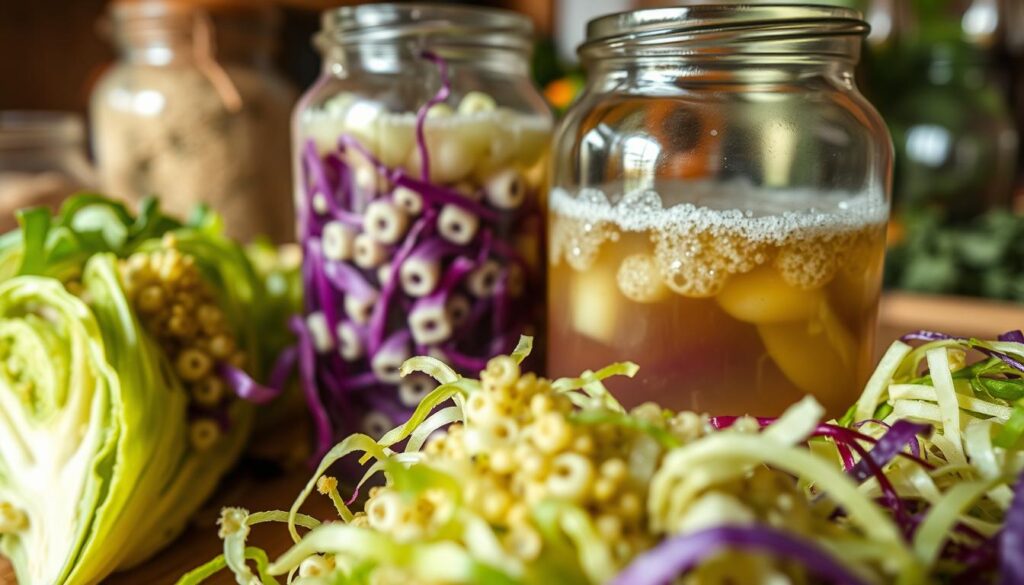
- Raw fermented sauerkraut: Generally retains live microorganisms when properly produced and stored without heat treatment.
- Vinegar-pickled vegetables: Usually do not provide live fermentation cultures unless they have been separately fermented or supplemented.
- Sourdough bread: Undergoes fermentation, but baking kills the living starter microorganisms.
- Kombucha: Fermented tea that may contain live cultures, although processing methods, sugar, and alcohol content vary.
For a deeper explanation, see our guide to the science of probiotics and fermented foods.
5 Best Fermented Foods for Gut Health
These five foods are accessible, versatile, and provide different nutritional benefits. None is a guaranteed treatment for gut problems, and you do not need to eat all five to maintain a healthy diet.
1. Kefir: A Fermented Drink With Diverse Cultures
Kefir is a tangy drink traditionally made by fermenting milk with communities of bacteria and yeast. Its smooth, drinkable texture makes it an easy addition to breakfast or snacks.
Milk kefir provides protein, calcium, and potentially a variety of live microorganisms. Fermentation also reduces some lactose, which may make kefir easier to tolerate than regular milk for certain people.
How to use it: Start with around 4–6 fluid ounces of plain kefir if that amount feels comfortable. Drink it chilled, blend it with berries, or mix it into overnight oats.
Choose unsweetened versions when possible. Kefir is not lactose-free unless the label says so, and its effects depend on the cultures and product.
2. Yogurt: A Simple Everyday Choice
Yogurt is made by fermenting milk with bacteria, traditionally Lactobacillus delbrueckii subsp. bulgaricus and Streptococcus thermophilus. Some products contain additional cultures.
Besides its live cultures, yogurt can provide calcium and protein. Plain Greek yogurt is especially useful when you want more protein without relying on flavored varieties containing added sugar.
How to use it: Try a small bowl with fruit, oats, or nuts. You can also use plain yogurt in dips, dressings, and savory meals.
Look for a live-culture statement when that is your goal. Products treated after fermentation to kill microorganisms will not deliver the same live cultures.
3. Sauerkraut: Fermented Cabbage With a Tangy Flavor
Sauerkraut is made when cabbage ferments in a salty environment. Unheated, naturally fermented versions can contain living lactic acid bacteria along with cabbage’s fiber and nutrients.
A small study involving 34 people with irritable bowel syndrome (IBS) found improvements in symptoms after six weeks of consuming fermented sauerkraut. Interestingly, both pasteurized and unpasteurized versions were associated with improvements.
That finding suggests live bacteria may not explain every benefit. Because the study was small, sauerkraut should not be considered a proven IBS treatment.
How to use it: Add 1–2 tablespoons to sandwiches, salads, or grain bowls. Choose unheated, live-culture varieties if living microorganisms are your priority.
Sauerkraut can contain considerable sodium, so compare labels and keep portions moderate when needed.
4. Kimchi: A Flavorful Fermented Vegetable Dish
Kimchi is a traditional Korean food usually made from fermented cabbage or radish with seasonings such as garlic, ginger, and chili. Properly prepared, unheated kimchi may contain living lactic acid bacteria.
It also contributes vegetables and fermentation-related compounds. Some small studies have explored effects on digestion and metabolic health, but evidence is not strong enough to promise improvements in cholesterol or blood sugar.
How to use it: Begin with a tablespoon or two. Add it to rice bowls, wraps, or eggs after cooking if you want to preserve live cultures.
Kimchi can be spicy, acidic, and salty. Milder varieties may suit people who find spicy foods uncomfortable.
5. Miso: Fermented Soybean Paste for Savory Meals
Miso is a Japanese paste made by fermenting soybeans, often with rice or barley and a starter culture called koji. It adds a rich, savory flavor known as umami.
Unlike yogurt, miso is usually used in small amounts as a seasoning. Some unpasteurized varieties may retain live microorganisms, but pasteurization or boiling can reduce or eliminate them.
How to use it: Stir a small amount into broth, sauces, or dressings. When using a live-culture miso, mix it into food after the cooking heat has reduced rather than boiling it.
Miso can be high in sodium and contains soy. Barley-based miso also contains gluten, so check ingredients if you have dietary restrictions.

Quick Comparison of the Five Foods
| Food | Main Advantage | Easy Way to Start |
|---|---|---|
| Kefir | Fermentation cultures, protein, and calcium | 4–6 oz plain kefir |
| Yogurt | Live cultures and nutrients, including protein | A small bowl with fruit |
| Sauerkraut | Fermented cabbage and some fiber | 1–2 tbsp as a topping |
| Kimchi | Fermented vegetables and bold flavor | 1–2 tbsp with a meal |
| Miso | Fermented soybean flavor and compounds | A small amount in soup or dressing |
These portions are practical starting suggestions, not medically established doses. Adjust them to your appetite, tolerance, and dietary needs.
How to Choose Fermented Foods With Live Cultures
Two jars of sauerkraut can look almost identical while containing very different amounts of living microorganisms. Reading the label helps you understand what you are buying.

Check These Five Things Before Buying
- Look for live-culture wording. Phrases such as “contains live and active cultures” offer useful clues. Some manufacturers also list specific microorganisms.
- Check processing information. Products heated after fermentation may no longer contain living cultures. “Naturally fermented” alone does not confirm that they survive.
- Follow storage requirements. Many raw fermented vegetables require refrigeration. However, refrigeration alone does not prove that live cultures are present.
- Compare added sugar and sodium. Plain yogurt and kefir often make it easier to avoid added sugar. Compare sodium levels in kimchi, miso, and sauerkraut.
- Read ingredients and allergy warnings. Check for milk, soy, wheat, or other ingredients that may not suit your diet.
One important safety detail: pasteurized milk is not the same as heat-treated yogurt. Yogurt made from pasteurized milk can still contain live cultures added during production. There is no need to choose raw milk to get live cultures.
For yogurt labeling, the FDA’s yogurt standard distinguishes products with live cultures from those treated to inactivate them.
Simple Ways to Eat More Fermented Foods
You do not need an expensive meal plan or complicated recipes. The easiest approach is to add small amounts of fermented foods to meals you already enjoy.
- Breakfast: Combine plain yogurt with berries, oats, and chopped nuts.
- Morning smoothie: Blend chilled kefir with a banana and a handful of fruit.
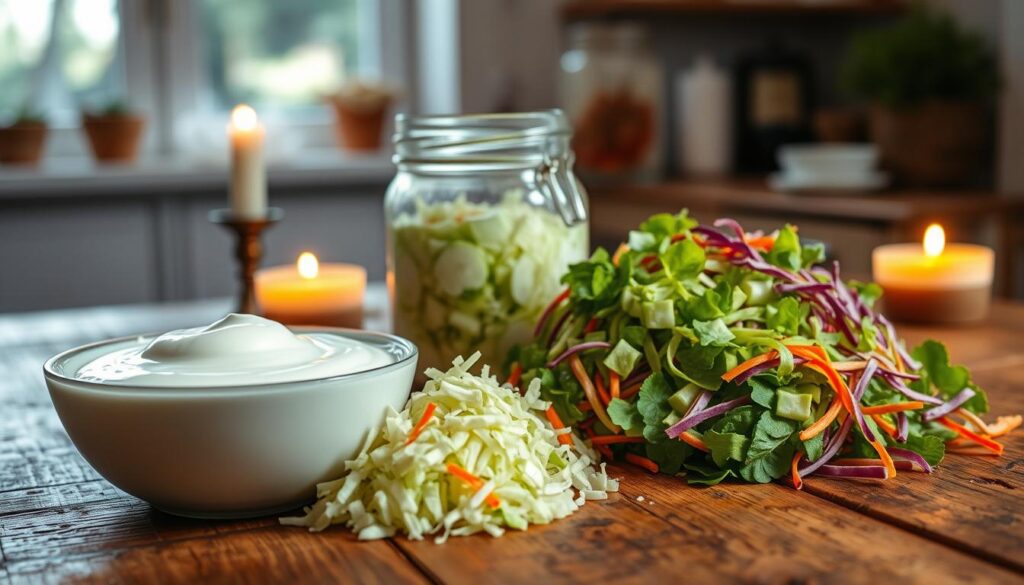
- Lunch: Add a spoonful of sauerkraut to a sandwich or grain bowl.
- Dinner: Serve kimchi alongside rice, vegetables, and your preferred protein.
- Soup: Stir miso into warm broth near the end of preparation.
For foods containing live microorganisms, adding them after cooking can help preserve those cultures. Heating does not make fermented foods worthless, however. Cooked miso and sauerkraut can still provide flavor and nutrients.
Pair Fermented Foods With Fiber
Fiber-rich foods such as beans, oats, vegetables, fruit, and whole grains give many existing gut microbes material they can use. Some types of fiber act as prebiotics, meaning they support the growth or activity of beneficial microorganisms.
For example, try yogurt with oats at breakfast or a small serving of kimchi alongside beans and rice. Fermented foods can complement a fiber-rich diet rather than replace it.
Who Should Be Cautious With Fermented Foods?
Most healthy adults can enjoy commercially prepared fermented foods as part of their usual diet. Still, certain ingredients, live microorganisms, and preparation methods may create problems for some people.

| Situation | Why Caution Matters | Practical Approach |
|---|---|---|
| Weakened immune system or serious illness | Live microorganisms may pose greater risks in certain circumstances. | Ask your healthcare team before adding unfamiliar live-culture products. |
| IBS or SIBO | Certain foods may worsen bloating, gas, or abdominal discomfort. | Introduce one item at a time and monitor symptoms. |
| High blood pressure or sodium restriction | Kimchi, miso, and sauerkraut can contain substantial sodium. | Compare labels and adjust portions. |
| Histamine sensitivity | Some fermented foods contain histamine or other compounds that may trigger symptoms. | Avoid known triggers and discuss recurring reactions with a clinician. |
| Milk or soy allergies | Common fermented foods may contain important allergens. | Check ingredients and avoid products containing your allergens. |
People with lactose intolerance sometimes tolerate fermented dairy better than regular milk, but this varies. A milk allergy is different and still requires avoiding milk-containing foods.
Pregnant people and others at increased risk of foodborne illness should avoid raw milk products and choose safely manufactured, properly stored foods. The FoodSafety.gov pregnancy guidance specifically recommends pasteurized dairy products.
If a fermented food causes persistent pain, diarrhea, hives, or other concerning symptoms, stop eating it and seek appropriate care. Severe allergic symptoms, including difficulty breathing, require urgent medical attention.
Frequently Asked Questions
How Much Fermented Food Should I Eat Daily?
There is no established daily amount that works for everyone. You might begin with a small serving of yogurt or kefir, or a tablespoon or two of fermented vegetables. Increase gradually if tolerated. Large servings are not necessary to make these foods part of a healthy diet.
Are All Fermented Foods Probiotic?
No. A true probiotic must contain specific living microorganisms shown to provide a health benefit in an adequate amount. Many fermented foods contain live microbes without having that level of strain-specific evidence. Others contain no living cultures after processing.
Can Fermented Foods Help With IBS?
Some small studies suggest possible benefits, but results are not consistent enough to recommend fermented foods as an IBS treatment. Individual reactions vary, and certain products may worsen symptoms. A clinician or registered dietitian can help identify suitable choices.
Can I Get Similar Benefits From Probiotic Supplements?
Some probiotic supplements have evidence for particular uses, but benefits depend on the strains and doses studied. Fermented foods also provide nutrients and fermentation-related compounds. Supplements and foods are not automatically interchangeable.
How Should I Store Fermented Foods?
Follow the package instructions and use-by dates. Refrigerate products that require cold storage, keep containers properly closed, and use clean utensils. Discard products showing unexpected mold, spoilage, or damaged packaging. Do not assume an unsafe product becomes safe because it was fermented.
Will Fermented Foods Improve My Heart Health or Blood Sugar?
Some studies suggest possible effects on certain metabolic markers, but the evidence varies widely by food and study. Fermented foods cannot replace a balanced diet, prescribed medication, or other proven treatments. Their sodium, sugar, and overall nutritional content still matter.
Conclusion: Start Small and Choose Foods You Enjoy
Fermented foods can be a useful addition to a gut-friendly eating pattern, but they are not a shortcut to perfect digestive health. Kefir and yogurt offer convenient cultured dairy options, sauerkraut and kimchi add fermented vegetables, and miso brings savory flavor to everyday cooking.
Start with one food you enjoy, choose a suitable product, and notice how your digestion responds. Pair it with vegetables, fruit, beans, or whole grains rather than focusing only on live-culture counts.
The goal is a varied, nutritious diet you can maintain—not eating the largest possible amount of fermented food. For more background, explore the National Center for Complementary and Integrative Health’s overview of probiotics.