


Could a single leafy powder really match milk, bananas, and yogurt in a tablespoon — or is that headline hype?
We start with a clear promise: this section will translate bold claims into real servings and evidence you can use today.
Many marketing figures come from 100 g of dry leaf — nearly a cup of powder — which most people don’t eat. A realistic tablespoon delivers much smaller amounts of key vitamins, minerals, and protein than those dramatic ratios suggest.
Here you’ll get balanced context on moringa oleifera, including which edible parts of the drumstick tree offer the most benefits and where expectations should be tempered. We ground “Moringa Nutrition Facts” in everyday comparisons so you can judge value against familiar foods.
For a deeper, evidence-based overview of studies and practical guidance, see this concise review: the science behind moringa.
Key Takeaways
- Real servings matter: headlines use 100 g; typical tablespoon doses are far smaller.
- Broad micronutrient profile: leaves and powder supply many nutrients, but dose affects impact.
- Compare to familiar foods: a tablespoon often equals small fractions of milk, banana, or yogurt.
- Evidence is mixed: promising results for antioxidants and metabolic markers, but some findings are preliminary.
- Safety and sourcing: quality, dosing, and interactions matter—choose tested products and consult a clinician if needed.
Why People Search for Moringa Nutrition Facts Today
Many readers want clear, practical answers about moringa oleifera—what it can do, how much to take, and whether the claims hold up. They’re looking for dose-aware guidance that fits real food habits and busy lives.
Searches rose as plant-forward eating and interest in antioxidant, anti-inflammatory, and metabolic benefits grew. In Western markets, dried leaves appear as powders and capsules. People often find that capsules deliver minimal nutrient levels compared with whole-food servings.
- Clear question: Is this leaf powder worth adding to my diet? We translate current research and studies into realistic expectations.
- Serving reality: Capsules rarely match a food-sized serving, so the number of scoops matters for effects on blood sugar, lipids, or skin.
- Quality cues: The FDA doesn’t standardize supplements; look for third-party marks (NSF, USP) when choosing a product.
For practical buying and dosing advice, see this concise guide to effective supplements: effective supplement guidance.
What Is Moringa oleifera? Origins, Names, and Edible Parts
This section explains where the plant comes from and which parts people commonly eat. It clarifies popular names and practical uses so you can tell pods, leaves, and seeds apart before cooking or buying.
This fast-growing species began in the Indian subcontinent and now grows across Asia, Africa, and the Americas. It tolerates heat and drought, so farmers cultivate it in hot, dry regions where other crops struggle.
Common names include the drumstick tree, horseradish tree, and ben oil tree. Nearly all parts are used as food or in traditional remedies: leaves, pods, flowers, seeds, and oil.
The long, slender drumstick pods are often simmered in curries and stews and are notable for their vitamin C content per 100 g. Leaves are the most used food part; cooks eat them fresh or dry them into powder for soups, smoothies, and sauces.
Seeds produce ben oil used in cosmetics, and crushed seeds have been applied to water treatment and antimicrobial tests. Because the species adapts to poor soils, it plays a role in food security in regions facing seasonal shortages.
Moringa Nutrition Facts: Servings, Macros, and Micronutrients That Matter
Headlines often use lab-sized servings to make striking claims, not the teaspoon amounts people typically eat. Context changes the takeaways: a cup of dried leaf drives bold multiples, while a tablespoon gives modest, usable boosts.
Myth vs. reality:
How headline multiples compare to a practical scoop
Those eye-catching “10×” or “25×” claims come from 100 g of dry leaf — almost a cup of powder — far beyond everyday doses.
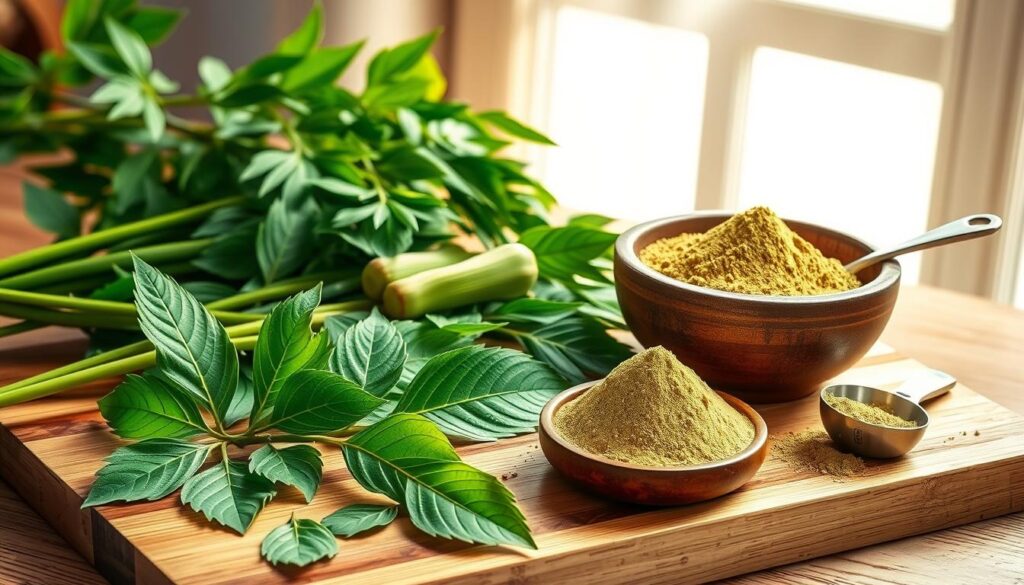
In practice, a tablespoon of moringa powder supplies small but meaningful amounts: modest vitamin A, very little vitamin C, about half a cup of milk’s calcium, some potassium, iron similar to a small portion of spinach, and roughly a third of a yogurt’s protein.
Leaves vs. pods: which to choose
Leaves and leaf powder concentrate broad micronutrients and protein. Pods stand out for vitamin C — 100 g of pods can deliver about 157% DV.
Protein, minerals, and antinutrients
Dry leaves reach ~27–29% protein by dry weight and offer a strong amino acid mix. Still, oxalates and phytates can reduce absorption of iron and calcium; cooking and pairing with vitamin C helps.
- Practical tip: start with 1–2 teaspoons of moringa leaf powder daily and build up if tolerated.
- Evidence note: for study summaries and clinical reviews see a concise review of studies.
Antioxidants and Bioactive Compounds in Moringa
Leaves deliver a concentrated mix of phenolics, flavonoids, and carotenoids that show antioxidant activity in lab tests. Early human data hint at reduced oxidative markers with daily leaf powder, but skin-related outcomes remain preliminary.
Researchers have mapped dozens of bioactive molecules in the leaf, many of which neutralize free radicals in vitro.
Key molecules: quercetin, myricetin, chlorogenic acid, kaempferol, and gallic acid appear repeatedly in analyses of moringa oleifera leaves. These compounds explain much of the measured antioxidant activity.
Lab assays and animal tests use concentrated leaf extract forms—often ethanol or methanol—to show high scavenging capacity. Whole-leaf powder shows benefits too; one trial found about one tablespoon daily for three months lowered markers of oxidative stress.
How this maps to real health is still unclear. Antioxidant activity in a test tube does not guarantee disease prevention. Skin protection from UV is biologically plausible, but clinical endpoints like appearance or skin cancer risk need stronger evidence.
For deeper reviews and clinical context, see this clinical review and an accessible herb guide.
Health Effects: What Current Studies Suggest
Human trials and lab work suggest modest metabolic shifts, but results vary by dose and study design. Early evidence points to possible support for blood sugar, lipids, and blood pressure, yet larger human trials are missing.
Short summary: a 2020 review of seven human and 23 animal studies found possible glucose-lowering with powdered leaf supplements. Many animal reports show clearer effects than human work.
How it may affect blood sugar and insulin
Meta-level reviews report small reductions in blood sugar after daily leaf powder, though outcomes depend on dose and diet. Some trials show improved insulin markers; others show little change.
Cardiometabolic markers: lipids and blood pressure
Small studies and animal work suggest lower LDL and triglycerides, higher HDL, and modest drops in blood pressure. The evidence is promising but not definitive for clinical use.
Cancer, inflammation, and toxin protection
In vitro cell tests reveal anticancer activity (including breast cell lines) while sparing normal cells. Rats and mice show protection against arsenic toxicity. Clinical trials are absent.
| Evidence Type | Findings | Strength | Notes |
|---|---|---|---|
| Human trials | Modest glucose and lipid changes | Low–Moderate | Small samples, variable doses |
| Animal studies | Clearer metabolic and protective effects | Moderate | Includes rats and mice models |
| In vitro | Anticancer activity vs cell lines | Preclinical | No human treatment data |
| Toxicity models | Protection from arsenic | Preclinical | Human relevance unknown |
Practical view: treat moringa oleifera as a supportive plant food, not therapy. Monitor relevant blood markers with your clinician if you add it for metabolic goals. For broader dietary context, consider a guide on 5 foods to avoid.
Safety, Side Effects, and Who Should Avoid Moringa
Risk signals—pregnancy warnings, drug interactions, and rare allergic reactions—need clear explanation. This section summarizes who should skip the leaf powder or extract and when to check with a clinician.
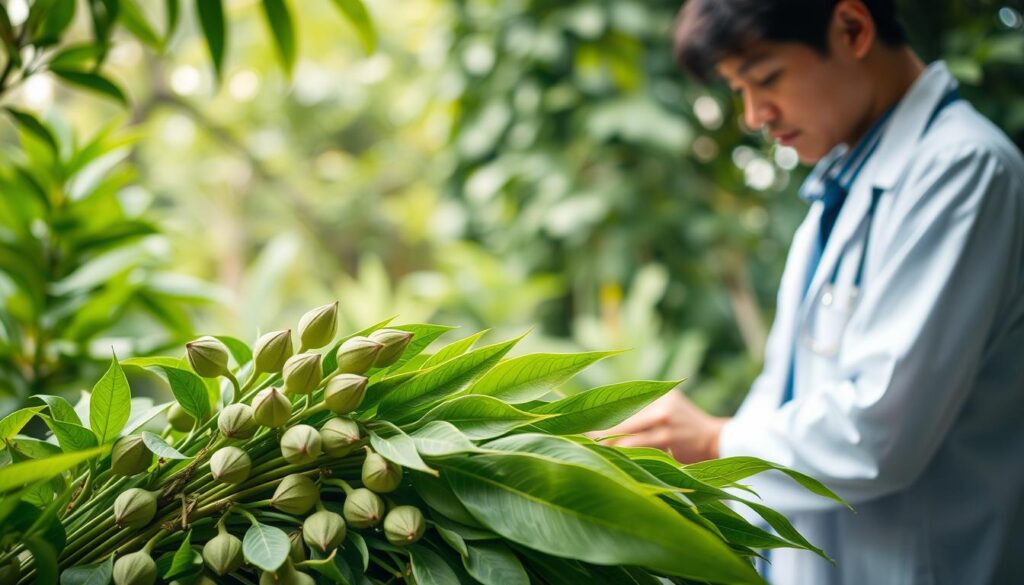
Pregnancy cautions and traditional abortifacient use
Avoid moringa during pregnancy. Traditional reports indicate many women have used the plant to induce abortion, and animal work in rats supports abortifacient effects.
If you are trying to conceive, pregnant, or breastfeeding, do not take this supplement.
Rare reactions and individual risk
Serious but rare harms have been reported. One case linked ingestion to Stevens-Johnson Syndrome within 14 hours, so anyone with a history of severe skin reactions or allergies should skip it.
Medication interactions and dosage prudence
The leaf and its extract may lower blood sugar and blood pressure. That can compound prescription diabetes or antihypertensive drugs and alter thyroid medication effects.
Quality varies because the FDA does not regulate supplements the same way as drugs. Choose NSF- or USP-verified products and follow label directions.
- Avoid during pregnancy: traditional abortifacient use and supportive rat data make this prudent for women.
- Watch for serious side effects: rare allergic or skin reactions mean stop immediately if symptoms appear.
- Talk to your clinician: if you have chronic diseases or take diabetes, blood pressure, or thyroid meds.
For a concise overview of safety and interactions, see this trusted resource: moringa supplement information. Use low starter doses only if cleared, and report any unusual symptoms to your healthcare provider to protect your long-term health.
How to Use Moringa: Powders, Capsules, and Realistic Daily Intake
Start with small, consistent servings and prioritize food-based uses for meaningful value. Choose third-party tested supplements and spread the dose across meals to improve taste and tolerance.
Capsules feel convenient, but the real nutrition often comes from using the powder in meals.
Supplement forms and third‑party testing
In the U.S., dried leaves appear as capsules, powders, or blends. Capsules can be handy, yet they usually contain less active leaf per dose than a spoon of powder.
- Choose verified brands: look for USP or NSF marks to lower contamination and label-accuracy risk.
- Start low: begin with 1–2 teaspoons and build toward about a tablespoon if you tolerate the taste.
- Watch levels: a tablespoon has been used in antioxidant studies, but many people find larger doses unpalatable.
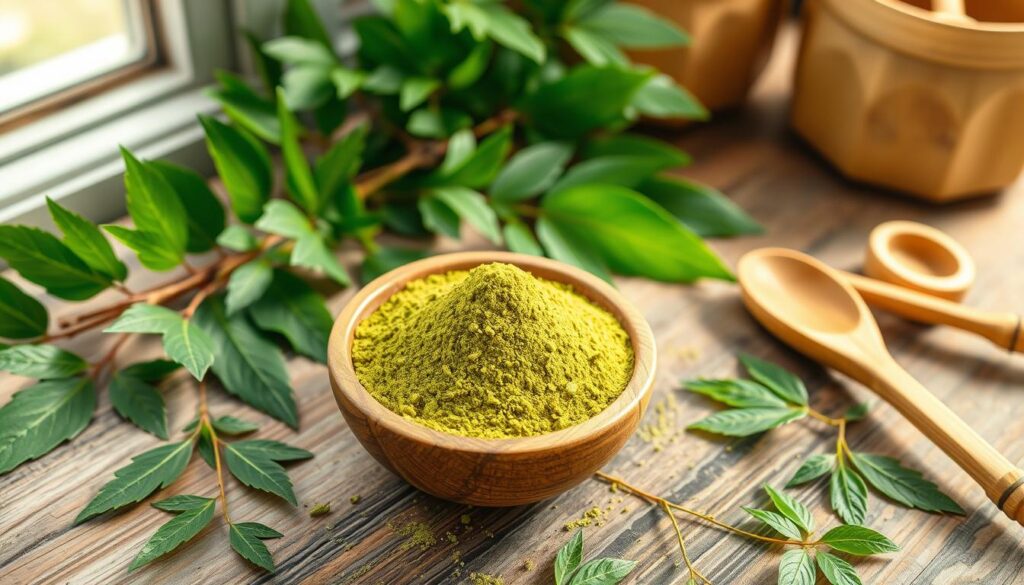
Culinary ideas with leaves and powder
Leaf powder blends easily into familiar food, which makes it simpler to reach useful servings without a bitter hit.
- Stir a teaspoon into smoothies with citrus to brighten flavor.
- Add powder to soups, stews, or dal, or fold into scrambled eggs and whole-grain batters.
- Cook fresh leaves like spinach in sautés or curries, and add pods to vegetable soups for vitamin C.
- Balance bitterness with lemon, yogurt, ginger, or garlic to keep flavors bright.
For daily how‑to tips and dosing ideas, see this short guide on using moringa powder daily.
Practical note: if you aim for metabolic support, track your markers and discuss changes with your clinician. Treat this plant as a complement to a diet rich in vegetables, beans, nuts, seeds, and quality protein rather than a replacement for whole food.
Quality, Sourcing, and Market Insights
India leads global production of moringa oleifera and supplies most leaf powder, pods, seeds, and oil. Buyers in the U.S. and Europe now demand clear origin data, lab tests, and sustainable practices.
Supply chains and harvest timing determine whether a product keeps its potency and flavor.
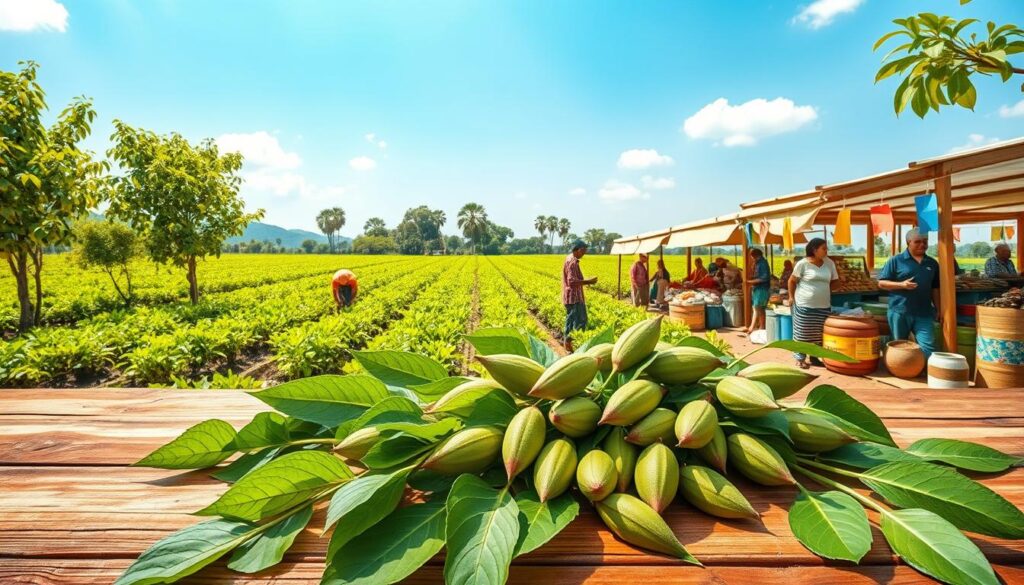
From Indian production to U.S. demand: what buyers should know
India grows the drumstick tree at scale and produces roughly 1.1–1.3 million tons of tender pods annually. Exports of leaf powder have been large; the United States was the top buyer in past trade reports.
- Production snapshot: large-scale cultivation in India underpins global supply of leaf powder and canned pods.
- Market momentum: forecasts projected global leaf powder demand to exceed USD 6 billion as supplements and functional food use rise — see the market outlook.
- Buyer takeaways: ask for country-of-origin, drying temperatures, and third‑party test results to confirm purity and bioactive activity.
- Supply realities: seasonal harvests and storage affect taste and nutrient retention; very low prices can signal dilution or poor processing.
Research and studies are still evolving; choose brands that disclose testing and support farmers.
Conclusion
Moringa oleifera can be a practical, plant‑based addition to your daily vegetables when used in realistic servings. Think teaspoons to a tablespoon of leaf powder daily for modest boosts in vitamin, protein, calcium, potassium, and iron intake rather than chasing dramatic “times higher” claims.
Evidence shows one tablespoon taken over months lowered oxidative stress in a small study, and limited trials hint at modest changes in blood sugar and lipids. Pods and leaves differ: pods give vitamin C, while leaves provide protein and broad micronutrients.
Safety matters—avoid use in pregnancy, check drug interactions, and pick third‑party tested brands. For a concise review of clinical context and the health benefits of moringa, see this resource: health benefits of moringa.
FAQ
What makes moringa leaf powder nutritionally notable?
The leaf powder concentrates vitamins, minerals, and plant proteins into a small serving, supplying vitamin A precursors, vitamin C, iron, calcium, potassium, and a notable amount of plant-based protein per gram compared with many vegetables. It also contains bioactive compounds like quercetin and chlorogenic acid that show antioxidant activity in lab studies. Remember that lab measures from 100 g of dried leaf don’t map directly to a teaspoon of powder; realistic serving sizes matter for actual intake.
How does moringa compare to fresh pods (drumsticks) and other vegetables?
Fresh pods are higher in vitamin C and water, while dried leaves are denser in minerals and protein. Powdered leaves can supply nutrients more compactly than most single vegetables, but they don’t replace a varied diet. Use the powder as a supplement to vegetables, not a wholesale substitute.
Can moringa leaf powder help control blood sugar or cholesterol?
Small human trials and several animal studies suggest moringa extracts or powders may modestly lower fasting blood glucose and improve lipid markers, but effects vary and study sizes are limited. These findings are promising but not definitive; people with diabetes should monitor levels closely and consult their clinician before changing medications.
Are there credible studies linking moringa compounds to anticancer activity?
Laboratory and animal research shows some moringa-derived compounds can reduce cancer cell growth or inflammation in controlled settings. However, human evidence is minimal. These results are preliminary and do not support using leaf powder as a cancer treatment.
What antioxidants are present, and do they benefit skin or oxidative stress?
Leaves contain phenolics, flavonoids, and carotenoids — including quercetin and chlorogenic acid — that scavenge free radicals in lab assays. Some small studies suggest reductions in markers of oxidative stress, which could theoretically support skin health, but direct clinical proof of cosmetic or clinical benefit is limited.
Is moringa safe for pregnant or breastfeeding women?
Caution is advised. Certain traditional uses and animal data raise concerns about compounds in root and bark that may stimulate uterine activity. Most experts recommend avoiding medicinal doses during pregnancy and consulting a healthcare provider before using concentrated supplements while pregnant or breastfeeding.
What side effects or rare reactions should people watch for?
Most people tolerate leaf powder at common supplemental doses, but digestive upset can occur. Rare severe immune reactions have been reported with some herbal products; anyone experiencing rash, blistering, breathing difficulty, or other serious symptoms should seek immediate care. Always stop use if an adverse reaction appears.
Could moringa interact with prescription medications?
Yes. Potential interactions include additive blood sugar–lowering effects with antidiabetic drugs and possible effects on blood pressure or lipid medications. Because moringa can influence clinical biomarkers, check with a pharmacist or physician before combining it with prescription treatments.
What are safe, realistic daily serving sizes for moringa leaf powder?
Clinical studies often use 1–10 grams per day of leaf powder; many supplements recommend 1–3 teaspoons (roughly 2–6 grams). Start at a low dose to assess tolerance, follow third-party tested product guidance, and discuss higher therapeutic doses with your clinician.
How can I choose a high-quality supplement or powder?
Look for brands that provide third-party testing (USP, NSF, or independent lab certificates), clear ingredient lists (leaf vs. root extracts), and transparent sourcing. Prefer products that test for heavy metals, microbial contamination, and pesticide residues—especially when sourced from large producers in India and other exporting countries.
Are there culinary ways to use leaf powder that preserve nutrients and taste good?
Yes. Stir a small spoonful into smoothies, yogurt, soups off heat, or salad dressings. Add powder at the end of cooking to reduce heat-related nutrient loss. Leaves can also be used fresh or lightly steamed like spinach; powders are best used in modest amounts to avoid bitter notes.
Does moringa provide meaningful amounts of protein compared with other plant sources?
The dried leaves are relatively protein-rich for a vegetable source, supplying all or many essential amino acids in measurable amounts. However, the actual protein contribution depends on serving size; powders can boost protein modestly but aren’t a complete substitute for concentrated protein sources like legumes, dairy, or meat.
What antinutrients are present and do they affect mineral absorption?
Leaves contain oxalates and phytates that can reduce absorption of iron and calcium to some degree. Soaking, cooking, or using moderate powder servings can lower antinutrient effects. For people at risk of deficiency, pair leaf intake with vitamin C–rich foods and monitor lab values when relying on it for minerals.
How strong is the human evidence for cardiovascular benefits such as lowering blood pressure?
Evidence is mixed: some small trials show modest reductions in blood pressure and cholesterol, but studies are often small, short, or use varying preparations. Larger, well-controlled human trials are needed before strong recommendations can be made for heart health uses.
Can children safely consume leaf powder?
Low, food-level amounts are commonly used in some cultures and can help add micronutrients, but high supplemental doses should be avoided without pediatric guidance. Consult your child’s pediatrician to determine appropriate amounts and to rule out allergies or interactions with medications.
Are there quality differences between whole-leaf powder and concentrated extracts?
Yes. Whole-leaf powders retain a broad nutrient and fiber profile, while concentrated extracts isolate specific compounds and may carry different potency and risk profiles. Choose the form based on your goal—nutritional support vs. targeted phytochemical intake—and prioritize products with transparent testing.

Don’t Miss These Picks