


Can a few slow, mindful movements really calm your nervous system faster than a coffee break? This guide shows how targeted movement and breath can reset your body and mind in a hectic world.
What you’ll learn: five accessible exercises that ease neck, shoulder, and lower-back tension while improving posture and sleep. These moves pair breath with precise motion to lower cortisol and boost focus.
Built on Joseph Pilates’ idea of coordinating body, mind, and spirit, this low-impact practice uses core strength, controlled breathing, and mindful repetition as a tool to regulate the parasympathetic “rest and digest” response.
Why it matters: regular practice can reduce stress, improve body awareness, and lift mood by increasing serotonin and endorphins. You’ll get simple cues—like feeling the surface beneath you and steady breath counts—to find calm right away.
These exercises are adaptable to most fitness levels and designed as practical skills you can use daily. For a deeper routine and step-by-step options, see this short guide on targeted moves to ease tension.
Key Takeaways
- Intentional movement plus breath helps shift the nervous system toward calm.
- Five gentle exercises target common tension areas and improve posture.
- Quick grounding cues provide immediate relief during spikes of stress.
- Regular practice supports mental health by boosting mood-related neurotransmitters.
- Exercises are low-impact, adaptable, and safe for most fitness levels.
Why does Pilates calm anxiety right now?
A few calm breaths and measured motion can flip the nervous system into a quieter state almost immediately. This combination gives an instant sense of balance while building lasting relaxation skills.
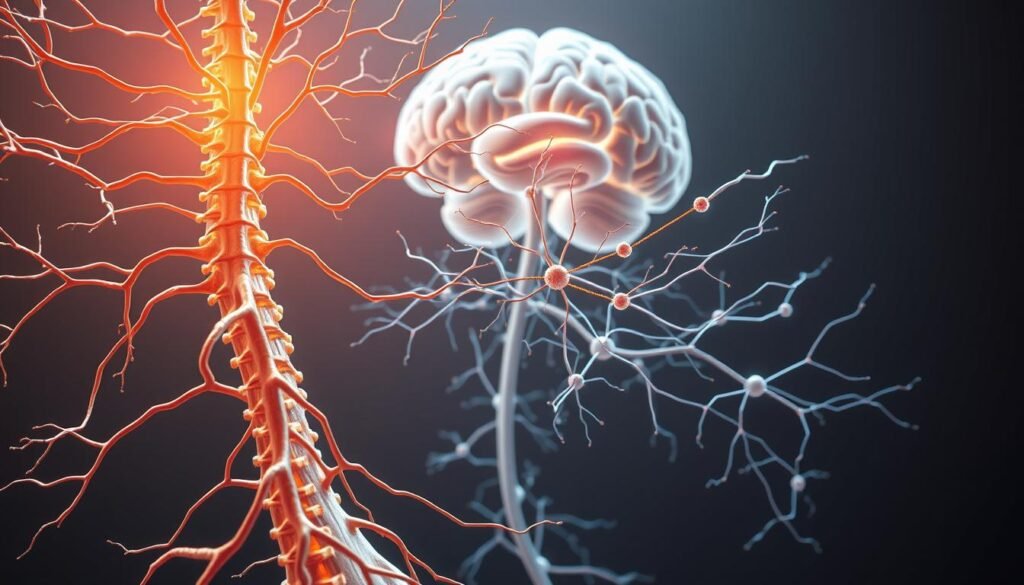
How controlled breathing activates the parasympathetic system
Deep breathing—especially slow, diaphragmatic inhalations and long exhales—signals the body’s rest-and-digest response. This lowers heart rate and cortisol, producing measurable relaxation and less stress.
Use a simple protocol: two minutes of slow breath before starting any session. That short ritual steadies the breath, sharpens focus, and reduces stress anxiety in the moment.
The mind-body connection: focus, mindfulness, and present-moment awareness
Directing attention to alignment and small muscle actions builds a clear mental connection to the body. That focus pulls thought away from worry and into the present, similar to short bouts of meditation.
This mind-body connection improves concentration and emotional regulation over time, which supports better sleep and clearer decision-making.
Low-impact movement that reduces stress without spiking cortisol
Gentle, precise exercise improves mobility and posture while protecting joints. Low-impact sequencing gives the benefits of movement without the cortisol spike that intense workouts can cause.
Practical tip: notice jaw tightness or lifted shoulders. Use one slow breath plus a small movement correction to release tension. For a deeper routine and guidance, see this quick guide to manage stress.
Pilates for Anxiety
Targeted core work and posture cues quickly reduce the tightness that builds in stressful days. Short mobility drills and grounding tools give immediate relief and build lasting resilience.
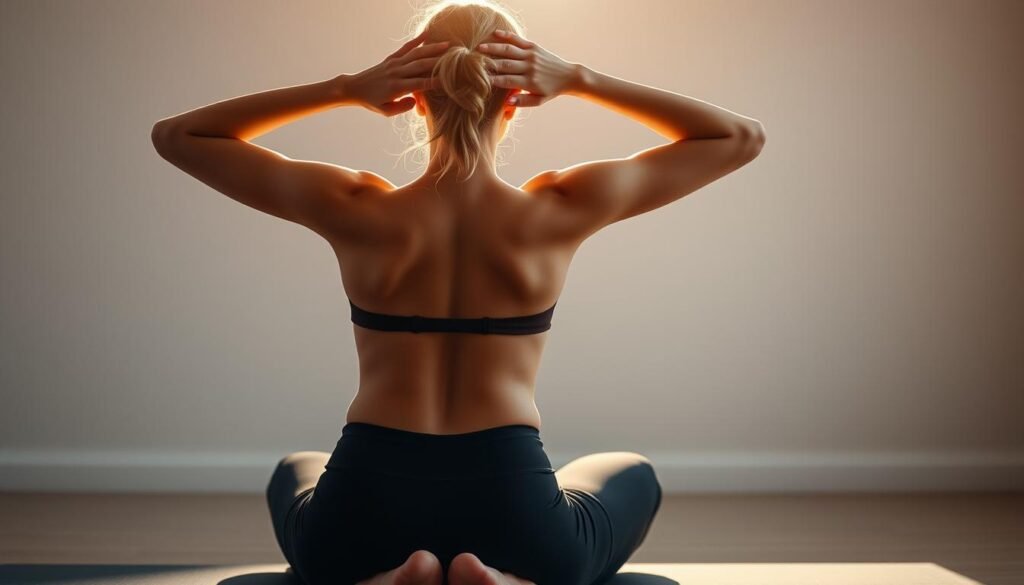
Core, posture, and mobility benefits that relieve neck, back, and shoulder tension
Strength in the core stabilizes the spine and evens out load across the back and chest. Better posture reduces neck and shoulder strain by training the muscles to support you, not brace you.
Mobility work around the hips and thoracic spine unlocks rigid patterns that keep tension stuck. This lets daily movement feel lighter and more controlled.
- Build endurance: steady core engagement protects the spine all day and stops stress from piling into the same spots.
- Retrain muscles: improved alignment eases neck and shoulder tightness and improves posture.
Grounding skills: feel the floor, orient the senses, and use breath to reduce stress
Simple grounding cuts stress fast: feel the mat under your feet or back, name three things you see, and lengthen the exhale. These quick actions restore a sense of control.
“One calm breath can change where your tension lives.”
Pairing short exercises with controlled breathing trains mindfulness and boosts focus so calm carries into daily life. Learn more on how pilates can help reduce anxiety.
How do you do the 5 Pilates moves to release tension and regain control?
Start by settling the breath—this single habit sets a steady tempo for every movement that follows. Two minutes of diaphragmatic and lateral breathing calms the nervous system and prepares the body for focused, controlled work.
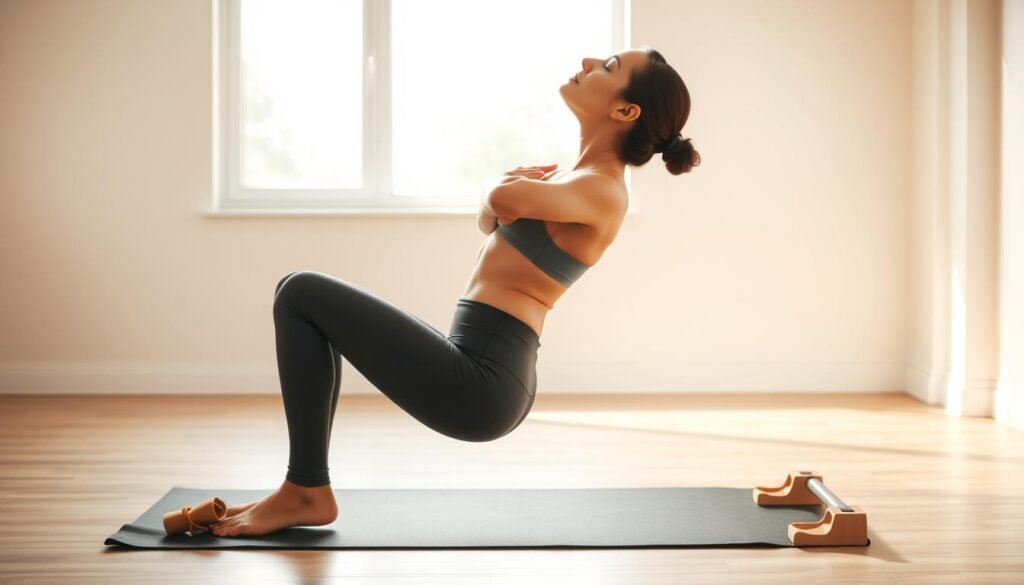
Diaphragmatic and lateral breathing
Place one hand on your belly and one on the ribs. Inhale to expand belly and ribs, exhale slowly through pursed lips. Repeat 1–2 minutes to set rhythm and reduce arousal.
Spine Stretch Forward & Cat-Cow
Sit tall with legs extended; inhale to lengthen, exhale to fold into Spine Stretch. Then move to hands-and-knees and flow Cat-Cow for 6–8 slow repetitions to decompress the spine and ease back tension.
Chest Expansion & Swan
Open the chest without arching the back; use a band or hands behind the hip crease. In Swan, prioritize length over height and perform 6–8 smooth reps to strengthen upper back and improve posture.
Pelvic Curl/Shoulder Bridge
Lie supine, exhale to peel the spine up one vertebra at a time, inhale to hold, exhale to articulate down. Do 6–8 reps to mobilize the spine and build core strength.
Roll Up & One Leg Circle
Roll Up trains segmental control; One Leg Circle adds hip mobility with five circles each direction. Keep movements slow and match each phase to your breath.
Tip: Use small modifications—bend knees, shorten range, or add a towel under the forehead—to protect sensitive muscles. Finish with one minute of deep breathing to lock in calm after your practice.
How do you build a calming routine that fits your life?
A short, repeatable flow can anchor your day and deliver steady relaxation when time is scarce. Use slow, controlled tempo and breath to turn a brief session into lasting benefits for posture, balance, and focus.
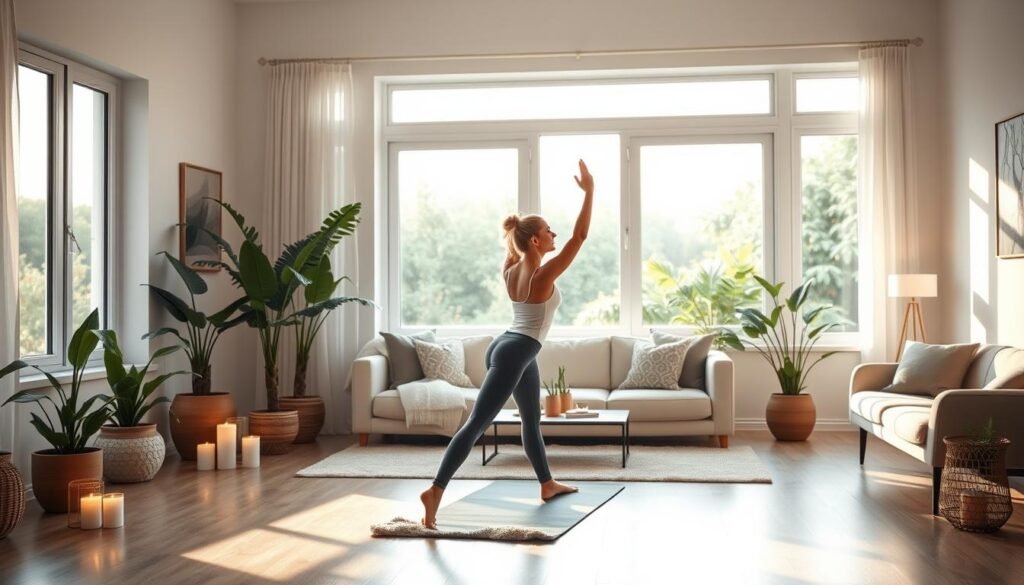
A simple practice flow to reduce stress and improve focus
Try this compact sequence when you have 10–15 minutes. It blends deep breathing, spine mobility, chest opening, bridging, and core control to reduce stress and sharpen focus.
- 2 minutes diaphragmatic breathing
- 1 minute Spine Stretch + 1 minute Cat-Cow
- 2 minutes Chest Expansion or Swan
- 2 minutes Pelvic Curl/Shoulder Bridge
- 2 minutes Roll Up or One Leg Circle
Tip: match each move to slow inhalations and long exhales to maximize relaxation and control.
Modifications, safety, and pacing for different bodies and times
Reduce range if posture wavers. Bend knees, shorten sets, or place a towel under the head during prone work to protect the back and tight muscles.
On busy days, use a micro-session: one minute of breathing plus a single set of Bridge. Small, consistent practice supports sleep, emotional regulation, and daily resilience.
Ground during spikes: feel the floor beneath you, name three visible items, and lengthen the exhale to regain control before resuming movement.
“Short, mindful practice done with steady breathing creates reliable calm you can carry into daily life.”
Track a few notes after each session—sleep quality, mood, and posture cues. Over weeks, consistent routine shows clear benefits and helps prevent stress from turning into pain. For guidance on building daily habit and routine options, see this guide on incorporating a short practice into your or explore flexibility tools like hyperbolic stretching to complement your sessions.
Conclusion
A simple habit—pairing breath with slow, precise movement—teaches the nervous system to settle more quickly. Small consistent sessions build spine strength, open the chest, and steady posture while easing daily stress.
Practice reconnects mind and body, trades tension in the back and neck for responsive muscles and safer core strength.
Short routines also sharpen focus and emotional regulation, acting like mini-meditation that lifts mood and supports mental health. See one supporting study.
Start small. Set a reminder, lay out a mat, and pick one or two exercises today. Quality breath and alignment matter more than length—consistency brings lasting benefits.
FAQ
What breathing technique should I use to calm my nervous system before movement?
Diaphragmatic breathing with gentle lateral expansion is most effective. Inhale slowly through the nose, feel the ribs widen to the sides, then exhale fully through the mouth or nose. This pattern stimulates the parasympathetic system, lowers heart rate, and primes the body for controlled movement.
How many of the five moves should I do in one session to reduce tension?
Start with three to four exercises and cycle them for 2–4 minutes each. A short 15–20 minute flow that includes breathing, spinal mobility, a chest opener, a bridge, and a core control move provides measurable calming benefits without fatigue.
Can low-impact movement reduce cortisol and immediate stress?
Yes. Gentle, controlled movements that emphasize breath and mindfulness lower sympathetic activation and reduce cortisol spikes more effectively than high-intensity exercise when the goal is immediate modulation of anxiety.
Which moves help neck, back, and shoulder tension most directly?
Spine stretches like Cat‑Cow and Spine Stretch Forward, plus chest openers such as Chest Expansion and Swan variations, target thoracic mobility and posture. Combining these with scapular stabilization work relieves tension in the neck, back, and shoulders.
How does focusing on movement improve anxiety symptoms?
Attentive movement directs attention away from worry and into the present moment. This mind‑body focus enhances interoception, reduces rumination, and functions like a form of active mindfulness to downregulate stress responses.
Are there safe modifications for people with back pain or limited mobility?
Absolutely. Use smaller range of motion, support the spine with rolled towels, perform exercises supine instead of prone, and prioritize breathing and pelvic tilts. Progress slowly and consult a physical therapist or qualified instructor if you have significant pain.
How often should I practice to see mental health benefits?
Aim for short daily sessions or 3–5 times per week. Consistent brief practices (10–20 minutes) build nervous system resilience, improve posture and core strength, and produce cumulative reductions in anxiety and tension.
Can these movements replace meditation or therapy for anxiety?
They are complementary tools. Movement with breath provides immediate physiological regulation and pairs well with psychotherapy or meditation, but it should not replace clinical care for moderate to severe anxiety disorders.
Strong, coordinated core muscles support posture and spinal alignment, reducing compensatory tension in the neck and shoulders. Improved core control also enhances confidence in movement, which can lower anticipatory stress.
How do I build a short calming routine that fits a busy schedule?
Create a 10–15 minute sequence: diaphragmatic breathing (2 minutes), pelvic curls/shoulder bridge (3 minutes), Cat‑Cow and spine stretch (4 minutes), chest openers like chest expansion (3 minutes), and a brief roll‑up or one‑leg circle to finish (2 minutes). Adjust timing to suit your day.
Is guided instruction necessary or can I practice on my own?
Beginners benefit from a qualified instructor to learn proper alignment and breathing patterns. Once you master the basics, short solo practices are effective—use video cues from reputable sources or occasional check‑ins with a trainer for form and safety.
How soon will I feel calmer after a session?
Many people notice reduced tension and clearer breathing within a single 10–20 minute session. Repeated practice strengthens the nervous system response so relief becomes quicker and more reliable over time.
Which cues help maintain focus during movements to avoid distraction?
Use breath-linked movement cues (inhale to prepare, exhale to move), count slow repetitions, and anchor attention to sensations like rib expansion or pelvic tilt. Simple verbal cues—“lengthen through the spine,” “soften the jaw”—also refocus the mind effectively.


Don’t Miss These Picks