

Can adjusting your routine each month really change how you feel, train, and recover? This guide explores that question and gives clear, practical steps so you can decide for yourself.
Cycle syncing means tailoring diet, exercise, and daily habits to the menstrual cycle so routines match shifting hormones and energy. A typical menstrual cycle spans 21–38 days and includes menstrual, follicular, ovulatory, and luteal phases.
We’ll walk you through how hormones like progesterone influence energy, temperature, and symptoms. You’ll learn which types of exercise suit each phase, simple nutrition moves to support iron and inflammation, and tracking tips to spot patterns over time.
Expect realistic guidance—no dramatic overhauls, no promises of miracles. This is about small, science‑backed adjustments that improve fitness, reduce pms, and help you manage weight and recovery across the month.
For a deeper how‑to and sample training maps, see our detailed plan here.
Key Takeaways
- Match effort to phase for smarter energy use and fewer disruptive symptoms.
- Exercise is safe in every phase; tweak intensity and recovery instead of stopping.
- Track patterns weekly to make small, sustainable changes that add up.
- Nutrition and sleep support reduce bloating, cramps, and low energy.
- Perimenopause can change timing and bleeding—know when to consult your doctor.
What Cycle Syncing Is and Why It Can Help Your Energy and PMS
Aligning daily habits with your menstrual cycle can make energy, mood, and recovery more predictable. It’s a low‑risk framework to match effort to how your body feels across the month.
Your body’s monthly hormone rhythm can make some days feel primed for hard training and others better for rest.
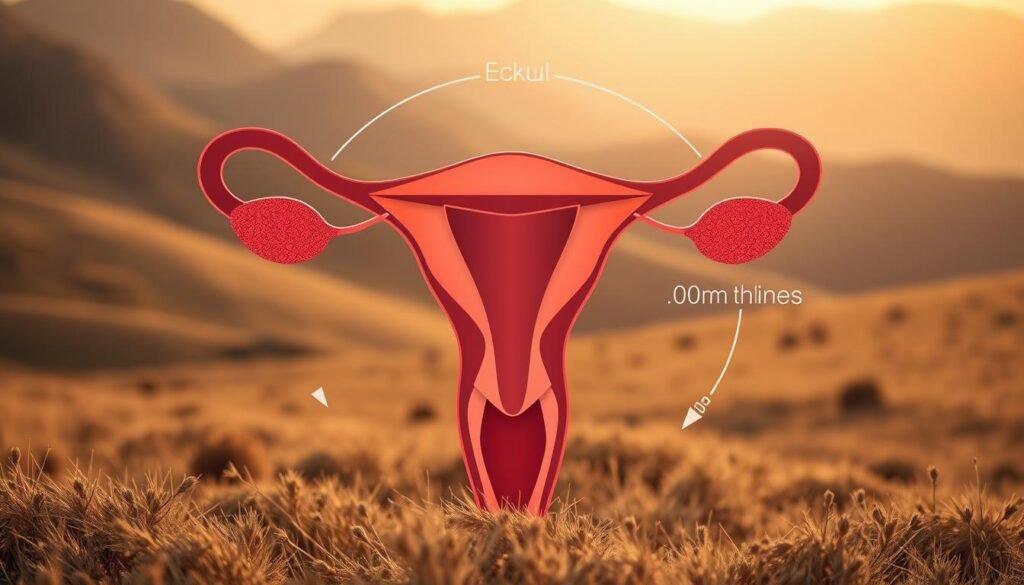
Cycle syncing means adjusting diet, exercise, and lifestyle across the menstrual cycle so your plan fits rising and falling estrogen and progesterone. The cycle typically ranges 21–38 days.
- Practical effect: use higher‑energy days for heavy lifts and intervals, and choose low‑impact options on lower‑energy days.
- Reported benefits: many women notice fewer cramps, less bloating, steadier mood, and better sleep when they adapt effort to symptoms.
- Research note: evidence is limited; benefits are plausible but not proven for everyone.
There’s no harm in experimenting. Track patterns for a few months, adjust over time, and read a practical how‑to in this guide to cycle syncing.
Menstrual Cycle Basics: Phases, Hormones, and Timing
Get a clear, simple map of the main phases and the hormone shifts that drive energy and recovery. Use timing, not guesswork, to place harder exercise on days when your body is better primed.
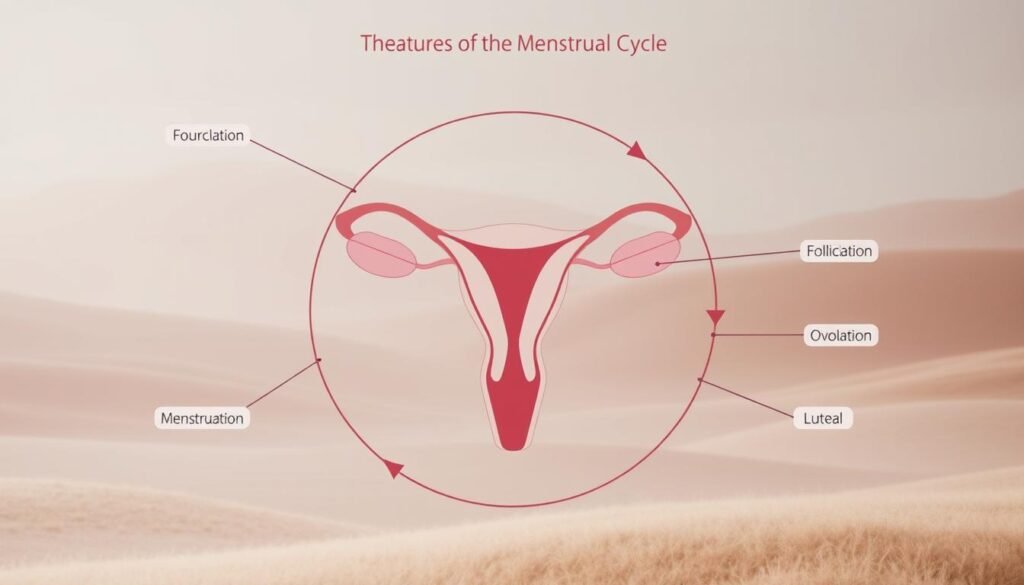
Knowing the menstrual cycle means recognizing its two halves: the follicular half (which includes your period) and the luteal half, split by ovulation. Typical cycles run 21–38 days; only about 10–15% are exactly 28 days.
In a 28‑day example: days 1–7 are your period with low estrogen and progesterone. Days 8–13 are late follicular, when estrogen rises. Ovulation occurs around day 14 and lasts roughly 16–32 hours. Days 15–28 are luteal, when progesterone peaks and estrogen has a modest bump.
Estrogen often supports higher energy in the late follicular window. Higher progesterone in the luteal half can raise resting temperature and affect recovery. The follicular length varies; the luteal phase is usually ~14 days, which helps predict timing even when total cycle length changes.
For many women, tracking day‑by‑day patterns gives the clearest guide for planning training and rest. In perimenopause, cycles become irregular and clinicians may use hormone tests (estradiol, LH, FSH) plus symptoms to assess changes.
| Phase | Typical days (28-day) | Hormone pattern | Energy & exercise note |
|---|---|---|---|
| Menstrual / Early follicular | 1–7 days | Low estrogen, low progesterone | Lower energy; gentle, low-impact activity |
| Late follicular | 8–13 days | Rising estrogen | Higher energy; strength and intensity can feel easier |
| Ovulation | ~Day 14 (brief) | LH/FSH surge, peak estrogen | Short window of peak power and performance |
| Luteal phase | 15–28 days | Progesterone peak, modest estrogen rise | Heat and recovery changes; favor steady efforts and extra rest |
Cycle Syncing Workouts: The Core Strategy
Match training to your shifting energy so you progress without extra fatigue. Use physiology, not guesswork, to time hard sessions and recovery windows.
Match your daily energy to training demands, not the calendar alone, to get consistent progress without burnout. Small shifts in routine can reduce pain and improve performance across the menstrual cycle.

Match intensity to hormone-driven energy patterns
Base one principle: align intensity with the phase‑driven energy levels you feel. In the follicular phase, rising estrogen often supports strength and interval work.
When to push harder vs. prioritize rest and recovery
Use high‑output sessions when readiness is high and choose steady or low‑impact options when it isn’t. The luteal phase can bring higher resting temperature and slower recovery, so favor steady cardio, mobility, and deloads then.
Listening to your body to prevent burnout
“Autoregulate: if you feel strong, push; if you feel off, scale back.”
Include injury‑prevention drills—especially knee and landing mechanics—during late follicular/ovulatory windows when agility is high but ligament risk rises.
- Track weekly effort and symptoms to plan heavier and lighter blocks.
- Prioritize sleep, hydration, and nutrition when hormonal shifts affect recovery.
- During your period, opt for walking, yoga, or Pilates if cramps limit energy.
Workouts by Phase: From Period to Ovulation and Luteal
Different hormonal windows favor different kinds of effort—knowing which days to push or pause helps you train smarter. Use phase-aware choices to reduce pain, protect joints, and keep gains steady.

Menstruation: gentle, low-impact options
Days 1–7—prioritize easy movement. Yoga flows, Pilates basics, short walks, and gentle stretching can ease cramps and lift mood.
If bleeding is heavy or fatigue is strong, rest without guilt. Short mobility sessions often relieve pain without stressing the body.
Follicular: build intensity as estrogen rises
In the early-mid follicular phase, add cardio such as running, biking, or swimming. By late follicular, layer in HIIT and heavier strength sets as energy levels climb.
Protect your knees: include landing drills, glute and hamstring work, and knee-control exercises to lower ACL risk as you increase explosive moves.
Ovulation: use the power window
Ovulation offers peak strength and speed—good days for sprints, interval cycling, kickboxing, or challenging circuits. Keep technique sharp as intensity goes up.
Luteal: manage heat and prioritize steady effort
During the luteal phase the body favors fat as fuel and resting temperature is higher. Favor steady-state cardio, swims, longer walks, and yoga.
Shorten rests, hydrate, and consider lighter reps or lower-volume strength sessions if bloating or mood shifts appear. Keep plans flexible and use perceived exertion to guide training choices.
- Quick tips: swap a hard run for a brisk walk on low-energy days; turn heavy lifts into higher-rep sets when needed.
- Maintain consistency with short, doable sessions to protect fitness and reduce pms symptoms.
- For more practical plans, see a sample routine at feel-good fitness.
Nutrition by Phase to Support Energy, Recovery, and Symptoms
Tailoring food across the month helps restore iron, steady energy, and reduce bloating and pain. Simple swaps and timing can support recovery, mood, and exercise performance.
Period plate: iron, vitamin C, and omega-3 choices
Focus on iron-rich foods to replace blood loss. Choose red meat, seafood, lentils, tofu, leafy greens, and fortified grains.
Pair them with vitamin C—citrus, strawberries, or bell peppers—to boost absorption. Add omega‑3 sources like salmon, chia, or walnuts to help ease cramps. If you consider supplements, discuss bleeding risk with your provider.
Follicular and ovulatory weeks: balanced macros and supporting veggies
During the follicular phase, eat balanced meals: lean protein, complex carbs, and healthy fats. Include cruciferous veggies and seeds to support estrogen metabolism and steady energy.
Luteal: fiber, hydration, complex carbs, and cravings
As progesterone rises, aim for more fiber, potassium-rich produce, and sustained carbs to manage bloating and cravings. Cut back on salt, alcohol, and caffeine late in the cycle if sleep or anxiety worsen.
Supplements and when to test
“Blood tests for iron, vitamin D, and B12 guide safe supplementation and target real deficiencies.”
Evidence for many PMS supplements is limited. Prioritize whole foods and ask for labs if periods are heavy or energy stays low. For practical meal ideas, see this nutrition guide.
| Phase | Top foods | Key focus |
|---|---|---|
| Period | Beef, lentils, spinach, oranges | Iron + vitamin C, omega‑3s |
| Follicular / Ovulatory | Chicken, quinoa, broccoli, flax | Balanced macros, estrogen support |
| Luteal | Sweet potato, beans, bananas, salmon | Fiber, hydration, steady carbs |
Tracking Your Cycle and Planning Training Blocks
Recording a few key metrics each day turns vague feelings into reliable training cues. Simple tracking helps you spot patterns in energy, sleep, mood, and symptoms so you can plan better blocks of training.
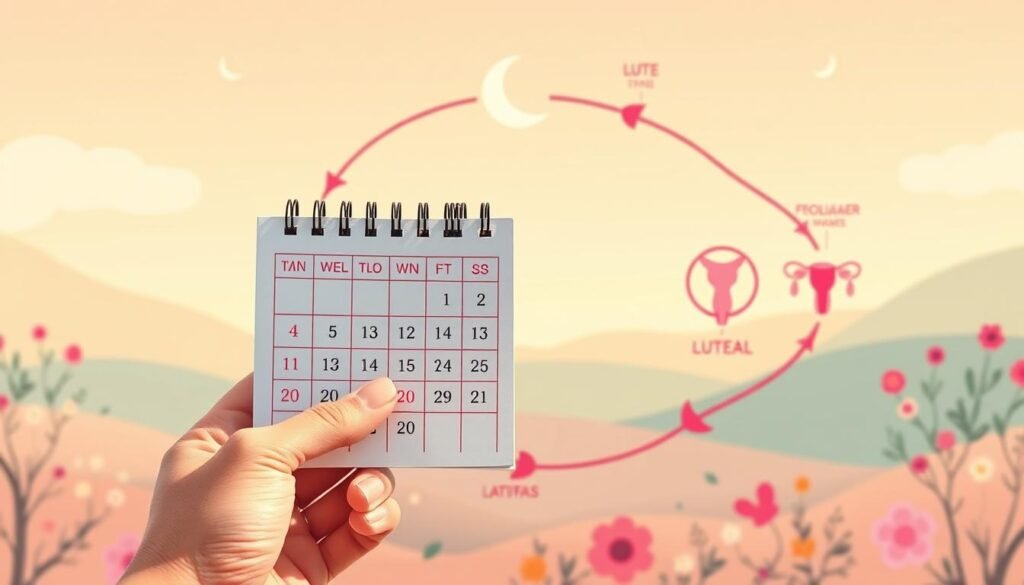
Get started by logging the first day of your menstrual cycle for several months. Use a calendar or app and note daily energy, sleep, mood, appetite, and any cramps or bloating. Add brief training notes: RPE, sets/reps, and how you felt during exercise.
How to use logs to shape training
- Track for 2–3 cycles to learn average length and symptom timing.
- Use ovulation indicators (temp rise or kits) to place heavier training near peak strength.
- Build 2–4 week blocks around observed peaks and anchor deloads when late‑cycle fatigue appears.
Small tweaks to keep favorites going
When your log predicts low readiness, keep favorite workouts but reduce load, shorten intervals, or add extra rest. Plan alternatives like mobility circuits to maintain control and consistency.
“If symptoms worsen or patterns are unclear, consider progesterone testing in the luteal phase and consult a doctor.”
| What to log | When to test | Training action |
|---|---|---|
| Energy, sleep, mood, cramps | After ovulation (~7 days later for progesterone) | Plan heavy strength near peak; deload late‑cycle |
| RPE, sets/reps, exercise notes | After 2–3 cycles to see patterns | Adjust volume, keep technique, swap intensity |
| Nutrition reactions, weight, bowel changes | Any time symptoms escalate | Consult doctor for heavy bleeding or pain |
Cycle Syncing During Perimenopause and Irregular Cycles
Perimenopause brings unpredictable periods and shifting hormones, but practical strategies can keep training and daily life steady.
Many women notice their cycles shorten, lengthen, or skip for a few years before the final period. Irregular perimenopause periods commonly span 4–8 years, and a short 21‑day cycle can produce two periods in one calendar month.
Heavier bleeding sometimes signals relative estrogen rise as progesterone levels fall. If flow affects your day‑to‑day life, recovery from exercise, or causes anemia, talk with your doctor promptly.

How do hormonal shifts change energy and symptoms?
Fluctuating estrogen and progesterone create variable energy, sleep, and mood. You may see more midsection fat and shifting weight over time.
Action: prioritize strength training, protein, and consistent sleep to preserve muscle and manage weight changes.
When is bleeding or cycle change concerning?
Heavy or prolonged bleeding, sudden dramatic cycle shortening, or severe symptoms merit medical review.
Continue contraception until you’ve gone 12 months without a period—ovulation can still occur during irregular cycles.
Training tips for irregular timing
- Use low‑impact cardio, mobility work, and regular resistance sessions to protect joints and keep muscle.
- On heavy or low‑energy days, choose walking, Pilates, or restorative yoga and move intense sessions to better weeks.
- Keep a symptom log of flow, energy, and sleep so you can spot trends and share precise data with your clinician.
| Issue | Likely cause | Practical action |
|---|---|---|
| Two periods in one month | Shortened cycle length (e.g., ~21 days) | Track timing; note symptoms; consult doctor if frequent |
| Heavier bleeding | Relative estrogen dominance as progesterone drops | Check iron; pause intense training if fatigued; seek medical eval |
| Weight shift to midsection | Hormonal shifts and aging metabolism | Prioritize strength, protein, sleep, and stress control |
| Unclear symptoms | Wide hormonal variability in perimenopause | Annual gyne exam; consider labs (FSH, estradiol) if needed |
“Realistic expectations and small, consistent habits make managing perimenopause far more practical than chasing quick fixes.”
Safety, Myths, and When to See a Doctor
Before you tweak plans around hormones, learn what is safe and what needs a doctor’s review. Practical choices protect performance and long‑term health.

Birth control and why “periods syncing” is a myth
If you use hormonal birth control, natural phases are often suppressed. That means predictable phase‑based planning is less useful. Track how you feel each day and base exercise on readiness, not a textbook cycle.
Also: the idea that people who live together reliably have matching flows is not supported by science. Similar timing is coincidence, so form your plan from your own data.
Red flags: when to see a doctor
Seek a doctor for severe pain, abnormal or very heavy bleeding, or sudden mood shifts that disrupt life. These symptoms can signal conditions such as fibroids, endometriosis, PMDD, or thyroid problems.
“Heavy bleeding in perimenopause should be evaluated—don’t assume it’s ‘normal’ if it limits daily activity.”
| Issue | Possible cause | Action |
|---|---|---|
| Severe cramps or pain | Endometriosis, adenomyosis | See a doctor for evaluation and imaging |
| Very heavy bleeding | Perimenopause, fibroids | Check iron, consult clinician, pause high‑intensity exercise if needed |
| Worsening mood or anxiety | PMDD, thyroid, hormone changes | Mental health referral and medical review |
Progesterone note: supplementation can delay your period and may cause water retention. If you test levels, measure progesterone about seven days after ovulation for a meaningful result. Always discuss dosing and route (oral vs. vaginal) with your doctor before changes.
Conclusion
Practical phase‑aware planning helps you protect energy and reduce pms without big overhauls. Track a few simple signals, plan higher intensity on your strongest days, and choose rest or mobility when symptoms appear.
Cycle syncing workouts can guide training and nutrition across the menstrual cycle so you keep strength and fitness while easing bloating and mood swings.
Keep nutrition phase‑savvy: iron plus vitamin C during bleeding, balanced macros mid‑month, and extra hydration and fiber in the luteal window.
Test for deficiencies if low energy persists, and see a clinician for heavy bleeding or severe symptoms. Start one aligned training block this month, note how your energy levels respond, then refine across cycles.
FAQ
What is cycle syncing and how can it affect my energy and PMS?
Cycle syncing is an approach that aligns training, nutrition, and recovery with hormonal changes across the menstrual phases. Hormones like estrogen and progesterone rise and fall each month, shifting energy, strength, sleep, and mood. Matching activity intensity and food choices to those patterns can reduce perceived PMS symptoms and improve workout quality, though research is still emerging and individual responses vary.
How do hormone levels change across the menstrual phases?
In the follicular phase estrogen gradually rises, often boosting energy and recovery. Ovulation marks an estrogen peak and a short window of high power and strength. The luteal phase brings higher progesterone (and moderate estrogen), which can lower tolerance for heat and intensify fatigue, bloating, and PMS. Menstruation features falling hormones and often lower energy. Typical cycles are about 21–35 days, but individual timing varies.
Which types of exercise are best during my period?
During menstruation, gentle movement usually feels best. Low-impact options such as restorative yoga, walking, Pilates, and light strength work can ease cramps and improve mood without overstressing the body. Focus on mobility, breathwork, and pain management rather than pushing maximum loads.
When should I prioritize high-intensity or strength sessions?
Plan your highest-intensity workouts for the late follicular and ovulatory windows when estrogen is highest and recovery tends to be faster. These phases often support HIIT, heavy lifting, sprints, and competitive efforts. Always monitor fatigue and joint comfort—some people are more susceptible to ACL injury risk during certain phases, so include proper warm-ups and neuromuscular work.
How should I adjust training in the luteal phase?
In the luteal phase, favor steady-state cardio, moderate strength, and more recovery. Heat tolerance and perceived exertion can increase with higher progesterone, so shorten intervals, reduce training volume, and emphasize sleep, hydration, and anti-inflammatory foods to help manage bloating and fatigue.
What nutrition changes help each phase?
During menstruation prioritize iron-rich foods and vitamin C to support blood loss and energy. In the follicular and ovulatory phases emphasize balanced macros, lean protein, cruciferous vegetables, and seeds to support hormone metabolism. In the luteal phase focus on fiber, complex carbs, hydration, and magnesium-rich foods to manage cravings, bloating, and sleep. Supplements should be targeted to proven deficiencies and discussed with a clinician.
How do I track my cycle to plan training?
Use a calendar or an app (like Clue, Flo, or Apple Health) to log bleeding days, symptoms, energy, sleep, and workouts. After 2–3 cycles you’ll spot patterns and can adjust weekly plans—shifting intensity, session length, and recovery days to match likely hormonal states rather than rigid rules.
What if my cycles are irregular or I’m perimenopausal?
Irregular cycles and perimenopause bring unpredictable estrogen and progesterone levels, so prioritize flexible programming: shorter harder efforts, more low-impact options, and consistent strength training to protect muscle mass and bone health. If bleeding changes, cycles shorten, or symptoms worsen, consult a clinician for evaluation and options.
Does hormonal birth control affect this approach?
Yes. Combined hormonal contraceptives and progestin-only methods alter natural hormone fluctuations and may reduce typical phase-related energy swings. Training adjustments can still help—focus on how you feel each day rather than presumed phase timing. Discuss specific effects with your prescriber if you have questions about performance and side effects.
Are there safety concerns or myths I should know about?
Exercise during periods is safe for most people, but red flags include very heavy bleeding, severe pain that limits daily life, fainting, or drastic mood changes—see a healthcare provider. The idea that menstrual cycles all “sync” between people is a myth. Also avoid extreme training or calorie restriction during low-energy phases to reduce risk of injury, hormonal disruption, or RED-S (Relative Energy Deficiency in Sport).
When should I see a doctor about menstrual or training issues?
Seek medical advice for heavy or irregular bleeding, severe cramps, sudden cycle changes, signs of anemia (fatigue, pallor, shortness of breath), or when mood and daily function are significantly affected. If you experience persistent performance drops or repeated injuries, a clinician or sports medicine specialist can assess hormones, iron status, and training load.