


Can a few smart food swaps reset your appetite, energy, and waistline after 30?
Many women notice that the habits which worked in their twenties stop working as well in their thirties. Cravings feel louder, afternoon energy dips hit harder, and weight changes can feel more stubborn. While no single eating plan can magically “fix” every hormone, your food choices can support steadier blood sugar, appetite control, sleep, and energy.
This guide turns a complicated topic into practical steps. You’ll learn which hormones influence hunger and metabolism, how to build balanced meals without cutting entire food groups, and how to use a simple three-day meal plan as a realistic starting point.
Key Takeaways
- Simple food swaps can reduce blood sugar spikes and help support more stable energy.
- Protein, fiber, and healthy fats work together to improve fullness and reduce cravings.
- Whole-food meals usually work better than extreme diets for long-term consistency.
- Quick early wins may include fewer crashes, better sleep, and less constant snacking.
- Persistent symptoms such as major fatigue, unexplained weight change, or irregular periods deserve medical follow-up.
Why This Guide Matters for Women Over 30
After 30, food choices often affect energy, appetite, and body composition more noticeably. That does not mean your metabolism suddenly stops working. It usually means several factors start overlapping: stress, less sleep, more sitting, changing muscle mass, and in some women, early perimenopause.
High-sugar meals and heavily refined carbohydrates can make those shifts feel worse by creating a pattern of sharp rises and drops in blood sugar. That pattern often shows up as cravings, irritability, and the classic afternoon slump.
On the other hand, meals built around vegetables, fruit, legumes, whole grains, lean protein, and healthy fats can make your days feel steadier. These foods support more even energy, better fullness after meals, and a lower chance of sliding into a cycle of snacking and crashing.
- Timing matters: Regular meal structure can help with appetite and sleep.
- Practicality matters: Quick meal prep and easy staples improve follow-through.
- Balance matters: No food group needs to be banned; the goal is steady, nutrient-dense eating.
Hormones 101: What They Do and How Food Affects Them
Your hormones act like messengers. They help regulate hunger, blood sugar, sleep, mood, and where the body tends to store fat. Food does not directly “control” hormones in a simple way, but it does influence the systems those hormones work in every day.
Key hormones involved
- Insulin: Helps move glucose from the blood into cells for energy.
- Leptin: Sends signals related to fullness and energy balance.
- Ghrelin: Helps trigger hunger.
- Cortisol: Rises with stress and can affect appetite, sleep, and blood sugar.
- Estrogen: Influences fat distribution, appetite, and metabolic changes across the menstrual cycle and into perimenopause.
Why women over 30 may feel the difference more
With age, recovery habits matter more. Poor sleep, high stress, inactivity, and lower protein intake can amplify normal hormone shifts. If you are entering perimenopause or living with conditions such as PCOS, insulin resistance, or thyroid disease, those effects may be even more noticeable.
Signs your current eating pattern may not be helping
- Strong afternoon cravings or regular energy crashes
- Feeling hungry again soon after meals
- Trouble sleeping or waking up wired and tired
- Weight gain around the midsection along with fatigue
- Mood changes that feel worse after high-sugar or low-protein meals
A good first step is to eat a balanced breakfast and pay attention for one week to how meals affect your hunger, focus, and cravings. For more structured background, you can review a practical hormone-balancing diet overview.
Core Principles of a Hormone-Supportive Diet
The goal is not perfection. The goal is steadier blood sugar, better fullness, and lower day-to-day stress on your system. A simple plate model usually works better than strict rules or constant calorie obsession.
Use balanced macros, not extremes
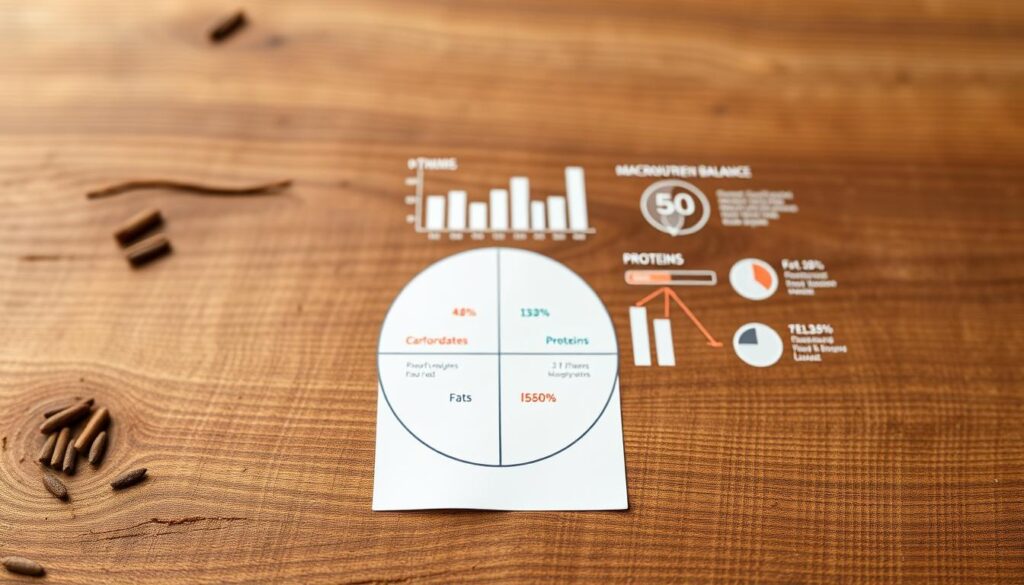
A useful starting range for many adults is 45–65% carbohydrate, 10–35% protein, and 20–35% fat. You do not need to count every gram, but these ranges show that balanced eating includes carbohydrates, not just protein and fat.
Prioritize fiber-rich carbohydrates
Choose foods such as oats, beans, lentils, fruit, sweet potatoes, quinoa, and brown rice more often than white bread, pastries, and sugary cereals. Slower-digesting carbohydrates help smooth out glucose swings and usually keep you full longer.
Center meals on protein
Protein supports fullness, muscle maintenance, and recovery. It also helps make meals more satisfying, which can reduce constant snacking. Many women do well with roughly 20–30 grams of protein at meals, though needs vary by size, age, and activity.
Do not fear healthy fats
Olive oil, avocado, nuts, seeds, and fatty fish add staying power to meals and help with absorption of fat-soluble nutrients. They also improve taste, which matters if you want a routine you can actually stick with.
Try a simple plate method
At most meals, aim for:
- Half the plate: non-starchy vegetables or a mix of vegetables and fruit
- One quarter: protein such as eggs, fish, chicken, tofu, yogurt, or beans
- One quarter: high-fiber carbohydrates such as whole grains, legumes, or starchy vegetables
- Add: a small serving of healthy fat
“Small, consistent shifts in food quality and meal balance usually do more for appetite and energy than short bursts of restriction.”
| Macro | Target Range | Main Role |
|---|---|---|
| Carbohydrates | 45–65% | Energy, fiber, and blood sugar support |
| Protein | 10–35% | Satiety, muscle support, and recovery |
| Fat | 20–35% | Nutrient absorption, satisfaction, and cell health |
The Best Foods to Include More Often
A hormone-supportive pattern is built from ordinary whole foods, not miracle ingredients. Variety matters because different foods contribute different fibers, fats, minerals, and plant compounds.
Vegetables, especially crucifers and leafy greens
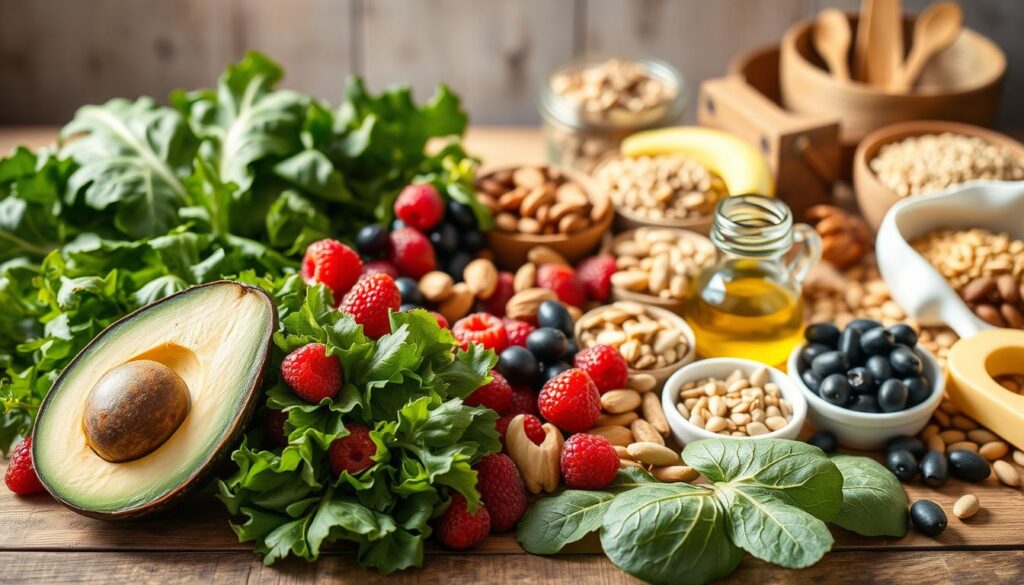
Rotate broccoli, Brussels sprouts, kale, bok choy, spinach, and mixed greens. These foods provide fiber and nutrients that support overall metabolic health. Cruciferous vegetables may also support normal estrogen metabolism as part of a balanced diet.
Berries and other fruit
Berries are especially useful because they combine fiber with antioxidants. But do not stop there—apples, citrus, kiwi, pomegranate, and pears all fit well into a lower-spike eating pattern.
Protein-rich staples
Keep simple choices on repeat: eggs, Greek yogurt, cottage cheese, tofu, tempeh, chicken, tuna, salmon, sardines, lentils, and beans. Consistency matters more than having a perfect menu.
Nuts, seeds, and healthy fats
Almonds, walnuts, pumpkin seeds, chia seeds, flax seeds, avocado, and extra-virgin olive oil can make meals more filling. They are especially helpful in breakfasts and snacks that otherwise leave you hungry again too quickly.
Whole grains, legumes, and gut-friendly foods
Oats, quinoa, farro, brown rice, chickpeas, lentils, and black beans help provide fiber and longer-lasting energy. Yogurt, kefir, kimchi, and fermented vegetables may also support gut health, which plays a role in digestion and overall well-being.
- Simple rule: Try to rotate your vegetables, proteins, grains, nuts, and seeds each week instead of eating the same few foods every day.
Foods and Drinks to Limit More Often Than Not
You do not need to ban “bad” foods forever. But a few common items are more likely to push cravings, energy crashes, and sleep disruption when they show up too often.

- Added sugars: Sweetened coffee drinks, desserts, soda, and candy can lead to fast glucose swings.
- Refined carbohydrates: White bread, pastries, crackers, and sugary cereals are easy to overeat and often do not satisfy for long.
- Ultra-processed snack foods: These can crowd out higher-fiber, more filling options.
- Late-day caffeine: For some women, afternoon energy drinks or coffee can worsen sleep quality.
- Alcohol: Even moderate intake can affect sleep, appetite, and blood sugar for some people.
- Fried foods and processed meats: These are fine occasionally, but frequent intake is not ideal for overall cardiometabolic health.
If you want a practical starting point, reduce sweet drinks first. Swap soda or juice for water, sparkling water with citrus, or unsweetened tea. For snack ideas that better fit a lower-sugar approach, see these approved snacks.
How to Build Meals and Snacks That Keep Energy Steadier
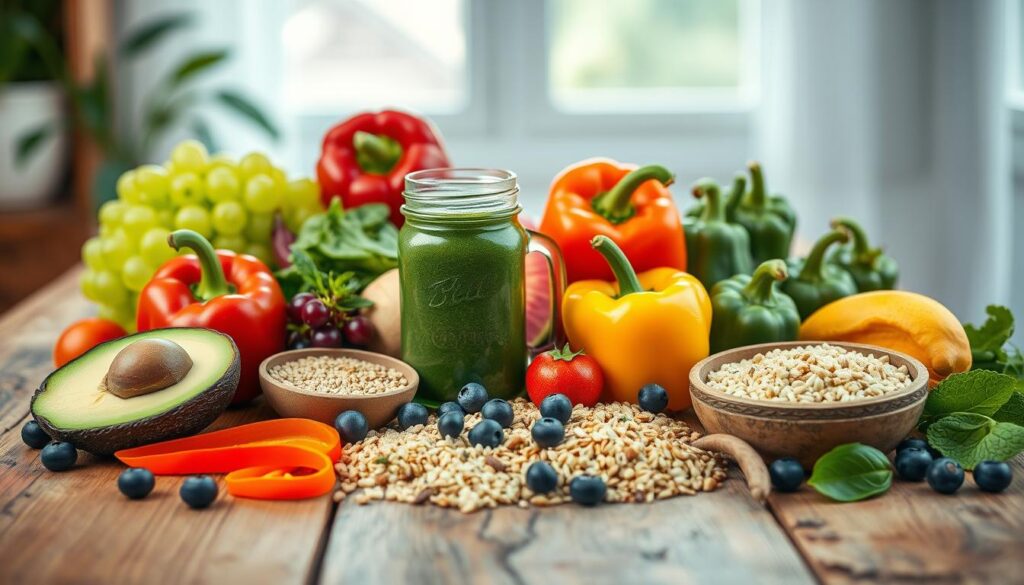
The simplest rule is this: pair protein with fiber-rich carbohydrates and a little healthy fat. That combination usually does more for satisfaction and blood sugar than eating carbohydrates by themselves.
Breakfast ideas
- Greek yogurt with berries, chia seeds, and walnuts
- Eggs with avocado toast and fruit
- Protein smoothie with spinach, frozen fruit, and nut butter
- Oatmeal with seeds plus a side of yogurt or eggs
Lunch and dinner formula
Pick one item from each category:
- Protein: chicken, tofu, salmon, tuna, eggs, beans, lentils
- Fiber-rich carb: brown rice, quinoa, farro, sweet potato, beans, fruit
- Vegetables: salad greens, broccoli, peppers, cucumbers, roasted vegetables
- Healthy fat: olive oil, avocado, tahini, nuts, seeds
Snack ideas that actually help
- Apple with peanut or almond butter
- Carrots with hummus
- Greek yogurt with berries
- A small handful of nuts with fruit
- Whole-grain crackers with cheese
Hydration matters too
Many women simply feel and eat better when they are consistently hydrated. Water is the main goal. Unsweetened tea, sparkling water, and herbal infusions can help if plain water gets boring.
“Repeating simple, balanced meals beats chasing complicated food rules you cannot maintain.”
A Practical Three-Day Hormone-Supportive Meal Plan
Use this as a starter template, not a strict prescription. You can follow the days in order or mix and match meals based on what you already have at home.
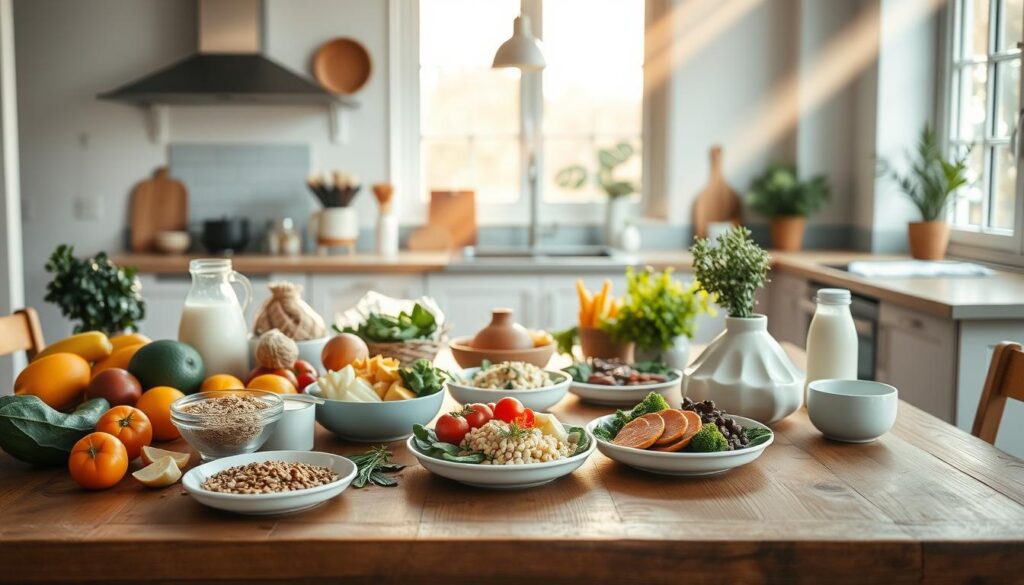
Day One
- Breakfast: Greek yogurt with berries, chia seeds, hemp seeds, and walnuts
- Lunch: Farro salad with chickpeas, cucumber, tomato, olives, feta, and hard-boiled eggs
- Dinner: Lentil soup with mixed vegetables and a drizzle of olive oil
- Snacks: Apple with peanut butter; a few almonds with dark chocolate
Day Two
- Breakfast: Avocado toast topped with eggs, plus a piece of fruit
- Lunch: Brown rice bowl with grilled salmon, cucumber, edamame, and mango
- Dinner: Tofu stir-fry with asparagus, mushrooms, and peppers over brown rice
- Snacks: Pear with almond butter; whole-grain crackers with Parmesan
Day Three
- Breakfast: Smoothie with spinach, banana, avocado, berries or pineapple, hemp seeds, and protein powder
- Lunch: Chicken, kale, and quinoa salad with avocado, pumpkin seeds, and balsamic vinaigrette
- Dinner: Seared tuna with roasted Brussels sprouts and sweet potato
- Snacks: Carrots with hummus; blueberries with a few Brazil nuts
- Make it easier: Keep cooked grains, washed greens, canned beans, and simple proteins ready to go.
- Make it flexible: Swap tofu for chicken, quinoa for brown rice, or salmon for tuna without changing the overall pattern.
- Make it personal: Increase or reduce portions based on hunger, activity, and body size.
If you want a longer structured example, this three-day starter resource may be helpful.
Shopping and Meal Prep Tips That Improve Consistency
Healthy eating gets much easier when your kitchen is set up for it. The best plan is often the one that removes weekday friction.
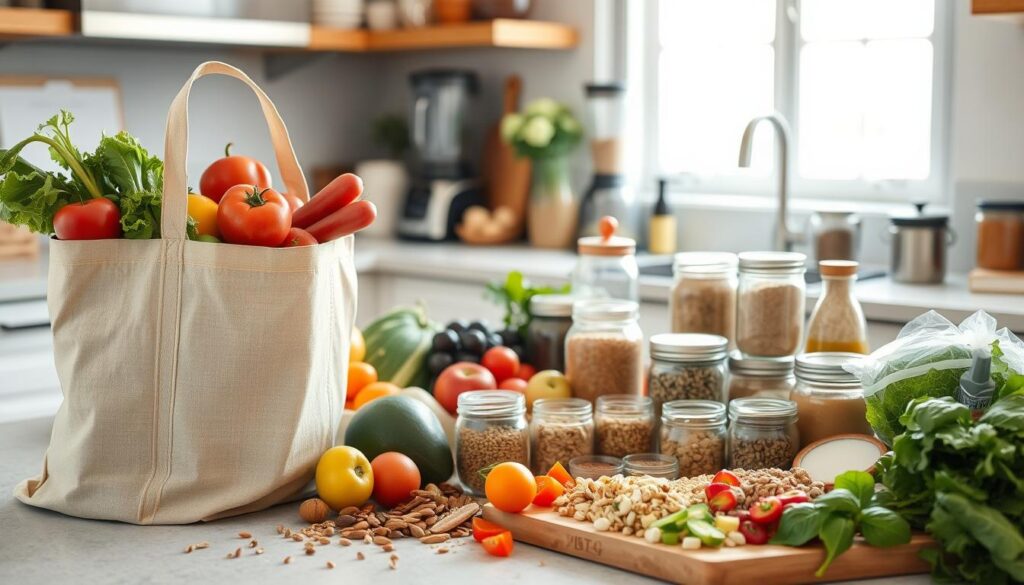
Staples worth keeping around
- Leafy greens and cruciferous vegetables
- Berries and easy fruit such as apples, pears, or citrus
- Whole grains like oats, brown rice, quinoa, or farro
- Beans, lentils, eggs, Greek yogurt, tofu, chicken, and fish
- Olive oil, avocado, nuts, seeds, hummus, and nut butter
Prep once, eat easier all week
- Roast a tray of vegetables
- Cook one or two grains in bulk
- Batch-cook a protein such as chicken, tofu, lentils, or boiled eggs
- Pre-portion nuts and cut vegetables for grab-and-go snacks
- Keep sauces and flavor boosters such as tahini, salsa, pesto, vinegar, lemon, and spice blends ready
These habits reduce decision fatigue, help you eat more regularly, and make it easier to stick with the meal pattern that supports your goals.
When to Seek Professional Guidance
Food can support hormone health, but it cannot diagnose a medical condition. If symptoms continue even after you improve your routine, it is time to look deeper.
When a registered dietitian can help
A registered dietitian can adjust meal timing, protein intake, and overall calories to fit your schedule, culture, budget, and activity level. This is especially useful if you are trying to manage PCOS, insulin resistance, gut symptoms, athletic training, or perimenopause changes.
Symptoms that deserve a medical check-in
- Unexplained weight gain or weight loss
- Persistent fatigue
- Irregular periods or new cycle changes
- Heat or cold intolerance
- Hair thinning or major skin changes
- Extreme thirst or frequent urination
- Tingling, numbness, or major mood shifts
- Darkened skin folds, especially with other signs of insulin resistance
“Early testing and personalized guidance can prevent small symptoms from becoming bigger problems.”
| Provider | When to See Them | How They Help |
|---|---|---|
| Primary care clinician | Persistent fatigue, weight change, abnormal symptoms | Initial evaluation, labs, referrals, and treatment planning |
| Endocrinologist | Suspected thyroid disease, diabetes, PCOS, or complex hormone issues | Advanced testing and medical management |
| Registered dietitian | Personalized nutrition support or trouble sticking to a plan | Meal planning, macro guidance, and practical habit building |
Conclusion
For most women over 30, a hormone-supportive eating pattern is not about cutting out carbs or chasing trendy detox plans. It is about building meals that keep you full, reduce blood sugar swings, and fit real life.
Your next step is simple: Start with one week of balanced plates. Aim for protein at each meal, choose higher-fiber carbohydrates more often, add healthy fats, and keep quick snacks ready so you are not always reacting to hunger.
Track what changes most—cravings, sleep, energy, digestion, or mood. If you feel better, keep going. If symptoms persist, use that information to get more personalized support from your healthcare team.
FAQ
What is the best diet pattern for women over 30 who want better hormone support?
A balanced, whole-food pattern usually works best: vegetables, fruit, legumes, whole grains, lean protein, and healthy fats. The key is steady blood sugar and realistic consistency, not extreme restriction.
Are carbohydrates bad for hormones or weight loss?
No. Carbohydrates are an important energy source. The better strategy is choosing higher-fiber options such as oats, beans, fruit, quinoa, and sweet potatoes, then pairing them with protein and healthy fats.
How often should I eat?
Many women do well with meals every 3–5 hours, plus a snack if needed. Regular eating can reduce overeating later and help maintain steadier energy, especially if meals include protein and fiber.
How much protein is a good target?
A practical range for many women is about 20–30 grams of protein per meal, but needs vary by activity, age, body size, and goals. A dietitian can help fine-tune this.
Can probiotics or prebiotic foods help?
They may help support gut health, which can influence digestion and overall well-being. Good options include yogurt, kefir, kimchi, oats, beans, onions, garlic, asparagus, and other fiber-rich foods.
What drinks should I limit?
Try to cut back on sugary beverages first. Also watch alcohol and late-day caffeine if you notice worse sleep, energy swings, or stronger cravings.
What are easy snack ideas that help prevent crashes?
Good choices include Greek yogurt with berries, hummus with vegetables, fruit with nut butter, cheese with whole-grain crackers, or a small handful of nuts with fruit.
When should I see a healthcare provider?
Get checked if you have persistent fatigue, irregular periods, unexplained weight changes, hair loss, unusual thirst, frequent urination, or symptoms that do not improve with better eating and sleep habits.