

Can a warm cup of bone broth actually help your gut heal? You’ve probably heard that its collagen, gelatin, and amino acids can repair the intestinal lining. But how much of that is backed by science?
Bone broth can be a nutritious addition to your diet, but there isn’t enough human evidence to prove it heals a damaged gut lining. It provides protein and amino acids that your body uses to maintain tissues. However, getting those nutrients from broth doesn’t guarantee better digestion or improved gut barrier function.
The good news? You don’t need to spend a fortune or follow a complicated routine to enjoy it. Let’s explore what bone broth contains, what research actually shows, and how to prepare and use it safely.
Key Takeaways
- Bone broth provides useful nutrients: Gelatin and amino acids, including glycine and proline, contribute to normal tissue maintenance.
- Gut-healing claims remain unproven: Some animal studies look promising, but reliable human evidence is limited.
- Quality varies: Protein, sodium, and gelatin content depend on ingredients, preparation, and serving size.
- Homemade broth is simple: Bones, water, vegetables, and gentle cooking are enough to make a flavorful batch.
- Think of it as food, not treatment: Bone broth can complement a balanced diet but cannot replace care for digestive conditions.
What Is Bone Broth, and How Is It Different From Stock?
Bone broth is made by simmering animal bones, connective tissue, and sometimes meat with water, vegetables, and herbs. As everything cooks, some collagen breaks down into gelatin, giving the liquid a richer texture.
People have prepared similar broths for centuries, from traditional Asian soups to European stocks. Today, bone broth is popular as a warm drink, soup base, and convenient source of protein.
Bone Broth vs. Regular Stock
The names often overlap. Both can contain bones, vegetables, and herbs, but products marketed as bone broth are commonly simmered longer and emphasize their protein content.
- Regular stock: Often cooked for several hours using bones, vegetables, and sometimes meat.
- Bone broth: Frequently simmered for 6–24 hours, depending on the bones and cooking method.
- Meat broth: Typically focuses on extracting flavor from meat, although recipes and naming practices vary.
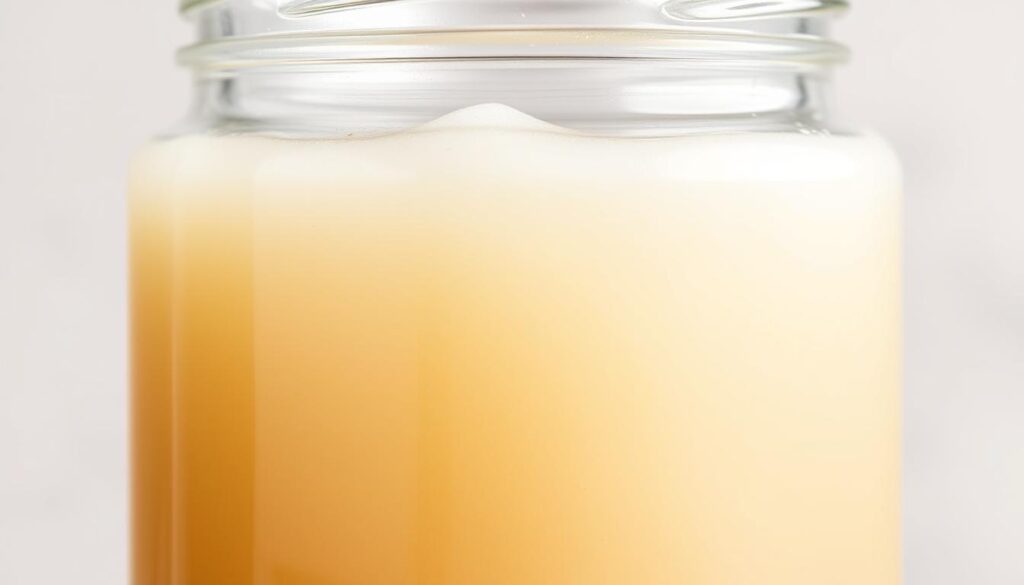
What about the famous gel test? If your refrigerated broth turns jelly-like, it contains enough gelatin to set at that concentration. That’s useful information, but it doesn’t prove the broth has superior mineral content or special healing properties.
For another perspective on the daily habit, explore our guide to drinking bone broth every morning.
How Bone Broth May Support Your Intestinal Lining
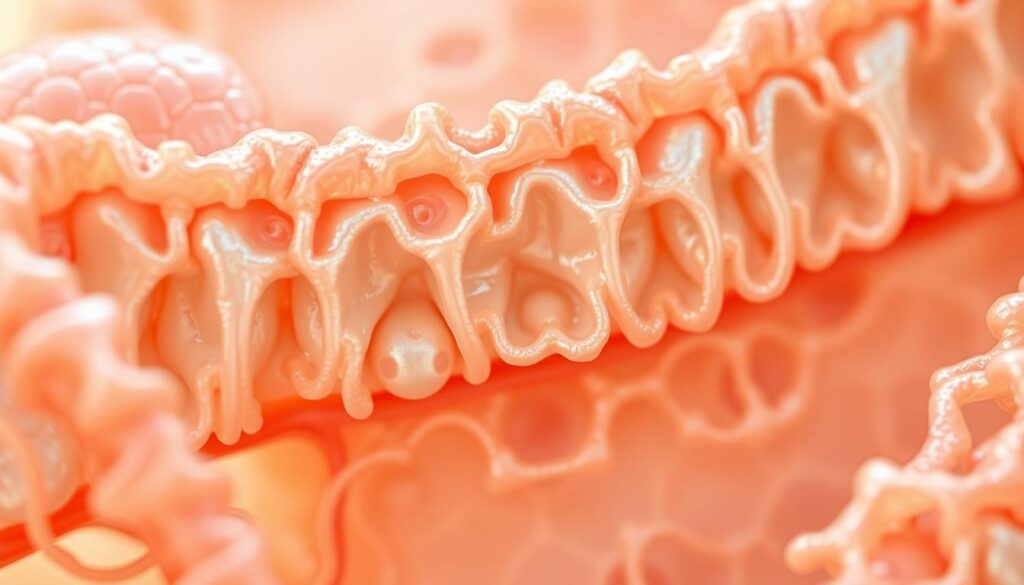
Your intestinal lining acts as a protective barrier. It helps your body absorb nutrients while controlling what passes from the digestive tract into the bloodstream.
Its surface includes closely connected cells and a protective mucus layer. The cells constantly renew themselves, using nutrients from your overall diet.
1. Collagen and Gelatin Supply Amino Acids
Collagen is a structural protein found in skin, bones, tendons, and other connective tissues. Cooking collagen-rich bones and tissues can release gelatin into the broth.
During digestion, your body breaks these proteins into smaller peptides and amino acids, including:
- Glycine: Involved in collagen production and many normal body processes.
- Proline: Important for making collagen and maintaining connective tissues.
- Glutamic acid: Used in normal cellular metabolism and related to the body’s production of glutamine.
These nutrients have biological roles, but they aren’t delivered directly to damaged intestinal tissue as a ready-made repair material. The body uses them according to its needs.
2. Animal Research Shows Interesting Results
A 2021 study published in Medicina tested beef bone broth in mice with experimentally induced colitis, an inflammatory condition affecting the colon.
Researchers found less tissue damage and changes in several inflammation-related markers among mice that received broth. The findings suggest possible biological effects worth studying further.
But mice aren’t humans. The study doesn’t establish that drinking bone broth treats ulcerative colitis, restores intestinal barriers, or reduces inflammation in people.
3. Human Evidence Is Still Limited
There’s another important issue: nutrient consistency. A study of bone broth’s amino acid composition found that common preparations supplied lower and less consistent amounts of key collagen-related amino acids than a reference dose of collagen supplements.
That means a cup of broth isn’t automatically equivalent to the collagen amounts used in supplement research.
Claims about fixing a “leaky gut” also deserve caution. Increased intestinal permeability is a real medical finding in certain conditions, but Cleveland Clinic explains that leaky gut syndrome isn’t an established standalone diagnosis.
The bottom line: Bone broth may contribute useful nutrients, but its ability to heal the human intestinal lining has not been established.
How to Make Bone Broth at Home
Homemade bone broth gives you control over the ingredients, flavor, and amount of added salt. You don’t need expensive specialty bones or a complicated recipe.

Ingredients
- 2–4 pounds of chicken or beef bones, including some joints or connective tissue
- Approximately 1 gallon of water, or enough to cover the ingredients
- 1 onion, 2 carrots, and 2 celery stalks
- 2–3 garlic cloves, optional
- Parsley, thyme, or bay leaves for flavor
- 1–2 tablespoons of apple cider vinegar, optional
- Salt and pepper to taste
Knuckles, feet, and joints contain connective tissue that can contribute gelatin. Marrow bones bring additional flavor and fat. You can combine different bones based on availability and your preferred taste.
Vinegar is commonly added to broth recipes, but strong evidence that a small amount greatly increases its mineral content is lacking. It’s optional, not a requirement for nutritious broth.
Step-by-Step Cooking Instructions
- Prepare the ingredients: Place the bones in a large pot and add the chopped vegetables and herbs.
- Add water: Cover the ingredients, leaving enough room to prevent boiling over.
- Bring to a boil: Reduce the heat to a gentle simmer. Skim off surface foam if desired.
- Cook slowly: Chicken bones may produce flavorful broth in 6–12 hours. Larger beef bones may be simmered for 12–24 hours.
- Strain carefully: Remove the solids with a fine-mesh strainer and discard the cooked bones.
- Cool promptly: Divide the broth into shallow containers, refrigerate, and skim off excess solidified fat if preferred.
A slow cooker can be convenient for longer cooking. Follow your appliance instructions, keep its lid in place, and use a proper cooking setting rather than the keep-warm function.
A pressure cooker can shorten preparation considerably. Follow the manufacturer’s liquid limits and cooking instructions; pressure cooking can still produce gelatin-rich broth.
How to Store Bone Broth Safely
Food safety matters more than achieving a perfect gel. The USDA’s leftovers guidance recommends:
- Refrigeration: Cool quickly in shallow containers and refrigerate within 2 hours of cooking.
- Refrigerator life: Use within 3–4 days at 40°F or below.
- Freezing: Freeze in individual portions; use within about 2–3 months for best quality.
- Reheating: Bring soups and broths back to a boil before serving leftovers.
Never leave a large pot sitting at room temperature overnight to cool. Refrigerating smaller portions promptly is safer.
For another recipe variation, see this homemade chicken bone broth recipe.
How to Choose a Good Bone Broth in U.S. Stores
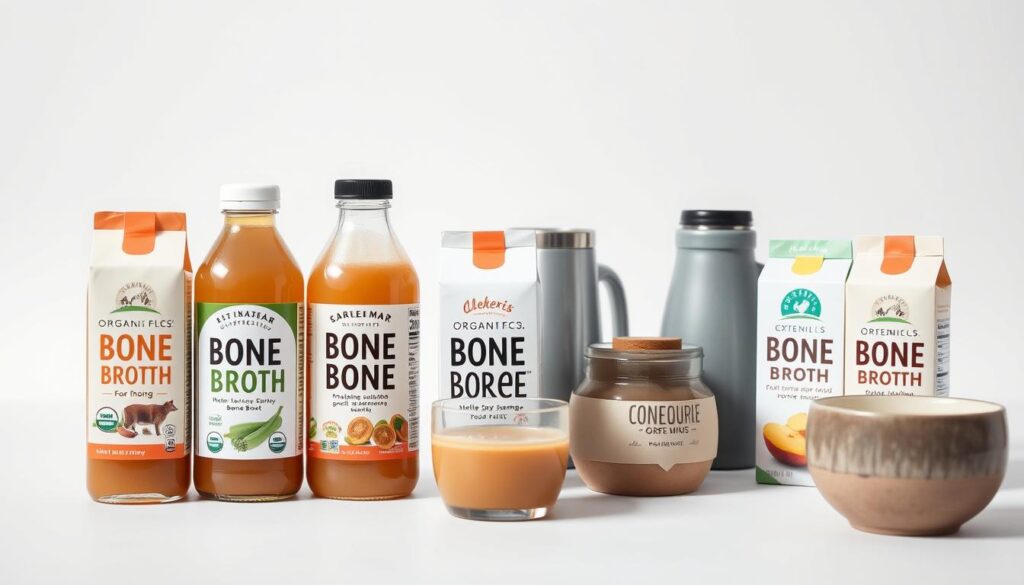
Ready-made bone broth is useful when you don’t have time for a long simmer. But a premium-looking carton doesn’t guarantee better nutrition or digestive benefits.
Start with the nutrition facts and ingredients rather than the marketing on the front.
Five Things Worth Checking
- Protein per cup: Compare actual grams on the nutrition label instead of assuming every bone broth contains the same amount.
- Sodium: Choose unsalted or lower-sodium versions if you want better control over salt intake.
- Ingredients: Look for recognizable ingredients and check for allergens or additives that bother you.
- Preparation: Long simmering may affect flavor and texture, but a claimed cooking time doesn’t prove health benefits.
- Value: Compare price per serving, not simply carton size or premium branding.
Comparing Bone Broth Formats
| Type | Main Advantage | What to Check |
|---|---|---|
| Ready-to-drink | Convenient for sipping or cooking | Sodium, protein, ingredients |
| Frozen broth | Useful for storing prepared portions | Storage instructions, ingredients |
| Powder or concentrate | Portable and easy to prepare | Protein source, sodium, additives |
| Collagen peptides | Concentrated collagen-derived protein | Serving size, formulation, purpose |
Important distinction: Collagen peptides aren’t the same thing as whole bone broth. They can provide concentrated collagen-derived protein, but they don’t replace the flavor, fluid, or other ingredients in broth. Neither product is proven to heal the gut.
Brands such as Brodo and Butcher’s Bone Broth are examples you may encounter, but judge the actual product by its label rather than assuming one brand is always superior.
Easy Ways to Include Bone Broth in Your Diet
You don’t have to drink plain broth every morning to enjoy it. It can work just as well as an ingredient in regular meals.

Here are five simple ways to use it:
- Sip it warm: Enjoy a small mug as a savory snack, especially when you prefer something light.
- Make vegetable soup: Add carrots, leafy greens, beans, or other vegetables you tolerate.
- Cook grains: Replace some cooking water with broth when preparing rice or quinoa.
- Prepare sauces: Use broth as a flavorful liquid in stews, braises, and gravies.
- Try a light meal: Combine broth with chicken, vegetables, and noodles or grains for a more complete dish.
How Much Bone Broth Should You Drink?
One cup is a practical starting serving, but there’s no scientifically established daily amount for intestinal repair. You could enjoy it a few times weekly or use it regularly in cooking.
Some broths provide a meaningful amount of protein, while others offer much less. Check the label rather than relying on a typical calorie or protein estimate.
For gut health, also make room for fiber-rich foods, varied protein sources, and adequate fluids. These support a more complete eating pattern than broth alone.
Does Bone Broth Offer Benefits Beyond Digestion?
Bone broth is also promoted for joints, muscles, sleep, skin, and weight management. Some of these claims come from research on individual amino acids or collagen supplements, rather than studies of the broth itself.

- Joint health: Collagen is important in connective tissues. However, supplement studies don’t establish that ordinary broth servings relieve joint pain.
- Muscle recovery: Broth contributes some protein, but it generally isn’t a complete replacement for protein-rich meals after exercise.
- Weight management: A relatively low-calorie broth may be a satisfying addition to meals. Its effects depend on your overall food intake.
- Sleep: Small studies of glycine supplements have reported potential improvements in sleep, but those results cannot automatically be applied to broth.
- Skin: Collagen supplement research offers mixed findings. Ordinary bone broth hasn’t been shown to reliably improve skin elasticity or reverse aging.
For a closer look at concentrated collagen products and their limitations, see our guide to collagen peptides.
Who Should Be Careful With Bone Broth?
Bone broth is generally a familiar food, but the ingredients and amount can matter for certain people.
- High blood pressure: Some commercial broths contain considerable sodium. Compare labels and choose lower-sodium options.
- Kidney disease: Protein, sodium, and mineral restrictions vary. Ask your kidney care team how broth fits your eating plan.
- Food allergies: Check for ingredients such as chicken, fish, shellfish, celery, or other allergens.
- Sensitive digestion: Onion, garlic, rich fat, or large servings may trigger discomfort in some people. Adjust the recipe to your tolerance.
If you have ongoing diarrhea, blood in your stool, unexplained weight loss, or persistent abdominal pain, seek medical evaluation rather than relying on broth to manage the symptoms.
Frequently Asked Questions
Can bone broth repair a damaged intestinal lining?
There isn’t enough evidence from human trials to confirm this. Bone broth provides nutrients used throughout the body, but that doesn’t prove it can repair intestinal damage or treat digestive diseases.
Does bone broth need to turn into jelly to be nutritious?
No. Gel formation suggests enough gelatin is present to thicken when cold. Broth that stays liquid can still contain protein and other nutrients.
Is chicken or beef bone broth better for gut health?
Neither has been proven superior for intestinal healing. Both can provide gelatin-derived amino acids. Choose according to taste, dietary needs, ingredients, and protein and sodium content.
Are bone broth powders as beneficial as homemade broth?
Powders can be convenient, but their composition varies. Some contain dehydrated broth, while others include collagen peptides and flavoring. Compare nutrition labels and ingredients rather than treating them as identical.
Can I drink bone broth every day?
Many people can include it regularly as part of a balanced diet. There’s no proven daily gut-healing dose, so choose an amount that fits your nutritional needs, sodium intake, and digestive tolerance.
Conclusion: Is Bone Broth Worth Adding to Your Routine?
Bone broth is worth enjoying if you like its taste, convenience, and nutritional contribution. It supplies fluid, flavor, and varying amounts of protein and amino acids. Those are useful qualities, even without a proven gut-healing effect.
Start with a homemade batch or a ready-made option with a suitable nutrition label. Add it to vegetable soups, sip it warm, or use it in everyday cooking.
Most importantly, keep your expectations realistic. Animal findings are interesting, but human research hasn’t shown that bone broth repairs the intestinal lining. A varied diet, appropriate digestive care, and sustainable eating habits matter more than any single food.
You don’t need bone broth for a healthy gut, but it can be an enjoyable part of a healthy routine.