


Waking up feeling puffy, stiff, or low on energy? A few minutes of gentle movement and slow breathing might help you feel more comfortable and refreshed. A 15-minute lymphatic yoga flow is an easy way to move your body without a demanding workout.
Your lymphatic system already works around the clock to manage fluid and support immune function. Unlike blood circulation, which has the heart as its main pump, lymph flow depends partly on muscle movement, breathing, and contractions within lymph vessels. Gentle yoga can support these natural processes.
This beginner-friendly routine combines belly breathing, neck stretches, gentle twists, supported bridges, and Legs Up the Wall. You only need a comfortable surface, a little space, and a wall. Yoga is not a proven quick fix for facial puffiness, an immune booster, or a treatment for medical swelling. However, it can offer a relaxing movement break that may help you feel better.
Key Takeaways
- Gentle movement supports normal lymph flow. Muscle contractions and breathing help lymph move through its vessels.
- Fifteen minutes is enough for a simple routine. Seven easy exercises cover breathing, mobility, light muscle activity, and relaxation.
- Reduced puffiness is not guaranteed. Mild fluid buildup may respond to movement or position changes, but persistent swelling needs evaluation.
- No special equipment is necessary. A wall, towel, chair, and comfortable mat are enough for most beginners.
- Comfort matters more than intensity. Avoid forceful stretches, breath-holding, and positions that cause pain or dizziness.
Helpful Products at a Glance
For optional support during seated stretches or a carefully modified supported bridge, the Gaiam Yoga Block provides a firm foam surface. A folded blanket may work just as well for seated comfort.
- Stability + Balance: Yoga Blocks Provide The Stability And Balance Needed In Your Practice To Help With Optimal Alignment, Deeper Poses And Increased Strength
- Durable Supportive Foam: These Lightweight And Supportive Foam Blocks Are Constructed Of A Durable Foam With A Nonslip Surface And Beveled Edges For Easy Gripping. Premium Blocks Are 50 Percentage Denser Than Standard Eva Blocks

What Is Lymphatic Yoga, and How Does It Work?
Lymphatic yoga is a wellness term for gentle poses, breathing exercises, and movements intended to support the body’s natural lymph circulation. It is not a separate medical treatment or a standardized form of yoga.
The idea is simple: move comfortably, breathe naturally, and avoid staying in one position for too long. These activities can assist normal fluid movement while helping you relax.
What your lymphatic system actually does
Think of your lymphatic system as part of your body’s fluid-management and immune-defense network. It includes tiny vessels, lymph nodes, and organs that work together to manage fluid and monitor potential threats.
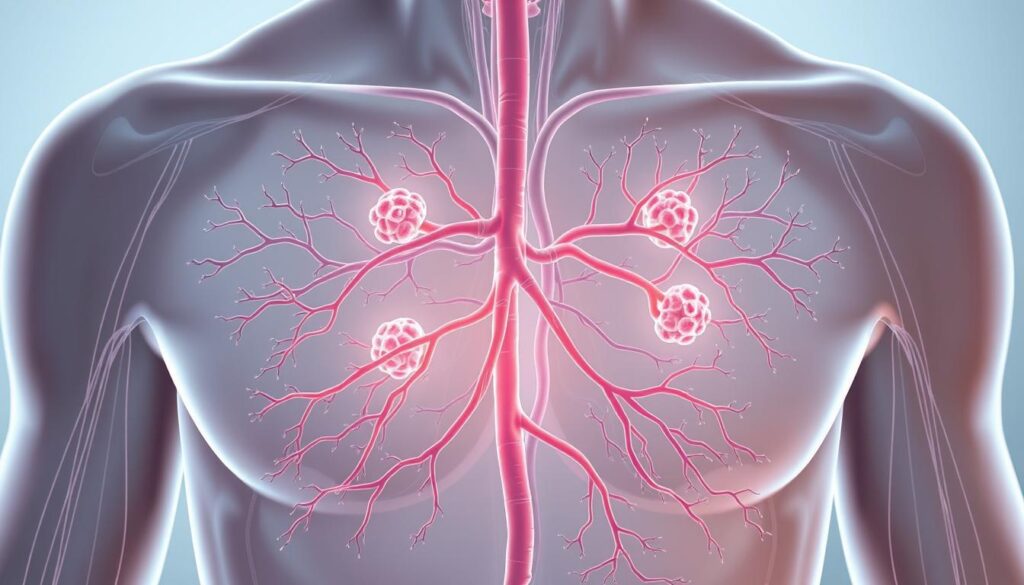
Its main functions include:
- Fluid balance: Collecting extra fluid from tissues and returning it to the bloodstream.
- Immune protection: Transporting immune cells and filtering lymph through lymph nodes.
- Fat absorption: Helping absorb certain fats and vitamins from the digestive system.
Lymph nodes are found throughout the body, with groups around the neck, armpits, abdomen, and groin. These are important parts of the system, but stretching near a lymph node does not automatically mean that you are draining it.
How breathing and movement help lymph flow
When your muscles contract, they create pressure around nearby vessels. One-way valves help keep lymph moving in the correct direction. Lymphatic vessels also have their own small contractions that help push fluid forward.
Your diaphragm, the main breathing muscle below your lungs, creates pressure changes in your chest and abdomen as you breathe. These changes can assist lymph and blood returning toward the heart.
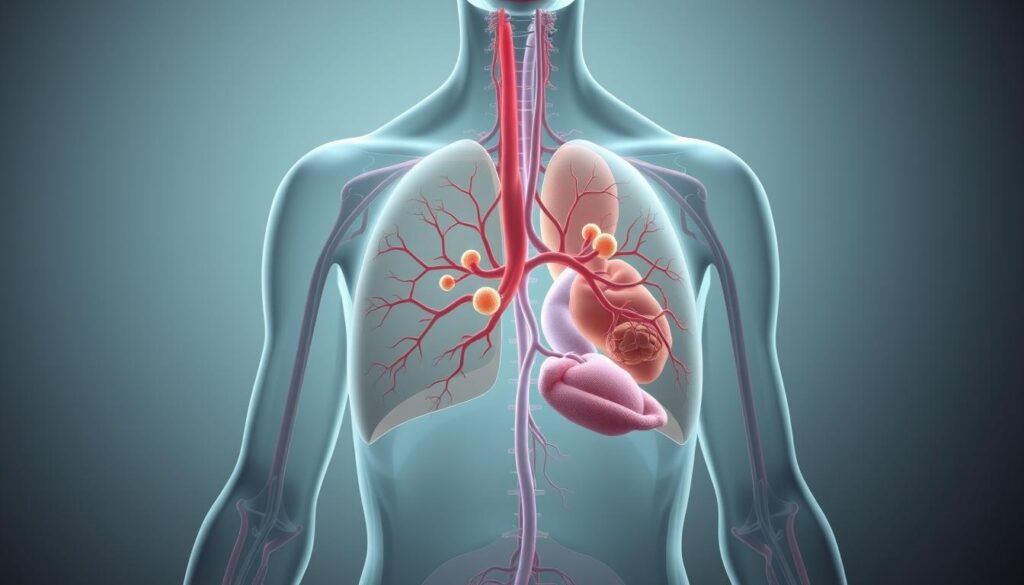
This explains why walking, ankle movements, relaxed breathing, and other gentle activities can be helpful. The National Cancer Institute also recognizes exercise as a way to support lymph movement in people receiving appropriate lymphedema care.
Can lymphatic yoga reduce puffiness or improve energy?
It depends on what is causing your symptoms. Elevating your legs or moving after sitting for a long time may help with some mild, temporary fluid buildup. Relaxed breathing and stretching may also leave you feeling less tense.
However, there is limited direct research showing that a particular 15-minute yoga sequence reduces facial puffiness, improves lymph drainage in healthy adults, or strengthens immunity. It should not be presented as a detox treatment.
Yoga has stronger evidence for certain general wellness benefits. The National Center for Complementary and Integrative Health reports that yoga may help with stress management, sleep, and overall well-being.
Before You Begin: Simple Setup and Safety
You do not need an expensive yoga studio or specialized lymphatic equipment. Choose a quiet area where you can stretch your arms and legs without hitting furniture.
What you will need
- Yoga mat or comfortable floor: Helps cushion your knees, back, and elbows.
- Rolled towel or folded blanket: Provides extra padding where needed.
- Clear wall: Useful for the Legs Up the Wall pose.
- Stable chair: Allows seated versions when floor movements are uncomfortable.
- Timer: Helps you follow the 15-minute sequence without watching the clock.
Optional support for more comfortable poses
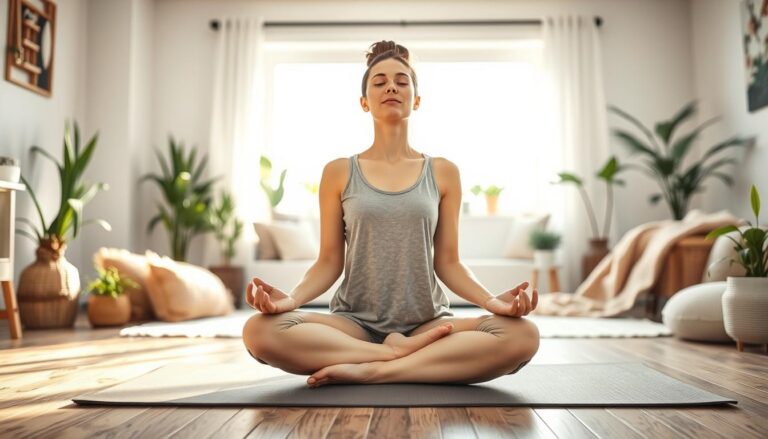
If you find sitting on the floor uncomfortable, raising your hips slightly can make seated breathing and neck stretches easier. Start with a folded blanket or firm cushion. A yoga block can also provide a stable raised seat if its size and firmness feel comfortable.
The Gaiam Yoga Block in Grey is made from EVA foam and measures approximately 9 x 6 x 4 inches. Its beveled edges and supportive construction are intended for yoga modifications. It can be useful during seated practice or certain supported poses, but it does not improve lymph drainage by itself.
During a supported bridge, an experienced practitioner may place a stable block beneath the sacrum, the broad bone at the base of the spine. Beginners can simply keep both feet on the floor and perform the regular bridge instead. Never press a hard block into the lower back or use a height that causes discomfort.
- Stability + Balance: Yoga Blocks Provide The Stability And Balance Needed In Your Practice To Help With Optimal Alignment, Deeper Poses And Increased Strength
- Durable Supportive Foam: These Lightweight And Supportive Foam Blocks Are Constructed Of A Durable Foam With A Nonslip Surface And Beveled Edges For Easy Gripping. Premium Blocks Are 50 Percentage Denser Than Standard Eva Blocks
- Modify + Align: Use Under Your Hands, Feet Or Seat (Meditation) To Ensure The Proper Alignment Needed In Order To Safely Support And Modify Poses To Suit Your Level Of Flexibility If You Feel Tight, Don'T Risk Injury And Grab A Block Or Two
- Extend + Deepen Stretches: Blocks Make For The Ideal Yoga Prop And Companion, As They Are An Important Tool In Your Practice To Help Extend, Support And Deepen Your Stretches While Also Working To Increase Your Range Of Motion
Who should modify or avoid this routine?
Gentle yoga is usually suitable for healthy adults, but certain medical conditions require extra care.
- Lymphedema or cancer treatment: Follow your clinician’s exercise and compression instructions. Cancer itself does not automatically rule out yoga, but treatment-related restrictions matter.
- Recent surgery, injury, or infection: Ask your healthcare team which movements are safe before beginning.
- Pregnancy: Modify prone poses and prolonged flat-on-the-back positions as advised by your maternity clinician.
- Uncontrolled blood pressure, glaucoma, or certain eye conditions: Get guidance before practicing inversions or positions that increase pressure in the head.
- Known or suspected blood clot: Do not attempt a drainage routine or self-massage. Seek medical assessment promptly.
Stop any movement that causes dizziness, sharp pain, unusual pressure, or worsening symptoms. You should never need to force a position to complete this routine.
Your 15-Minute Lymphatic Yoga Flow: 7 Easy Steps
Follow these seven movements in order, using comfortable breathing throughout. The sequence starts with relaxation, adds gentle muscle activity, and finishes with supported rest.
The times total 15 minutes, including brief transitions. If a pose feels uncomfortable, use the suggested modification rather than pushing through it.
1. Diaphragmatic Breathing — 2 Minutes
Begin lying comfortably on your back with your knees bent. You can also sit upright in a chair if that feels easier.
- Place one hand on your belly and the other on your upper chest.
- Slowly breathe in through your nose, allowing your belly to rise naturally.
- Breathe out gently without forcing the air out.
- Relax your shoulders and repeat at a comfortable pace.
Why it helps: Breathing moves the diaphragm and creates pressure changes that assist normal circulation. It can also help you settle into a calmer rhythm.
Modification: If you feel lightheaded, return to normal breathing. Do not hold your breath or try to make every inhale unusually deep.
2. Seated Neck Release and Shoulder Rolls — 2 Minutes
Sit comfortably with your spine upright and your shoulders relaxed.
- Slowly tilt your right ear toward your right shoulder.
- Hold for a few comfortable breaths without pulling your head.
- Return to the center and repeat on the left.
- Gently turn your head from side to side.
- Finish with slow shoulder rolls forward and backward.
Why it helps: These movements reduce stiffness and activate muscles around the neck and shoulders. They are not a substitute for professional treatment of head or neck swelling.
Modification: Keep your head centered and perform only shoulder rolls if neck movements cause discomfort.
3. Thread-the-Needle Pose — 2 Minutes
Move onto your hands and knees, placing a folded towel under your knees if needed.
- Keep your hips above your knees.
- Reach your right arm toward the ceiling with a gentle upper-body rotation.
- Bring that arm underneath your left arm.
- Lower your right shoulder toward the mat only as far as comfortable.
- Return slowly and switch sides after about one minute.
Why it helps: This pose gently moves your shoulders, upper back, and chest while encouraging natural muscle activity.
Modification: Sit in a chair and rotate your upper body gently instead. Avoid putting weight on an injured shoulder.
4. Gentle Sphinx Pose and Belly Breathing — 2 Minutes
Lie on your stomach and place your forearms on the mat beneath your shoulders.
- Keep your elbows close to your body.
- Lift your upper chest slightly without forcing your lower back.
- Relax your shoulders and breathe comfortably.
- Lower your chest if you feel pressure or pain.
- Repeat gentle lifts or rest in a comfortable prone position.
Why it helps: The position combines mild spinal movement with breathing. The benefit is gentle mobility, not direct stimulation of abdominal lymph nodes.
Modification: Skip lying on your stomach during pregnancy or when prone positions are uncomfortable. Practice seated belly breathing instead.
5. Gentle Bridge Pose — 2 Minutes
Roll onto your back, bend your knees, and place your feet flat on the floor about hip-width apart.
- Rest your arms beside your body.
- Press gently into your feet as you lift your hips a small distance.
- Keep your neck relaxed and your knees pointing forward.
- Hold briefly while breathing normally.
- Lower slowly and repeat several times with pauses.
Why it helps: A bridge activates muscles in your legs, hips, and lower body. These muscle contractions contribute to normal circulation.
Modification: Perform small pelvic tilts without lifting your hips if bridges bother your back. Do not add a support block unless you are comfortable with the positioning.
6. Legs Up the Wall — 3 Minutes
This restorative pose allows your legs to rest in an elevated position, which may feel comfortable after long periods of standing or sitting.
- Sit sideways near a clear wall.
- Lower your upper body and gently bring your legs toward the wall.
- Adjust your distance until your knees and hips feel comfortable.
- Let your arms rest beside you and breathe naturally.
- To exit, bend your knees, roll onto your side, and sit up slowly.
Why it helps: Leg elevation can assist fluid return from the lower limbs in some situations. However, it does not reliably treat all causes of swelling.
Modification: Rest your calves on a chair or keep your knees bent. Skip this position if you have been advised to avoid inversions, or if it causes head or eye pressure.
7. Reclined Twist and Final Relaxation — 2 Minutes
Finish by bringing your feet back to the mat with your knees bent.
- Gently allow your knees to move a short distance to one side.
- Return to the center and repeat on the other side.
- Continue slowly for about one minute.
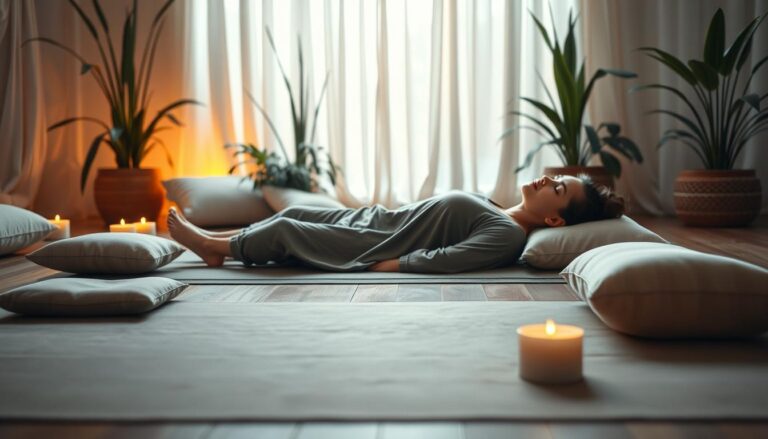
- For the final minute, rest comfortably with your knees bent or your legs extended.
- Relax your jaw, shoulders, and hands while breathing naturally.
Why it helps: Gentle twisting maintains comfortable movement, while the final resting period gives you a chance to notice changes in tension and breathing.
There is no good evidence that this resting position directly releases toxins or makes earlier lymphatic movements more effective. Its main purpose is relaxation.
Breathing and Movement Tips That Make the Routine Easier
You do not need complicated breathing patterns or strong pressure to practice effectively. Focus on comfortable movement and steady breathing.
Use a natural breathing rhythm
Try breathing in as you gently open your chest or lift into a pose, then breathing out as you return to a resting position. This can make movements feel more controlled.
Avoid forcing a specific breath count. There is no need to reach five or eight breaths per minute if that pace feels unnatural.
Add small movements to activate your muscles
Simple movements can provide useful activity without turning your routine into an intense workout. Between poses or during a seated break, try:
- Ankle pumps: Point your toes away, then gently pull them toward you.
- Ankle circles: Rotate each ankle slowly in both directions.
- Hand opening and closing: Make a light fist and spread your fingers apart.
- Heel raises: While seated or standing with support, lift and lower your heels.
- Shoulder rolls: Move your shoulders through a comfortable range.
These actions activate muscles in the arms and legs. The Leeds Teaching Hospitals NHS Trust includes gentle movement, breathing, and supported positioning in its guidance for people managing certain forms of swelling.
Should you add lymphatic self-massage?
Manual lymphatic drainage is a specialized technique that uses carefully directed skin movements. It is different from ordinary massage and should not involve deep pressure.
If you have diagnosed lymphedema, ask a certified lymphedema therapist to teach you the correct technique for your condition. Drainage direction and treatment areas depend on how your lymphatic system is functioning.
For a basic wellness routine, you can skip self-massage entirely. Avoid pressing into lymph node areas or massaging unexplained swelling. Gentle yoga does not require manual drainage to be worthwhile.
How Often Should You Practice Lymphatic Yoga?
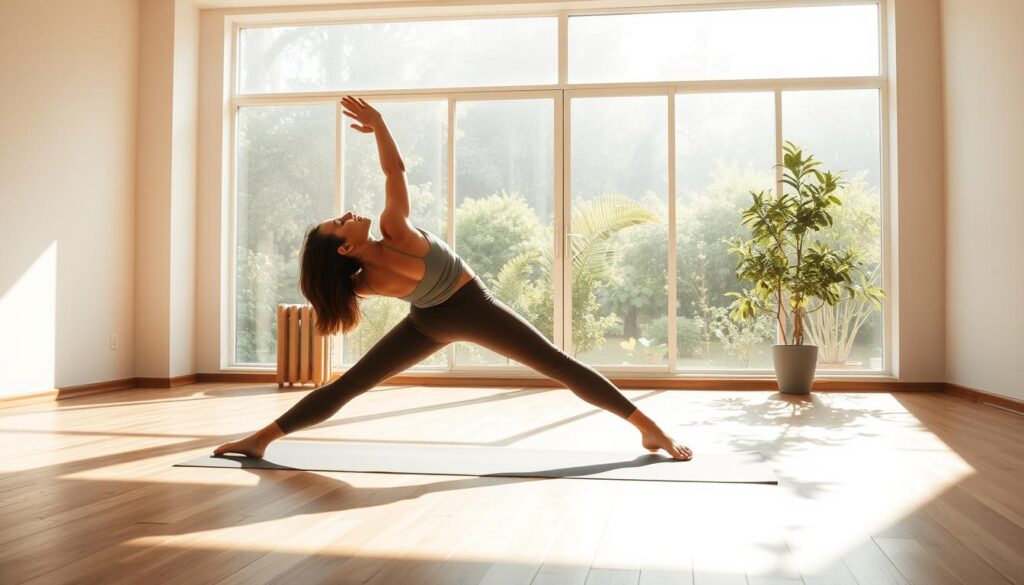
Start with three sessions per week if you are new to gentle yoga. You can practice more often when the movements feel comfortable, but there is no established frequency that guarantees better lymph drainage or stronger immunity.
Choose a schedule that fits your day rather than forcing yourself to complete the full sequence every time.
A simple weekly routine
- Monday, Wednesday, Friday: Practice the full 15-minute sequence.
- Tuesday and Thursday: Try five minutes of comfortable breathing, shoulder movements, and ankle pumps.
- Saturday: Enjoy a walk, easy cycling, or another comfortable physical activity.
- Sunday: Rest or repeat your favorite gentle movements.
You can also connect your practice to an existing habit. For example, stretch after your morning walk or practice relaxed breathing before bedtime.
Try this 6-minute version when you’re short on time
On busy days, choose a shorter sequence instead of skipping movement entirely:
- 2 minutes: Relaxed belly breathing.
- 2 minutes: Seated neck release and shoulder rolls.
- 2 minutes: Ankle pumps and gentle leg elevation, if appropriate.
Even without a full yoga session, regular breaks from prolonged sitting can help keep your muscles active.
What should you track?
Instead of expecting dramatic visible changes, pay attention to how you feel over several weeks.
- Are your neck and shoulders less stiff?
- Do you feel more relaxed after practicing?
- Are you sleeping comfortably?
- Is the routine becoming easier to complete?
- Do any movements consistently cause discomfort?
These observations can help you adjust the routine. They are not measurements of lymphatic function, and feeling better does not prove that your lymph system has become more efficient.
When Puffiness or Swelling Needs Medical Attention
Occasional mild puffiness can have several causes, including sleep position, prolonged sitting, or changes in salt intake. But not every swollen area is caused by ordinary fluid retention.
Contact a healthcare professional if you notice:
- Swelling that persists, returns often, or gets progressively worse.
- Unexplained swelling around your eyes, face, hands, or legs.
- Swelling along with unusual fatigue, skin changes, or other new symptoms.
- Redness, warmth, tenderness, or fever that could indicate infection.
Seek urgent medical evaluation for sudden swelling in one leg, especially with pain. Sudden chest pain, severe shortness of breath, or fainting requires emergency care. Do not try to treat these symptoms with yoga, elevation, or massage.
If you have chronic lymphedema, follow your prescribed management plan, which may involve compression, skin care, tailored exercise, and professional lymphatic drainage. See the NHS guidance on lymphedema treatment for an overview.
Frequently Asked Questions
Does lymphatic yoga really work?
Gentle movement and breathing can support normal lymph circulation. However, research has not established that a particular lymphatic yoga routine produces measurable drainage improvements in healthy adults. Its more reliable benefits may include comfortable movement, relaxation, and reduced stiffness.
Can 15 minutes of yoga reduce facial puffiness?
It is possible to notice temporary changes in how you look or feel, but a 15-minute routine is not proven to reduce facial puffiness. Results depend on the cause. Persistent or unexplained facial swelling should be medically evaluated.
Is walking better than yoga for lymphatic circulation?
Both involve muscle activity that helps support normal circulation. Walking provides repeated leg-muscle contractions, while gentle yoga adds stretching, breathing, and varied positions. There is not enough evidence to say this specific yoga flow is better than walking for lymph drainage.
Can lymphatic yoga help people with lymphedema?
Appropriately selected gentle exercises can be part of lymphedema management. However, people with this condition may need specific movement plans, compression garments, and precautions. Follow the instructions provided by your treating clinician or certified lymphedema therapist.
Should I practice in the morning or evening?
Either works. A morning session may help you loosen stiff muscles and ease into the day. An evening session may be useful for relaxation before bed. Choose whichever time makes regular practice easier.
Do I need to drink extra water to flush out toxins?
No special water-loading or detox routine is necessary. Drink enough fluid for your normal needs, taking any medical fluid restrictions into account. Your liver, kidneys, and other organs handle waste processing; yoga does not replace their function.
Can I do this routine every day?
Many healthy adults can practice gentle movements daily if they remain comfortable and pain-free. Start gradually and adjust when needed. Daily practice does not guarantee faster drainage, and more intense stretching is not automatically better.
Final Thoughts: Start Gently and Stay Consistent
A 15-minute lymphatic yoga flow can be a practical way to combine comfortable movement, relaxed breathing, and a short break from daily stress. You do not need complicated poses, special drainage equipment, or forceful stretching.
Start with breathing and two or three gentle movements if the entire routine feels unfamiliar. Add the remaining poses as your comfort improves. Keep walking and other enjoyable physical activity in your weekly routine rather than relying on yoga alone.
Your next step: Choose a comfortable time, prepare your mat and towel, and try the seven-movement sequence at your own pace. Focus on how your body responds rather than chasing a promised reduction in puffiness. If swelling is persistent, unexplained, or worsening, seek appropriate medical care instead of increasing your yoga sessions.


Don’t Miss These Picks