

Can a period tracking app help you understand your cycle without putting your private health information at risk? The right one can make tracking periods, symptoms, and mood changes easier. But not every app offers the same accuracy, features, or privacy protections.
Some apps, such as Clue and Flo, focus on cycle predictions and reproductive health education. Bearable helps you connect period symptoms with sleep, mood, and other health factors. Meanwhile, Embody and Euki offer options for people who want to keep more of their information on their own devices.
We’ve compared seven period tracking apps using their published features, privacy policies, independent research, and publicly available user experiences. This guide explains which apps suit different needs, what real users appreciate or dislike, and why cycle predictions should never be treated as guarantees.
Key Takeaways
- Clue: A strong all-around choice for science-based cycle tracking, clear predictions, and European privacy protections.
- Flo: Useful for people who want fertility insights, health education, and support across different reproductive life stages.
- Bearable: Particularly helpful for connecting menstrual symptoms with mood, sleep, medications, and long-term health patterns.
- Embody and Euki: Privacy-focused options that emphasize local data storage and greater control over sensitive information.
- Stardust: Offers engaging cycle and mood features, but independent privacy research published in July 2026 raised important concerns.
- Prediction accuracy: No ordinary calendar-based period tracker can reliably identify the exact day of ovulation or serve as dependable birth control.
Best Period Tracking Apps in 2026: Quick Comparison
There isn’t one perfect period tracker for everyone. Someone planning a pregnancy may need different features from someone monitoring PMDD symptoms or simply wanting reminders before their next period.

Here’s how the seven apps compare based on their main strengths and limitations.
| App | Best For | Main Limitation |
|---|---|---|
| Clue | Science-based cycle insights | Some advanced modes require Clue Plus |
| Flo | Fertility tracking and health education | Premium features and previous privacy concerns |
| Bearable | PMDD, mood, and symptom patterns | More detailed logging takes time |
| Embody | Private, offline-first cycle tracking | Less emphasis on advanced fertility predictions |
| Euki | Strong privacy with simple tracking | Limited automatic backup and syncing |
| My Calendar | Simple reminders and cycle logs | Features and privacy practices vary by app version |
| Stardust | Engaging cycle and mood tracking | Significant concerns about third-party data sharing |
Most of these apps offer free features, while some advanced tools require subscriptions. Prices, trial periods, and available features can change, so check the current app listing before subscribing.
How These Period Tracking Apps Were Evaluated
A useful comparison needs to look beyond attractive screens and app-store ratings. We considered four areas that matter when someone uses a tracker regularly.
- Cycle predictions: Does the app explain upcoming periods, fertile windows, or changing cycle patterns?
- Symptom tracking: Can users easily record cramps, bleeding, mood changes, sleep, and other relevant symptoms?
- Privacy: Where is information stored, what can be shared, and how much control does the user have?
- Everyday usability: Are reminders useful, entries easy to edit, and past records simple to review or export?
We also considered independent research and publicly shared experiences from communities such as Reddit. Those experiences help explain everyday frustrations, but they cannot establish medical accuracy or prove that every user will have the same results.
For privacy, one useful independent reference is the Mozilla Foundation’s 2026 app privacy research, which includes hands-on testing of several period trackers.
7 Best Period Tracking Apps Reviewed
1. Clue: Best for Science-Based Cycle Tracking
Clue is a menstrual health app developed by a Berlin-based company. It combines period predictions, symptom logging, cycle education, and privacy protections under European data protection law.
Clue can help users track bleeding, cramps, mood, sleep, and other experiences. Its predictions use recorded cycle information, while its analysis features help show patterns across previous cycles.
What stands out:
- Period, PMS, ovulation, and fertile-window predictions.
- Tracking for physical symptoms, mood, and sleep.
- Dedicated pregnancy and perimenopause modes.
- Privacy settings and protections under the GDPR.
- Options to review longer-term cycle patterns.
Clue also offers a Conceive mode designed for people trying to become pregnant. Its Perimenopause mode helps users record experiences such as hot flashes and sleep changes. These specialized modes are part of Clue Plus.
What users may dislike: Some advanced insights and life-stage features require a subscription. Its many tracking options may also feel unnecessary if you only want a simple monthly calendar.
Best fit: Someone who wants a research-informed period tracker with useful explanations and strong published privacy commitments.
2. Flo: Best for Fertility Features and Health Education
Flo combines period predictions with symptom tracking, reproductive health information, and fertility-related features. Its guided approach may appeal to people who want more explanations alongside their calendar.
Users can record bleeding, symptoms, and cycle changes. Flo also provides features related to pregnancy and different reproductive health needs.
Notable features include:
- Predicted periods and fertile windows.
- Symptom and mood recording.
- Educational articles about reproductive health.
- Pregnancy-related tools and content.
- An optional Anonymous Mode for additional privacy.
Flo’s Anonymous Mode separates health data from direct personal identifiers. However, the company explains that enabling it can limit certain features and affect account recovery.
Privacy history matters. In 2021, the U.S. Federal Trade Commission finalized a settlement over allegations that Flo had shared sensitive health information with outside analytics providers despite its privacy promises. Flo has since introduced additional privacy measures, but this history is worth considering.
You can read the FTC’s settlement announcement and Flo’s current privacy information.
Best fit: People seeking fertility-related insights, reproductive health education, and a guided tracking experience who are comfortable reviewing the privacy settings carefully.
3. Bearable: Best for PMDD, Mood, and Chronic Symptom Tracking
Bearable takes a broader approach than a standard period calendar. It helps users record how different symptoms and habits change together over time.
Instead of tracking only menstrual dates, you can log mood, energy, pain, sleep, medication use, and cycle information. That makes it particularly interesting for people dealing with recurring symptoms.
What makes Bearable useful:
- Customizable mood and symptom tracking.
- Menstrual cycle and period-phase logging.
- Medication, sleep, and energy records.
- Charts and insights for exploring possible patterns.
- Options to export information for healthcare appointments.
For example, someone experiencing low mood before their period can record symptoms over several cycles. Reviewing those entries may help them describe the timing and severity of symptoms to a clinician.
Bearable states that information is encrypted before cloud backup and that users can delete their records. Its cycle data is not simply stored locally on the phone.
What users may dislike: Recording many symptoms can become time-consuming. Some advanced analysis features also require payment, and a pattern shown in a chart does not prove that one factor caused another.
Best fit: Someone monitoring PMS, PMDD, chronic pain, or other symptoms who wants more than basic period predictions.
4. Embody: Best for Offline-First Menstrual Tracking
Embody focuses on menstrual awareness with privacy built into its basic design.
Unlike many services that depend on an online account, Embody is designed to work offline, with personal cycle information stored and encrypted on the user’s device.
Its main features include:
- Local encrypted storage by default.
- Period and symptom logging.
- Menstrual cycle education.
- Options for encrypted backup.
- Tracking without a required personal account.
One important distinction: local storage and cloud backup are not the same thing. Embody offers optional encrypted backup features, so users should check which backup settings are enabled and where copies are stored.
Its main strength is helping people record and understand their cycles without requiring all their health information to be kept on company servers.
What users may dislike: Someone seeking complex fertility calculations or extensive health integrations may find Embody less suitable than a feature-rich tracker.
Best fit: People who value offline access, privacy, and straightforward cycle awareness.
5. Euki: Best for People Who Put Privacy First
Euki is a privacy-focused reproductive health app with period and symptom tracking, educational information, and controls designed to minimize personal data collection.
It deserves attention because of the Mozilla Foundation’s independent testing in July 2026. Researchers found that its core cycle and symptom tracking did not appear to send the recorded health data to third parties.
Key advantages:
- No account required for basic use.
- Cycle and symptom information stays on the device.
- Optional PIN protection.
- Tools for deleting stored information.
- Reproductive health educational resources.
The main trade-off is convenience. Without automatic cross-device syncing, losing your phone or forgetting access information may mean losing your records.
Mozilla also found that some educational pages opened within Euki can load outside websites with their own tracking technologies. That is different from Euki sending the cycle information recorded in its core tracking features.
Best fit: Someone who wants basic menstrual tracking while sharing as little personal health information as possible.
6. My Calendar: Best for Simple Period Reminders
For people who only need a calendar, reminders, and basic symptom notes, a simpler app can be more practical than one filled with advanced analysis.
One example is Period Tracker – My Calendar from Leap Fitness Group on Android. It provides period records, cycle predictions, reminders, and options to record symptoms and other information.
Useful everyday features include:
- A calendar showing previous and predicted periods.
- Menstrual symptom and mood records.
- Reminders for periods and certain contraceptive routines.
- Optional additional information such as weight or temperature.
A simple design may make it easier to enter information consistently. That is useful because even sophisticated predictions have limited value when important dates are missing.
One caution: Several unrelated or differently published apps use names like My Calendar or Period Calendar. Their storage methods, advertising practices, and features are not necessarily identical. Check the exact developer and privacy information before installing.
Best fit: Someone who wants quick entries and helpful reminders without spending much time reviewing detailed charts.
7. Stardust: Best for Engaging Cycle Tracking, With Privacy Cautions
Stardust combines menstrual tracking, symptoms, and mood information with a playful style influenced by astrology and moon phases.
Its design may appeal to people who find traditional health apps too clinical. Users can explore cycle-related information, record symptoms, and use selected sharing features.
However, astrology-based explanations should not be confused with medically validated predictions. More importantly, privacy deserves special attention.
In July 2026, the Mozilla Foundation published an independent privacy review reporting that Stardust transmitted certain reproductive health details and symptom information through third-party data services.
Stardust stated that the data sent through RudderStack was not connected to information directly identifying users and that the service was used for its analytics system. Mozilla nevertheless raised concerns about the information being transmitted and the limited controls available to prevent that sharing.
Best fit: Someone who enjoys the app’s design and social features but has carefully considered its privacy trade-offs. People who prioritize minimal data sharing may prefer Euki or Embody.
Period Tracker Privacy in 2026: What You Should Actually Check
A period tracker may contain far more sensitive information than your next expected period date. Depending on what you enter, it could contain pregnancy concerns, sexual activity, symptoms, medications, or details about your reproductive health.
That’s why privacy deserves as much attention as convenience.
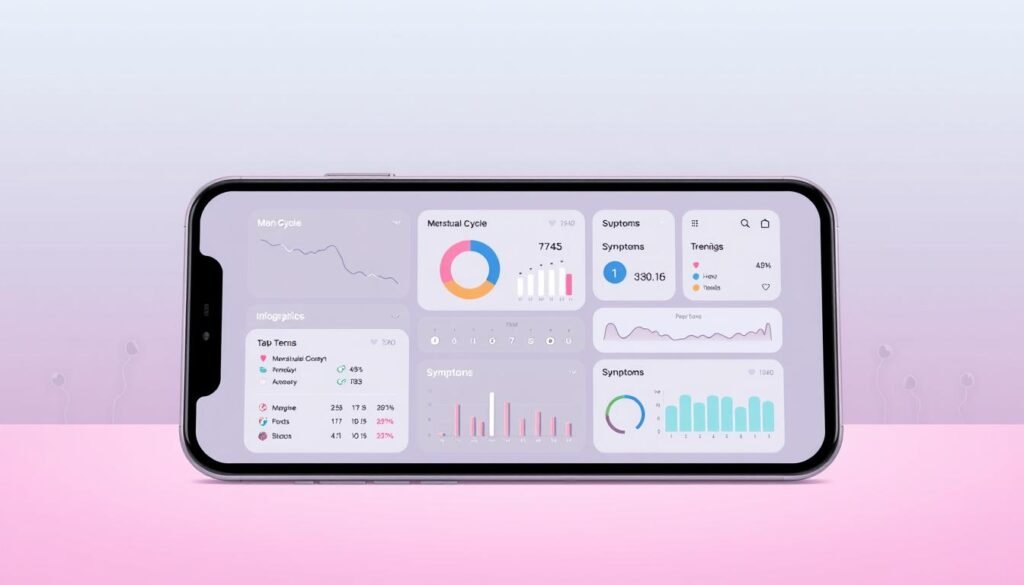
Local Storage vs. Cloud Storage
Local storage means your health records are kept on your device. Cloud storage generally means some information is stored or backed up on remote servers.
Neither approach is automatically perfect.
- Local-only storage: Can reduce exposure through company servers but may increase the risk of losing your records if your phone is lost or damaged.
- Cloud storage: Makes backup and syncing easier, but users depend on the company’s security and data-handling practices.
- Encrypted backup: Can protect stored information, although the type of encryption and who controls the keys matter.
- Anonymous modes: May separate identifying details from health records, but users should understand their limitations.
GDPR protection is also valuable, but it does not mean an app is immune to every legal request, security issue, or privacy risk. Similarly, a company being based outside the United States does not automatically make its records unreachable through legal processes.
Five Privacy Checks Before Installing an App
- Read the health data policy. Look for explanations of which information is collected and whether it is shared with advertising or analytics companies.
- Check where records are stored. Find out whether storage is local, cloud-based, or a combination.
- Review backup and sharing settings. Disable integrations you do not need.
- Look for deletion and export controls. Understand what happens to records when you delete the account.
- Protect your device. Use a strong screen lock and an app PIN when available.
For maximum privacy, also consider recording fewer sensitive details. You can track useful patterns without entering every part of your medical or personal history.
How Accurate Are Period Tracking Apps?
Most period trackers estimate upcoming dates using information from previous cycles. If your periods are fairly regular, those estimates may help with planning. But the exact dates can still change.

Accuracy becomes more complicated when apps attempt to predict ovulation. Ovulation does not always happen on the same day, even in someone whose cycle length usually stays similar.
A published study of calendar-based ovulation predictions found that cycle-length information alone could not accurately identify the day of ovulation. This does not mean every newer algorithm performs identically, but it shows why a predicted date should be treated as an estimate.
Can Temperature and Ovulation Tests Help?
People trying to conceive may benefit from recording additional fertility signs alongside their cycle history.
- Basal body temperature (BBT): A slight, sustained rise in resting body temperature can help identify that ovulation has likely occurred. It is more useful for recognizing a past pattern than predicting ovulation far in advance.
- Ovulation predictor tests: These detect a rise in luteinizing hormone (LH), which often happens before ovulation. A positive result does not guarantee that an egg was released.
- Cervical mucus: Changes in mucus can provide another clue about fertility, although interpreting those changes takes practice.
- Wearable data: Certain devices record temperature or sleep-related signals. Their usefulness depends on the device, app, and evidence supporting the particular prediction method.
For someone actively trying to conceive, a basic period app can serve as a record alongside these methods. You do not need to purchase specialized devices just to begin tracking your cycle.
Importantly, ordinary period predictions are not a reliable form of contraception. An FDA-cleared contraceptive app is a different category from a general menstrual calendar and must be used according to its specific instructions. The FDA explains the risks and limitations of software-based contraception.
What Real Users Like and Dislike About Period Tracking Apps
App descriptions explain features. User experiences show whether those features are practical during everyday life.
Discussions in communities such as r/PMDD reveal that people often care about issues that app marketing does not fully explain, such as whether symptom trends are easy to review or reminders are genuinely useful.
What People Appreciate
- Fast logging: Recording cramps, bleeding, or mood changes without navigating several screens.
- Clear patterns: Being able to see whether symptoms repeatedly appear at similar times of the month.
- Custom symptoms: Adding personal tracking categories rather than choosing only from fixed lists.
- Useful reminders: Notifications that help with planning without becoming overwhelming.
- Privacy controls: Knowing whether information stays on the device or is sent elsewhere.
Common Complaints
User feedback also reveals several recurring frustrations.
- Frequent subscription prompts interrupting ordinary tracking.
- Important charts or insights being locked behind premium plans.
- Too many fields making daily logging feel like work.
- Attractive dashboards that do not clearly summarize symptom trends.
- Uncertainty about who can access sensitive health information.
For example, one September 2026 Reddit discussion included a user who found Flo’s symptom analytics too limited for their needs. The same user appreciated Stardust’s detailed logging but struggled to find a clear overview of symptom patterns.
In another discussion about tracking symptoms, the main concern was not simply predicting the next period. It was understanding which symptoms happened most often during particular parts of the cycle.
Other users have recommended Bearable for its customization and broader health records, while noting that exporting and analyzing detailed information may not always be straightforward.
These are individual experiences, not controlled comparisons. They are most useful for identifying questions to ask before choosing an app.
Choosing an App for PMDD, PCOS, Endometriosis, or Perimenopause
Period tracking becomes particularly useful when it helps you communicate a clear history of symptoms. However, the best tracking fields depend on the health concern.
For PMS and PMDD
Track symptoms such as irritability, sadness, anxiety, sleep changes, and physical discomfort alongside period dates.
It helps to record both the symptom and its severity. For example, a simple rating from 0 to 3 can show whether mood changes are mild or interfere with daily activities.
Keeping daily records across at least two or three months can help reveal repeating patterns. ACOG recommends recording symptoms and period dates when evaluating premenstrual symptoms.
Bearable may be useful when detailed symptom tracking is the priority. Clue can work well when you also want an easy-to-follow menstrual calendar.
For PCOS or Endometriosis
Irregular cycles and recurring pain can make simple predictions less useful. Focus instead on recording:
- When bleeding starts and ends.
- Changes in flow and spotting.
- Pain severity and location.
- Symptoms affecting sleep or daily activities.
- Medication use and relevant treatment changes.
Records can help with healthcare conversations, but an app cannot confirm PCOS, endometriosis, or the cause of pelvic pain.
For Perimenopause
Cycles may become less predictable during perimenopause. A useful tracker should let you record changing period dates alongside hot flashes, sleep difficulties, and mood changes.
Clue offers a dedicated Perimenopause mode through Clue Plus. More flexible symptom trackers may also help when your main goal is monitoring day-to-day experiences rather than predicting the next period.
How to Get Useful Insights Without Spending Too Much Time Logging
You do not need to record dozens of measurements every day to benefit from period tracking. A few consistent entries can provide a practical starting point.

Try this simple routine:
- Start with your period dates. Record the first day, final day, and any noticeable bleeding changes.
- Add two or three meaningful symptoms. Choose what matters to you, such as cramps, mood, or sleep.
- Record severity when useful. This can make a chart easier to interpret than a simple yes-or-no symptom entry.
- Review patterns monthly. Look for repeated changes rather than drawing conclusions from one unusual day.
- Prepare a short summary for appointments. Include dates, symptom patterns, and how symptoms affect daily activities.
Tracking can also help you plan around days when you usually feel less comfortable. However, there is no need to follow rigid exercise or eating rules based only on predicted cycle phases.
If you’re interested in adapting exercise to how you feel throughout the month, read our cycle syncing guide. Treat your actual energy and symptoms as more useful than an app’s generalized phase-based recommendations.
When Period Tracking Should Lead to a Healthcare Visit
An app can make changes easier to recognize, but it cannot determine whether those changes are harmless or require treatment.
Contact a healthcare professional if you experience:
- Periods that suddenly become very irregular or stop without an expected explanation.
- Repeated unusually heavy bleeding or bleeding between periods.
- Menstrual pain that regularly prevents normal activities.
- Severe mood changes that interfere with relationships, work, or safety.
- New or persistent symptoms during perimenopause that are difficult to manage.
Severe pelvic pain, fainting, or very heavy bleeding with weakness or dizziness may require urgent medical assessment. Severe pain or bleeding when pregnancy is possible also needs prompt evaluation.
Tracking is most valuable when it helps you explain what has been happening, not when it encourages you to delay needed care.
Frequently Asked Questions
What is the best free period tracking app in 2026?
It depends on your needs. Clue offers basic cycle tracking, while Euki focuses on privacy and local records. Simpler calendar apps may suit people who mainly want period reminders. Free features can change, so review the current version before choosing.
Which period tracking app is best for privacy?
Euki is a strong option for privacy-focused users, supported by favorable independent testing from Mozilla in July 2026. Embody is another option because it emphasizes offline-first tracking and local encryption. Both involve trade-offs related to backup and device changes.
Which app is best for PMDD symptom tracking?
Bearable is worth considering because it supports detailed mood, sleep, medication, and symptom records. Clue is another option for people who want to see symptoms alongside cycle dates. Neither app can diagnose PMDD on its own.
Can a period tracking app tell me exactly when I ovulate?
No. Calendar-based predictions estimate possible ovulation dates, but actual ovulation varies. Ovulation predictor tests and temperature records can provide additional information when used correctly, although they also have limitations.
Can I use a period tracking app to avoid pregnancy?
Do not rely on an ordinary period calendar or its predicted fertile days as birth control. Apps specifically cleared for contraception are different products with their own instructions, eligibility limits, and pregnancy risks. Discuss suitable contraceptive options with a healthcare professional.
Do period tracking apps sell personal health data?
Policies differ. Some companies state they do not sell personal information, while others use advertising or analytics services. Sharing data with another company does not always mean selling it, but it can still create privacy risks. Review the current policy and any independent findings before entering sensitive information.
Many trackers offer some form of export or historical view, although formats and availability vary. A simple list of period dates, important symptoms, severity, and medication changes may be enough to make an appointment more productive.
Are period tracking apps suitable for teens or nonbinary users?
Some offer customizable symptoms, less gendered language, and different tracking modes. Clue, for example, provides a tracking mode for people who do not menstruate but want to monitor other health patterns. Check age requirements, privacy controls, and whether the app’s language and features suit your needs.
Final Verdict: Which Period Tracking App Should You Choose?
For an all-around menstrual tracker, Clue is a strong starting point. It combines cycle predictions, education, and established European privacy protections without making the experience entirely about fertility.
If you’re trying to connect periods with mood, sleep, pain, or medication changes, Bearable may be more useful. Flo is worth exploring for reproductive health education and fertility-related features, provided you’re comfortable with its data practices.
For people whose first concern is keeping reproductive health records private, Euki and Embody deserve particular attention. Stardust offers an engaging experience, but its documented privacy concerns make it harder to recommend for sensitive information.
Start by choosing one app that matches your main goal. Record a few useful details consistently, review your privacy settings, and see whether the information actually helps you understand your cycle or prepare for healthcare visits.
The best period tracking app isn’t necessarily the one with the most features. It’s the one that makes recording your health easy, gives you understandable information, and respects the level of privacy you need.