

What if your daily walk could become a simple way to calm your mind, improve focus, and support your physical health?
Walking meditation combines gentle movement with mindful attention. Instead of walking while thinking about your next task, you focus on your steps, breathing, and surroundings. You can practice in a park, at home, or even along a quiet office hallway.
Research suggests that mindful walking may help reduce stress and anxiety, improve balance, and support certain measures of physical health. However, studies are generally small, and not every benefit has been proven.
This guide explains what science actually shows, how walking meditation differs from ordinary walking, and how to build a comfortable routine in just 5–10 minutes a day.
Key Takeaways
- Walking meditation combines mindfulness and movement. It trains you to notice your steps, breathing, and surroundings without judging your thoughts.
- Stress and anxiety may improve. Small clinical studies suggest benefits, although stronger research is needed.
- Physical benefits depend partly on your walking pace. Regular activity supports heart health, while mindful walking may also help with balance and body awareness.
- You don’t need special equipment. Comfortable footwear, a safe walking area, and a few minutes are enough.
- Consistency matters more than perfection. Start with 5–10 minutes and gradually increase your practice as it becomes comfortable.
What Is Walking Meditation?
Walking meditation is a form of mindfulness in which you pay close attention to the experience of walking. Rather than trying to stop your thoughts, you gently bring your attention back to what your body is doing.
You might notice your heel touching the ground, your weight shifting forward, or the feeling of air against your skin. These ordinary sensations become points of focus that help bring your attention to the present moment.
The practice has roots in Buddhist traditions and is related to other forms of mindful movement. For example, Theravada walking meditation often uses a straight path, while Japanese kinhin involves slow, deliberate walking between periods of seated meditation.
Walking Meditation vs. Regular Walking
Both involve moving your body, but your main purpose is different.
- Regular walking: You may focus on reaching a destination, exercising, talking, or listening to something.
- Walking meditation: You intentionally notice each step, your breathing, and your surroundings.
- Seated meditation: You practice awareness while sitting relatively still, often using your breath or bodily sensations as an anchor.
There’s no need to choose only one. A brisk walk can provide exercise, while a short period of slower, mindful movement offers a chance to practice attention.
Four Walking Meditation Formats
Different formats work in different places. Choose one that matches your space, comfort, and experience.
| Format | Where to Practice | Main Focus |
|---|---|---|
| Straight-line walking | Home or hallway | Foot contact and gentle turns |
| Circular walking | Open room or meditation space | Slow pace and steady posture |
| Labyrinth walking | Garden or designated path | Following a winding route |
| Long-route walking | Park, trail, or sidewalk | Breath and surrounding sensations |
If you’re new, straight-line walking is an easy starting point. Choose a clear, level path and walk back and forth without rushing.
Walking Meditation Benefits for the Brain and Mental Health
Mindful walking may support emotional well-being by combining two useful activities: physical movement and focused attention.
Still, it’s important to separate findings about walking meditation from research on meditation or exercise in general.
1. May Reduce Stress and Anxiety
When you’re stressed, your attention often moves toward worries about the past or future. Walking meditation gives you something immediate to focus on: the sensations of moving.
A 2018 randomized trial involving 110 young adults compared walking, meditation, their combinations, and an inactive control. Anxiety decreased after meditation alone and after sessions combining meditation with walking. Walking alone did not show the same significant reduction.
Importantly, that study examined walking and meditation in sequence, not walking meditation as one continuous activity. It supports the possible value of combining the two but does not prove that mindful walking works better than ordinary walking.
Another 2019 randomized study involving 84 people with chronic obstructive pulmonary disease (COPD) found improvements in anxiety, depression, breathlessness, and quality of life after a two-month program combining breathing, walking, and meditation.
These findings are encouraging, although results from specific groups cannot automatically be applied to everyone.
2. Helps You Practice Attention and Awareness
Have you ever finished a walk without remembering much of the journey? That’s an example of moving on autopilot.
Walking meditation encourages you to notice what is happening right now. Each time your attention wanders and you bring it back, you’re practicing deliberate attention.
For example, you might notice:
- The pressure beneath your feet.
- The movement of your legs and arms.
- The rhythm of your breathing.
- A nearby sound without becoming distracted by it.
This practice may help you become more aware of distractions during everyday activities. However, evidence that walking meditation prevents memory loss or slows brain aging remains insufficient.
3. May Support Mood and Sleep
A quiet walk can provide a break from repetitive thoughts, while physical activity can help improve mood and sleep.
The National Center for Complementary and Integrative Health (NCCIH) reports that mindfulness practices may help with anxiety, depression, and sleep problems. However, the quality of research varies, and much of it does not specifically examine walking meditation.
If your mind feels busy before bedtime, a gentle evening walk may be worth trying. Keep the pace comfortable and observe whether it helps you unwind.
Physical Benefits: Heart Health, Blood Sugar, and Balance
Walking meditation also gets your body moving, which can support physical health. But there is an important distinction: very slow meditative walking does not necessarily provide the same cardiovascular workout as brisk walking.
4. Supports Heart and Metabolic Health Through Movement
Regular walking can improve cardiovascular fitness and help manage blood sugar. The physical benefits depend on your pace, duration, fitness level, and consistency.
A small 2016 randomized study of 23 adults with type 2 diabetes compared traditional treadmill walking with Buddhist walking meditation over 12 weeks.
Both groups improved aerobic fitness and fasting blood glucose. The walking meditation group also showed improvements in certain blood pressure, HbA1c, and vascular measures that were not statistically significant in the traditional walking group.
However, the study was too small to establish that walking meditation is generally superior. These results do not mean it can replace prescribed treatment or a regular exercise program.
For broader physical health, the CDC recommends at least 150 minutes of moderate-intensity activity per week for most adults, along with muscle-strengthening activities on two days.
You can combine a short mindful warm-up with brisk walking. At moderate intensity, you should generally be able to talk but not sing comfortably.
5. May Improve Balance and Body Awareness
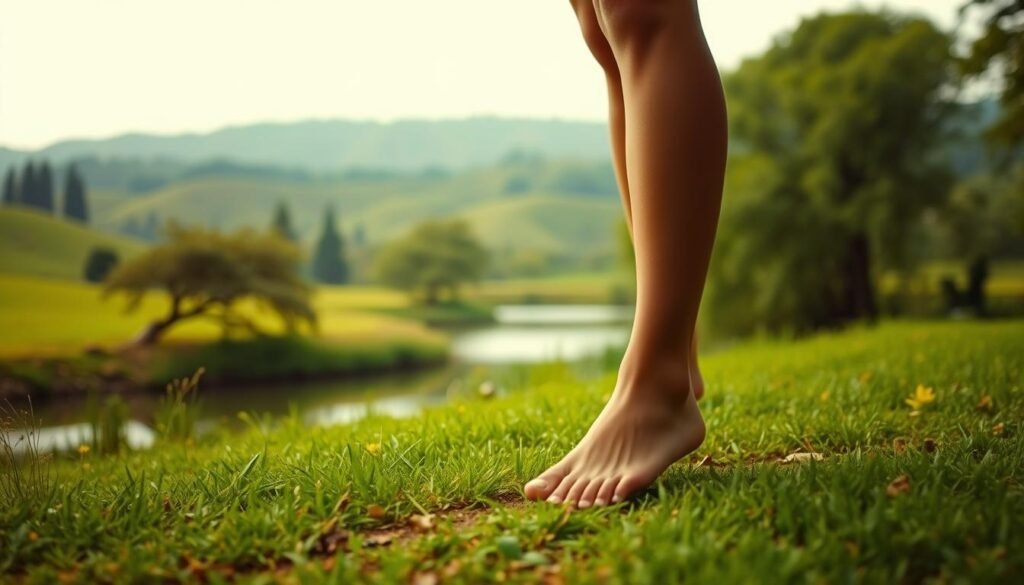
Slow, controlled walking encourages you to notice how your weight shifts between your feet. This may help improve your awareness of body position and movement.
A 2022 randomized trial involving 68 older adults with a history of falls compared walking meditation with balance training. After 24 weeks, the researchers found no significant differences between the groups on their main balance measures.
Walking meditation may therefore offer an alternative form of balance practice for some older adults. However, the findings do not establish that it prevents falls, and people with poor balance may still need supervised exercises.
6. May Help With Mobility and Pain Awareness
Mindful movement can help you notice muscle tension, posture, and signs of discomfort earlier. Some people may find this useful when managing mild stiffness or returning to gentle activity.
But walking meditation has not been proven to treat chronic pain or protect joints from injury. Move within a comfortable range, avoid forcing a particular walking pattern, and stop if symptoms worsen.
How to Practice Walking Meditation: 7 Simple Steps
You can begin without any special training. Find a quiet, safe space where you can walk for a few minutes without needing to watch traffic or avoid obstacles.
Step 1: Choose a Comfortable Place
Start with a flat, uncluttered path. A hallway, garden, park path, or quiet room works well.
Wear comfortable clothing and footwear suited to the surface. You don’t need a special meditation mat or expensive walking shoes if your current footwear is comfortable and provides adequate traction.
Step 2: Pause and Notice Your Breathing
Before moving, stand comfortably and take a few natural breaths.
Notice how your chest or abdomen moves. Keep your shoulders relaxed and avoid taking unusually deep breaths or holding your breath.
Step 3: Begin Walking Slowly
Take a few comfortable steps. Notice the sensations of lifting your foot, moving it forward, and placing it on the ground.
Keep your eyes open, knees relaxed, and posture natural. There’s no need to exaggerate your movements or force a heel-to-toe pattern.
Step 4: Use a Simple Attention Anchor
Choose one sensation that helps you stay focused:
- Footsteps: Feel each foot touching the ground.
- Breathing: Notice your natural breathing rhythm.
- Counting: Silently count steps from one to ten, then begin again.
- Sounds: Notice nearby sounds without following every distraction.
If comfortable, experiment with breathing in over three steps and out over three steps. This is optional, not a breathing target. Let your breath find its own rhythm if counting feels uncomfortable.
Step 5: Notice Your Body and Surroundings
As you walk, briefly notice your legs, hips, shoulders, hands, and face. Are you holding unnecessary tension anywhere?
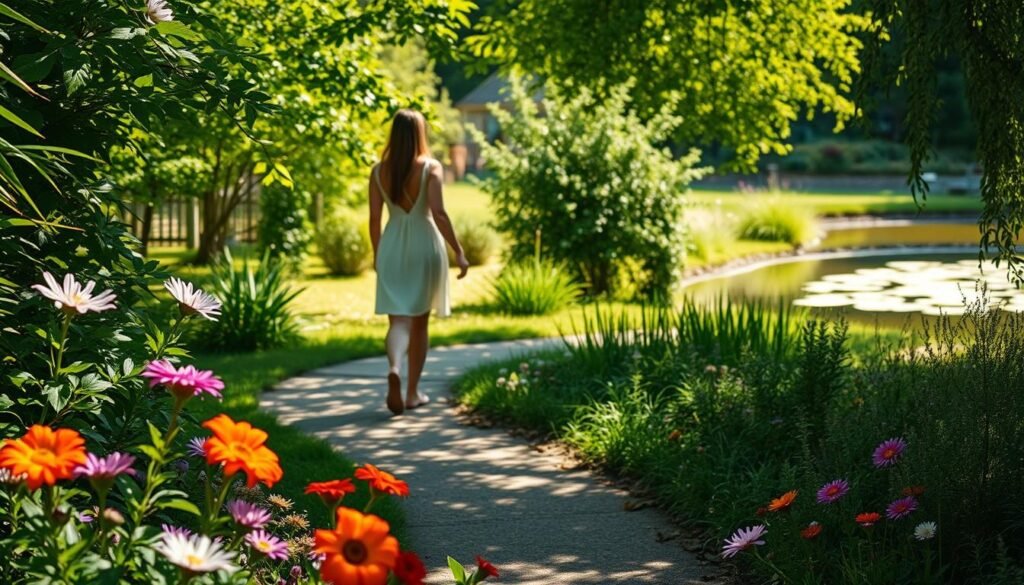
Then notice the air, temperature, sounds, and colors around you. You don’t need to identify something from every sense. Simply become aware of what is already present.
Step 6: Gently Return When Thoughts Wander
Your mind will naturally drift toward plans, memories, and worries. That doesn’t mean you’re doing anything wrong.
When you notice a distraction, silently name it if helpful: “thinking,” “planning,” or “worrying.” Then gently return attention to your next step.
The goal isn’t to empty your mind. It’s to notice when your attention wanders and practice returning.
Step 7: Finish With a Short Check-In
Slow down, stop somewhere safe, and take a moment to notice how you feel.
Ask yourself whether your breathing, mood, or muscle tension feels different. You don’t have to feel peaceful every time. Simply recognizing your experience is part of the practice.
A Simple 10-Minute Walking Meditation Routine
Here’s an easy schedule you can follow during your first few sessions:
- Minutes 0–1: Stand comfortably and notice your breathing.
- Minutes 1–3: Begin walking and focus on foot contact.
- Minutes 3–6: Notice your body, sounds, and surrounding sensations.
- Minutes 6–8: Practice returning attention whenever thoughts wander.
- Minutes 8–10: Continue comfortably, slow down, and finish with a brief check-in.
A phone timer with a gentle sound can mark the end of your session. You can also use a wall clock or simply stop when it feels appropriate.
For additional guidance, explore the walking meditation exercise from Greater Good in Action at the University of California, Berkeley.
Where Should You Practice Walking Meditation?
You don’t need a beautiful forest or meditation center. The most useful place is somewhere comfortable and safe that you can visit regularly.
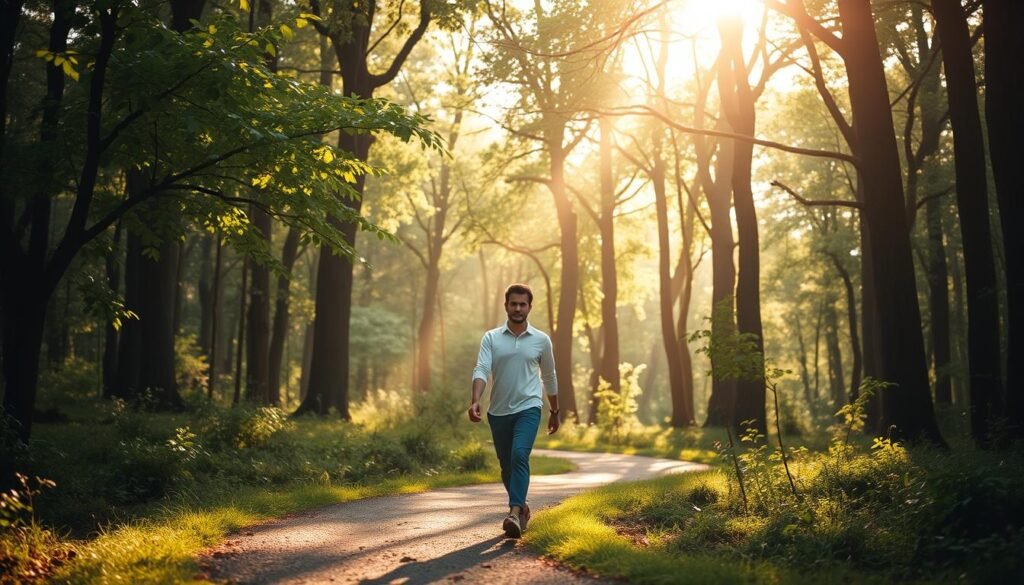
Nature Trails and Parks
Parks offer natural sounds, changing light, and outdoor sensations that can serve as attention anchors. Notice leaves moving, birds calling, or the feeling of a breeze.
Choose a familiar, level trail when beginning. Uneven ground, tree roots, and slippery surfaces require your full attention.

At Home or in the Office
An indoor hallway is a practical option during bad weather or busy days.
Walk slowly across a clear area, pause before turning, and repeat. Pay attention to posture, gentle weight shifts, and the floor beneath your feet.
City Sidewalks
Urban walking can also be mindful, but traffic and other hazards come first. Keep your eyes open, follow pedestrian signals, and pay attention when crossing streets.
Instead of focusing deeply on each footstep near traffic, use broader awareness of your surroundings. Save slower, more inward-focused practice for a safer location.
Walking Meditation Variations to Keep Things Interesting
Once you’re comfortable with basic mindful walking, try a different focus to keep your routine engaging.
Gratitude Walking
During a five-minute walk, think of three things you appreciate. They might be supportive relationships, a recent accomplishment, or something pleasant you notice outside.
Return attention to your steps between each reflection. Gratitude is optional; you don’t need to force positive thoughts when you’re having a difficult day.
Nature-Focused Walking
Choose a safe outdoor route and notice the colors, textures, sounds, and smells around you.
If your attention drifts toward daily worries, gently return to a nearby sound, the movement of leaves, or the feeling of your footsteps.
Energizing Mindful Walking
Walk at a slightly quicker but comfortable pace while noticing your posture and breathing.
You can use a brief encouraging phrase, such as “one step at a time.” If you enjoy music, keep the volume low enough to remain aware of people and traffic.
Walking With a Friend
Try walking quietly together for five minutes, then share what you noticed afterward.
This allows you to combine mindful attention with social connection without turning the entire walk into a conversation.
Walking Meditation for Older Adults and People With Limited Mobility
Mindfulness practice can be adapted when standing or walking is difficult. The movements may change, but you can still focus on breathing, posture, and physical sensations.
Chair-Based Mindful Movement
If walking is uncomfortable or unsafe, try the following seated routine using a sturdy, stable chair:
- Sit upright with your feet supported and shoulders relaxed.
- Notice your breathing for about one minute.
- Slowly lift and lower one heel, if comfortable.
- Repeat with the other foot, or gently move your hands and arms.
- Notice the sensations of moving, then return to your breathing.
Try this for 3–5 minutes initially. Keep movements gentle and avoid anything that increases pain or dizziness.
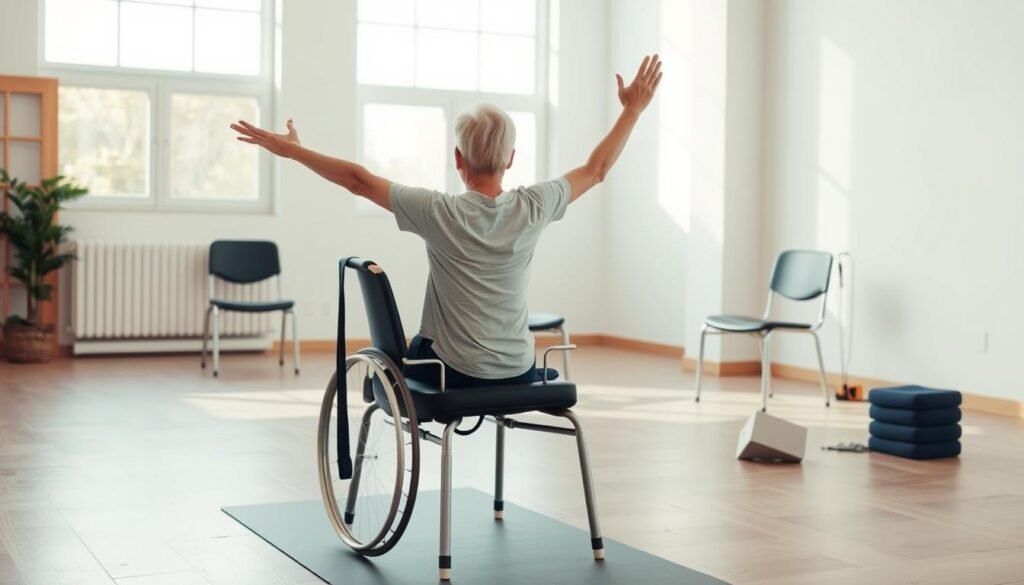
Chair-based mindfulness can provide an accessible way to practice awareness, but it does not necessarily offer the same exercise or balance benefits as walking.
Combine Walking With Seated Meditation
You can also alternate between the two approaches:
- 5 minutes: Sit comfortably and notice your breathing.
- 5 minutes: Walk slowly, focusing on your steps.
- 2 minutes: Sit again and notice any changes in attention or comfort.
People with significant balance problems, recent falls, or mobility limitations may benefit from individualized guidance from a physical therapist.
How to Make Walking Meditation a Daily Habit
You don’t need long sessions to begin. A manageable routine is easier to repeat than an ambitious plan that doesn’t fit your day.
A Two-Week Beginner Plan
- Days 1–3: Practice for 5 minutes, focusing mainly on your footsteps.
- Days 4–7: Continue for 5–10 minutes and introduce sounds or breathing as attention anchors.
- Days 8–10: Try a different setting or one of the themed variations.
- Days 11–14: Build toward 10–15 minutes if comfortable, or maintain your current duration.
After two weeks, you can gradually work toward 20–30 minutes if you enjoy the practice. There’s no established minimum session length that guarantees measurable results.
Track What Actually Matters
A short journal can help you recognize changes without turning meditation into another demanding task.
After each session, consider recording:
- How many minutes you practiced.
- Your mood before and after walking.
- Whether you noticed tension or discomfort.
- How easy or difficult it felt to return your attention.
- Any changes in sleep or daily stress over several weeks.
Step counts can help track physical activity, but they do not measure mindfulness. You can use a phone or a step counter if you already have one, or simply record your walking time.
Walking Meditation Safety Tips
Walking meditation is generally a gentle activity, but it still requires attention to your physical abilities and surroundings.
- Choose safe surfaces: Avoid slippery floors, uneven paths, and cluttered spaces, especially when moving slowly.
- Keep your eyes open: Do not close your eyes while walking, particularly outdoors.
- Maintain natural breathing: Never force breathing patterns, especially if you have a breathing condition.
- Adjust for balance problems: Use an appropriate support or practice with someone nearby if needed.
- Watch for physical symptoms: Stop if you experience dizziness, worsening pain, or unusual breathlessness. Chest pain, fainting, or severe breathing difficulty requires urgent medical attention.
- Respect emotional discomfort: Mindfulness sometimes brings uncomfortable thoughts or feelings into awareness. Shorten or stop the session if it becomes distressing, and seek support if symptoms persist.
If you have a chronic medical condition or have been advised to limit activity, ask your healthcare professional what walking pace and duration are appropriate. Walking meditation can complement care, but it should not replace treatment for anxiety, depression, cardiovascular disease, or other conditions.
Frequently Asked Questions
How long does walking meditation take to work?
Some people feel calmer after a single session, while others notice little immediate change. Studies have examined both short sessions and programs lasting several weeks. There is no guaranteed timeline, so focus on a manageable routine rather than expecting a particular result.
Can you practice walking meditation every day?
Yes, many people can practice gentle walking meditation daily. Start with 5–10 minutes and adjust according to comfort, health, and mobility. Taking breaks when necessary is completely reasonable.
Is walking meditation better than sitting meditation?
Neither is universally better. Walking meditation may feel easier when sitting still is uncomfortable or distracting. Seated meditation may be more practical when space is limited or physical movement is difficult. Both offer ways to practice attention and awareness.
Should you walk slowly or at a normal pace?
Both approaches can work. Slow walking makes it easier to notice detailed sensations, while a comfortable everyday pace may fit longer outdoor sessions. Brisk walking may provide greater cardiovascular benefits, depending on your fitness level.
What should you do when your mind keeps wandering?
Notice that your attention has drifted, then gently return to your footsteps, breathing, or another sensation. You don’t need to criticize yourself or start over. Redirecting your attention is a central part of the practice.
Does walking meditation require special shoes or equipment?
No. Wear comfortable footwear suitable for your walking surface and choose a safe route. A timer or step counter is optional. You don’t need meditation accessories, subscriptions, or specialized equipment to begin.
Can walking meditation help with anxiety or depression?
Small studies suggest that mindful walking and related practices may improve some anxiety and depression symptoms. However, findings vary, and walking meditation has not been established as a replacement for evidence-based mental health treatment.
Conclusion: Start With One Mindful Walk
Walking meditation offers a simple way to combine gentle movement with focused attention. Research suggests potential benefits for stress, mood, balance, and certain physical health measures, although stronger studies are still needed.
You don’t need to master a breathing technique or follow a complicated routine. Choose a safe path, walk comfortably, notice your steps, and gently return your attention when it wanders.
For your first session, try just five minutes. Pay attention to how the ground feels beneath your feet and how your body moves. If the practice feels useful, repeat it regularly and gradually adjust the time to suit your life.
The most meaningful benefit may be learning to bring a little more awareness into an activity you already do every day.