


Qigong is an ancient Chinese mind-body practice that combines gentle movement, controlled breathing, posture, and focused attention. Many people practice it to relax, move more comfortably, improve balance, or build a calmer daily routine.
The traditional explanation centers on qi, often translated as “vital energy” or “life force.” Qi is an important concept in Traditional Chinese Medicine (TCM), but it has not been established as a measurable biological energy by modern science. Researchers can, however, study the practice itself and measure outcomes such as sleep quality, balance, blood pressure, pain, mood, and physical function.
Current evidence is encouraging in several areas, but it is not equally strong for every claim. Qigong is best viewed as a low-impact complementary practice—not a replacement for medical treatment.
Key Takeaways
- Qigong combines gentle movement, breathing, posture, and mental focus.
- Qi is a traditional TCM concept; research on qigong does not prove that a measurable “life-force energy” exists.
- Studies suggest possible benefits for balance, sleep, stress, blood pressure, and some chronic-condition symptoms, but the certainty of evidence varies.
- Beginners can often start with 5–10 minutes and use seated or supported versions when needed.
- No special equipment is required. A stable floor, comfortable clothing, and clear instruction are usually enough.
Helpful Products at a Glance
For floor-based breathing, stretching, or seated practice on a hard surface, a cushioned mat can improve comfort; for standing balance work, a firm, level surface is usually the better choice.
- Extra-Thick Cushioning for Joint Comfort : Made with 10mm (2/5") high-density NBR foam, this mat delivers plush cushioning that helps reduce pressure on knees, hips, and joints—ideal for beginners, low-impact yoga, Pilates, stretching, floor exercises, and home workouts on hard surfaces.
- Comfort-Focused Surface for Controlled Movement : Textured foam surface helps reduce slipping on most hard floors during dry workouts and everyday exercise. The softer, cushioned feel prioritizes comfort and shock absorption over firmness, making it a great choice for floor-based and low-impact routines.

What Are Qigong and Qi?
The National Center for Complementary and Integrative Health (NCCIH) describes qigong as a practice developed in China thousands of years ago. Most forms regulate three things at once: the body and posture, breathing, and attention.
In TCM, qi is a central idea used to describe vital energy and patterns of function in the body. Traditional teaching often speaks of qi moving through pathways called meridians. Modern biomedical research does not directly measure these pathways or qi as a physical energy field. A 2020 commentary and review explains why qi is difficult to test with the scientific method in the same way as blood pressure, heart rate, or lung function.

You do not need to accept a literal energy explanation to practice qigong. From a modern health perspective, slow movement, attention, controlled breathing, and regular low-impact activity may each contribute to how the practice feels and functions.
| Approach | Main focus | Often useful for |
|---|---|---|
| Health qigong | Breathing, gentle movement, relaxation | Beginners and low-impact practice |
| Tai chi | Flowing forms, posture, balance | Balance, coordination, gentle exercise |
| Adapted classes | Modified movements and pacing | People who need seated or supported options |
What Does the Research Actually Show?
The strongest way to read qigong research is to separate promising findings from proven effects. Studies use different qigong styles, session lengths, populations, and comparison groups. Many trials are small, and some reviews report substantial differences between studies.

Sleep and Stress
Sleep is one of the more encouraging areas. A 2025 systematic review and meta-analysis of 15 randomized trials involving older adults found improved sleep scores, but the authors rated the evidence as low certainty and reported substantial variation between studies.
Research on anxiety also suggests possible benefits, although NCCIH notes that better-quality randomized trials with larger groups are still needed before firm conclusions can be made.

Balance and Fall Prevention
Balance has stronger practical support than many of the more dramatic wellness claims. NCCIH reports evidence supporting qigong as a balance-training approach, while tai chi has also been studied for reducing falls in older adults. These practices train slow weight shifts, posture, coordination, and controlled movement.
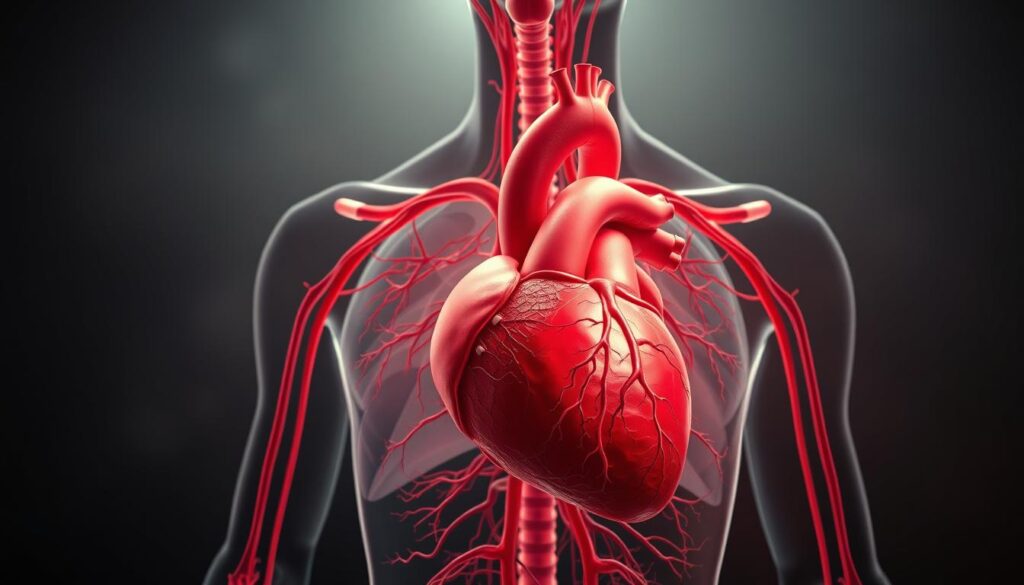
Blood Pressure and Cardiovascular Health
Some trials report lower blood pressure after regular qigong practice. However, NCCIH describes the evidence for hypertension as limited and not firm enough to treat qigong as a substitute for standard care.
A systematic review of randomized trials also found reductions in systolic and diastolic blood pressure, while emphasizing the need for stronger evidence.
COPD, Pain, and Cognitive Function
Qigong and tai chi have also been studied as additions to rehabilitation. A 2025 meta-analysis reported improvements in several outcomes among people with stable COPD, but the authors said the evidence was still insufficient and some results varied widely between studies.
For pain, results are mixed. NCCIH notes encouraging findings for some conditions but conflicting evidence for others. Research on cognition and memory is also promising, especially in older adults and people with mild cognitive impairment, yet long-term effects remain uncertain.
How to Start Qigong Safely
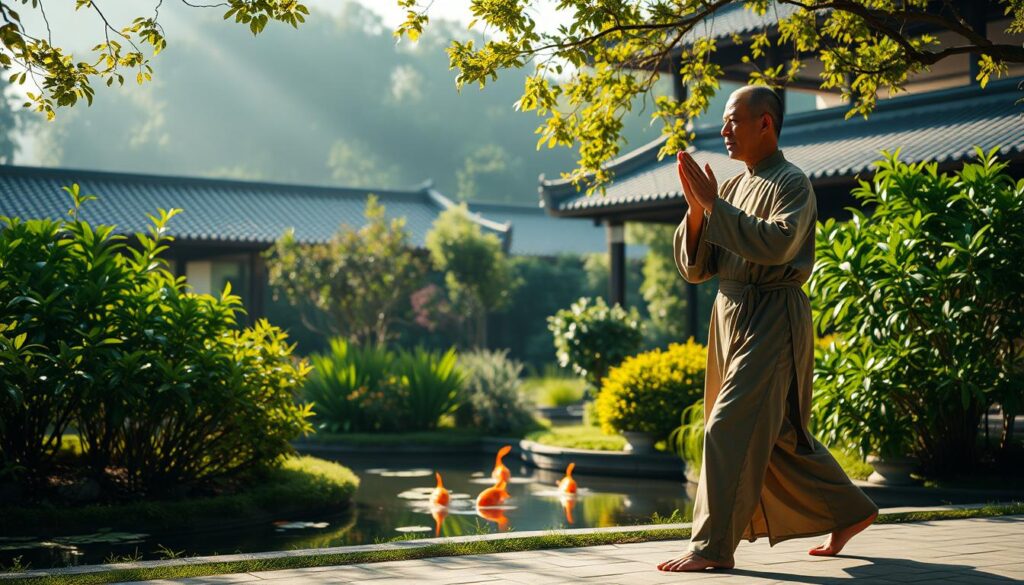
You do not need a long routine to begin. The goal at first is to learn comfortable movement and breathing—not to push your range of motion or chase a special sensation.
- Choose a stable space. Clear enough room to move your arms and shift your weight without tripping.
- Start with 5–10 minutes. A short routine is easier to repeat and lets you notice how your joints, breathing, and balance respond.
- Keep breathing natural. Slow breathing can be calming, but do not strain, hold your breath, or force unusually deep breaths.
- Use support when needed. A chair or wall can make standing practice safer. Seated qigong is also a valid option.
- Increase gradually. Add time or more complex forms only after the basic movements feel controlled.
Do You Need a Mat?
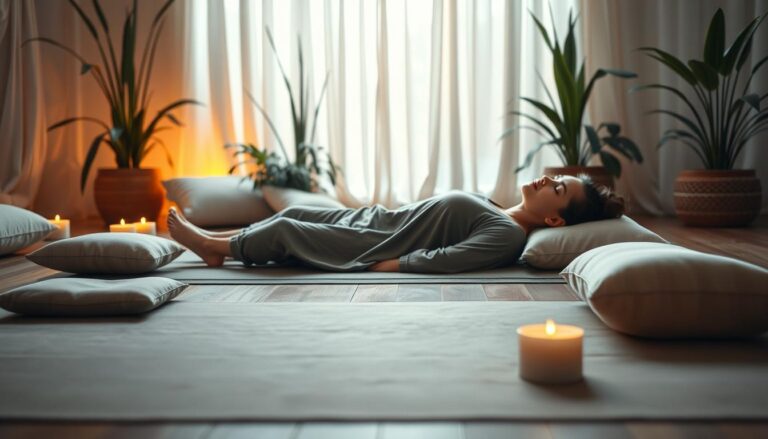
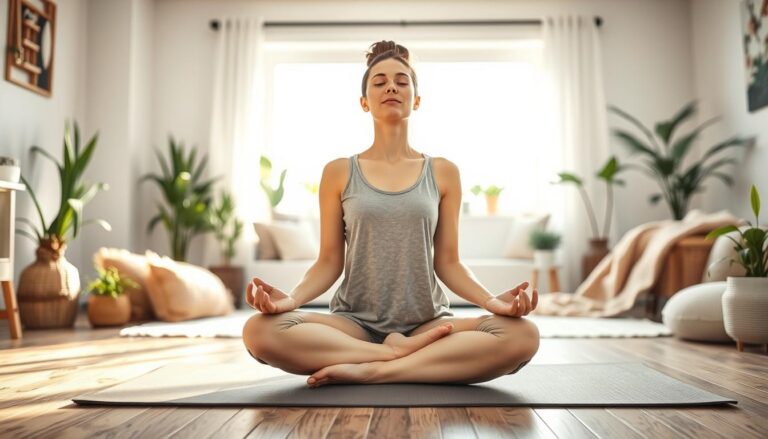
Usually, no. Standing qigong is often best on a firm, level, non-slip surface. If you are doing floor-based breathing, gentle stretching, or seated meditation on a hard floor, extra cushioning may make practice more comfortable.
The Gaiam Thick Yoga Mat in the black 10mm variant is 72 by 24 inches and uses textured NBR foam. Its main advantage here is cushioning for floor-based work. Its thickness is also the main limitation: a soft 10mm surface is not the first choice for balance training, so use a firm floor or stable support for standing weight-shift practice.
- Extra-Thick Cushioning for Joint Comfort : Made with 10mm (2/5") high-density NBR foam, this mat delivers plush cushioning that helps reduce pressure on knees, hips, and joints—ideal for beginners, low-impact yoga, Pilates, stretching, floor exercises, and home workouts on hard surfaces.
- Comfort-Focused Surface for Controlled Movement : Textured foam surface helps reduce slipping on most hard floors during dry workouts and everyday exercise. The softer, cushioned feel prioritizes comfort and shock absorption over firmness, making it a great choice for floor-based and low-impact routines.
- Soft Foam Feel with Easy Care : Crafted from low-odor NBR foam that’s easy to maintain—simply wipe clean with a damp cloth. Initial foam odor may be present when first opened and typically fades after airing out for 24–48 hours.
- Versatile for Home Fitness & Recovery : Popular for yoga, Pilates, stretching, physical therapy, core workouts, and general home fitness. The extra-thick foam provides comfort on wood, tile, or concrete floors and is well-suited for regular bodyweight use.
Choosing a Class or Instructor
A good instructor should be able to explain the style being taught, demonstrate safe alignment, and modify movements for pain, limited mobility, or balance concerns. Ask how much experience the teacher has with beginners and whether seated or supported options are available.
Qigong instructors are not nationally licensed in the United States, and NCCIH notes that there is no national standard for qigong certification. A certificate from a private organization may show training, but it is not the same as medical licensure. For significant health problems, use qigong as a complement to care from qualified health professionals.
| Format | Useful when you want | Watch for |
|---|---|---|
| In-person class | Live form correction and group support | Pacing that is too fast for your ability |
| Live online class | Convenience plus some feedback | Camera angles that make form hard to assess |
| Recorded lesson | Flexible, repeatable beginner practice | No real-time correction |
What Qigong May Help With—and What It Cannot Promise
A steady qigong routine may help some people feel calmer, move with more control, and build a regular low-impact activity habit. It may also support sleep, balance, and quality of life in certain groups. These are reasonable goals because they match areas that have been studied.

Claims about “unlocking healing energy,” preventing disease, extending life, or reliably changing relationships go beyond what current clinical research can establish. Likewise, there is not enough evidence to promise that you will notice benefits within a fixed number of days or weeks. Response depends on the person, the condition being studied, the style of practice, and how consistently it is performed.
A simple progress log is more useful than chasing dramatic claims. Once or twice a week, note your sleep quality, stress level, comfort during movement, balance confidence, and how regularly you practiced. Look for trends over time rather than judging a session by how “energized” it felt.
When to Get Medical Guidance
Qigong is generally considered a low-risk activity when practiced appropriately, but movement still needs to match your health and ability. Stop or modify a movement if it causes pain, dizziness, unusual shortness of breath, or loss of balance.
Talk with a health professional before starting or changing an exercise routine if you have an unstable heart or lung condition, recent surgery, major orthopedic limitations, repeated falls, or another condition that affects safe movement. Pregnancy may also require modifications; NCCIH notes that research on qigong during pregnancy is limited.
Conclusion
Qigong brings together slow movement, breathing, posture, and attention in a practice that can be adapted for many ages and ability levels. Science can measure the effects of those practices even though qi itself remains a traditional concept rather than a scientifically established energy.
The evidence is most useful when it stays modest: qigong may support balance, sleep, relaxation, and some aspects of physical function, while research for many specific conditions is still developing. Start with a short, comfortable routine, learn good form, and treat consistency—not intensity—as the main goal.
FAQ
Is Qi Scientifically Proven?
No. Qi is a traditional concept in Chinese medicine and qigong. Researchers can study the effects of qigong practice, but current science has not established qi as a measurable biological energy or confirmed traditional meridians as physical energy channels.
Is Qigong the Same as Tai Chi?
Not exactly. Qigong is a broad group of practices using movement, breathing, posture, and attention. Tai chi began as a martial art and developed health-focused forms; when practiced for health, it shares many qigong features.
How Often Should a Beginner Practice?
Start with a schedule you can repeat, such as 5–10 minutes several days a week. Research programs often use longer and more frequent sessions, but beginners do not need to copy a clinical trial schedule on day one.
Can Qigong Help With Stress and Sleep?
Possibly. Reviews report encouraging results for sleep and some psychological outcomes, but study quality and methods vary. Think of qigong as one supportive habit rather than a guaranteed treatment.
Can I Practice if I Have Limited Balance?
Often, yes. Seated qigong and supported standing versions can reduce balance demands. Use a stable chair or wall and choose an instructor who can modify movements for your ability.
Do I Need Special Equipment?
No. Comfortable clothing and a safe, uncluttered space are usually enough. A chair can help with supported practice, and a mat is optional for floor-based work rather than a requirement for qigong.


Don’t Miss These Picks