


Can finishing your shower with cold water really help your body burn more calories? The idea sounds simple: get cold, activate brown fat, and give your metabolism a boost. But the science is more interesting—and more limited—than many wellness claims suggest.
Cold exposure can activate brown fat, a special type of body fat that burns energy to produce heat. Human studies show that controlled cooling can increase energy use and may affect how the body handles glucose and fat. However, most research involves longer cooling sessions under laboratory conditions, not quick cold showers at home.
So, while a cold shower may stimulate your body’s heat-producing response, it is not a proven shortcut for weight loss. This guide explains how brown fat works, what research actually shows, whether morning showers offer extra benefits, and how to approach cold exposure without unnecessary risks.
Key Takeaways
- Brown fat produces heat: Unlike white fat, which mainly stores energy, brown fat burns fuel to help maintain body temperature.
- Cold exposure increases energy use: Controlled cooling activates heat-producing processes, although brief showers have not been studied as thoroughly.
- Morning timing may matter: One small study found a stronger morning metabolic response in men, but this does not establish the best time for cold showers.
- Weight-loss benefits remain limited: Increased calorie burning does not necessarily lead to meaningful or lasting weight loss.
- Safety comes first: Sudden cold water can raise heart rate and blood pressure, making it risky for people with certain medical conditions.
Helpful Products at a Glance
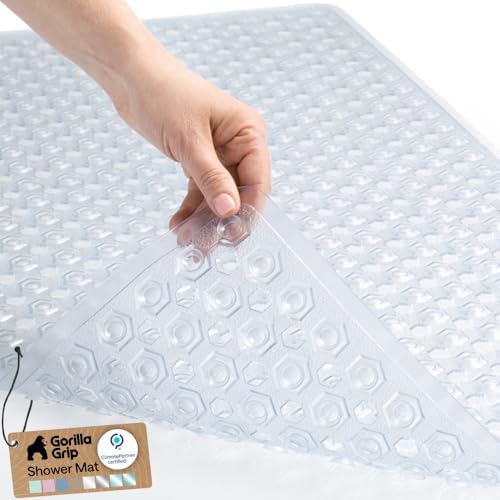
For steadier footing during a shower, the Gorilla Grip Bath Tub Shower Mat is an optional choice for clean, smooth tub surfaces. It is not suitable for textured or tiled floors.
- PATENTED DESIGN WITH POWERFUL SUCTION GRIP: a bath mat designed to securely stay in place; this patented bathtub mat features hundreds of suction cups that effectively help secure the tub mat to your shower floor
- EASY WATER DRAINAGE: hundreds of drainage holes allow for water to easily flow under the bath tub mat and toward the drain, helping to prevent water from sitting stagnant beneath the shower mat in your tub or shower
What Is Brown Fat, and Why Does It Matter?
Your body contains different types of fat, but they do not all serve the same purpose. The two most familiar types are brown fat and white fat.
Brown fat, also called brown adipose tissue (BAT), helps keep you warm by converting stored energy and other fuels into heat. White fat mainly stores energy for later use.
Brown Fat vs. White Fat
| Feature | Brown Fat | White Fat |
|---|---|---|
| Main purpose | Produces heat | Stores energy |
| Cell structure | Many mitochondria and small fat droplets | Usually one large fat droplet |
| Common locations | Neck, collarbone area, and near the spine | Abdomen, hips, and beneath the skin |
| Metabolic role | Uses fuel during heat production | Stores and releases fuel as needed |
Brown fat contains many mitochondria, the tiny structures that help cells use energy. These mitochondria contain iron-related proteins that contribute to brown fat’s darker color.
Adults typically have much less brown fat than white fat. Its activity also varies with age, body composition, temperature, and other factors. As Cleveland Clinic explains, brown fat plays an important role in maintaining body temperature during cold conditions.

How Cold Exposure Activates Brown Fat
When cold water touches your skin, temperature-sensitive nerves alert your brain. Your body responds by trying to reduce heat loss and produce more warmth.
This response involves the sympathetic nervous system, which controls automatic functions such as heart rate and certain stress responses.
The Heat-Producing Process Explained
- Your skin detects cold: Temperature receptors send signals to the brain.
- Your nervous system responds: Sympathetic nerves release norepinephrine, a chemical messenger that helps activate brown fat.
- Brown fat uses fuel: Brown fat cells draw on fats and glucose to support heat production.
- Mitochondria generate warmth: A protein called UCP1 allows energy to be released as heat instead of being used mainly to make ATP, the cell’s usual energy supply.
- Energy use can increase: Your body spends additional energy maintaining its temperature.
This process is called non-shivering thermogenesis. In simple terms, your body makes heat without relying on visible muscle shaking.

Does Brown Fat Activate Before You Shiver?
Brown fat can become active before shivering begins. However, shivering is not a reliable way to measure brown fat activity. Other tissues and processes also help your body respond to cold.
Researchers use specialized imaging, oxygen-use measurements, and controlled temperatures to study these responses. Feeling cold or starting to shiver does not tell you exactly how many calories your brown fat is burning.
There is also no need to force yourself to shiver. Stronger discomfort does not guarantee greater health benefits.
Do Cold Showers Activate Brown Fat as Well as Cold Plunges?
Cold showers, ice baths, and cool rooms all expose your body to lower temperatures. But they differ in how quickly, how strongly, and how evenly they cool you.
- Cold showers: Easy to adjust, widely accessible, and usually less demanding than full-body immersion. Water temperature and contact with your skin can vary throughout the shower.
- Cold plunges: Immerse more of your body at once and can cause a much stronger cold-shock response. They also introduce additional safety risks.
- Cool-room exposure: Used in metabolic studies because researchers can carefully control the temperature and duration.
Most evidence for brown fat activation comes from prolonged cold exposure rather than 30-second or two-minute showers. Therefore, it would be misleading to assume that a quick shower produces the same metabolic effects as a laboratory cooling session.

You also do not need to buy a cold-plunge tub to explore mild cooling. For many people, keeping their usual shower routine is simpler and more practical. The important distinction is that convenience does not establish a proven metabolic benefit.
How to Try a Gentle Cool-Shower Routine
There is no scientifically established cold-shower temperature or duration that guarantees brown fat activation or weight loss. If you are a healthy adult without relevant medical risks and want to explore mild cooling, a gradual approach is more sensible than sudden extreme cold.
A Simple Beginner Routine
- Start with your regular shower: Use a comfortable water temperature and finish your usual washing.
- Lower the temperature gradually: Move toward cool water rather than immediately switching to an icy setting.
- Keep the first exposure brief: Try around 15–30 seconds only if it feels comfortable and your breathing stays controlled.
- Return to a comfortable temperature: Stop if you feel distressed, faint, unusually breathless, or unable to recover comfortably.
- Progress only if appropriate: Some healthy adults may prefer slightly longer cool finishes, but longer is not automatically better.
Trying a short cool finish two or three times weekly may be a manageable personal routine, but that frequency is not a proven treatment schedule. You should not interpret increasing cold tolerance as proof of increased brown fat activity.
Make the Bathroom Safer Before Starting
Cold water can cause a sudden gasp or make you move unexpectedly. That is especially concerning if the shower floor is already slippery. Before trying a cooler finish, make sure the floor has adequate traction, the lighting is good, and you can reach the water controls easily.
A properly fitted non-slip mat can be useful for some smooth-bottomed bathtubs. However, suction-based mats are not suitable for every surface and cannot eliminate the risk of falling. Check that a mat is securely attached before each use.
For a clean, smooth bathtub floor, the Gorilla Grip Bath Tub Shower Mat (35 × 16 inches, clear) offers suction cups, drainage holes, and a machine-washable design. Its main limitation is important: the manufacturer warns against using it on textured, tiled, or other uneven surfaces. It is a bathroom accessory, not a device that increases brown fat activity.
- PATENTED DESIGN WITH POWERFUL SUCTION GRIP: a bath mat designed to securely stay in place; this patented bathtub mat features hundreds of suction cups that effectively help secure the tub mat to your shower floor
- EASY WATER DRAINAGE: hundreds of drainage holes allow for water to easily flow under the bath tub mat and toward the drain, helping to prevent water from sitting stagnant beneath the shower mat in your tub or shower
- TEXTURED AND BPA-FREE: the bath mat is constructed from BPA-free materials; it features a unique hexagon design with a pebble-textured topside that is soft on feet; this bathroom mat is soft, flexible, and the perfect home bathroom essential for the whole family
- OVERSIZED AND MACHINE WASHABLE: the shower floor mat is so easy to clean, simply machine wash and air dry; easily air dry the bath mat by hanging it over the side of the bath tub; generously sized bath mat for tub measures 35 by 16 inches, much larger and longer than other mats; providing excellent coverage for shower and bathtub floors
If your shower already has a stable, slip-resistant surface, you may not need any additional equipment. A comfortable room temperature and a dry towel nearby are more useful than investing in specialized cold-exposure gear.
Morning vs. Evening Cold Exposure: Does Timing Matter?
Researchers have also investigated whether your body responds differently to cold depending on the time of day. This may be influenced by your circadian rhythm, the internal body clock that helps control sleep, temperature, and hormone activity.
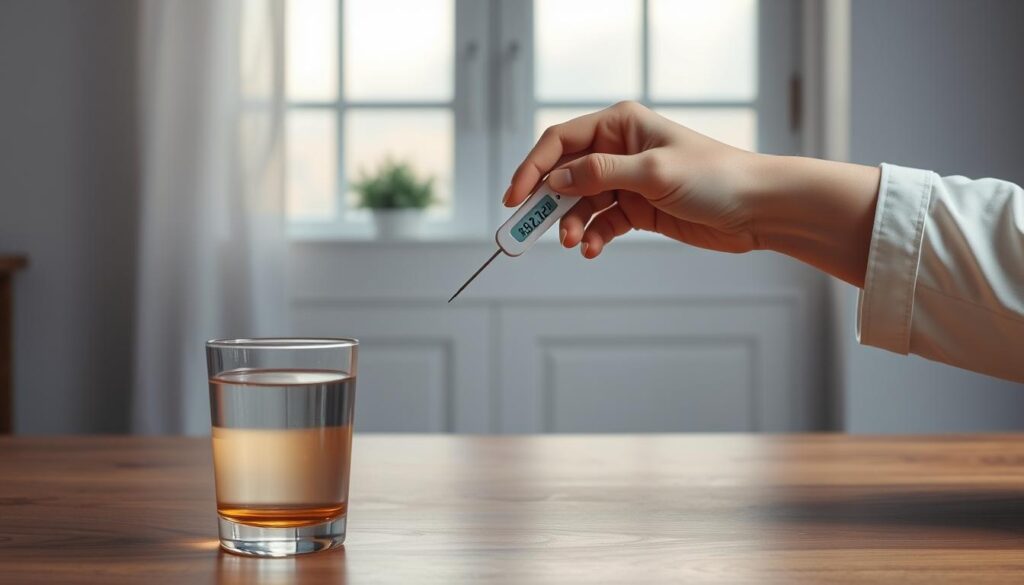
A 2022 randomized crossover study involved 24 healthy, lean adults: 12 men and 12 women. Participants underwent personalized cooling sessions using water-perfused mattresses in the morning at 7:45 a.m. and evening at 7:45 p.m.
Each laboratory session lasted approximately 2.5 hours, including cooling and temperature-controlled measurement periods.
What the Researchers Found
- Men: Energy expenditure rose by approximately 54% above the warm-condition measurement during morning cooling, compared with 30% during evening cooling.
- Women: Increases were approximately 37% in the morning and 30% in the evening, without a statistically significant difference between times.
- Cold tolerance: Women reached their shivering threshold later in the morning than in the evening.
- Blood markers: Morning cooling produced different changes in circulating fatty acids and other lipids between participants.
These percentages describe energy-use changes measured under controlled experimental conditions. They do not mean someone burned 54% more body fat or would receive the same benefit from a brief morning shower.
The study was small, included only young, lean participants, and did not directly measure brown fat activity with PET imaging during the timing comparison.
Practical takeaway: There is not enough evidence to recommend morning cold showers over evening ones for better weight loss. Choose a comfortable time rather than chasing an unproven metabolic advantage.
Can Brown Fat Activation Help With Weight Loss and Blood Sugar?
This is where laboratory findings and everyday expectations can become confused. Brown fat uses energy, but a measurable metabolic response is not the same as a meaningful change in body weight.
How Many Extra Calories Can Cold Exposure Burn?
A 2022 systematic review and meta-analysis reported that acute exposure to cool conditions increased energy expenditure and brown fat activity in adults.
Some results were expressed as estimated additional calories per day, based on metabolic measurements under particular experimental conditions. Those figures should not be treated as calories burned during a short shower.
Another systematic review found that increased heat production did not consistently translate into major weight changes. Small study sizes and differences between cooling protocols also make long-term predictions difficult.
In other words, cold exposure can increase energy use, but researchers have not shown that a regular cold-shower habit reliably produces meaningful fat loss.
What About Insulin Sensitivity and Blood Sugar?
Some small human studies suggest controlled cold exposure may affect how the body processes glucose.
For example, a 2014 study involving five healthy men found that sleeping in a room maintained at 19°C (66°F) for a month increased brown fat activity and improved certain measures of insulin sensitivity.
A separate study involving eight people with type 2 diabetes reported improved insulin sensitivity after 10 days of prolonged mild cold acclimation. However, the improvements appeared to involve skeletal muscle responses as well, not simply greater brown fat activity.
The wider evidence remains mixed. A 2024 meta-analysis of seven studies involving 85 participants found no significant overall changes in fasting glucose, insulin, or triglyceride levels during cold exposure compared with warmer conditions. Circulating free fatty acids did increase.
What this means: Cold-related metabolism is a promising research area, but cold showers are not an established treatment for diabetes or insulin resistance.
Can Food or Amino Acids Boost Brown Fat?
Brown fat uses several fuels, including fats, glucose, and certain amino acids. Research published in Nature in 2019 explored how brown fat uses branched-chain amino acids during heat production.
However, this does not prove that taking branched-chain amino acid supplements, eating more protein, or using a special diet will meaningfully increase brown fat activity or cause weight loss.
A balanced diet, regular physical activity, and adequate sleep remain better-supported choices for overall metabolic health.
Cold-Shower Safety: Who Should Be Careful or Avoid It?
Cold water is not harmless just because exposure is brief. A sudden temperature drop can activate the body’s cold-shock response, which may cause rapid breathing, a faster heart rate, and increased blood pressure.
The American Heart Association warns that sudden cold-water immersion can place significant stress on the cardiovascular system. Although a shower differs from full immersion, abruptly switching to very cold water can still be uncomfortable or risky for some people.
Who Should Seek Medical Clearance First?
Do not begin intentional cold exposure without appropriate medical guidance if you have:
- Heart disease, an abnormal heart rhythm, or a history of cardiovascular problems.
- Uncontrolled high blood pressure.
- Raynaud’s phenomenon or circulation problems made worse by cold.
- Asthma or another respiratory condition that cold exposure may trigger.
- A condition or medication that affects blood pressure, temperature control, awareness, or your ability to respond safely.
- Diabetes with complications or concerns about how cold affects your symptoms or circulation.
Pregnant people and anyone with a significant medical condition should also avoid experimenting with extreme cold or plunges without individualized medical guidance.
Warning Signs That Mean Stop Immediately
- Chest pain, pressure, or palpitations.
- Dizziness, faintness, or loss of balance.
- Severe breathlessness or difficulty controlling breathing.
- Confusion, unusual weakness, or loss of coordination.
- Persistent shaking, numbness, or fingers changing color.
For mild discomfort, stop the exposure, dry off, and warm up gradually in a comfortable environment. Seek urgent medical help for chest pain, fainting, severe breathing difficulty, or confusion. Do not remain in cold water to finish a planned session.
Cold plunges add the risk of accidental immersion and drowning. Never combine them with breath-holding exercises, hyperventilation, or being alone.
Frequently Asked Questions
How cold should a shower be to activate brown fat?
There is no established shower temperature that guarantees meaningful brown fat activation. Most studies use carefully controlled, longer cooling sessions. Colder water is not automatically more effective, and extreme temperatures increase safety risks.
Are two minutes of cold showering enough to burn fat?
Two minutes may produce a cold-response reaction, but there is no reliable evidence that it burns enough additional calories to cause meaningful weight loss. The size of any metabolic effect depends on several factors, including temperature, duration, and individual physiology.
Are cold plunges better than cold showers for metabolism?
Cold plunges can cool more of the body at once, but stronger exposure does not automatically provide better long-term metabolic benefits. They also carry greater cold-shock and immersion risks. Neither approach is a proven stand-alone weight-loss treatment.
How quickly does brown fat respond to cold?
Heat-producing responses can begin during cold exposure, but their timing and strength vary. Repeated cold acclimation can change brown fat activity over days or weeks in some studies. Whether quick daily showers produce lasting changes is still uncertain.
Can cold showers improve insulin sensitivity?
Some small controlled cooling studies report improvements in insulin sensitivity, but the findings are not consistent enough to establish cold showers as an effective blood-sugar intervention. They should not replace diabetes medication, physical activity, or a recommended nutrition plan.
Do men and women need different cold-shower routines?
Research suggests there may be differences in cold tolerance and metabolic responses, but evidence is too limited to prescribe different shower schedules based on sex. Personal comfort, medical history, and safety matter more than a fixed sex-based routine.
Conclusion: Are Cold Showers Worth Trying for Brown Fat?
Cold exposure can activate brown fat and increase heat production, but that does not make cold showers a proven metabolism or weight-loss solution. The strongest evidence comes from controlled cooling studies, while the effects of short home showers remain uncertain.
If you are healthy and comfortable with cool water, a brief, gradual shower finish can be an optional personal routine. You do not need extreme temperatures, prolonged shivering, or expensive equipment to explore it.
For meaningful changes in body weight, blood sugar, and long-term metabolic health, prioritize regular exercise, balanced nutrition, adequate sleep, and appropriate medical care. Brown fat research is promising, but everyday health habits still have a much stronger evidence base.


Don’t Miss These Picks