


Surprising fact: up to 10% of people with ovaries experience polycystic ovary syndrome during their reproductive years, which shows how common this endocrine and metabolic syndrome really is.
This condition shows up in many ways — missed periods, irregular cycles, acne, excess hair, weight challenges, thin hair, ovarian cysts, and fertility issues. Experts stress it has a genetic and hormonal basis, not just lifestyle causes.
Persistent myths can derail a smart plan. In this article we’ll expose common PCOS Diet Myths and replace them with clear, research-backed guidance. The aim is practical, not extreme: small changes that improve energy, support metabolic health, and raise chances of ovulation.
We’ll translate current research into everyday choices at the grocery store and at meals. If online advice feels noisy, this guide will spotlight what works, what wastes time, and why modest weight loss (5–10%) often helps metabolic markers and fertility.
For more background and quick FAQs, see this resource on PCOS awareness.
Key Takeaways
- Polycystic ovary syndrome affects about 10% of people with ovaries and has hormonal and metabolic roots.
- Many popular nutrition claims are oversimplified; evidence supports realistic, sustainable changes instead of strict fads.
- Small, steady weight loss (5–10%) can improve metabolic health and ovulation for many people.
- This guide will debunk common PCOS Diet Myths and offer practical, science-backed choices for meals and shopping.
- Individual needs vary — base any plan on medical history, preferences, and professional guidance.
Understanding PCOS Today: What It Is and Why Diet Advice Gets Confusing
This condition wears many faces because hormones act differently from person to person. Polycystic ovary syndrome is an endocrine and metabolic disease driven by ovarian hormone imbalance, often with excess androgens.
Quick snapshot: excess androgens can cause missed periods, irregular cycles, acne, excess hair, thin hair, weight gain, ovarian cysts, and infertility. Not everyone has the same set of signs, so pcos symptoms vary widely.
How do hormones and symptoms vary?
Some people show clear cycle changes or acne. Others notice hair growth or no obvious signs at all. Labs, physical exam, and personal history create a fuller picture.
“PCOS is a hormone imbalance marked by excess androgens from the ovaries.”
Why does diagnosis differ and why do one-size plans fail?
Not everyone with ovarian cysts has the syndrome. Studies show 20–30% of people without the condition can have multiple cysts on ultrasound. That means imaging alone can mislead.
Genome-wide studies point to genetic roots, so lifestyle is not the single cause. Because clinical criteria and lab emphasis differ among providers, blanket diet advice often misses the mark.
Practical takeaway: personalized care helps prioritize fiber, protein, or meal timing based on labs and goals. If a plan promises a quick fix, question the claim and look for solid research. For a balanced review of nutrition claims, read an expert debunks myths.
PCOS Diet Myths: Setting the Record Straight
Myth-driven claims spread quickly online and can push people toward extreme rules that harm progress. Clear, evidence-based steps beat one-size fixes for long-term health and symptom control.
One misleading post can cause weeks of unnecessary restriction and stress. Experts—ob-gyns and endocrinologists—agree that many viral claims are inaccurate.
Example: a single viral myth may prompt someone to drop entire food groups. That can reduce nutrients and make insulin resistance harder to manage.
“Even modest weight loss, around 5–10%, can improve metabolic markers and increase chances of ovulation.”
Studies show individualized plans beat blanket rules. Swapping refined carbs for fiber-rich options often improves satiety and insulin dynamics more than strict no-carb edicts.
When myths promise fast weight change without context, they ignore meal balance, sustainable habits, and underlying insulin resistance. That all-or-nothing thinking increases rebound eating and stalls progress.
| Common Claim | What the Evidence Shows | Practical Action |
|---|---|---|
| “Everyone has cysts.” | Imaging alone can mislead; presentation varies widely. | Use labs and clinical exam; follow personalized care. |
| “Lifestyle caused it, so blame food.” | Genetics and hormones play a major role. | Focus on sustainable habits that support metabolic health. |
| “You can’t get pregnant.” | Fertility treatments and modest weight change often help. | Work with specialists; track ovulation and labs. |

Takeaway: Evaluate claims against how metabolism works and look for studies that back them. Accurate information reduces stress, improves sleep, and helps people focus on balanced meals, consistent routines, and measurable health markers like energy and cycle regularity.
Myth to Avoid: Carbs Are the Enemy for PCOS
Not all carbs behave the same — quality matters more than fear.Researchshows fiber-rich carbs steady blood sugar and support energy, while refined starches and added sugars can spike insulin and worsen symptoms.
How carbohydrate quality and fiber affect insulin
Insulin reacts to how fast the body digests carbs. Fiber slows digestion, lowers post-meal glucose spikes, and helps insulin work more efficiently. That improves appetite control and supports efforts to lose weight without extreme restriction.
Smart carbs to include
- Whole grains: quinoa, brown rice, oats, barley.
- Legumes: lentils, chickpeas, beans.
- Non-starchy vegetables and whole fruit (not juice).
Refined carbs and added sugars to limit
Refined flour, sugary snacks, and sweetened drinks raise glucose quickly and challenge insulin. Swap them for whole-food choices to reduce daily spikes and support metabolic health.
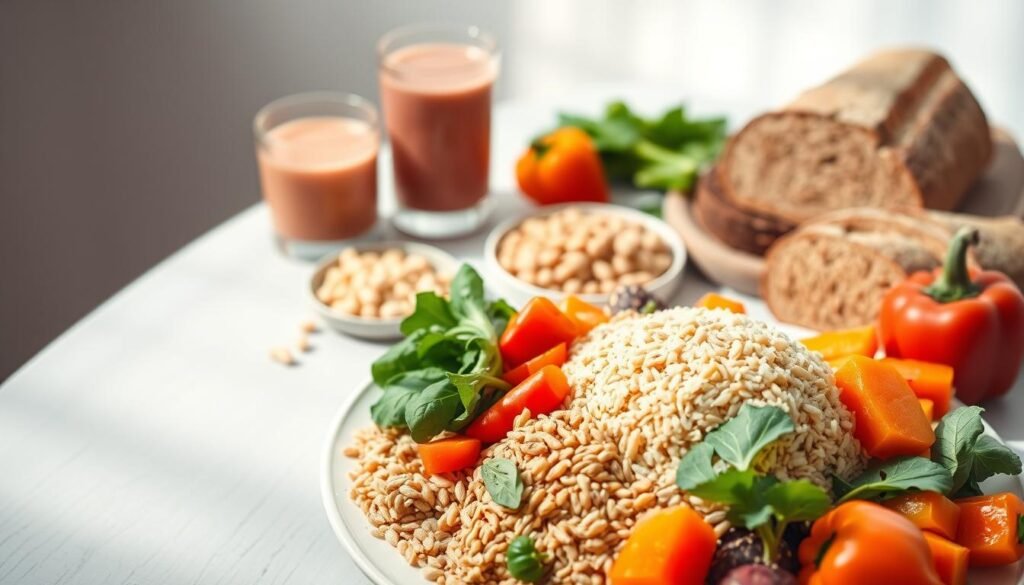
| Carb Type | Effect on Insulin | Practical Swap |
|---|---|---|
| Refined grains & sweets | Rapid glucose rise; higher insulin needs | Whole-grain bread, fruit instead of cookies |
| Fiber-rich whole carbs | Slower digestion; steadier glucose | Oats, legumes, non-starchy veg |
| Fruit vs juice | Whole fruit has fiber; juice spikes glucose | Fresh berries or apple rather than juice |
“Pairing carbs with protein and healthy fats blunts glucose rises and keeps you full longer.”
Example: steel-cut oats with chia seeds, berries, and Greek yogurt illustrates a balanced meal that moderates glucose and supports nutrition goals.
Portions and exact carb targets depend on activity, labs, and body goals. Some people pcos may prefer lower-carb patterns, but the priority is sustainability, fiber, and nutrient density — not zero carbs. For practical guidance, review nutrition tips from a trusted resource like PCOS nutrition guidance.
Myth to Avoid: A Low-Fat Diet Is Required to Lose Weight with PCOS
Cutting out all fat won’t speed up weight loss — it often backfires. Healthy fats support hormone balance, lower inflammation, and slow carbohydrate absorption to stabilize blood sugar.
Short answer: a moderate, quality-focused approach to fat helps nutrition and long-term health more than strict fat avoidance. Choose foods that support hormones and satiety.
Why fats matter for hormones and appetite
Fats help make hormones and maintain cell health. They also blunt post-meal glucose rises, which can reduce cravings and improve insulin resistance.
Fats to favor and ones to limit
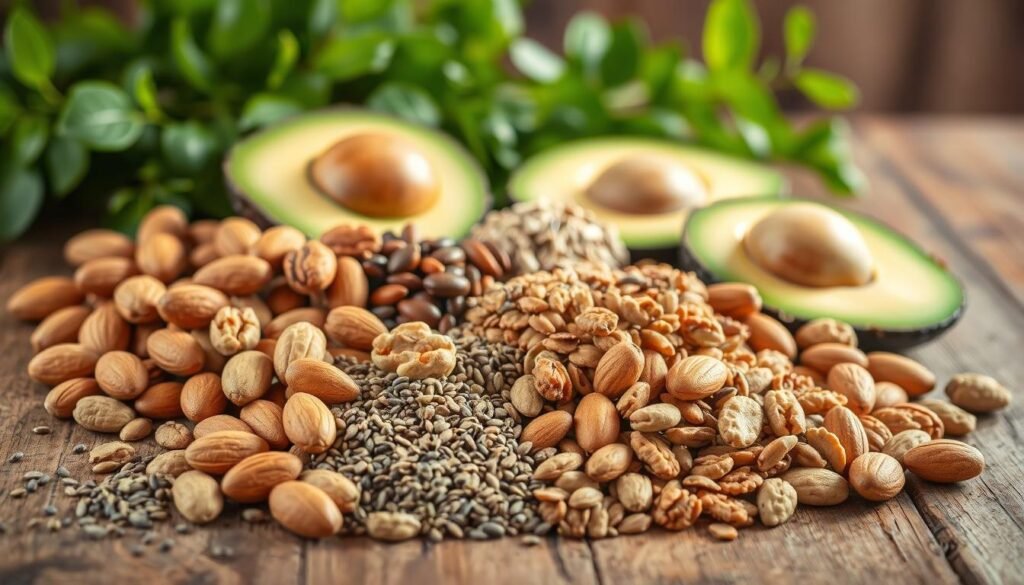
- Favor: omega-3 rich fish (salmon, mackerel, sardines), extra-virgin olive oil, nuts, seeds, flax and chia.
- Limit: trans fats and excess saturated fat from processed meats, creamy sauces, and fried fast foods.
Practical tips: watch portions—fats are calorie-dense—use a tablespoon of oil, a small handful of nuts, or a fatty-fish dinner twice weekly. A simple meal idea: salmon bowl with quinoa, greens, and olive oil for balanced protein, carbs, and fat.
“Studies show adherence to a pattern matters more than extreme macronutrient splits.”
Note: people with overweight obese concerns can still succeed with moderate fat intake when they focus on food quality, portion control, and sustainable habits.
Myth to Avoid: You Must Quit Dairy if You Have PCOS
Short answer:dairy can fit for many people when tolerance, quality, and portions are considered. Track symptoms and labs to guide choices rather than following a strict ban.
Many people assume dairy must go, but tolerance and context matter more than blanket rules. Dairy supplies protein, calcium, and vitamin D and can be part of a balanced meal that helps steady blood sugar and insulin.

When dairy can fit: quality, tolerance, and moderation
Choose fermented options like plain Greek yogurt to add probiotics and limit added sugars. If digestion or acne worsens, trial a short, structured removal and reassess.
What emerging research suggests about low-fat vs. full-fat
Some studies hint low-fat dairy may affect androgens differently than full-fat products, but the evidence is mixed and limited. Personal results vary, so work with labs and a clinician when possible.
- If you tolerate dairy: try plain Greek yogurt with berries and nuts, or a small cheese portion with high-fiber veggies.
- If you don’t: choose lactose-free milk or fortified plant milks for calcium and vitamin D.
- Quality tip: organic or hormone-free labels are an option but balance cost and access.
“Decisions about dairy should be guided by tolerance, labs, and goals—not by one-size rules.”
Myth to Avoid: Keto Is the Best or Only Diet for PCOS
Short answer: low-carb ketosis can drop weight fast and lower insulin in the short term, but it is not the only viable path and often fails on long-term fit and sustainability.
Following a very-low-carb trend can feel powerful at first, but the long view often tells a different story. Ketosis reduces glucose exposure by limiting carbs, which may help some people pcos briefly. Yet high adherence is hard and many regain weight within a year after highly restrictive plans.

Watch for risk signals: dizziness, fatigue, GI upset, rising cravings, or mood changes. In rare cases and for certain medical types, very low-carb approaches can cause serious events.
- Sustainability beats intensity: reviews show most people regain weight after restrictive phases.
- Balanced alternatives: Mediterranean-style plates, fiber-rich carbs, lean protein, and healthy fats steady insulin without extreme rules.
- Trial with a plan: if you try a low-carb phase, set a reintroduction strategy and monitor biofeedback and labs.
Practical note: consider personal history, medication changes, and support before starting restrictive plans. For a focused review, see a custom keto plan review.
“Choose patterns you can maintain. Consistency, sleep, stress control, and movement matter more than a single macronutrient rule.”
Beyond the Plate: PCOS Is Not Just a Reproductive Disorder
Overview: This condition affects more than cycles; it raises long-term metabolic and cardiovascular concerns that benefit from routine care and lifestyle attention.
Think of this condition as a lifelong metabolic challenge, not just a fertility issue.
Why it matters: people with this syndrome show higher rates of insulin resistance, elevated cholesterol, metabolic syndrome, and type diabetes over time. Early steps can lower those risks.
What to watch for
Insulin resistance raises the chance of progressing to type diabetes and heart disease. Regular screening helps catch changes early.
Progress is more than a number on the scale. Improving blood lipids, blood pressure, and fitness protects the body and long-term health.
Simple, sustainable actions
- Baseline labs: glucose, lipids, and blood pressure, then routine check-ins with your clinician.
- Daily habits: fiber at most meals, protein at breakfast, and regular walking to boost resilience.
- Non-scale metrics: track energy, cycle patterns, and workout recovery for meaningful improvement.
“Monitoring metabolic markers across life reduces future risk and supports overall well‑being.”
| Area | Why it matters | Practical step |
|---|---|---|
| Insulin resistance | Links to higher blood glucose and type diabetes | Routine glucose testing and balanced meals |
| Heart disease risk | Elevated lipids and blood pressure increase cardiac events | Improve fats, move daily, check lipids yearly |
| Mental & sleep health | Stress and poor sleep worsen metabolic responses | Prioritize sleep, stress reduction, and social support |
Note: the myth that this condition ends after childbearing is false. Lifespan care helps lower future disease risk and keeps women pcos healthier through life stages.
For guidance on screening and long-term care, consider routine metabolic screening from authoritative reviews like this clinical overview.
Common PCOS Misconceptions That Skew Diet Choices
Many common assumptions about this condition push people toward one-size solutions that miss the mark. Clear takeaway: symptoms vary widely, so test and track before changing eating patterns or trying extreme cleanses.
Not everyone has ovarian cysts or hirsutism
Fact: not all people with this syndrome show cysts on ultrasound, and cysts can appear for other reasons.
Hair changes range from none to noticeable facial or body hair. Ethnicity and genetics shape hair growth, so treatment should match the individual.
Irregular cycles have many causes—don’t self-diagnose via food changes
Thyroid issues, stress, breastfeeding, intense training, or rapid weight changes can alter cycles.
Rushing into strict plans because of one missed period is risky. Combine symptom tracking with labs to find the real driver.
Fertility myths: ovulation can occur and is treatable if irregular
Irregular ovulation does not always mean pregnancy is impossible. Many women regain ovulation with targeted treatments and modest lifestyle shifts.
Tip: build a simple checklist—cycle length, hair changes, skin shifts—and review it with your clinician rather than guessing alone.
Weight Loss with PCOS: Possible, but Strategy Matters
Small, realistic weight goals often produce big health wins. A modest loss of about 5–10% of body weight can improve metabolic markers and raise the chance of ovulation. Focus on steady habits rather than quick fixes.
Small, steady changes to food and routine often beat dramatic overhauls for lasting results.
Why modest loss helps
Evidence shows that losing about 5–10% of weight improves insulin sensitivity and lowers markers linked to diabetes. That shift often reduces common symptoms and supports ovulation.
How to build meals that steady blood sugar
Pair fiber-rich carbs with a palm of protein and a thumb of healthy fat. This combo slows digestion, blunts glucose spikes, and reduces cravings.
- Set realistic goals: modest weight loss can improve cycle regularity and energy.
- Habit focus: track two small behaviors (like veggies at lunch and a post-dinner walk).
- Snack tactic: try an apple with peanut butter or Greek yogurt with nuts to curb hunger.
- Routines matter: consistent meals, hydration, and sleep support appetite hormones and recovery.
- Medical options: women pcos with overweight obese concerns can discuss therapies alongside lifestyle changes.
“Progress is measured in trends—lab improvements in glucose or lipids often appear before major scale changes.”
Practical note: people pcos often find steady nutrition and meal composition matter as much as calories. Schedule lab check-ins to watch fasting glucose, lipids, and inflammation improve over time.
Action Plan: Building a Balanced PCOS Nutrition Strategy
Start with a simple plate you can repeat most days to remove decision fatigue. Use whole foods and consistent patterns to support blood glucose and long-term health.
What does a core plate look like?
Half non-starchy vegetables, one-quarter fiber-rich carbs, and one-quarter lean protein with a drizzle of healthy fat. This template steadies glucose and keeps meals satisfying.
How do you personalize this plan?
Work with a Registered Dietitian to match portions and timing to your labs, activity, and treatment. An RD tailors macronutrients so you stay fueled and consistent.
Practical steps: keep a short go-to list for breakfasts, lunches, and dinners. Batch cook grains and proteins, stock frozen veggies and canned beans, and upgrade the pantry with olive oil, canned salmon, lentils, nuts, and spices.
Use a brief food-and-mood log to link meals with energy, focus, and cravings. Track wins beyond the scale—labs, sleep, and cycle changes often improve first.
“Small, consistent inputs compound into durable progress.”
Note: people pcos benefit from pattern recognition—aim for protein, fiber, and color on every plate when dining out or traveling.
Conclusion
Choose steady, science-backed steps over sharp rules to keep long-term progress on track. Balanced, sustainable nutrition and daily habits protect energy, support ovulation, and lower long-term risk.
Key points: favor a consistent plate pattern, track labs and symptoms, and seek timely treatment for irregular ovulation. Fertility is possible; earlier evaluation helps when ovulation is inconsistent.
Polycystic ovary syndrome affects metabolism beyond reproduction, so monitor weight, glucose, and lipids and adjust plans with a clinician or RD. For a practical review on related nutrition topics, see this PCOS and gluten review.
Start simple: add one cup of non-starchy vegetables to lunch today and build from there. Progress shows up in symptoms, labs, mood, and performance — not just the scale.
FAQ
What is polycystic ovary syndrome and why is nutrition advice so confusing?
Polycystic ovary syndrome is a hormonal condition that often involves irregular cycles, androgen excess (like acne or excess hair), and metabolic features such as insulin resistance. Nutrition guidance becomes confusing because symptoms and lab findings vary widely between people, research evolves, and one-size-fits-all diet claims ignore individual needs like weight status, glucose tolerance, and lifestyle.
Are carbohydrates the enemy if I have this condition?
No. Carbohydrates are not inherently harmful. Quality matters more than total avoidance. Fiber-rich whole grains, legumes, non-starchy vegetables, and fruit help blood glucose and gut health. Limiting refined carbs and added sugars improves insulin control, but sustainable intake of smart carbs paired with protein and healthy fats is usually best.
Do I have to follow a very low-fat plan to lose weight and manage symptoms?
Not at all. Healthy fats support hormone function and reduce inflammation. Choose sources like olive oil, nuts, seeds, omega-3 rich fish, and avocados. Avoid trans fats and limit excessive saturated fat, but don’t eliminate fats—they help satiety and stabilize blood sugar when eaten with carbs.
Should I stop dairy completely to improve symptoms?
Dairy doesn’t need to be universally avoided. Tolerance, quality, and overall dietary pattern matter. Some people do better with lower-lactose or fermented options like yogurt; others tolerate full-fat dairy fine. Emerging studies show mixed results on low-fat versus full-fat dairy, so personalize choices and consult a registered dietitian or clinician.
Is keto the only effective diet for this condition?
No. Ketogenic diets can produce short-term weight loss and improved insulin markers for some, but they’re restrictive and may be hard to sustain. Risks include nutrient gaps, increased cravings, and possible weight regain. Long-term, balanced strategies tailored to individual preferences and metabolic needs are generally safer and more effective.
Does having this always mean I have ovarian cysts or will be infertile?
No. Not everyone has visible cysts on ultrasound, and many people with the condition can and do ovulate—sometimes with medical or lifestyle support. Fertility can often improve with modest weight loss (about 5–10%), regular monitoring, and treatments when needed. Avoid self-diagnosing based on diet alone.
How does insulin resistance affect weight management and diabetes risk?
Insulin resistance makes it harder to regulate blood glucose and can promote weight gain, particularly around the abdomen. It raises the risk of type 2 diabetes and cardiovascular disease over time. Targeted strategies—fiber, protein at meals, physical activity, and weight reduction when appropriate—help improve insulin sensitivity and lower long-term risk.
What practical plate strategy should I follow to manage symptoms and weight?
Focus on whole foods: a core plate includes fiber-rich carbohydrates (vegetables, legumes, whole grains), lean proteins, and healthy fats. Pair carbs with protein and fat to slow glucose spikes. Prioritize consistency, portion control, and meal timing that suits your routine. Work with a Registered Dietitian for a personalized plan.
How much weight loss is realistic and helpful for improving symptoms?
Modest weight loss—about 5–10% of body weight—can significantly improve menstrual regularity, ovulation, and metabolic measures. The goal should be sustainable change rather than rapid loss. Combine gradual calorie adjustments with increased activity and behavioral strategies for lasting results.
Can exercise and lifestyle changes replace medication for insulin resistance or fertility issues?
Lifestyle changes are powerful and often first-line: diet, regular exercise, sleep quality, and stress reduction improve insulin sensitivity and reproductive function. However, some people will still need medications (like metformin or fertility treatments). Decisions should be individualized and made with healthcare professionals.
How do I spot misleading online advice about this condition and nutrition?
Watch for absolute claims (“one diet fixes all”), celebrity endorsements without evidence, and quick-fix promises. Trust sources that cite peer-reviewed research, medical organizations (NIH, Mayo Clinic), and registered dietitians. Be skeptical of extreme restriction, unverified supplements, or claims that eliminate entire food groups without personalization.
Are supplements necessary for managing symptoms or insulin resistance?
Some supplements show promise (for example, omega-3s, vitamin D, or inositols) but evidence varies and quality differs between brands. Supplements can help when deficiencies exist, but they’re not a substitute for a balanced eating plan. Discuss supplements with your clinician to avoid interactions and ensure appropriate dosing.
Should women who are overweight or obese expect different dietary advice than lean women with this condition?
Advice should be personalized. Overweight or obese individuals may focus more on calorie balance and weight loss strategies, while lean people might prioritize insulin control, menstrual regularity, or metabolic health without weight loss. Both groups benefit from whole foods, balanced macronutrients, and professional guidance tailored to their goals.
Where can I find reliable, evidence-based guidance and ongoing support?
Seek care from endocrinologists, gynecologists, and registered dietitians experienced with this condition. Trusted resources include PubMed summaries, the NIH, American College of Obstetricians and Gynecologists, and the Mayo Clinic. Local support groups and telehealth registered dietitians can provide practical, personalized help.