


Curious which powdered green starter belongs in your morning cup: the nutrient-packed leaves of a hardy tree or the shade-grown tea powder prized for calm focus?
This guide compares moringa and matcha by nutrition, antioxidant profile, energy effects, and practical use so you can pick what fits your goals today. You’ll see where each shines—moringa for broad micronutrients and matcha for green tea antioxidants and calm focus.
Moringa oleifera is often called the “miracle tree,” with leaves used across Africa and Asia for vitamins, minerals, and plant protein. For a quick primer on traditional leaf uses and nutrient notes, see this summary of moringa benefits.
Matcha is a concentrated green tea powder rich in catechins like EGCG and paired with L-theanine for steady energy and focus. For notes on tea quality and sourcing, check a practical review of tea providers at Full Leaf Tea reviews.
We’ll cover safety, side effects, and smart ways to sip or cook with each powder so you can decide whether to choose one, the other, or use both together.
Key Takeaways
- Moringa offers broad micronutrients and plant protein without caffeine.
- Matcha delivers concentrated antioxidants and caffeine with L-theanine for calm focus.
- Both powders work well in smoothies, lattes, and recipes to boost nutrition.
- Watch quality and sourcing; choose reputable suppliers for safety and potency.
- Consider pregnancy and caffeine sensitivity before adding either regularly.
Moringa and Matcha at a Glance: What They Are and Why They’re Trending
Two powdered greens have surged in popularity for different reasons: one is a nutrient-rich leaf powder from a traditional tree, the other is a shaded Japanese tea ground to a fine powder. Both are easy to add to smoothies, lattes, or recipes, but their nutrient content and properties diverge in ways that matter for daily use.
Meet moringa oleifera: the “miracle tree” of Africa and Asia
Moringa comes from the nutrient-rich leaves of the moringa oleifera tree—nicknamed the “miracle tree”—and is trending for its broad vitamins and minerals.
Traditional use spans centuries. The powdered whole leaf supplies vitamin A, C, and E plus calcium, iron, and magnesium. Many people pick this plant powder for nutrient density and caffeine-free support.
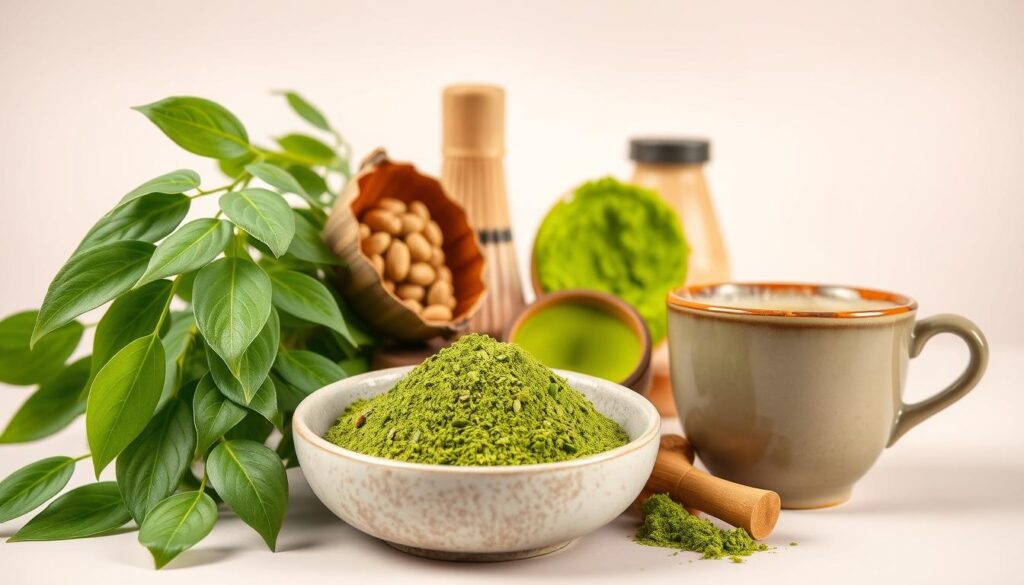
Meet matcha: shade-grown Japanese green tea powder
Matcha is a shade-grown green tea that’s stone-ground so you drink the whole leaf in powdered form.
Shading increases chlorophyll and theanine while concentrating antioxidants like catechins. The result: a vibrant powder prized for antioxidant content and a smoother caffeine lift than brewed coffee.
- Moringa — whole-leaf powder favored for broad nutrients and plant protein.
- Matcha — concentrated antioxidants and gentle caffeine + L-theanine for calm focus.
- Typical starters: moringa about 5–10 g/day; matcha about 2–5 g/day.
Moringa vs Matcha: Nutritional Profile and Key Nutrients
Both powders add green nutrition, but they serve different dietary roles. One supplies a broad mix of vitamins and minerals, while the other is a concentrated tea powder notable for catechins and higher calorie/protein density per 100 g.
Vitamins and minerals
Moringa provides a broader spectrum of vitamins and minerals—including vitamins A, C, E and minerals like iron, calcium, and magnesium—while matcha concentrates green tea antioxidants.
Per 100 g, moringa oleifera leaf powder is lighter (≈64 kcal) with high vitamin C (120–150 mg) and about 7 mg iron. Matcha runs higher in calories (≈310–325 kcal) and more calcium per 100 g, but much less vitamin C.
Protein and essential amino acids
Per tablespoon, moringa powder often delivers ~3 g protein and a useful profile of essential amino acids. Matcha gives roughly 2 g protein and adds amino components like theanine, but it is not a primary protein source.
Calories, fiber, and macronutrients
Calorie and macro content differ by serving size; per 100 g, matcha is denser in calories and protein, while moringa stays lighter with strong vitamin C.
- Moringa: lower calories, ~9–10 g protein/100 g, ~8–9 g carbs, notable iron and vitamin content.
- Matcha: higher calories, ~25–30 g protein/100 g, more carbs and calcium, and a catechin-rich antioxidant profile.
For practical use, think teaspoons or tablespoons, not 100 g. If iron matters, choose the leaf powder; if you want tea-derived antioxidants and a grassy flavor to build recipes around, the tea powder fits better. Learn how to compare powders for your goals.
Antioxidant Power: EGCG, catechins, quercetin, and chlorogenic acid
Leaf powders differ in the antioxidant molecules they supply and how those compounds protect cells. Matcha concentrates catechins—especially EGCG—found in green tea, while moringa delivers quercetin and chlorogenic acid.
EGCG-rich profiles in matcha have been studied for cardiometabolic and cellular benefits and are linked to anti-inflammatory effects and metabolic support.
Moringa’s quercetin and chlorogenic acid add diversity to your antioxidant intake, offering complementary mechanisms beyond tea catechins.
These antioxidant families work differently but converge on lowering oxidative stress and supporting resilient health. As whole-leaf powders, both retain a range of plant compounds that add to total antioxidant capacity, not just one molecule.
- Quality, freshness, and storage impact antioxidant content in any powder you buy.
- Store powders in airtight, light-protective containers to preserve active compounds.
- Choose reputable vendors to ensure labeled antioxidant content is reliable, especially for ceremonial-grade matcha.
For more practical guidance on supplements and related products, see this weight loss review as an example of evaluating claims and sourcing.
Energy, Focus, and Caffeine: Calm alertness vs stimulant‑free support
Two green powders give different kinds of lift: one uses caffeine chemistry for sharper mental focus, the other supplies iron and micronutrients for steady energy without stimulants. Both can help productivity when used at the right time and in sensible amounts.
Certain green powders sharpen attention through a caffeine-plus-amino synergy, while others support baseline stamina via vitamins and iron.
How the caffeine + L‑theanine combo improves focus
Matcha pairs caffeine with L‑theanine to promote calm alertness and sharper focus. The typical 8 oz serving delivers about 40–80 mg of caffeine, often felt as a smooth, sustained lift rather than a jittery spike.
L‑theanine is an amino that tempers caffeine’s edge, supporting clearer thinking and working focus.
Nutrient-driven energy without stimulants
Moringa energizes by supplying iron and vitamins—no stimulants—so sensitive readers get support without jitters. This powder helps reduce fatigue tied to low iron or poor micronutrient intake.
Best timing and simple prep
- Enjoy either in the morning or early afternoon; whisk matcha with hot water for a classic prep.
- Start low with caffeine if you are sensitive and increase slowly to find your ideal serving size.
- Rotate by need: choose matcha on high-focus days and the nutrient powder on recovery or lighter days.
Health Benefits Compared: Immune, heart, metabolism, and oxidative stress
Both powders show signals in research for supporting immune defense and metabolic health, but they do so through different nutrient and phytochemical profiles. One supplies vitamins and minerals that feed immune and recovery pathways; the other brings concentrated green tea catechins that act as antioxidants and metabolic modulators.
Immune system support and antioxidant defense
Both powders support immune function and antioxidant defense, though via different compounds—moringa through vitamins and leaf polyphenols, matcha through green tea catechins.
Vitamins A, C, and E plus iron and other minerals help maintain immune system function and cellular repair.
Tea-derived EGCG and other catechins defend against free radicals and add a different antioxidant profile.
Cardiovascular health: cholesterol, blood pressure, and lipid balance
Cardiovascular and metabolic benefits appear in research, with the leaf powder linked to cholesterol support and blood pressure balance, and the tea powder associated with improved lipid and glucose markers.
Small trials show reductions in LDL or improved lipid ratios from leaf supplements, while catechin-rich tea intake often relates to better lipid and glucose control.
Metabolism and weight management: fat oxidation insights
Matcha’s catechins may increase fat oxidation, especially around exercise; use that insight to pair tea servings with workouts if your goal is weight management.
Catechins can boost fat burn modestly during activity. The leaf powder adds nutrient density and protein, which helps satiety and daily maintenance.
Oxidative stress, inflammation, and brain health
By easing oxidative stress, both may support brain health and overall function.
Theanine and EGCG link to neuroprotective effects and calmer focus, while leaf polyphenols offer anti-inflammatory benefits that support recovery across the body.
Practical note: benefits vary by dose, quality, and diet. Think of these powders as supportive additions—not cures—and track results over several weeks.
For a detailed purchase and quality checklist, learn how to compare powders before adding them to your routine.
Safety, Side Effects, and Who Should Be Cautious
Know the risks before adding a new green powder to your routine. This short guide flags common side effects and who should check with a clinician first.
Start with a small serving and watch how your body reacts. Some leaf-derived powders help many people, but they can cause GI upset, interact with meds, or affect sleep.
Practical cautions for the leaf powder
Moringa is generally well tolerated but can cause GI discomfort at higher intakes; avoid during pregnancy and consider timing if you take iron. High doses may bring gas, bloating, or loose stools. Tannins in the leaves can temporarily reduce iron absorption, so space servings away from iron supplements or iron-rich meals.
Practical cautions for the tea powder
Matcha contains caffeine and, in low grades, may carry contaminants—choose reputable sources and moderate your intake to protect sleep and liver health. Caffeine can cause jitteriness or insomnia for sensitive people. Rare cases link very high catechin doses to liver stress, so stick to about 1–2 tsp daily and avoid concentrated extracts unless advised.
- Start small: begin with 1 tsp of powder and increase slowly.
- Select organic, third‑party tested sources to reduce pesticide or heavy metal risk.
- Keep caffeine earlier in the day and track total intake from coffee, tea, and supplements.
- Discontinue if you notice rashes or unusual symptoms and consult your clinician.
For a quick primer on leaf safety and traditional uses, see the moringa benefits overview.
How to Use Moringa and Matcha Day to Day
Two simple swaps can give you more nutrients and steady energy without extra time in the kitchen.
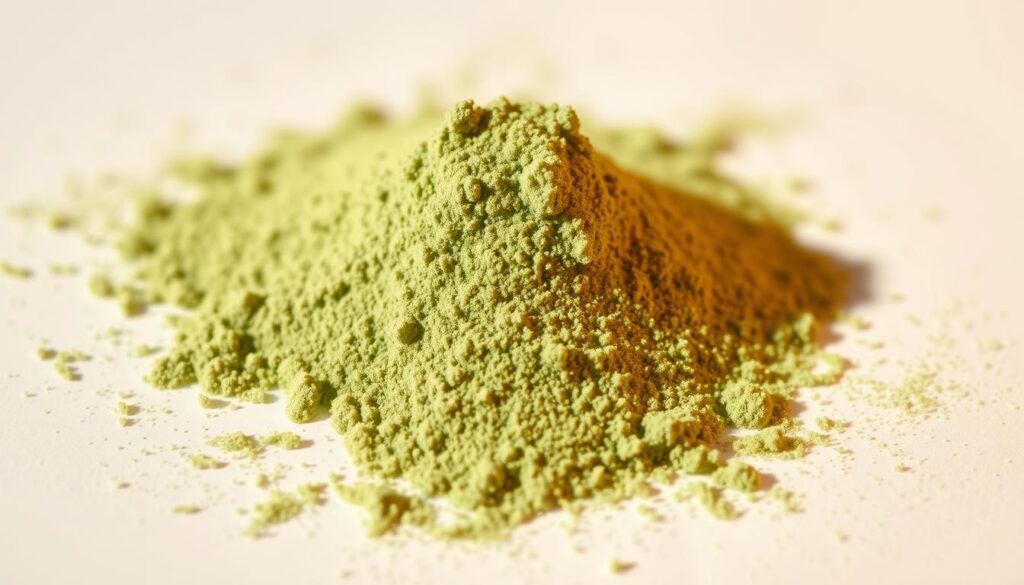
For classic prep, whisk matcha with hot water for tea or steam milk for a latte; stir moringa into smoothies or brew as a simple tea.
Quick ideas that work every day
- Add moringa to soups, eggs, or hummus and matcha to smoothies, yogurt, or baked goods for a practical daily boost.
- Start with 1 tsp matcha powder, whisked into hot water or warm milk for a focused morning ritual (≈40–80 mg caffeine per 8 oz).
- Build a moringa smoothie with greens, banana, and yogurt to balance its vegetal flavor and add creaminess.
- Sprinkle the leaf powder into eggs or blend into hummus for savory depth without overwhelming taste.
Flavor notes and pairing tips
Lean into flavor: moringa is earthy-savoury with a light spice; matcha is grassy with a gentle sweetness.
Matcha pairs well with milk, yogurt, and fruit like strawberries. The leaf powder pairs best with savory dishes or creamy bases that soften its vegetal content.
| Use | Best match | Why it works |
|---|---|---|
| Morning ritual | Matcha tea or latte | Calm caffeine lift and easy whisking |
| Smoothies | Leaf powder | Adds vitamins and balances with fruit |
| Cooking | Leaf powder or culinary matcha | Eggs, soups, or baked goods gain color and nutrients |
If you want to compare powders, check this helpful guide: compare powders. Quality and storage matter—keep both airtight to protect flavor and content.
Choosing Your Best Fit — Or Combining Both
Decide by goal: steady nutrient support or a calm, focused lift—and you can also combine them for the best of both worlds. Short timing tweaks and modest doses help match effects to your day.
Those sensitive to stimulants often pick the caffeine-free leaf powder for steady nutrition and baseline health benefits.
Coffee lovers or people who need clear morning focus may prefer the tea powder for its gentle caffeine plus L‑theanine lift.
- Choose moringa if you want caffeine-free, nutrient-dense support; choose matcha if you want calm focus and a gentle metabolic nudge.
- Or combine both: a half-and-half latte or smoothie pairs micronutrients with catechins and theanine.
- Align timing with your day—matcha earlier for focus, moringa anytime for steady nutrition.
A practical mix is 1 tsp matcha plus 1 tsp moringa in a morning smoothie. Try 1–3 tsp leaf powder and 1–2 tsp tea powder daily, split across morning and early afternoon.
Monitor how your system responds over two to three weeks and adjust ratios to fit energy, sleep, and digestion goals. For travel or busy mornings, pre-mix a small jar of your preferred combination to save time.
Conclusion
Choosing the right green powder depends on your daily goals: steady nutrition or a focused lift. If you want broad nutrition without stimulants, moringa—the “miracle tree”—is a strong fit; if you want calm energy and green tea antioxidants, matcha excels.
As plant leaf powders, both bring useful properties: the leaf delivers vitamins, minerals, and protein support; the tea powder supplies catechins and theanine for calm clarity. Prioritize quality, start low, and give yourself time to notice how your body responds.
Many readers do best with a smart blend: use matcha earlier for focus and the leaf powder anytime for steady support. For a quick quality checklist and product notes, see moringa vs matcha health benefits.
FAQ
Is moringa the same as matcha and can I use them interchangeably?
They are different products: one is a leaf from a nutrient-dense tree and the other is stone-ground shade-grown green tea. Both come as powders and offer antioxidants and vitamins, but their nutrient profiles, flavor, and stimulant effects differ — so they’re not direct substitutes. Use matcha when you want a mild caffeine lift and L‑theanine calm focus; choose moringa for broader micronutrients like iron and plant protein without a stimulant.
What are the top health benefits of each powder?
Matcha delivers catechins (notably EGCG) that support antioxidant defense and metabolic activity, plus caffeine + L‑theanine for alertness. The leaf powder supplies vitamins A, C, and E, minerals such as iron and calcium, and a modest amount of complete plant protein and essential amino acids that support immune function, energy, and recovery. Together they can complement antioxidant and nutrient needs.
How much caffeine is in matcha versus moringa?
Matcha contains measurable caffeine (typically 35–70 mg per teaspoon depending on grade) and pairs with L‑theanine to reduce jitteriness. The leaf powder is essentially stimulant‑free — any mild alerting effect comes from improved nutrition rather than caffeine, making it suitable for evenings or those sensitive to stimulants.
Can these powders help with weight management and metabolism?
Matcha’s catechins and caffeine may modestly increase fat oxidation and metabolic rate when combined with physical activity. The leaf powder supports metabolism more indirectly through micronutrients, protein, and fiber that help satiety and overall nutrient balance. Neither is a magic bullet — they work best alongside a healthy diet and exercise.
Are there safety concerns or side effects to watch for?
Yes. The leaf powder can cause gastrointestinal upset in some people and is not recommended during pregnancy in medicinal doses due to certain plant compounds; consult your provider. Matcha can trigger insomnia, palpitations, or anxiety in caffeine‑sensitive individuals and has potential contamination risks if poorly sourced. Choose reputable brands and follow recommended serving sizes.
How should I prepare each powder for best results and flavor?
For matcha, whisk 1/2–1 teaspoon into 2–4 ounces of hot (not boiling) water for a frothy tea or blend into lattes and smoothies. For the leaf powder, start with 1 teaspoon in water, smoothies, yogurt, or savory dishes; its earthy, slightly spicy profile pairs well with citrus, ginger, and yogurt. Both work well in recipes — adjust to taste.
Can I combine the two powders in one drink? Will nutrients interfere?
Yes — combining can offer antioxidant variety plus vitamins and amino acids. Flavor may be strong, so start with small amounts (1/4–1/2 tsp matcha + 1/2–1 tsp leaf powder). No evidence suggests harmful nutrient interactions at culinary dosages; still, monitor total caffeine if using higher matcha amounts.
Which one is better for athletes or people focused on recovery and protein?
The leaf powder has an edge for plant protein and essential amino acids, plus iron and minerals that support recovery. Matcha supports focus, endurance, and metabolic response through caffeine and catechins. For recovery, consider the leaf powder post-workout; for pre-workout alertness, choose matcha.
How do I choose a high-quality product for safety and potency?
Look for third‑party testing, organic certification, transparent sourcing, and clear labeling of country and part used. For matcha, choose culinary vs ceremonial grade based on use; for the leaf powder, prefer products made from fresh leaves (not seed or bark) with minimal processing. Brands backed by COAs (certificate of analysis) and reputable retailers reduce contamination risk.
Are there interactions with medications I should know about?
Both can interact with medications. The leaf powder’s iron content and plant compounds may affect blood thinners or thyroid medication; matcha’s caffeine can interact with stimulants and some psychiatric meds. If you take prescription drugs, discuss adding either powder with your clinician before regular use.
How often and how much should I consume for health benefits?
Start small: 1/2–1 teaspoon daily of either powder, then adjust to tolerance and goals. For matcha, avoid late-afternoon doses if sleep is affected. For the leaf powder, keep culinary doses daily but avoid concentrated medicinal uses during pregnancy or without medical advice. Regular, moderate use yields the most reliable benefits.
Will either powder improve cognitive function or mood?
Matcha’s caffeine + L‑theanine combo supports short-term alertness, attention, and calm focus. The leaf powder may support mood indirectly by improving micronutrient status and reducing oxidative stress. Neither replaces clinical treatment for mental health, but both can be part of a lifestyle that supports cognitive well-being.



Don’t Miss These Picks