


Which tool will actually help you get better rest: a wearable that tracks physiology or a bedside device that shapes your bedroom?
This guide compares a wearable ring focused on deep tracking against a nightstand device that controls light and sound.
The ring centers on objective data — temperature sensors, heart rate, and SpO2 trends — and delivers readiness and recovery insights, plus about a week of battery life and a membership model. The bedside gadget focuses on routines, sunrise alarms, and built-in sounds to nudge your habits without wearing anything.
Upfront costs and subscriptions matter: the ring carries a higher hardware price and monthly membership, while the nightstand unit is cheaper and offers many core features without a subscription.
Read on to learn which approach fits you: performance-minded users who want actionable tracking, or routine-driven sleepers who prefer environmental cues and simple convenience. For more options, check this roundup of top devices and complementary gear: best sleep tech gadgets.
Key Takeaways
- Ring: best for in-depth physiological tracking and recovery coaching.
- Nightstand device: best for routine, light, and sound-based sleep support.
- Compare total cost: hardware price plus subscriptions affect long-term value.
- Battery and convenience differ — weekly charges vs. always-plugged simplicity.
- Choose based on goals: performance metrics or environmental habit shaping.
At a glance: two very different paths to better sleep
Two distinct approaches aim to improve your nightly rest: a compact ring that records physiology and a bedside device that reshapes your environment with light and sounds.
Quick snapshot: the ring is a precise wearable that captures heart rate, temperature, and SpO2 trends plus readiness and long-term reports. The sunrise alarm sits on your nightstand and uses diffused light, white/pink/brown noise, and tactile controls to build routines.
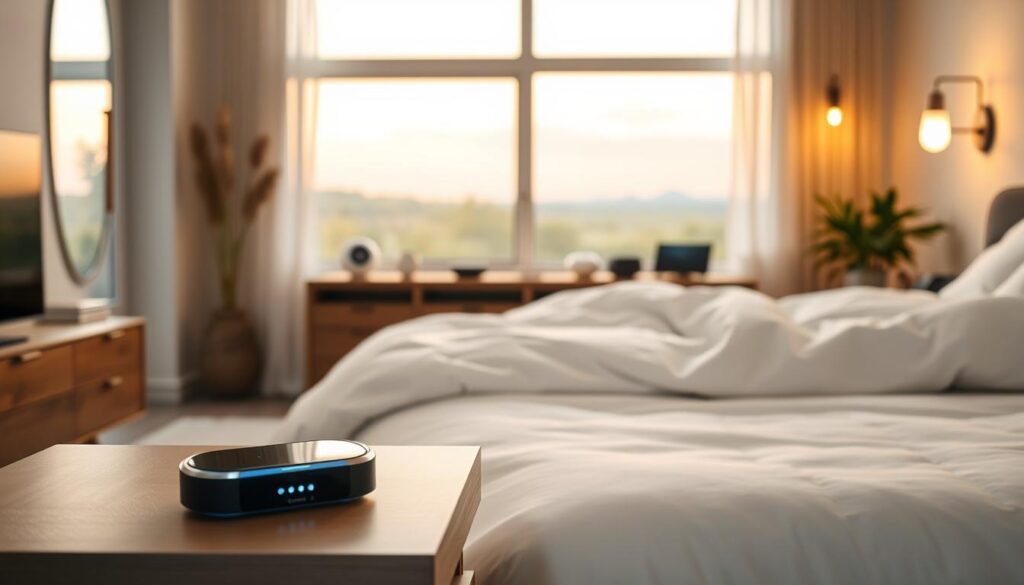
Experience matters: the ring asks for several nights to establish a baseline and then delivers in-app insights and trends. The sunrise unit is immediate—set a wind-down, choose a wake-up light, press tactile buttons, and you’re ready for the day.
“One device guides behavior with data; the other cues your body clock with light and sound.”
- Wear vs. no-wear: wearing a ring all night vs. a plug-in alarm that stays on the nightstand.
- UX: deep app-driven analysis compared to simple, screen-free routine building.
- Subscriptions: advanced tracking features may require membership, while core alarms and sounds usually work out of the box.
Design & battery: a minimal ring with multi-day battery contrasts with a fabric-clad, always-plugged bedside lamp. Keep your tolerance for wearing tech and your ideal morning experience in mind when choosing a path.
Oura vs Hatch Sleep: what problem are you trying to solve?
Decide if you want clear, measurable health signals or environmental support that makes it easier to fall asleep and wake up. Your daily goals and energy needs should guide the choice.
Do you need precise tracking and health insights or gentle routines and sounds?
If you want to measure recovery, readiness, and sleep quality to steer training and stress, choose a device that records heart rate, temperature, and SpO2 overnight.
That data nudges behavior: earlier wind-downs, cooler rooms, or lighter training days based on trends, not guesswork.
Commercial intent check: wearable ring or bedside sunrise alarm?
If you struggle to fall asleep or wake with a jarring alarm, a bedside unit with sunrise light, white/pink/brown noise, and set routines reduces friction at bedtime.
- Comfort: a lightweight ring sits on your finger all night vs. no device on your body.
- Household fit: a ring is personal; a nightstand gadget benefits the whole room.
- Costs: membership fees add ongoing cost for advanced analytics; premium audio or content may be optional for the bedside device.
Both approaches can improve sleep quality, but in different ways. Routine-builders often start with environmental cues first, while metrics-driven users pick the wearable for long-term health insight.
Features face-off: tracking ring vs. sunrise lamp and sounds
Two clear approaches appear: one focuses on physiology and trends, the other on light, noise, and routine. Both aim for better mornings but get there differently.
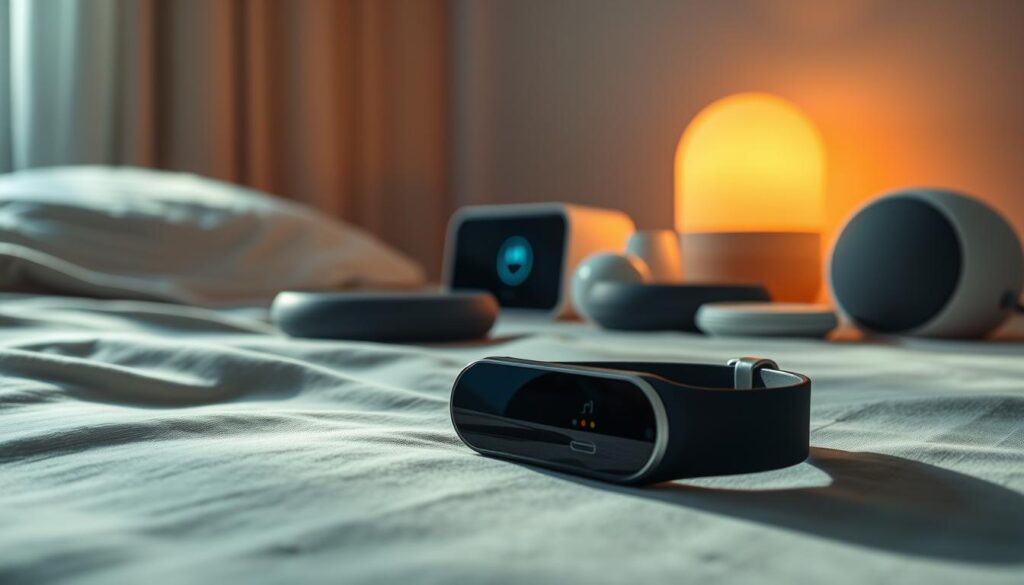
Oura Ring 4 highlights
Sensor stack: seven temperature sensors plus LEDs that monitor heart rate and passive overnight blood oxygen. This data feeds daily readiness and sleep quality reports.
It maps sleep stages, shows long-term trends, and offers a recovery mode to guide training and rest. Expect up to a week per charge, so charging is infrequent.
Restore-style lamp highlights
Core features: customizable sunrise palettes, sunset wind-downs, tactile buttons, and built-in white, pink, and brown noise. Alarms and basic sounds work without a subscription.
The fabric-diffused light keeps the wake cue gentle yet effective for circadian entrainment.
App and real-world impact
The ring’s app delivers trend dashboards, coaching nudges, and wellness content based on passive overnight tracking. The lamp’s app builds routines and offers an audio library for wind-down and wake-up sequences.
In practice: the ring changes behavior through data; the lamp shapes the environment with light and sounds to cue your clock.
Accuracy, insights, and data you can act on
When measurement meets meaning, you get usable guidance—not just charts. Devices that combine reliable sensing with clear interpretation help you decide when to rest, when to train, and when to change habits.
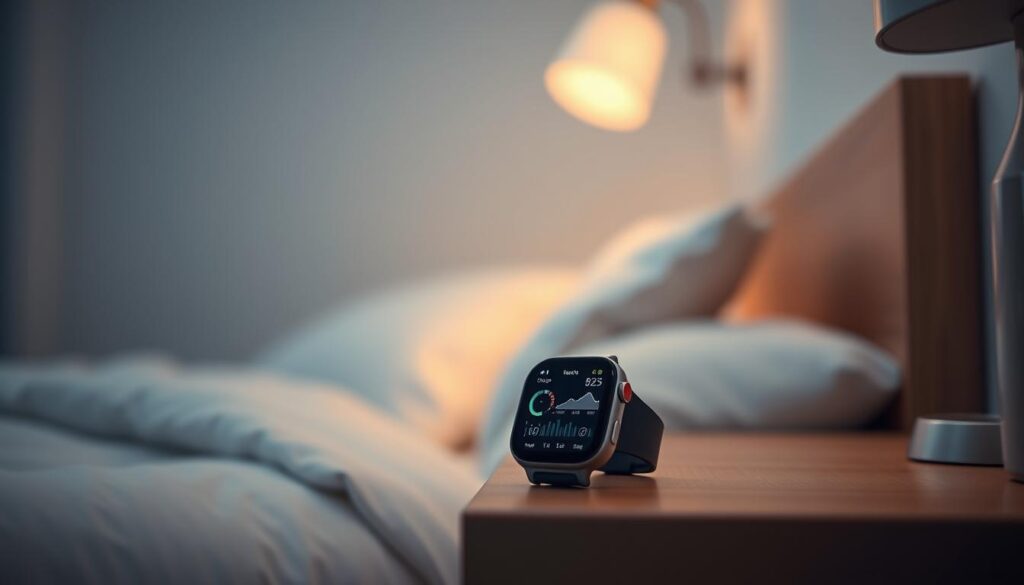
Context-rich reports and passive overnight trends
Ring-style trackers bundle heart rate, sleep stages, and passive overnight blood oxygen trends into a single readiness score. That context-first reporting matters because it turns raw data into clear guidance on when to push or rest.
Passive overnight SpO2 monitoring shows slow-moving trends over weeks, which is more useful than sporadic spot checks. Combined with heart rate and sleep stage patterns, these trends make daily decisions less guesswork and more data-driven.
Recovery mode pauses goals when you’re ill or injured, so recommendations match real life and reduce pressure to hit targets while you heal.
Routine design and circadian-friendly wake-ups
Bedside units focus on consistent wind-downs and sunrise-based alarms that cue the brain for sleep and morning. Regular routines and gentle light reduce grogginess and increase alertness for many people who hate jarring alarms.
Behavioral consistency often beats perfect accuracy. A device that helps you fall asleep and wake with less friction improves day-to-day life even if it isn’t a medical instrument.
- Accuracy vs. adherence: one tool aims for physiological fidelity and long-term baselines; the other prioritizes habit formation and minimal friction.
- Actionable nudges: data-driven prompts about bedtime, caffeine cutoffs, and training intensity contrast with light and sounds that nudge lights-out time and wake adherence.
- Shared benefit: both reduce mental load—one by summarizing health signals, the other by automating the steps that help you fall asleep and wake smoothly.
Remember: consumer trackers aren’t medical devices, but well-designed products can still improve routine health and daily performance. If you want a deeper look at sleep tracking options, see this sleep trackers roundup for context.
Comfort, design, and battery life in everyday use
How a device feels and how long it lasts on a charge often decide whether you stick with it. Comfort and convenience shape adherence more than raw features.
Which feels better at night?
Ring comfort: a smooth, recessed-sensor ring sits snugly and aims for all-night wear. It complements formal and casual styles and stays out of sight once on.
Nightstand footprint: the linen-like, fabric-clad bedside unit never touches skin. It blends into décor and replaces an alarm clock, lamp, and white-noise box in one.
Battery realities and daily time costs
Battery life: the ring offers multi-day life — up to a week on a single charge — and quick top-ups during short routines. That saves time and reduces nightly fuss.
Always-plugged convenience: the bedside device stays powered, removing battery anxiety and letting tactile buttons dim light or snooze without an app.
- Travel: the ring is compact for carry-ons; the bedside device is best left at home.
- Durability: rings face handwashing and gym use; nightstand units avoid wear but need a stable outlet.
- Rule of thumb: if you dislike wearing anything while sleeping, choose a no-wear nightstand unit; if you want continuous signals with minimal clutter, opt for a ring.
Note: For more on smart ring options and how they compare in daily life, see the best smart rings.
Apps, ecosystems, and compatibility
The right app decides whether you get deep physiological insight or simple, screenless routines that stick. Choose an ecosystem that fits how you prefer to form habits and review progress.
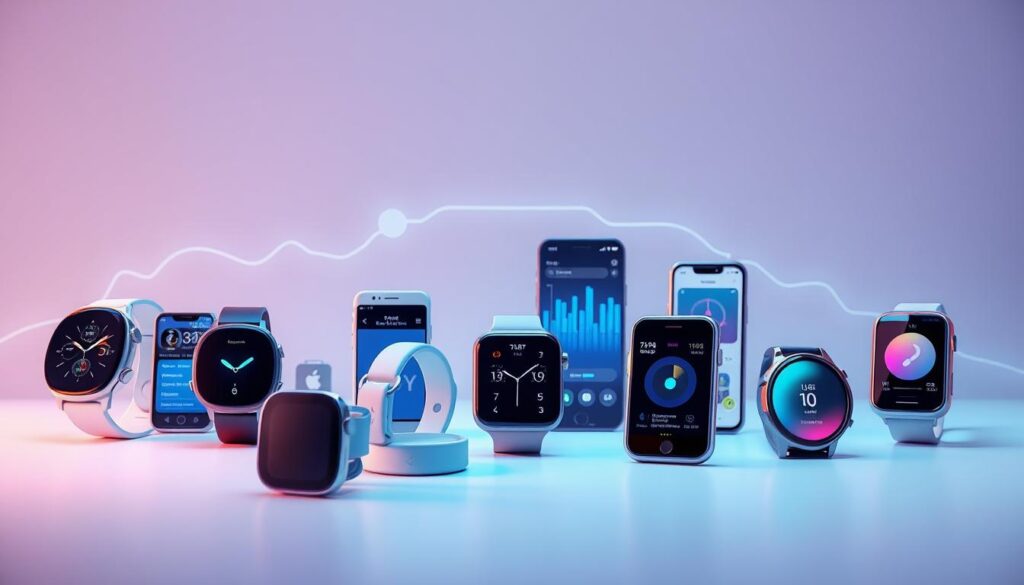
What the oura ring app delivers
Daily dashboards: readiness and sleep summaries with week and month trend views make patterns clear.
The app packs wellness content like guided meditations and white-noise mixes for wind-downs. A recovery mode and exportable data help users reflect and share progress.
Note: full-feature access requires a membership that unlocks long-term analytics and coaching prompts.
What the bedside app and controls offer
Routine builder: set sunset wind-downs, choose sunrise palettes, and pick sounds from the library.
Physical buttons let you control core functions without touching a screen, reducing blue light and late-night scrolling.
A subscription expands audio content, but alarms and basic routines work offline without it.
- Habit support: the ring app nudges with coaching and alerts; the nightstand system nudges with consistent triggers and low-effort routines.
- Family use: one bedside device can serve a room; the ring app remains personal to each user.
- Privacy & data: the ring stores richer physiological records, while the nightstand stores routine and content prefs.
Bottom line: match app complexity to your goals — choose data-forward tracking and coaching or a routine-first, screenless approach that reduces friction at bedtime.
Price, subscriptions, and long‑term value
Cost shapes whether a device helps your routine or becomes another gadget on a shelf. Consider both the sticker price and what you’ll pay over a year or two.
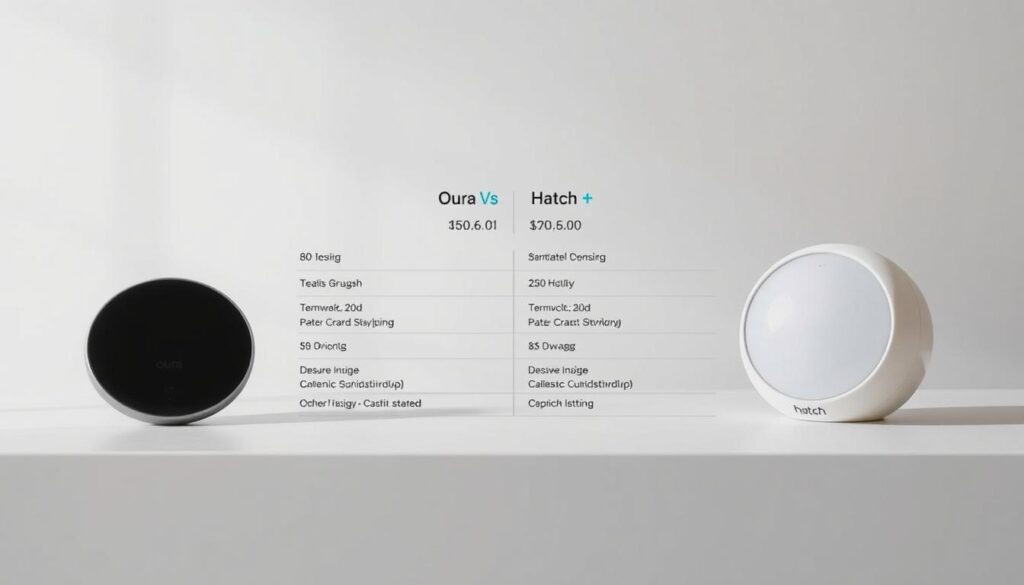
Upfront cost and basic comparison
Upfront: the oura ring runs roughly $349, while the bedside device is about $169.99.
Note: the bedside unit provides core sunrise alarms and sounds out of the box.
Ongoing fees and content access
The ring’s full analytics require a membership at about $6 per month. The bedside app offers optional content for $4.99 per month or $49.99 per year.
Without subscription, the nightstand still delivers reliable alarms and noise for nightly routine.
| Item | Upfront | Subscription | 1‑year total | 2‑year total |
|---|---|---|---|---|
| oura ring | $349 | $6/mo ($72/yr) | $421 | $493 |
| bedside device | $169.99 | $4.99/mo or $49.99/yr | $220–$220 (with yearly) | $270–$270 |
| Key value | Metrics and coaching vs. routine and environment — pick the outcome you’ll use daily. | |||
Who gets more for the money? If you want months of actionable data and recovery guidance, the higher upfront cost can pay off across training cycles and travel recovery.
If gentle morning cues and reliable alarms improve your punctuality and mood, the lower-cost bedside route gives steady value with minimal ongoing fees.
Practical note: consider battery vs. plug-in realities and try a 30–60 day period to confirm adherence.
Bottom line: the best value is the device that sustainably improves your bedtime or morning routine, not just the cheapest sticker price. Choose the path that gives lasting quality.
Who should buy which: matching use cases to users
Choose the tool that fixes your biggest barrier to better sleep—clarity or routines. Identify whether you need actionable health data or a bedside device that simplifies evenings and mornings.
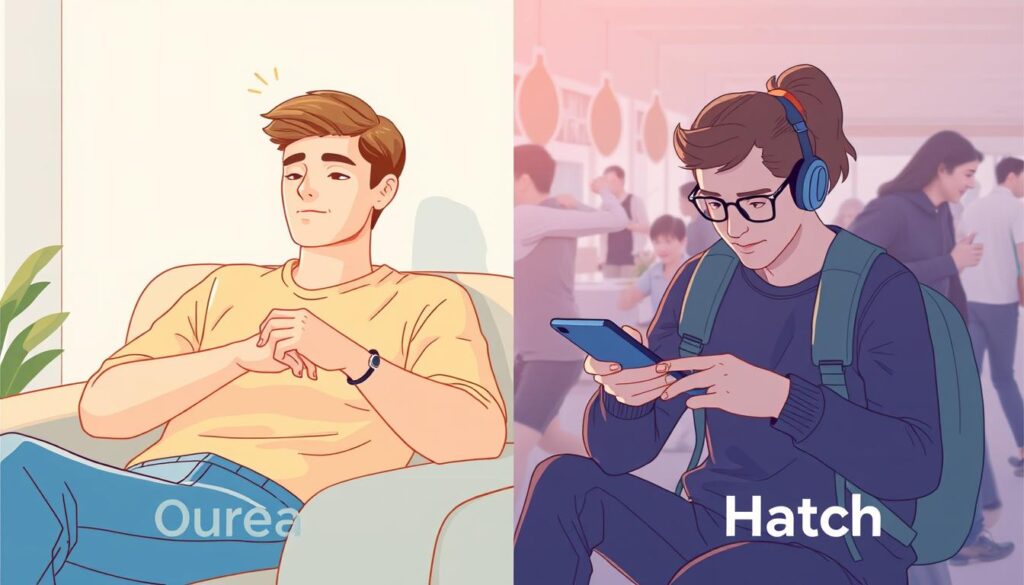
Choose Oura if you want recovery insights and health trends
Best for users who want deep tracking and clear guidance on sleep quality. The oura ring excels at readiness, long-term trends, and passive overnight SpO2 monitoring that informs training and recovery.
Pick this route if you value dashboards, exportable data, and nudges that tell you when to rest or push. Frequent travelers also benefit from the ring’s portability and multi-day battery.
Choose Hatch if you need help falling asleep, masking noise, and waking with light
Best for people who want fast wins through routines and environment. The bedside unit builds sunset wind-downs, sunrise alarms, and offers tactile buttons plus calming sounds to help fall asleep faster.
Light sleepers and those who hate phone alarms should prioritize the gentle wake with diffused light and white noise machine options to reduce morning grogginess.
Power pair: use data and routines together for the best results
Combine the ring’s insights with the bedside device’s cues for a complete system: one supplies data and nudges; the other automates wind-downs and comforting sounds.
- Choose Hatch first if you dislike wearing tech; choose the ring first if you love dashboards and metrics.
- Let the ring tell you when to start winding down and let the bedside device enforce that routine.
- Both improve sleep when you use them daily—pick based on whether motivation or environment blocks your progress.
Not just A vs. B: notable alternatives and complements
Explore targeted tools that fix a single barrier to better rest: temperature, noise, or training load. These options pair well with a ring or a bedside routine, or work alone if you dislike wearables.
Eight Sleep Pod 4 is a mattress-top system that cools or warms each side and includes a silent alarm for one partner. It stays plugged in and needs a membership for full features, making it ideal for people who wake from overheating or nightly temperature swings.
Withings under-mattress mat
The Withings mat slides under your mattress and tracks sleep stages, snoring, and breathing disturbances. It produces exportable sleep diaries for couples or clinicians and suits anyone who prefers non-wear trackers.
Noise solutions and earbuds
For city dwellers, consider the Anker Soundcore Sleep A20 earbuds. They block external noise, play white noise or calming sounds, and offer light tracking while you doze.
Athlete-focused alternatives
Whoop focuses on recovery and training strain with subscription analytics, while Garmin delivers robust training metrics and long battery life without monthly fees on many models.
- Combine smartly: a white noise machine or earbuds plus a temperature-regulating bed cover solves both noise and thermal issues.
- Choose by friction: temperature, noise, or performance analytics should guide your pick.
Conclusion
Match your primary problem—motivation or environment—to the gadget that solves it, and give it consistent time to work. Small, daily changes deliver the clearest gains in sleep quality and daytime energy.
Pick the oura ring if you want precise heart-rate metrics, stages, and long-term data to guide training and recovery.
Choose Hatch if gentle sunrise light, reliable alarms, and calming sounds help you fall asleep and wake with less friction.
For power users, pair data-forward trackers with environmental gear—an Eight Sleep pod or mattress solution, earbuds, or a bedside alarm—to cover both habit and physiology.
Commit for at least a month, ideally a year, then reassess. Consumer sleep tech supports wellness but does not diagnose conditions — see a clinician for persistent problems.
Identify whether motivation or environment blocks your rest, pick the simplest tool to remove it, and stick with that path to better nights and brighter days.
FAQ
Which device helps more with actually falling asleep — a tracking ring or a sunrise alarm and sound machine?
Both help, but in different ways. A tracking ring gives personalized insights into habits, heart rate, and sleep stages so you can change behavior over time. A sunrise alarm and sound machine focuses on immediate environment: light to shift circadian timing and sounds to mask distractions and cue relaxation. If you need quick tools to fall asleep tonight, choose the bedside device; if you want long-term improvements in sleep quality and recovery, a wearable ring is more useful.
How accurate are sleep stages and heart-rate measurements from a wearable ring?
Modern rings use photoplethysmography (PPG) sensors and temperature tracking to estimate sleep stages and heart rate. They provide reliable trends and context-rich readiness scores, but they are not a medical-grade polysomnography substitute. Use them for behavior change and trend spotting rather than diagnosing conditions.
Can a bedside device like a sunrise lamp actually improve circadian rhythm and wakefulness?
Yes — timed bright light in the morning and dimming at night can shift circadian timing. Sunrise alarms that simulate gradual light increase plus consistent wake times help strengthen circadian cues. Combining light with calming pre-sleep routines and sound improves the effect.
Do I need to pay a subscription to get useful data and features?
Many devices offer useful baseline features without subscription. However, premium membership often unlocks deeper trend analysis, guided programs, and historical recovery or routine content. Evaluate whether you want ongoing coaching and extended insights before factoring subscription cost into value.
How does battery life compare between a wearable ring and a nightstand device?
Wearable rings typically offer multi-day battery life — often several days to a week depending on model and sensors — and require periodic charging. Nightstand devices usually remain plugged in and don’t need charging, so they provide always-on convenience for light and sound routines.
Can I use both a wearable ring and a bedside device together?
Absolutely. Using a ring for data and recovery insights alongside a bedside unit for wind-down, white noise, and light-based wake-ups is a complementary approach. The ring informs behavior changes; the bedside device shapes sleep environment and immediate routines.
Are the sleep-tracking metrics actionable for athletes or people who exercise a lot?
Yes. Wearables that report readiness, HRV trends, and sleep quality give training-load context and recovery signals. Athletes can adjust workouts based on recovery metrics. For deeper training integration, consider athlete-focused platforms that sync with training data.
Do bedside devices require an app or can they work offline?
Many modern bedside units offer both app control and offline functionality. You can often use built-in buttons or presets for alarms and sounds without connecting to a phone, while the app enables customization, programs, and content updates.
How do temperature-regulating mattresses or covers compare to rings and bedside devices?
Temperature-regulating mattresses or covers target thermal comfort directly, which can significantly affect sleep quality. They complement wearables (which monitor physiology) and bedside devices (which manage light and sound) by addressing another core environmental factor: core body and microclimate temperature.
Which device is better for people who dislike wearing sensors at night?
If you prefer not to wear a device, non-wear options like under-mattress sensors, bedside alarms, or temperature-regulating bedding provide useful sleep support without contact. Under-mattress mats can track sleep stages passively, while bedside units handle light and sound.
Can sleep earbuds or in-ear devices replace a bedside sound machine?
Sleep earbuds are a good alternative when you need targeted sound without disturbing a partner. They offer immersive noise, guided audio, or white noise in your ear. For shared bedrooms, a bedside sound machine provides a broader ambient solution.
How long before I see meaningful improvements if I start using a wearable for tracking or a bedside routine device?
Behavioral changes often show measurable trends within 2–8 weeks. Track consistent bedtime routines, light exposure, and sleep hygiene while using device feedback to refine habits. Some benefits, like easier wake-ups with sunrise alarms, can appear within days.
Are the blood-oxygen (SpO2) readings from consumer devices reliable?
Consumer overnight SpO2 trends can flag potential issues and show relative changes, but single readings or clinical diagnosis require medical-grade oximeters and professional assessment. Use SpO2 data as a screening tool and consult a clinician if you see concerning patterns.
What should I prioritize when choosing between depth of tracking and environmental control?
Start with your primary problem: if you want actionable health and recovery data, prioritize a tracking device; if falling asleep, staying asleep, or waking gently are your main issues, prioritize environmental controls like light and sound. Many users get the best results by combining both approaches.

Don’t Miss These Picks