


Do you struggle to fall asleep, wake up during the night, or feel tired even after spending eight hours in bed? Your daily habits may be part of the problem. The good news is that improving your sleep hygiene doesn’t require an expensive mattress, supplements, or a complicated routine.
A healthy sleep hygiene routine combines consistent sleep times, morning daylight, relaxing evening habits, and a comfortable bedroom. These simple changes can help your body recognize when it’s time to feel awake and when it’s time to rest.
There’s no single perfect routine for everyone. The goal is to build habits that fit your schedule and support your natural sleep cycle. This guide explains what to do throughout the day, how to prepare for bedtime, and when sleep problems need more than lifestyle changes.
Key Takeaways
- Keep a regular schedule: Wake up at approximately the same time every day, including weekends.
- Build a bedtime routine: Spend 30–60 minutes relaxing before bed with dim lights and fewer distractions.
- Prepare your bedroom: A cool, dark, quiet space can make sleeping more comfortable.
- Watch daytime habits: Morning sunlight, regular exercise, and earlier caffeine cutoffs support healthy sleep patterns.
- Know when to get help: Persistent insomnia, loud snoring, or significant daytime sleepiness may require professional evaluation.
Helpful Products at a Glance
NICETOWN Grey Blackout Curtains: An option for reducing outside light through bedroom windows. Check your window measurements and remember that room-darkening fabric may not create complete darkness.
MZOO Contoured Sleep Mask: A lightweight option for blocking light around your eyes, especially when curtains aren’t enough. Comfort depends on getting the right fit.
- Low - Rebound Memory Foam, Soft and Comfortable.
- Zero Eye Pressure: The Deepest 13mm arc-shaped widened eye cups provide makeup-safe space and allow natural blinking

Magicteam White Noise Machine: An optional tool for masking background sounds with steady audio. It requires a power connection and won’t block every noise.
Why Sleep Hygiene Matters for Your Health
Sleep gives your brain and body time to recover. It supports memory, concentration, emotional balance, metabolism, and heart health. When you regularly miss out on sleep, you may notice irritability, poor focus, slower reactions, or stronger food cravings.
Insufficient sleep is common. According to a 2026 report from the CDC, 30.5% of U.S. adults reported averaging fewer than seven hours of sleep in 2024.

How poor sleep can affect your body
| Body System | Possible Short-Term Effects | Long-Term Health Associations |
|---|---|---|
| Heart | Temporary blood pressure changes | Higher risk of hypertension and cardiovascular disease |
| Metabolism | Changes in appetite and blood sugar control | Higher risk of obesity and type 2 diabetes |
| Brain | Poor attention, memory, and mood | Possible links with cognitive decline |
These connections don’t mean every person who sleeps poorly will develop a serious illness. Many factors influence long-term health, and improving sleep habits alone cannot eliminate these risks.
Still, healthy routines offer a practical starting point. They can improve the conditions for sleep while supporting other positive lifestyle choices.
What Is Sleep Hygiene?
Sleep hygiene refers to everyday habits and environmental conditions that support healthy sleep. It includes when you wake up, how you use light, what you consume, and how you prepare your bedroom.
These habits influence your circadian rhythm, the internal 24-hour clock that helps regulate sleepiness, alertness, body temperature, and hormone release.

Morning daylight helps signal that it’s time to be awake. Darkness in the evening supports the natural release of melatonin, a hormone involved in sleep timing. Regular daily routines help your body respond to these signals more predictably.
However, sleep hygiene isn’t a cure for every sleep disorder. People with chronic insomnia often need additional treatment, particularly cognitive behavioral therapy for insomnia (CBT-I).
7 Steps to Build a Healthy Sleep Hygiene Routine
You don’t need to change everything overnight. Start with the habit most likely to improve your sleep, then gradually add the others.
- Choose a consistent wake-up time. Pick a time you can maintain on workdays and weekends.
- Allow enough time for sleep. Most adults need at least seven hours, with many benefiting from seven to nine hours nightly.
- Get morning daylight. Spend some time outdoors soon after waking, when practical.
- Move during the day. Regular walking, cycling, or other exercise can support sleep quality.
- Limit late stimulants. Avoid caffeine close to bedtime and reduce evening alcohol.
- Create a calming wind-down. Dim lights and choose relaxing activities during the last 30–60 minutes before bed.
- Make your bedroom sleep-friendly. Reduce unnecessary light, noise, and uncomfortable temperatures.
The next sections explain how to put each step into practice without making your schedule overly strict.
Set a Consistent Sleep Schedule
Your wake-up time is one of the most useful places to begin. A regular schedule helps strengthen your internal clock, making sleepiness and alertness more predictable.
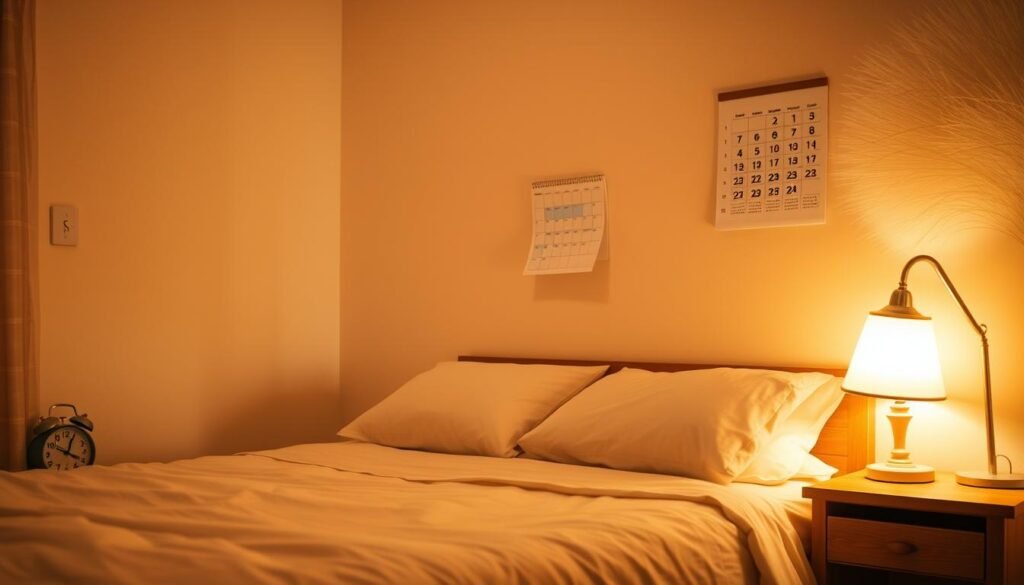
Choose your wake-up time first
Suppose you need to wake up at 7 a.m. and usually feel best with eight hours of sleep. You might aim to be asleep around 11 p.m., allowing extra time beforehand to settle down.
Try to keep weekend wake-up times within about an hour of your usual schedule. Occasional changes are normal, but large swings can leave you feeling like you’re adjusting to a new time zone.
Adjust your schedule gradually
If you’re used to sleeping at 1 a.m., suddenly forcing an earlier bedtime may leave you lying awake. Instead, move your schedule earlier in small steps, such as 15–30 minutes every few days.
Manage naps carefully: If you need one, try a 10–20 minute nap earlier in the afternoon. Long or late naps can reduce your natural sleepiness at bedtime. If you already struggle with insomnia, avoiding naps may help.
Use Daytime Habits to Prepare for Better Sleep
A good night’s sleep begins long before bedtime. Light exposure, physical activity, meals, and stimulants all influence how ready you feel to rest.
Get natural light after waking
Try stepping outside for 10–30 minutes in the morning. A short walk, breakfast outdoors, or time in your garden can help reinforce your daily rhythm.
The ideal duration depends on weather, season, and available daylight. Avoid staring directly at the sun, and protect your skin and eyes as appropriate.

Exercise regularly without overthinking the timing
Physical activity can support better sleep and reduce stress. A practical goal is about 30 minutes of moderate exercise on most days, adjusted to your fitness level.
Morning workouts aren’t required. Afternoon and evening exercise can also help. However, if vigorous activity right before bed keeps you alert, finish intense workouts earlier and choose gentle stretching or walking later.
Pay attention to caffeine, alcohol, and meals
Caffeine can remain in your system for hours. Coffee, energy drinks, tea, soda, chocolate, and some pre-workout products may interfere with sleep, especially if you’re sensitive.
- Caffeine: Consider stopping at least 6–8 hours before bedtime, or earlier if it affects you.
- Alcohol: Although it may make you feel sleepy initially, it can disrupt sleep later in the night.
- Heavy meals: Finish large dinners about 2–3 hours before bed when possible, particularly if you experience reflux.
- Nicotine: Avoid it, especially near bedtime, because its stimulating effects can interfere with sleep.

If you feel hungry before bed, a small snack may be more comfortable than trying to sleep on an empty stomach. People with reflux should also avoid lying down immediately after eating.
Create a Calming 60-Minute Bedtime Routine
A bedtime routine works best when it’s simple enough to repeat. Instead of trying to force yourself to sleep, focus on reducing stimulation and creating comfortable conditions.

A simple one-hour wind-down plan
| Time Before Bed | What to Do |
|---|---|
| 60 minutes | Dim bright lights, finish demanding tasks, and silence unnecessary notifications. |
| 45 minutes | Take a warm shower, change into comfortable clothing, or prepare tomorrow’s essentials. |
| 30 minutes | Read a book, listen to gentle music, or practice light stretching. |
| 10 minutes | Try slow breathing or a short relaxation exercise. |
| Bedtime | Turn off the lights and go to bed when you feel sleepy. |
You don’t have to follow every activity exactly. Pick two or three you enjoy and repeat them regularly. The aim is to make bedtime predictable, not turn it into another demanding task.
Try simple relaxation techniques
Slow breathing can help you settle after a stressful day. Breathe in gently through your nose, then exhale slowly without straining. Continue for a few comfortable minutes.
You can also try gentle stretching, meditation, or writing down tomorrow’s priorities. If an activity makes you more alert or anxious, skip it and choose something quieter.
Reducing screen use is helpful when devices keep you engaged or expose you to bright light. If you must use a screen, lower its brightness and avoid stimulating content. Night mode alone isn’t a substitute for reducing overall light exposure.
For additional ideas, see the Sleep Foundation’s bedtime routine guide.
Design a Bedroom That Supports Quality Sleep
Your bedroom should feel comfortable, quiet, and separate from daytime work or entertainment. You don’t need to redesign the entire room. Often, addressing the biggest source of discomfort makes the most difference.

Keep your bedroom comfortably cool
Many adults prefer a sleeping temperature around 60–67°F (16–19°C), although individual comfort varies. Use breathable bedding, adjustable blankets, and ventilation to avoid becoming too hot or cold.
If you don’t have air conditioning, a fan, lighter blankets, or better airflow may help. Don’t force an uncomfortable temperature simply to match a recommended range.
Reduce unwanted light
Streetlights, early sunrise, and bright hallway lighting may disturb people who are sensitive to light. Start by closing curtains, covering unnecessary indicator lights, and turning off bright lamps.
For windows that still let in too much light, the NICETOWN Grey Blackout Curtains offer an optional room-darkening solution. The listed version includes two grommet-top panels measuring 52 inches wide and 84 inches long each. They may reduce incoming light, but gaps around the edges and fabric choice can affect the result.
Measure your window and consider where the curtain rod will sit before choosing a size. If your existing curtains already keep the room comfortably dark, you may not need anything else.
Consider a sleep mask for additional darkness
Blackout curtains aren’t always practical, especially in shared bedrooms, rented homes, or during travel. A sleep mask can block light closer to your eyes without changing your room.
The MZOO Contoured Sleep Mask has shaped eye cups, an adjustable strap, and a design intended to reduce direct pressure on the eyelids. It may suit someone who dislikes a flat mask touching their eyes, although comfort and light blocking depend on facial shape and fit.
Choose a mask that stays comfortable without being tightened excessively. A simple soft sleep mask can also work, so a contoured design is an option rather than a requirement.
- Low - Rebound Memory Foam, Soft and Comfortable.
- Zero Eye Pressure: The Deepest 13mm arc-shaped widened eye cups provide makeup-safe space and allow natural blinking
- Great for Side Sleepers: Upgraded 15°-curved thin sides ensure smooth transitions with no uncomfortable bulge, minimizing temple pressure for all sleeping positions
- 100% Light Blocking: Patented contoured eye cups seal completely around each eye. Deep 22mm nose padding blocks all light leakage
Manage noise without creating more disturbance
Sudden sounds from traffic, neighbors, or household activity can interrupt sleep. Closing windows, using comfortable earplugs when appropriate, or running an existing fan may help.
Some people also prefer steady background sound to make unpredictable noises less noticeable. The Magicteam White Noise Machine offers 20 sound options, adjustable volume levels, a timer, and a memory function. It needs to remain connected to power during use.
Keep the volume low and place the machine at a comfortable distance from your bed. White noise may help mask certain sounds, but research on its sleep benefits is mixed, and it won’t solve severe noise problems. If a regular fan already works for you, there’s no need to buy a separate device.
Choose comfortable mattresses and pillows
Your mattress should support your body without creating uncomfortable pressure. Pillows should help keep your neck in a comfortable position for your usual sleeping posture.
A sagging mattress or flattened pillow may deserve attention, but age alone doesn’t determine when to replace bedding. Look for discomfort, lost support, or visible wear instead of following a strict replacement schedule.
Finally, try reserving your bed mainly for sleep and intimacy. Working, scrolling, or watching television in bed can weaken the connection between getting into bed and feeling sleepy.
What to Do When You Can’t Fall Asleep
Lying awake and worrying about the clock can make bedtime more stressful. If you’ve been awake for roughly 20 minutes and feel frustrated, consider leaving the bed temporarily.
Move somewhere comfortable with dim lighting. Read a calm book, listen to quiet audio, or practice gentle relaxation. Return to bed when you feel sleepy again. You don’t need to watch the clock closely to follow this approach.
This strategy is related to stimulus control, a behavioral technique used in insomnia treatment. It aims to rebuild the connection between bed and sleep.
Avoid checking the time repeatedly, answering work messages, or forcing yourself to fall asleep. If you’re feeling too anxious to relax, focusing on rest rather than immediate sleep may be more helpful.
How to Make Your Sleep Routine Stick
The most successful routine is one you can maintain on ordinary days, not just when everything goes according to plan.
Build habits gradually
Start with one clear change, such as waking up at a regular time. Once that becomes manageable, add another habit, such as dimming the lights earlier or moving your last cup of coffee to the morning.
You can connect a new habit to something you already do. For example, turn off bright overhead lighting immediately after brushing your teeth.
Track patterns without obsessing over sleep
A simple sleep diary can help identify what affects your nights. Record your approximate bedtime, wake time, naps, caffeine intake, and how rested you feel.
Review patterns after a week or two rather than judging every single night. Occasional poor sleep is normal, and constantly checking sleep scores can create unnecessary worry.
When Sleep Hygiene Isn’t Enough
Healthy habits can support sleep, but they cannot reliably treat every cause of insomnia or daytime fatigue.
Seek medical evaluation if sleep problems regularly interfere with your work, mood, concentration, or safety. Don’t wait three months if symptoms are severe or you notice warning signs such as loud snoring with breathing pauses, waking up gasping, or significant daytime sleepiness.
Insomnia that occurs at least three nights weekly for three months or longer may meet criteria for chronic insomnia. The National Institutes of Health identifies cognitive behavioral therapy for insomnia (CBT-I) as a standard first-line treatment.
CBT-I combines techniques that address sleep-related thoughts and behaviors. The American Academy of Sleep Medicine guideline recommends against relying on sleep hygiene alone to treat chronic insomnia.
Frequently Asked Questions
How long does it take for better sleep hygiene to work?
Some people notice improvements within days, while others need several weeks of consistent habits. Results depend on the cause of your sleep difficulties. Persistent insomnia may require treatment beyond routine changes.
What is the most important sleep hygiene habit?
A regular wake-up time is a strong starting point because it helps stabilize your circadian rhythm. Morning daylight, enough time for sleep, and a consistent wind-down can strengthen the routine.
Is a 30-minute bedtime routine enough?
Yes. A simple 30-minute routine can be useful if it helps you relax consistently. You can extend it to 60 minutes if you need more time to unwind.
Should I avoid every screen before bed?
Not necessarily. Reducing bright light and stimulating activities matters most. If you use a device, lower its brightness, limit distracting content, and avoid letting screen time delay bedtime.
Can white noise or lavender improve sleep?
White noise may mask background sounds, while a pleasant scent may help some people relax. Evidence of direct sleep benefits is limited or mixed. Neither should replace treatment for an underlying sleep disorder. Avoid scents that trigger allergies, asthma, or irritation.
How much sleep do adults need?
Most adults should aim for at least seven hours of sleep regularly, and many need seven to nine hours. Individual needs vary with age, health, and other factors. Sleep quality matters alongside duration.
What if I follow good sleep habits but still feel tired?
Persistent tiredness may have causes beyond sleep hygiene, including sleep apnea, medications, medical conditions, or insufficient sleep duration. Speak with a healthcare professional if it continues or affects everyday life.
Conclusion
A better sleep hygiene routine starts with small habits you can repeat. Choose a steady wake-up time, get daylight during the morning, manage caffeine and meals, and create a relaxing bedtime routine.
Make your bedroom comfortable before spending money on new equipment. Curtains, sleep masks, and sound machines can address specific problems, but they are optional tools—not substitutes for healthy sleep habits.
Start with one or two changes tonight and give them time to become routine. If poor sleep continues or affects your health and daily activities, seek appropriate care rather than trying to solve everything through sleep hygiene alone.