

Is taking melatonin every night for months or years actually safe? Millions of Americans use this popular sleep supplement, but researchers are still working to understand its long-term effects.
Melatonin appears relatively safe for short-term use in most healthy adults, but its long-term safety remains uncertain. A large study presented at the American Heart Association’s 2025 meeting raised concerns about possible links to heart failure and death. However, a separate analysis published in 2026 found no significant association with existing cardiovascular disease.
Neither finding proves that melatonin causes or prevents heart problems. This guide explains what the research means, which side effects deserve attention, how dosing affects safety, and what you can do to sleep better without depending on a nightly supplement.
Key Takeaways
- Long-term safety is uncertain: Melatonin appears relatively safe for short-term use, but strong evidence about taking it for years is limited.
- Heart risks are not proven: A 2025 study raised concerns about heart failure and mortality, while a 2026 analysis offered a different perspective.
- Side effects can occur: Headaches, dizziness, nausea, daytime sleepiness, and vivid dreams are possible.
- Dose and quality matter: Some supplements contain substantially more melatonin than their labels claim.
- Better sleep does not always require supplements: Consistent routines and cognitive behavioral therapy for insomnia (CBT-I) can provide more lasting benefits.
Helpful Products at a Glance
For blocking unwanted light: The MZOO Luxury Sleep Mask has contoured eye cups and an adjustable strap. It may be useful for travel or bedrooms without blackout curtains, although some people dislike wearing a mask.
- Low - Rebound Memory Foam, Soft and Comfortable.
- Zero Eye Pressure: The Deepest 13mm arc-shaped widened eye cups provide makeup-safe space and allow natural blinking

For reducing nighttime noise: Mack’s Ultra Soft Foam Earplugs offer a simple option for noisy bedrooms. They may not suit people who need to hear alarms, children, or other important sounds clearly.
Why Melatonin Became Such a Popular Sleep Aid
Melatonin is a hormone naturally produced by the pineal gland in your brain. Its levels usually rise when darkness approaches, helping your body recognize that nighttime is coming.
Unlike a traditional sleeping pill, melatonin primarily helps regulate your circadian rhythm, the internal clock that controls when you feel sleepy and awake. This makes it potentially useful for jet lag and certain sleep-timing disorders, although its benefits for chronic insomnia are less convincing.
Its popularity has increased sharply. U.S. survey research found that adult melatonin use rose from 0.4% in 1999–2000 to 2.1% in 2017–2018.
Easy availability, the appeal of a natural hormone, and the belief that it is harmless have encouraged regular use. However, natural does not automatically mean risk-free, especially when a supplement is taken every night for years.
Does Long-Term Melatonin Use Increase Heart Failure Risk?
One of the biggest concerns emerged from a study presented at the American Heart Association’s Scientific Sessions in November 2025.
Researchers examined electronic health records from 130,828 adults with insomnia. They compared people with documented melatonin use lasting at least 12 months against matched adults without recorded melatonin use.
What the 2025 study found
Over approximately five years, the researchers observed the following differences:
| Health outcome | Recorded melatonin users | Comparison group |
|---|---|---|
| New heart failure diagnosis | 4.6% | 2.7% |
| Heart failure hospitalization | 19.0% | 6.6% |
| Death from any cause | 7.8% | 4.3% |
For new heart failure diagnoses, that represents about 19 additional cases per 1,000 people in the melatonin group. Researchers also found higher hospitalization and overall mortality rates among recorded users.

Why these findings do not prove melatonin is dangerous
The numbers deserve attention, but they have important limitations:
- Observational research: Researchers examined existing health records rather than randomly assigning people to take melatonin.
- Unrecorded supplement use: People buying melatonin without a prescription may have been classified as non-users.
- Underlying health differences: More severe insomnia, depression, anxiety, medications, and other conditions may have affected the results.
- Uncertain exposure: Medical records could not reliably establish every participant’s actual dose, product quality, or consistency of use.
The American Heart Association explicitly described the findings as preliminary conference research, not a completed peer-reviewed clinical study. You can read its official research summary.
What newer research found in 2026
A May 2026 analysis published in Open Heart examined U.S. National Health and Nutrition Examination Survey data collected between 1999 and 2018.
After accounting for measured differences between participants, researchers found no statistically significant association between recent melatonin use and existing cardiovascular disease or heart failure.
However, this analysis also had limitations. It did not establish the safety of taking melatonin nightly for years or directly test whether supplementation causes future heart failure.
The balanced conclusion: Current research neither proves that melatonin damages the heart nor guarantees that prolonged use is harmless. Both studies highlight the need for better-controlled research. The 2026 analysis is available in Open Heart.
Melatonin Side Effects Long-Term: What Is Actually Known?
Most clinical trials have examined melatonin over relatively short periods. Some longer studies exist, but the evidence is not strong enough to establish safety across every age group, dose, and health condition.
1. Possible cardiovascular effects
Heart failure is receiving attention because of the 2025 findings. Researchers are also interested in how melatonin may affect blood pressure and other cardiovascular processes.
Evidence remains mixed. People with heart disease, high blood pressure, or cardiovascular medications should discuss regular melatonin use with their healthcare professional instead of assuming it is harmless.
2. Hormonal and developmental uncertainty
Melatonin is itself a hormone, which raises questions about prolonged supplementation during childhood and adolescence.
Researchers have examined possible effects on puberty and hormonal development, but reliable long-term human evidence remains limited. It would be inaccurate to claim that melatonin has been proven to delay puberty or permanently disrupt hormones.
3. Ongoing sleep problems may go untreated
One practical risk of nightly supplementation is overlooking the actual reason sleep is poor.
Someone who regularly wakes exhausted might have sleep apnea, chronic pain, depression, restless legs syndrome, or an irregular sleep schedule. Taking melatonin does not treat these underlying problems.
4. Dependence and withdrawal concerns
Melatonin is not generally considered addictive in the same way as certain prescription sleeping medications.
Available research has not established a typical withdrawal syndrome or consistent rebound insomnia after stopping it. Still, your original sleep difficulties may return if their underlying causes remain untreated.
The Mayo Clinic notes that dependence and reduced effectiveness over time are less likely with melatonin than with many conventional sleeping medicines.
Common Short-Term Melatonin Side Effects
Even occasional use can cause unwanted reactions. These are generally more clearly documented than the possible effects of taking melatonin for years.
- Daytime drowsiness: Feeling sleepy or less alert the following morning.
- Headaches: Mild or uncomfortable headaches after supplementation.
- Dizziness: Feeling lightheaded or unsteady.
- Nausea: Temporary stomach discomfort.
- Vivid dreams or nightmares: More noticeable dream experiences in some users.
- Mood changes: Occasional irritability or short-term changes in mood.
Not everyone experiences these effects, and their intensity can vary with the dose, formulation, timing, and individual sensitivity.
If melatonin makes you sleepy the next day, avoid driving or operating machinery until you are fully alert. Persistent or troublesome reactions warrant stopping the supplement and seeking medical advice.
How Much Melatonin Is Safe, and When Should You Take It?
There is no universally established safe dose or maximum duration for everyone. Appropriate use depends on age, the sleep problem being treated, other medications, and individual response.
Adult dosing and timing
Lower doses are generally preferred when melatonin is appropriate. Johns Hopkins Medicine describes adult doses of 1–3 mg taken around two hours before bedtime as one approach, but this is not a universal prescription.
Different formulations and sleep conditions may require different timing. Larger doses do not necessarily produce better sleep and may increase unwanted effects.

For delayed sleep-wake phase disorder, melatonin may need to be taken several hours before the person’s usual sleep time. A sleep specialist can determine the appropriate schedule because incorrect timing may shift the body clock in the wrong direction.
How long should adults use melatonin?
For occasional sleep problems, a brief trial is more sensible than automatically committing to nightly use.
Johns Hopkins Medicine suggests reassessing if melatonin has not helped after one or two weeks. For people who benefit, it describes one to two months as a reasonable period for many adults before stopping and checking whether sleep has improved.
These are practical reassessment points, not proof that a particular duration is completely safe. People using melatonin under specialist supervision may follow different treatment plans.
Keep a simple record of your dose, timing, bedtime, waking time, and next-day alertness. Avoid increasing the amount without a clear reason and appropriate advice.
Why Melatonin Supplement Quality Matters
In the United States, melatonin is usually sold as a dietary supplement, not an FDA-approved treatment for insomnia.
Although manufacturers must follow applicable safety, labeling, and manufacturing requirements, dietary supplements generally do not undergo FDA approval for effectiveness and safety before marketing.
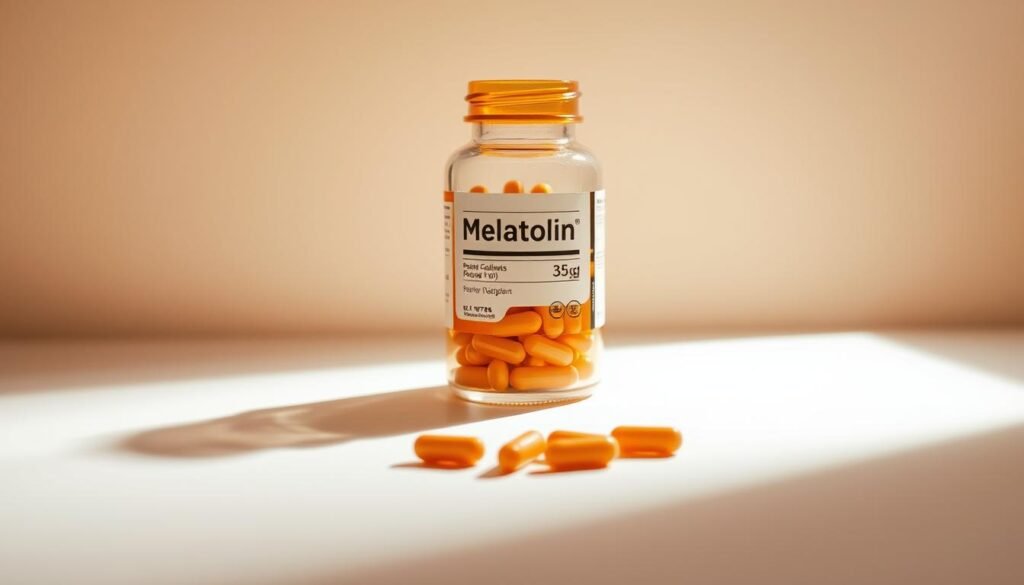
What researchers discovered about melatonin gummies
A 2023 study published in JAMA tested 25 melatonin gummy products sold in the United States.
- 22 of 25 products (88%) were inaccurately labeled according to the study’s criteria.
- Among products containing detectable melatonin, measured amounts ranged from 74% to 347% of the labeled quantity.
- One tested product contained no detectable melatonin but did contain cannabidiol (CBD).
- Five products listed CBD as an ingredient, and their measured CBD levels also differed from label amounts.
The study examined a relatively small sample of gummies, so its results should not be applied automatically to every melatonin tablet, capsule, or manufacturer.
Still, it demonstrates why accurately measuring your dose can be difficult when product labeling is unreliable. Read the original JAMA research for details.
How to choose a higher-quality supplement
If you and your clinician decide melatonin is appropriate, consider these checks:
- Look for recognized independent verification, such as the USP Verified Mark, where available.
- Choose a clearly labeled formulation rather than a complicated sleep-aid blend.
- Check the melatonin amount per serving, not just the number of gummies or tablets.
- Avoid unnecessary ingredients and unusually high doses.
- Keep the product in its original labeled container, secured away from children.
Third-party verification can increase confidence in manufacturing quality and label accuracy, but it cannot prove that melatonin will work for you or is safe indefinitely.
Who Should Be Especially Careful With Melatonin?
Some people need additional precautions because of age, pregnancy, existing conditions, or medication interactions.
Children and teenagers
Parents should consult a pediatric healthcare professional before giving melatonin to a child. The American Academy of Sleep Medicine recommends evaluating sleep routines and other causes of sleep problems first.

There is no single weight-based dosing chart that is appropriate for every child. Age, developmental conditions, sleep disorders, and other treatments affect clinical decisions.
Accidental ingestion is another major concern. According to the CDC, reported pediatric melatonin ingestions increased approximately 530% between 2012 and 2021. A later CDC analysis estimated around 11,000 emergency department visits involving unsupervised ingestion among children five and younger during 2019–2022.
Always store supplements in a secured location, never treat gummies like candy, and have an adult administer any recommended dose. If a child accidentally swallows melatonin, contact Poison Control at 1-800-222-1222 in the United States. Seek emergency help immediately for serious symptoms.
Adults with existing medical conditions
People with cardiovascular disease, high blood pressure, diabetes, autoimmune conditions, seizure disorders, or significant mood symptoms should discuss melatonin with their healthcare professional before regular use.
This caution reflects possible interactions, individual health considerations, and incomplete safety evidence. It does not mean melatonin has been proven to cause complications in everyone with these conditions.
Medication interactions
Melatonin may interact with certain medicines, including anticoagulants, sedatives, some antidepressants, immunosuppressants, and medications used to manage blood pressure or diabetes.
For example, fluvoxamine can substantially increase melatonin exposure. A pharmacist can help check your exact medications and doses before you combine treatments.
Pregnancy and breastfeeding
Reliable safety evidence during pregnancy and breastfeeding is limited. Avoid starting melatonin routinely without discussing the potential benefits and uncertainties with your obstetric or other qualified healthcare professional.
How to Sleep Better Without Relying on Melatonin
For chronic insomnia, improving sleep habits is useful, but structured behavioral treatment often matters more than simply buying another supplement.
Cognitive behavioral therapy for insomnia (CBT-I) is the recommended first-line treatment for adults with chronic insomnia. It addresses patterns of thinking and behavior that keep sleep problems going, rather than depending on a nightly hormone supplement.

Seven practical habits worth building
- Keep a consistent wake-up time. Try to get up at approximately the same time daily, including weekends.
- Get morning daylight. Natural light helps reinforce your body’s daily sleep-wake rhythm.
- Reduce bright evening light. Dim unnecessary lights and limit stimulating screen activities before bed.
- Make your bedroom comfortable. Aim for a dark, quiet room at a temperature that feels comfortable.
- Watch caffeine and alcohol. Avoid late caffeine if it disrupts sleep, and remember alcohol can contribute to nighttime awakenings.
- Create a relaxing routine. Reading, gentle stretching, or quiet breathing exercises can help you wind down.
- Consider CBT-I when insomnia persists. A trained clinician or evidence-based digital program can help you address chronic sleep difficulties.
For additional context, the Sleep Foundation’s guide to natural sleep aids discusses common approaches and their evidence. Be cautious with other supplement-based alternatives: replacing melatonin with another marketed sleep product does not automatically make treatment safer or more effective.
When light or noise is keeping you awake
Sometimes a practical change to the bedroom is more useful than adding another supplement. Start by identifying what actually interrupts your sleep, whether that is streetlights, noise, temperature, or inconsistent schedules.
If outside light reaches your bed, closing curtains or using an ordinary eye covering may help. For people who prefer a dedicated product, the MZOO Luxury Sleep Mask uses contoured memory-foam eye cups and an adjustable strap to block light without pressing directly against the eyelids.
It may be convenient for travel, shift workers, or bedrooms where installing blackout curtains is impractical. However, the fit may not suit everyone, and an eye mask cannot replace appropriate treatment for insomnia or circadian disorders.
- Low - Rebound Memory Foam, Soft and Comfortable.
- Zero Eye Pressure: The Deepest 13mm arc-shaped widened eye cups provide makeup-safe space and allow natural blinking
- Great for Side Sleepers: Upgraded 15°-curved thin sides ensure smooth transitions with no uncomfortable bulge, minimizing temple pressure for all sleeping positions
- 100% Light Blocking: Patented contoured eye cups seal completely around each eye. Deep 22mm nose padding blocks all light leakage
Noise requires a different approach. Closing windows, reducing household noise, or running a quiet fan may be enough for some bedrooms. Others may prefer earplugs when occasional sounds interfere with rest.
Mack’s Ultra Soft Foam Earplugs are disposable foam earplugs sold in a 50-pair package with a labeled noise reduction rating of 33 dB. They can reduce distracting sounds when inserted correctly, although actual protection depends on fit and proper use.
They are not ideal for everyone. People with ear problems should seek guidance, and anyone who must hear a child, an alarm, or emergency sounds should consider that reduced hearing may create a safety concern. A fan or sound machine may be more suitable in those situations.
Neither option treats the medical cause of insomnia. They simply address common environmental obstacles that may make falling asleep or staying asleep more difficult.
When to seek professional sleep treatment
Make an appointment if poor sleep continues for several weeks, causes significant daytime problems, or repeatedly returns despite routine changes.
Symptoms such as loud snoring, witnessed breathing pauses, restless legs, persistent low mood, or severe daytime sleepiness deserve evaluation. A clinician can determine whether CBT-I, sleep-apnea testing, circadian treatment, or another approach is appropriate.
Frequently Asked Questions
Is it harmful to take melatonin every night for years?
Not necessarily, but long-term safety has not been established well enough to guarantee that it is harmless. Observational studies have raised concerns, while other findings are less alarming. Regular use over months or years deserves periodic medical review.
Can melatonin cause heart failure?
There is currently no reliable proof that melatonin causes heart failure. A 2025 observational study found higher rates among people with recorded long-term use, but the study could not establish causation. A 2026 analysis did not find a significant association with existing heart failure.
Does melatonin affect blood pressure or blood sugar?
Melatonin may influence blood pressure and glucose regulation, and interactions with certain medications are possible. Findings vary by study and situation. People with hypertension or diabetes should check with their healthcare professional before regular supplementation.
Can you stop taking melatonin after using it for a long time?
Melatonin generally does not cause the typical dependence or withdrawal associated with some prescription sleep medicines. Many people can stop without tapering, although individual circumstances differ. If you have been using it for a long time, discuss your treatment plan with your clinician.
What is the safest melatonin dose?
There is no single safest dose for everyone. Lower doses are generally preferred when supplementation is appropriate, and the timing depends on the sleep condition. Avoid treating 10 mg as a standard target or a universally safe upper limit.
Is long-term melatonin use safe for children?
Long-term pediatric safety evidence remains limited, especially regarding development and hormonal effects. Melatonin may be useful for selected childhood sleep disorders under professional supervision, but parents should not establish ongoing treatment using adult dosing guidance.
Can melatonin stop your body from producing its own hormone?
There is no convincing evidence that typical melatonin use permanently shuts down natural production. Some longer studies have not found suppression after discontinuation, but research across different doses and populations remains incomplete.
What is the best alternative for chronic insomnia?
CBT-I has stronger evidence for lasting improvement in chronic insomnia than routine melatonin supplementation. Healthy sleep schedules, appropriate light exposure, and treatment of underlying medical conditions can also help.
Conclusion: Should You Continue Taking Melatonin?
Melatonin is not proven dangerous simply because someone takes it regularly, but years of nightly use should not be assumed risk-free. The 2025 heart failure findings deserve investigation, and the 2026 research reinforces why conclusions must remain cautious.
If melatonin helps you, consider whether its benefits still justify regular use, especially if you take other medications or have ongoing health conditions. Avoid unnecessary dose increases, choose carefully labeled products, and periodically reassess your sleep with a healthcare professional.
For lasting improvement, focus on consistent sleep timing, a comfortable bedroom, and evidence-based care such as CBT-I. The goal is not merely to fall asleep with a supplement, but to understand and address what is keeping you awake.