
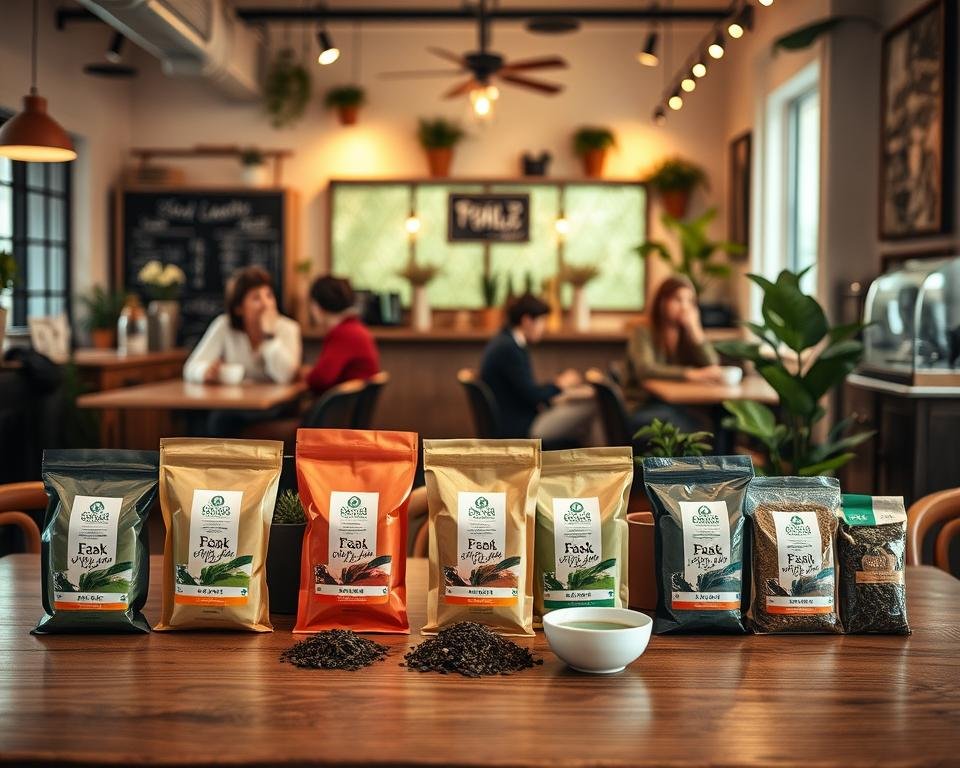

Full Leaf Tea Company may be worth considering if you prefer loose-leaf herbal blends, organic options, or traditional matcha and are comfortable paying for specialty tea rather than basic tea bags. The company currently provides clear ingredient information for products such as Organic Detox Tea, Organic Sleeping TranquiliTea, and Organic Premium Matcha, which makes it easier to compare what you are actually buying.
The bigger question is what those ingredients can realistically do. A tea can be well made, organic, pleasant to drink, and still lack strong evidence for claims involving detoxification, weight loss, insomnia, anxiety, or other health outcomes. Research on an individual herb also does not prove that a finished Full Leaf blend produces the same result.
That distinction matters most with Full Leaf’s wellness-focused products. Rather than judging the brand by broad promises, it is more useful to look at the current ingredients, caffeine level, preparation, intended use, and strength of the evidence behind each claim.
What Full Leaf Tea Company Offers
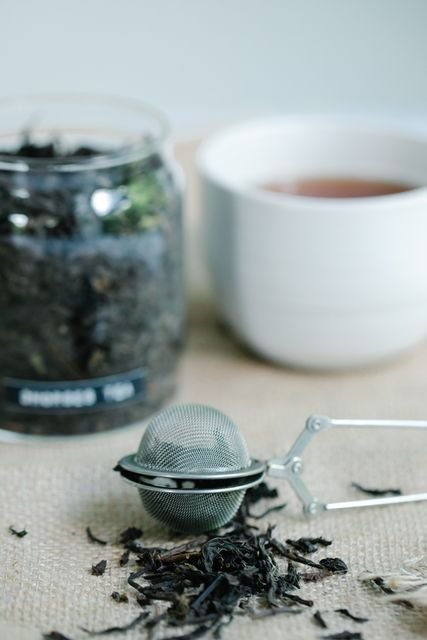
Full Leaf Tea Company focuses heavily on loose-leaf teas, herbal blends, wellness-oriented formulas, and matcha. The company also emphasizes organic sourcing and identifies its operation as a USDA-certified organic facility certified through Oregon Tilth. Organic status is still best checked on the specific product you are considering rather than assumed across every item in the catalog.
For buyers, one of the more useful aspects of the brand is ingredient transparency. The current products reviewed here list their ingredients clearly, which makes it possible to evaluate the tea based on what is actually in the blend rather than relying only on names such as “Detox” or “Sleeping.”
Loose leaf is also an important part of the buying decision. Some people prefer it because they can control the amount of tea used and enjoy the preparation process. Others may find measuring, steeping, and cleaning an infuser less convenient than using tea bags. Loose leaf should therefore be viewed mainly as a format and flavor preference, not automatically as a healthier choice.
How to Judge Full Leaf’s Wellness Claims
The most useful way to evaluate a wellness tea is to separate three questions: what the product contains, what research says about those ingredients, and whether the finished blend itself has been shown to produce the advertised result.
| Product | What It Contains | What the Evidence Can Support | What Remains Unproven |
|---|---|---|---|
| Organic Detox Tea | Holy basil, spearmint, rosehips, lemon verbena, and linden leaf | It is a caffeine-free herbal blend with identifiable botanical ingredients. | That it detoxifies the body, meaningfully boosts metabolism, causes weight loss, or produces clinically significant reductions in bloating. |
| Organic Sleeping TranquiliTea | Rooibos, valerian root, peppermint, chamomile, and lavender | Several ingredients have been studied or traditionally used in connection with relaxation and sleep. | That the finished tea reliably treats insomnia or produces a clinically meaningful improvement in sleep. |
| Organic Premium Matcha | Organic matcha | Matcha is powdered green tea and naturally contains caffeine and tea polyphenols. | That this specific product guarantees sustained energy, calm focus, weight loss, or disease prevention. |
This distinction is especially important because ingredient research may involve extracts, supplements, standardized doses, or preparation methods that are very different from a cup of tea. Even when an ingredient has promising research behind it, that does not automatically tell us how much of the active compound is present in a particular serving or whether the finished blend produces the same effect.
Organic Detox Tea: Better Judged as an Herbal Blend Than a Detox Product
The current Organic Detox Tea is very different from the version described in older discussions of the product. Its present ingredient list includes organic holy basil, organic spearmint, organic rosehips, organic lemon verbena, and organic linden leaf. It does not currently list Garcinia cambogia, oolong tea, or ginger.
That correction matters because older evaluations of this tea sometimes built their weight-loss discussion around Garcinia cambogia. That reasoning no longer applies to the current formula. NIH reviews of weight-loss supplement ingredients also show why strong conclusions would have been difficult even if Garcinia were still present: evidence for meaningful weight-loss effects has been inconsistent and limited. NIH’s review of weight-loss supplement ingredients provides broader context on why claims involving metabolism and fat loss deserve caution.
From a practical buying perspective, Organic Detox Tea makes more sense as a caffeine-free herbal loose-leaf tea than as a weight-loss product. The brand describes a mint-forward flavor with a slight lemon note, which may appeal to people who enjoy fresh herbal blends. Preparation calls for roughly 1 to 2 teaspoons per 8 ounces of boiling-temperature water, steeped for about 5 to 7 minutes.

The word “detox” should not be interpreted as proof that the tea removes toxins from your body. The current formula may be enjoyable as part of a normal tea routine, but there is not product-level evidence establishing that it causes clinically meaningful detoxification, fat loss, or metabolic changes.
Best fit: Someone looking for a caffeine-free minty herbal loose-leaf tea and who likes the ingredient profile.
Consider skipping it if: Your main reason for buying is weight loss, fat burning, metabolism enhancement, or a medically meaningful “detox” effect.
Organic Sleeping TranquiliTea: A Reasonable Evening Blend With Limited Clinical Evidence
The current sleep-focused product is called Organic Sleeping TranquiliTea. It uses organic rooibos as its base along with valerian root, peppermint, chamomile, and lavender. The product is described as caffeine-free, making it more suitable for an evening routine than caffeinated green tea or matcha.
The ingredient list gives the sleep positioning some understandable logic. Valerian and chamomile in particular have been studied in relation to sleep, but the evidence is less definitive than wellness marketing can make it sound.
NCCIH’s review of complementary sleep approaches notes that clinical evidence for chamomile and insomnia is not conclusive and that studies of valerian have produced inconsistent results. Its separate overview of valerian likewise emphasizes that there is not enough evidence to determine its usefulness for health conditions.
Chamomile requires similar context. NCCIH’s chamomile evidence review notes that some preliminary research involves chamomile extracts or supplements rather than an ordinary cup of tea. Those studies therefore should not be treated as proof that this Full Leaf blend treats insomnia.

What the product can offer more confidently is a caffeine-free herbal beverage built around ingredients commonly associated with bedtime routines. Full Leaf describes the flavor direction as floral and minty. Like the Detox Tea, the suggested preparation is about 1 to 2 teaspoons per 8 ounces of boiling-temperature water for 5 to 7 minutes.
There are also practical safety considerations. Valerian can have sedating effects and may interact with alcohol, sedatives, or other medications. NCCIH also notes limited safety information for valerian during pregnancy and breastfeeding. Chamomile can cause allergic reactions in people sensitive to related plants and may interact with certain medicines.
Best fit: Someone who wants a caffeine-free rooibos and herbal tea as part of an evening wind-down routine and likes ingredients such as chamomile, valerian, mint, and lavender.
Consider skipping it if: You are expecting a clinically proven treatment for insomnia or another sleep disorder, or if you use medications or have a situation in which valerian or other herbs may be inappropriate.
Organic Premium Matcha: The Most Straightforward Product of the Three
Organic Premium Matcha is simpler to evaluate because it has one listed ingredient: organic premium matcha. Full Leaf identifies the product as Japanese in origin and describes it as USDA-certified organic.
Matcha is powdered green tea, so unlike the two herbal blends above, it naturally contains caffeine. That can be a benefit or drawback depending on why you are buying it. Someone looking for an alternative to coffee may appreciate a caffeinated tea, while a caffeine-sensitive person or someone wanting a bedtime drink will probably prefer another option.
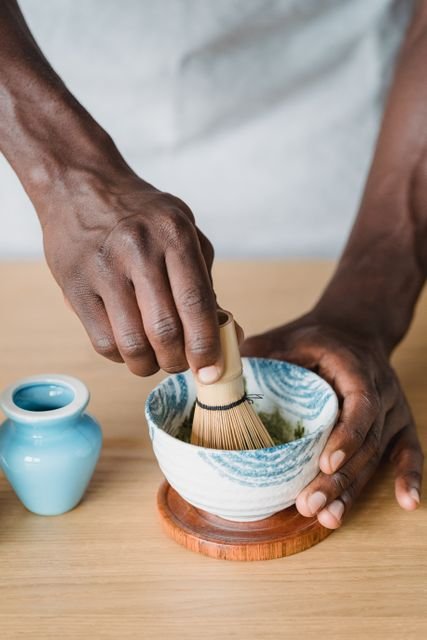
Because matcha is consumed as a suspension of powdered tea rather than by steeping and removing the leaves, its preparation is also different. Full Leaf recommends approximately half a teaspoon mixed with about 4 ounces of hot water and whisked until dispersed.
It is reasonable to discuss matcha as a source of naturally occurring green-tea compounds and caffeine. It is less reasonable to promise that this specific product will produce “clean energy,” several hours of focus, fat burning, or disease prevention. Research involving green tea or concentrated green-tea extracts does not automatically establish the same outcome for a serving of Full Leaf matcha. NCCIH’s discussion of herb-drug interactions and green tea also reinforces that green tea contains caffeine and that evidence involving concentrated extracts should not be casually transferred to ordinary tea use.
Best fit: Someone who specifically wants single-ingredient Japanese organic matcha and is comfortable with caffeine and traditional whisked preparation.
Consider skipping it if: You are caffeine-sensitive, want a caffeine-free evening tea, or are mainly buying matcha because of promises of dramatic weight loss or guaranteed mental-performance benefits.
Which Full Leaf Tea Fits Your Needs?
| Product | Format | Caffeine | Flavor Direction | Best Buyer Fit | Main Limitation |
|---|---|---|---|---|---|
| Organic Detox Tea | Loose-leaf herbal blend | Caffeine-free | Minty with a light lemon note | Herbal-tea drinkers wanting a fresh caffeine-free blend | “Detox” and weight-loss implications are not established clinical outcomes |
| Organic Sleeping TranquiliTea | Rooibos and herbal loose-leaf blend | Caffeine-free | Floral and minty | Someone wanting a bedtime tea ritual without caffeine | Sleep evidence for the ingredients is limited or inconsistent, and the finished blend is not proven to treat insomnia |
| Organic Premium Matcha | Powdered green tea | Contains caffeine | Grassy and vegetal | Matcha drinkers seeking a single-ingredient Japanese organic option | Caffeine may not suit everyone, and broader energy or health claims should not be assumed |
The easiest way to choose is to start with the beverage experience you actually want. Pick the Detox Tea if the herbal profile appeals to you, not because you expect significant weight loss. Consider Sleeping TranquiliTea if you want a caffeine-free evening drink, not because you expect it to function like an insomnia treatment. Choose the matcha if you specifically enjoy powdered green tea and want caffeine.
Are Full Leaf’s Wellness Claims a Reason to Pay More?
That depends on what you value. Organic ingredients, specialty botanical combinations, loose-leaf preparation, and a clearly disclosed ingredient list can all matter to buyers. Those qualities can justify a purchase independently of any health promise.
Health claims deserve a separate standard. A premium tea does not become better value simply because its name includes words such as detox, wellness, immunity, or sleep. For many readers, the better question is whether they enjoy the ingredients and preparation enough to drink the product regularly.
If your main goal is treating insomnia, anxiety, obesity, or another medical condition, buying a wellness tea based on the product name is a poor substitute for evidence-based care. The teas may still fit into a normal routine, but the expected benefit should match what has actually been demonstrated.
Safety and Practical Limitations
It is difficult to make one safety statement that applies to the entire Full Leaf catalog because different teas contain different herbs and amounts of caffeine. A product that is appropriate for one person may not be a good choice for another.
Matcha contains caffeine, which can be relevant for people who are sensitive to stimulants or who are trying to reduce caffeine intake. Herbal products can also interact with medicines. Valerian deserves particular caution when combined with alcohol or sedating medications, and safety information during pregnancy and breastfeeding is limited.
Chamomile can cause allergic reactions, particularly in people who are sensitive to plants in the same botanical family, and herb-drug interactions are possible. If you take prescription medicines, are pregnant or breastfeeding, have significant allergies, or are considering a wellness tea specifically to manage a health condition, checking the ingredient list with an appropriate healthcare professional is more useful than assuming “natural” means universally safe.
Is Full Leaf Tea Company Legitimate?
Full Leaf Tea Company has a current retail presence, active product pages, identifiable formulations, and published organic-certification information. Those are reasonable signs that it is an established tea seller.
Business legitimacy, however, should not be confused with proof of every wellness claim. A company can sell real, properly labeled tea while the evidence behind individual health promises remains uncertain or indirect.
Frequently Asked Questions
Are all Full Leaf teas USDA Organic?
Do not assume every product in the catalog has identical certification status. Full Leaf emphasizes organic production and identifies Oregon Tilth in connection with its organic certification, but organic status is best confirmed on the specific product you are considering.
Does Organic Detox Tea contain Garcinia cambogia?
Not according to the current ingredient list verified for this review. The current formula lists holy basil, spearmint, rosehips, lemon verbena, and linden leaf. Older descriptions connecting this tea to Garcinia cambogia are outdated.
Does Organic Sleeping TranquiliTea treat insomnia?
There is not sufficient evidence to say that the finished tea treats insomnia. NCCIH reports limited or inconsistent evidence for several complementary sleep approaches, including valerian and chamomile. The tea may still appeal as a caffeine-free bedtime beverage, but that is different from a proven insomnia treatment.
Does Full Leaf matcha contain caffeine?
Yes. Matcha is powdered green tea and naturally contains caffeine. The exact effect will vary with serving size and individual caffeine sensitivity.
Can chamomile tea help with anxiety?
Chamomile has been studied for anxiety, but some research has used standardized extracts or supplements rather than ordinary tea. NCCIH’s overview of complementary approaches to anxiety describes the evidence as preliminary. Enjoying a calming tea ritual is different from treating an anxiety disorder, and tea should not be presented as a replacement for appropriate care.
Is Full Leaf Tea Company Worth Considering?
Full Leaf is most compelling when evaluated as a specialty tea company rather than as a source of therapeutic products. Its current products offer clearly identifiable ingredient profiles, organic options, caffeine-free herbal blends, and Japanese matcha, giving buyers meaningful choices based on flavor, preparation, and caffeine preferences.
Organic Sleeping TranquiliTea makes the most sense for someone who wants a caffeine-free evening blend. Organic Premium Matcha is the more logical choice for a buyer specifically looking for traditional powdered green tea and who is comfortable with caffeine. Organic Detox Tea can work as a minty caffeine-free herbal drink, but its value should come from the tea itself rather than expectations of detoxification or weight loss.
The deciding question is therefore not whether Full Leaf’s teas can transform your health. It is whether the specific ingredients, tea format, caffeine level, and preparation style are worth it to you once the stronger wellness promises are separated from what the evidence can actually support.


Don’t Miss These Picks