


Which eating pattern really fits your goals: a plant-forward approach or a modern take on ancestral menus? This guide clears up the label confusion and shows how each diet handles real foods, nutrition, and daily life for busy people.
Plant-based once meant a mixed, plant-heavy pattern—not automatically vegan. Early research on ancestral eating even estimates original paleo plates at about 65% plants and 35% animal foods. That history reframes the idea that one path is all meat or the other is all greens.
This article previews clear comparisons: rules, typical foods, nutrient trade-offs, and real-world outcomes. You’ll get quick tips, grocery swaps, and science-backed guidance so you can choose a diet that matches your health goals and values.
For a focused comparison that includes sustainability and long-term outcomes, see this practical review of similar patterns at Mediterranean and ancestral eating.
Key Takeaways
- Labels can mislead: “Plant-based” is not always vegan; read ingredient lists.
- Both patterns can be healthy: When planned well, each offers nutrient-dense options.
- Know the trade-offs: Grains, legumes, and dairy are the main split points.
- Practical focus: This guide emphasizes real food swaps, shopping tips, and quick meals.
- Personal fit matters: Choose based on goals, budget, and values—not marketing claims.
Why this comparison matters right now
Shoppers face a flood of trend-branded items that blur real nutrition with clever marketing. Understanding food quality matters more than a label when your goals are energy, digestion, or lasting weight change.
Grocery aisles now carry many diet-labeled products and reformulated items. These products can help busy people, but they also create confusion for shoppers who want true health benefits.
Labels often hide refined starches, high sodium, and added sugars. A package that claims a diet-friendly tag may still act like processed foods. Read ingredients, not slogans.
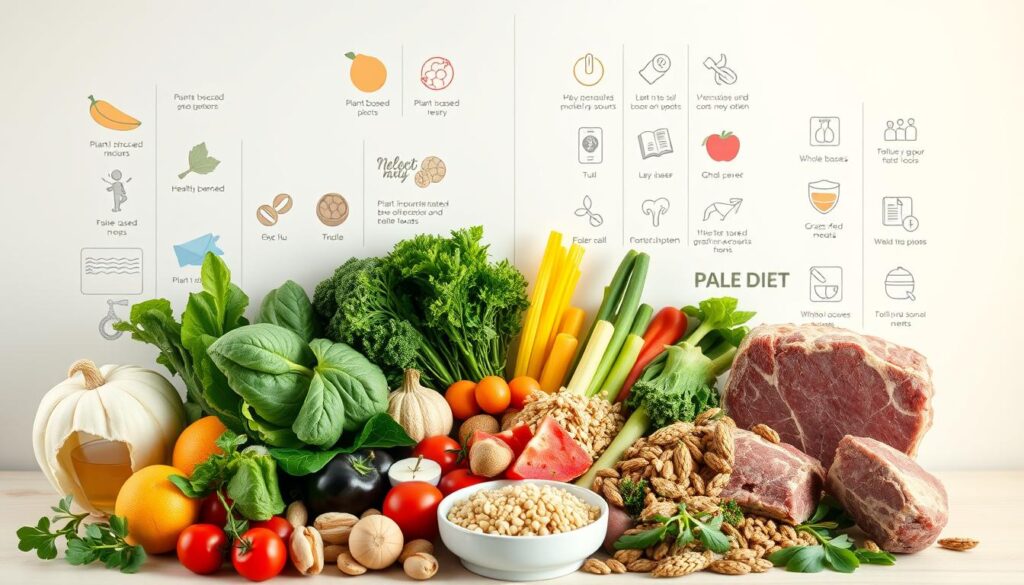
Food quality drives metabolic results more than branding. Calorie density and satiety shape weight outcomes and long-term health. Both meat-forward and plant-forward approaches can help when they center whole foods.
| Concern | What to watch for | Practical tip |
|---|---|---|
| Hidden sugars & refined starches | Snacks and frozen meals with diet claims | Choose whole ingredients; check sugars per serving |
| Environmental nuance | Crop type, oil processing, and supply chains matter | Favor minimally processed crops and local sourcing when possible |
| Marketing confusion | Buzzwords replace clear nutrition facts | Prioritize fiber, protein, and produce over packaged products |
Bottom line: This guide translates claimed benefits into steps you can use at the store and the kitchen. You don’t need extremes—small changes to food quality give the biggest wins for health and weight control.
Plant-Based vs Paleo Lifestyle: what each really means
Knowing the practical differences between these eating patterns clears up common confusion. This section defines terms and shows how each approach treats common foods and rules.
Defining a plant-forward spectrum and vegan diet
Plant-forward often means a diet centered on fruits, vegetables, whole grains, nuts, seeds, and legumes, with some people including small amounts of animal products. A vegan diet removes all animal products, including dairy and eggs.
In media these terms blur, so readers may think any plant-forward plan equals vegan. That mix-up matters for people who want more plants but not total animal exclusion.
What the paleo diet emphasizes
The paleo diet prioritizes minimally processed meats, fish, eggs, vegetables, fruits, nuts, and seeds, while excluding grains, legumes, and dairy. The idea is to favor foods common before agriculture.
Modern followers adapt the template to today’s produce and protein sources rather than trying to recreate ancient menus exactly.
Origins: Not an all-meat pattern
Research by Eaton & Konner suggests ancestral plates were roughly 65% plants and 35% animal foods. That means original paleo eating was largely plant-forward, not strictly meat-only.
Practical contrast: plant-forward patterns lean on grains and legumes for fiber and protein, while the paleo framework replaces those with meat, fish, and eggs plus vegetables and fruits for micronutrients.
| Feature | Plant-forward / Vegan | Paleo (modern) | Practical note |
|---|---|---|---|
| Core proteins | Legumes, soy, nuts, seeds | Meat, fish, eggs, nuts | Both can meet needs when planned; choose whole foods |
| Grains & legumes | Included for fiber and carbs | Avoided | Replace with starchy vegetables or whole grains depending on goals |
| Dairy | Excluded in vegan, sometimes included in plant-forward | Generally excluded | Consider calcium sources and preferences |
| Typical followers | People motivated by ethics, environment, or health | People seeking fewer processed carbs and simpler rules | Choose based on goals, values, and practical fit |
Foods and rules at a glance: what’s in, what’s out
Here’s a quick map of which foods each approach favors and which ones are usually off-limits. Use this as a shopping and meal-planning cheat sheet rather than a checklist for perfection.
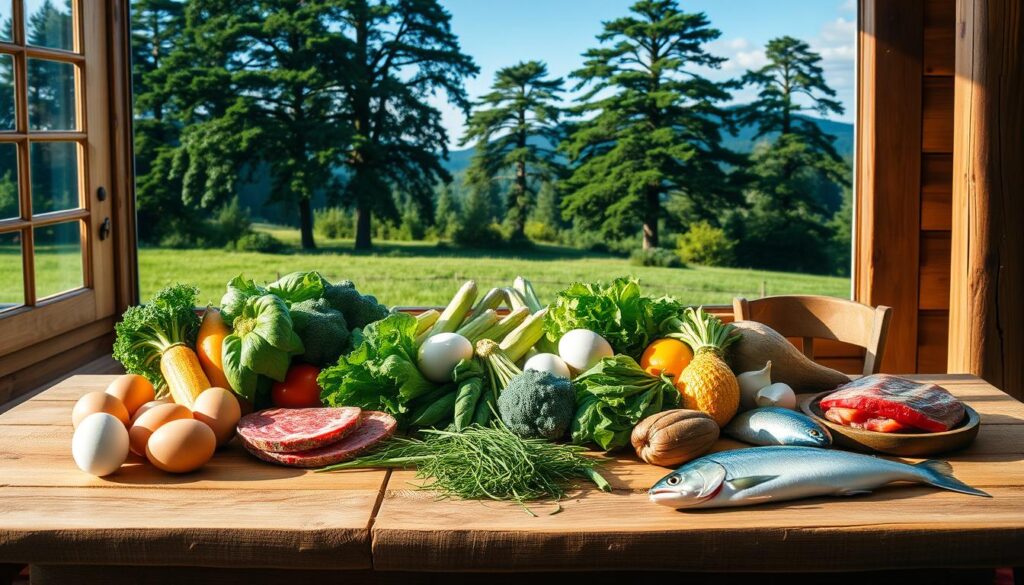
Paleo-approved staples focus on whole animal proteins and minimally processed plant choices.
- Included: meat, fish, eggs, low-glycemic vegetables, fruits in moderation, nuts, seeds, and cooking fats like coconut, olive, or avocado oil.
- Excluded: grains (rice, oats, wheat), legumes (beans, lentils, peanuts), dairy, and most added sugars and refined starches.
Many followers allow small gray-area items. Raw honey and dark chocolate without refined sugar appear on some lists. Nut butters (non-legume) often pass muster.
How plant-forward and vegan patterns compare
Plant-forward plans center whole grains, legumes, vegetables, fruits, nuts, and seeds. A vegan diet removes eggs, fish, meat, and dairy entirely.
| Category | Typical allowed items | Common exclusions |
|---|---|---|
| Proteins | Legumes, soy, nuts, seeds | Meat, fish, eggs (not vegan) |
| Starches | Whole grains, potatoes, rice | Grains (not allowed on paleo) |
| Dairy & sweeteners | Nut-based milks/yogurts; some use honey | Dairy for vegans; added sugars for both |
Quick shopper tips: Read labels for added sugars and refined starches, choose minimally processed oils, and swap cauliflower rice or coconut aminos when you want paleo-style texture without grains or soy.
Nutritional profiles compared: protein, carbs, fats, and fiber
Which foods provide steady protein, quality fats, and enough fiber for your body?
This section compares macronutrient patterns and common micronutrient gaps so you can plan smarter meals. Use clear food examples to meet energy and recovery goals without guesswork.
How each pattern handles protein and carbs
Protein: The paleo diet centers on meat, fish, and eggs for complete amino acids. Plant-based plans rely on legumes, soy, nuts, and seeds and often combine beans and grains to complete profiles.
Carbohydrates: Whole grains and beans supply slow carbs and fiber in plant-forward plates. Alternatives on the paleo diet include tubers, starchy vegetables, and fruit for energy.
Fats, fiber, and micronutrients
Fats come from avocado, olive oil, nuts, and animal sources — each affects satiety differently. Fiber tends to be higher when whole grains and legumes are present, but fruits and vegetables can still deliver strong totals without grains.
Pay attention to vitamins and minerals. Plant-focused plans may need B12, vitamin D, iodine, iron, zinc, and calcium planning. Those who exclude dairy on the paleo diet should watch calcium and vitamin D.
| Nutrient | Plant-forward sources | Paleo-style sources |
|---|---|---|
| Protein | Tofu, tempeh, lentils, beans | Salmon, chicken, eggs |
| Fiber | Whole grains, legumes, vegetables | Vegetables, fruits, nuts |
| Omega-3 / vitamins | Algae omega-3, fortified foods, vitamin B12 supplement | Fatty fish, eggs, vitamin D if low sun |
Smart supplementation and practice
Consider B12 for strict plant-based eating and check vitamin D with labs. Algae-based EPA/DHA suits vegans. Use iodized salt or sea vegetables for iodine if needed.
Practical plates: salmon with roasted vegetables, or tofu and lentil bowls with nuts and seeds. Consistent meals with balanced protein, colorful fruits and vegetables, and thoughtful fats help the body perform best.
For deeper reading on balanced patterns and outcomes, see a recent review of dietary patterns at balanced dietary patterns review.
Health outcomes: weight loss, heart health, and metabolic markers
Both whole-food approaches can improve weight and metabolic health when calories, protein, and food quality are managed. Results depend on adherence, food choices, and lifestyle habits rather than branding alone.
Research reviews show that a modern paleo diet often reduces body weight, waist circumference, blood pressure, and some lipid and inflammatory markers in short-term trials.
Plant-forward and vegetarian patterns commonly lower LDL cholesterol and lower the risk of type 2 diabetes when they emphasize whole grains, legumes, and vegetables.
Weight loss evidence and real-world adherence factors
Both approaches support weight loss when total calories are controlled and protein is adequate.
Sustainable results follow from simple, tasty plans that fit budget and social life. Adherence predicts long-term change more than the menu label does.
Cardiometabolic insights: cholesterol, insulin sensitivity, blood pressure, inflammation
Trials link paleo patterns to short-term drops in blood pressure, triglycerides, and waist size. One 2017 study found paleo plus exercise improved insulin sensitivity in people with type 2 diabetes over 12 weeks.
Vegetarian-style plans tend to reduce LDL cholesterol and lower diabetes risk, especially when processed carbs and sweets are limited.
| Outcome | Typical short-term change | Driver | Practical tip |
|---|---|---|---|
| Weight & waist | Decrease | Lower calorie density, higher protein | Plan portions; prioritize protein at meals |
| Lipids (LDL, TG) | LDL often ↓ with plant focus; TG ↓ with carb quality | Less refined starch, more whole foods | Swap sweets for fruit and nuts |
| Insulin sensitivity | Improves with diet + exercise | Reduced refined carbs, higher fiber | Choose non-starchy veg and legumes or tubers wisely |
| Inflammation & BP | Modest reductions | Whole-food pattern and weight loss | Increase veggies, sleep well, move daily |
Practical levers for better outcomes: boost protein, add more non‑starchy vegetables, cut added sugars, and favor fiber-rich carbs for satiety.
Track simple markers—weight, waist, lipids, and fasting glucose—and adjust the diet based on results and comfort. Small, consistent changes yield lasting health benefits.
Beyond the plate: sustainability claims and common misconceptions
Claims about environmental benefit often simplify a complex mix of crops, supply chains, and farming practices. Look past labels and read ingredient lists, sourcing notes, and certifications to find real impact.
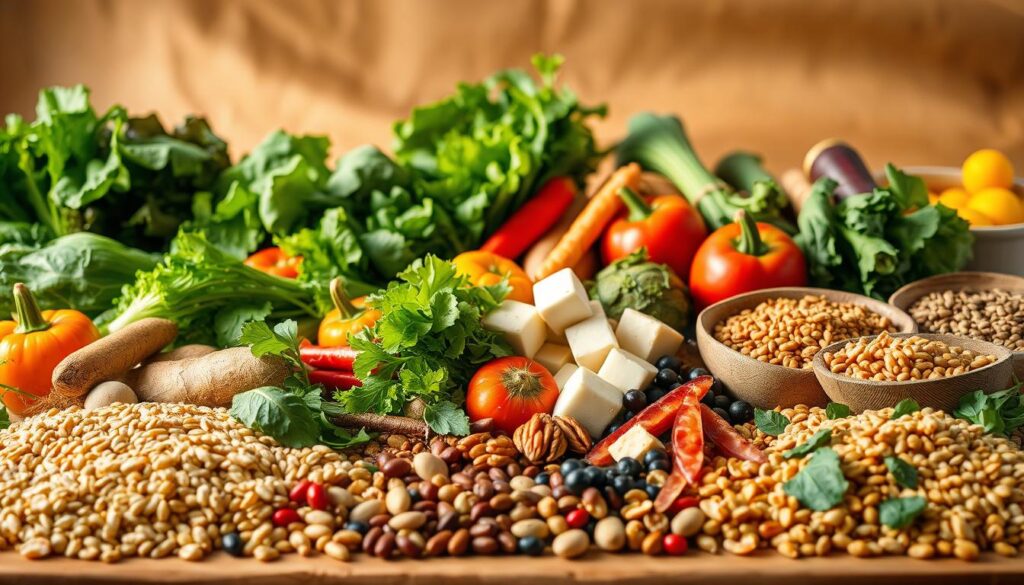
How do grains, oils, and sourcing change the real story?
Not all plant foods lower footprints. Some grains and commodity soy grown in Brazil or rice from Indonesia can have high emissions or link to land conversion.
Oils vary too. Common seed oil like corn and soy is often GMO and processed. Palm oil’s impact shifts with RSPO or MSPO certification and country of origin.
- Watch greenwashing: products billed as “plant” or “natural” can still be ultra‑processed with little nutrition.
- Animal foods differ: conventional beef often has higher emissions than pasture‑based or regenerative models.
- Small actions matter: cooking at home, reducing waste, and choosing seasonal produce cut impact regardless of diet label.
| Focus | What to check | Quick action |
|---|---|---|
| Grains & soy | Origin and farming practices | Buy local or certified sources |
| Oils & fats | Processing, GMO, certification | Prefer minimally processed, traceable oils |
| Packaged products | Ingredient list vs. marketing | Choose whole, transparent brands |
Bottom line: Aim for diverse, minimally processed foods and transparent brands. That balances health benefits and environmental stewardship better than strict labels alone.
Make it practical: shopping lists, pantry swaps, and recipe ideas
Putting the right staples in your cart takes the guesswork out of meal prep. With basic swaps and a few go-to recipes, weeknight meals stay fast and satisfying.
Practical paleo shopping staples and simple swaps
Build a paleo diet cart with grass-fed meat, wild-caught fish, eggs, colorful vegetables, low-sugar fruits, nuts, and pantry oils like olive and coconut.
Use easy swaps: cauliflower rice for bowls, coconut aminos instead of soy sauce, almond or coconut milk for dairy, and lettuce cups for wraps.
Plant-based pantry essentials and protein strategies
Stock tofu, tempeh, lentils, beans, whole grains, nuts, seeds, and non-dairy milks to cover protein, fiber, and flavor variety without animal products.
Combine grains and legumes or pair tofu with seeds to boost amino-acid balance and keep meals filling.
Quick meal inspiration: bowls, stir-fries, egg dishes, and vegan mains
Plan simple recipes that scale: shakshuka or salmon with roasted vegetables for protein-forward nights.
Try mushroom bolognese, jackfruit stir-fry, or chickpea patties for hearty vegan mains. Grain-free burrito bowls with cauliflower rice make fast lunches.
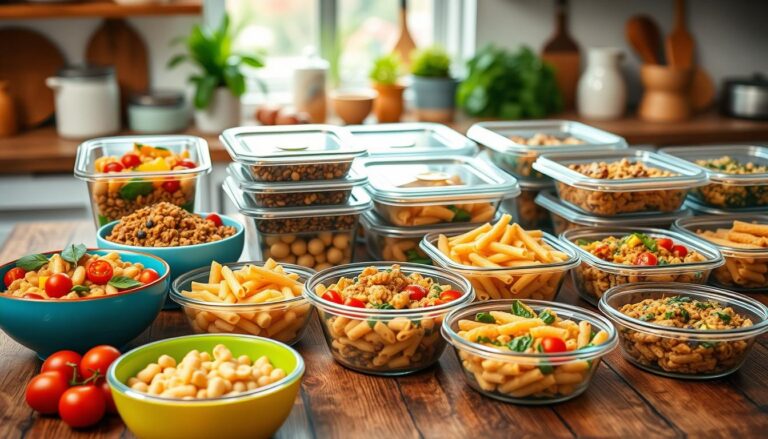
“Batch-cook proteins and vegetables on weekends so weeknight assembly takes minutes, not hours.”
- Mix-and-match bowls: eggs, fish, tofu, or lentils + roasted veg + herbs + crunchy seeds + bright dressing.
- Flavor builders: spice blends, citrus, tahini, coconut aminos, olive oil lift simple foods.
- Sweet swaps: use minimal honey on paleo or dates/maple for plant-based treats.
| Focus | Staples | Swap or product |
|---|---|---|
| Proteins | Eggs, grass-fed meat, wild fish, tofu, lentils | Batch-roast chicken; bake tofu; cook a pot of lentils |
| Starches & bases | Cauliflower rice, sweet potatoes, whole grains | Cauliflower rice instead of grains; roasted tubers for energy |
| Pantry & flavor | Olive oil, coconut oil, coconut aminos, tahini | Use coconut aminos for stir-fries; olive oil for dressings |
| Snacks & treats | Nuts, seeds, dried fruit, dark chocolate | Choose minimal-sugar products; portion nuts for satiety |
For swap ideas and more grocery hacks see a short guide to healthy food swaps.
Choosing your fit: lifestyle, ethics, health goals, and flexibility
Decide with purpose: match your eating pattern to what you value and can follow daily.
Small, consistent choices beat strict rules that feel impossible to maintain.

Start with your why. If minimizing animal products drives you, a vegan diet or a flexible plant-first plan can support weight and health when planned well. If structure helps you, a grain- and legume-reduced approach gives clear rules and steady protein from eggs, poultry, fish, and meat.
Think about social fit. Family meals, dining out, and cultural foods shape how long you’ll stick with a diet. Choose the option that fits life, not one that forces life to change completely.
“Pick a simple routine: 6–8 go-to meals, reliable protein sources, and a short pantry list.”
| Goal | Protein | Micronutrient watch | Quick action |
|---|---|---|---|
| Weight & body composition | Adequate daily protein (animal or plant) | Vitamin D, calcium | Plan meals; track energy and portions |
| Ethics & environment | Plant proteins, seeds, occasional fish | B12, iodine, omega-3s | Use fortified foods and supplements |
| Simple rules & satiety | Eggs, poultry, fish, or legumes | Iron, zinc | Stock staples; rotate 6–8 meals weekly |
Reassess quarterly. Track weight, labs, energy, and mood. Adjust protein sources and vitamins to keep progress steady. For a quick review of diet types and planning help, see a practical guide to types of diets.
Conclusion
Choosing real, unprocessed foods and hitting daily protein targets matters more than which named plan you follow. Both paleo diets and a vegan diet can support weight loss, improved health markers, and steady energy when meals center on whole foods, vegetables, nuts, quality oil, and minimal sugar.
Paleo plans often drop grains, legumes, and dairy while relying on meat, fish, eggs, fruits, and seeds. Other approaches emphasize beans, whole grains, and fiber and may need targeted vitamins like B12 and D.
Pick a pattern that fits your body, protein needs, and schedule. Test it for a few weeks, track weight, energy, and labs, and tweak sources and recipes. Start with a short recipe list, a two‑week shopping plan, and a batch‑cook session to make daily eating simple and sustainable.
FAQ
What’s the main difference between a plant-based diet and a paleo diet?
The core distinction is food focus: a plant-centered approach emphasizes whole fruits, vegetables, grains, legumes, nuts, and seeds with limited animal products, while the paleo approach prioritizes animal protein, fish, eggs, vegetables, fruits, nuts, and excludes grains, legumes, and most dairy. Both stress minimally processed foods, but they differ on grains, beans, and dairy.
Can I get enough protein without eating animal products?
Yes. You can meet protein needs from legumes, tofu, tempeh, edamame, seitan, nuts, seeds, and high-protein grains like quinoa. Combine varied plant proteins across the day to ensure adequate essential amino acids. For some athletes or older adults, supplementation with protein powder can help reach higher targets.
Are whole grains necessary for good health?
Whole grains provide fiber, B vitamins, magnesium, and phytonutrients that support gut health and metabolic outcomes. Diets that eliminate grains can still be healthy if they include diverse vegetables, fruits, nuts, seeds, and adequate fiber from legumes and other sources, but many people benefit from including whole grains like oats, brown rice, and barley.
Is dairy allowed on paleo or plant-focused plans?
Traditional paleo excludes most dairy, though some modern versions allow fermented or full‑fat dairy for those who tolerate it. Plant-centered diets typically avoid animal dairy but allow fortified plant milks and yogurts. Choose what fits your tolerance, preferences, and nutrient needs—especially for calcium and vitamin D.
What about legumes — are beans off-limits on paleo?
Most paleo plans avoid legumes (beans, lentils, peanuts, soy) due to antinutrients and digestion concerns. Plant-focused diets often include legumes as a key protein and fiber source. Proper cooking and soaking reduce antinutrients and improve digestion, making legumes a healthy option for many people.
How do the two approaches compare for weight loss?
Both can support weight loss when calorie intake, food quality, and adherence align with goals. Plant-rich diets often reduce energy density and increase fiber, aiding satiety. Paleo can cut processed carbs and added sugars, which also helps some people. Long‑term adherence and sustainable habits determine success more than the label.
Which diet is better for heart health and cholesterol?
Evidence shows that diets high in whole plant foods tend to improve cholesterol, blood pressure, and inflammation. Some versions of paleo that emphasize lean fish, nuts, vegetables, and olive oil can be heart‑healthy too. Watch saturated fat intake from red meat and processed animal products if cardiovascular risk is a concern.
Do either plan require supplements?
Potential gaps depend on food choices. Strict plant-only diets may need B12, vitamin D, omega‑3 EPA/DHA, iron, and sometimes calcium. Paleo followers avoiding dairy and grains might consider calcium, iodine, and vitamin D if intake is low. Blood tests and a dietitian review guide targeted supplementation.
Are eggs and fish allowed on plant-centered diets?
That depends on the specific plant-focused approach. Vegetarian diets permit eggs and dairy; pescatarian plans include fish. Vegan diets exclude all animal products. Decide based on ethics, allergies, and health goals—fish adds omega‑3s, while eggs supply protein and nutrients for many omnivores.
How do these diets affect fiber intake and gut health?
Diets rich in whole fruits, vegetables, legumes, and whole grains deliver the most fiber and diverse prebiotics for gut microbes. Some paleo menus that limit legumes and grains can be lower in fiber unless compensated with starchy vegetables, fruits, nuts, and seeds. Aim for variety to support a healthy microbiome.
Is olive oil allowed on paleo and plant-based plans?
Yes. Extra virgin olive oil is widely accepted on both patterns as a healthy monounsaturated fat choice. Paleo often favors olive oil, avocado oil, and coconut oil. Plant-centered diets commonly use olive and other vegetable oils in moderation.
Can someone mix elements of both approaches?
Absolutely. Many people adopt a hybrid approach—prioritizing whole plant foods while including sustainable animal proteins, fish, or eggs in small amounts. The best plan balances nutrient needs, ethical values, budget, and long‑term adherence.
Are added sugars allowed in either diet?
Both models discourage added sugars and processed foods. Paleo specifically cuts refined sugars and processed items; plant-focused approaches recommend minimizing added sugars while emphasizing whole fruit and unrefined sweeteners like small amounts of honey for some styles.
How should I choose between these diets for my goals?
Base the choice on health priorities, ethical concerns, food preferences, medical history, and how sustainable the pattern feels. Consult a registered dietitian or clinician for tailored guidance—especially if you have metabolic conditions, nutrient deficiencies, or high activity demands.
What pantry staples should I buy for each approach?
For a plant-forward pantry: lentils, beans, oats, quinoa, nuts, seeds, tofu, canned tomatoes, olive oil, and a variety of spices. For a paleo-style pantry: wild-caught fish, grass-fed or pasture-raised meats, eggs, nuts, seeds, root vegetables, coconut products, olive oil, and coconut aminos as a soy-free seasoning alternative.
Are processed plant-based foods healthy substitutes?
Not always. Many plant-based packaged items (burgers, cheeses, snacks) can be high in sodium, added fats, and refined ingredients. Prioritize whole foods—beans, lentils, whole grains, vegetables—over ultra‑processed substitutes for better long-term outcomes.
How do environmental concerns influence this decision?
On average, diets higher in plants have a lower carbon and land footprint. However, nuance matters: sourcing, farming practices, seasonality, and food waste all affect sustainability. Choosing local, minimally processed foods and sustainable fish options can reduce environmental impact regardless of specific diet labels.
Can athletes thrive on either pattern?
Yes. Athletes can meet energy and protein needs with careful planning. Plant-rich athletes should focus on higher protein plant foods, strategic meal timing, and potentially protein supplementation. Paleo athletes can prioritize lean meats, fish, eggs, and starchy vegetables for glycogen replenishment.

Don’t Miss These Picks