


Can a simple slow-simmered liquid really soothe your gut and help repair the intestinal lining?
This guide starts with clear, practical answers and realistic expectations. Many people turn to bone broth to add easy-to-digest nutrients and gentle protein to their day. Long simmering pulls collagen from bones and connective tissue, turning it into gelatin and amino-rich peptides that may support gut comfort.
Animal studies and early human signals suggest anti-inflammatory effects and improved lining integrity, but the science is not conclusive. We keep the tone evidence-based and practical: you’ll learn what nutrients matter, how to make a high-quality batch at home, and how to choose store options safely.
For a concise review of lab and clinical signals, see this overview on the topic: the gut-healing power of bone broth. The practice is simple, ties to culinary wisdom across years, and pairs best with a balanced diet and fiber-rich foods.
Key Takeaways
- Slow-simmered broth releases collagen, gelatin, and amino acids that may support gut comfort.
- Early research and animal studies show anti-inflammatory signals, but human proof is limited.
- Simple home recipes extract useful nutrients; commercial options vary in quality and sodium.
- One cup supplies small amounts of glycine and protein; multiple servings are needed to match study doses.
- Use this as a supportive habit within a balanced diet, not as a cure-all.
Why Bone Broth for Digestion Matters Right Now
Interest in slow-simmered stock has jumped because it’s simple, savory, and fits modern wellness trends. Many people try it as a gentle, warm option that can add amino acids and low-calorie protein to daily meals.
Present-day interest and evidence at a glance
The trend began in paleo and keto communities and now includes packaged liquids and powders sold at stores. Experts note a typical serving runs about 50–80 calories, and nutrient levels shift with bone choice, vegetables, and cook time.

Lab and animal research offers encouraging signals about reduced inflammation and structural compounds like hyaluronan. Still, human outcomes remain limited. Treat this as supportive nutrition, not a cure.
Who benefits most from a gut-focused approach
People with sensitive tummies, occasional upset, or low appetite may find practical comfort. Warm, amino-rich liquid can soothe the body and help with satiety during a weight-aware plan.
- Practical benefits: easy to sip, simple to digest, blends into soups and sauces.
- Choose wisely: favor longer-simmered options that gel when chilled and list few additives.
“Simple, nutrient-rich cups fit modern life: convenient, calming, and easy to include.”
For a concise review, see this gut health overview and read the daily routine debate to weigh claims and practical tips.
What Bone Broth Is and Why It’s Different from Stock
Long simmering of bones and tissues pulls more collagen and creates a thicker, gelatinous result than a quick stock. This yields a richer texture and a different nutrient profile that many people seek.
Defined simply: a true bone broth is made by simmering bones, connective tissues, and water for 12–24 hours to extract collagen, gelatin, and flavor.
The basic method uses roughly 1 gallon of water, 2–4 lb bones (marrow, knuckles, oxtail, feet, or fish frames), and a splash of apple cider vinegar to help pull nutrients.
Key differences:
- Cook time: much longer than typical stock, which preserves a lighter mouthfeel.
- Collagen and protein: extended simmering converts collagen into gelatin, increasing protein-derived compounds.
- Texture cue: a jiggly set when chilled signals good extraction.
Meat adds flavor, but bones and connective tissues drive gelatin yield. Add simple aromatics—onion, garlic, carrot, celery, parsley, thyme—without changing the core extraction.

If you buy prepared products, choose labels that state long cook times; omitted times often indicate a product closer to stock than true bone broth.
How Bone Broth Supports the Intestinal Lining
Extended simmering converts structural proteins into small peptides the gut can use to maintain its lining. This process yields amino-rich gelatin, minerals, and short peptides that are gentle on the mucosa.

Which amino acids matter most?
Glutamine, glycine, proline, arginine, and histidine appear frequently in reviews of simmered stock. Glutamine helps maintain intestinal wall function. Glycine and proline support tissue repair and flexible extracellular matrix.
How collagen becomes gut-friendly gelatin
Long cooking breaks down collagen into gelatin and peptides. Gelatin contains glutamic acid that can convert to glutamine in the body. Those smaller compounds are easier to absorb and may feel soothing before a meal.
Barrier integrity, permeability, and inflammation
Your intestinal barrier separates the gut from blood. When its function drops, permeability rises—often called leaky gut. Animal and lab work suggests gelatin and broth compounds can calm inflammation and support barrier repair, though human trials are limited. See gelatin studies: gelatin studies.
| Amino acid | Primary role | Source in simmered stock | Possible gut effect |
|---|---|---|---|
| Glutamine | Wall maintenance | Gelatin peptides | Supports epithelial cell function |
| Glycine | Repair & sleep | Connective tissues | Helps tissue repair and calm |
| Proline | Collagen synthesis | Joint and skin tissues | Aids structural support of barrier |
| Arginine / Histidine | Immune modulation | Meat and connective parts | Supports immune pathways and repair |
Practical tip: try sipping a warm cup 15–30 minutes before a sensitive meal to prime the system—simple warmth, hydration, and amino-rich nutrients often help.
For a user-focused review of collagen peptides and product notes, see this collagen peptides review.
Evidence and Research: What We Know and What’s Emerging
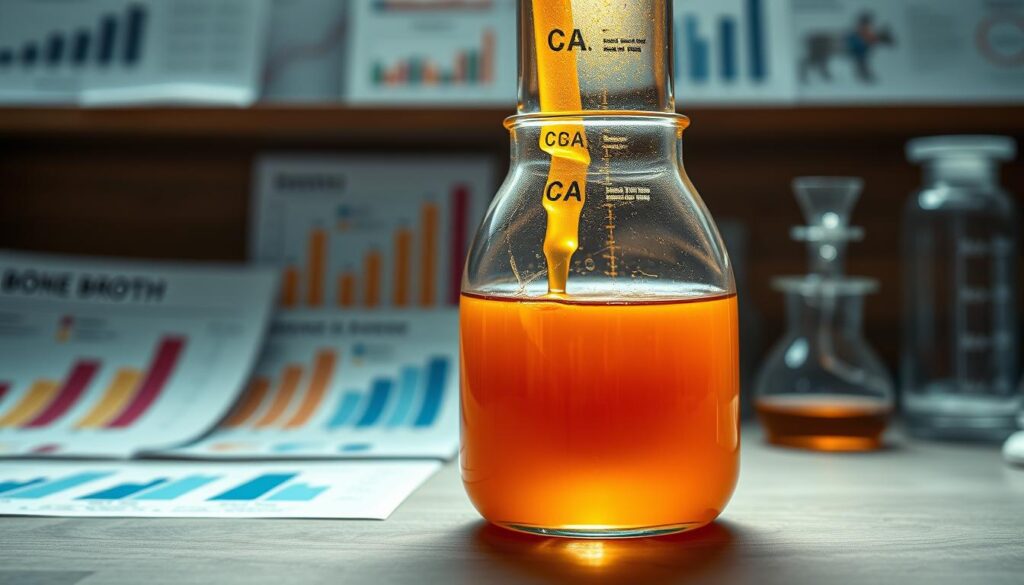
Researchers have identified peptides and glycosaminoglycans in simmered stock that reduce gut inflammation in animal models. This work forms the core evidence that guides current interest.
What lab and animal work shows
Animal experiments report clear signals. For example, porcine soup nanoparticles eased DSS-induced colitis in mice and shifted microbiota. A 2024 Journal of Food Science paper found hyaluronan and chondroitin sulfate from chicken-vegetable stock slowed lab-model bone loss.
Human relevance and limits
Human trials remain sparse. A 2019 analysis concluded many commercial and homemade cups supply too few collagen precursors to drive tissue synthesis at supplement-level doses.
- Signal: animal and lab studies indicate anti-inflammatory potential and lining support.
- Translation: controlled human studies are limited; treat this as supportive nutrition, not therapy.
- Collagen note: standard servings usually deliver less collagen-building substrate than dedicated supplements.
- Minerals: bones contain minerals, but only small amounts typically dissolve into a cup; vegetables can add modest minerals.
Bottom line: promising, not proven—use consistent, longer-simmered options and a balanced diet to support gut and body health.
Read a concise review of the evidence at evidence-based benefits.
How to Make Bone Broth at Home for Digestive Support
Start with a clear plan: the right ratios, gentle simmering, and patient timing yield the best results. This short guide gives a dependable formula and safe handling tips so you get a nutrient-rich cup every time.
Core ingredients: quality bones, cold water, and apple cider vinegar. Use 1 gallon (4 L) water, 2 tbsp vinegar, and 2–4 lb bones. Bring to a boil, then cut heat to a gentle simmer for 12–24 hours.
Best picks: mix marrow, knuckles, oxtail, and feet for high gelatin yield. Fish frames work well with shorter cooks. Ask your butcher for mixed picks or save roasted carcasses.

Simmering tips: skim foam after the first boil, keep a near-constant low simmer, and top with water so bones stay submerged. Avoid rolling boils; they cloud the liquid and break down delicate compounds.
- Flavor boosters: onion, garlic, celery, carrot, parsley, and thyme add taste and modest vitamins minerals.
- Texture cue: a chilled gel signals good collagen extraction.
- Storage: refrigerate 3–4 days or freeze 1-cup portions for soups, sauces, and sipping.
| Step | Action | Why it matters |
|---|---|---|
| 1 | Combine bones, water, vinegar | Vinegar helps pull minerals and collagen from tissues |
| 2 | Bring to boil, then simmer 12–24 hrs | Long, low heat converts protein collagen into gelatin |
| 3 | Strain, cool, store | Proper cooling preserves safety and flavor |
Safety note: source bones from reputable shops, follow meat handling guidelines, and cool quickly to limit bacterial growth.
Bone Broth for Digestion: Smart Ways to Consume It Daily
Small, regular servings can be an easy, science-aligned habit that adds gentle protein and warmth to meals. Use this section to pick simple routines and sensible amounts that fit your day.
Many people start by consuming bone broth as a single warm cup each day. A cup usually runs 50–80 calories and supplies modest protein and 0.5–1.7 g glycine.

Simple routines: sipping cups, soups, stews, and sauces
Start simple. Sip a cup in the morning or before a meal to prime the gut and add light protein without heaviness.
Rotate uses. Fold the liquid into soups, stews, or pan sauces to boost flavor and nutrients when appetite is low.
Timing and amounts: how much and how often to support gut health
Begin with one cup daily and adjust to 1–2 cups based on taste and tolerance. Several cups would be needed to match 3 g glycine sleep-study doses.
| Use-case | Typical serving | Calories | Notes |
|---|---|---|---|
| Morning sip | 1 cup | 50–80 | Gentle protein, primes digestion |
| Cooking base (soups) | 1–2 cups | 50–160 | Stretches flavor, adds hydration |
| Evening cup | 1 cup | 50–80 | Can aid calm and satiety |
| Meal enhancer | ½–1 cup | 25–80 | Use with veggies and lean protein to support weight goals |
Tip: watch sodium in packaged options and count the liquid toward daily fluids during colder months.
Buying Better Broth: Labels, Sodium, and Quality Checks
Scan labels first and favor products that clearly list long cook times and simple ingredients. That clarity helps you pick a true, slow-simmered option instead of a flavored stock substitute.
When shopping, look for explicit notes such as “simmered 12+ hours” and primary mentions of bones in the ingredient line. Short lists—water, salt, bones, and vegetables—are best.

What to check on the label
- Cook time: many hours (12+ ideal). Fewer than six suggests a stock-like product.
- Ingredients: avoid artificial flavors, colors, and long additive lists.
- Type: choose chicken for lighter uses or beef for richer sauces and stews.
Managing sodium and quality
Compare sodium per serving and pick lower-sodium brands if you monitor blood pressure or kidney health. You can dilute a salty cup with water or unsalted home stock.
| Quality Cue | What It Means | What to Do |
|---|---|---|
| Gelatinous set | Good collagen extraction | Prefer these brands |
| Clear cook time | Transparency about simmer hours | Choose 12+ hr products |
| Low sodium | Better for daily drinking | Compare labels; dilute if needed |
| Short ingredient list | Fewer additives | Buy or freeze in small portions |
Practical picks: dietitians often note Brodo and Butcher’s Bone Broth for transparency and long simmer times.
Store opened cartons in the fridge and use within a few days, or freeze leftover portions so no good food goes to waste.
Results You Can Expect—and Common Misconceptions
Daily warm cups often bring quick comfort and better satiety, but major tissue repair needs higher, targeted doses and broader nutrition. Expect modest, practical wins rather than dramatic overnight changes.
Digestive comfort, joint signals, sleep and satiety: Many people report reduced mild stomach upset and a pleasant sense of calm after a cup. Warm liquid, easy protein, and electrolytes can ease appetite and help hydration.
Some users also note less joint pain or stiffness when this becomes a routine. That effect likely reflects steady peptide intake, warmth, and hydration—not a guaranteed fix for chronic joint issues.
Collagen realities: broth vs. supplements. As a food, this liquid supplies collagen-derived peptides but usually at lower levels than concentrated supplements. A 2019 analysis found many cups don’t deliver enough precursors to drive rapid collagen synthesis; think whole-food support, not a replacement.
- Sleep & brain: Glycine can aid sleep at ~3 g; most cups provide ~0.5–1.7 g, so multiple servings would be needed to match study doses.
- Skin and body: Anecdotal gains in skin hydration and hair exist, but measurable changes need consistent diet and time.
- Vitamins and minerals: Amounts vary by bones, added vegetables, and simmer time—use this as a complement to a diverse, nutrient-rich diet.
Practical takeaway: enjoy warm cups as a soothing, nutrient-rich habit that may help mild symptoms and satiety, but combine them with protein, calcium, vitamin D, and resistance training to support joints and bone health.
For a concise review of nutrient roles and realistic expectations, see this summary at trusted clinical guidance.
Conclusion
Slow-simmered stock is a time-tested, savory food that can add gentle protein and amino-rich nutrients to your diet. Evidence from animal and lab studies shows promising anti-inflammatory and barrier-support signals, while human research remains limited.
The bottom line: bone broth can support comfort, supply small amounts of useful nutrients, and fit into a balanced eating plan without replacing broader care.
Practical steps: choose long-simmered, simple-ingredient options. Enjoy one to two cups daily and pair the liquid with fiber-rich plants and quality protein to boost overall health and gut resilience.
Keep learning as studies evolve. Thoughtful, consistent use and mindful sourcing are the best ways to capture potential benefits while science catches up.
FAQ
What makes this gut-healing stock different from regular stock?
This preparation is simmered longer and typically uses connective tissue-rich parts like knuckles, feet, and marrow, which yield more collagen and gelatin. Those compounds break down into amino acids—glutamine, glycine, proline—that support the intestinal lining and may aid barrier integrity in ways standard short-cooked stocks do not.
Which amino acids in the broth matter most for the intestinal lining?
The most relevant amino acids are glutamine, glycine, proline, arginine, and histidine. Glutamine is a key fuel source for intestinal cells, while glycine and proline are abundant in collagen and help tissue repair. These compounds work together to support mucosal health and reduce local inflammation.
Is there solid research showing benefits for gut permeability or “leaky gut”?
Preclinical animal and lab studies show anti-inflammatory effects and improved barrier function with collagen-derived peptides. Human data are limited and mixed; many experts advise realistic expectations—broth can be a supportive food, not a cure. Look to peer-reviewed sources like PubMed for the latest trials.
Who is most likely to benefit from adding this to their routine?
People with mild digestive irritation, those recovering from gastrointestinal stress, and individuals seeking gentle protein and collagen sources may notice benefits. Fitness enthusiasts and older adults looking for joint and skin support also find it useful. Those with severe GI disease should consult a clinician first.
How much should I sip daily to support digestion?
Practical amounts range from one cup (240 ml) a day up to two cups daily, depending on goals and tolerance. Use it as a warm sip between meals or as a base for soups. There’s no universal dose; start small and assess effects.
What are the best bones to use at home for maximum collagen?
Choose marrow bones, knuckles, oxtail, beef or pork feet, and fish frames—these have high connective tissue. Combine different types for balanced flavor and nutrient yield. Add a splash of apple cider vinegar to help extract minerals and collagen during simmering.
How long should I simmer to get the most collagen and amino acids?
Aim for 12–24 hours for beef or pork bones and 6–12 hours for poultry; fish frames need less time. Slow, gentle simmering breaks down collagen into gelatin and amino acids without excessive breakdown of flavor or nutrients.
Can this preparation reduce inflammation and help digestion quickly?
It can provide short-term soothing and support due to amino acids and warm liquid, which may ease symptoms. Meaningful reduction in chronic inflammation usually requires broader dietary and lifestyle changes alongside targeted foods.
How should I store and freeze homemade batches safely?
Refrigerate in airtight containers for up to 4–5 days. For longer storage, freeze in portions for up to 3 months. Cool quickly before refrigerating, and reheat to a safe temperature. Follow USDA food-safety guidelines to avoid bacterial growth.
What should I look for when buying ready-made options?
Check the ingredient list for whole-food sources (bones, water, vegetables) and avoid products with excessive sodium or additives. Brands that list simmer time or collagen content and use pasture-raised or wild-caught sources generally indicate higher quality.
Are there any safety concerns or people who should avoid it?
Most people tolerate it well, but those with gout, certain kidney conditions, or specific dietary restrictions should consult a clinician, because amino acid load and purines vary. Also watch sodium levels in store-bought products if you monitor blood pressure.
Will consuming this support joint pain and skin health as claimed?
Collagen-derived amino acids can contribute to connective tissue maintenance, and some people report joint comfort and improved skin elasticity over time. Effects vary by individual and are often gradual; supplements provide more concentrated doses if targeted therapy is needed.
How does this compare to taking collagen supplements?
Homemade or store-bought preparations deliver a mix of amino acids, minerals, and gelatin in a food matrix, while supplements offer concentrated hydrolyzed collagen peptides with standardized dosing. Choose based on preference: whole-food approaches add flavor and nutrients; supplements give predictable doses.
What flavor or nutrient boosters improve both taste and gut support?
Add aromatics and vegetables like onions, garlic, celery, carrots, and herbs (thyme, bay leaf) during simmering. These enhance taste and contribute small amounts of micronutrients and anti-inflammatory phytonutrients that complement the amino acid profile.
How soon might I notice digestive improvements after starting a routine?
Some people notice immediate comfort from warm cups or reduced post-meal bloating within days. For structural benefits to the lining or reduced chronic symptoms, expect weeks to months and pair intake with an anti-inflammatory diet and lifestyle measures for best results.



Don’t Miss These Picks