


Curious if a few tablespoons of specific seeds could really shift your hormones and ease common symptoms? That question keeps many people searching for a simple, food-based approach to hormone balance.
This approachable protocol pairs flax and pumpkin during the first half of the menstrual cycle and switches to sesame and sunflower after ovulation. Typical amounts are 1–2 tablespoons daily per seed, and freshly ground batches improve absorption — freeze ground portions to slow oxidation.
Evidence is limited for the phrase itself, but research on individual seeds shows plausible pathways: flax lignans, zinc from pumpkin, vitamin E and selenium from sunflower, and possible SHBG effects from sesame. This section starts you off with clear expectations, safety basics, and practical next steps. For a deeper look at the research and phase-by-phase timing, see this concise seed cycling resource.
Key Takeaways
- Use flax + pumpkin in the follicular phase and sesame + sunflower after ovulation.
- Consume about 1–2 tablespoons of each seed daily; grind for absorption and freeze to preserve nutrients.
- Individual seeds contain lignans, zinc, vitamin E, and selenium that support hormone pathways.
- Many women notice changes within 1–3 cycles; lifestyle factors affect results.
- Track your cycle or ovulation to time rotations; consult a clinician for medical conditions.
What Seed Cycling Is and Why It’s Trending for Hormone Balance
Rotating small daily portions of common seeds aims to sync nutrient intake with each phase of the menstrual cycle. This simple, food-based approach is affordable and easy to add to meals.
In plain terms, seed cycling means rotating flax and pumpkin with sesame and sunflower to match the body’s natural phases. Practitioners use this to support the follicular and luteal phases and to help with PMS and other monthly symptoms.
Why is it popular? It’s low-cost, requires minimal prep, and fits most diets. Many women report fewer mood swings and steadier cycles when they stick to the routine for several months.
- Who may benefit: people with irregular periods, PCOS, perimenopause or menopause transitions, and those stopping hormonal birth control.
- How it maps to physiology: the cycle has follicular, ovulatory, and luteal phases; this method aligns specific nutrients to those shifts.
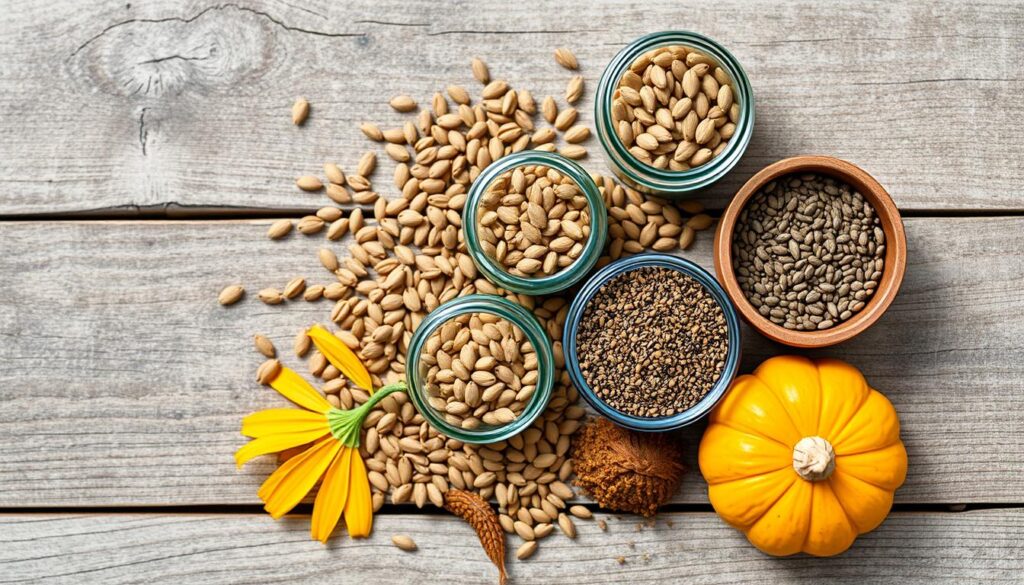
| Phase | Typical days | Common seeds |
|---|---|---|
| Follicular | Day 1–14 | Flax, pumpkin |
| Luteal | Day 15–28 | Sesame, sunflower |
| Notes | 21–35 day cycles | Adjust timing for shorter or longer cycles |
Evidence for the exact routine is limited, but research on individual seeds and nutrients shows plausible hormone pathways. Results vary with sleep, stress, and diet. Discuss this approach with a clinician if you have a diagnosed condition. Next, we’ll explain how estrogen and progesterone shift across the phases and which nutrients help.
How Seed Cycling Works with Your Hormones
Hormone levels shift predictably across the month, and targeted foods aim to support those shifts. Simple nutrients at the right time can back natural production and metabolism without replacing medical care.
The body moves through two main windows each cycle. Days 1–14 are the follicular phase, when FSH and estrogen rise to rebuild the uterine lining and an LH surge triggers ovulation near midcycle. Days 15–28 are the luteal phase, when progesterone climbs to prepare the uterus and then falls if pregnancy does not occur.
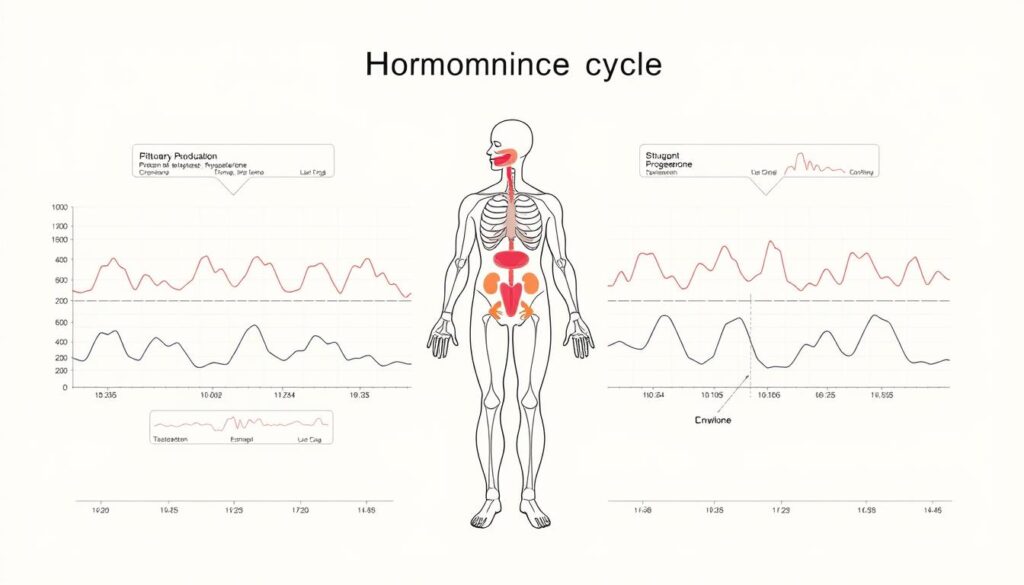
Follicular phase, ovulation, and luteal phase at a glance
- Follicular (Day 1–14): estrogen rises, lining rebuilds, ovulation approaches.
- Luteal (Day 15–28): progesterone is dominant; hormones fall if no fertilization.
Estrogen, progesterone, and key nutrients
Flax provides lignans that can help modulate estrogen activity in the first half of the cycle. Pumpkin offers zinc, which supports LH signaling and ovulation.
After ovulation, sesame may alter SHBG and sunflower supplies vitamin E and selenium to support progesterone pathways and hormone metabolism. Levels naturally fluctuate; this approach adds nutrients to support production and clearance, not to override physiology.
Timing matters: align the right seeds to each phase for the best effect, and stay flexible if your cycle varies. Next, you’ll find a clear step-by-step plan to start on day one.
Seed Cycling Guide
Start here with a simple, practical rhythm you can follow each month. This short plan shows when to track, when to switch, and how long to commit so you can assess results reliably.
Use a calendar or app to mark your period and likely ovulation. Tracking helps you time rotations instead of guessing.
Step one: Track your menstrual cycle or estimated phases
Note bleeding, mucus changes, or temperature to estimate ovulation. Mark the first day of bleeding and watch for a midcycle shift in signs.
Step two: Start on the first day of your period or where you are now
If you begin while bleeding, start flax and pumpkin on the first day. If you are mid-cycle, pick the pair that matches your current phase and begin there.
Step three: Rotate seeds at ovulation or day 15 in a typical cycle
Switch to sesame and sunflower the day after ovulation. If you don’t track ovulation, use day 15 as a practical default in a 28–30 day cycle.
Step four: Stay consistent for at least two to three cycles
Aim for 1–2 tablespoons daily of each pair and prep weekly batches; freeze ground portions to protect nutrients. Many people notice changes within two to three cycles, though some feel shifts sooner.
- Anchor rotations to ovulation when cycles vary.
- Use a “good enough” mindset—daily consistency beats perfect timing.
- Record symptoms and energy to fine-tune servings and timing.
For a clear start-to-finish plan, see this concise guide to seed cycling and adapt it to your own rhythm.
Phase-by-Phase Protocol: What to Eat and When
Use a clear, phase-based plan to pair specific seeds with your cycle days. This helps align lignans, zinc, and antioxidants to shifts in estrogen and progesterone levels.
Follicular phase (Day 1 to ovulation)
Daily protocol: 1 tablespoon ground flax seeds + 1 tablespoon raw pumpkin seeds each day from day 1 through ovulation. Some clinicians allow 1–2 tablespoons of each based on appetite.
Why: flax lignans and pumpkin zinc align with rising estrogen and support ovulatory signaling.
Luteal phase (after ovulation to period)
Daily protocol: 1 tablespoon ground sesame seeds + 1 tablespoon ground sunflower seeds from the day after ovulation until your next period. Again, 1–2 tablespoons is commonly used.
Why: sesame and sunflower supply antioxidants and nutrients that support progesterone pathways and healthy clearance of hormones.
Adjusting for shorter or longer cycles
- Use ovulation, not a fixed date: if your cycle is 21–35 days, rotate based on actual ovulation timing.
- Signs of ovulation: egg-white cervical mucus or a BBT rise help you switch accurately.
- No clear ovulation: use day 15 as a practical switch for near-28–30 day cycles.
- Practical tips: grind flax for absorption, grind other seeds for digestibility, pair servings with fiber and water to support estrogen elimination.
- Consistency: daily intake over several cycles matters more than occasional misses; log days and symptoms to fine-tune timing.
Preparing and Eating Your Seeds the Right Way
Fresh handling and smart prep make a big difference in how your daily seeds deliver nutrients. Simple storage and raw-serving tips help protect delicate fats, lignans, and vitamin E so you get more from each spoonful.
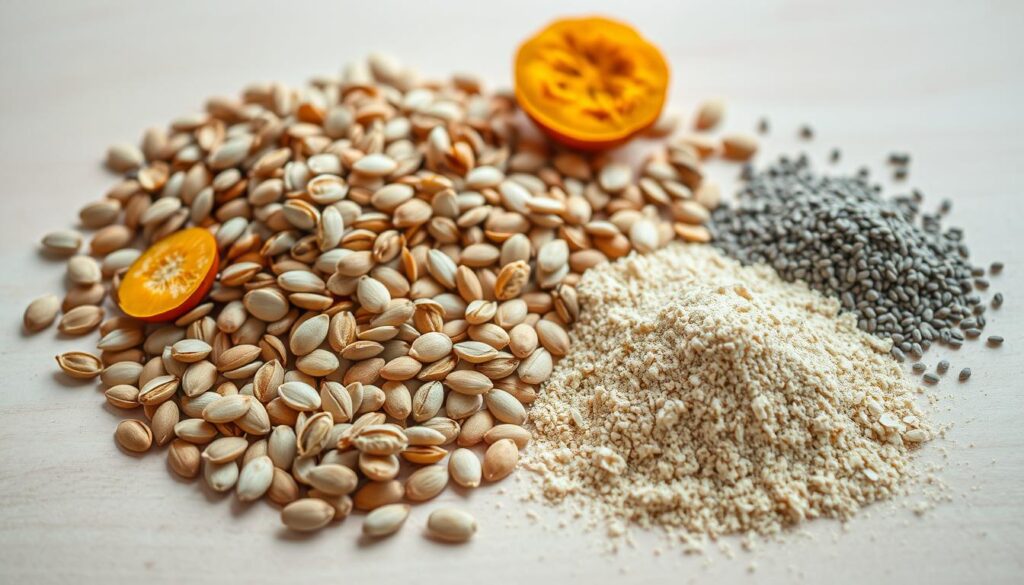
Freshly ground vs. pre-ground: prioritize grinding at home for better absorption, especially with flax. Oxidation begins once seeds are ground, so grind small batches and freeze immediately in airtight containers.
Storage tips: keep whole seeds in a cool, dark place and store ground mixes in the freezer to preserve nutrients. Use a coffee grinder or high-speed blender for a fine, even grind that blends smoothly into foods.
Easy raw ways to add seeds
Keep it raw when possible: sprinkle on oatmeal, blend into smoothies, stir into yogurt, toss on salads, or roll into energy balls. Avoid high heat that degrades delicate fats and vitamin E.
- Phase mixes: prep a flax‑pumpkin blend for the follicular period and a sesame‑sunflower mix for the luteal period to simplify daily use.
- Batch prep: portion weekly servings and freeze so you can grab, sprinkle, and go.
- Digestive tip: start with smaller servings if you are sensitive, and pair seeds with protein and complex carbs for comfort and better hormone metabolism.
For practical timelines and deeper context, see this concise seed cycling for hormone balance.
If Your Cycle Is Irregular or Absent
If your bleeding is irregular or you don’t get periods, you can still follow a practical rotation using body signals or time-based methods. Pick the approach that fits your life and stay consistent — steady intake matters more than perfect timing.
Start by watching simple daily cues, and choose a fallback rhythm if tracking isn’t possible.
Finding ovulation: cervical mucus and basal body temperature
Use cervical mucus as your first, free sign. Slippery, egg-white or watery discharge usually marks the fertile window.
A shift to dryness or tackier mucus often follows ovulation. Confirm with basal body temperature (BBT): it rises ~0.5°F after ovulation and stays higher until the next period.
Moon phase method: new moon to full moon rotation
If periods are absent, try a lunar rhythm. From new moon to full moon use flax + pumpkin; switch to sesame + sunflower from full moon back to new moon.
“Consistency, not perfect timing, often produces the clearest signals over months.”
Month-based rotation when tracking isn’t possible
When tracking is too hard, rotate by calendar halves: first half of the month for follicular seeds, second half for luteal seeds.
- Use mucus and BBT when available to refine timing.
- Start small if digestion is sensitive and build servings slowly.
- Keep a simple journal of symptoms and moods to spot changes over 1–3 months.
Talk with a clinician if cycles are absent or irregular long-term; testing can clarify causes and inform a tailored plan. For more on using this approach with irregular periods, see seed cycling for irregular periods.
What the Research Says Right Now
The phrase itself hasn’t been the focus of randomized trials, but the biology behind each ingredient is studied and relevant to hormone health. That means we can evaluate component-level evidence to judge potential benefits and limits.
Clinical trials using the routine’s name are scarce. However, scientists have tested the individual foods and measured outcomes tied to estrogen and progesterone pathways. Below is a concise summary of that evidence and how you might track changes objectively.
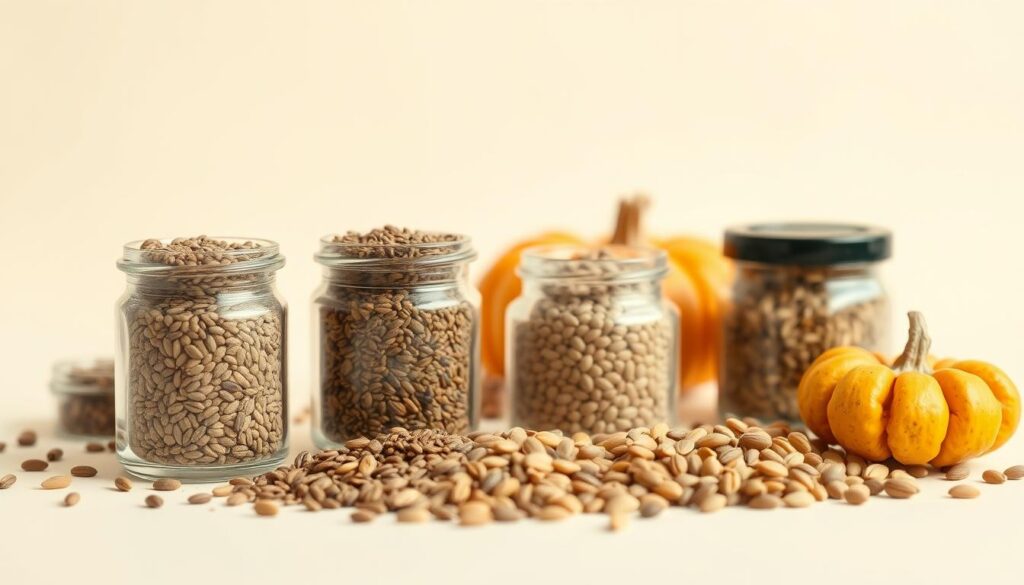
Evidence on individual components
- Flax: studies link flax lignans to modulation of estrogen activity and improvements in ovulatory regularity and luteal phase characteristics.
- Pumpkin: zinc in pumpkin seeds supports LH signaling and can help ovulatory function in normal reproductive physiology.
- Sesame: human data show sesame intake can raise SHBG, which affects the bioavailability of sex hormones.
- Sunflower: vitamin E and selenium support antioxidant defense, progesterone-related pathways, and hormone metabolism.
Why the routine isn’t in study titles yet
Funding and study design favor interventions with clear commercial returns. Simple food rotations rarely attract large trials even when the biology looks promising.
How to evaluate results for yourself: use validated labs like DUTCH Complete, cycle-specific mapping, standard blood hormone panels, and micronutrient testing to measure levels and response. Interpret anecdotes with caution and combine dietary steps with sleep, stress management, and clinical care for the best outcomes.
Takeaway: component-level research supports plausible benefits, but individual responses vary. If you want a deeper review, read a concise review and consider objective testing to personalize your approach.
Safety, Considerations, and Who Should Be Cautious
Know the limits and practical precautions before adding daily seeds to your routine. Simple steps help protect nutrient quality and reduce risk for people with allergies or medical conditions.
Before use, choose raw, fresh seeds and avoid high heat so delicate fats, lignans, and vitamin E stay intact. Grinding increases absorption but also speeds oxidation; freeze ground portions in airtight containers to preserve nutrients.
Raw seeds, allergies, and digestion
If you have seed allergies or intolerances, avoid those types and discuss substitutions with a qualified practitioner. Start with smaller servings if digestion is sensitive, and pair ground seed servings with meals for better tolerance.
On hormonal birth control: benefits and limits
When you use hormonal birth control, ovulation is usually suppressed, so cycling rotations won’t change ovulatory hormones the same way. That said, daily seed intake still supplies fiber, healthy fats, and micronutrients that support general health.
- Storage: keep whole seeds cool and dark; freeze ground mixes.
- Medical checks: talk to your clinician if you take medications (especially anticoagulants) or have GI disorders.
- Monitor: track symptoms and reassess hormone levels with a provider if you change contraception status.
“Use seed cycling as a gentle nutrition tool that complements, not replaces, individualized medical guidance.”
Shopping List and Smart Swaps
Get a short, practical kit to support monthly nutrition and easy meal prep. Pick whole, raw ingredients and a couple of reliable tools to keep nutrients fresh and usable.
A compact kit of whole seeds and a few kitchen tools makes daily rotations simple and sustainable.
Core pantry items
Buy raw, organic flax, pumpkin, sunflower, and sesame seeds. Choose whole seeds and grind at home to protect delicate oils and lignans.
Tools and storage
Use a coffee grinder or high‑speed blender to make a fine, edible meal. Stock airtight, freezer‑safe containers and measuring spoons to portion by phase.
Budget tips and quality swaps
- Compare bulk bins and reputable store brands for lower prices without sacrificing quality.
- Prepare phase blends (flax‑pumpkin; sesame‑sunflower) weekly and freeze portions to slow oxidation.
- Read labels: avoid added oils, salt, or flavors so nutrients and hormone support remain consistent.
- Try black sesame or hulled vs. unhulled sesame seeds for flavor and digestive comfort.
“Freshness and simple tools make the most practical difference in nutrient levels and ease of use.”
Conclusion
Small, daily habits—like adding ground seeds to meals—can add up to steady hormone support over months. Consistency matters more than perfection: a simple rhythm helps you track effects and fine-tune intake.
Seed cycling that pairs flax and pumpkin early in the month with sesame and sunflower later is a practical, food-first routine. Aim for 1–2 tablespoons per day of each pair, ground and kept cold for best nutrient retention.
Expect gradual changes in estrogen and progesterone-related symptoms across 2–3 cycles. Seeds add fiber, healthy fats, and micronutrients that support overall balance and production.
Keep prep simple: portion weekly, freeze ground mixes, and add them to smoothies, oatmeal, salads, or raw snacks. Track periods and symptoms, and consult a clinician for tailored care if needed.
FAQ
What is seed cycling and how might it support hormone balance?
Seed cycling is a dietary approach that alternates specific ground seeds through the menstrual phases to provide nutrients that may support estrogen and progesterone production. The method pairs flax and pumpkin seeds in the follicular phase and sesame and sunflower seeds in the luteal phase to deliver lignans, zinc, and vitamin E. While promising anecdotally, the term isn’t yet a focus of large clinical trials, so think of it as a low-risk, food-based strategy to complement broader hormone-friendly habits.
When should I start each seed phase during my cycle?
Start the follicular-phase seeds (flax + pumpkin) on the first day of bleeding and continue through ovulation. Switch to luteal-phase seeds (sesame + sunflower) immediately after ovulation and keep them until your next period. If you don’t track ovulation, a typical swap on day 15 of a 28–day cycle is a reasonable approximation. Consistency for at least two to three cycles helps you assess any changes in symptoms or cycle regularity.
How much of each seed should I eat daily for best absorption?
Aim for about 1 tablespoon of each ground seed per day (so 1 tbsp flax + 1 tbsp pumpkin in one phase; 1 tbsp sesame + 1 tbsp sunflower in the next). Grind seeds fresh or buy recently ground options and add them to smoothies, yogurt, oatmeal, or salads to improve absorption and digestibility.
Why grind seeds instead of eating them whole?
Grinding breaks seed husks and increases nutrient bioavailability, especially for flax lignans and omega-3s. Whole seeds can pass through the gut intact, reducing benefit. Grind small batches with a coffee or spice grinder and store in the freezer to slow oxidation.
Will seed cycling help if my periods are irregular, I have PCOS, or I’m perimenopausal?
Some people with irregular cycles, PCOS, or perimenopausal symptoms report improved PMS, cycle regularity, and mood with seed-based routines because seeds provide micronutrients like zinc and lignans that influence hormone metabolism. However, results vary—seed-based practices are supportive but not a substitute for medical care. Discuss changes with a clinician, especially for PCOS or significant cycle disruption.
Can I practice this method if I use hormonal birth control?
Hormonal contraceptives change endogenous hormone patterns, so seed-based rotation may not produce the same effects. Eating the seeds is still safe for most people and provides nutrients, but don’t expect reliable changes in estrogen or progesterone levels while on combined hormonal methods. Check with your provider about interactions with specific medications.
Are there any safety concerns, allergies, or digestive issues to watch for?
Allergies to sesame, sunflower, or other seeds can occur and should be avoided. Heavy seed intake may increase fiber rapidly; introduce ground seeds gradually and drink water to reduce bloating. If you have a bleeding disorder, are on anticoagulants, or have a glandular disorder, consult a healthcare professional before increasing seeds high in omega-3s or lignans.
How should I adjust the rotation for shorter or longer cycles?
For cycles shorter than 26 days, shorten each phase proportionally and switch at ovulation if you can detect it. For longer cycles, extend each phase until ovulation. If tracking ovulation isn’t possible, use a month-based rotation (first two weeks of the calendar month = follicular seeds; second half = luteal seeds) as a practical fallback.
What does current research say about the individual seeds used?
Several studies examine components like flax lignans, pumpkin seed nutrients, sesame lignans, and sunflower’s vitamin E and selenium for their metabolic and antioxidant effects. While each seed shows beneficial properties (e.g., lignans may influence estrogen metabolism), formal clinical trials testing the specific rotation method are limited. Use evidence on individual nutrients to inform your expectations.
What’s a simple shopping list and prep routine to begin?
Buy organic or high-quality flax, pumpkin, sesame, and sunflower seeds. Add a small grinder, airtight containers, and freezer storage. Grind weekly or in small batches, label phases, and prep single-serving portions (about 2 tablespoons total per day) to mix into meals for convenience.

Don’t Miss These Picks