


Which outcome matters more to you right now — lower cholesterol and steadier blood pressure, or calmer digestion and fewer gut triggers? This question frames the practical trade-off many people face when choosing a diet path.
The term plant-based is often equated with vegan, but they are not identical. Nutrition experts like Jonny Bowden caution that junk foods can be plant-based — think vegan pizza or soda — and that label can mask poor quality.
Research by Boyd and Konner suggests ancestral eating often leaned about 65% plants and 35% animal foods. That shows the paleo approach can still be plant-forward while removing modern grains and legumes.
This introduction previews a clear, evidence-first comparison of heart markers (lipids, blood pressure, cardiometabolic risk) and gut outcomes (fiber diversity, fermentation tolerance). You’ll get practical, U.S.-friendly meal templates and nutrient watch-outs so you can choose a way that fits your goals this year.
Key Takeaways
- Labels don’t guarantee quality: plant-forward doesn’t always mean nutrient-rich.
- Paleo patterns can be largely vegetable-based while excluding some modern grains.
- High-fiber, minimally processed plant foods often help heart markers.
- Removing common triggers may ease gut symptoms for some people.
- Both paths need planning to cover B12, omega-3s, iron, calcium, and vitamin D.
Setting the stage: how “plant-based” and “paleo” really differ (and overlap)
At a glance, exclusions define these ways of eating more than their shared food goals. Both encourage whole foods and plenty of vegetables, but their rules steer choices in different directions.
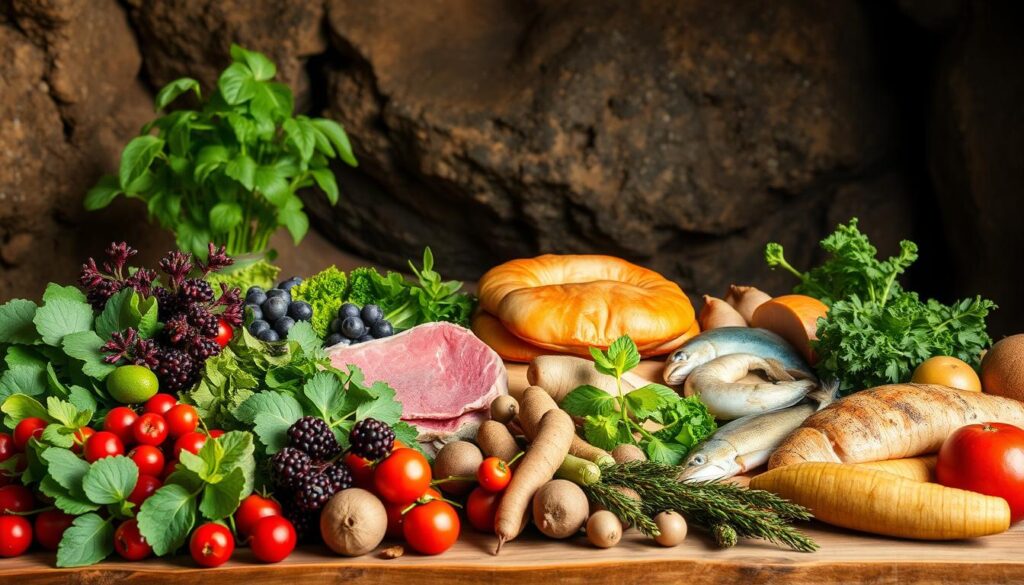
Defining terms: plant-based, vegan, and paleo
Plant-based: a flexible pattern that prioritizes plants. It may include or limit animal products depending on a person’s chosen way of eating.
Vegan diet: excludes all animal products. It can center on whole foods or rely on processed items. Careful planning helps meet protein and micronutrient needs.
Paleo diet: emphasizes fruits, vegetables, nuts, seeds, eggs, fish, and meat while excluding grains, legumes, and dairy. The focus is on minimally processed foods and stable cooking oil choices.
Why many paleo patterns are still largely plant-forward
Anthropological analyses suggest ancestral patterns often featured abundant plant intake with animal foods as complementary protein and fat. This means a paleo approach can still be roughly two-thirds plants and one-third animal foods.
Label literacy matters: products marketed as plant-forward or paleo-friendly can be ultra-processed. Read ingredients and favor whole foods.
- Key contrasts: exclusions (grains, legumes, dairy) matter more than plant quantity.
- Protein planning: both diets can meet needs — legumes and tofu for a vegan diet; eggs, fish, meat, nuts, and seeds for a paleo pattern.
- Oils and processing: both ways often recommend stable cooking oils and fewer refined seed oils in packaged products.
For deeper reading on ancestral intake patterns, see this summary of the anthropological evidence: ancestral diet analysis.
Heart health head-to-head: lipids, blood pressure, and cardiometabolic risk
Whole-food approaches that boost soluble fiber and limit refined sugar tend to lower LDL and triglycerides. Quality protein, plenty of produce, and stable oil choices protect vascular function and blood pressure.

Cholesterol and triglycerides: fiber-rich plants or meat-forward choices?
Soluble fiber from vegetables, fruits, and whole plant foods reduces LDL. Diets heavy in untrimmed meat can raise LDL unless balanced with fish and nuts.
Blood pressure and vascular inflammation: whole foods and healthy fats
Potassium-rich produce, nuts, and regular fish intake support healthy blood pressure. Choose olive or avocado oil over unstable seed oils to protect endothelial function.
Sugar and added sugars raise triglycerides and inflammation. Ultra-processed snacks—whether labeled plant-forward or not—often contain refined oils and sugars that erode cardiometabolic gains.
Nutrient watch-outs: omega-3s, vitamins, and minerals
Prioritize EPA/DHA from fish or supplements, and monitor magnesium and potassium. Balance protein with fiber-rich sides and, if dairy or animal options are used, pick fermented, low-sugar choices.
- Key takeaway: High-fiber foods, quality protein, and limited processed foods drive heart improvements more than any single label.
Gut health comparison: fiber, fermentation, and digestive comfort
Fiber diversity feeds the microbiome. Different fermentable fibers support different bacterial groups, so the mix of legumes, whole grains, fruits, and vegetables matters more than any single rule.
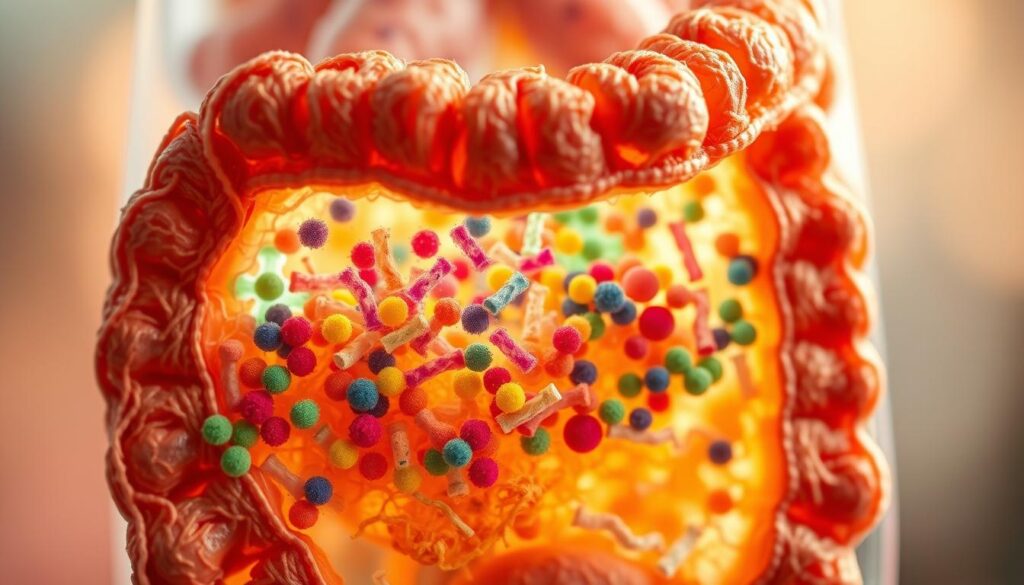
Fiber density and diversity
Plant-forward patterns often rely on legumes, beans, whole grains, fruits, and vegetables to supply soluble fiber, resistant starch, and polyphenols. These substrates fuel beneficial microbes and support regularity.
Exclusions and microbiome fuel
Removing grains and legumes reduces common sources of fermentable fiber, vitamins, and minerals. That means doubling down on vegetables, nuts, tubers, and roots is essential to keep microbial diversity high.
When processed plant foods upset digestion
Ultra-processed snacks and many vegan convenience items can contain refined starches, gums, and additives that irritate the gut. Even though they are labeled plant-friendly, these processed foods may worsen bloating or irregularity.
- Practical swaps: cauliflower rice, sweet potato, winter squash, and leafy greens replace grains while adding fiber.
- Tolerance tips: soak or sprout beans, reintroduce slowly, and pair fiber with water to ease gas and improve transit.
- Minerals and vitamins: fiber-rich whole foods also supply key minerals and vitamins that support gut lining and motility.
Gut comfort is personal; experiment with mixes of legumes, grains, and vegetables to find what keeps you regular and symptom-free. For a deeper look at the dietary impact on the gut, see this review.
Plant-Based vs Paleo Health Benefits
Both patterns can support weight loss and metabolic wins when focused on whole foods. Each approach changes intake of sugars, fats, and protein in ways that affect appetite and blood sugar.

Benefits at a glance: weight loss, blood sugar control, and nutrient density
Both approaches can drive weight loss by cutting ultra-processed items and emphasizing whole foods. Plant-forward meals often help blood sugar control through fiber-rich produce. Paleo-style plans can boost satiety by prioritizing protein and healthy fats.
Potential risks and how to mitigate: B12, calcium/vitamin D, saturated fat, and fiber
Plan for vitamins minerals regardless of the route you choose. People on strict plant patterns should secure B12, vitamin D, calcium, iron, and omega-3s via supplements or fortified foods.
Those following paleo diets should watch fiber, calcium/vitamin D, and saturated fat. Increase veggies, use bone-in fish or fortified options, and pick lean cuts to manage fats.
| Outcome | Typical Strength | Common Risk | Simple Fix |
|---|---|---|---|
| Weight loss | High when whole foods prioritized | Plateau from poor portion control | Structured meals with protein & fiber |
| Blood sugar | Improved with less refined sugars | Spikes from sweetened products | Swap sweets for fruit and spices |
| Micronutrients | Good with varied produce | B12, calcium, vitamin D gaps | Supplements, fortified foods, labs |
Want more context on how these diets compare? See this plant vs paleo guide for practical examples and meal templates.
Making it work in real life: foods, sourcing, and sustainable choices in the United States
Build plates, not rules. Practical sourcing and simple meal templates let you eat for your goals while keeping costs and time low.
Sourcing, simple templates, and smart swaps make a dietary pattern usable every day. Start with whole food basics, use a stable cooking oil, and pair protein with fiber for steady energy.

Simple meal templates
Heart-forward plant-forward plate: leafy greens, roasted vegetables, legumes or tofu/tempeh, a whole grain (if included), a sprinkle of nuts, and olive or avocado oil.
Gut-friendly paleo-style plate: non-starchy greens, a palm-size portion of meat or fish, a fist of starchy root like sweet potato, and a drizzle of olive or avocado oil.
Smart sourcing and budget swaps
Source smart: choose minimally processed products, read labels to avoid heavily refined oils found in many processed foods, and prefer certified options (RSPO/MSPO) when relevant.
- Buy frozen fruits and vegetables to save money and reduce waste.
- Use canned salmon or sardines for affordable protein, calcium, and omega-3s.
- Buy bulk nuts, seasonal produce, and value cuts of meat to stretch the grocery budget.
Keep it convenient: pre-cut veggies, canned beans for plant-forward meals, and rotisserie chicken simplify prep without adding processed products. Pair protein and fiber so your body keeps steady energy between meals.
For a deeper look at anthropological intake and dietary patterns, see this review: anthropological evidence.
Conclusion
Conclusion
Choose the diet that matches your priority today—heart markers or gut comfort—and build it from whole, minimally processed foods. Practicality wins: consistent meals, smart sourcing, and attention to protein, fiber, and key vitamins minerals matter more than any single label.
If heart outcomes matter, emphasize a plant-forward pattern rich in fruits vegetables, legumes, whole proteins, and stable oil while cutting added sugars and processed foods.
If digestive comfort is your goal, a paleo diet that removes common triggers like grains, legumes, and dairy can help while keeping vegetables, fruits, fish, and quality animal protein central.
Keep perspective: both the vegan diet and the paleo diet support weight control and steady energy when you focus on whole foods, balanced macronutrients, and needed supplements for B12, vitamin D, calcium, and omega-3s.
For a practical overview of how these ways of eating compare, see this guide to the pros and cons of popular diets.
FAQ
What’s the main difference between a plant-based approach and a paleo pattern?
At a glance, a plant-forward approach emphasizes whole grains, legumes, fruits, vegetables, nuts, and seeds as primary calorie and nutrient sources, while a paleo pattern centers on meats, fish, eggs, vegetables, fruits, nuts, and seeds and excludes grains, legumes, and most dairy. Both can prioritize minimally processed foods, but the food groups they permit and exclude shape nutrient profiles, fiber intake, and sources of protein and fat.
Are these diets mutually exclusive — can someone follow a plant-forward paleo-style plan?
Yes. Many people adopt hybrid patterns that borrow from both: for example, focusing on vegetables, healthy fats, and unprocessed proteins while limiting refined sugars and ultra-processed items. Such combinations can preserve microbiome-supporting fiber and still reduce processed food intake. Practical examples include vegetable-heavy plates with grilled fish or legumes swapped for nuts where legumes aren’t preferred.
Which approach is better for lowering LDL cholesterol and triglycerides?
Diets high in soluble fiber (oats, beans, fruits), unsaturated fats (olive oil, nuts, fatty fish), and low in saturated and trans fats more reliably lower LDL and triglycerides. That profile is more naturally achieved with a plant-forward eating style emphasizing whole grains and legumes, though a carefully planned paleo pattern that limits saturated fat and includes fatty fish and nuts can also improve lipid markers.
How do these patterns affect blood pressure and inflammation?
Whole-food emphasis, plentiful fruits and vegetables, reduced sodium from processed foods, and healthy fats reduce blood pressure and vascular inflammation. A plant-focused plan with whole grains and legumes aligns strongly with these outcomes. Paleo-style plans that prioritize vegetables, fish, and olive oil and avoid added sugars and industrial seed oils can offer similar benefits if they limit high-saturated-fat animal cuts and processed condiments.
What are the gut-health trade-offs between the two approaches?
Gut health depends heavily on fiber diversity and fermentable substrates for microbiome fermentation. Plant-forward diets that include whole grains, legumes, and a wide variety of produce provide a rich array of fibers and polyphenols that feed beneficial microbes. Strict paleo eliminates grains and legumes, which can reduce certain fermentable fibers; however, a paleo plan that includes diverse vegetables, nuts, seeds, and fruits can still support microbiome diversity if volume and variety are high.
Are ultra-processed vegan or paleo-branded products harmful for the gut or heart?
Ultra-processed foods — whether labeled vegan, paleo, or otherwise — often contain added sugars, refined flours, emulsifiers, and excess sodium. These ingredients can worsen cardiometabolic risk and disrupt gut microbial balance. Prioritizing minimally processed foods and whole ingredients matters more than the diet label when it comes to gut and heart outcomes.
What key nutrients should people monitor on each pattern?
On plant-forward diets watch vitamin B12, vitamin D, iron bioavailability, calcium, and occasionally omega-3 EPA/DHA if no fish is consumed. On paleo-style plans monitor calcium and vitamin D if dairy is limited, watch saturated fat and sodium from processed animal products, and ensure adequate fiber. Supplements or targeted food choices (fortified foods, fatty fish, shellfish, eggs, seaweed, nuts, and seeds) can address gaps.
Which approach supports weight loss and blood sugar control more effectively?
Both patterns can support weight loss and improved glycemic control when they reduce added sugars, refined carbs, and excess calories while increasing whole foods, fiber, and protein. Success depends more on overall calorie balance, food quality, and adherence than the label. High-fiber plant-based patterns may offer extra benefit for glucose control via slower carbohydrate absorption, but low-carb paleo patterns can also improve blood sugar in the short term.
How can someone get enough omega-3s on each pattern?
On plant-forward plans, aim for ALA sources like flaxseed, chia, walnuts, and consider algae-based EPA/DHA supplements if no fish is eaten. In paleo patterns, regular fatty fish (salmon, mackerel, sardines), shellfish, and wild-caught options provide EPA/DHA directly; walnuts and chia add ALA as well. Monitoring amounts and considering supplements for those at risk is prudent.
Are whole grains essential for a healthy microbiome and metabolism?
Whole grains contribute important fibers, resistant starches, and micronutrients that support microbial diversity and metabolic health. They are a convenient and evidence-backed source of fermentable substrates. However, people can achieve similar microbiome benefits through diverse vegetables, fruits, legumes (if included), nuts, seeds, and fermented foods if whole grains are excluded for personal or medical reasons.
How do dairy and calcium fit into these diets?
Plant-forward plans may include dairy or fortified plant milks to meet calcium and vitamin D needs; if dairy is excluded, focus on fortified products, tofu, leafy greens, and almonds. Paleo typically limits most dairy; some followers include fermented dairy like yogurt or kefir. Shortfalls can be addressed with fortified foods or supplements, especially for people at risk for osteoporosis.
What are practical, budget-friendly swaps to make either approach healthier?
For plant-forward eating, choose frozen vegetables, canned legumes (rinsed), oats, and brown rice for cost-effective fiber and nutrients. For paleo-style patterns, buy seasonal vegetables, canned fish, whole eggs, and bulk nuts. In both cases, minimize packaged “diet” or branded convenience foods and cook simple meals using whole ingredients to lower cost and improve nutrition.
Can athletes or active people thrive on either pattern?
Yes. Performance depends on adequate energy, protein, carbohydrate timing, and micronutrients. Plant-forward athletes should plan for complete proteins and sufficient iron and B12; paleo athletes should ensure enough carbohydrate for training and preserve glycogen with starchy vegetables and fruit. Working with a sports dietitian helps tailor intake to training loads and recovery needs.
How should someone choose between these patterns for long-term health?
Choose the approach you can sustain that emphasizes whole, minimally processed foods, varied produce, adequate fiber, healthy fats, and appropriate protein. Consider personal risk factors (cardiovascular disease, gut disorders), food preferences, budget, and sustainability. Consulting a registered dietitian or clinician can help individualize plans and monitor nutrient status.




Don’t Miss These Picks