

Can drinking a warm cup of bone broth every day improve your skin, soothe your joints, or support gut health? It’s a popular wellness habit, but the science tells a more complicated story.
Daily bone broth can be worth it for its protein, flavor, and convenience, but it isn’t a proven treatment for joint pain, gut problems, or aging skin. A cup may provide around 3–10 grams of protein, depending on how it’s prepared. It also supplies fluid and small amounts of minerals, although the nutritional value varies widely.
Whether you make it at home or buy it ready to drink, the key is knowing what you’re getting. This guide explains the realistic benefits, research limitations, daily serving sizes, and safety concerns so you can decide whether bone broth deserves a place in your routine.
Key Takeaways
- Daily bone broth is optional: It’s a convenient source of fluid, savory flavor, and some protein, not an essential health habit.
- Nutrition varies: Some products provide 9–10 grams of protein per cup, while others contain considerably less.
- Collagen claims need perspective: Research on collagen supplements cannot automatically prove that drinking broth improves skin or joints.
- One cup is a practical starting point: There is no scientifically established daily dose for bone broth’s claimed health benefits.
- Food safety matters: Refrigerate cooked broth promptly and use it within 3–4 days, or freeze it for later.
Helpful Products at a Glance
For homemade batches, the OXO Good Grips 8-Inch Double Rod Strainer offers a reusable way to separate broth from cooked bones and vegetables. A strainer you already own may work just as well.
What Is Bone Broth, and What Does It Actually Contain?
Bone broth is made by gently cooking animal bones, often with connective tissue, water, vegetables, and herbs. During cooking, some collagen breaks down into gelatin, giving the liquid a richer texture.
That gelatin may help the broth become jelly-like when chilled. However, a thicker broth isn’t necessarily more nutritious in every way. Gelatin content depends on the bones, water ratio, and cooking method.
Calories, Protein, Collagen, and Minerals
A cup of bone broth can be relatively low in calories while supplying useful protein. But recipes and packaged products differ enough that one nutrition estimate doesn’t fit them all.
- Calories: Often around 10–60 per cup, although fatty or concentrated versions can contain more.
- Protein: Roughly 3–10 grams per cup in many products, with some delivering more.
- Collagen-derived protein: Provides amino acids such as glycine and proline but isn’t a complete protein source.
- Minerals: Calcium, magnesium, phosphorus, and potassium may be present, but quantities vary.
- Sodium: Can become substantial in salted commercial products or heavily seasoned recipes.
A 2025 analysis of 36 commercial beef bone broths found relatively low calcium and magnesium levels. This challenges the idea that bone broth is automatically an excellent mineral supplement.
For accurate nutrition, check the packaged product’s label. Homemade broth is harder to measure without laboratory testing.
Is Drinking Bone Broth Every Day a Good Idea?
For most healthy adults, a cup of bone broth can fit into a balanced diet. Drinking it daily is a personal choice rather than a medical recommendation.
Some people prefer a warm mug between meals. Others use it in soups, rice, stews, or sauces. Either approach can be useful if the broth adds enjoyment or helps you prepare satisfying meals.
How Much Bone Broth Should You Drink?
One cup (8 fluid ounces, approximately 237 mL) is a reasonable serving to try. There’s no proven amount that guarantees improvements in joints, skin, sleep, or digestion.
You could drink a cup several times a week instead of every day. Increasing the amount doesn’t necessarily increase health benefits, especially when sodium or protein intake needs monitoring.
Can Bone Broth Help With Weight Management?
Replacing a higher-calorie snack or drink with a low-calorie cup of broth might reduce your overall calorie intake. Warm liquid may also help you feel temporarily satisfied.
However, bone broth hasn’t been shown to cause meaningful weight loss on its own. It shouldn’t replace balanced meals containing enough complete protein, fiber, and other essential nutrients.
If you’re considering making broth part of your morning routine, explore our related guide on drinking bone broth every morning.
Chicken vs. Beef vs. Pork Bone Broth: Which Is Better?
Different bones produce different flavors and textures. However, the type of animal alone doesn’t determine nutritional quality. The ingredients, amount of water, cooking time, and fat removal all matter.
- Chicken bone broth: Usually mild and versatile. It’s useful for sipping, lighter soups, and cooking grains.
- Beef bone broth: Often has a deeper, richer flavor, especially when roasted bones are used. It works well in stews and hearty sauces.
- Pork bone broth: Can develop a full-bodied texture and savory flavor, making it popular in ramen and other Asian dishes.
- Joint-rich broth: Bones containing cartilage and connective tissue can produce more gelatin, regardless of the animal.
Fat content can be adjusted by chilling the broth and removing the hardened fat layer. A rich-tasting beef broth isn’t automatically higher in protein or minerals than chicken broth.
Bone Broth vs. Regular Broth vs. Stock
Regular broth is often made with meat and vegetables, while stock generally relies more heavily on bones. Bone broth usually emphasizes longer cooking and collagen-rich ingredients.
These aren’t strictly regulated culinary categories, so store-bought labels can overlap. Rather than judging quality by a claimed 12- or 24-hour simmer, compare the nutrition facts and ingredient lists.
How to Make Bone Broth at Home
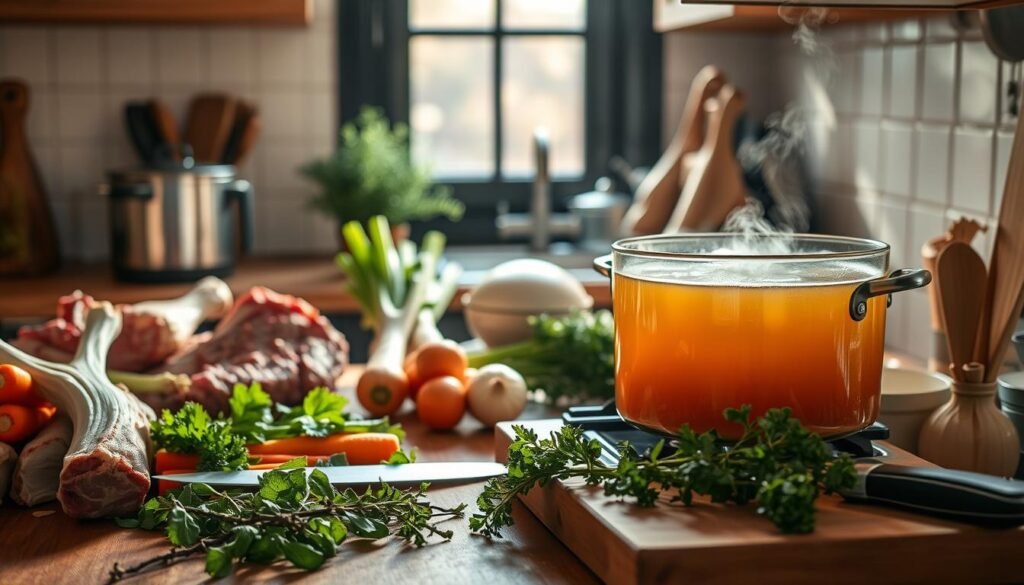
Homemade broth gives you control over the ingredients, salt, flavor, and fat. It can also make good use of suitable leftover bones from meals.
You don’t need special equipment or an exact simmer time to make useful broth. A stockpot, slow cooker, or pressure cooker can work.
Ingredients
- 2–4 pounds of chicken, beef, or pork bones, preferably including some joints or connective tissue
- Approximately 1 gallon of water, or enough to cover the ingredients safely
- 1 onion, 2 carrots, and 2 celery stalks
- Garlic, parsley, thyme, or other herbs to taste
- 1–2 tablespoons of apple cider vinegar, optional
- Salt and pepper, added according to preference
Vinegar adds mild acidity, but there’s limited evidence that adding it makes homemade broth a meaningful source of extra minerals. It’s optional rather than essential.
Step-by-Step Instructions
- Prepare the bones: Use food-safe bones from a reliable source. Roast them first if you prefer a deeper flavor.
- Fill the pot: Add bones, vegetables, herbs, and enough water to cover them. Leave adequate space to prevent overflowing.
- Heat thoroughly: Bring the mixture to a boil, then reduce it to a gentle, steady simmer.
- Cook: Chicken bones may develop good flavor in approximately 6–12 hours. Larger beef or pork bones may benefit from 12–24 hours, but longer cooking isn’t required for every recipe.
- Strain: Remove the bones and vegetables, then pass the liquid through a suitable strainer.
- Cool promptly: Divide the liquid into shallow containers and refrigerate or freeze it within the recommended food-safety window.
Do You Need a Special Strainer?
Removing small bones, cartilage, and vegetable pieces makes finished broth easier to use. A fine-mesh strainer is helpful because it catches smaller solids than a standard colander.
The OXO Good Grips 8-Inch Double Rod Strainer has a stainless-steel fine mesh, reinforced frame, and dishwasher-safe design. Its wide opening is useful when pouring broth from a pot, though very fine particles may still require cheesecloth.
It’s an optional kitchen tool, not something that improves the broth’s nutritional value. If your existing sieve works well, there’s no reason to replace it.
Stockpot, Slow Cooker, or Pressure Cooker?
A stockpot gives you direct control over heat and evaporation, but it needs regular attention. A slow cooker provides steady cooking when used according to its instructions.
A pressure cooker can shorten cooking considerably, often producing a flavorful broth in a few hours. Exact results depend on the recipe, bone size, and appliance. Don’t leave a stovetop burner operating unattended for extended periods.
Easy Ways to Use Bone Broth Without Drinking It Plain
Not everyone enjoys sipping broth from a mug. Fortunately, you can use it in everyday cooking without building a separate wellness routine.
- Cook rice or quinoa: Replace some cooking water with broth for additional savory flavor.
- Make soups: Combine it with vegetables, beans, meat, or noodles for a more complete meal.
- Prepare sauces: Use a small amount to loosen pan drippings or add flavor to gravy.
- Moisten casseroles: Add broth to prevent dishes from drying out.
- Make a warm drink: Add ginger, lemon, garlic, or fresh herbs for flavor.
- Prepare post-workout meals: Include broth with foods supplying complete protein and carbohydrates rather than relying on it for recovery.

For regular meal preparation, freeze cooled broth in one-cup portions or smaller cubes. Ordinary freezer-safe containers or ice cube trays work well. Check container instructions before adding warm liquid, and leave room for expansion when freezing.
Bone Broth Benefits: What Does the Science Actually Say?
The strongest case for bone broth is straightforward: it supplies fluid, flavor, and some protein. Claims about treating inflammation, repairing the gut, improving skin, or restoring joints are much less certain.
1. Gut Health and Digestion
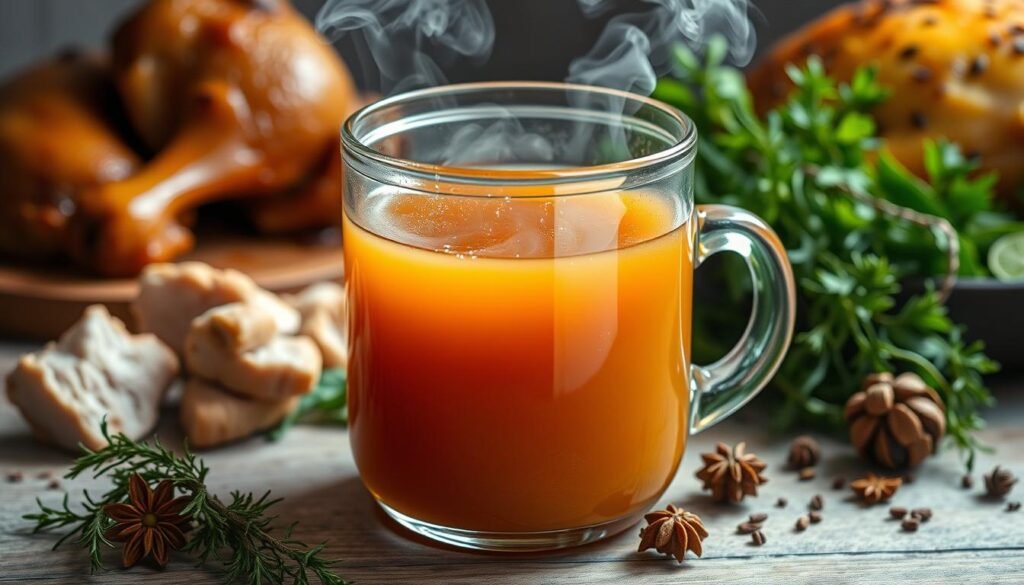
Bone broth contains gelatin and amino acids, including glycine. Related nutrients, such as glutamine, have been studied for their roles in maintaining the intestinal lining.
However, laboratory and animal findings don’t establish that drinking broth heals the human gut. There isn’t strong clinical evidence that bone broth repairs a damaged intestinal barrier or treats digestive disorders.
Warm broth may feel soothing and can be an easy-to-consume food during some illnesses. That doesn’t make it a treatment for inflammatory bowel disease, food intolerance, or other digestive conditions.
2. Joint Health and Collagen
Collagen is an important structural protein found in cartilage, tendons, and skin. Cooking connective tissue releases gelatin, which provides collagen-related amino acids.
Some human research suggests collagen supplements may modestly improve pain and function in people with osteoarthritis. For example, a 2024 systematic review and meta-analysis reported small-to-moderate benefits from collagen derivatives.
But there’s an important distinction: those studies tested specific supplements, not ordinary homemade broth. Bone broth contains variable amounts of collagen-derived protein, so the same results cannot be assumed.
3. Skin Hydration and Aging
Collagen supplements have been investigated for skin hydration and elasticity. Some studies report improvements, although findings vary and research quality remains a concern.
Drinking bone broth hasn’t been shown to produce the same effects. Your body digests collagen into smaller components and uses them according to its needs; it doesn’t send them directly to facial skin.
For healthier skin, adequate overall nutrition, sun protection, and regular skin care have a clearer practical role. For additional context on the popular claims, see this discussion of bone broth and skin health.
4. Inflammation and Immune Health
Glycine, arginine, and other amino acids have shown effects on inflammatory pathways in some laboratory and animal studies.
However, the amount and combination of these compounds in a typical cup haven’t been established as an effective anti-inflammatory treatment in humans.
There’s also no convincing evidence that daily bone broth meaningfully strengthens immune defenses or prevents illness on its own. A varied diet, adequate sleep, and other established health habits matter more.
5. Muscle Recovery and Protein Intake
Bone broth can contribute to your daily protein intake, but much of its protein may come from collagen. Collagen lacks sufficient amounts of some essential amino acids and shouldn’t be your only protein source.
For muscle growth and repair, prioritize a variety of complete or complementary protein sources, such as eggs, dairy, fish, meat, soy, and suitable plant-based combinations.
A cup of broth can still accompany a recovery meal. Just don’t confuse its protein content with an equivalent amount of whey, eggs, or other high-quality muscle-building protein.
6. Sleep and Relaxation
Glycine has been studied for possible effects on sleep quality. However, small studies using measured doses don’t establish that ordinary bone broth provides enough glycine to deliver the same results.
A warm cup in the evening may be comforting, but that feeling shouldn’t be confused with proof that bone broth treats insomnia.
Risks and Side Effects of Drinking Bone Broth Daily
Bone broth is generally a familiar food, but daily consumption deserves extra attention when you have dietary restrictions, allergies, or specific medical conditions.
Sodium and Kidney Health
Commercial broth can contain substantial added sodium. Anyone managing high blood pressure, heart failure, or a sodium-restricted diet should compare labels and consider unsalted or lower-sodium varieties.
People with chronic kidney disease may also need to monitor protein, phosphorus, potassium, or sodium depending on their individual treatment plan. Homemade broth isn’t automatically suitable simply because it contains no added salt.
Allergies and Digestive Discomfort
Broth may contain allergens from its animal source or added ingredients. Packaged versions can also include celery, soy, wheat, or seasonings that some people need to avoid.
Rich, fatty broths can cause digestive discomfort in some people. Removing excess fat and starting with a modest serving may improve tolerance.
There isn’t strong evidence that ordinary bone broth generally interferes with blood thinners. However, people following medically prescribed nutrient restrictions should check the actual ingredients rather than assuming every broth is suitable.
Heavy Metals and Other Contaminants
Animal bones can contain trace metals, including lead. This has raised understandable concerns about long-cooked broth.
A 2017 study of metals in animal bone broths examined how minerals and potentially harmful metals enter the cooking liquid. Available studies suggest levels depend on ingredients and preparation, and limited testing hasn’t established that typical consumption creates a major risk.
Buying food-grade bones from reputable suppliers is sensible, although it doesn’t guarantee a particular contaminant level. Bone broth shouldn’t be relied upon as a primary source of minerals, especially during pregnancy or childhood.
Safe Cooling, Storage, and Reheating
Bacterial growth is a more immediate and preventable concern than most of the advertised wellness claims. A large pot left cooling on the counter can spend too much time at unsafe temperatures.

Follow these food-safety practices:
- Cool quickly: Divide broth into shallow containers rather than leaving it in one large pot.
- Refrigerate promptly: Within 2 hours of cooking, or 1 hour when the surrounding temperature exceeds 90°F.
- Keep it cold: Refrigerate at 40°F or below and use within 3–4 days.
- Freeze extra portions: For best quality, use frozen broth within approximately 2–3 months.
- Reheat safely: Heat leftovers thoroughly to 165°F before serving.
- Discard questionable broth: Don’t taste broth to decide whether unsafe storage has made it spoiled.
These recommendations follow guidance from the USDA Food Safety and Inspection Service.
Store-Bought vs. Homemade Bone Broth: Which Should You Choose?
Both options can fit a healthy diet. The better choice depends on your budget, schedule, ingredient preferences, and how much control you want over salt and flavor.
Choose Homemade If You Want:
- Control over added salt, herbs, vegetables, and fat.
- Freedom to adjust flavor and thickness.
- A way to use suitable bones from other meals.
- Large batches for freezing and meal preparation.
Choose Store-Bought If You Want:
- A convenient option without hours of cooking.
- Nutrition labels showing protein, calories, and sodium.
- Smaller quantities without storing large batches.
- A ready-to-use ingredient for quick meals.
Don’t assume refrigerated broth is healthier than shelf-stable broth. Properly processed shelf-stable products can be safe and nutritious. Likewise, a broth that gels when chilled may contain more gelatin, but it isn’t automatically better for your health.
For powdered bone broth or collagen peptides, check serving size, protein grams, ingredients, and sodium. These products aren’t interchangeable: collagen peptides offer a measured supplement serving, while liquid broth serves as both a food and a cooking ingredient.
Frequently Asked Questions
Is bone broth worth drinking every day?
It can be, especially if you enjoy its flavor and use it in place of less nutritious snacks or drinks. However, daily consumption isn’t necessary for good health, and specific improvements in skin, joints, or digestion aren’t guaranteed.
How long does it take to see benefits from drinking bone broth?
There’s no established timeline for health improvements from bone broth itself. You may enjoy its flavor and warmth immediately, but claims about visible skin changes or joint recovery over a few weeks aren’t supported by strong direct evidence.
Should I drink bone broth in the morning or at night?
Either works. Timing hasn’t been shown to change its health effects. Choose a time that suits your meals and routine, and pay attention to sodium and overall nutrient intake.
Does bone broth contain enough collagen to replace supplements?
Not necessarily. Homemade and commercial broths vary in collagen-derived protein, while supplements generally provide measured amounts. Evidence from supplement trials shouldn’t be used to promise the same benefits from broth.
Is bone broth better than chicken soup?
Not automatically. Chicken soup containing vegetables, chicken meat, and other ingredients may provide more complete protein, fiber, and a broader range of nutrients than plain broth.
Can I drink bone broth while fasting?
Bone broth contains calories and protein, so it breaks a strict calorie-free fast. Whether it fits another fasting approach depends on that approach’s specific rules and goals.
What if my homemade broth doesn’t turn into jelly?
That’s normal. Gel formation depends on how much gelatin was extracted, the amount of water, and chilling temperature. A broth that stays liquid can still be flavorful and useful in meals.
Final Verdict: Is Daily Bone Broth Worth It?
Bone broth is worth including if you enjoy it, but it isn’t worth treating as a miracle wellness product. Its most dependable advantages are convenience, savory flavor, fluid intake, and a modest contribution to dietary protein.
If you’re curious, try an appropriately sized serving a few times a week or use broth in meals you already prepare. Choose products based on their actual nutrition labels, keep sodium within your dietary needs, and handle homemade batches safely.
For a broader discussion of the nutritional evidence, see this overview of bone broth.
The best approach is simple: enjoy bone broth as food, keep expectations realistic, and let a varied, balanced diet do the heavier work for your long-term health.