


Can a tiny sensor on your finger give you trustworthy health answers, or does tech make the numbers look smarter than they are? This review tests that idea head-on by focusing on real use, not marketing.
The fourth-generation oura ring brings a smart sensing algorithm and recessed, asymmetrical sensors designed to improve accuracy. The companion app now organizes insights into Today, Vitals, and My Health tabs, with Trends and Reports for patterns over time.
We’ll explain what the product measures, how the app turns those inputs into guidance like readiness score and personalized tips, and who benefits most from long-term tracking. Expect practical notes on battery life, comfort, sizes, and the Symptom Radar that uses temperature, respiratory rate, resting heart rate, and HRV.
Follow along to skim highlights or dive deep into methods, accuracy checks, and everyday usability. For an independent take and further testing details, see the wirecutter review.
Key Takeaways
- Smart sensing aims to select the best sensors for more reliable readings.
- The redesigned sensors and app layout make daily insights easier to find.
- We assess readiness, activity, and recovery as connected metrics, not isolated scores.
- Battery, comfort, and subscription needs matter for real-world use.
- Accuracy upgrades could mean more trustworthy data — but real-use testing is key.
At a Glance: What’s New in the Oura Ring 4 Right Now
The newest model focuses on cleaner signals and everyday comfort by pairing dynamic sensor routing with a sleeker fit. It also reorganizes the companion app to surface meaningful scores and long-term patterns faster.
Smart sensing and flatter sensor array for better accuracy
Smart sensing dynamically chooses the best sensor path to capture cleaner signals across varied finger anatomy and skin tones. The flat, recessed sensors replace Gen3’s internal bumps for a sleeker feel and improved contact.
Redesigned app: Today, Vitals, and My Health tabs
The app now splits views so you find highlights quickly. Today shows daily takeaways, Vitals lists detailed measures, and My Health groups heart, resilience, and sleep scores.
Trends (weekly averages) and Reports (monthly to yearly) turn daily data into long-term patterns you can act on.
Improved battery life and expanded size range
Battery life reaches up to eight days with SpO2 off, which cuts charging interruptions across busy days. Sizes span 4–15, with finishes including silver, black, matte black, stealth, gold, and rose gold to match your preferred color and fit.
| Feature | Gen4 | Notes |
|---|---|---|
| Sensor design | Flat, recessed array | Improved comfort and signal contact |
| Smart sensing | Dynamic sensor routing | Better readings across fingers and skin tones |
| App layout | Today / Vitals / My Health | Faster access to scores and long-term reports |
| Battery life | Up to 8 days | Depends on features like SpO2 |
| Sizes & finishes | 4–15; multiple colors | Includes gold and rose gold |
Hands-On Overview: Meet the Oura Ring 4
At first glance, the Gen4 arrives as a slim, low-profile piece that blends into daily wear. It feels like jewelry more than a gadget, then quietly collects meaningful data all day and night.
Unboxing shows a minimal package and a small, polished band that settles into a routine quickly. The first week, it fades from notice while the app surfaces timely insights at the right time of day.
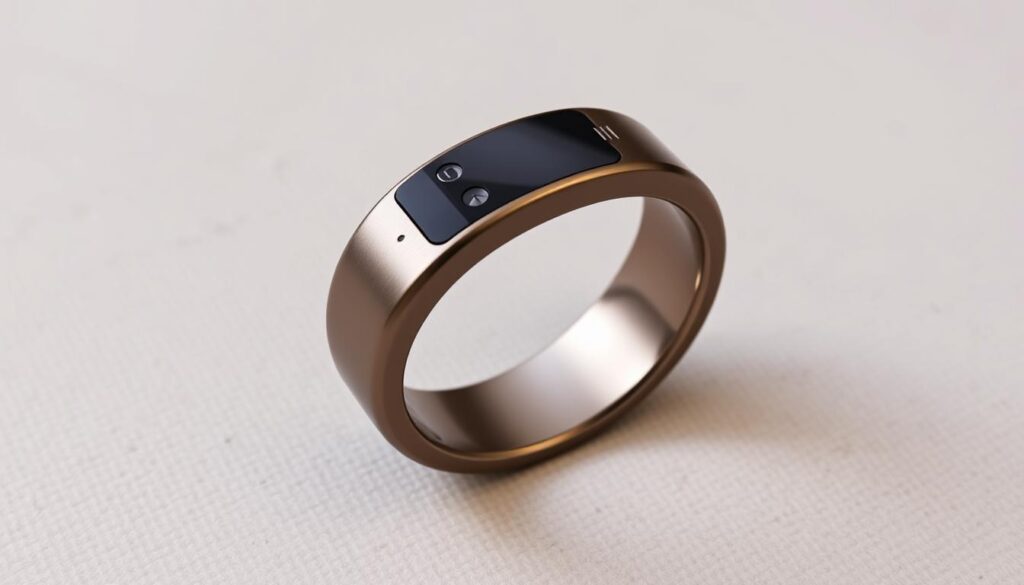
Fit notes: the flat sensor interior can feel a touch looser compared with Gen3. Order the Gen4 sizing kit and test a size over a day and a night to confirm comfort.
Upgrades are painless. Use the app’s “Set up a new ring” flow and the transfer completes in about 30 seconds for most users.
Battery life spans multiple days between charges, which reduces interruptions to your daily routine. Smart sensing improves signal quality, but consistent wear across varied conditions gives the best accuracy.
Who benefits? Anyone who wants a low-profile tracker that supports better sleep and recovery decisions, and who values discreet, day-long insights. For a longer hands-on take, see this detailed review.
| Stage | What to expect | Action |
|---|---|---|
| Unboxing | Minimal, jewelry-like feel | Wear for a day to settle in |
| Fit | Flat sensors may feel looser | Use sizing kit; test day & night |
| Upgrade | Quick data transfer via app | Follow “Set up a new ring” |
| Daily use | Multi-day battery, context-aware app cues | Wear consistently for best accuracy |
What the Oura Ring Tracks and How It Works
Behind the jewelry-like exterior is a pack of sensors that measure your body’s key rhythms throughout the day and night. The app condenses those signals into three clear scores so you can act without parsing raw numbers.
Core sensors and the signals they send
The device records heart rate and HRV for recovery insight, temperature for physiological shifts, SpO2 for overnight oxygen trends, and an accelerometer for movement and steps.
Heart rhythm and movement matter across the day; temperature and SpO2 are most useful at night.
How three daily scores simplify complex data
The companion app collapses raw inputs into Sleep, Readiness, and Activity scores. Each score blends multiple signals so one number gives context and action.
For example, a lower resting rate and higher HRV usually raise Readiness the next day and suggest better recovery.
Stress, resilience, smart sensing, and fit
Stress and resilience show daily levels that complement readiness and sleep insights. They offer a snapshot of nervous-system load rather than clinical diagnosis.
Smart sensing routes the best sensors to keep readings clean as conditions change, improving confidence in the device’s data and overall accuracy.
Proper sizing matters: a snug, comfortable size improves contact without pinching and helps maintain reliable signals over time.
| Signal | When most useful | What it informs |
|---|---|---|
| Heart rate / HRV | Day & night | Recovery, readiness, stress |
| Temperature | Night | Physiological shifts, cycle insights |
| SpO2 | Night | Overnight oxygenation, breathing events |
| Accelerometer | Day | Activity levels, movement patterns |
Oura Ring Sleep Tracking
Nightly rest breaks into measurable pieces: when you fell asleep, how long you stayed in each stage, and how those pieces add up to a clear score. This section explains what the device measures and how the app turns those signals into simple guidance.
Sleep Score explained: latency, timing, and stages
Latency is how fast you fall asleep. Timing is when you slept versus your usual bedtime. Stage distribution shows the share of light, deep, and REM across the night. Together they form the nightly score the app displays.
Sleep stages, naps, and blood oxygen during the night
The device records light, deep, and REM stages, and it also detects naps and folds them into your daily rest picture. Overnight SpO2 sensing watches blood-oxygen variation; stable numbers suggest efficient breathing, while dips can flag environmental or habit issues.
Real-world accuracy for REM and deep sleep trends
Focus on trends over a month rather than one night. Look for consistent patterns in deep sleep and REM to judge accuracy. Drops in heart rate and a slight fall in body temperature often accompany better recovery.
Tip: SpO2 active nightly can reduce battery life—turn it off during busy weeks. If latency is consistently short, you may be overtired; if it’s long, try a wind-down routine or an earlier bedtime.
For a deeper technical read, see how the oura ring tracks sleep.
Accuracy Upgrades: Inside Oura’s Smart Sensing Algorithm
Smart sensing now routes the clearest sensor path in real time to cut noise from motion, finger anatomy, and skin tone. This change improves day‑to‑day accuracy so your morning scores reflect real recovery, not random jitter.
The algorithm evaluates multiple contact routes and selects the cleanest signal continuously. That reduces interruptions when you move, fly, or push through a hard training block.
Hardware helps, too. The Gen4 flat, recessed, asymmetrical sensors make a steadier contact patch than the earlier three‑bump design. Better contact yields smoother heart rate and HRV trends overnight.
More consistent contact also sharpens temperature sensing, letting the device pick up subtle body shifts that inform recovery and cycle insights.
What this means for you: steadier overnight rate trends, more reliable HRV signals that feed readiness scores, and fewer random score swings during travel or stress.
Accuracy is a system outcome: fit, consistent wear, and sensor design all combine. Review multi‑week patterns to confirm improvements rather than judging by a single night or workout.
Learn more about how the team designed smart sensing smart sensing into the product.
Readiness, Stress, and Resilience: What Your Body Signals Mean
Think of readiness as a daily weather report for your body’s capacity. It combines recent sleep, overnight HRV, and resting heart rate to estimate how well you can handle the day. These blended measures turn many signals into one actionable number.
How HRV and resting heart rate shape your recommendation
HRV (heart-rate variability) shows how flexibly your nervous system responds. Higher HRV generally signals better recovery; low HRV over days can point to stress or illness.
Resting heart rate trends act as a sanity check: an elevated resting rate with higher temperature often reduces your readiness score.
When to use Rest Mode and interpret low-readiness days
The Symptom Radar flags strain in three levels: no, minor, or major signs. If the oura ring indicates minor or major signs, try Rest Mode. It pauses activity goals and shifts coaching toward recovery.
- Low readiness: favor active recovery, sleep hygiene, and hydration.
- High readiness: a harder workout or extra steps is reasonable.
Pair what you feel with the score. Use the app insights as a guide, not a mandate, and aim for steady weekly trends rather than chasing perfect daily numbers.
Activity Tracking: Daily Movement Without the Pressure
Daily movement matters more than a perfect score—small, consistent bouts add up fast. The focus here is sustainable motion, not punitive goals.
Daily activity tracking covers steps, estimated caloric burn, auto-detected workouts, and cardio zones for context — not just totals. The companion app shows routes for runs and zones so you get useful training detail without overload.
Are auto-detection and cardio zones worth it?
Users report improved auto-detection for boxing, skiing, and kayaking, so the device edits less for you. Runs now display a route and heart-rate zones in the timeline, which helps pace workouts and track progress over time.
How does movement affect your next night?
Active days often shorten sleep latency and boost next-night rest quality for many people. Aim for frequent low-to-moderate movement on busy days and sprinkle in zone 2 cardio when possible.
- What to watch: weekly patterns in activity and heart rate to find your sweet spot.
- Practical target: steady motion throughout the day with occasional focused sessions.
Tip: Treat the device as a supportive tracker, not a judge — let trends guide adjustments, not single workouts.
For comparisons and buying context, see the best smart ring guide.
Cycle and Body Temperature Insights
Nightly basal temperature offers a quiet, reliable signal of hormonal shifts across the month. Regular measurements on the finger reveal dips, peaks, and sustained rises that map to cycle phases and give practical health insights.
Nightly temperature trends typically dip in the follicular phase, peak around ovulation, and stay elevated in the luteal phase until they drop at menstruation.

Charting temperature shifts across your cycle
View the in‑app graph by month to see how body temperature moves across weeks. Visual month‑by‑month charts make it easier to spot patterns and to discuss them with a clinician.
- Tip: a snug size and consistent wear improve signal quality and accuracy.
- Tip: track at least three cycles to establish a reliable baseline before changing routines.
Estimating fertile windows and using Natural Cycles
Fertile window estimates improve when you pair longitudinal temperature data with a dedicated fertility app like Natural Cycles (FDA‑cleared; $119.99/year). The integration uses nightly heat shifts plus calendar patterns for better accuracy than single‑source predictions.
Remember to protect privacy: share only the insights you choose when planning with a partner or clinician. Also watch linked signals—changes in heart and sleep can reflect hormonal shifts and guide training or recovery decisions.
The Oura App Experience Today: Insights, Trends, and Reports
Open the app and you’ll see a daily snapshot that prioritizes what matters now. The interface groups quick takeaways, deeper metrics, and long-range reports so you act on useful data without fuss.
Today, Vitals, and My Health: seeing the right data at the right time
The oura app places morning sleep summaries in Today, midday movement nudges during active hours, and evening wind-down prompts before bed.
Open Vitals for detailed metrics like resting heart rate, temperature, and activity breakdowns. Use My Health to view category overviews such as recovery, resilience, and sleep health. These three tabs keep the right info within one tap.
Trends and Reports: weekly to yearly health patterns
Trends shows weekly averages of scores to reveal habits. Reports extend that view to monthly and yearly windows so subtle wins—lower resting rate or steadier bedtimes—become visible.
Check-ins and contextualizing your day
Log Check-ins for travel, stress, late work, or illness. Notes help explain day-to-day swings in sleep and heart rate so you do not chase noise.
| Tab | What it shows | When to open |
|---|---|---|
| Today | Daily highlights and quick actions | Morning and evening |
| Vitals | Detailed metrics: temperature, HR, activity | When you want depth |
| My Health | Category progress and long-term trends | Weekly or monthly reviews |
Quick habit: spend five minutes on Sundays scanning Trends and set one focus for the week. Export or integrate data if you want to share specific metrics with a coach or clinician.
Battery Life and Charging: Up to Eight Days Between Top-Ups
Battery endurance shapes daily use and whether your nightly data stays complete. You can expect multiple days of wear between charges, with simple tweaks to extend run time.
Battery life reaches up to eight days when SpO2 sensing is off. In real-world use most people see several days between charges. Power users who enable every sensor will notice shorter spans.
SpO2 is the main trade-off: enable it for selected nights when you want oxygen data, and turn it off to reclaim extra days and battery life. Automatic LED brightness and other energy-saving features also help stretch charge cycles.
Keep a compact charger in your bag for travel and top up during a shower or a desk session to avoid empty batteries before bed. Use the app’s battery view and alerts to prevent gaps in your metrics.
Gen4 testing showed no unusual degradation; the company addressed prior Gen3 concerns with replacements. For setup and long-term notes, see a detailed full review.
Design, Comfort, and Sizing: A Ring You’ll Actually Wear
Comfort and contact guide whether you’ll keep a wearable on through the day and night. Small interior changes in the Gen4 improve comfort and signal stability, so fit decisions matter more than ever.
Comfort and contact often decide whether a wearable becomes a daily habit or a drawer resident.
Sleeker interior and everyday comfort
Flat, recessed sensors reduce pressure points and let the piece feel more like jewelry during typing, gym work, and errands.
This design lowers localized pressure on the finger and helps the device sit smoothly against the skin for longer wear.
Sizing range and why the Gen4 kit matters
The size range now spans 4–15, so there’s more room to find a good fit across finger shapes.
Order the Gen4-specific sizing kit: the flatter interior can make the same numbered size feel looser than on earlier models. Test sizing during the day and while you sleep to pick the best size.
Fit tips, finishes, and everyday durability
Try the index or middle finger for stronger contact, and aim for a snug fit that won’t twist but won’t pinch. Too loose can cause brief data gaps.
Finishes include silver, black, matte black, stealth, gold, and rose gold, so you can match other rings or a watch for style confidence.
If you like how it looks and feels, you’ll wear it more—collecting cleaner data and getting better long-term insight into your body and sleep habits.
Price, Subscription, and Value for Money
Before you buy, weigh the upfront model cost against the monthly subscription that unlocks insights. This section breaks down what you pay today and what you pay over time so you can decide if the product fits your budget.
The model line starts at $349 for Silver and Black, steps to $399 for Brushed Silver and Stealth, and tops at $499 for Gold and Rose Gold finishes.
| Finish | Price | Notes |
|---|---|---|
| Silver / Black | $349 | Base hardware features |
| Brushed Silver / Stealth | $399 | Mid tier finish |
| Gold / Rose Gold | $499 | Premium finish |
The companion app costs $5.99/month. This subscription funds continuous software updates, trends and reports, and evolving guidance that makes the raw data actionable.
Optional: Natural Cycles integration runs about $119.99/year for fertility planning and adds to total ownership costs.
“Consider a one-to-three-month trial: use the insights, adjust behavior, and judge value by changed habits and clearer recovery.”
Compared with full-featured training watches, this tracker emphasizes recovery, readiness, and lifestyle fit rather than nonstop training metrics. If your goal is better daily energy and smarter activity choices, the monthly fee can pay for itself in improved focus and fewer bad workout days.
Resale and upgrade paths stay simpler when the app continues to receive updates. And one practical tip: order a sizing kit first so your chosen size matches Gen4 fit and reduces return hassle.
Integrations and Ecosystem: From Fitness to Stress Recovery
Partner apps turn sensor output into actionable plans for training, nutrition, and daily recovery. Choose a few trusted connections and let your data work across tools instead of crowding your phone with noise.
The device syncs with Strava for runs, Stelo by Dexcom for glucose context, and Natural Cycles for fertility planning. Nutrition apps like MyFitnessPal and Cronometer bring meals and metabolism into the same picture.
How integrations improve daily decisions
Connected apps turn raw metrics into tailored advice. For example, weekly activity from Strava helps set training load in the oura app, while Cronometer flags nutrient gaps that affect recovery.
Practical workflow: morning review in the oura app, a weekly fitness summary on Strava, and a nutrition audit in Cronometer. Use readiness and stress levels to time Apollo recovery sessions or scale back hard workouts.
| Partner | Primary use | Benefit |
|---|---|---|
| Strava | Runs & activity | Sync workouts and training load |
| Natural Cycles | Fertility | Uses nightly temperature for window estimates |
| MyFitnessPal / Cronometer | Nutrition | Correlate meals with recovery and energy |
| Apollo / Stelo | Stress & glucose | Schedule recovery and watch metabolic signals |
Privacy and battery note: link only apps that match your goals. Extra syncs can increase app time and slightly affect battery life. Keep integrations selective to maintain clear, useful insights.
Who It’s Best For in the United States
This product fits people who want discreet, daily health feedback without bulky gear. It favors gentle coaching on recovery, readiness, and better sleep over hardcore training features.
Health-minded adults appreciate the jewelry-like design and clear app summaries. Busy parents and professionals like that it blends with outfits—even finishes in gold—so they wear it all day and night.
It helps users monitor stress levels and readiness so they can pace workouts and rest across the month. Data-curious people who prefer no screen still get actionable trends and a sensible rate of notifications.
- Ideal: people seeking gentle nudges to improve sleep and daily activity.
- Great for: return-to-fitness phases where recovery beats interval coaching.
- Not for: athletes needing real-time wrist coaching or advanced performance metrics.
| User | Best use | Why it fits |
|---|---|---|
| Wellness pros | Daily recovery checks | Clear readiness scores and long-term trends |
| New parents | Monitor sleep patterns | Discreet, low-maintenance health tracker |
| Deloading athletes | Pace activity and rest | Focus on HR and recovery rate, not live coaching |
| Cycle-aware users | Temperature-linked insights | Monthly patterns help planning |
Pros and Cons After Extended Use
After several months of daily wear, the product’s strengths and trade-offs become clearer. The list below summarizes practical wins and real costs so you can judge fit for your routine.
Bottom-line view: comfort, consistent data, and a cleaner app experience are the main wins. The ongoing subscription and fit options are the main limits.
- Pros: standout comfort and design make wearing the oura ring effortless for months at a time. Lightweight feel and multiple color finishes help it pair with daily style.
- Pros: multi-day battery reduces charge anxiety so you collect more complete days of data and fewer gaps in life metrics.
- Pros: the redesigned app and Trends/Reports turn features into usable insights, and integrations (Strava, Stelo, Natural Cycles) expand practical value.
- Pros: improved activity detection and stress/resilience feedback add useful guidance for training and recovery balance.
- Cons: the subscription adds ongoing cost; weigh it against how often the app insights change your behavior.
- Cons: no half-sizes can complicate a perfect fit for some fingers; the free sizing kit helps but is not a full fix for every user.
Bottom line: Gen4 accuracy and comfort upgrades, paired with thoughtful app features, make this product a strong choice for everyday wellness. If you value long-term trends and wearability, the oura ring earns its place—just factor the subscription and fit limits into your decision.
Final Verdict: Is the Oura Ring the Right Health Tracker for Your Sleep and Daytime Health?
This device turns complex physiology into one clear daily readout so you can plan your day with confidence. It pairs discreet hardware with timely app highlights to make recovery and activity decisions simple and fast.
If you want a discreet tracker that translates complex sleep and recovery data into one daily score, this ring fits the brief.
The readiness score, resting rate trends, and sleep tracking work together to help you pace workouts, manage stress, and choose when to push or rest.
For most people, accuracy in deep sleep trends matters over weeks, not single nights. This device favors consistency and clear guidance over noisy hourly numbers.
Activity tracking is balanced: it gives context without pressure and supports better sleep the following night.
“A capable health companion for sleep-first users who appreciate simple scores and consistent nudges across the day.”
Choose this tracker if recovery, daily health, and easy-to-use data matter most. Performance athletes may pair it with sport-specific tools for advanced programming.
Conclusion
Gen4 tightens the core promise: a discreet ring that turns complex signals into clear, useful guidance for daily life. Flat sensors, smart sensing, and a focused app make long-term wear more comfortable and the data more reliable.
In short, Gen4 refines everyday wearables into a discreet health companion you will actually use.
The flat sensor array and algorithm improve accuracy and comfort, so multi‑week trends matter more than one night’s numbers.
Battery lasts multiple days with simple charging habits, helping you keep complete data across busy weeks.
Order the Gen4 sizing kit to lock in the right size and avoid gaps from a loose fit. Pricing varies by finish (including gold) and a $5.99/month subscription covers the app and ongoing features.
Try short daily check‑ins, a weekly trend review, and one habit goal each month. Health‑focused adults who want calm, credible guidance will find the most value. Explore integrations if you want more from your data without extra complexity.
FAQ
What does this sleep and health tracker measure?
It monitors heart rate, heart rate variability (HRV), body temperature, blood oxygen (SpO2), and movement with an accelerometer. The system combines those sensors to produce daily Sleep, Readiness, and Activity scores, plus stress and resilience indicators.
How accurate are the sleep stage and deep sleep estimates?
The device uses a flattened sensor array and advanced algorithms to improve REM and deep-sleep trend detection. While it won’t replace lab polysomnography, real-world tests show good agreement for nightly trends and long-term changes in sleep architecture.
How does the Readiness score work?
Readiness integrates resting heart rate, HRV, recent sleep quality, activity load, and body temperature deviations to estimate recovery and resilience. Use it to decide whether to push a hard workout or prioritize rest.
Can it detect stress and when I should rest?
Yes. Stress and resilience metrics draw from HRV and heart-rate patterns across the day. The app highlights low Readiness days and recommends Rest Mode or lighter activity when recovery is needed.
How does body temperature tracking help cycle and fertility insights?
Nightly skin-temperature shifts are charted over weeks to reveal cyclical patterns. These trends can help estimate fertile windows and menstrual phase changes when combined with period-tracking features or partner apps.
What’s new in the latest hardware and app update?
The newest model includes smarter sensing with a flatter sensor array for better contact, a redesigned app with Today, Vitals, and My Health tabs, and improved battery life plus wider size options and new color finishes like rose gold and gold.
How long does the battery last and how fast does it charge?
Expect up to eight days of use between charges depending on features enabled. Charging speed varies by charger, but typical top-ups take a short session overnight or during a workday break.
Is the tracker comfortable for all-day and nightly wear?
The slimmer profile and flat sensors aim for everyday comfort. A sizing kit helps pick the right fit; many users report a more secure feel compared with previous generations.
Do I need a subscription to get full insights?
Basic data and scores are available out of the box, but a subscription unlocks deeper trends, personalized guides, and extended historical reports. Consider your need for long-term trend analysis when deciding.
How does activity tracking work without a display?
Motion sensors auto-detect activities and estimate calorie burn and cardio zones. The app summarizes daily movement and shows how exercise affects that night’s sleep and Readiness score.
Can it integrate with other fitness or health apps?
Yes. The platform supports integrations with popular services for fitness, glucose, and cycle tracking, allowing data exchange with apps like Strava and partner health platforms for a fuller picture.
How should I interpret low Readiness or poor Sleep scores?
Look at the contributing metrics: short sleep duration, low HRV, elevated resting heart rate, or temperature anomalies. The app provides context and actionable suggestions like earlier bedtimes, lighter workouts, or hydration and stress-management strategies.
Is it safe to wear overnight every night?
Yes. The device is designed for continuous wear, using biocompatible materials and a water-resistant build. If you have specific skin sensitivities, try different finishes or consult a dermatologist.
How is blood oxygen measured at night and how reliable is it?
SpO2 is estimated via optical sensors during sleep, providing nightly saturation trends rather than clinical diagnostics. It’s useful for spotting deviations over time but not a substitute for medical pulse-oximetry when clinical precision is required.
What colors and finishes are available?
The latest lineup expands finish options to include silver, black, matte stealth, gold, and rose gold, so you can match style with everyday wearability.

Don’t Miss These Picks