


Want to know why some shopping trips make dinner easy while others end in takeout? This guide maps what to buy and what to skip so your kitchen becomes a steady source of balanced meals and steady energy.
Planning a smart grocery trip cuts stress, limits impulse buys, and helps you build meals rich in key nutrients. Written lists link to healthier patterns, lower waste, and savings at checkout.
This compact guide focuses on whole foods across food groups, label literacy (fiber, protein, added sugar, sodium), and simple strategies like shopping seasonal produce and rotating older items to the front.
Expect clear categories — produce, proteins, dairy and fermented options, grains, pantry staples, healthy fats, and helpful convenience picks like frozen fruit and canned fish. By the end, you’ll have a practical system for buying high-quality ingredients and avoiding ultra-processed traps.
Key Takeaways
- Plan ahead: a written grocery list leads to healthier meals and fewer impulse buys.
- Prioritize whole foods from diverse sources to cover vitamins, minerals, and protein.
- Use label targets: 100% whole grain, ≤8 g added sugar in yogurt, low/no sodium canned goods.
- Shop seasonal produce and compare unit prices to save money without losing quality.
- Keep convenience items like unsweetened frozen fruit and canned fish for fast, nutritious meals.
- Rotate older items forward to cut waste and keep your kitchen efficient.
Why a Grocery List Matters for Holistic Nutrition in the United States
A short, written plan turns shopping into an intentional habit that feeds real results for your health and budget. It converts diet goals into clear steps so you buy food that supports your body and weekly meals.
A written list reduces impulse buys and helps vegetables and perishable items get used before they spoil. Check your pantry first to avoid duplicates and to spot what needs using soon.

Decide how many meals you’ll cook, then group items by store sections: produce, protein, pantry. This way each purchase matches a recipe and has a purpose.
- Time-saving tip: inventory the fridge before you shop.
- Budget tip: compare unit prices and buy bulk only if you’ll finish it.
- Waste-reducer: move older items to the front when unpacking.
| Benefit | Action | Outcome |
|---|---|---|
| Fewer impulse buys | Write a weekly plan | Lower grocery spending |
| Less waste | Rotate older products forward | More vegetables used before spoilage |
| Faster meals | Match items to recipes | Quicker, nutrient-dense food |
| Flexible shopping | Swap similar whole-food sources | Stay on plan when items are out |
Holistic Nutrition 101: Principles to Build Your List
Build meals around whole foods that supply steady energy and essential nutrients. This simple rule shapes every buying choice and keeps weekly cooking practical.
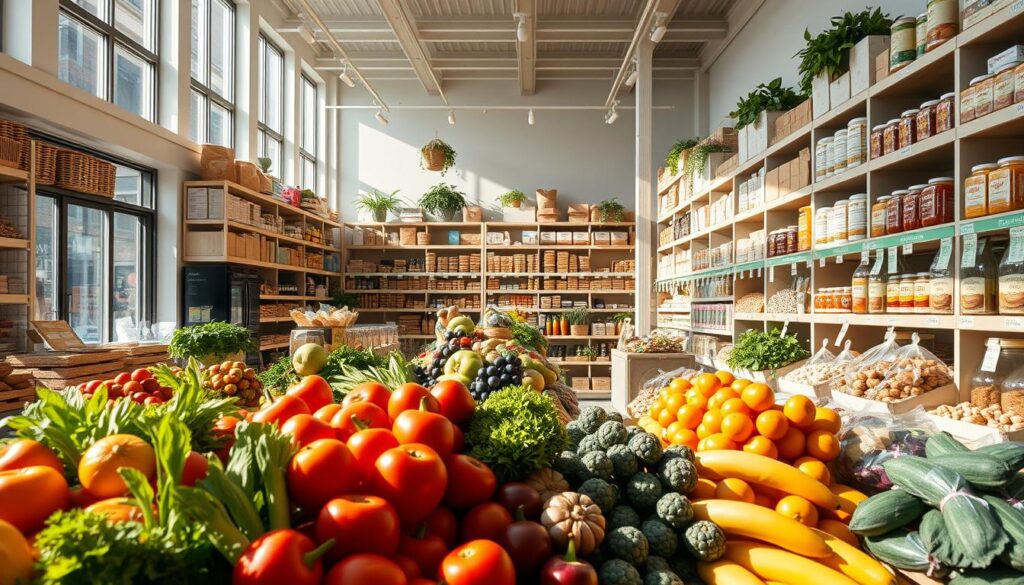
Whole foods first: choose fruits, vegetables, legumes, whole grains, nuts, and seeds before packaged items. Oats, quinoa, and brown rice are smart grain picks for fiber and lasting energy.
Balance macros and micros
Each plate should include a reliable protein source, a complex carb, and a healthy fat. That mix delivers calories, vitamins, and minerals while supporting digestion and immunity.
Minimal processing
Select products with short ingredient lists. Fewer ingredients usually mean less processing and clearer sources of nutrients.
“Focus on nutrient-dense foods, then use simple staples to fill gaps — that approach makes a balanced diet easier to maintain.”
- Diversify protein: pair legumes and tofu with eggs, fish, or lean meats for complete amino acids.
- Smart carbs: favor whole-grain oats and brown rice over refined options.
- Healthy fats: rotate olive oil, nuts, and seeds to aid absorption of fat-soluble vitamins.
| Principle | Examples | Benefit |
|---|---|---|
| Whole foods base | Fruits, vegetables, legumes | Higher nutrient density |
| Balanced plate | Protein + grain + healthy fat | Stable energy and satiety |
| Minimal processing | Short ingredient lists, single-ingredient items | Fewer additives, clearer sources |
Produce Power: Vegetables and Fruits to Prioritize
Stocking a colorful mix of produce turns everyday meals into reliable sources of vitamins and fiber. Choose items that add flavor, texture, and a wide variety of nutrients to your weekly menu.
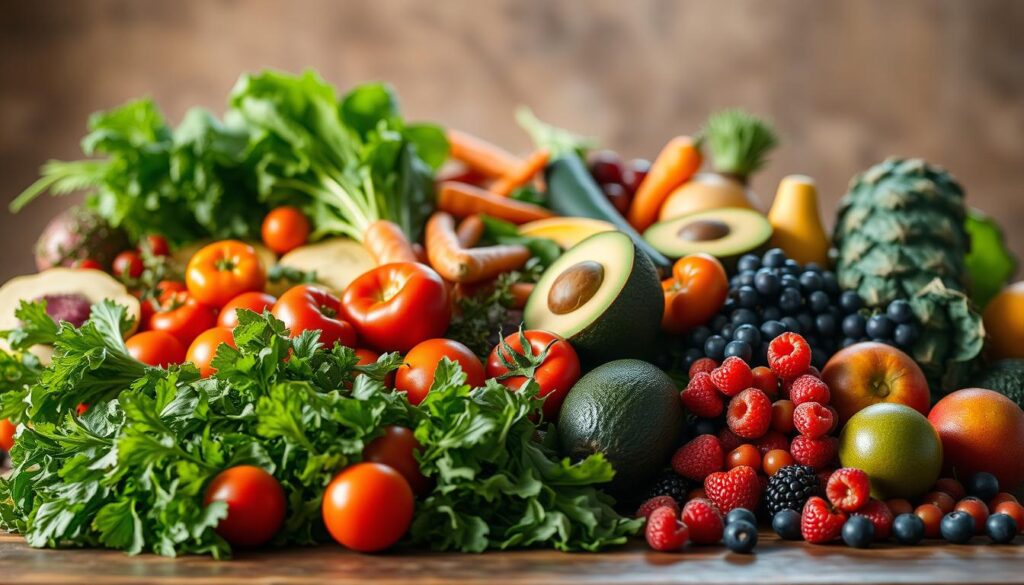
Vegetables to stock
Prioritize a rainbow. Keep cruciferous veg like broccoli and cauliflower, leafy greens such as spinach and kale, and colorful roots like carrots and sweet potatoes on hand. These vegetables offer fiber, vitamin K, and diverse phytonutrients.
Fruits to enjoy
Pick berries for antioxidants, citrus for vitamin C, and melons for hydration. Add apples, avocados, mangoes, and stone fruits to vary texture and taste. Fresh and frozen fruits both serve as a solid nutrient source.
Smart shopping tips
Shop seasonal produce to stretch your budget and get peak flavor. Store greens in breathable containers and keep berries cold and dry. Use a first-to-eat plan so the ripest foods get used early in the week.
| Produce | Examples | Key benefit |
|---|---|---|
| Cruciferous vegetables | Broccoli, cauliflower | Fiber and diverse nutrients |
| Leafy greens | Spinach, kale | Vitamin K and fiber |
| Fruits | Berries, citrus, melons | Antioxidants and vitamin C |
| Prep strategy | Washed greens, pre-chopped roots | Less waste, faster meals |
Protein Picks: Lean Meats, Fish, Eggs, and Plant-Based Sources
Choose proteins that support energy, muscle repair, and nutrient variety. Mix animal and plant options to cover omega‑3s, iron, and fiber with simple cooking methods.
Good protein choices make weeknight meals satisfying and keep energy steady across the day. Pick skinless chicken or turkey breast and extra‑lean (≥90%) ground beef for low saturated fat and controlled calories.
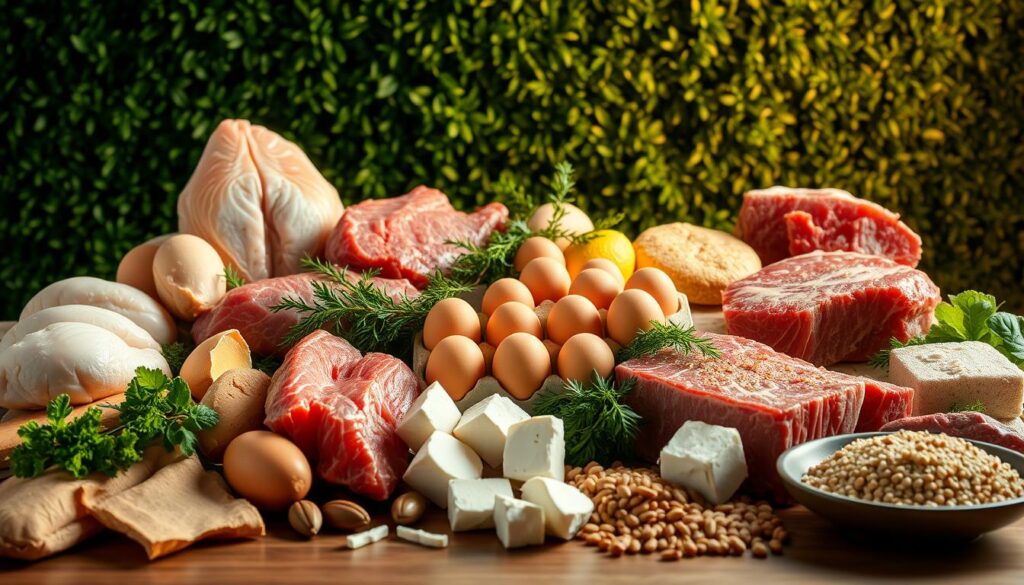
Animal options to prioritize
Seafood and lean poultry offer nutrient density with fewer calories. Favor wild‑caught or responsibly farmed salmon, trout, sardines, and shrimp for omega‑3s, vitamin D, and zinc.
Plant-forward protein choices
Lentils, chickpeas, tofu, and tempeh add fiber and minerals while supporting satiety. Canned beans are convenient—rinse them to reduce sodium.
What to watch when buying
Compare labels on processed patties and deli meats. Some alternatives contain added sodium and saturated fat. Cook with minimal oil and use herbs, citrus, or spices for flavor.
“Batch-cook a tray of chicken breasts and a pot of beans to speed meals and reduce waste.”
- Balanced roster: skinless poultry, extra‑lean beef (90%+), and omega‑3 fish for variety.
- Eggs: nutrient-dense and versatile for quick prep.
- Freeze wisely: portion raw meats and cooked legumes to save time and money.
- Label tip: check sodium, saturated fat, and added oils before buying processed items.
| Protein Type | Key Benefits | Watch For |
|---|---|---|
| Skinless chicken / turkey | Low fat, low calories, versatile | Added sauces or breading |
| Salmon / sardines / shrimp | Omega‑3s, vitamin D, zinc | Sustainability and sodium in canned options |
| Lentils / chickpeas / tofu | Fiber, minerals, plant protein | Some packaged products have higher sodium |
For more ideas on high-protein picks and meal planning, see our high-protein picks.
Dairy, Fermented Foods, and Alternatives for Gut-Friendly Nutrition
Choose cultured dairy and fortified milk alternatives with intention. These options supply probiotics, protein, and key minerals and vitamins that support digestion and overall body health.
Choose cultured dairy with live cultures such as yogurt, skyr, and kefir to add probiotics to your routine. Aim for flavored yogurts with ≤ 8 g added sugar per serving and prefer Greek-style or skyr for higher protein.
How to compare milk and plant alternatives
Check protein content first: soy or pea milks often match cow milk better than almond or rice varieties. Look for calcium and vitamin D fortification so beverages act as true nutrient sources.
Convenient, protein-rich picks
Cottage cheese, Greek yogurt, and skyr make quick, high-protein snacks or meal bases. Kefir offers drinkable probiotics for mornings or smoothies.
- Mind fat: choose fat levels that match goals and watch daily saturated fat.
- Keep it simple: short ingredient lists usually mean less processing.
- Consider tolerance: pick lactose-free options or use lactase if needed.
- Pair smart: add fruit or nuts to boost vitamins and fiber for better satiety.
| Item | Key benefit | Buy-tip |
|---|---|---|
| Greek yogurt / skyr | Higher protein, probiotics | ≤8 g added sugar; plain + fruit |
| Kefir | Drinkable probiotics | Choose unsweetened varieties |
| Milk alternatives | Fortified calcium & vitamins | Check protein and added sugar |
Store dairy cold and rotate containers forward. Regular small servings of fermented foods can support gut balance and add reliable protein and micronutrient sources to your meals.
Grains and Breads: Brown Rice, Oats, Quinoa, and 100% Whole Grains
A reliable grain pantry makes weeknight cooking faster and helps you stretch ingredients across meals. Keep a few versatile staples on hand so you can build bowls, breakfasts, and sides without extra planning.

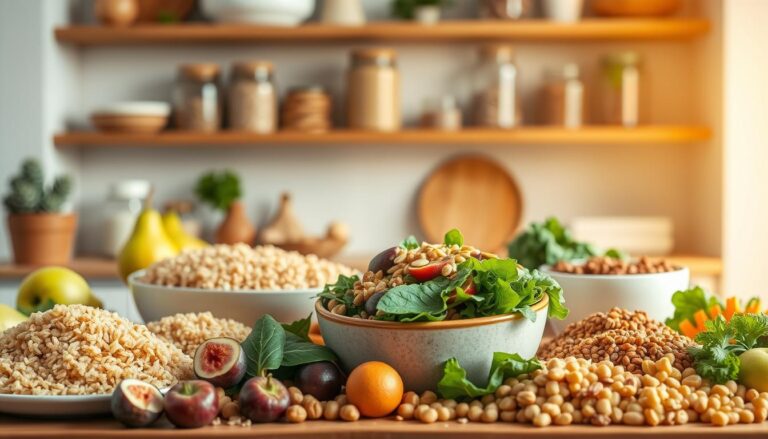
Build a grain base: stock brown rice, quinoa, and old‑fashioned oats. These whole foods provide fiber, minerals, and steady energy for meals.
- Read labels: choose breads and cereals marked 100% whole grain or 100% whole wheat. Aim for at least 2 g fiber and 2 g protein per serving with under 10 g added sugar.
- Why oats matter: beta‑glucan in oats supports heart health and keeps you full longer.
- Quick backups: frozen brown rice and quinoa save time without losing nutrients.
- Pair smart: add beans or eggs for protein and a drizzle of oil or avocado for healthy fat to make balanced plates.
| Item | Key benefit | Practical tip |
|---|---|---|
| Brown rice | Fiber and minerals | Batch-cook and freeze portions |
| Quinoa | Complete amino acids, iron | Use in salads and bowls |
| Old‑fashioned oats | Beta‑glucan for cholesterol | Choose plain, cook from dry |
| 100% whole‑wheat bread | Fiber and lasting energy | Check fiber/protein and sugar targets |
Store dry grains sealed in a cool, dark cabinet and measure portions to control calories. Choose minimally processed options and avoid sweetened instant varieties to keep meals nutritious and simple.
Pantry Essentials: Legumes, Nuts, Seeds, Canned Goods, and Broths
A well-stocked pantry turns last-minute meals into fast, nutritious dinners. Keep shelf-stable ingredients that add fiber, protein, and flavor so you can assemble balanced plates on busy nights.
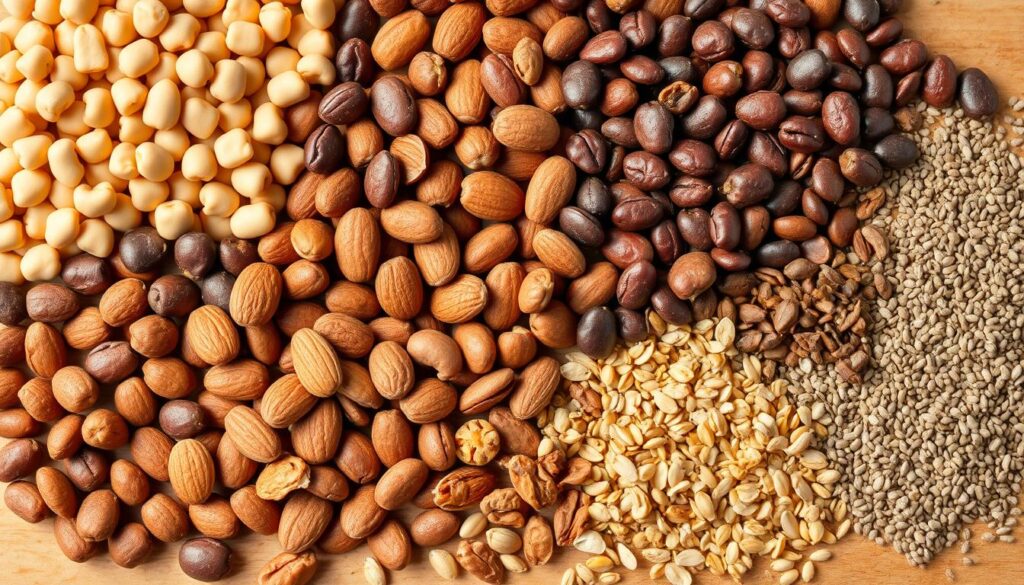
Make legumes your go-to. Stock black beans, chickpeas, kidney beans, and lentils for quick, fiber-rich bowls, soups, and grain salads. Canned or dried both work—choose low-sodium cans and rinse before using.
Which nuts and seeds to keep?
Curate a small rotation: almonds, walnuts, chia, flax, and hemp seeds add healthy fats and minerals to oats, yogurt, and salads. Buy natural nut butters with only nuts (and a pinch of salt) to avoid added sugar and oils.
Smart canned and shelf-stable picks
Choose wild salmon, sardines, or light tuna packed in water for easy protein and omega‑3s. Keep canned tomatoes, pumpkin, and light coconut milk to build soups, stews, and curries fast.
Label smarts and organization
Read labels: pick no-added-salt or reduced-sodium broths and fruits packed in water, not syrup. Store shelf-stable brown rice or quinoa pouches for quick grain sides.
- Rotate for less waste: move older cans to the front and mark purchase dates on lids.
- Flavor and fat: keep extra-virgin olive oil and avocado oil for dressings, sautés, and roasting.
- Small stock, big variety: a few thoughtful products cover many meals and save time.
For a practical healthy shopping reference, see this starter checklist.
Healthy Fats and Oils: Olive Oil, Avocado Oil, Coconut, and More
Healthy fats add flavor and keep you full while delivering important nutrients for the body. Choosing the right oil or fat helps protect heart health and makes simple meals taste better.
Healthy fats quietly lift flavor and satiety while delivering key nutrients your body needs every day.

Best-in-class fats
Prioritize extra-virgin olive oil for dressings and medium-heat cooking. It supplies monounsaturated fat and antioxidants that support heart health.
Avocado oil handles higher heat and is a good choice for searing or roasting. Keep cold-pressed, unrefined options for salads and low-heat uses.
Use with care
Balance coconut oil: it adds flavor but contains saturated fat and may raise LDL more than other plant oils. Use it occasionally rather than daily.
Eat your fats, don’t just pour them: include nuts and seeds like walnuts, almonds, chia, and flax for crunch, fiber, and varied omega profiles.
- Small roster: olive oil for dressings, avocado for high heat, sesame for flavor accents.
- Portion awareness: oils are calorie-dense—measure when drizzling.
- Storage: choose dark bottles and keep oils away from heat to preserve nutrients and flavor.
- Cooking tip: finish roasted vegetables with a light olive oil drizzle and herbs for big taste without heavy sauces.
Holistic Hydration, Beverages, and Condiments
Simple beverage swaps save calories and keep your body better hydrated for daily tasks and workouts. Choose drinks that refresh without added sugar or unnecessary additives. Keep a rotation of plain water, unsweetened sparkling water, and brewed tea or coffee to vary flavor and ritual.
What to drink: water, seltzer, tea, coffee
Keep water and seltzer accessible. Unsweetened sparkling water gives fizz without calories. Green or herbal tea adds antioxidants and variety. Ground coffee is fine—black or with minimal milk—to avoid hidden sugar in flavored drinks.
Better condiments and flavor builders
Lean on vinegars and savory sauces. Apple cider, balsamic, and red wine vinegar brighten salads and cooked vegetables. Use reduced-sodium soy or coconut aminos for umami without heavy salt. Whisk a measured amount of olive oil with vinegar and herbs for quick dressings.
Many bottled products hide sugar and salt. Read ingredient lists and choose short, simple formulas. Pick tomato sauces labeled lower sodium and plain hot sauces when possible. If in doubt, flavor with citrus, fresh herbs, or spices to limit excess.
- Hydration tip: add sparkling water and tea to your shopping items so healthy drinks are on hand.
- Flavor tip: stock turmeric, cumin, oregano, and cinnamon to boost meals without extra calories.
- Portion tip: measure oil when making dressings—small amounts add richness without excess calories.
For practical options on electrolyte and natural beverage choices, see natural hydration options.
Holistic Nutrition Grocery List: What to Buy and What to Avoid
Make a compact game plan: buy versatile staples that transform into multiple dinners and minimize waste. Focus on whole foods across food groups, simple label checks, and a practical freezer strategy so your week stays on track.
Start with a short written list that prioritizes vegetables, fruits, whole grains, beans, and reliable protein. This keeps meals balanced and your body fueled without excess calories.
Stock up on nutrient-dense staples
- Produce: leafy greens, cruciferous veg, berries, citrus.
- Proteins: skinless chicken, salmon or canned fish, tofu, eggs, canned beans.
- Pantry: brown rice, oats, 100% whole‑grain bread, natural nut butters, olive oil, seeds.
- Dairy & alternatives: Greek yogurt ≤8 g added sugar or fortified plant milk.
Avoid or limit
Skip or cut back on deli meats, bacon, sausages, and ultra-processed products with long ingredient lists. Watch for added sugars and excessive sodium in canned and packaged products.
Freezer and fridge strategy
Keep frozen produce, frozen lean proteins, and frozen grains for quick meals. Rotate older items front and label dates to reduce waste.
“Stock a few versatile staples and the week becomes simpler — fast, balanced meals are just a reheating step away.”
| Action | Buy | Avoid |
|---|---|---|
| Quick meals | Frozen berries, canned fish | Packaged snack cakes |
| Label check | 100% whole grain bread | High-sugar yogurts |
| Cooking method | Bake, grill, steam | Deep-fry often |
Conclusion
A short, targeted plan helps you buy the right food to support your body and keep meals simple. Use a written grocery list to align your diet goals with real choices at the store.
Stick to whole fruits and vegetables, whole grain staples like brown rice and oats, lean meats or fish, beans, milk or fortified alternatives, and a small rotation of nuts and healthy fat sources. This approach lowers waste, saves money, and improves overall health.
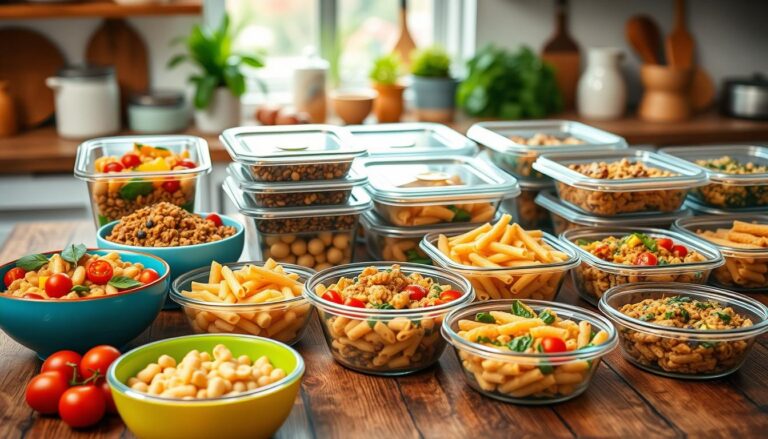
Trust the routine: shop seasonally, read labels for fiber, protein, added sugar, and sodium, and rotate older items forward. Batch-cook grains and proteins so nutritious foods are minutes away.
Final takeaway: center your cart on nutrient-dense foods and let a simple plan make healthy eating the easy way to support your diet week after week.
FAQ
What essential categories should I include when building a balanced grocery list?
Aim for five core categories: vegetables and fruits, quality proteins (animal and plant), whole grains like brown rice and oats, healthy fats and oils (extra-virgin olive oil, avocado oil, modest coconut oil), and staples for the pantry (beans, lentils, canned fish, broths, nuts, seeds). This ensures a wide variety of nutrients — vitamins, minerals, fiber, and protein — and supports meal variety and ease of preparation.
How can I shop to support gut health and fermentation benefits?
Choose fermented dairy and alternatives with live cultures such as plain yogurt, kefir, skyr, and cottage cheese, and add naturally fermented foods like sauerkraut or kimchi. Check labels for live cultures and low added sugar. Pair these with fiber-rich foods (legumes, whole grains, fruits, and vegetables) to feed beneficial gut bacteria.
What are smart protein picks that balance nutrition and sustainability?
Combine lean animal proteins — skinless poultry, salmon, trout, sardines, and shellfish — with plant proteins like lentils, chickpeas, tofu, and tempeh. Oily fish provide omega-3s, while legumes and nuts supply fiber and plant-based protein. Rotate sources to reduce saturated fat and diversify micronutrient intake.
Which grains and breads should I prioritize and what labels matter?
Favor whole grains: brown rice, quinoa, oats, and 100% whole-wheat products. Look for breads and cereals where whole grain is the first ingredient, at least 3–5 grams of fiber per serving, and minimal added sugar. Avoid refined white flours and products with long, unrecognizable ingredient lists.
How do I choose healthy fats and oils for cooking and dressings?
Use extra-virgin olive oil for dressings and low-heat cooking and avocado oil for higher-heat applications. Keep coconut oil limited because it’s higher in saturated fat. Include sources of unsaturated fats like nuts, seeds, and fatty fish to support heart health and satiety.
What pantry items help build quick, nutritious meals without excess additives?
Stock canned tomatoes, low-sodium broths, canned fish in water, dried or canned beans, brown rice, quinoa, natural nut butters, and seeds (chia, flax, hemp). Choose “no added salt” or low-sodium versions and products with short ingredient lists to avoid hidden sugars and preservatives.
How can I reduce sodium, added sugar, and unhealthy fats while shopping?
Read labels: choose low-sodium broths and canned goods, plain dairy and milk alternatives without added sugars, and minimally processed meats. Swap sugary condiments for vinegar, herbs, and spices. Prioritize whole foods over packaged items to control sugar and saturated fat intake.
What are practical tips to minimize food waste and save money while eating nutrient-dense?
Plan meals around versatile staples (brown rice, oats, beans), buy seasonal produce, and use frozen fruits and vegetables when fresh options would spoil. Prep proteins in batches and rotate older items to the front of the fridge. A clear shopping plan reduces impulse buys and helps you stick to budget-friendly, nutritious choices.
Are plant-based proteins as effective as animal proteins for meeting nutrient needs?
Yes — when varied and combined. Legumes, tofu, tempeh, quinoa, nuts, and seeds supply protein, fiber, and micronutrients. Pairing complementary foods (grains with beans, or seeds with legumes) helps ensure a full amino-acid profile. Monitor for iron and B12 and consider fortified foods or supplements if needed.
How do I pick dairy or plant-milk alternatives that support nutrient targets?
For milk, choose options with adequate protein and minimal added sugar. Cow’s milk provides protein, calcium, and vitamin D when fortified. Plant milks vary: soy milk has protein comparable to dairy, while almond or oat milks often have less protein and may be fortified. Check labels for fortification, added sugars, and ingredient quality.
What should I watch for when buying canned and shelf-stable products?
Look for “no added salt” or low-sodium labels, fruit packed in water or juice rather than syrup, and canned fish packed in water or olive oil. Avoid products with long lists of preservatives or high added sugar. Prioritize BPA-free cans when possible and rinse canned beans to reduce sodium further.
How can I balance calories and nutrient density without feeling hungry?
Emphasize protein, fiber, and healthy fats at each meal: lean proteins, beans, whole grains like brown rice, vegetables, nuts, and seeds. These nutrients improve satiety and stabilize blood sugar. Include volume from vegetables and adequate hydration to feel full on fewer calories.
What are common pitfalls with store-bought condiments and beverages?
Many sauces, salad dressings, and flavored beverages contain hidden sugars, high sodium, and additives. Choose unsweetened tea and coffee, seltzer, and water for hydration. Select condiments with short ingredient lists, or make simple versions at home using olive oil, vinegar, herbs, and citrus.
Can frozen produce be as nutritious as fresh, and when should I use it?
Yes. Frozen fruits and vegetables are typically flash-frozen at peak ripeness, preserving vitamins and minerals. Use frozen produce to reduce waste, save money, and keep a steady supply of nutrient-dense ingredients for smoothies, stews, and side dishes.
How often should I revisit and update my shopping plan?
Review your plan monthly or seasonally to reflect changing produce availability, dietary goals, and pantry inventory. Regularly checking labels and rotating staples helps you adapt to new science-backed guidance and maintain variety across food groups.


Don’t Miss These Picks