


Can a centuries-old three-fruit remedy actually reshape your gut microbiome and change how you think about digestive care?
Here’s a practical, science-minded look. This classic Ayurvedic formulation combines Amla, Bibhitaki, and Haritaki into a single powder used in traditional medicine for digestion and oral care.
A gastroenterologist’s lens focuses on human trials, plausible mechanisms, and safety. Modern studies show antioxidant, anti-inflammatory, and antibacterial properties and suggest the formula may support beneficial gut bacteria while limiting harmful species.
We preview what follows: what it is, how it interacts with the microbiome, evidence beyond digestion (including oral trials), common doses (many studies use ~1,000 mg/day), and practical forms like powder, capsules, and mouthwash.
Note on safety and quality: supplements need third‑party testing because they are not regulated like drugs; start low and monitor for stomach upset or loose stools at higher intakes. For mechanistic context and plant‑polysaccharide research, see a relevant review on herb–microbe interactions.
Key Takeaways
- Three‑fruit formulations may promote beneficial gut microbes while reducing harmful species.
- Evidence is strongest for oral health; digestive data are promising but still emerging.
- Common study doses cluster around 1,000 mg/day; some short trials tolerate up to 2,500 mg/day.
- Choose products with NSF, USP, or ConsumerLab testing to lower contamination risk.
- Available as powder, capsules, tablets, and a gentle mouthwash — start low and watch tolerance.
What Is Triphala? The Three-Fruit Synergy Behind a Classic Ayurvedic Formulation
This herbal trio blends three fruits into one balanced remedy for digestion, resilience, and tissue support. It pairs complementary plant chemistry so the mix is richer than any single fruit alone.
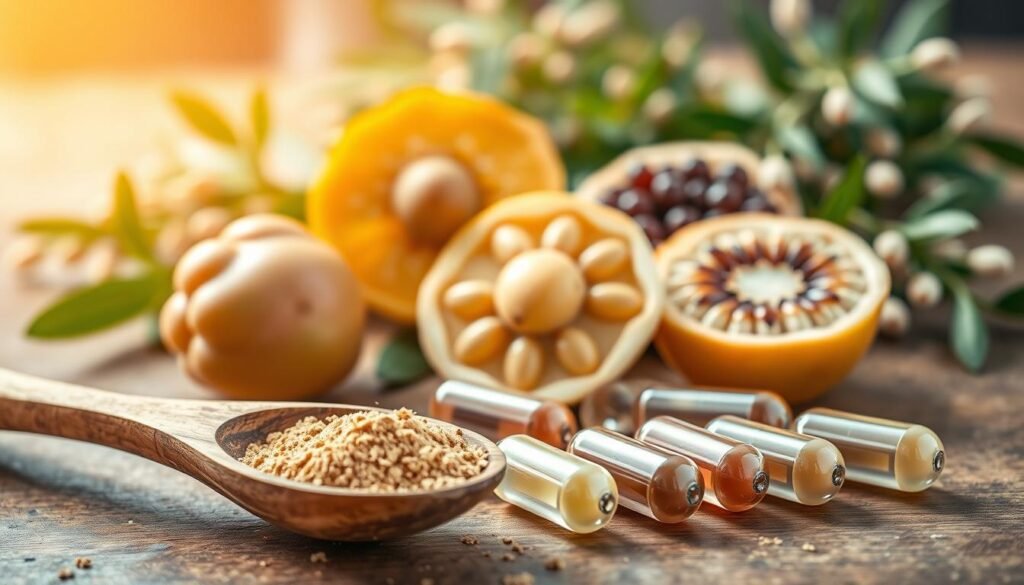
At its core, the formulation combines Amla (Emblica officinalis), Bibhitaki, and Haritaki into a single powder used in traditional medicine.
Amla (Emblica officinalis), Bibhitaki, and Haritaki: roles and compounds
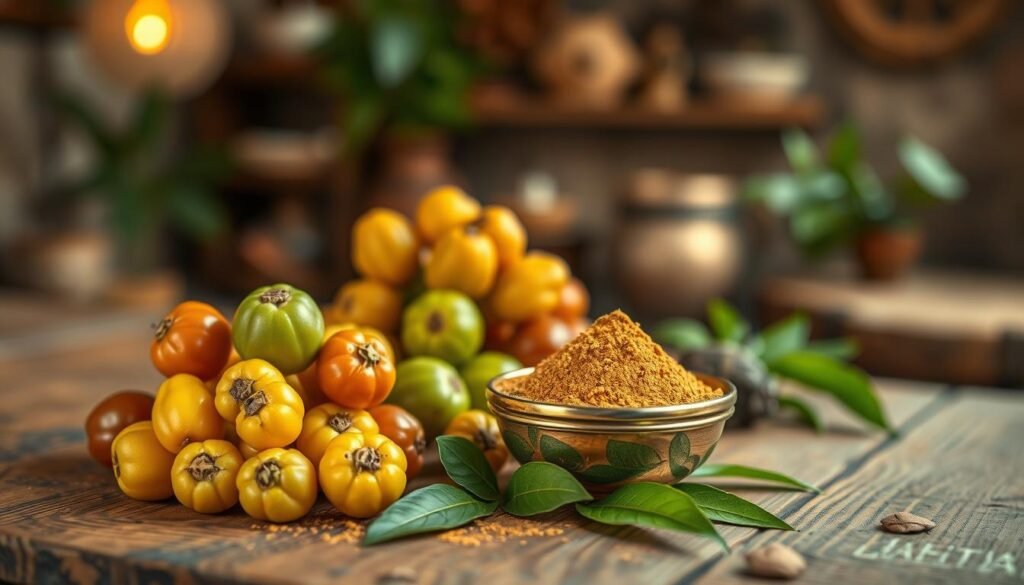
The three fruits each bring different compounds. Amla is rich in vitamin C and antioxidant flavonoids. Bibhitaki supplies gallic and ellagic acids. Haritaki contains chebulinic acid and tannins.
Together they deliver polyphenols, quercetin, luteolin, and tannins that explain many reported antioxidant and antimicrobial properties.
Why “three fruits” matter for gut health and longevity
In plain terms, the blend balances tastes and actions: sweet, sour, and bitter. This mix gives the gut a range of plant molecules that can act as substrates or signals for microbes.
Modern research focuses on identified compounds rather than traditional claims. Clinical data are strongest for oral care; digestive and systemic effects need more trials. For practical notes on traditional powder preparation, see this guide: powder preparation. For how the mix may support the gut lining without harsh effects, see gentle gut support.
| Common name | Botanical name | Key compounds | Primary traditional role |
|---|---|---|---|
| Amla | Emblica officinalis | Vitamin C, quercetin, polyphenols | Rejuvenation, antioxidant support |
| Bibhitaki | Terminalia bellirica | Gallic acid, ellagic acid, tannins | Detoxifying, digestive balance |
| Haritaki | Terminalia chebula | Chebulinic acid, tannins, flavonoids | Gentle cleansing, bowel regularity |
How Triphala Acts as a Prebiotic to Support a Healthier Gut
Plant compounds in this classic blend act like targeted food for helpful microbes in the digestive tract. That selective feeding can shift the microbiome, lower low‑grade inflammation, and support gentler digestion.
Plant polyphenols and tannins contain non‑digestible fragments that friendly bacteria ferment into useful metabolites. In plain terms: these molecules are food for good microbes and unfriendly for some pathogens.
Feeding good microbes and limiting bad ones
Clinical and lab studies show the formula can increase beneficial bacteria and reduce harmful species in both the mouth and the gut. This microbial shift supports a more balanced ecosystem and fewer opportunistic invaders.
Polyphenols, antioxidants, and inflammation
Polyphenols and antioxidants help neutralize oxidative stress at the gut lining. That action may lower low‑grade inflammation that worsens sensitive digestion and aids tissue repair in animal models.
Motility, stool form, and IBS context
Evidence points to improved stool frequency and consistency for constipation and a gentler option than stimulant laxatives. Some reviews suggest adjunctive support for IBS via microbial modulation and reduced inflammation, though large trials are limited.
- Caveat: higher doses can cause diarrhea or stomach upset; start low and adjust.
- Mouth–gut link: using a gentle mouthwash form can lower oral pathogens and reduce downstream seeding of the gut.
- System view: a healthier microbiome can improve nutrient absorption, immune balance, and overall health — responses vary by person.
Triphala Prebiotic Benefits: Evidence-Backed Gains for Gut and Beyond
Clinical and lab work now links the three-fruit formula to clearer stool patterns, better oral health, and early metabolic signals. The research spans randomized mouthwash trials, small human metabolic studies, and animal models for inflammation and skin repair.
Gut health: motility, stool consistency, and colon inflammation
Multiple studies and centuries of traditional use report improved motility and firmer stool form for people with mild constipation. Short trials and animal data also hint at reduced colon inflammation, consistent with a shift in gut ecology.
Mouth–gut axis: gingivitis, plaque, and oral bacteria
Randomized trials show a mouthwash made from the formula performs similar to chlorhexidine for plaque and gingivitis. Some studies also note reduced Candida levels, underscoring how oral microbial control can influence downstream gut seeding.
Systemic effects: blood sugar, lipids, weight, and cellular stress
Small human trials report modest improvements in blood sugar and lipid profiles. Compounds from emblica officinalis and Terminalia bellirica may support insulin action, but larger trials are needed to confirm magnitude and durability.
Skin and wound healing: collagen, moisture, and antioxidant support
Preclinical work finds increased collagen synthesis, better moisture retention, and protection of dermal cells from oxidative stress. These cellular effects suggest practical skin support but require more human data.
| Outcome | Evidence Type | Typical finding | Confidence |
|---|---|---|---|
| Gut motility & stool | Human trials, traditional use | Improved frequency and consistency | Moderate |
| Oral health | Randomized trials | Reduces plaque/gingivitis like chlorhexidine | High |
| Metabolic markers | Small human studies | Modest lower blood sugar and lipids | Low–Moderate |
| Skin & cellular repair | Animal/in vitro | Increased collagen and moisture | Low–Moderate |
Balanced take: the effects are promising across systems, from gut to skin, but evidence strength varies. For a concise review of plant–microbe interactions that help explain these results, see this relevant review: plant–microbe interaction review. Consider specific goals—gut regularity, oral hygiene, or skin support—and discuss use with your clinician.
Forms, Taste, and Quality: Choosing Powder, Capsules, or Mouthwash
How you take the blend—powder, capsule, tea, or mouthwash—shapes taste, dose control, and day-to-day results. Pick a form that matches your goal: precise dosing, travel ease, oral care, or a gentle nightly routine.
Which form fits your routine?
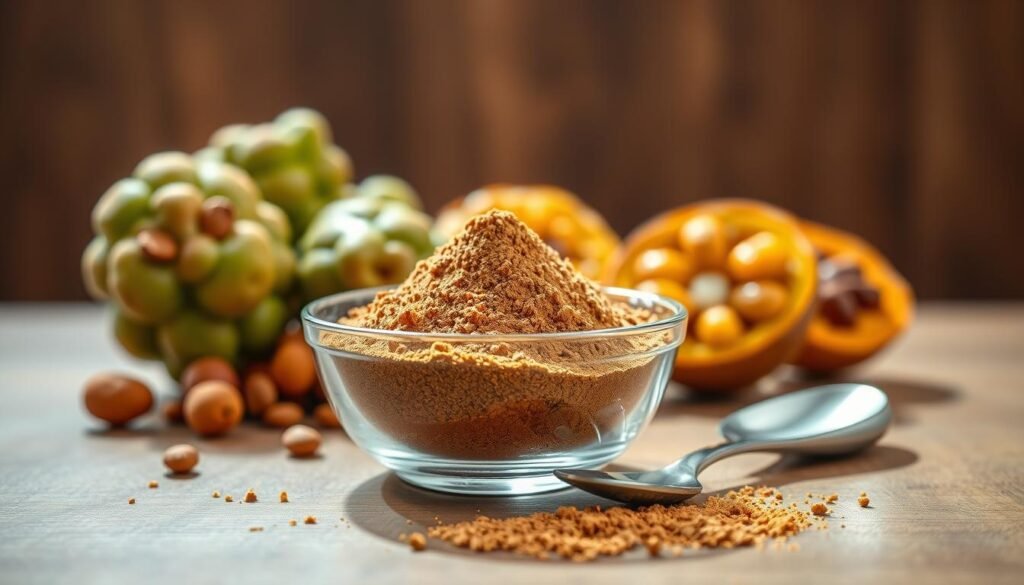
Powder is the most versatile. Mix it with water for a rinse or stir it into a small amount of food. Powder lets you titrate dose day by day and make a quick mouthwash for plaque control.
Capsules and tablets hide the earthy, sweet‑sour‑bitter taste and suit travel or consistent dosing. Tablets may include excipients; capsules limit precise micro‑adjustments.
Tea and liquids offer a gentler introduction and can be taken at night for morning regularity. Mouthwash preparations have shown clinical reductions in plaque and gingivitis comparable to chlorhexidine—see a practical trial and a user experiment for context: clinical mouthwash trial and a 14‑day personal report: 14‑day experiment.
Quality, storage, and starting tips
Choose U.S. brands that show NSF, USP, or ConsumerLab certification to verify identity, potency, and contaminant screening—this improves overall product quality for herbal supplement users.
- Store powder sealed and dry; check lot numbers and expiration dates.
- To make a simple mouthwash: dissolve a small pinch of powder in warm water, swish 30–60 seconds, then spit.
- Start at a low dose at night and track effects and any mild side reactions for a few days.
“Match form to goal: powder for dose control and oral rinses; capsules for convenience; tea for gentleness.”
How to Use Triphala Safely: Dosage, Timing, and Simple Routines
Start low, watch your response, and adjust over several days to find a steady, effective dose. Small, repeatable routines reduce side effects and make results easier to track.
Starter doses and upper ranges
Begin conservatively: try 250–500 mg per day or about 1/4–1/2 teaspoon of powder. Move up slowly toward ~1,000 mg/day, which is common in several studies.
Short trials report tolerability up to 2,500 mg/day for 28 days in healthy adults. Higher intakes raise the risk of diarrhea and stomach cramping, so avoid large jumps.
When to take it
Many people take the formula at bedtime with a glass of water to support a smooth morning bowel and limit loose stools. Morning use on an empty stomach is another common routine for digestion support.
Simple step-by-step routines
- Powder method: stir the measured powder into a small glass of water, sip slowly, and track effects for 3–7 days before changing dose.
- Mouthwash: dissolve a pinch to 1/4 teaspoon in warm water, swish 30–60 seconds after brushing, then spit; use daily or every other day as tolerated.
- Capsules: choose standardized products, start with the lowest capsule dose, and increase only after assessing gut and overall health response.
| Goal | Starting dose | Common study dose | Notes |
|---|---|---|---|
| Gentle trial | 250–500 mg / 1/4–1/2 tsp powder | — | Track for several days |
| Maintenance | Increase slowly | ~1,000 mg/day | Well tolerated by many |
| Short-term higher dose | Use cautiously | Up to 2,500 mg/day | Higher side effect risk; consult clinician |
Practical tip: if constipation persists, nudge the dose up slowly; if loose stools or stomach pain occur, reduce dose or switch to alternate‑day use. Always read labels and talk with your clinician about personalized dosing and interactions.
For a practical overview on using triphala in daily routines, see this complete guide.
Who Should Be Cautious: Side Effects, Medications, and Special Populations
Even widely used herbal formulas can cause unwanted reactions in some people. If you take chronic medicine or have special health needs, check with your clinician before starting a new supplement.

What side effects might occur and how to lower risk
Common side effects include stomach pain and loose stools, especially at higher doses. If diarrhea or cramping starts, cut the dose, try bedtime use, or pause for a few days.
How this blend can interact with medicine
Drug interactions: laboratory work suggests the formula may affect CYP450 enzymes that process many medicines. Coordinate with your prescriber if you use daily medications or blood thinners.
Some in vitro studies show synergy with antibiotics against resistant strains, but never combine without medical supervision.
Pregnancy, breastfeeding, children, and low blood sugar
Safety in pregnancy and for nursing women is not well established. Defer use unless an obstetric provider approves.
Blood sugar: the formula can lower blood glucose. People with diabetes or prone to hypoglycemia should monitor levels and adjust medicine only with healthcare guidance.
- When to stop: seek care for severe or persistent side effects, allergic signs, dizziness, or dehydration.
- Document use: keep a simple log of dose, timing, digestion, and any side responses to help your medical team personalize care.
- Product safety: choose third‑party tested options (NSF, USP, ConsumerLab) to reduce contamination risk.
“If you take regular medicine, or are pregnant or nursing, consult a clinician before adding any new herbal supplement.”
For a patient-facing overview and practical safety notes, see this plain-language review on health and use: read more. For real-world tips on tolerance and stomach upset after supplements or workouts, this guide can help: practical tolerance tips.
Beyond the Gut: Antioxidant, Anti-Inflammatory, and Oral Care Benefits
Research now shows measurable antioxidant action and inflammation control that can support whole‑body resilience. These properties help protect cells, support skin health, and reduce oral pathogens in ways that complement gut effects.
Plant polyphenols neutralize oxidative stress and modulate inflammatory pathways. Lab work finds protection of dermal cells, increased collagen synthesis, and better moisture retention—signals that align with healthier skin tone and barrier function.
Oral care trials place a triphala mouthwash on par with chlorhexidine for lowering plaque and gingivitis. Several studies also report reduced oral Candida, suggesting antifungal activity alongside antibacterial effects.

Animal research shows anti‑arthritic and anti‑gout effects, likely via inflammation control and antioxidant mechanisms. Preliminary human data hint at modest improvements in blood lipids and glucose, but larger trials are needed to confirm clinical impact.
Practical tip: add a nightly powder rinse or a small oral swish to extend benefits beyond digestion without changing your routine. Pair steady use with sleep, nutrition, and stress management for visible skin and recovery gains.
“Use as part of a broader lifestyle plan and check with your clinician about specific goals.”
For a plain‑language overview of safety and context, see this concise review on herbal use and health: learn more about herbal effects.
Conclusion
Think of this three‑fruit formula as a small, evidence‑backed tool you can add to a practical gut care routine. It can gently support digestion, oral hygiene, and broader gut health when paired with basic lifestyle habits.
Start low: try a modest dosage or about 1,000 mg or less, mix a small amount of powder into warm water at night, and track digestion, energy, and stool for several days before you change dose.
Keep safety first. If you take daily medications, are pregnant or nursing, or have chronic conditions, coordinate with your healthcare provider. Choose a third‑party tested supplement (NSF, USP, or ConsumerLab) to ensure quality.
Integrate with good food, hydration, sleep, and stress care. People respond differently: some notice digestion and oral changes quickly; changes in weight or blood markers take consistent use and time.
For more context on how dietary choices shape gut health, see this concise review on the gut health role of diet and quality measures. Keep routines simple, check effects after a few days to a couple of weeks, and adjust how the blend helps your digestion and overall gut health.
FAQ
What is this three-fruit Ayurvedic formulation and why is it valued for gut health?
This classic blend combines amla (Emblica officinalis), bibhitaki, and haritaki. Each fruit brings different polyphenols, tannins, and fibers that together feed beneficial microbes, mildly stimulate bowel movements, and supply antioxidants. The mix supports digestion, stool consistency, and gut barrier health more reliably than any single fruit alone.
How does the formulation act like a prebiotic?
The compounds—soluble fibers, polyphenols, and oligosaccharides—serve as substrates for good bacteria while inhibiting some harmful strains. That selective feeding can increase short‑chain fatty acid production, reduce gut inflammation, and improve microbial balance, which helps digestion and may improve bowel regularity.
Can it help with constipation or diarrhea?
Yes—studies and clinical reports show it can normalize transit. For constipation it gently increases motility and softens stool. For mild diarrhea or IBS it can reduce inflammation and re‑balance microbes, though effects vary by individual and dose. Start low and monitor response.
What evidence supports benefits beyond the gut, like blood sugar or weight?
Research indicates modest improvements in fasting glucose, lipid profiles, and markers of oxidative stress in some trials. These effects likely stem from improved gut function, antioxidant activity, and polyphenol actions on metabolism, but results differ by population and formulation quality.
Which form is best—powder, capsules, or mouthwash?
It depends on goals. Powder offers flexibility (mix with water or food) and is cost‑effective. Capsules provide convenience and precise dosing. A gentle mouthwash made from a diluted infusion targets oral bacteria for gingivitis or plaque. Choose third‑party tested products for purity and consistent potency.
What dose should I start with and when should I take it?
A common starting dose is small (250–500 mg or ¼–½ teaspoon if powder) once daily, then adjust. Many studies use around 1,000 mg/day in divided doses. Taking it at bedtime with water is traditional and may aid overnight bowel movement, but morning dosing also works. Always follow label guidance and consult your clinician.
Are there side effects I should watch for?
Mild stomach cramping, gas, or loose stools can occur, especially if dose is high. Reducing dose, taking with food, or spacing doses can help. Rarely, excessive use may cause stronger laxative effects. Stop use and seek care if you experience severe abdominal pain, persistent diarrhea, or allergic reactions.
Who should avoid or use it cautiously?
Pregnant and breastfeeding people, young children, and individuals with very low blood sugar or bowel obstruction should avoid or consult a healthcare provider. People on diabetes medications, blood thinners, or drugs metabolized by CYP450 enzymes should discuss potential interactions with their clinician.
Can it interact with antibiotics or other medications?
It can alter gut microbiota, which may affect how some antibiotics work, and certain compounds may impact drug‑metabolizing enzymes. If you’re on antibiotics, chemotherapy, immunosuppressants, or chronic prescription drugs, check with your prescriber before starting.
How do I choose a high‑quality product in the United States?
Look for third‑party testing from organizations like USP or NSF, transparent ingredient lists, and certificates of analysis. Prefer formulations with standardized extract data or lab-verified polyphenol content. Avoid products with undisclosed fillers or exaggerated health claims.
Can it help oral health—like gingivitis or plaque?
Yes—rinsing with a weak infusion or using formulations designed for oral care can reduce plaque and gingival inflammation by lowering harmful oral bacteria. Use gentle concentrations and avoid prolonged, undiluted contact to prevent irritation.
Are there skin or wound‑healing benefits?
Topical or systemic antioxidant and anti‑inflammatory effects may support skin health and wound healing by protecting cells from oxidative stress and promoting collagen support. Evidence is promising but limited; consult a dermatologist before topical use.
How quickly do people notice effects?
Some users report bowel changes within days; microbiome and metabolic shifts may take weeks to months. Response depends on baseline gut health, dose, formulation quality, diet, and concurrent medications.
Can athletes or weight‑conscious people use it safely?
Many active adults use it to support digestion, recovery, and metabolic markers. It’s generally safe when dosed appropriately and paired with a balanced diet. Monitor energy, hydration, and electrolyte balance if it changes bowel habits during training.
Is it safe to combine with probiotics or fermented foods?
Yes—combining this formulation with probiotics or fermented foods is common and can be complementary: the blend feeds beneficial microbes while probiotics add live strains. Start gradually to reduce gas or bloating as your microbiome adapts.
Where can I find reliable research or clinical guidance?
Trusted sources include PubMed, NIH clinical trials, and guidelines from gastroenterology societies. Ask a gastroenterologist or registered dietitian for personalized advice based on your medical history and medications.