

Feeling constipated after starting Wegovy? You’re not alone. This medication can slow digestion, reduce appetite, and make bowel movements less frequent or harder to pass. Fortunately, a few changes to what and how you eat may help.
The best place to start is with enough fluids, a gradual increase in fiber, and smaller, balanced meals. Foods such as oatmeal, kiwi, cooked vegetables, and lentils can support regularity while helping you meet your nutritional needs during weight loss.
This guide covers foods to choose, realistic fiber and fluid targets, meal timing, a sample day of eating, and a flexible weekly plan. You’ll also learn when constipation needs more than dietary changes.
Key Takeaways
- Increase fiber gradually. Oats, fruit, vegetables, and legumes can help soften stools, but adding too much too quickly may cause bloating.
- Drink regularly. Adequate fluids help fiber work and reduce the risk of dehydration.
- Prioritize protein. Include chicken, fish, tofu, eggs, or yogurt in meals to support muscle during weight loss.
- Eat smaller portions. Slow eating and lighter meals may reduce nausea, fullness, and reflux.
- Pay attention to warning signs. Persistent constipation, vomiting, or significant abdominal pain needs medical assessment.
Helpful Products at a Glance
For tracking daily fluids, the Nalgene 32 oz Wide Mouth Water Bottle has measurement markings, although any clean, reusable bottle can serve the same purpose.
For preparing occasional protein shakes, the BlenderBottle Classic V2 28 oz offers a built-in mixing whisk. A regular cup or blender works too.
Why Wegovy Can Cause Constipation
Wegovy contains semaglutide, a medication that acts on the GLP-1 receptor. It reduces appetite and slows how quickly food leaves your stomach. Constipation is among its recognized side effects, particularly while your body adjusts to treatment.
Eating less may also mean getting less fiber and fluid. Changes in physical activity and other medications can contribute. Wegovy’s official safety information lists constipation, nausea, vomiting, and other digestive problems as possible side effects.
Not every case has the same cause. If symptoms are mild, nutrition and daily habits are reasonable starting points. More serious or ongoing constipation may require treatment from your healthcare team.
Best Constipation-Friendly Foods to Eat on Wegovy
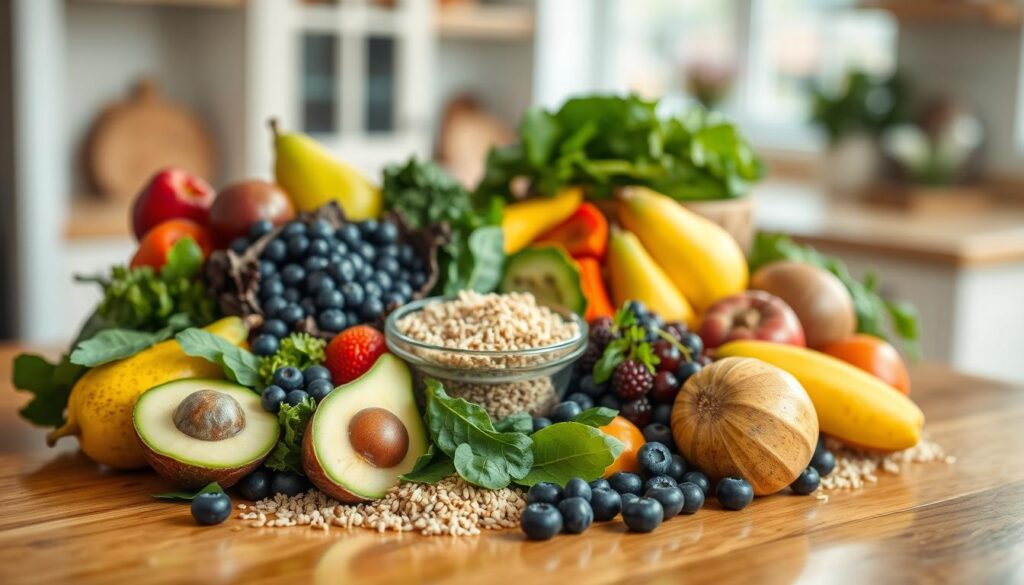
Focus on foods that provide fiber, water, and important nutrients without leaving you uncomfortably full. Start with familiar foods you already tolerate, then add variety gradually.
Oats, Barley, and Quinoa
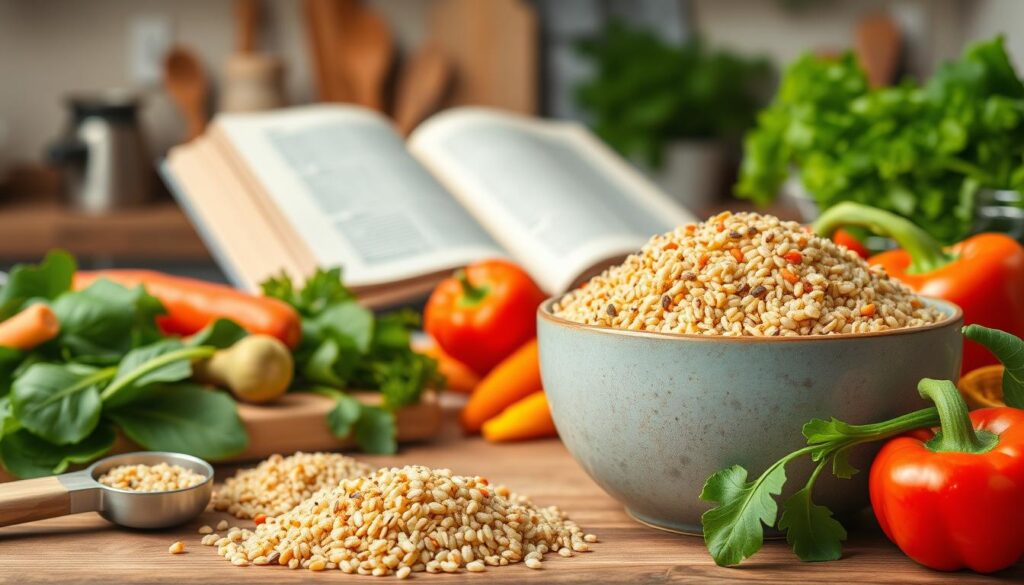
Oats and barley contain soluble fiber, which holds water and helps form softer stools. Quinoa provides additional fiber and protein. Cook grains until tender, especially when your stomach feels sensitive.
Kiwi, Berries, and Apples
Kiwi is a useful fruit to try for constipation, and berries provide fiber with relatively small servings. Apples also contain fiber, including pectin. Keep the skin on when tolerated, or peel and cook apples if the texture bothers your stomach.
Prunes are another option for regularity, but begin with a small portion because they can cause gas or loose stools.
Cooked Vegetables and Legumes
Carrots, zucchini, spinach, and tender broccoli add fiber and nutrients. Cooking can soften their texture, making them easier to tolerate than large raw salads.
Lentils, chickpeas, and black beans offer both fiber and plant protein. Start with 2–4 tablespoons rather than a large serving, especially if beans usually cause bloating.
How Much Fiber Should You Eat?
The National Institute of Diabetes and Digestive and Kidney Diseases recommends about 22–34 grams of fiber daily for adults, depending on age and sex. Your ideal amount may be lower while you’re managing digestive symptoms.
Instead of suddenly aiming for 30 grams, add one fiber-rich food every few days. Spread fiber across meals and drink enough fluids. If bloating or discomfort increases, pause the increase and reassess.
| Food | Starting Portion | Practical Tip |
|---|---|---|
| Oatmeal | ½ cup cooked | Prepare soft with milk or water. |
| Kiwi | 1 fruit | Try as a snack. |
| Cooked carrots | ½ cup | Steam until tender. |
| Lentils | 2–4 tablespoons | Increase slowly if tolerated. |
| Ground flaxseed | 1 teaspoon | Mix into oatmeal or yogurt. |
Important: Do not force large amounts of fiber if you have severe abdominal pain, vomiting, marked swelling, or difficulty passing gas. These symptoms need prompt assessment rather than another high-fiber meal.
Hydration: How Much Water Should You Drink on Wegovy?
Drinking enough helps prevent dehydration and allows fiber to work properly. Water, unsweetened tea, broth, and other suitable beverages all contribute to fluid intake.
For many adults, around 8 cups (64 fluid ounces or 1.9 liters) of beverages is a practical starting reference, not a universal prescription. Your needs depend on your body size, diet, activity, weather, and medical conditions. Some people need more, while those with fluid restrictions may need less.
Make Hydration Easier
- Keep water nearby and sip throughout the day.
- Drink a glass when you wake up, unless your medication instructions require otherwise.
- Include broth, water-rich vegetables, and unsweetened beverages.
- Take smaller sips when drinking large amounts worsens nausea.
- Watch for dehydration, including unusually dark urine, dizziness, or reduced urination.
Plain water is usually enough. Electrolyte drinks may be useful during significant fluid losses, but they aren’t automatically necessary for constipation. Repeated vomiting or diarrhea deserves medical advice.
A Measured Bottle Can Help You Track Fluids
If you often forget to drink, a refillable bottle with volume markings makes it easier to see roughly how much you’ve consumed. You can build a sipping routine without relying on constant app reminders.
The Nalgene 32 oz Wide Mouth Water Bottle has ounce and milliliter markings, a wide opening, and a leak-resistant design. Its 32-ounce capacity makes measuring refills straightforward. However, it doesn’t treat constipation itself, and buying a special bottle is optional.
Remember that drinking more than your body needs won’t necessarily improve constipation. The goal is adequate, steady hydration, particularly when increasing fiber.
If you use Wegovy tablets rather than injections, follow their specific empty-stomach and water instructions before beginning your usual breakfast or hydration routine.
Lean Protein for Muscle and Weight Management
When appetite falls, it’s easy to eat too little protein. That matters because weight loss can include some loss of muscle along with body fat.
Include a protein source with each main meal. The basic adult protein recommendation is 0.8 grams per kilogram of body weight daily, although people losing weight may benefit from individualized higher targets. A dietitian can help set a realistic goal, especially if you have kidney disease or other medical needs.
Practical protein choices include:
- Chicken or turkey: Bake, steam, or poach without heavy sauces.
- Fish: Salmon, cod, and trout provide protein; oily fish also supply omega-3 fats.
- Tofu and tempeh: Useful plant-based options for meals and bowls.
- Eggs and yogurt: Convenient choices when large meals feel unappealing.
- Lentils and beans: Add protein and fiber, but introduce them gradually.
When a Small Protein Shake Makes Sense
A protein shake can be a backup when you struggle to eat enough from regular meals. Choose one that meets your needs, check for ingredients that cause bloating, and start with a small serving rather than drinking a large shake quickly.
If you prepare powdered shakes, the BlenderBottle Classic V2 28 oz has a mixing ball, measurement markings, and a rounded base designed to help mix powder. It can simplify preparation, but it isn’t necessary if you already have a suitable cup or blender.
Check the shake’s serving size and nutritional label. Protein powders vary in protein content, sweeteners, added fiber, and other ingredients. Some formulas may worsen gas or digestive discomfort.
Whenever possible, keep whole foods as the main source of your nutrition. Shakes are a convenient alternative for occasional gaps, not a requirement for successful Wegovy treatment.
Healthy Fats and Balanced Carbohydrates
Healthy fats support overall nutrition, but they don’t literally lubricate the intestines or guarantee constipation relief. Nuts, seeds, and avocado can contribute fiber, while olive oil and fish provide other beneficial fats.
Use moderate portions: a teaspoon of olive oil, a small serving of avocado, or a little ground flaxseed. Very fatty meals can worsen nausea and reflux for some people using Wegovy.

For carbohydrates, choose oats, quinoa, barley, brown rice, lentils, and sweet potatoes. Pair them with protein and vegetables to build a balanced meal.
If you have diabetes and use insulin or a sulfonylurea, discuss blood glucose monitoring with your healthcare team. Combining these medications with Wegovy can increase the risk of low blood sugar.
Foods That May Worsen Constipation or Digestive Discomfort
Not everyone has the same triggers. Still, certain foods can make it harder to get enough fiber or may worsen nausea, fullness, and reflux.
- Low-fiber processed foods: Chips, some packaged snacks, and heavily refined meals can displace fiber-rich choices.
- Greasy fried foods: Large, high-fat meals may feel especially uncomfortable.
- Very spicy foods: Reduce them if they trigger heartburn or nausea.
- Large sugary drinks: These add calories without much fiber and may worsen some digestive symptoms.
- Excess alcohol: It can contribute to dehydration and other digestive problems.
- Certain sugar-free products: Sugar alcohols such as sorbitol or mannitol can cause gas or diarrhea.
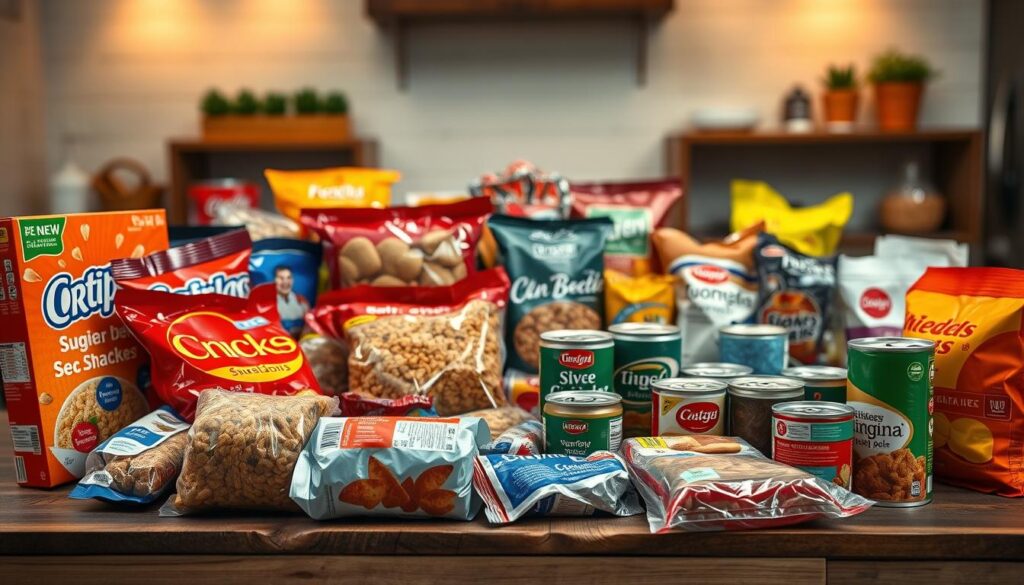
You don’t have to eliminate every favorite food. Start with smaller portions and note which foods consistently cause problems.
Calories, Portions, and Eating Pace
Wegovy can make it easier to eat less, but eating as little as possible is not the goal. Consistently low intake can leave you short of protein, fiber, vitamins, and energy.
A moderate calorie deficit is often used for weight management, but there isn’t one daily calorie target that works for everyone. Age, body size, health conditions, and activity all matter. Avoid relying on weight alone to choose a 1,200- or 1,500-calorie diet.
Use a Flexible Plate Method
When your appetite allows, build a balanced plate with vegetables, lean protein, and whole grains or another starchy food. Add a modest amount of healthy fat. Start with smaller servings and eat more later if needed.
Eat slowly, chew comfortably, and stop when you feel satisfied. Don’t force yourself to finish a large plate. If nausea is troublesome, smaller meals may feel better than three large ones.

If reflux occurs, avoid lying down soon after eating and consider a lighter evening meal. You can also experiment with sipping fluids between meals if large drinks with food increase fullness.
Cooking Methods That Are Gentler on Digestion
Simple cooking methods can soften vegetables and reduce the amount of added fat. They also make it easier to prepare smaller portions.
- Steam carrots, zucchini, and other vegetables until tender.
- Bake or poach chicken and fish instead of deep-frying.
- Simmer lentils and grains until fully cooked.
- Choose broth-based soups over heavy cream sauces when nauseated.
- Use herbs, ginger, or mild seasonings according to tolerance.
Cook extra portions of protein or grains for busy days. Reheat and store prepared foods safely. These methods simplify your routine without requiring special ingredients.
A Sample Constipation-Friendly Day of Eating
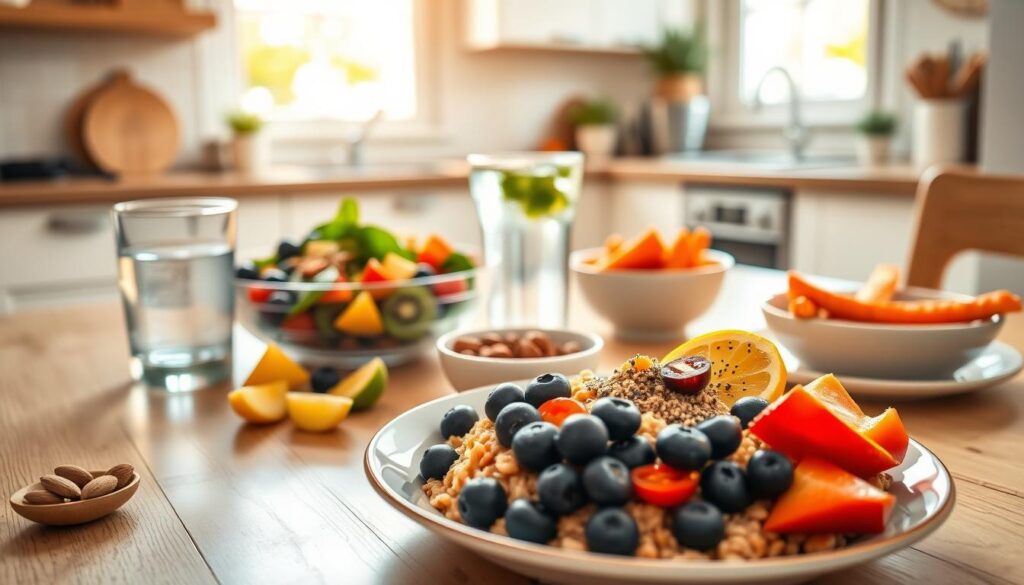
This sample provides smaller meals with fiber, protein, and fluids throughout the day. Adjust portions to your appetite and individual nutrition needs; it isn’t a fixed-calorie diet.
| Meal | What to Eat |
|---|---|
| Breakfast | ½–1 cup cooked oatmeal with low-fat milk or soy milk, berries, and 1 teaspoon ground flaxseed if tolerated. |
| Morning snack | One kiwi and a small serving of yogurt. |
| Lunch | Quinoa bowl with chicken or tofu, cooked carrots, zucchini, and a little olive oil. |
| Afternoon snack | A small apple with almond butter, or a modest protein shake if needed. |
| Dinner | Baked fish or tempeh, a small sweet potato, and tender vegetables. |
Sip water throughout the day and adjust fiber according to comfort. On a nauseated day, temporarily choose smaller portions of bland foods, then return to more varied meals as you improve.
Build a Flexible Seven-Day Wegovy Meal Plan
You don’t need seven completely different menus. Use a familiar meal pattern and rotate ingredients to get variety without sudden changes in fiber.
| Day | Main Grain or Starch | Protein | Vegetable |
|---|---|---|---|
| Monday | Quinoa | Chicken | Carrots |
| Tuesday | Brown rice | Tofu | Zucchini |
| Wednesday | Sweet potato | Salmon | Spinach |
| Thursday | Barley | Turkey | Green beans |
| Friday | Quinoa | Tempeh | Carrots |
| Saturday | Brown rice | Chicken | Broccoli |
| Sunday | Sweet potato | Fish or tofu | Zucchini |
Use oats, yogurt, fruit, or eggs for breakfasts, with snacks only as needed. Repeat foods that agree with your stomach and swap those that cause discomfort.
Wegovy-Friendly Pantry and Grocery List
A few dependable staples make it easier to prepare balanced meals when your appetite is low or your schedule is busy.
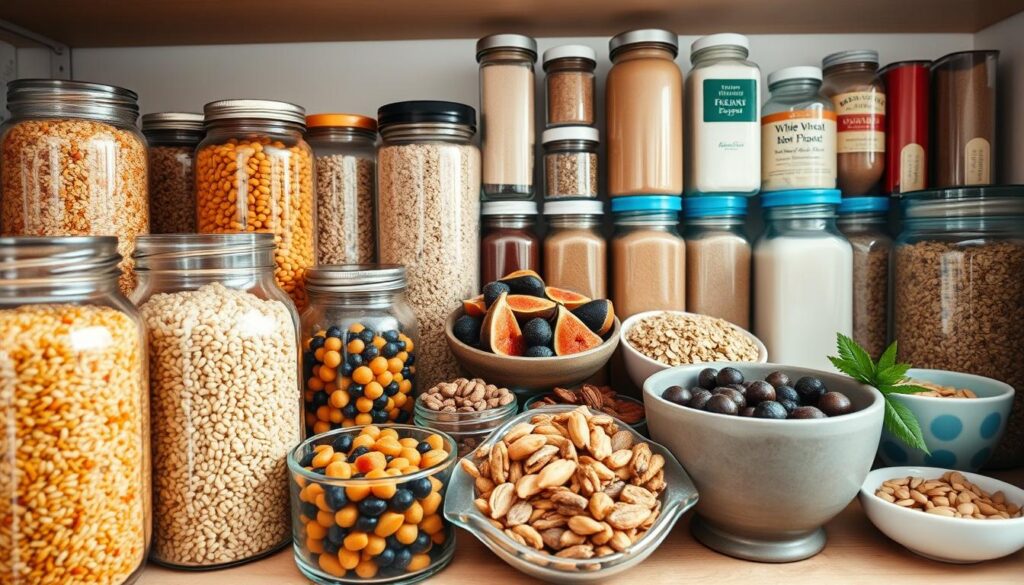
- Fiber staples: Oats, barley, quinoa, canned lentils, chickpeas, and frozen berries.
- Protein foods: Eggs, plain yogurt, tofu, chicken, fish, and unsweetened soy milk.
- Vegetables: Carrots, zucchini, spinach, broccoli, and frozen vegetables.
- Healthy fats: Olive oil, avocado, walnuts, chia, and ground flaxseed.
- Hydration choices: Water, unsweetened herbal tea, and suitable low-sodium broths.
For more shopping ideas, use this nutrient-dense grocery list. Choose affordable foods you enjoy rather than buying everything at once.
What to Do If Constipation Doesn’t Improve
Dietary changes can help mild constipation, but they are not always enough. Try a consistent bathroom routine, gentle physical activity such as walking, and adequate hydration. Avoid straining, and don’t ignore the urge to have a bowel movement.
If symptoms continue despite these changes, talk with your prescriber or pharmacist about appropriate treatments. A fiber supplement or an over-the-counter laxative may sometimes be useful, but the right choice depends on your symptoms and other health conditions. Don’t change your Wegovy dose on your own.
Know When to Seek Medical Care
- Contact your healthcare professional: If constipation persists, you have gone several days without a bowel movement and feel uncomfortable, or you have ongoing nausea that limits food and fluids.
- Seek urgent evaluation: For severe or constant abdominal pain, repeated vomiting, marked abdominal swelling, or an inability to pass gas.
- Get prompt medical assessment: For blood in your stool, fever, jaundice, or signs of significant dehydration.
- Seek emergency help: For severe allergic symptoms, fainting, or other immediately threatening symptoms.
The official Wegovy prescribing information describes potentially serious gastrointestinal reactions, including postmarketing reports of severe constipation and intestinal obstruction.
Frequently Asked Questions
What is the best breakfast for constipation while taking Wegovy?
Soft oatmeal with berries or kiwi is a practical choice. Add yogurt or another protein source and gradually introduce ground flaxseed if tolerated.
Can I eat bananas while taking Wegovy?
Yes. Bananas can fit into a balanced diet. They aren’t a guaranteed constipation remedy, so include other fiber-rich foods and enough fluids.
Should I take a fiber supplement?
Food-first changes are a reasonable starting point. Some people benefit from supplements, but certain fibers can increase bloating or be inappropriate with suspected bowel blockage or severe digestive slowing. Ask your clinician or pharmacist before adding one if symptoms are significant.
Can probiotics relieve Wegovy constipation?
Some probiotics may help certain people with digestive symptoms, but evidence is inconsistent and they are not a proven treatment specifically for Wegovy-related constipation. Yogurt and other fermented foods can still contribute to a varied diet. Learn more about probiotics and fermented foods.
How quickly can constipation improve?
Some people notice improvement within days, while others need longer or require medication. If symptoms are worsening or aren’t improving with self-care, don’t continue waiting indefinitely.
Can I continue losing weight while treating constipation?
Yes. Adequate nutrition, gentle activity, fiber, and hydration can fit within a weight-management plan. Constipation relief should not require skipping meals, extreme calorie restriction, or extra weight-loss supplements.
Conclusion
Managing constipation while taking Wegovy starts with realistic habits: drink enough, add fiber gradually, choose nutrient-rich foods, and eat smaller meals when your stomach feels sensitive.
Start with one or two manageable changes, such as adding oatmeal at breakfast and keeping water nearby. Monitor your bowel habits and comfort rather than trying to change your entire diet overnight.
Most importantly, don’t ignore persistent or severe symptoms. Your healthcare team can help you manage constipation while keeping your treatment and nutrition goals on track.