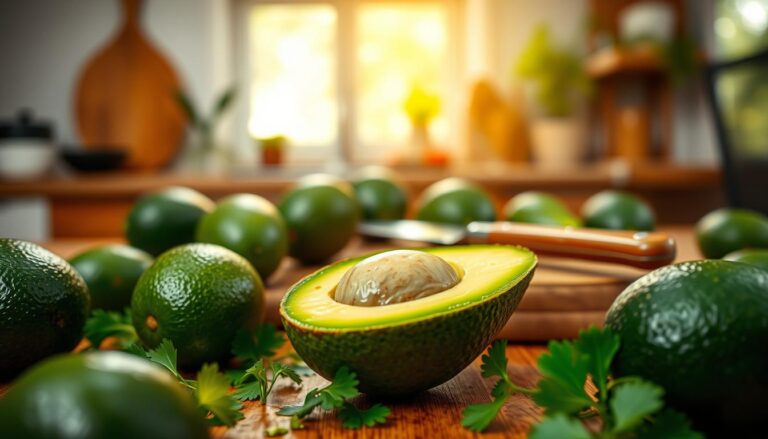


Ever finish a meal only to feel hungry again an hour later? What you eat can make a difference in how long you stay satisfied. Avocado is one food worth considering because it combines dietary fiber with healthy fats.
Eating avocado may help you feel satisfied longer, especially when it replaces part of a meal that is low in fiber and healthy fats. A 100-gram serving provides about 160 calories, 6.7 grams of fiber, and 14.7 grams of fat, much of it heart-healthy monounsaturated fat.
You don’t need to eat a whole avocado or follow a special diet to enjoy these benefits. Starting with 50–100 grams and pairing it with protein-rich foods can make meals more satisfying. The key is choosing a portion that fits your appetite, calorie needs, and overall eating habits.
Key Takeaways
- Avocado may support fullness: Its combination of fiber and healthy fats can help you feel more satisfied after meals.
- Portion size matters: About 50–100 grams provides roughly 80–160 calories. There is no medically established avocado dose for appetite control.
- Pair it with protein: Eggs, beans, fish, tofu, and Greek yogurt can help create more satisfying meals.
- It doesn’t guarantee weight loss: Avocado can fit into a weight-management plan, but overall calorie intake still matters.
- Start smaller if needed: People with sensitive digestion, certain allergies, or potassium restrictions may need to adjust their portions.
Helpful Products at a Glance
For measuring avocado portions in grams, the OXO Good Grips 11-Pound Digital Kitchen Food Scale offers a pull-out display and tare function. It’s optional if you already have a kitchen scale.
For preparing avocado slices, the OXO Good Grips 3-in-1 Avocado Slicer combines cutting, pitting, and scooping functions. A regular knife and spoon can also do the job.
Why Avocado Can Help You Feel Full Longer
Avocado is different from many fruits because it contains relatively little sugar and more fat. Most of that fat is monounsaturated, a type also found in olive oil and nuts.
Its fiber adds bulk to meals, while its fat can affect digestion and the hormones involved in appetite. Together, these nutrients may help make a meal feel more satisfying than one built mostly around refined carbohydrates.
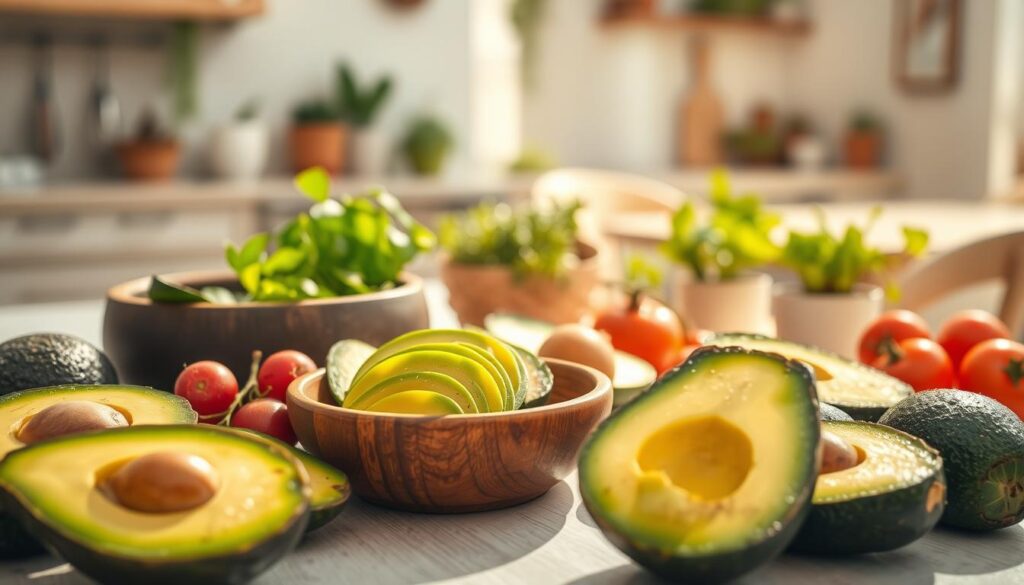
For example, adding avocado to whole-grain toast with eggs creates a different nutrient balance than eating plain white toast. You get protein from the eggs, fiber from the whole grains and avocado, and healthy fats from the avocado.
That doesn’t mean avocado stops cravings or prevents overeating. Hunger also depends on sleep, activity, stress, meal size, and individual needs. Think of avocado as one useful part of a balanced eating pattern.
How Avocado Supports Satiety: Fiber, Fat, and Research
Fiber helps make meals satisfying
Fiber is the part of plant foods your body cannot fully digest. It adds bulk to food, and some types help slow digestion. Avocado provides approximately 6.7 grams of fiber per 100 grams, making it a useful way to increase daily fiber intake.
Some fiber is also fermented by gut bacteria, producing compounds called short-chain fatty acids. These may play a role in appetite regulation, although that doesn’t mean eating avocado will directly switch off hunger.
Healthy fats influence digestion and appetite signals
Fat can slow the movement of food out of the stomach and stimulate hormones involved in meal satisfaction. Avocado contains mostly unsaturated fats, including oleic acid.
However, the body’s response depends on the whole meal. Adding avocado to an already high-calorie meal isn’t necessarily better than replacing some butter, cheese, or another calorie-dense ingredient with it.
What scientific studies actually show
A 2019 randomized clinical trial examined 31 adults with overweight or obesity. Participants ate breakfasts containing half an avocado, a whole avocado, or no avocado, with similar total calories.
Both avocado-containing breakfasts increased participants’ reported satisfaction compared with the control meal. The whole-avocado breakfast also reduced reported hunger. However, not every measure of fullness improved, and the study followed appetite for only six hours.
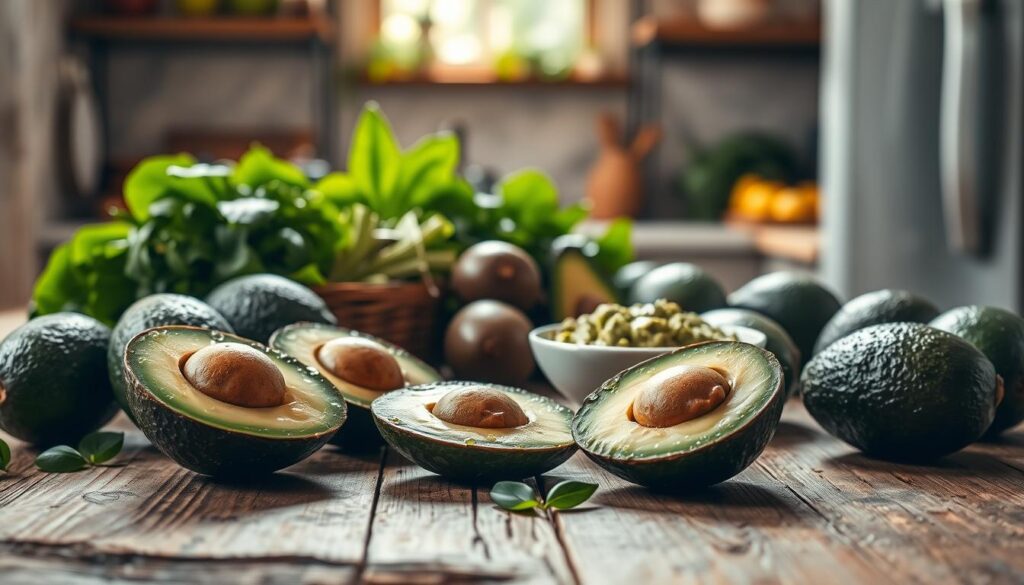
These findings suggest avocado can influence short-term appetite, but they don’t establish an ideal daily amount or prove lasting weight loss. The study was also supported by the Hass Avocado Board, making independent confirmation valuable.
Best Avocado Serving Size for Fullness
For most adults, 50–100 grams is a reasonable starting portion. This is a practical food serving, not a proven medical dosage. Your ideal amount depends on your daily calorie needs and what else is on your plate.
Avocado sizes vary considerably, so half a fruit doesn’t always equal 100 grams. A food scale can help you learn what different amounts look like, but you don’t need to weigh every serving.
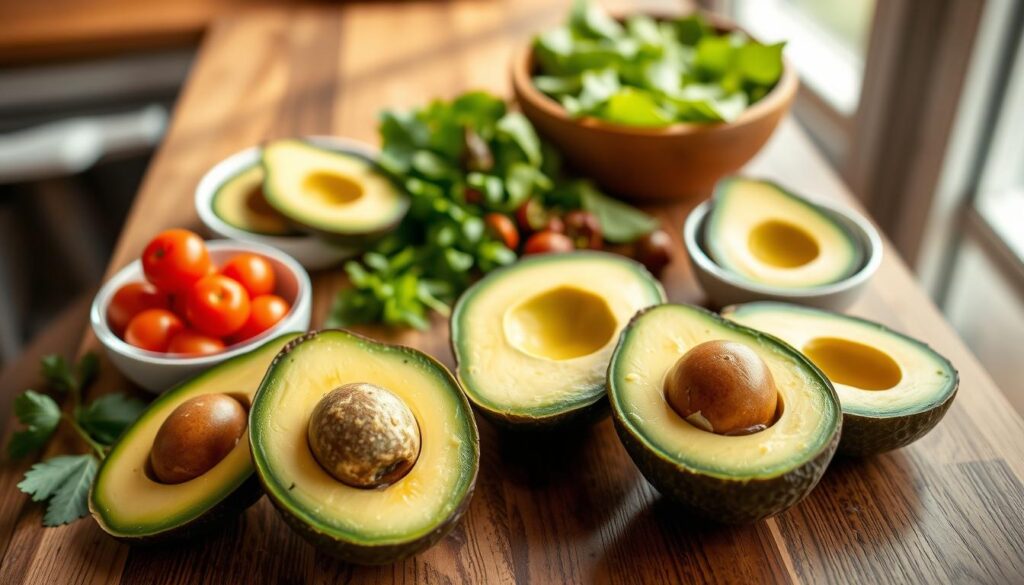
Avocado calories and fiber by portion
| Edible portion | Approximate calories | Fiber |
|---|---|---|
| 30 grams | 48 | 2 grams |
| 50 grams | 80 | 3.4 grams |
| 100 grams | 160 | 6.7 grams |
| 150 grams | 240 | 10 grams |
These are approximate values based on raw avocado. Use the edible flesh, without the skin or pit, when measuring a portion.
When a kitchen scale is useful
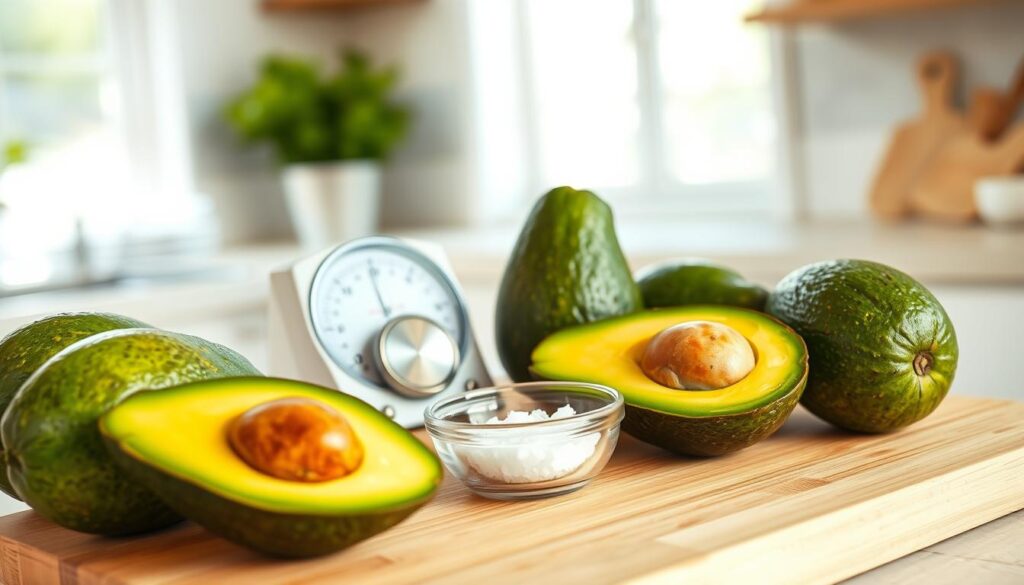
If you’re tracking calories or learning portion sizes, measuring avocado occasionally can be helpful. Put a bowl on a scale, press the tare button to reset it to zero, and add the amount you want.
The OXO Good Grips 11-Pound Digital Kitchen Food Scale measures in grams and has a pull-out display that’s easier to read when using larger bowls. Its tare function also makes it useful for measuring other meal ingredients. You can skip buying it if you already have a working scale or prefer estimating portions.
How often should you eat avocado? Several times a week or even daily can fit into a balanced diet. There’s no requirement to eat it every day, and larger servings aren’t automatically more effective.
Best Time to Eat Avocado for Fullness
Breakfast and lunch are convenient times to include avocado, particularly if you often become hungry between meals. However, research hasn’t established that morning avocado works better than eating the same portion later in the day.
More important than the time is what you eat alongside it. Protein, fiber-rich carbohydrates, and an appropriate overall meal size can all influence satisfaction.
Simple meal pairings
- Breakfast: Whole-grain toast, scrambled eggs, and sliced avocado provide protein, fiber, and fat.
- Lunch: A grain bowl with beans, vegetables, and avocado makes a filling plant-based option.
- Afternoon snack: Pair a smaller serving with a boiled egg or another protein source.
- After exercise: Include avocado in a balanced meal with protein and carbohydrates to help meet your overall nutrition needs.
There’s no need to force avocado into every meal. Try adding it where you usually struggle with hunger and see whether it makes a meaningful difference.
Easy Ways to Eat Avocado for Fullness
Avocado’s mild flavor makes it easy to add to different meals. You can eat it sliced, mashed, blended, or filled with other ingredients without complicated cooking.

1. Avocado and egg toast
Mash about 50 grams of avocado onto whole-grain toast. Add a boiled or scrambled egg, black pepper, and a squeeze of lemon. This combines fiber, protein, and healthy fats in a quick breakfast.
2. Avocado and chickpea salad
Mix diced avocado with chickpeas, cucumber, tomatoes, lemon juice, and herbs. Chickpeas supply additional fiber and plant protein, making this a useful lunch or side dish.
3. Creamy avocado smoothie
Blend a smaller portion of avocado with unsweetened milk or fortified soy milk, berries, and plain Greek yogurt or another protein source. It adds creamy texture, but keep in mind that liquid meals may be less satisfying than chewing solid foods for some people.
4. Stuffed avocado halves
Fill a ripe avocado half with tuna, chicken, or mashed beans. Serve with vegetables or whole grains if you want a more complete meal. Keep fillings properly refrigerated until serving.
5. Avocado instead of creamy spreads
Try mashed avocado in place of some mayonnaise or butter on sandwiches. Add lemon, herbs, or pepper for flavor. The calorie difference depends on the amounts used, but the substitution adds fiber that those spreads generally lack.
For more meal-planning ideas, explore this nutrient-dense grocery list.
Can Avocado Help With Weight Management?
Avocado can make meals satisfying, but feeling fuller doesn’t automatically mean you’ll lose weight. Its calories still count toward your daily intake.
In a six-month randomized trial involving 1,008 adults, adding one avocado per day did not significantly reduce abdominal fat or body weight compared with participants’ usual diets. This is an important reminder that no single food produces weight loss by itself.
How to fit avocado into calorie-conscious meals
- Swap instead of simply adding: Replace some butter, cheese, or dressing with avocado rather than putting everything together.
- Watch additional toppings: Nuts, oils, cheese, and sauces can make an otherwise balanced meal much higher in calories.
- Include protein: Avocado contains relatively little protein, so pair it with protein-rich foods.
- Notice your hunger: Pay attention to whether the meal actually keeps you satisfied rather than assuming a larger serving is better.
You can try comparing your hunger after two similar breakfasts, one with avocado and one without. Keep portions sensible and consider the whole meal rather than judging avocado in isolation.
Other Health Benefits: Heart Health and Blood Sugar
Avocado offers nutrients beyond those involved in fullness, including potassium, folate, vitamin E, and unsaturated fats. It can contribute to a nutritious eating pattern, particularly when it replaces foods higher in saturated fat.
Heart health
A 2022 observational study involving more than 110,000 US adults found that eating at least two avocado servings weekly was associated with a 16% lower risk of cardiovascular disease compared with rarely eating it.
That association doesn’t prove avocado caused the difference. A separate systematic review found possible improvements in cholesterol, especially among people with elevated cholesterol, but the evidence was uncertain.
Blood sugar response
Replacing some refined carbohydrates with foods containing fat and fiber can change how your body responds to a meal. Avocado may be useful in this setting, but it’s not a treatment for diabetes and doesn’t guarantee stable blood sugar.
For a balanced plate, combine non-starchy vegetables, protein, whole grains or legumes, and a suitable portion of avocado.
How to Choose, Prepare, and Store Avocados Safely
Choose ripe fruit
A ripe Hass avocado usually gives slightly when gently pressed. Skin color can help, but it isn’t reliable for every variety. Avoid fruit with extensive damage, mold, or unusually soft, sunken areas.
If your avocado is firm, leave it at room temperature until it softens. A paper bag with a banana or apple may speed up ripening. Move ripe whole avocados to the refrigerator if you aren’t ready to use them.
Cut and remove the pit carefully
Wash the outer skin under running water before cutting, even though you won’t eat the peel. This helps reduce the chance of transferring bacteria from the skin to the flesh. The FDA recommends washing produce before peeling or cutting it.
Use a stable cutting board and keep your hand away from the blade. Avoid holding an avocado in your palm while striking its pit with a knife, which can cause serious hand injuries.
For people who prepare avocados regularly, the OXO Good Grips 3-in-1 Avocado Slicer is an optional tool for splitting, removing the pit, and slicing ripe fruit. It has a plastic cutting blade, a twisting pit-removal tool, and a scoop-style slicer. You still need to handle it carefully, especially around the pitting component.
Keep leftovers fresh
Store cut avocado in a sealed container in the refrigerator at 40°F (4°C) or below. A little lemon or lime juice can slow browning, but it does not make spoiled food safe. For best quality, aim to use refrigerated cut avocado within one or two days.
Keep cut fruit refrigerated promptly and don’t leave it at room temperature for more than two hours, or one hour when temperatures exceed 90°F (32°C). Slight surface browning alone isn’t necessarily spoilage, but discard avocado with mold, an unpleasant smell, or a slimy texture.
Who Should Be Careful With Avocado?
Avocado is suitable for many people, but some medical conditions and digestive sensitivities call for extra care.
- Kidney disease or potassium restrictions: Avocado provides about 485 milligrams of potassium per 100 grams. People prescribed a low-potassium diet should follow their individualized nutrition guidance.
- Warfarin use: Avocado contains some vitamin K. People taking warfarin should keep their overall vitamin K intake reasonably consistent rather than suddenly changing their diet.
- IBS or sensitive digestion: Avocado contains a sugar polyol called perseitol, which can trigger digestive symptoms in some people. Start with a smaller serving if needed. Monash University explains how avocado tolerance and serving sizes can vary.
- Latex-fruit allergy: Some people with latex allergies also react to avocado. Anyone with a known avocado allergy should avoid it.
- Medically prescribed low-fat diets: Adjust portions according to the treatment plan provided by your healthcare professional.
If avocado causes itching, hives, swelling, or repeated digestive discomfort, stop eating it until the cause is understood. Trouble breathing or throat swelling after eating requires emergency care.
Frequently Asked Questions
Does avocado really keep you full longer?
It may. Small controlled studies suggest avocado-containing meals can improve satisfaction and reduce some measures of hunger, but the effect varies. The entire meal matters more than avocado alone.
Is half an avocado enough for fullness?
Half an avocado can be a useful serving, although the weight varies by fruit size. Around 50–100 grams is a practical starting range. Pair it with protein and other fiber-rich foods for a balanced meal.
Can I eat avocado every day without gaining weight?
Yes, daily avocado can fit into a balanced eating pattern if your overall calorie intake meets your needs. However, eating avocado doesn’t prevent weight gain, and you don’t need it daily to eat healthfully.
Is avocado better at breakfast or at night?
There is no established best time. Breakfast and lunch may be convenient if you struggle with daytime hunger, but avocado can also fit into dinner. Choose the meal where it provides the most practical value.
Can I eat avocado on an empty stomach?
Most healthy adults can eat avocado on an empty stomach. However, combining it with protein and other foods generally creates a more balanced meal. People with digestive sensitivities may prefer a smaller serving.
Conclusion
Avocado can be a helpful addition to satisfying meals because it provides fiber, healthy fats, and valuable nutrients. Research suggests it can improve short-term meal satisfaction, but it isn’t a guaranteed appetite suppressant or weight-loss solution.
Start with a portion that suits your needs, such as 50–100 grams, and combine it with protein and fiber-rich foods. Replacing some less nutritious spreads or toppings with avocado may be more useful than simply adding extra calories.
Try incorporating it into breakfast, lunch, or a balanced snack and pay attention to how satisfied you feel. The goal isn’t to eat more avocado—it’s to build meals that keep you comfortably nourished.