

Eating out after stopping a GLP-1 medication can feel different. Your appetite may increase, familiar portions may seem more appealing, and restaurant
meals can make it harder to maintain your weight. But you don’t have to avoid restaurants or give up your favorite foods.
The simplest approach is to plan your order, include enough protein and fiber, manage portions, and eat at a comfortable pace. These habits can make restaurant meals easier to enjoy while supporting your long-term weight goals.
Whether you’re visiting a fast-food restaurant, ordering takeout, or enjoying dinner with friends, this guide offers practical tips you can use without strict food rules. You’ll also learn what changes after GLP-1 treatment, how to handle digestive discomfort, and when professional support matters.
Key Takeaways
- Plan before ordering: Check menus for protein-rich meals, vegetables, and portions that suit your appetite.
- Build balanced meals: Include protein, fiber-rich foods, and satisfying portions of carbohydrates and healthy fats.
- Manage restaurant portions: Share an entrée, choose a smaller serving, or save leftovers rather than eating beyond comfortable fullness.
- Support digestive comfort: Eat slowly, notice your personal food triggers, and adjust rich or heavy meals when needed.
- Think long term: Restaurant habits can support weight maintenance, but medical follow-up and an overall sustainable routine also matter.
Why Eating Out Can Feel Different After GLP-1 Treatment
GLP-1 medications, including semaglutide, help regulate appetite and fullness. Some also slow how quickly food leaves your stomach. These effects can make smaller meals feel satisfying during treatment.
After stopping treatment, the medication’s appetite-suppressing effects gradually wear off. You may notice stronger hunger, larger portions becoming easier to eat, or more frequent thoughts about food. These changes vary from person to person.
Why weight regain can happen
Weight regain isn’t simply about poor food choices. Your body also responds to weight loss through changes in hunger, energy needs, and other biological processes.
In the STEP 1 trial extension, participants who stopped semaglutide 2.4 mg and structured lifestyle support regained, on average, about two-thirds of their previous weight loss over the following year. This was a group average, not a prediction for everyone.
Restaurant strategies can help you manage food choices, but they cannot guarantee that weight regain will be prevented. If your appetite or weight changes significantly, your prescribing clinician can help review your long-term treatment options.
Before You Go: A Simple Restaurant Game Plan
A few minutes of preparation can make dining out easier. You don’t need to calculate every calorie or find a perfect meal. Focus on identifying satisfying options before you’re hungry and ready to order.
- Preview the menu: Choose two or three possible meals that offer protein, vegetables, or other fiber-rich foods.
- Avoid arriving extremely hungry: If you haven’t eaten for several hours, a small snack such as Greek yogurt, fruit with nuts, or hummus with vegetables may help.
- Choose your portion strategy: Decide whether to order a smaller dish, share an entrée, or save part for later.
- Plan one easy adjustment: Request dressing on the side, add vegetables, or replace a large sugary drink with water.
Avoid skipping meals all day to save calories for dinner. For some people, this increases hunger and makes comfortable portions harder to manage. Regular, balanced eating is often more sustainable.
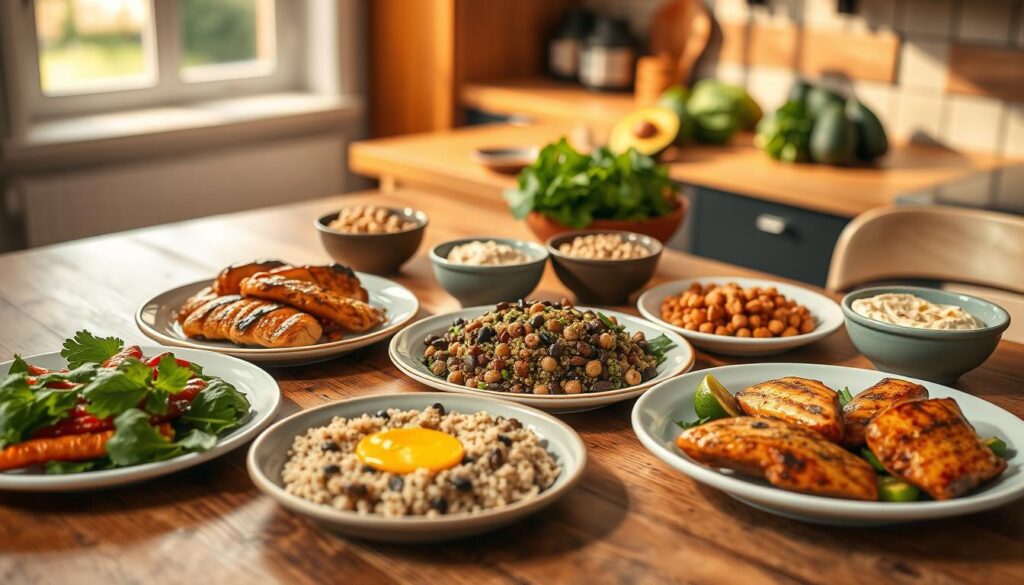
You can also prepare a simple ordering sentence: “I’ll have the grilled chicken with vegetables and the dressing on the side.” Knowing what to ask for can reduce last-minute decisions.
What to Order: Protein, Vegetables, and Balanced Meals
Start by looking for a useful protein source. Chicken, fish, eggs, tofu, beans, lentils, and lean meats can help make meals satisfying while supplying protein needed to maintain muscle.
Next, include vegetables, fruit, beans, or whole grains for fiber and important nutrients. You don’t have to avoid carbohydrates. Rice, potatoes, tortillas, and pasta can all fit into a balanced meal when portions suit your needs.
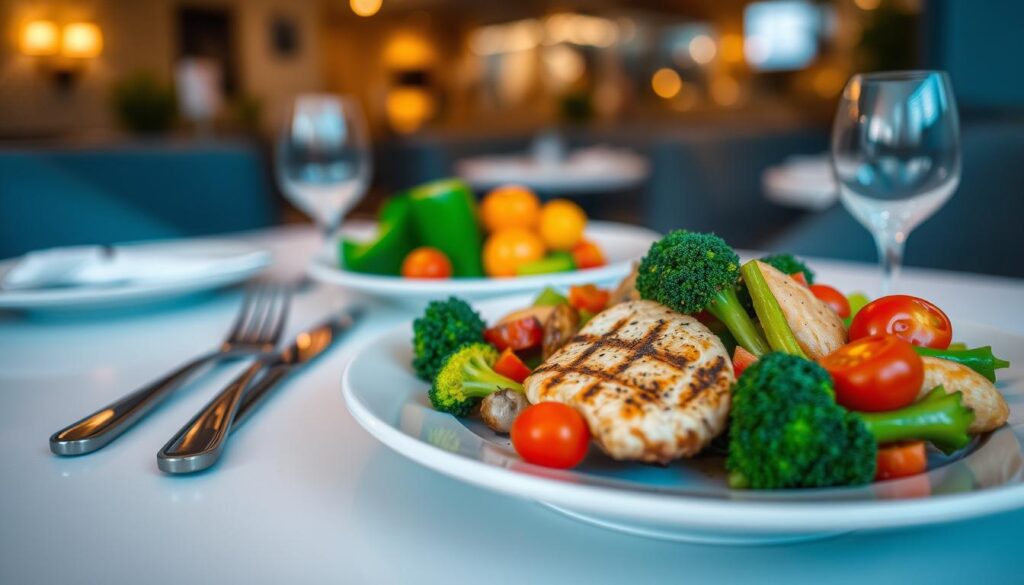
Restaurant meals you can build around
| Restaurant type | Balanced order idea | Helpful adjustment |
|---|---|---|
| American grill | Grilled chicken or fish with vegetables and a potato | Request sauce or butter on the side. |
| Mexican | Chicken or bean bowl with rice, vegetables, and salsa | Choose portions of cheese, sour cream, and other toppings that suit you. |
| Italian | Pasta with tomato sauce, vegetables, and a protein source | Save some pasta if the serving is large. |
| Asian | Tofu, chicken, or fish with vegetables and rice | Request sauce separately when possible. |
| Breakfast café | Eggs or a vegetable omelet with fruit and whole-grain toast | Choose a satisfying side instead of ordering several extras automatically. |
These are flexible examples, not mandatory meals. A burger, pizza, or favorite restaurant dish can still fit into your routine. Consider the portion, what else you’re eating that day, and how the meal makes you feel.
Portion Control That Works in Real Restaurants
Restaurants often serve generous portions, and finishing everything isn’t necessary. Learning to recognize comfortable fullness can be especially helpful as your appetite changes after GLP-1 treatment.
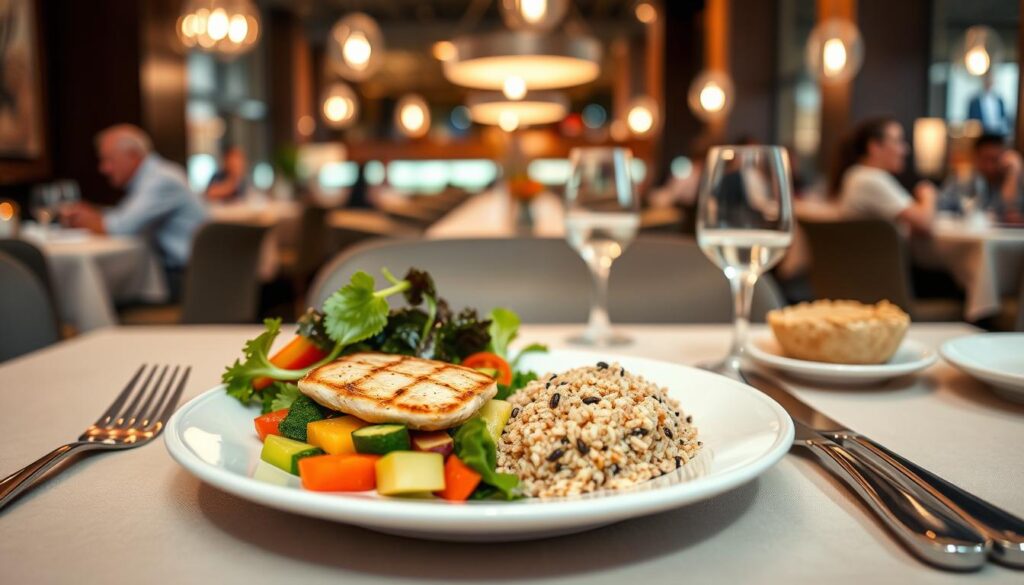
Four easy portion strategies
- Order a smaller meal: Look for lunch portions, half portions, or smaller menu options. Some restaurants also allow adults to order children’s meals.
- Share an entrée: Splitting a large dish with someone can provide a comfortable serving without wasting food.
- Box part of the meal: If the portion is large, set aside some food before eating. You can have it later when you’re hungry again.
- Pause during the meal: Eat at a comfortable pace, notice your fullness, and stop when you’ve had enough rather than feeling obligated to finish.
If you prefer a visual guide, try filling roughly half your plate with vegetables, one-quarter with protein, and one-quarter with grains or another starchy food. This is a flexible starting point, not an exact prescription. Your needs may differ depending on activity, medical conditions, and nutritional goals.
The National Institute of Diabetes and Digestive and Kidney Diseases also recommends sharing meals, choosing smaller servings, and taking leftovers home to help manage restaurant portions.
Smart Sides and Food Swaps Without Feeling Restricted
Side dishes, sauces, and extras can make a large difference to a restaurant meal. Instead of removing everything you enjoy, choose changes that improve nutrition while keeping the food satisfying.
- Vegetable sides: Try roasted vegetables, steamed greens, or a side salad in place of fries when you want a lighter option.
- Whole grains: Choose brown rice, quinoa, or whole-grain bread when available and appealing.
- Extra protein: Add beans, tofu, eggs, chicken, or fish when the main dish contains little protein.
- Sauces and dressings: Ask for them separately so you can add the amount you enjoy.
- Flavorful toppings: Use salsa, herbs, lemon, or spices for flavor without relying entirely on rich sauces.
Avocado, nuts, olive oil, and other sources of unsaturated fat can also be part of a healthy meal. They’re nutritious, although portions still matter because fats are energy-dense.
You don’t need to make every swap. If you really want fries, enjoy a reasonable portion alongside a meal that meets your needs. Sustainable choices are more useful than strict rules you cannot maintain.
Managing Nausea, Bloating, and Digestive Discomfort
Nausea, bloating, constipation, and other digestive symptoms can occur while taking GLP-1 medications. These effects often improve after treatment ends, although the timing varies. Persistent or new symptoms should not automatically be blamed on a medication you’ve stopped.
If you are still taking a GLP-1 or have recently stopped, the following adjustments may help with mild discomfort.
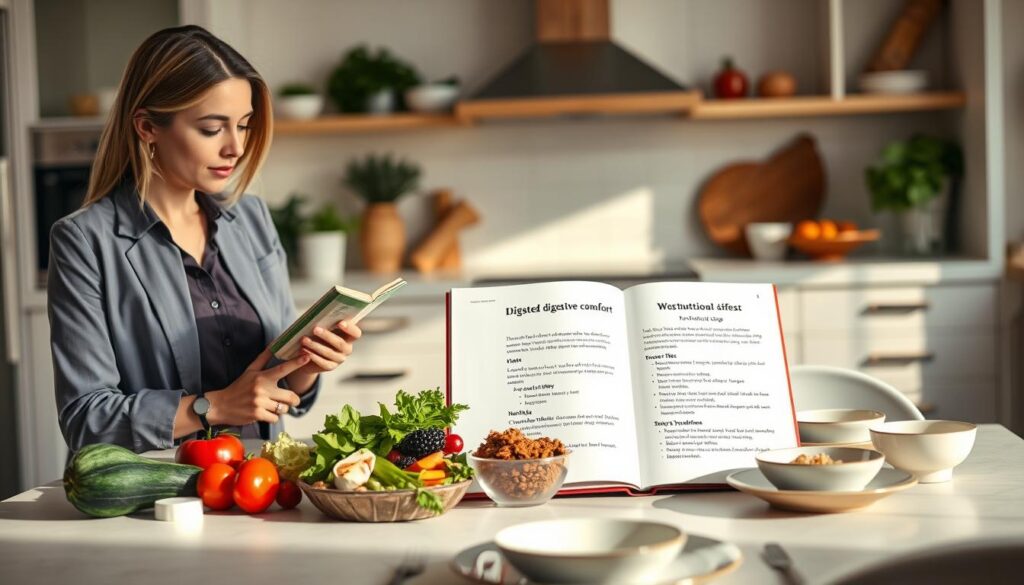
Gentler meal choices
- Choose smaller portions: Large meals may worsen fullness and nausea, especially during treatment.
- Reduce rich foods when they trigger symptoms: Fried dishes, creamy sauces, and heavy desserts can be harder to tolerate for some people.
- Eat slowly: Take smaller bites, chew comfortably, and pause if you begin feeling unwell.
- Adjust fiber gradually: Beans, vegetables, and whole grains offer health benefits, but sudden large increases can worsen gas or bloating.
- Stay hydrated: Drink water regularly. If carbonated drinks increase bloating, choose still water instead.
If nausea begins during a meal, stop eating and allow yourself to rest. Avoid lying flat immediately afterward. A gentle walk may feel comfortable for some people, but don’t force activity when you’re unwell.
These approaches are consistent with Mayo Clinic Diet guidance on managing weight-loss medication side effects.
Seek prompt medical care for severe or persistent abdominal pain, especially pain spreading toward the back, repeated vomiting, or signs of dehydration. These symptoms can require medical evaluation rather than dietary adjustments alone. See the MedlinePlus semaglutide safety information for additional warning signs.
Drinks and Desserts: Enjoy Them With Balance
Restaurant drinks can contribute significant calories without providing the same satisfaction as a meal. Water, unsweetened tea, or another low-sugar beverage is an easy everyday choice.
Sweetened coffee drinks, soda, juice, and cocktails aren’t automatically forbidden. Pay attention to serving sizes and how often you choose them. Alcohol can also affect judgment, sleep, and blood glucose, and may worsen digestive symptoms for some people.
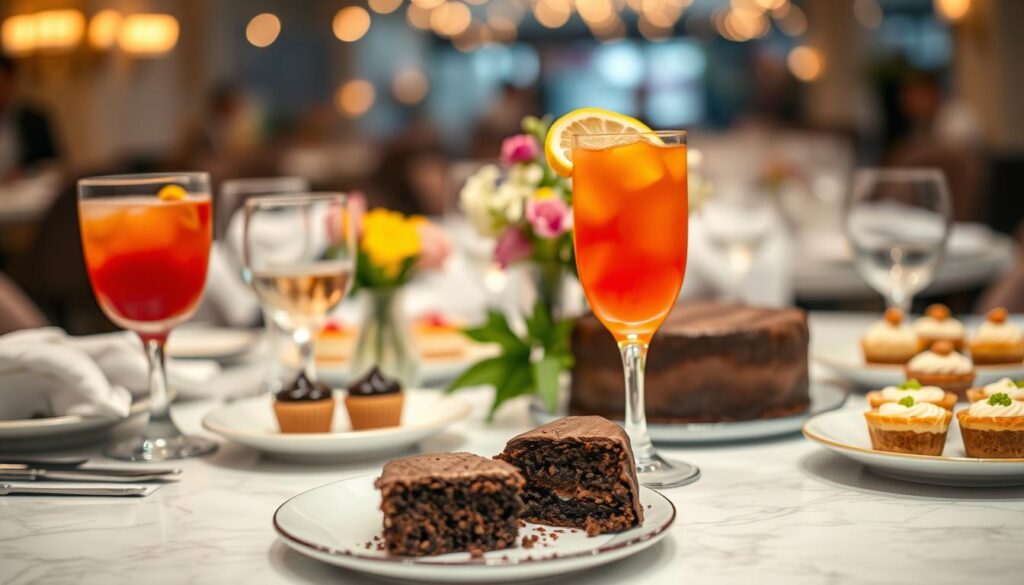
For dessert, you might share a favorite treat, order a smaller serving, or choose fruit when that sounds appealing. You can also skip dessert when you’re comfortably full.
The goal is to enjoy what you choose rather than follow a rule that every restaurant visit must be completely free of sweets.
Leftovers: Turn One Restaurant Meal Into Two
Taking leftovers home is a practical way to manage generous portions and save money. Grilled proteins, rice bowls, pasta, and many cooked vegetable dishes can become a convenient meal the following day.
Ask for a takeout container when you’re ready to stop eating. If you already know the serving is larger than you want, setting some aside early can make the decision easier.
Keep restaurant leftovers safe
- Refrigerate perishable leftovers within two hours of preparation, or within one hour when exposed to temperatures above 90°F.
- Place food in shallow, covered containers to help it cool quickly.
- Use refrigerated leftovers within three to four days, or freeze them for longer storage.
- Reheat leftovers thoroughly to 165°F before eating.
These recommendations follow USDA food safety guidance. If you cannot keep leftovers at a safe temperature during a long trip home, it’s better not to save them.
Social Strategies: Enjoy Dining Out Without Pressure
Restaurants are also places to celebrate, connect with friends, and relax. You shouldn’t have to explain your medication history or weight goals to everyone at the table.
Preparing a few friendly responses can help when someone encourages extra food or drinks.
Simple phrases that work
- When ordering: “I’ll have the grilled salmon with vegetables, please.”
- When offered more food: “That was delicious, but I’m satisfied.”
- When offered another drink: “No thanks, I’ll stick with water.”
- When the portion is large: “Could I have a box for the rest?”
- When asked about your eating habits: “I’m finding a routine that works well for me.”
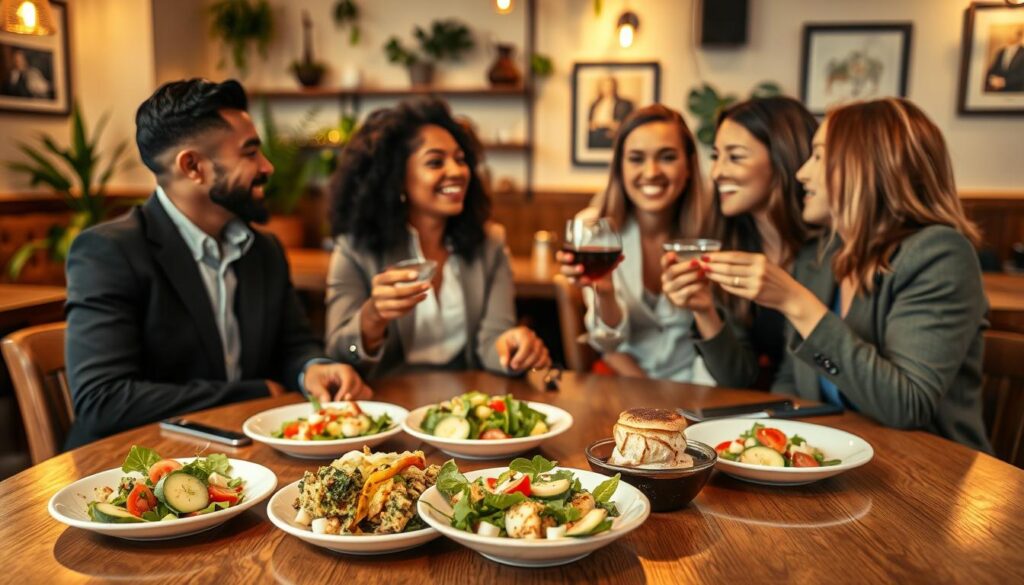
Take your time, enjoy the conversation, and avoid treating every special occasion as a test of willpower. One larger meal does not erase the value of your regular habits.
Building a Long-Term Weight Maintenance Routine
Restaurant choices are only one part of maintaining weight after GLP-1 treatment. Regular physical activity, adequate nutrition, sleep, and ongoing support can help build a routine that lasts.
The NIDDK’s weight maintenance guidance emphasizes sustainable eating habits, physical activity, realistic goals, and continued support.
Habits worth practicing
- Eat balanced meals regularly: Include protein and fiber-rich foods while meeting your overall nutritional needs.
- Keep moving: Walking and other enjoyable activities support health and weight maintenance. Strength training can help maintain muscle.
- Monitor changes without obsessing: Periodic weight checks or other progress measures may help you notice trends and discuss adjustments with your care team.
- Plan for more hunger: If your appetite increases after stopping medication, review meal timing, portions, and whether your current eating plan is satisfying enough.
- Continue medical follow-up: A clinician and registered dietitian can help you decide whether dietary changes, continued treatment, or other support are appropriate.
If you have diabetes, changes in medication and food intake may affect blood glucose. Work with your healthcare team on your treatment plan rather than adjusting prescribed medicines yourself.
Frequently Asked Questions
Will I regain weight after stopping GLP-1 medication?
Weight regain is common, but the amount varies. Research shows that appetite and biological changes can make maintaining weight harder after treatment stops. Balanced eating, activity, and medical support may help, although they do not guarantee prevention.
Should I always eat protein first at restaurants?
No. Including enough protein is more important than following a strict bite order. Protein-rich foods can help support muscle maintenance and make meals satisfying. You can eat protein, vegetables, and carbohydrates in whichever order feels comfortable.
Can I still eat pizza, burgers, and pasta?
Yes. These foods can fit into a balanced eating pattern. Consider portions, added sides, overall nutrition, and how often you eat them. There is no need to label a favorite meal as a failure.
What should I do when my appetite increases after stopping GLP-1s?
Start by maintaining regular meals that contain protein, fiber, and enough food to satisfy you. Avoid responding to hunger by repeatedly skipping meals. If increased appetite or weight regain becomes difficult to manage, speak with your prescribing clinician or a registered dietitian.
Should I avoid fatty foods after GLP-1 treatment?
Not necessarily. Healthy fats belong in a balanced diet. However, very rich or fried meals may worsen digestive discomfort while taking GLP-1 medications or during the period shortly after stopping. Adjust your choices based on tolerance and nutritional needs.
How often can I eat at restaurants while maintaining weight?
There is no universal limit. What matters more is your overall eating pattern, portion sizes, nutritional quality, activity, and medical needs. Someone eating out several times weekly may still maintain healthy habits with thoughtful choices.
Conclusion: Keep Restaurant Meals Enjoyable and Sustainable
Maintaining weight after GLP-1 treatment doesn’t require perfect restaurant meals. Planning your order, including protein and fiber, choosing comfortable portions, and saving leftovers can make dining out simpler.
Start with one or two changes you can repeat, such as checking menus beforehand or asking for a takeout box. Keep your favorite foods in the picture, listen to your changing appetite, and seek professional support when needed.
The most useful restaurant strategy is one that supports your health while allowing you to enjoy food and the people you’re sharing it with.