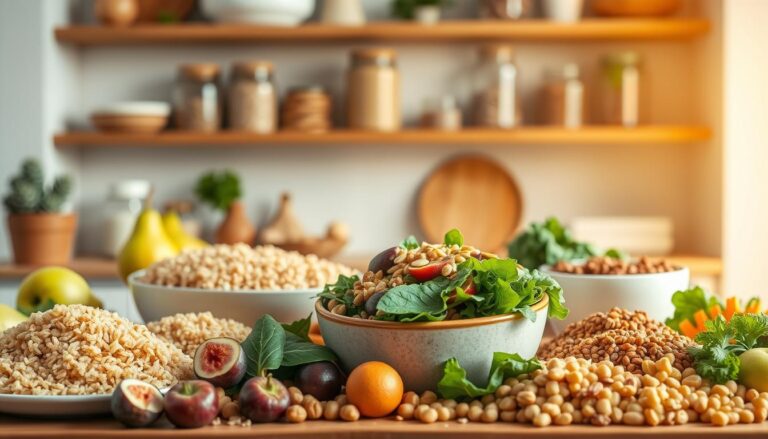


Is a plant-based diet healthier than a paleo diet? Both can support healthy eating, but they take different approaches to food. Plant-based diets emphasize vegetables, fruits, whole grains, and legumes, while paleo diets focus on meat, fish, eggs, vegetables, fruits, nuts, and seeds.
The biggest difference is what each diet leaves out. Paleo typically excludes grains, beans, and dairy. A plant-based diet may include these foods while limiting or avoiding animal products.
Neither approach automatically guarantees weight loss or better health. Food quality, balanced nutrition, and habits you can maintain matter more than following a trendy label. This guide compares the foods, benefits, limitations, and everyday costs of both diets to help you make an informed choice.
Key Takeaways
- Plant-based is not always vegan: Flexible plant-forward diets may include eggs, fish, or other animal foods.
- Paleo has stricter food rules: It generally excludes grains, legumes, dairy, and highly processed foods.
- Both can support weight management: Results depend on overall calorie intake, food choices, and consistency.
- Nutrition needs planning: Vegan diets require reliable vitamin B12 sources, while paleo diets may need extra attention to calcium and fiber.
- The best diet fits your life: Consider your health goals, budget, food preferences, and ability to maintain the eating pattern.
Plant-Based vs. Paleo: Understanding the Differences
Both diets encourage eating more whole foods, but their rules and nutritional priorities are different. Understanding these differences makes choosing meals and shopping for groceries much easier.
What Is a Plant-Based Diet?
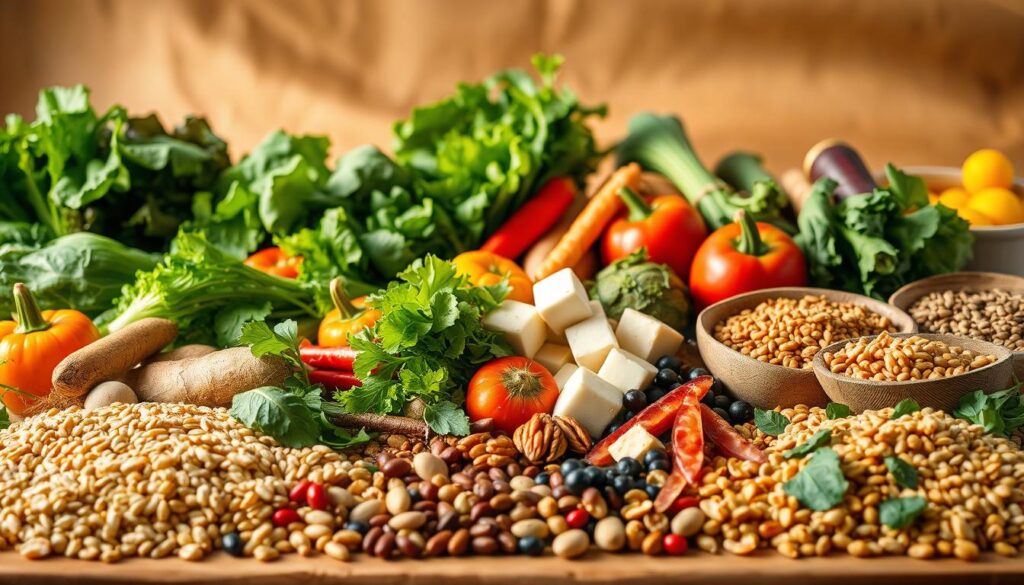
A plant-based diet puts foods from plants at the center of most meals. These include vegetables, fruits, beans, lentils, whole grains, nuts, and seeds.
However, plant-based eating exists on a spectrum:
- Plant-forward: Mostly plant foods, with occasional meat, fish, eggs, or dairy.
- Vegetarian: Excludes meat and fish but may include eggs and dairy.
- Vegan: Excludes all animal-derived foods, including eggs, dairy, fish, meat, and honey.
You don’t have to become vegan to eat more plants. Even replacing a few meat-based meals with lentils, tofu, or beans can make your diet more plant-focused.
What Is the Paleo Diet?
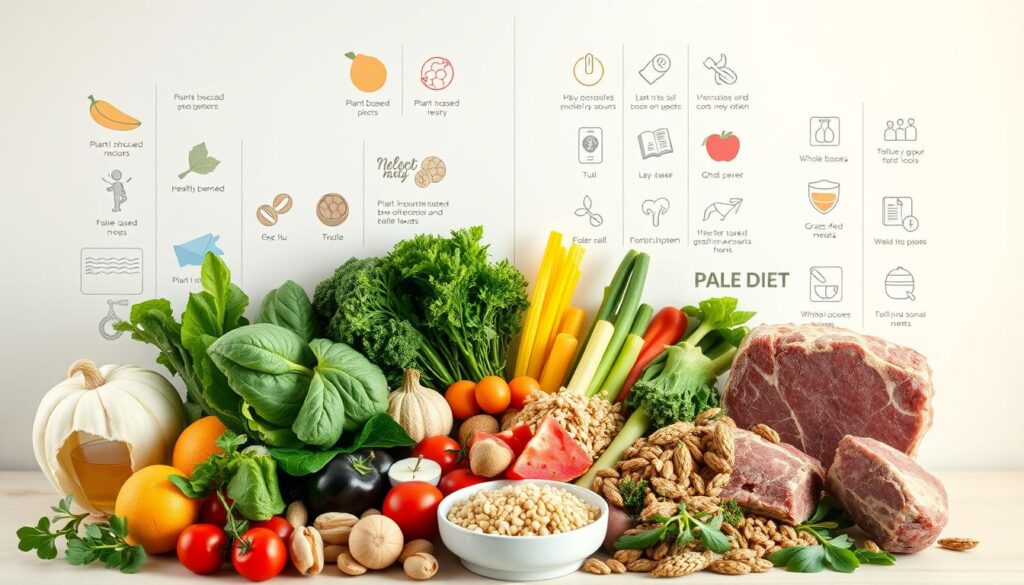
The paleo diet, sometimes called the Paleolithic or caveman diet, is inspired by foods believed to have been available before modern agriculture.
Modern paleo menus commonly include:
- Meat, poultry, fish, and eggs
- Vegetables and fruits
- Nuts and seeds
- Olive oil, avocado oil, and other selected fats
They usually exclude grains, legumes, dairy, refined sugars, and many processed foods.
Ancient diets varied greatly depending on location and season. Some contained substantial amounts of plant foods, so there is no single historical meat-to-plant ratio that accurately represents everyone who lived during the Paleolithic era.
Plant-Based vs. Paleo Foods: What’s Allowed?
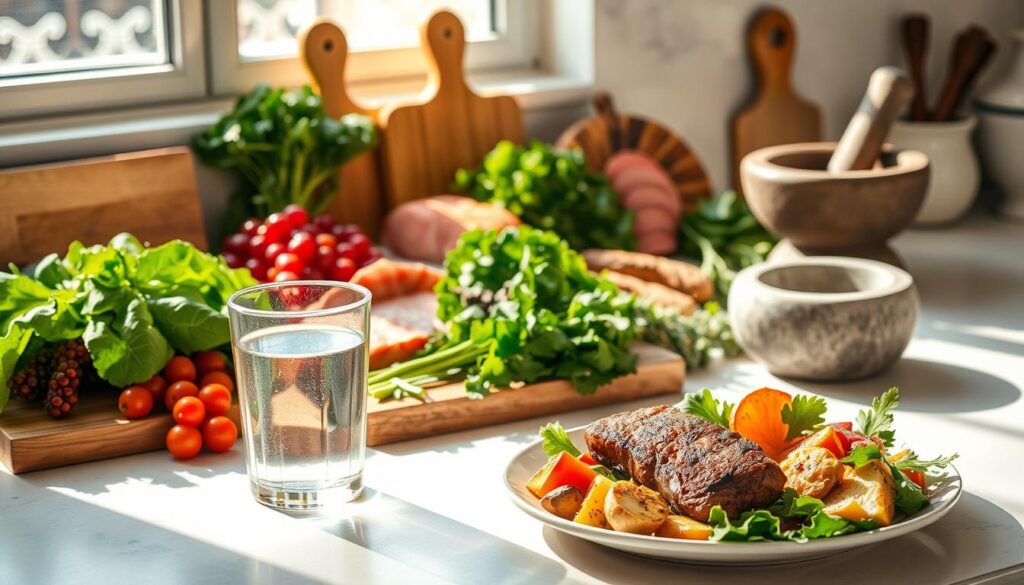
The easiest way to compare these diets is to look at familiar grocery items. Some foods fit both approaches, while others are accepted by one and avoided by the other.
| Food Category | Plant-Based | Paleo |
|---|---|---|
| Vegetables and fruits | Yes | Yes |
| Beans and lentils | Yes | No |
| Whole grains | Yes | No |
| Nuts and seeds | Yes | Yes |
| Meat and fish | Optional in flexible plans; excluded in vegan diets | Yes |
| Eggs | Depends on the approach | Yes |
| Dairy | Optional in flexible plans; excluded in vegan diets | Usually no |
| Added sugars | Generally limited | Generally avoided |
One common misunderstanding is that beans and whole grains are unhealthy because paleo excludes them. In reality, properly prepared legumes and whole grains provide valuable fiber, protein, vitamins, and minerals.
Similarly, a vegan label doesn’t automatically make packaged snacks nutritious. Check the Nutrition Facts label for fiber, protein, sodium, saturated fat, and added sugars.
Nutritional Comparison: Protein, Carbs, Fats, and Fiber
Both diets can provide the nutrients your body needs, but their different food restrictions create different challenges.
Protein: Can Both Diets Provide Enough?
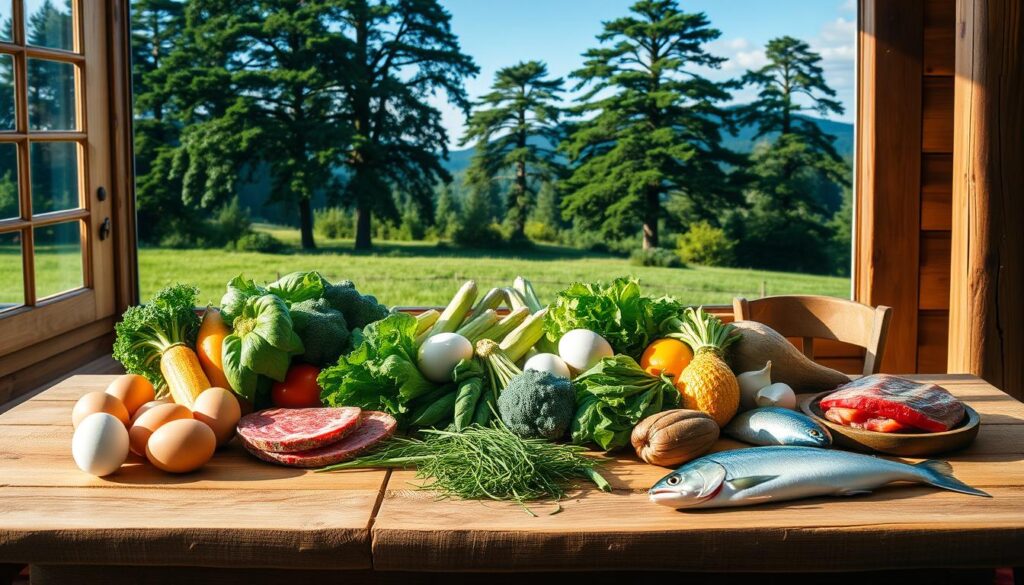
Paleo meals often contain protein from eggs, poultry, fish, and meat. These foods provide all nine essential amino acids, which your body needs to build and repair tissue.
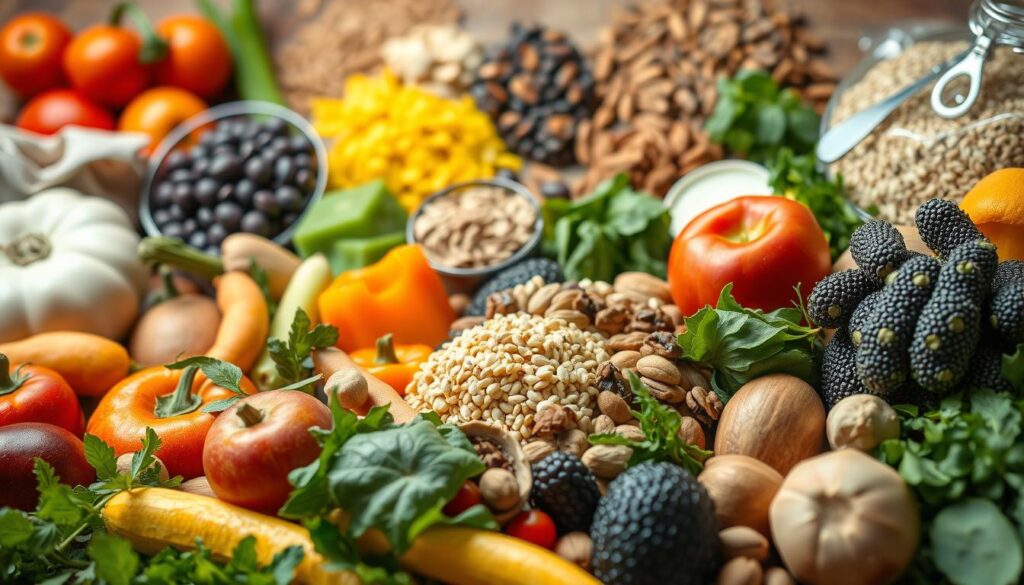
Plant-based diets use tofu, tempeh, edamame, beans, lentils, nuts, seeds, and whole grains. Soy foods provide complete protein, and eating varied plant proteins throughout the day helps meet amino acid needs.
You do not need to combine specific plant proteins at every meal. Overall protein intake and variety across the day are more important.
Carbohydrates and Fiber
Plant-based meals often supply carbohydrates through oats, brown rice, quinoa, beans, fruits, and vegetables. These foods can also provide fiber that supports digestion and helps you feel satisfied after eating.
Paleo diets get carbohydrates mainly from fruits and starchy vegetables, including sweet potatoes and squash.
Because paleo excludes whole grains and beans, followers need enough vegetables, fruits, nuts, and seeds to maintain a healthy fiber intake.
Healthy Fats and Important Vitamins
Both diets can include heart-friendly unsaturated fats from olive oil, avocados, walnuts, and seeds. Paleo also permits animal fats and coconut oil, but eating too much saturated fat can raise LDL cholesterol.
Pay particular attention to these nutrients:
- Vitamin B12: Vegan diets need dependable sources from fortified foods or supplements. Unfortified plant foods are not reliable sources.
- Calcium: Choose fortified plant milk, calcium-set tofu, or suitable vegetables if avoiding dairy.
- Iron and zinc: Beans, lentils, seeds, meat, and seafood can help meet needs, depending on the diet.
- Omega-3 fats: Fatty fish provides EPA and DHA; algae-based sources are suitable for vegans.
- Vitamin D and iodine: Intake deserves attention when major food groups are excluded.
The NIH Office of Dietary Supplements explains why people following vegan diets need reliable vitamin B12 sources. Other supplements should be chosen according to dietary intake and individual needs rather than automatically taken by everyone.
Health Benefits: Which Diet Has Better Evidence?
Both approaches may improve certain health measures, especially when they replace diets high in refined grains, sugary drinks, and heavily processed foods.
Weight Loss
Neither diet has a guaranteed weight-loss advantage for everyone. Weight loss generally requires consuming fewer calories than your body uses over time.
Plant-rich meals can help because vegetables and legumes provide fiber and volume. Paleo may help some people reduce calories by removing many processed snacks and emphasizing satisfying protein-rich meals.
However, large portions of nuts, oils, or calorie-dense foods can make weight loss difficult on either plan.
Heart Health and Cholesterol
Plant-forward diets have strong supporting evidence when they emphasize vegetables, whole grains, legumes, nuts, and unsaturated fats. These choices can help improve LDL cholesterol and overall cardiovascular health.
Paleo diets may also improve certain heart-health markers in some people. A systematic review of paleo research reported improvements in several measures, including weight and blood lipids, although results vary between studies and long-term questions remain.
For heart health, the American Heart Association’s dietary guidance supports whole grains, healthy proteins, vegetables, fruits, and replacing saturated fats with unsaturated fats.
Blood Sugar and Metabolic Health
Both diets may support blood sugar management when meals contain adequate protein, nutritious carbohydrates, and fewer sugary or highly refined foods.
Whole grains and legumes can fit into a healthy eating plan for many people with diabetes. Removing them isn’t automatically necessary.
If you take medication that lowers blood sugar, significant changes in carbohydrate intake may require medication adjustments with your healthcare team.
Environmental Impact: Is Plant-Based More Sustainable?
Environmental impact is another important difference. On average, plant-based foods produce fewer greenhouse gas emissions and require less land than many animal products, especially beef and lamb.
Farming practices, packaging, transportation, and waste all matter. However, buying local food does not automatically make a meat-heavy diet more environmentally friendly than a plant-focused one.
Research summarized by Our World in Data shows that the types of food people eat usually influence their dietary carbon footprint more than transportation distance.
For a more sustainable kitchen, try these changes:
- Replace some beef meals with lentils, beans, or tofu.
- Choose seasonal produce when practical and affordable.
- Plan portions to reduce food waste.
- Use leftovers before buying more ingredients.
- Choose seafood from responsibly managed sources when possible.
These habits can reduce environmental impact without requiring everyone to follow exactly the same diet.
Shopping Lists, Food Swaps, and Easy Meal Ideas
A healthy eating pattern becomes easier when you keep familiar ingredients available. You don’t need specialty foods or expensive diet-branded products to get started.
Plant-Based Grocery Essentials
Build a flexible pantry with foods that work across breakfasts, lunches, and dinners:
- Proteins: Lentils, chickpeas, black beans, tofu, and tempeh.
- Whole grains: Oats, brown rice, quinoa, and whole-wheat pasta.
- Produce: Spinach, broccoli, carrots, berries, and bananas.
- Healthy fats: Olive oil, walnuts, chia seeds, and flaxseeds.
- Other basics: Fortified plant milk, canned tomatoes, herbs, and spices.
Paleo Grocery Essentials
For a paleo-style pantry, focus on:
- Proteins: Eggs, chicken, fish, and lean meat.
- Vegetables: Leafy greens, cauliflower, carrots, squash, and sweet potatoes.
- Fruits: Apples, berries, citrus, and seasonal choices.
- Fats: Olive oil, avocados, nuts, and seeds.
- Flavor: Garlic, herbs, spices, lemon, and coconut aminos.
Grass-fed meat and wild-caught fish are optional choices, not nutritional requirements. Affordable alternatives can fit a balanced paleo-style plan.
Simple Swaps for Everyday Cooking
| Usual Ingredient | Plant-Based Option | Paleo Option |
|---|---|---|
| Ground beef | Cooked lentils or soy crumbles | Lean ground turkey |
| White rice | Brown rice or quinoa | Cauliflower rice |
| Dairy milk | Fortified soy milk | Unsweetened almond milk |
| Pasta | Whole-wheat pasta | Zucchini noodles |
| Soy sauce | Regular or reduced-sodium soy sauce | Coconut aminos |
Remember that swaps aren’t always nutritionally equal. Cauliflower rice contains much less energy than regular rice, and almond milk usually provides less protein than dairy or soy milk. Coconut aminos may also contain added sugars or significant sodium, so check labels.
Five Quick Meal Ideas
- Plant-based breakfast: Oatmeal topped with berries, walnuts, and chia seeds.
- Paleo breakfast: Scrambled eggs with spinach, mushrooms, and roasted sweet potatoes.
- Plant-based lunch: A quinoa bowl with chickpeas, vegetables, and lemon-tahini dressing.
- Paleo lunch: Grilled chicken with roasted vegetables and avocado.
- Flexible dinner: Stir-fried vegetables served with tofu and rice, or fish and a paleo-friendly vegetable base.
Batch-cooking beans, proteins, and vegetables once or twice a week can reduce preparation time. Keep a few different seasonings available so you can make familiar ingredients taste different throughout the week.
How to Choose Between Plant-Based and Paleo
Your best option depends on what you want to achieve and what you enjoy eating. A restrictive diet that looks perfect on paper isn’t useful if you cannot maintain it.

| Your Priority | Approach Worth Considering |
|---|---|
| Eating fewer animal products | Plant-based or vegan |
| Including whole grains and legumes | Plant-based |
| Avoiding grains and legumes | Paleo |
| Improving heart-health food choices | Plant-forward with unsaturated fats and fiber-rich foods |
| Eating on a limited budget | Flexible plant-forward with affordable beans and grains |
| Reducing food-related emissions | More plant-focused meals, especially replacing some beef and lamb |
You can also create a flexible approach by combining useful habits from both: eat more vegetables, prioritize adequate protein, limit heavily processed snacks, and include nutritious grains or legumes if you enjoy and tolerate them.
Such a hybrid may not meet strict paleo rules, but following a particular label is less important than building a nutritionally sound routine.
A Simple Two-Week Starting Plan
- Choose your main goal. Decide whether you want easier meal planning, better food quality, weight management, or fewer animal products.
- Select six to eight meals. Use familiar foods rather than replacing everything at once.
- Create a shopping list. Include enough protein, vegetables, carbohydrate sources, and healthy fats.
- Prepare a few staples. Wash produce, cook proteins, and portion ingredients ahead of time.
- Review after two weeks. Consider hunger, digestion, energy, cost, and how manageable the routine feels.
Health outcomes such as cholesterol and blood sugar require appropriate monitoring over longer periods, not just two weeks. People with diabetes, kidney disease, food allergies, or special nutrition needs may benefit from a registered dietitian’s guidance before making major dietary changes.
Frequently Asked Questions
Is plant-based healthier than paleo?
Plant-forward diets emphasizing whole grains, legumes, fruits, vegetables, and healthy fats have strong evidence supporting cardiovascular health. Paleo can also include nutritious foods, but excluding entire food groups is not automatically healthier. Overall food choices matter most.
Can I build muscle on either diet?
Yes. Both can supply enough protein and calories to support muscle growth with resistance training. Plant-based eaters can use tofu, tempeh, lentils, soy foods, and other protein sources. Paleo eaters commonly rely on eggs, fish, poultry, and meat.
Why does paleo exclude beans and grains?
Paleo excludes these foods because they became more common with agriculture. Some followers also raise concerns about compounds called antinutrients. However, soaking and cooking reduce many of these compounds, and beans and whole grains are nutritious choices for most people.
Do I need supplements on either diet?
Strict vegans need reliable vitamin B12 from fortified foods or supplements. Calcium, vitamin D, iron, iodine, and omega-3 intake may also need attention depending on food choices. Paleo eaters who avoid dairy should check calcium intake. Supplement needs vary by person.
Which diet is easier on a budget?
A plant-forward diet built around dried beans, lentils, oats, rice, and seasonal vegetables can be inexpensive. Paleo may cost more when it relies heavily on meat, fish, nuts, and specialty substitutes. Careful shopping and simple ingredients help control costs on either plan.
Can athletes follow plant-based or paleo diets?
Yes, with enough calories, protein, and carbohydrates to support training. Athletes following strict paleo may need extra attention to carbohydrate intake, especially during demanding endurance training. Plant-based athletes should plan adequate protein and essential nutrients.
Can I combine plant-based and paleo eating?
Yes. You can emphasize vegetables, fruits, nuts, seeds, and minimally processed foods while including beans, whole grains, eggs, or fish according to your preferences. It won’t be strict paleo, but it can still be a balanced eating pattern.
Conclusion: Which Diet Should You Choose?
There is no single winner in the plant-based vs. paleo debate. Both can encourage healthier food choices, but plant-forward eating offers more flexibility with nutritious grains and legumes, while paleo provides clearer restrictions for people who prefer that structure.
If your priorities include heart health, affordability, fiber, or reducing animal-food consumption, a balanced plant-forward approach is a strong starting point. If you prefer paleo-style meals, emphasize vegetables, lean proteins, fish, and unsaturated fats while planning carefully for nutrients from excluded food groups.
Start with a handful of enjoyable meals, make gradual improvements, and choose the pattern you can comfortably maintain. Your everyday habits matter more than the name of your diet.