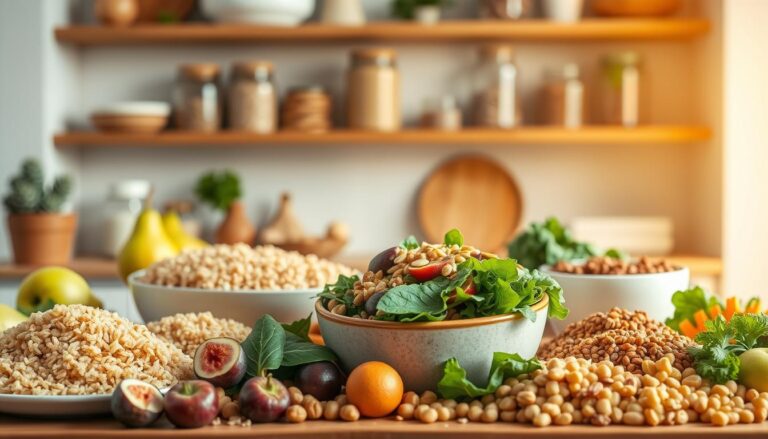


Should you choose a plant-based diet to protect your heart or a paleo diet to improve digestion? Both eating styles have potential benefits, but the best choice depends on your health goals, food preferences, and how your body responds to different foods.
A whole-food, plant-based diet generally has stronger evidence for lowering LDL (bad) cholesterol and supporting long-term heart health. Paleo diets may improve some metabolic markers and help people identify troublesome foods, but they are not proven to be better for gut health.
Fortunately, you do not have to choose between a healthy heart and comfortable digestion. This guide compares both diets, explains their benefits and limitations, and shares practical meals and affordable food swaps you can use every day.
Key Takeaways
- For heart health: Plant-forward diets rich in vegetables, whole grains, beans, nuts, and unsaturated fats have strong evidence for supporting healthy cholesterol and blood pressure.
- For gut health: Fiber variety matters. Paleo may remove some symptom-triggering foods, but it also excludes helpful sources of fiber.
- Food quality matters: Neither a vegan nor a paleo label guarantees that a packaged food is nutritious.
- Both can support weight management: Results depend on food choices, portions, overall calorie intake, and consistency.
- Plan for missing nutrients: Vegan diets require reliable vitamin B12 sources, while strict paleo diets need special attention to calcium and fiber.
Plant-Based vs. Paleo: What Is the Difference?
Both diets encourage vegetables, fruit, and less reliance on highly processed foods. Their biggest difference is which food groups they allow.
Plant-Based, Vegan, and Paleo Explained
- Plant-based: Focuses mainly on vegetables, fruits, beans, lentils, whole grains, nuts, and seeds. Some versions include modest amounts of animal foods.
- Vegan: Excludes meat, fish, eggs, dairy, and all other animal-derived foods. A well-planned vegan diet can meet nutritional needs, including through fortified foods and supplements.
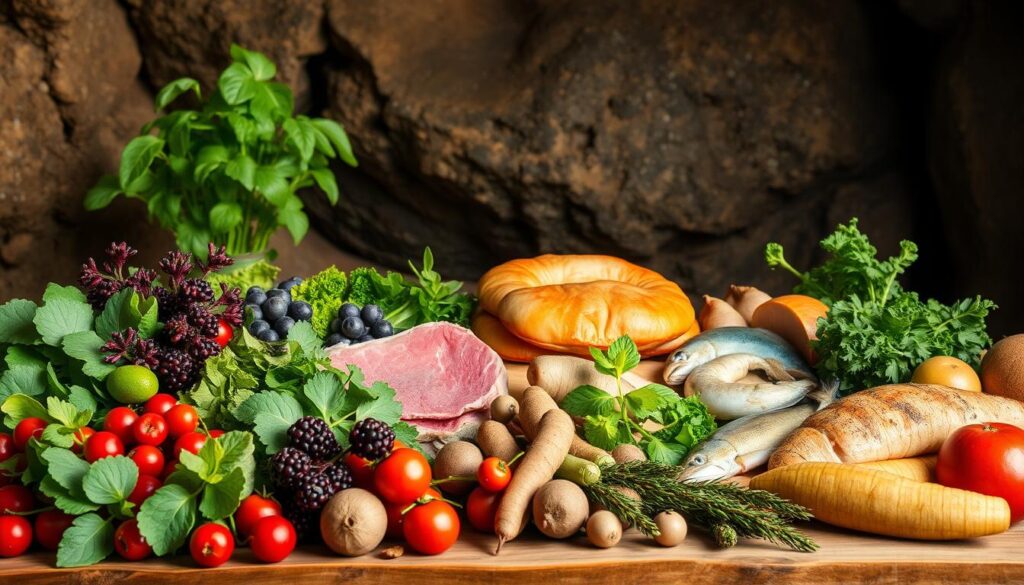
- Paleo: Typically includes vegetables, fruits, eggs, fish, meat, nuts, and seeds while avoiding grains, legumes, and most dairy products.
Paleo does not automatically mean eating large portions of meat. Vegetables, fruits, and nuts can make up much of a paleo plate.
One historical reconstruction by Eaton and Konner estimated that ancestral diets supplied about 65% of food energy from plants and 35% from animal foods. However, research on hunter-gatherer diets shows that these proportions varied widely. There was no single prehistoric diet.
The practical difference: Plant-based eating makes it easier to include beans and whole grains, while paleo removes these foods and relies more on vegetables, roots, nuts, and animal proteins.
Which Diet Is Better for Heart Health?
A balanced plant-forward diet generally has the advantage for long-term cardiovascular health. It naturally includes foods associated with healthier cholesterol levels, blood pressure, and heart disease risk.
Paleo diets can also improve certain heart-related measurements, especially when they replace sugary snacks and processed meats with vegetables, fish, nuts, and other minimally processed foods.

1. Cholesterol and Triglycerides
LDL cholesterol contributes to plaque buildup inside arteries. Lowering elevated LDL can help reduce cardiovascular risk.
Plant-based diets offer several useful foods:
- Oats and barley: Contain beta-glucan, a soluble fiber that helps lower LDL cholesterol.
- Beans and lentils: Supply fiber and plant protein without the saturated fat found in many fatty meats.
- Walnuts and almonds: Provide unsaturated fats that can replace less heart-friendly fats.
- Olive oil: Can replace butter or animal fat in everyday cooking.
Paleo diets exclude oats and legumes, making some cholesterol-lowering foods unavailable. They can still support healthy lipid levels through vegetables, nuts, olive oil, and fish. However, frequent servings of fatty red meat or coconut oil may increase LDL in some people.
A systematic review of paleo diets found improvements in several cardiometabolic markers, including LDL cholesterol and triglycerides. These findings are encouraging, but they do not establish paleo as superior to well-studied heart-healthy dietary patterns.
2. Blood Pressure
Blood pressure is influenced by sodium intake, body weight, potassium-rich foods, and overall diet quality.
Both diets can help when they emphasize:
- Vegetables and fruits that naturally contain potassium.
- Less salt from packaged meals and processed foods.
- Unsaturated fats instead of large amounts of saturated fat.
- Healthy portions that support weight management.
However, the American Heart Association particularly supports patterns such as DASH and Mediterranean-style eating, which include whole grains, vegetables, legumes, and healthy protein sources.
3. Cooking Oils and Processed Foods
Not every vegetable oil is harmful. Olive, canola, soybean, and other oils high in unsaturated fats can be heart-healthy replacements for butter, lard, and other saturated fats.
The bigger concern is frequently eating foods high in sodium, added sugar, refined starches, or saturated fat. A vegan cookie or paleo-branded snack can still have an unhealthy nutritional profile.
Heart-health verdict: Choose a mostly whole-food, plant-forward approach if lowering LDL or managing blood pressure is your main priority. A carefully planned paleo diet can also help, but avoiding grains and beans is not necessary for heart health.
Which Diet Is Better for Gut Health?
Gut health is more complicated than simply removing grains or eating more vegetables. Your digestive system depends on a combination of fiber, food tolerance, regular bowel movements, and the activity of gut microorganisms.
For most people, a varied, fiber-rich eating pattern is a strong foundation for gut health. People with certain digestive conditions, however, may need more personalized adjustments.
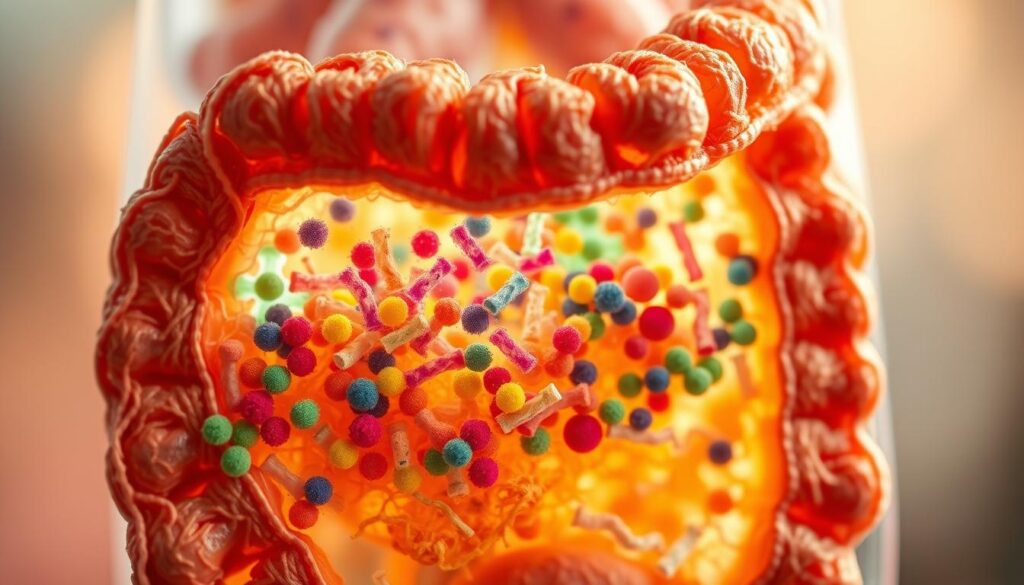
How Fiber Supports Your Gut
Fiber helps support regular bowel movements. Certain fibers are also fermented by gut bacteria, producing compounds called short-chain fatty acids that help support intestinal health.
Different foods supply different fibers:
- Whole grains: Oats, barley, and brown rice provide fiber and important nutrients.
- Legumes: Lentils, chickpeas, and beans supply fermentable fiber and resistant starch.
- Fruits: Berries, oranges, and bananas contribute different types of fiber.
- Vegetables: Leafy greens, carrots, broccoli, and sweet potatoes add variety.
- Nuts and seeds: Chia, flaxseed, almonds, and walnuts provide additional fiber.
Plant-forward diets make it easier to combine these food groups. Paleo diets remove whole grains and legumes, so followers must obtain enough fiber from the remaining plant foods.
Can Paleo Help With Bloating and Digestive Symptoms?
Some people feel better after removing certain foods. However, improvement does not prove that grains or legumes are generally harmful.
For example, people with irritable bowel syndrome (IBS) may react to certain fermentable carbohydrates known as FODMAPs. These can occur in wheat, beans, onions, some fruits, and dairy products.
According to the American Gastroenterological Association, a structured low-FODMAP diet has stronger evidence for managing IBS symptoms than adopting paleo specifically. It involves a short elimination period, followed by reintroduction and personalization.
Paleo may accidentally remove some triggers, but it can leave others in place. It also restricts nutritious foods that a person might tolerate perfectly well.
How to Improve Digestion Without Unnecessary Restrictions
- Increase fiber gradually: Add smaller portions of fiber-rich foods over time rather than making a sudden large change.
- Prepare beans carefully: Soak dried beans, cook them thoroughly, or start with small servings of rinsed canned beans.
- Drink enough fluids: Adequate hydration helps fiber do its job.
- Track individual triggers: Record foods, portions, and symptoms to identify repeated patterns.
- Seek targeted guidance: Persistent abdominal pain, diarrhea, or constipation deserves medical evaluation rather than increasingly strict self-imposed restrictions.
Gut-health verdict: Neither diet is automatically better for everyone. Plant-forward eating offers greater access to diverse fibers, while a personalized elimination strategy may be more useful for someone with identified digestive triggers.
Other Health Benefits: Weight Loss, Blood Sugar, and Nutrients
Both diets can support metabolic health when they reduce excess calories and encourage nutritious meals. But neither guarantees weight loss, improved blood sugar, or higher energy.

Weight Loss and Blood Sugar Control
High-fiber plant meals can help people feel full and may slow carbohydrate absorption. Paleo meals rich in protein and vegetables can also be satisfying and may reduce reliance on refined carbohydrates.
Neither approach works independently of total food intake. Large servings of nuts, oils, calorie-dense snacks, or sweetened products can make weight management harder.
| Health Goal | Plant-Based Approach | Paleo Approach |
|---|---|---|
| Heart health | Strong evidence for fiber-rich, low-saturated-fat patterns | Potential benefits, depending on fat and protein choices |
| Gut health | Wide range of fiber sources | May remove some triggers but also restricts useful fiber |
| Weight management | Fiber and food volume may support fullness | Protein-rich meals may support fullness |
| Blood sugar | Whole grains, beans, and fiber support glucose management | Reducing refined carbohydrates may help some people |
Important Nutrients to Watch
Restrictive diets can create nutrient gaps unless meals are planned carefully.
If you follow a vegan or mostly plant-based diet:
- Vitamin B12: Vegans need reliable fortified foods or supplements because unfortified plant foods do not provide dependable B12.
- Iron: Include lentils, beans, tofu, and seeds. Pair them with vitamin C-rich foods to improve absorption.
- Calcium and vitamin D: Consider fortified plant milks, calcium-set tofu, and suitable fortified foods.
- Omega-3s: Walnuts, chia, and flaxseed supply ALA; algae-based supplements can provide EPA/DHA when appropriate.
If you follow a strict paleo diet:
- Calcium: Without dairy, include calcium-rich greens and canned fish with edible bones, if eaten.
- Fiber: Eat plenty of vegetables, fruit, nuts, seeds, and starchy roots.
- Vitamin D: Dietary sources may be limited, so assess intake and individual needs.
- Saturated fat: Choose fish, lean meats, nuts, and unsaturated oils more often than fatty meats and animal fats.
The NIH Office of Dietary Supplements explains why reliable B12 sources are especially important for people avoiding animal foods. Supplements should address actual dietary needs rather than being taken automatically.
How to Build Practical, Affordable Meals
You do not need expensive specialty groceries to follow either eating pattern. Start with familiar ingredients, simple recipes, and meals that fit your schedule.

Simple Plant-Based Meal Ideas
- Breakfast: Oatmeal with berries, chia seeds, and walnuts.
- Lunch: Brown rice or quinoa with black beans, roasted vegetables, and avocado.
- Dinner: Tofu or lentil stir-fry with mixed vegetables and a modest amount of olive or canola oil.
These meals offer fiber, plant protein, and a variety of nutrients. If beans cause discomfort, start with smaller portions or try a different preparation method.
Simple Paleo Meal Ideas
- Breakfast: Eggs with sautéed spinach, sweet potato, and berries.
- Lunch: Grilled chicken or fish with mixed greens, carrots, and avocado.
- Dinner: Baked salmon with roasted squash, broccoli, and olive oil.
These meals combine protein with colorful produce. People with high training demands may need additional starchy vegetables and fruit to meet their carbohydrate needs.
Budget-Friendly Grocery Strategies
Whichever approach you choose, these habits make healthy eating easier:
- Buy frozen vegetables and fruits when fresh produce is expensive.
- Choose low-sodium canned beans for plant-based meals.
- Use canned salmon or sardines as convenient fish options.
- Purchase seasonal produce and compare unit prices rather than package prices.
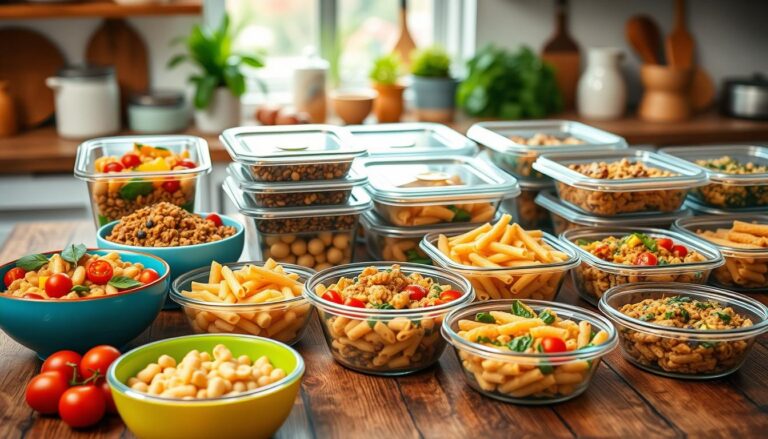
- Prepare extra portions of vegetables and protein for upcoming meals.
- Keep simple kitchen staples available instead of relying on costly diet-branded snacks.
Convenience does not always mean poor nutrition. Frozen vegetables, plain oats, canned beans, and some prepared foods can be practical choices. Read labels for sodium, added sugar, and saturated fat instead of rejecting a food just because it comes in a package.
Long-term consistency matters, too. A study of people who maintained healthier eating habits highlighted the importance of routines, motivation, and making dietary changes part of everyday life.
How to Choose the Right Diet for Your Goals
Rather than committing to a strict label, decide which health outcome needs the most attention.
- If your main goal is lowering cholesterol: Start with a plant-forward, Mediterranean-style eating pattern rich in oats, beans, vegetables, nuts, and unsaturated fats.
- If your main goal is reducing digestive discomfort: Identify specific triggers and consider professional guidance before removing whole food groups.
- If your priority is weight management: Choose satisfying meals with enough protein, fiber, and appropriate portions.
- If you want both heart and gut benefits: Combine a wide variety of plant foods with proteins you tolerate and limit foods that repeatedly cause symptoms.
For many people, a flexible, mostly plant-based pattern that includes fish, eggs, or dairy when preferred may be easier to maintain than a strict set of exclusions.
People with diagnosed celiac disease, food allergies, kidney disease, diabetes requiring medication, or ongoing digestive disorders may need individualized dietary changes. Persistent symptoms should not be managed by restrictive eating alone.
Frequently Asked Questions
Can You Combine Plant-Based and Paleo Eating?
Yes. You can build meals around vegetables, fruit, nuts, seeds, and minimally processed proteins while choosing whether to include grains, legumes, or animal foods. You do not need to follow either diet’s rules perfectly to make healthier choices.
Are Whole Grains Necessary for Good Gut Health?
No single food group is essential for everyone, but whole grains provide valuable fiber and nutrients. If you avoid them, obtain enough fiber from other tolerated foods. People without a medical reason to exclude grains generally do not need to remove them.
Are Paleo and Vegan Packaged Foods Unhealthy?
Not necessarily. Some are convenient and nutritious, while others contain substantial added sugar, sodium, or saturated fat. Check the ingredient list and Nutrition Facts label instead of relying on marketing terms.
Which Diet Is Better for Athletes?
Either can support an active lifestyle with adequate calories, protein, carbohydrates, and micronutrients. Vegan athletes need reliable B12 and careful iron planning. Paleo athletes should pay particular attention to carbohydrate intake, especially during demanding training.
Can You Get Enough Omega-3s Without Eating Fish?
Walnuts, chia seeds, and flaxseed provide the plant omega-3 fat ALA. The body converts only limited amounts into EPA and DHA. Algae-based EPA/DHA supplements are an option for people who avoid fish, although not everyone needs supplementation.
Does Avoiding Dairy Improve Digestion?
It may help people who have lactose intolerance or other specific reactions. However, dairy is not a universal digestive trigger. Lactose-free milk or tolerated fermented dairy may be suitable alternatives without removing dairy entirely.
Conclusion
For heart health, a whole-food, plant-forward diet generally offers the stronger evidence base. For gut health, the best approach is a varied diet adjusted to your individual food tolerance—not automatically a paleo diet.
Start with one manageable change: add a fiber-rich food you tolerate, replace some saturated fat with unsaturated fat, or prepare more meals from simple ingredients. Watch how your health markers and digestive symptoms respond, and adjust your eating pattern as needed.
The best long-term diet is one that nourishes your body, supports your health goals, and fits comfortably into everyday life.