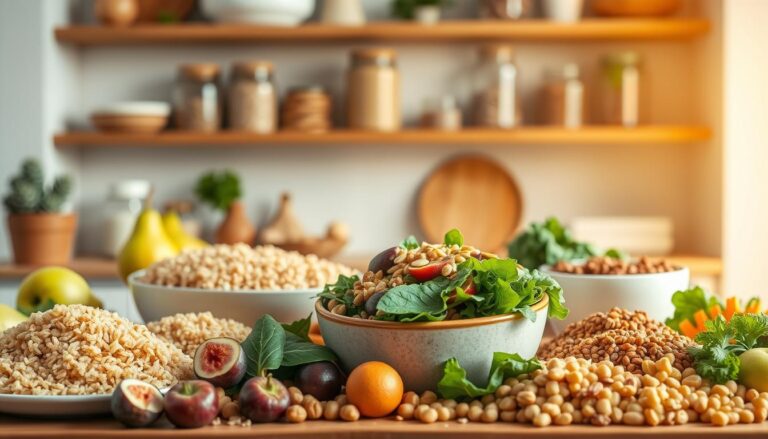


What does healthy eating look like when you stop following strict diet rules and start building meals that actually fit your life? A holistic approach to nutrition focuses on balanced meals, satisfying foods, and daily habits you can maintain.
A typical day might include protein-rich overnight oats for breakfast, a colorful grain bowl for lunch, salmon with vegetables for dinner, and simple snacks when you’re hungry. The goal isn’t to eat perfectly or avoid every processed food. It’s to get enough nutrients, enjoy your meals, and support your long-term health.
This guide walks through a sample day inspired by holistic nutrition principles, foods worth limiting, practical meal-prep ideas, and ways to adjust your eating pattern for weight management. It’s an example of balanced eating, not a record of any particular nutritionist’s personal diet.
Key Takeaways
- Build balanced meals: Include protein, fiber-rich carbohydrates, vegetables or fruit, and healthy fats throughout the day.
- Choose whole foods often: Prioritize minimally processed, nutrient-rich foods without treating occasional treats as failures.
- Keep eating flexible: An 80/20 approach can help you enjoy favorite foods without following rigid rules.
- Plan ahead: Preparing a few ingredients each week makes nutritious meals easier on busy days.
- Support your eating habits: Movement, sufficient sleep, stress management, and mindful portions all contribute to well-being.
Helpful Products at a Glance
For packing balanced lunches, Rubbermaid Brilliance Tritan 3.2-Cup Containers offer lightweight, stackable storage, although every container in this set is the same size.
- 100% Leak-proof: Guaranteed no-spill seal and secure latches
- Crystal-clear Tritan Built: Stain-resistant and odor-resistant material for a clear view of contents
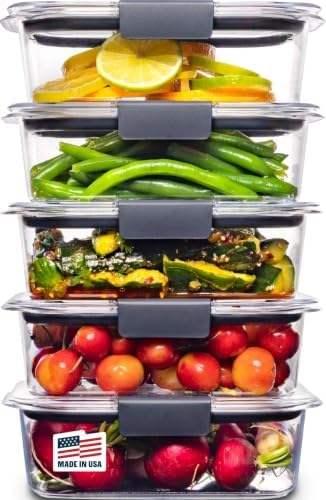
For storing different portions of batch-cooked meals, Rubbermaid Brilliance Glass Containers provide multiple sizes and reheatable glass bases, but they’re heavier to carry.
- LEAK-PROOF AND AIRTIGHT: Rubbermaid Brilliance Glass Food Storage Containers have crystal-clear lids that are 100% airtight and leak-proof, plus odor and stain resistant
- EASY STORAGE AND REHEATING: Glass containers have vented, microwave-safe lids for easy, splatter-resistant microwaving

What Is a Holistic Approach to Nutrition?
Holistic nutrition considers more than individual foods or calorie counts. It looks at your overall eating pattern alongside sleep, physical activity, stress, health conditions, and personal preferences.
The foundation is straightforward: eat a variety of vegetables, fruits, whole grains, protein foods, and healthy fats. These choices supply nutrients your body needs and can make meals more filling.
A flexible eating pattern is often easier to maintain than a diet that removes entire food groups without a medical reason.
| Focus | Flexible Eating | Restrictive Dieting |
|---|---|---|
| Food choices | Variety and balance | Strict food rules |
| Weight goals | Gradual, realistic changes | Often emphasizes quick results |
| Daily routine | Adapts to culture and schedule | May require rigid meal plans |
| Long-term habits | Encourages repeatable behaviors | May be difficult to maintain |
The CDC’s healthy eating guidance similarly emphasizes nutritious variety, reasonable portions, and eating patterns that support long-term health.
What a Holistic Nutritionist Might Eat in a Day
A balanced daily menu doesn’t require expensive superfoods or complicated recipes. The following meals show how familiar ingredients can provide protein, fiber, healthy fats, and satisfying flavors.
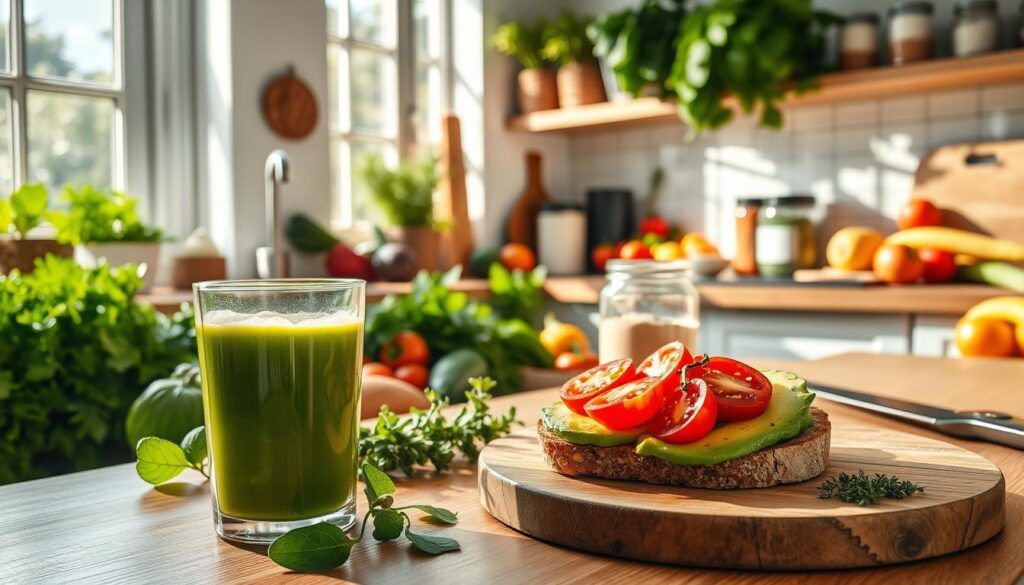
Breakfast: Protein, Fiber, and Healthy Fats
Breakfast can be as simple as oatmeal topped with berries, chia seeds, and plain Greek yogurt. The oats provide fiber, the yogurt adds protein, and the seeds contribute healthy fats.
Other easy combinations include:
- Eggs and toast: Scrambled eggs, sautéed spinach, and whole-grain toast.
- Overnight oats: Oats soaked in milk or fortified soy milk with chia, berries, and nut butter.
- Yogurt bowl: Plain Greek yogurt with fruit, walnuts, and a small serving of oats.
If you prefer a plant-based breakfast, tofu scramble or fortified soy yogurt can replace eggs or dairy. Adjust portions to your appetite and activity rather than forcing yourself to eat a fixed amount.
Lunch: A Colorful Protein and Grain Bowl
For lunch, try quinoa or brown rice topped with grilled chicken, tofu, or chickpeas. Add leafy greens, tomatoes, cucumber, and a dressing made with olive oil and lemon.
This combination supplies carbohydrates for energy, protein for muscle maintenance, and vegetables for fiber and micronutrients. Leftover roasted vegetables or beans make it easier to assemble the bowl without cooking from scratch.
For lunches away from home, a reliable container can make meal preparation more convenient. You can use any clean, food-safe container with a secure lid. Keeping sauces separate until serving also helps prevent soggy vegetables.
The Rubbermaid Brilliance Tritan 3.2-Cup Container Set includes five lightweight, clear plastic containers with latching lids. Their stackable design suits packed lunches and leftovers. However, the fixed 3.2-cup capacity may not accommodate larger meals, so separate containers or a different size may be necessary.
- 100% Leak-proof: Guaranteed no-spill seal and secure latches
- Crystal-clear Tritan Built: Stain-resistant and odor-resistant material for a clear view of contents
- Lightweight & Sturdy: Easy to carry, yet durable for everyday use
- Built-in Vents: Convenient microwave heating without removing the lid
Dinner: Omega-3-Rich Protein, Vegetables, and Carbohydrates
A balanced dinner could include baked salmon, steamed broccoli, and roasted sweet potato. Salmon supplies protein and omega-3 fats, while vegetables and sweet potatoes contribute fiber, vitamins, and minerals.
Other combinations work equally well:
- Baked chicken with roasted vegetables and brown rice.
- Lentil curry with vegetables and whole-grain rice.
- Tofu stir-fry with broccoli, peppers, and quinoa.
Salmon and sardines are useful sources of EPA and DHA omega-3 fats, but fish isn’t essential at every dinner. Beans, eggs, poultry, and soy foods provide other nutritious protein options.
Snacks: Simple Foods That Satisfy Hunger
Snacks are optional. When you’re hungry between meals, choose something that helps you feel satisfied instead of eating simply because the clock says it’s snack time.
- Apple slices with peanut or almond butter.
- Greek yogurt with berries.
- Carrots or cucumber with hummus.
- Roasted chickpeas or a handful of nuts.
- Cottage cheese with fruit.
Drink water regularly, and adjust your intake for activity and weather. Unsweetened tea and coffee can also contribute to daily fluid intake.
What Foods Does a Holistic Eating Pattern Limit?
A balanced approach doesn’t label every food as good or bad. Instead, it pays attention to how frequently foods are eaten, their nutritional value, and overall portions.
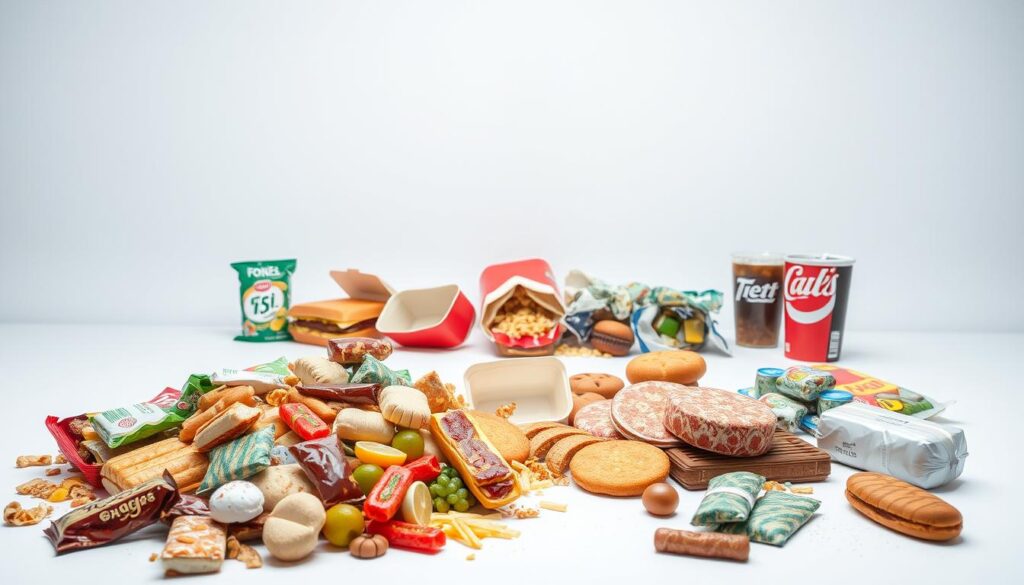
Foods Worth Having Less Often
- Sugary drinks: Soda, sweetened coffee, and fruit drinks can add considerable sugar without providing much fullness. Choose water or unsweetened alternatives more often.
- Highly processed snack foods: Chips, candies, and certain packaged desserts can be easy to overeat. Keep satisfying alternatives available.
- Refined grains: Replace some white bread, refined cereals, or white rice with oats, whole-grain bread, or brown rice when practical.
- Foods high in sodium: Compare labels on packaged meals, sauces, and soups. Use herbs, citrus, garlic, and spices for additional flavor.
- Trans fats and excess saturated fats: Favor unsaturated fats from olive oil, nuts, seeds, and fish instead of frequently relying on processed meats and high-saturated-fat foods.
- Alcohol: Drinking can add calories, affect sleep, and increase health risks. Drinking less or avoiding alcohol is a reasonable choice.
Not every packaged food is unhealthy. Frozen vegetables, canned beans, plain yogurt, and canned fish can be affordable, convenient, nutritious options. Check added sugar, sodium, saturated fat, and fiber on the Nutrition Facts label rather than judging a food only by its ingredient-list length.
For an easy visual reference, the Harvard Healthy Eating Plate explains how to balance vegetables, protein, whole grains, and healthy fats.
How to Build a Holistic Nutrition Diet Plan
The most useful meal plan is one that fits your health needs, budget, food preferences, and cooking schedule. A plan built around foods you enjoy is more likely to become a regular habit.
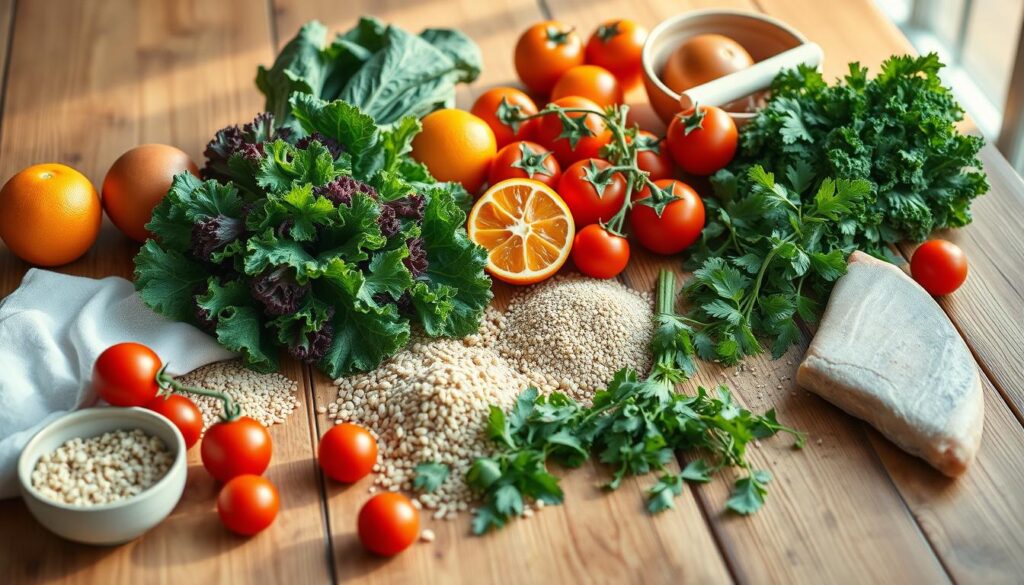
Use the 80/20 Approach Without Strict Counting
The 80/20 idea encourages choosing nutrient-dense foods most of the time while leaving room for favorite meals and treats. It’s a flexibility guideline, not a scientifically required ratio or a rule you must calculate.
For example, you might cook balanced meals during the workweek, enjoy pizza with friends on Friday, and return to your normal routine the next day. One meal doesn’t determine your overall health.
Adjust Meals to Your Needs
- Vegetarian or vegan: Use tofu, tempeh, lentils, beans, and other plant proteins. Pay particular attention to vitamin B12.
- Active lifestyle: Include adequate protein and carbohydrate sources to support training and recovery.
- Busy schedule: Use frozen vegetables, canned beans, prewashed greens, and leftovers.
- Health conditions: Diabetes, kidney disease, food allergies, and other conditions may require individualized adjustments from a qualified clinician or registered dietitian.
Review how your meals affect hunger, digestion, energy, and physical activity. Change one habit at a time rather than overhauling your entire diet.
Balancing Protein, Carbs, Fats, and Micronutrients
Your body needs macronutrients—protein, carbohydrates, and fats—in addition to smaller amounts of vitamins and minerals. The goal is to include varied sources, not chase perfect numbers at every meal.
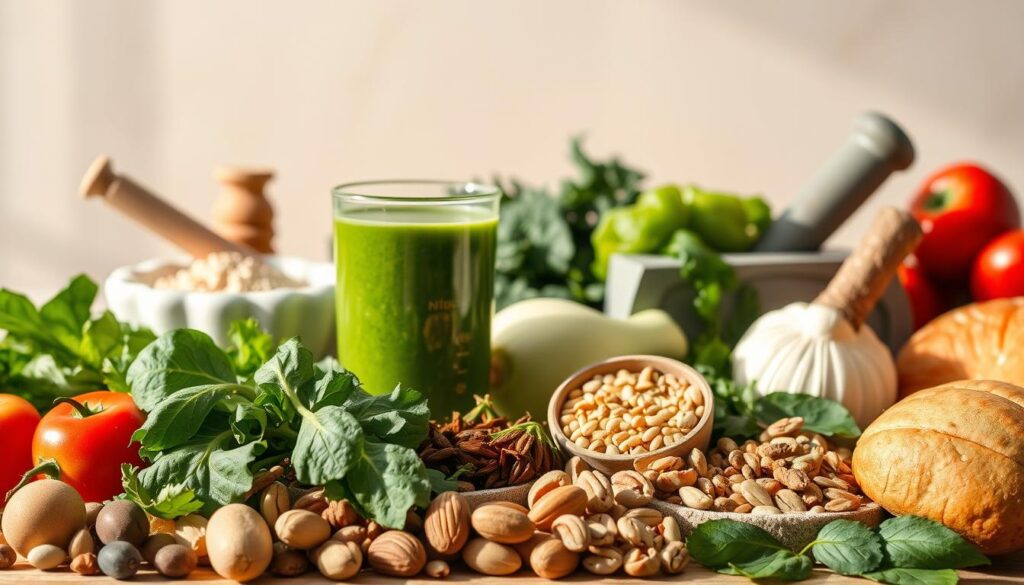
Protein and Muscle Support
The general adult protein recommendation is approximately 0.8 grams per kilogram of body weight daily, while people who exercise regularly may benefit from higher amounts, often around 1.2–2.0 g/kg depending on their training and needs.
Spread protein foods across meals. You don’t need to eat protein immediately after every workout if your overall daily intake is adequate.
Carbohydrates, Fiber, and Healthy Fats
Carbohydrates from oats, fruit, beans, and whole grains provide energy and often valuable fiber. Fiber supports digestive health and can help meals feel satisfying.
Healthy fats from nuts, seeds, avocado, olive oil, and fatty fish contribute essential fatty acids and help your body absorb certain vitamins.
For a simple starting plate, aim for:
- About half the plate filled with vegetables and fruit.
- About one-quarter containing protein foods.
- About one-quarter containing whole grains or starchy vegetables.
- A moderate amount of healthy fat.
Micronutrients also matter. Iron comes from meat, beans, and lentils; calcium from dairy or fortified alternatives; and vitamin D from certain foods and fortified products. People eating entirely plant-based diets need dependable vitamin B12 sources, usually fortified foods or supplements.
Calorie Awareness Without Obsessive Tracking
Calories matter for weight change, but counting every bite isn’t necessary for everyone. Understanding your approximate energy needs can help explain portions without turning meals into a math exercise.

Estimating Daily Energy Needs
Basal metabolic rate (BMR) estimates the calories your body uses at rest. The Mifflin-St Jeor equation is a common adult starting point:
- Women: (10 × weight in kg) + (6.25 × height in cm) − (5 × age) − 161.
- Men: (10 × weight in kg) + (6.25 × height in cm) − (5 × age) + 5.
Multiplying estimated BMR by an activity factor gives an approximate total daily energy expenditure (TDEE): 1.2 for sedentary, 1.375 for lightly active, 1.55 for moderately active, 1.725 for very active, and 1.9 for extremely active lifestyles. These factors and sex-based formulas are rough estimates, not exact measurements for every person.
For weight maintenance, eating near your estimated TDEE can be a starting point. For adults seeking weight loss, a modest deficit of roughly 250–500 calories daily may be appropriate, while a small surplus alongside resistance training can support gradual weight gain. Actual needs vary, and these adjustments aren’t suitable for everyone.
If calorie tracking increases anxiety or encourages overly restrictive eating, use the balanced-plate method instead. Reassess your approach as your activity, weight, and energy needs change.
Weekly Meal Planning and Prep Made Simple
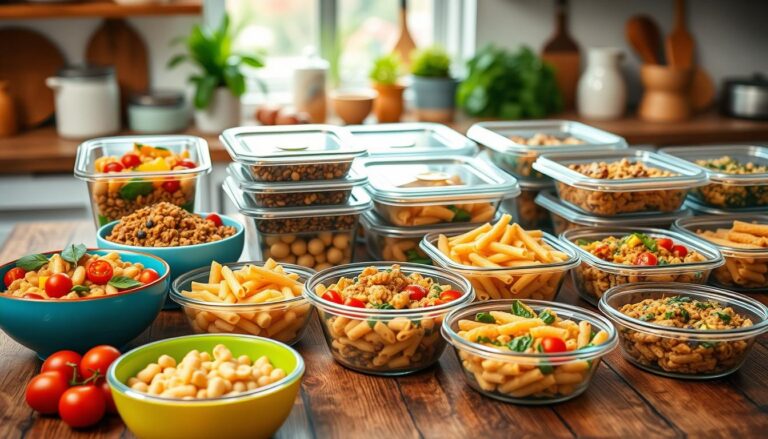
Planning meals ahead removes some daily decisions and makes balanced eating more convenient. You don’t need to cook seven complete days of meals every Sunday.
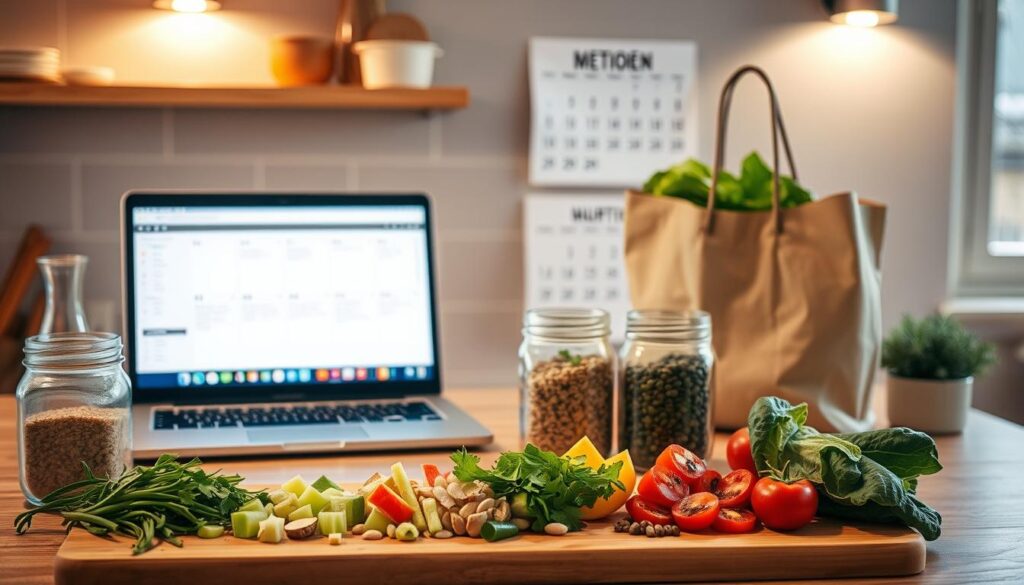
A Practical Weekly Prep Routine
- Choose your meals: Rotate two breakfasts, two lunches, and three or four dinners.
- Make a grocery list: Group vegetables, fruits, proteins, whole grains, and pantry ingredients.
- Prepare versatile ingredients: Cook rice or quinoa, roast vegetables, and prepare chicken, tofu, or lentils.
- Store portions safely: Cool cooked foods promptly, refrigerate perishables within two hours, and label containers with dates.
- Use leftovers: Turn dinner ingredients into next-day grain bowls, wraps, or salads.
Most cooked leftovers should be eaten within three to four days when refrigerated at 40°F or below, according to FoodSafety.gov’s storage guidance. Freeze portions you won’t use in time.
If you prepare different recipes, containers in several sizes can help separate grains, proteins, sauces, and complete meals. Existing reusable containers work perfectly well if they are food-safe and suitable for your storage needs.
The Rubbermaid Brilliance Glass Food Storage Set of 9 offers different container capacities with matching lids. Its glass bases can be used for reheating, making it a practical choice for home meal preparation. The main drawback is weight: glass is less convenient for carrying multiple meals and can break if dropped.
- LEAK-PROOF AND AIRTIGHT: Rubbermaid Brilliance Glass Food Storage Containers have crystal-clear lids that are 100% airtight and leak-proof, plus odor and stain resistant
- EASY STORAGE AND REHEATING: Glass containers have vented, microwave-safe lids for easy, splatter-resistant microwaving
- SPACE SAVING: Space-saving, modular Rubbermaid containers are perfect for stacking and organization
- OVEN-SAFE: Glass bases are oven-safe up to 450 degrees F, so they double as glass cookware and serveware
Keep sauces and delicate greens separate until serving when possible. For faster meals, combine prepared ingredients with fresh additions such as avocado, herbs, or lemon juice.
Movement, Sleep, Stress, and Mindful Eating
Healthy eating works alongside everyday habits. Physical activity, enough sleep, and stress management can support energy, appetite regulation, and overall health.
- Move regularly: Aim toward at least 150 minutes of moderate activity weekly and muscle-strengthening exercises on two days, adjusted to your abilities. Walking and short movement breaks count.
- Protect sleep: Most adults need approximately seven to nine hours, depending on age and individual needs. Keep a regular sleep schedule and create a comfortable sleeping environment.
- Manage stress: Breathing exercises, meditation, gentle yoga, time outdoors, or talking with someone supportive can help you cope with stress.
- Eat mindfully: Slow down, notice hunger and fullness, and enjoy your meals without unnecessary distractions.
Poor sleep and ongoing stress can influence appetite and food decisions, but they don’t determine everyone’s weight. Focus on improvements you can realistically maintain, rather than trying to control every part of your routine.
Should You Take Supplements?
A food-first diet can meet many nutritional needs, but some people benefit from supplements for specific gaps or medical reasons.
Examples include vitamin B12 for vegan diets, vitamin D when intake or levels are inadequate, and certain omega-3 products when appropriate. Supplement needs depend on diet, health history, medications, and sometimes laboratory results.
Avoid assuming that natural means safe. Herbal weight-loss products can have side effects and interact with medications. For example, concentrated green tea extract has been linked to liver injury in some people, as explained by the NIH Office of Dietary Supplements.
Choose supplements for a clear reason, review the dose and product quality, and discuss possible interactions with a clinician or registered dietitian. Supplements cannot replace adequate meals, physical activity, or sleep.
Conclusion: Build a Healthy Routine You Can Maintain
A holistic eating pattern doesn’t require a perfect meal plan. It brings together balanced foods, flexible portions, practical preparation, regular movement, and sufficient rest.
Start with one change this week: add protein to breakfast, prepare vegetables for several lunches, or replace a sugary drink with water. Then build on what works.
The goal isn’t to eat exactly like someone else. It’s to develop a nutritious, satisfying routine that works for your body and everyday life.
Frequently Asked Questions
Can you follow a holistic nutrition diet without eating organic foods?
Yes. Nutritious eating doesn’t require organic ingredients. Conventional produce, frozen vegetables, canned beans, whole grains, and other affordable staples can support a balanced diet. Choose foods that fit your budget and preferences.
Is the 80/20 approach useful for weight loss?
It may help some people maintain a flexible eating pattern, but it doesn’t automatically cause weight loss. Overall calorie intake, nutrition quality, activity, and individual health factors still matter. Treat 80/20 as a flexible idea rather than a strict numerical target.
How often should you eat during the day?
There is no single meal schedule that works for everyone. Three meals with optional snacks can be convenient, but your preferred timing may differ. Focus on adequate nutrition, hunger, comfort, and any medical requirements.
What if you feel hungry while trying to lose weight?
Review whether your meals contain enough protein, fiber, and overall food. Add vegetables, fruit, beans, whole grains, or other satisfying foods as needed. Persistent hunger, fatigue, or declining performance may indicate that your calorie target is too low.
When should you get professional nutrition support?
A registered dietitian or qualified clinician can help when you have diabetes, kidney disease, digestive problems, food allergies, pregnancy-related needs, a history of disordered eating, or unexplained weight changes. They can adapt your eating plan to your health and medications.
How quickly can healthy eating habits make a difference?
Some people notice changes in meal satisfaction, digestion, or daily energy within a few weeks. Weight and longer-term health changes vary considerably. Consistency matters more than pursuing a particular result by a fixed deadline.