


Have you ever wondered if one simple powder could boost meals from breakfast to dinner? This guide answers that question with five practical, science-aware ideas you can try this week.
These suggestions are short, flexible, and rooted in real nutrition. The leaves behind this trend are rich in vitamins A, C, and E, plus calcium and iron, yet they blend into foods without overpowering flavor.
One tablespoon of moringa powder often acts like a serving of vegetables, so a teaspoon to start is a smart, gentle way to experiment. Learn quick swaps for smoothies, soups, dressings, baked goods, and stir-fries that fit a busy schedule.
Each idea below includes clear ingredients, fast prep cues, and simple portions. You can follow a practical dosing guide and review safety notes if you take medications or are pregnant. For step‑by‑step options and a starter plan, see a short roundup on how to add moringa to everyday meals.
Key Takeaways
- Start small: begin with 1 teaspoon and adjust by taste.
- Leaves are nutrient-dense sources of vitamins A, C, E, calcium, and iron.
- Powder blends into smoothies, soups, dressings, baked goods, and stir-fries.
- Each method below gives quick prep steps and portion cues for confidence.
- Safety notes and dosing guidance are included for people on meds or who are pregnant.
Why Moringa Belongs in Your Daily Routine Right Now
This leaf powder delivers dense nutrition in tiny amounts. It fills common gaps with vitamins A, C, and E, calcium, iron, potassium and a complete protein profile.
You can close common nutrient gaps with just a teaspoon mixed into foods you already eat. The concentrated leaves contain antioxidants and minerals that support immune function and steady energy.
The nutritional edge
Moringa powder supplies all nine essential amino acids, making it a rare plant-based complete protein. One tablespoon can equal a serving of vegetables for some nutrients, and it compares favorably to kale for protein, calcium, iron, fiber, and B vitamins.
How the flavor works in meals
The taste is clean and earthy; it melts into smoothies, yogurt, soups, pesto, and dressings without overpowering them. To make flavor shine, pair with lemon, basil or a creamy base like Greek yogurt or avocado.
- Practical tip: start with 1/2–1 teaspoon so the flavor stays subtle.
- Mindset: mix it into familiar recipes so the habit sticks for busy people.
Ready for hands-on ideas? The next sections offer quick recipes and fast method cues to help you add moringa to everyday meals today.
The Health Benefits of Moringa Backed by Today’s Science
Research points to clear antioxidant and anti-inflammatory effects that help support immune resilience. As a whole food, the powder brings combined phytonutrients that act together, not as isolated compounds.
C is a little vague; instead start fresh: A little powdered leaf goes a long way toward steady nutrient intake when paired with balanced meals.

How it fights inflammation and supports immunity
Current studies highlight antioxidants and anti-inflammatory compounds that may reduce markers of inflammation. This action can help the immune system stay responsive without overreacting.
Evidence also hints at modest support for blood sugar control and improved insulin sensitivity, which matters for people monitoring glucose.
Why it can complement supplements and greens powders
Whole-leaf powders deliver nutrients in natural matrices that may aid absorption and steady intake. Compared to multivitamins or some supergreens, the whole food form avoids synthetic fillers and reduces pill fatigue.
That said, whole vegetables remain essential; this powder complements—not replaces—a varied plate of plants, proteins, and grains.
- Key takeaways: antioxidant support, anti-inflammatory activity, immune backing, and possible blood sugar benefits.
- Try adding a pinch to smoothies or dressings so nutrition links to real meals rather than pills.
- People on blood sugar or blood pressure meds should consult a clinician before adding it regularly.
For a concise research overview, see this research summary. Next, we’ll share simple, tasty recipes that make these health benefits practical at home.
Creative Way One: Moringa Smoothies That Don’t Overpower the Flavor
A single green scoop can lift vitamins and minerals while letting fruit remain the star. These smoothies keep taste bright while adding a nutrient boost that blends easily into morning or post-workout drinks.
A quick lineup makes blending simple and reliable. Start with 1 teaspoon if you’re new, then move to a tablespoon moringa powder once the flavor feels familiar.
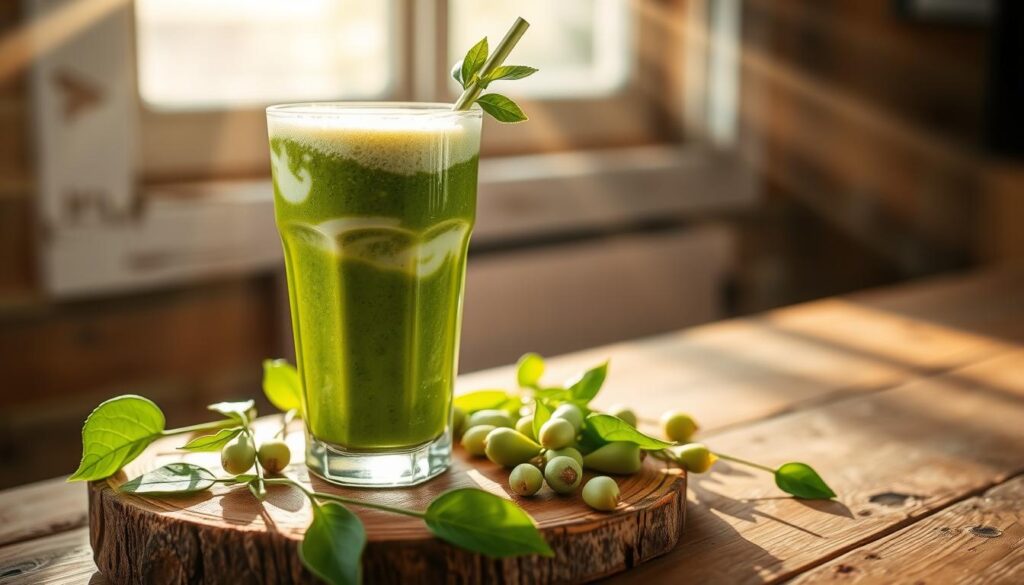
Mint Melody, Berry Bliss, Tropical Energiser
- Mint Melody: 1 tablespoon moringa powder, 1 ripe banana, 1/2 cup fresh mint, 1 cup coconut water, 1/2 cucumber, squeeze of lime; blend until smooth.
- Berry Bliss: 1 tablespoon moringa powder, 1 cup mixed berries, 1/2 cup Greek yogurt, 1/2 cup almond milk, honey to taste; blend with ice for a creamy finish.
- Tropical Energiser: 1 tablespoon moringa powder, mango, pineapple, banana, 1 cup orange juice, 1/2 cup spinach; blend for a citrus-forward pick-me-up.
Pro tips and texture boosters
Blend bold nutrition with gentle taste: use a teaspoon to a tablespoon moringa powder depending on goals and palate.
Texture boosters like chia seeds, Greek yogurt, or extra ice make smoothies thicker and more filling. Add protein powders or collagen for recovery without masking flavor.
Quick meal-prep trick: freeze bananas and berries in portioned bags so you can grab and blend fast. For a step-by-step smoothie guide, try this moringa smoothie recipe.
Creative Way Two: Warming Sips and Bowls — Moringa Tea and Soups
Steaming tea and blended soups make a subtle platform for adding concentrated leaf nutrition. Tea and soup methods preserve flavor and cut prep time, so you can enjoy warm, nutrient-forward comfort with minimal fuss.
Steep 1–2 teaspoons dried leaves in hot water for 5-7 minutes; finish with a squeeze of lemon juice or a little honey to balance the earthiness.
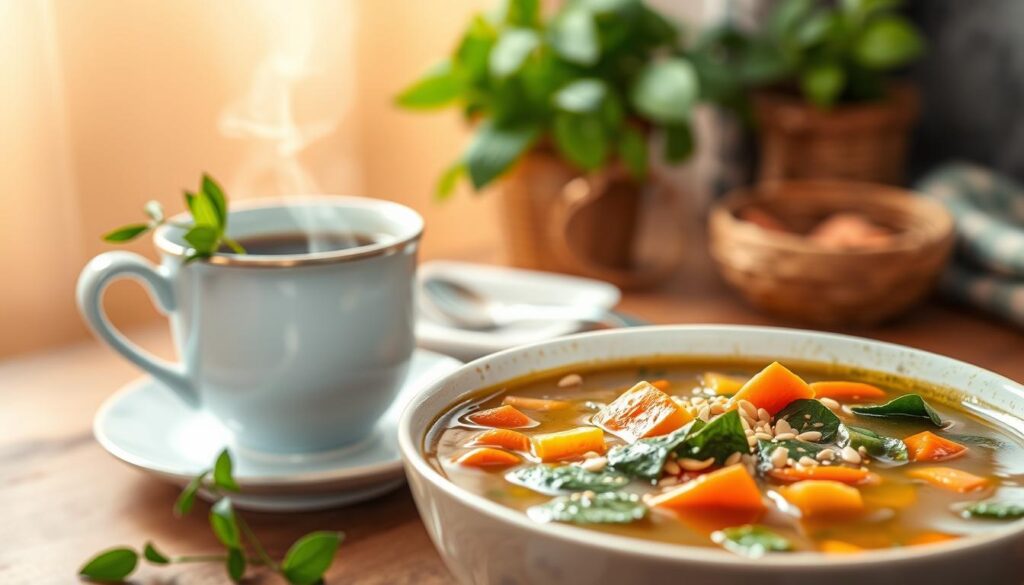
Simple tea and timing
Steeping gently keeps the cup bright. Use a teaspoon moringa for your first cup, then adjust by taste. Let it steep the minutes shown, strain, and enjoy warm.
Three soup upgrades to try
- Pumpkin Immunity: roast pumpkin and sweet potatoes; sauté leek, onion, and garlic in coconut oil; simmer with broth, turmeric, and moringa powder; season with salt and pepper.
- Lentil Nourishing: sauté onion, tomato, and carrot; add red lentils, mushrooms, spices, and moringa powder; pour in a cup of broth and simmer until tender.
- Spicy Ginger Detox: sauté ginger, black garlic, and chili flakes in olive oil; simmer sweet potatoes and pumpkin in broth; blend and stir in the powder before serving.
“Warm bowls and mugs are practical ways to make nutrition feel like comfort.”
Timing tip: add the powder near the end of cooking to retain color and delicate phytonutrients. Blend for a velvety texture or keep soups chunky; thin with extra water or broth by the cup.
These bowls store well. Refrigerate up to three days for fast, nourishing lunches. Serve with crusty bread or a green salad for a balanced plate.
Creative Way Three: Breakfast Upgrades with a Green Twist
Start mornings with small swaps that pack big nutrient value into familiar bowls and mugs. From a make-ahead chia pudding to a soothing latte, these tweaks take minutes and lift micronutrients without changing the flavor you love.
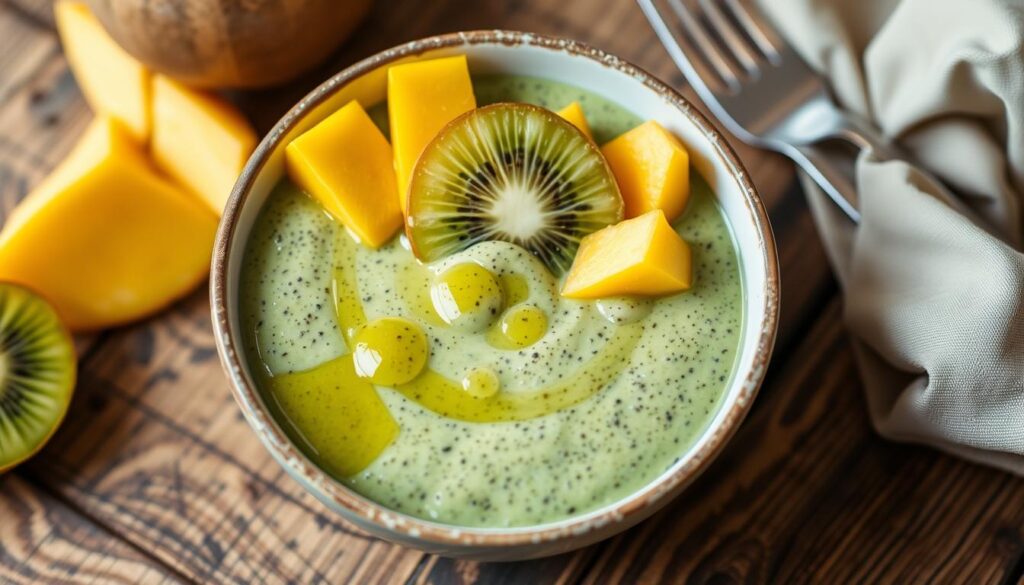
Chia pudding that travels well
Whisk 1 cup plant-based milk with chia, flax, and hemp seeds. Stir in 1 teaspoon moringa powder, a splash of vanilla, and honey to taste.
Chill at least one hour until the mixture thickens, then layer with coconut yogurt and fresh berries for texture and color.
Pancakes and breakfast bowls
For pancakes, combine self-raising flour, 1 tablespoon moringa powder, milk, and an egg. Cook on a nonstick pan and top with yogurt, berries, and a squeeze of lemon or honey.
For bowls, stir 1/2–1 teaspoon moringa into oats, granola, or muesli. Add cinnamon or vanilla to complement the green note.
Creamy morning latte
Whisk 1 teaspoon moringa powder with a little hot water and honey until smooth. Add steamed oat or almond milk and finish with cinnamon for a calming, caffeine-free mug.
- Texture control: add more milk for looser chia pudding or rest pancake batter briefly for fluffier results.
- Protein pairing: yogurt, nuts, or seeds round out macros while the powder boosts micronutrients.
- Prep hack: make chia jars the night before for grab-and-go mornings.
Creative Way Four: Savory Staples — Pesto, Guacamole, Stir-Fries, and Rice
Turn familiar pantry sauces and sides into nutrient boosters with one simple addition. These savory swaps layer bright flavor and make weeknight cooking faster and more nutritious.
Start with a small adjustment and work up to a tablespoon as your palate adapts. Below are practical builds for pesto, guacamole, stir-fries, and a quick rice upgrade.
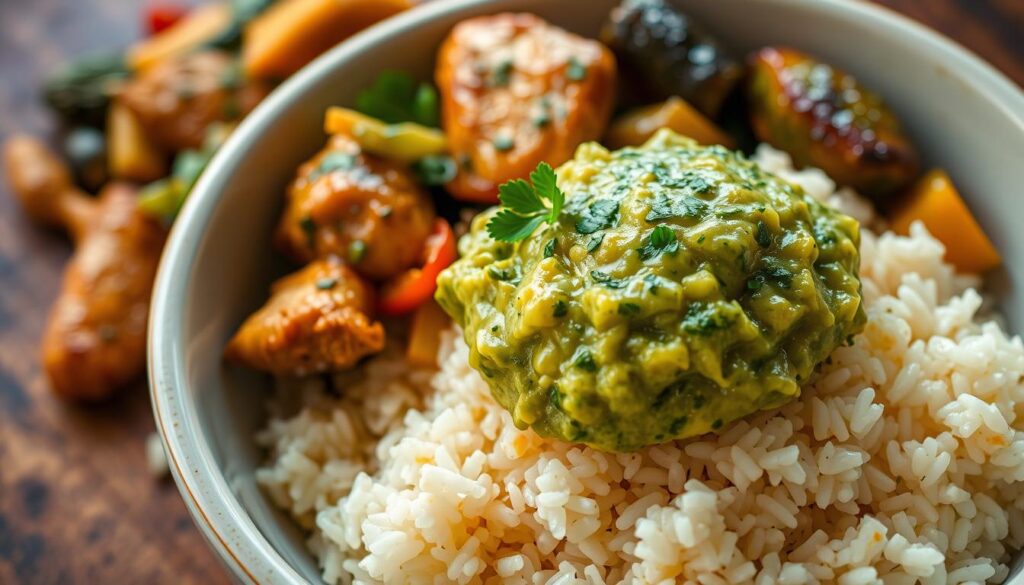
Pesto for pasta or roasted veg
Blend basil, pine nuts, Parmesan, two cloves of garlic, olive oil, and a tablespoon moringa powder. Toss with pasta or spoon over roasted vegetables; add extra lemon juice or Parmesan if the green edge feels strong.
Spinach guacamole with a green lift
Mash avocados with chopped spinach, diced tomatoes, red onion, a squeeze of lemon juice, and 1 tablespoon moringa powder. Season with salt and pepper; keep it slightly chunky and drizzle a little oil if you want silkiness.
Fast stir-fries and rice upgrades
In a hot pan, sauté mixed vegetables and your protein of choice with garlic. Finish off heat with 1 teaspoon moringa powder and soy sauce; serve over rice.
- Batch tip: freeze pesto in ice-cube trays for quick weeknight wins.
- Add heat: chili flakes or jalapeño complement the green notes nicely.
Creative Way Five: Snack and Bake for Daily Use
Transform your snack drawer with bites and bakes that deliver extra nutrition without fuss. Energy balls, muffins, mini cakes, and banana bread make the powder easy to add into grab-and-go snacks.
Snack smart with energy balls or fold a green scoop into batter for muffins and loaves. These options keep sugar reasonable while boosting micronutrients.

Energy bites that travel
Pulse dates, almonds, oats, cocoa, and 1 tablespoon moringa powder in a food processor until the mixture binds.
Roll into balls and chill until firm. They hold well in the fridge or freezer and pair neatly with a handful of nuts for extra protein.
Bakes: muffins, loaves, and mini cakes
Whisk dry flour, oats, baking powder, and a teaspoon of moringa powder. Fold in mashed banana, a splash of milk, and a little oil. Stir in chopped berries or nuts, then bake in a greased pan until a tester is clean.
For banana bread, stir 1–2 tablespoon moringa into the batter and add nuts or berries for texture. Mini cakes pair well with matcha frosting for a green-on-green finish.
- Texture tip: if the mixture is dry, add a splash of milk or oil; if too wet, add a spoon of oats.
- Flavor balance: vanilla, cinnamon, and cocoa complement the earthy note.
- Batching: slices and balls freeze well; thaw overnight for easy snacks.
“Portion a muffin with Greek yogurt or nut butter to add protein and steady energy.”
For more ideas and a short recipe roundup, try this curated link while you plan your next batch.
Quick-Start Guide: How to Add Moringa Powder Without Overthinking It
Start tiny and be consistent: small amounts added to foods you already eat build habit and nutrients. Focus on one simple swap per week so the change feels manageable and sustainable.
Keep it practical. Keep a small jar by the blender or spice rack and treat this like a pantry staple. Keep portions modest and track how you feel for a week.
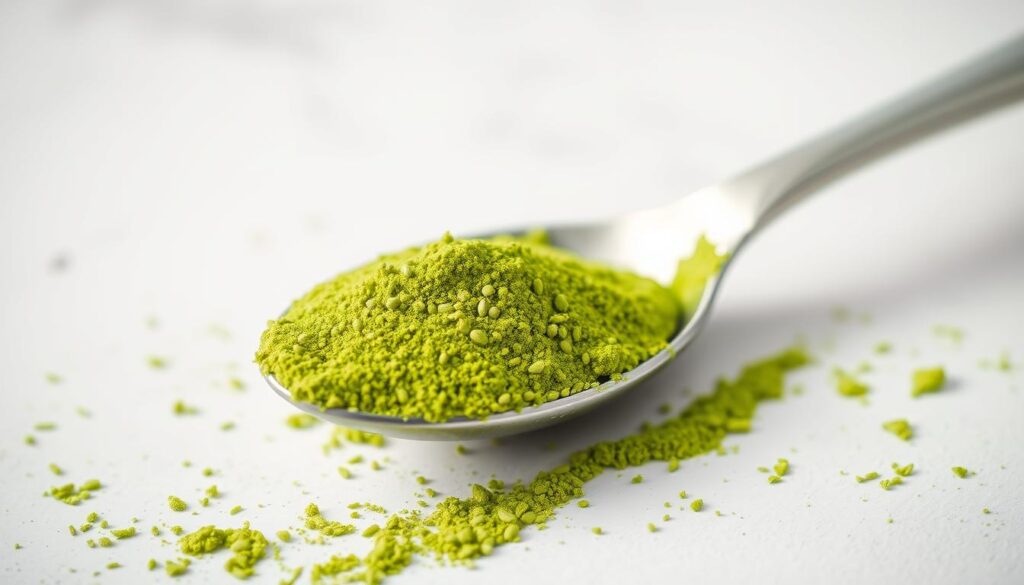
Dose smart
Begin with half a teaspoon and increase to a teaspoon or a tablespoon as taste allows. For powdered blends, try a teaspoon moringa in a smoothie first.
Measure by eye later: a pinch works for salads and popcorn, while a measured spoon helps in soups and baked goods.
Where it blends best
- Add moringa to smoothies, yogurt, dressings, sauces, and marinades—creamy or acidic bases hide the green note.
- Stir moringa powder into soups and stews near the end of cooking. Whisk it with a splash of water first to avoid clumps for lattes and tea.
- Try folding it into rice, eggs, pesto, or avocado toast to incorporate moringa without changing texture.
“Consistency matters more than perfection—sprinkle where it’s easiest and adjust by taste.”
Safety First: Sensitivities, Medications, and When to Pause
Safety first: try a small amount while observing for any digestive changes over a few minutes or hours. Most people tolerate this leaf powder well, but starting low helps avoid surprises.
Could large amounts cause digestive upset?
Yes — large servings may lead to bloating or loose stools. If you notice discomfort, cut the amount back and reintroduce more slowly. Keep hydration steady to help your digestion settle.
Do medications or pregnancy change the advice?
Discuss use with your clinician if you take blood sugar or blood pressure meds. Interactions are possible, so medical guidance is wise.
Avoid during pregnancy and breastfeeding. Safety data are limited, so pause until you have medical approval.
- Time first servings at home so you can watch how you feel for a few minutes or hours.
- Choose reputable brands with clear labeling and purity testing.
- Stop and seek care if you get unusual symptoms after starting.
- Remember: the best health benefits come when this powder complements a balanced diet and lifestyle.
“Begin small, observe, and consult a health professional when in doubt.”
Moringa Recipes Daily Use: A Handy Roundup for Every Meal
Pick one familiar dish and upgrade it with a small scoop to build a steady habit. Use this quick list to plan your day with moringa from breakfast to dinner.
Morning
Choose a smoothie like Mint Melody, Berry Bliss, or Tropical Energiser to start bright.
Try a chia pudding jar, quick green pancakes, or a warm latte. Most take under 10 minutes and use about one cup of base ingredients per batch.
Noon and night
Warm a pumpkin or lentil soup, toss pesto pasta, or stir-fry seasonal veg.
Fold the powder into rice or blend a lemony salad dressing for bright flavor at dinner.
Anytime snacks
Sip a mild tea, roll energy balls, or keep muffins and banana bread sliced in the freezer.
These snacks travel well and help you incorporate moringa powder without fuss.
| Meal | Quick pick | Portion cue |
|---|---|---|
| Morning | Smoothie / Chia pudding | 1 teaspoon per serving |
| Noon | Pesto pasta / Soup | 1 teaspoon–1 tablespoon per cup |
| Snacks | Energy balls / Muffins | 1 teaspoon per batch portion |
“Make it automatic: add moringa to one recipe you already cook each day; that single way keeps consistency high.”
Conclusion
Make one small swap this week — a teaspoon at breakfast and a teaspoon at dinner — and notice the difference. Simple steps add up: start small, stay consistent, and pick recipes you already love to keep this practical and lasting.
Why it matters: the leaf blends into smoothies, soups, breakfasts, savory staples, and baking to boost vitamins A, C, and E, calcium, iron, and a complete protein profile while fitting real life.
Be mindful of dosing and interactions if you manage blood sugar or blood pressure. Seal the powder away from heat and light, check freshness, and choose tested brands with clear sourcing for safety and quality.
Next step: pick one breakfast and one dinner to upgrade this week. Share your favorite swaps and tips so others can try the approach with confidence.
FAQ
What’s the easiest way to start adding powdered leaf to my morning routine?
Start with half a teaspoon mixed into a cup of smoothie, yogurt, or warm milk and increase slowly to a teaspoon or tablespoon as desired. Blend with banana, berries, or a splash of almond milk to mask the earthy flavor while you adjust.
How much powdered leaf should I take each day?
Begin with ½ teaspoon and work up over one to two weeks to 1 tablespoon daily if tolerated. Stay within manufacturer guidance and consult your clinician if you take blood-pressure or blood-sugar medications.
Can I add it to hot drinks like tea or lattes without losing nutrients?
Yes. Stir a teaspoon into hot water or whisk into steamed plant-based milk for a latte. Short exposure to heat preserves most nutrients; avoid boiling for long periods to minimize degradation of heat-sensitive vitamins.
Will the flavor overpower my recipes?
No — when used in small amounts it blends well. In smoothies use berries, banana, or citrus; in savory dishes pair with garlic, lemon, or Parmesan; and in baked goods combine with nuts, oats, or cocoa to balance the taste.
How can I use it in savory meals like pesto, stir-fries, or guacamole?
Add a tablespoon to pesto in place of some basil, stir a teaspoon into evening stir-fries near the end of cooking, or fold a spoonful into guacamole with lemon juice and salt for a green boost without changing texture.
Is it safe during pregnancy or breastfeeding?
Avoid using concentrated supplements during pregnancy and breastfeeding unless advised by a healthcare professional. Some compounds may affect uterine activity or hormone balance, so check with your obstetrician first.
Could it interact with medications?
Yes — it may influence blood sugar or blood pressure medications. If you take anticoagulants, diabetes, or hypertension drugs, speak with your pharmacist or physician before adding it regularly.
Can I bake with it—muffins, banana bread, or energy balls?
Absolutely. Fold a tablespoon into batter for muffins or banana bread, or mix into no-bake energy balls with dates, oats, and nuts. Heat may slightly reduce some vitamins but the overall nutrient boost remains valuable.
What are simple tea and soup uses for a daily boost?
For tea steep a teaspoon in hot water for 5–7 minutes, then add lemon or honey. For soups stir a teaspoon into blended pumpkin, lentil, or vegetable soups just before serving to retain color and flavor.
Any tips to avoid digestive discomfort?
Start low and increase gradually, take with food rather than on an empty stomach, and drink plenty of water. If you experience bloating or loose stools, reduce the dose and reassess after a few days.
What are quick ways to add it when I’m short on time?
Keep single-serving scoops by your blender or a jar near the kettle. Stir a teaspoon into yogurt, sprinkle over a salad, or blend with a pre-made smoothie—easy, portable, and low-effort.
How does it compare to multivitamins or other green powders?
It offers concentrated vitamins A, C, E, calcium, iron, and complete plant protein that can help fill dietary gaps. It complements rather than replaces targeted supplements; use it as part of a balanced diet.
Can children or seniors use it?
Many children and older adults tolerate small amounts well, mixed into familiar foods like smoothies or oatmeal. Check dosing with a pediatrician or geriatric specialist, especially for those on medications.
What pantry staples pair best with it in smoothies and bowls?
Use almond or coconut milk, banana, berries, spinach or kale, chia seeds, Greek yogurt, and a squeeze of lemon. These ingredients balance texture, flavor, and nutrient absorption.
Where should I store powdered leaf to keep it fresh?
Store in a cool, dry, dark place in an airtight container. Avoid heat, light, and humidity to preserve color and potency for longer shelf life.


Don’t Miss These Picks