

Can eating different seeds throughout your menstrual cycle help balance your hormones? That’s the idea behind seed cycling, a popular wellness practice that uses flax, pumpkin, sunflower, and sesame seeds at different times of the month.
Seed cycling can be a nutritious addition to your diet, but research has not yet proven that rotating seeds improves estrogen, progesterone, or menstrual regularity. Some studies suggest possible benefits, while others have found little change in hormone levels.
If you’re curious about trying it, the routine is relatively simple. This guide explains how seed cycling works, what the research shows, how to prepare your seeds, and what to consider if you have irregular periods, PCOS, or are approaching menopause.
Key Takeaways
- Seed cycling uses four seeds: flax and pumpkin during the follicular phase, followed by sunflower and sesame during the luteal phase.
- Scientific evidence is still limited. Individual seeds offer nutritional benefits, but the specific rotation has not been proven to balance hormones.
- Start with manageable portions. A common routine uses 1 tablespoon of each recommended seed daily.
- Cycle timing varies. Ovulation may happen earlier or later than day 14, especially with irregular cycles.
- Medical conditions need appropriate care. Seed cycling cannot replace treatment for PCOS, infertility, severe menstrual symptoms, or other hormonal disorders.
Helpful Products at a Glance
Cuisinart SG-10 Spice and Nut Grinder: An optional tool for grinding small batches of seeds. Useful if you prefer buying whole seeds rather than pre-ground flaxseed.
- Electric spice-and-nut grinder with durable stainless-steel blades
- Heavy-duty motor; push-top lid for simple on/off control

What Is Seed Cycling?
Seed cycling is a dietary routine that involves eating specific seeds during the two main phases of your menstrual cycle. Supporters believe the different nutrients may help the body maintain healthy hormone activity.
The approach follows changes in estrogen and progesterone, two hormones involved in regulating menstruation. However, there is no strong clinical evidence that particular seeds must be eaten during particular phases to produce benefits.
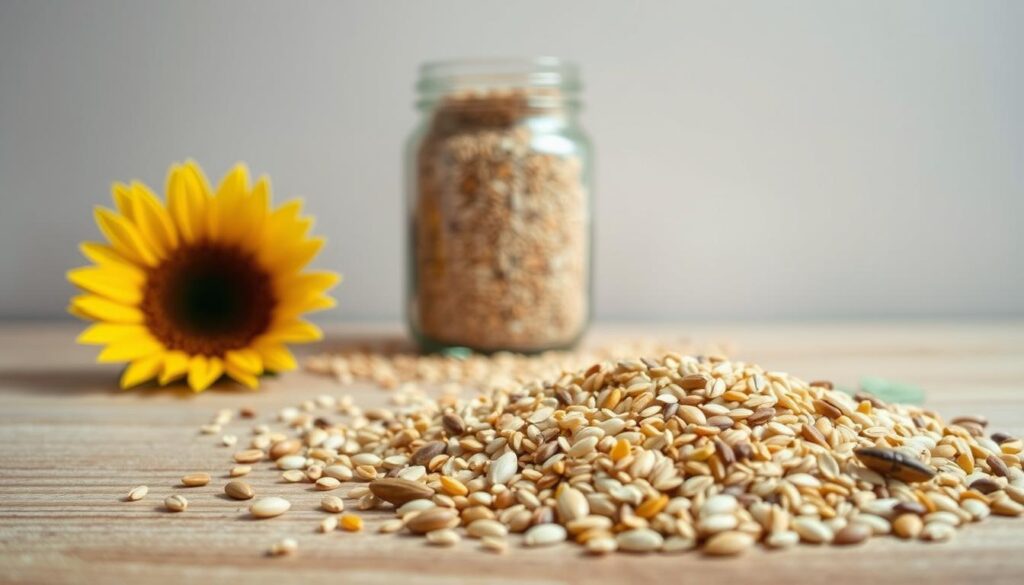
Phase 1: Follicular Phase (Flax and Pumpkin Seeds)
The follicular phase begins on the first day of your period and continues until ovulation. During this time, estrogen generally rises as an egg develops and the uterine lining thickens.
Seed cycling recommends eating ground flaxseed and pumpkin seeds during this phase.
- Flaxseed: Contains fiber, plant-based omega-3 fats, and lignans, which are plant compounds that may affect estrogen-related activity.
- Pumpkin seeds: Provide minerals such as zinc and magnesium, along with protein and healthy fats.
These nutrients support general health, but eating them during the follicular phase has not been shown to reliably increase or regulate estrogen.
Phase 2: Luteal Phase (Sunflower and Sesame Seeds)
The luteal phase starts after ovulation and ends when your next period begins. Progesterone rises during this phase to help prepare the uterus for a possible pregnancy.
Seed cycling recommends switching to sunflower and sesame seeds after ovulation.
- Sunflower seeds: Supply vitamin E, healthy fats, and other nutrients needed for normal body functions.
- Sesame seeds: Contain lignans, healthy fats, and minerals such as calcium and magnesium.
Although these nutrients have important roles in the body, researchers have not established that this seed combination increases progesterone or prevents premenstrual symptoms.
How to Do Seed Cycling Step by Step
You don’t need complicated recipes or expensive supplements to try seed cycling. The traditional schedule uses two seed combinations throughout the month.
| Cycle Phase | Seeds | Common Daily Amount |
|---|---|---|
| Follicular: period to ovulation | Flax + pumpkin | 1 tablespoon of each |
| Luteal: after ovulation until next period | Sunflower + sesame | 1 tablespoon of each |
These are common seed cycling portions, not scientifically established doses for treating hormonal conditions. You can start with smaller amounts if you’re not used to eating many seeds.
Your Simple Daily Routine
- Start on day 1 of your period. Add flax and pumpkin seeds to your daily meals.
- Continue until ovulation. For someone with a 28-day cycle, this may be around day 14, but timing varies.
- Switch after ovulation. Replace the first combination with sunflower and sesame seeds.
- Restart when your next period begins. Return to flax and pumpkin seeds for the new cycle.
You can eat the seeds together or divide them between meals. The important nutritional habit is including a variety of foods you tolerate and enjoy, not following a perfect schedule.
What If Your Cycle Isn’t 28 Days?
Not everyone ovulates on day 14. Menstrual cycles commonly vary in length, and the follicular phase can be shorter or longer from one month to another.
If you want to match the seed combinations to your actual cycle, these tracking methods may help:
- Ovulation predictor kits: Detect a rise in luteinizing hormone (LH), which usually happens before ovulation. They predict an approaching event rather than confirming it occurred.
- Basal body temperature: A small temperature rise can help identify ovulation after it happens.
- Cervical mucus: Clear, slippery mucus can indicate that ovulation is approaching.
- Period-tracking apps: Help record cycle patterns but cannot confirm ovulation on their own.
According to the American College of Obstetricians and Gynecologists, temperature tracking may help confirm ovulation but cannot predict it in advance.
If you cannot identify ovulation, you can still eat these seeds as regular foods. There is no demonstrated hormone benefit to switching combinations on an arbitrary date.
Does Seed Cycling Actually Balance Hormones?
The research is promising in some areas, but it does not establish seed cycling as a reliable hormonal treatment. Scientists have studied individual seeds more often than the complete two-phase routine.
What Research Has Found
A 2025 systematic review examined 10 studies involving 635 participants. It reported possible improvements in menstrual regularity, premenstrual syndrome (PMS) symptoms, and certain metabolic and hormonal measures.
However, the studies used different seed combinations and methods. Some also involved additional dietary or lifestyle changes. The authors emphasized the need for larger, better-controlled studies before drawing firm conclusions.
An earlier 1993 clinical trial involving 18 women found that eating flaxseed was associated with a longer luteal phase and fewer cycles without ovulation. Yet the study found no significant increase in luteal progesterone levels.
Other findings are less encouraging. A 2023 systematic review and meta-analysis of 10 randomized trials found no significant overall changes in several measured sex-hormone markers with flaxseed supplementation.
Why Might Seeds Affect Hormonal Health?
Several nutrients in seeds provide possible explanations for the interest in seed cycling. These mechanisms are worth studying, but they should not be confused with proven benefits from the rotation itself.
- Lignans and phytoestrogens: Flax and sesame contain plant compounds that can have weak estrogen-like or antiestrogenic activity. Their effects in humans depend on several factors and are not predictable enough to treat hormone disorders.
- Zinc and vitamin E: These nutrients support normal cellular and reproductive functions. But consuming additional amounts does not automatically increase progesterone when your intake is already adequate.
- Fiber and digestion: Fiber supports bowel health and may influence how certain compounds are processed in the body. That does not prove that seeds remove excess estrogen or correct hormone imbalances.
- Healthy fats: Seeds contribute unsaturated fats to the diet, while flax provides the plant-based omega-3 fat alpha-linolenic acid (ALA).
One important distinction: eating nutritious seeds and following an evidence-based hormonal treatment are not the same thing. Seeds can contribute to a healthy diet whether or not they are rotated.
Seed Cycling for PCOS, Irregular Periods, and Menopause
Hormone patterns change throughout life. While seed cycling may be easy to adapt, its potential benefits are not equally established for every condition.
Seed Cycling for PCOS
Polycystic ovary syndrome (PCOS) can involve irregular ovulation, higher androgen levels, and insulin resistance. Some small studies have explored seeds as part of dietary approaches for people with PCOS.
However, researchers cannot yet say that seed cycling alone improves ovulation, testosterone levels, or fertility.
Better-supported steps include:
- Eating balanced meals with sufficient protein and fiber.
- Getting regular physical activity suited to your abilities.
- Managing blood sugar and other metabolic risk factors with appropriate care.
- Following prescribed treatments for menstrual, metabolic, or fertility concerns.
The 2023 International Evidence-Based PCOS Guideline identifies healthy lifestyle habits as a core part of PCOS management.
Ovulation tests may also be harder to interpret with PCOS because LH patterns can differ. Ask your clinician about reliable tracking methods if you are trying to conceive.
What About Irregular Menstrual Cycles?
If your periods are unpredictable, don’t force your body into a 28-day schedule. Tracking bleeding dates and symptoms may be more useful than switching seeds on specific calendar days.
Irregular periods can have several causes, including stress, thyroid conditions, PCOS, pregnancy, and the transition toward menopause. Persistent changes deserve medical evaluation rather than relying on dietary adjustments.
Seed Cycling During Perimenopause and Menopause
During perimenopause, estrogen and progesterone levels can fluctuate, and ovulation becomes less predictable. After menopause, menstrual cycles and regular ovulation stop.
Some seed cycling plans suggest using moon phases as a replacement for menstrual phases. However, there is no scientific evidence that moon-based seed rotation regulates hormone levels.
You can still enjoy flax, pumpkin, sunflower, and sesame seeds for their nutritional value without following a phase-based schedule. Research involving individual seeds has explored certain health markers after menopause, but reliable relief of hot flashes, sleep problems, or other menopause symptoms has not been established for seed cycling.
How to Grind, Store, and Eat Your Seeds
Preparation can make seed cycling easier to maintain. It also matters for flaxseed because whole flaxseeds may pass through the digestive system without being fully broken down.
Should You Grind All Four Seeds?
Ground flaxseed is generally easier to digest than whole flaxseed. The Mayo Clinic recommends ground flax because it makes the seed’s nutrients more accessible.
Pumpkin and sunflower seeds can be eaten whole when properly shelled and chewed. Sesame seeds can also be eaten whole, although grinding or using sesame paste may make them easier to incorporate into meals.

A small spice grinder is convenient if you regularly prepare your own ground flaxseed or seed mixtures. You don’t need special equipment if you already have a suitable grinder or prefer purchasing pre-ground flaxseed.
For example, the Cuisinart SG-10 Spice and Nut Grinder has stainless-steel blades, push-top operation, and a removable bowl for small grinding tasks. It is designed for dry spices and nuts; oily seeds may need short pulses and cleaning between batches to avoid clumping.
- Electric spice-and-nut grinder with durable stainless-steel blades
- Heavy-duty motor; push-top lid for simple on/off control
- Bowl holds 90 grams; extra storage space in lid; non-slip rubber feet
- Dishwasher-safe lid and bowl; instruction manual with recipes included
A food processor or an existing clean coffee grinder may also work. Another simple option is to buy ground flaxseed and use the other seeds whole. A dedicated appliance is optional, not a requirement for seed cycling.
How to Store Seeds Properly
Seeds contain natural oils that can lose freshness over time, especially after grinding. Good storage helps protect flavor and reduce waste.
- Use airtight containers: Keep moisture and unwanted odors out.
- Refrigerate ground flaxseed: Cold storage helps preserve freshness. Freezing can work for longer storage.
- Prepare small batches: Grind enough for a few days rather than making large amounts that may sit unused.
- Check before eating: Discard seeds that smell rancid, taste unusually bitter, or show signs of spoilage.
Three Easy Ways to Add Seeds to Meals
You don’t need separate meals or elaborate recipes. Try adding the seeds to foods you already enjoy.
- Breakfast oatmeal: Stir ground flax and pumpkin seeds into oatmeal with berries or banana during the follicular phase.
- Yogurt bowl: Mix sunflower and sesame seeds into plain yogurt with fruit during the luteal phase.
- Seed smoothie: Blend your current seed combination with milk or a tolerated alternative, fruit, and yogurt for a quick breakfast or snack.
Seeds also work in salads, homemade pesto, baked foods, and spreads. Keep portions suitable for your overall dietary needs, especially if you’re adding several tablespoons to meals every day.
Safety, Side Effects, and When to Seek Medical Care
Ordinary food portions of seeds are generally well tolerated by people without relevant allergies. Still, some precautions matter, particularly if you have digestive problems or existing medical conditions.
Possible Side Effects and Precautions
- Food allergies: Sesame is one of the nine major food allergens recognized by the FDA. Avoid any seed that triggers an allergic reaction and check packaged-food labels carefully.
- Bloating and gas: A sudden increase in dietary fiber may cause digestive discomfort. Begin with smaller portions and increase gradually.
- Medication considerations: Fiber-rich foods, including flaxseed, may affect how some oral medicines are absorbed when taken together. Ask your pharmacist about timing if you take regular medication.
- Hormone-sensitive conditions: Discuss major dietary changes or concentrated seed supplements with your treating clinician if you have a hormone-sensitive cancer or are receiving specialized hormonal care.
- Pregnancy or breastfeeding: Normal food use differs from high-dose supplements or hormone-focused protocols. Discuss concerns about concentrated products with your pregnancy care team.
For more on sesame allergy precautions, see the FDA’s food allergy guidance.
When Should You Talk to a Clinician?
Don’t wait for a seed cycling routine to work if you’re experiencing:
- Periods that repeatedly disappear or become unusually irregular.
- Heavy bleeding, especially with dizziness, weakness, or fainting.
- Severe or worsening pelvic pain.
- Rapidly increasing facial hair, severe acne, or other significant hormonal changes.
- Difficulty becoming pregnant or concerns about missed ovulation.
- Bleeding after menopause.
Severe bleeding with fainting or intense pain needs urgent medical attention. Continue prescribed treatments unless your clinician advises otherwise.
How to Track Whether Seed Cycling Is Helping
If you choose to try seed cycling, tracking symptoms can help you understand your menstrual patterns. You can observe changes over two or three cycles, but that time frame is not a proven treatment period.

Record a few useful details:
- The first day and total length of each period.
- Bleeding amount, cramps, and breast tenderness.
- Mood, sleep, energy, and bloating.
- Ovulation signs, if you already track them.
- Any digestive discomfort after changing your seed intake.
Use a notebook, phone calendar, or period-tracking app. Keep the process simple enough to follow consistently.
Remember that symptoms naturally change between cycles. An improvement after starting seeds doesn’t automatically mean the seeds caused it, just as a difficult month doesn’t necessarily mean the routine failed.
Frequently Asked Questions
Can seed cycling naturally increase progesterone?
There is no strong evidence that eating sunflower and sesame seeds during the luteal phase reliably increases progesterone. Seeds provide valuable nutrients, but they cannot replace evaluation or treatment for low progesterone or ovulation problems.
How long does seed cycling take to work?
No scientifically established timeline exists. You can track your experience over two or three cycles, but improvements are not guaranteed. Persistent symptoms should be assessed rather than waiting for a dietary routine to produce results.
Can I eat all four seeds every day instead?
Yes. There is no convincing evidence that eating the seeds in separate phases provides greater hormonal benefits than including them regularly in a balanced diet. Choose portions that suit your needs and tolerance.
Can seed cycling improve fertility?
Seed cycling has not been proven to improve fertility or reliably trigger ovulation. If you’re trying to conceive and have irregular periods, PCOS, or concerns about ovulation, appropriate fertility evaluation is more useful than relying on seed rotation.
Do I need to stop birth control or hormonal medication?
No. Do not stop prescribed birth control, hormone therapy, or other medication to try seed cycling. These foods do not replace treatment or provide a reliable way to manage medication-related hormone changes.
Conclusion: Is Seed Cycling Worth Trying?
Seed cycling is an optional way to include nutrient-rich foods in your daily diet, not a proven method for balancing estrogen and progesterone. Flax, pumpkin, sunflower, and sesame seeds offer fiber, healthy fats, and important nutrients that can support general health.
If you enjoy the routine, begin with manageable amounts, prepare the seeds properly, and track your cycle without expecting guaranteed hormonal results. You can also eat all four seeds throughout the month without following a strict schedule.
The most useful approach is to combine balanced nutrition with adequate sleep, regular physical activity, and appropriate medical care for ongoing symptoms.
Bottom line: Enjoy seeds for their nutritional value. Consider the rotation a personal food routine rather than a treatment for hormonal imbalance.