


Could skipping your morning meal change the way your body uses energy and how you feel day to day?
This 21-day self-experiment tests a simple idea: focus on when you eat, not just what you eat.
The plan combines a common eating window approach, zero-calorie drinks during fast hours, and a Mediterranean-style template during eating times.
Expect a short adaptation phase—hunger and mood swings are common for the first two weeks, with many people stabilizing after 2–4 weeks as the body shifts to fat-burning through metabolic switching.
Alongside my timeline, this guide explains safety basics, who should pause and consult a clinician, and practical tips for hydration, hunger management, and tracking progress beyond the scale.
For context and recent findings on cognitive and metabolic effects, see a related study that examined fasting patterns and outcomes in a broad sample: study on fasting and cognition.
Key Takeaways
- Skipping breakfast was tested over 21 days to observe real-life adaptation and metabolic switching.
- Most people feel hungrier at first; energy and mood usually steady after 2–4 weeks.
- Zero-calorie drinks and a Mediterranean-style eating window help maintain hydration and nutrients.
- Potential benefits include weight and metabolic changes, but outcomes depend on adherence and individual health.
- Consult a clinician if you have medical conditions or plan longer fasts beyond 24 hours.
Why I Tried Skipping Breakfast for 21 Days
I tried a 16/8-style schedule for 21 days to see if skipping breakfast would simplify my routine and sharpen daily focus. The goal was practical: test sustainability and measurable changes, not chase dramatic overnight promises.
I started with messy habits: late dinners, random snacks, and irregular mornings. Those routines made energy and eating unpredictable.
My experiment plan was simple. I fasted until midday, drank water, coffee, or tea, and ate lunch and dinner inside an eight-hour window. This is a common time-restricted method many people find easy to follow.
I expected an adaptation curve of 2–4 weeks. Early hunger or irritability is normal and not a sign of failure. I accepted short-term discomfort as part of the process.
Goals were concrete: steadier energy, fewer cravings, better training sessions, and improved sleep by avoiding late-night meals.
Tracking included daily notes on hunger, mood, and performance, plus weekly checks for weight, circumference, and subjective energy. Flexibility mattered—social plans would sometimes shift the window. Consistency, not perfection, was the true test.
What Intermittent Fasting Is and Isn’t
The concept focuses on when you eat, not on strict food lists. It’s an accessible way to shape daily energy and appetite without overhauling recipes.
Timing your meals is a simple switch that changes how your day feels and how your body handles energy. Think of it as an eating pattern that defines windows of fuel, rather than a traditional diet that bans foods.
Eating pattern vs. traditional diet
Time-restricted models (like 16 hours without food and an 8-hour eating window) keep daily structure. The 5:2 plan uses two low-calorie days per week (about 500–600 kcal). Alternate-day approaches swap normal days with very low-calorie days.
Common schedules and rules
- Zero-calorie drinks—water, black coffee, and plain tea—are allowed during fast periods.
- Longer fasts beyond 24 hours raise risk and need medical oversight.
- Consistency matters: follow your chosen schedule most days a week, but allow flexible shifts for life and work.
“Pick a schedule that fits your routine; sustainability beats perfection.”

For practical meal ideas and snack guidance on low-calorie days, see this approved snacks guide.
How Intermittent Fasting Works in Your Body
A repeated stretch without calories nudges the body to shift fuel and activate repair pathways. This change is gradual and builds with consistent practice over weeks.
Metabolic switching: glucose to fat and ketones
After several hours without food, liver glycogen falls and the body ramps up fat mobilization.
Fat is converted to ketone bodies that many tissues can use for energy when glucose is low.
Cellular signals: AMPK, mTOR, FOXO, and autophagy
Calorie-free periods activate AMPK and FOXO and lower mTOR activity.
This shift moves cells from growth mode toward repair. One key outcome is autophagy — a cellular cleanup process that removes damaged pieces.
Why consistent hours and routine matter
Repeated switching improves metabolic flexibility — the ability to burn glucose or fat efficiently.
- Better balance: Enhanced flexibility can help insulin and energy stability.
- Exercise synergy: Aerobic training and time without food both boost mitochondrial function.
- Practical note: Irregular timing blunts signals; benefits appear with repeated cycles, quality meals, and resistance training to protect lean mass.
“These pathways support cellular resilience, but the size of the effect depends on diet quality, sleep, activity, and consistency.”
Intermittent Fasting Results
Clinical studies show clear, measurable changes for many people, but outcomes vary by individual and context. Most benefits come from consistent energy reduction, better meal quality, and routine timing rather than a magic trick.

Randomized trials in adults with overweight report about 4–10% weight loss over 4–24 weeks. Some markers improve too — lower fasting insulin and modest shifts in lipids and blood pressure are common.
- Range of outcomes: many people lose weight and see cardiometabolic gains, but results differ by diet quality and activity.
- Comparable to daily restriction: several studies find similar average weight loss versus continuous calorie control.
- Adherence matters: social life and schedule make long-term follow-through challenging; dropouts are frequent.
“Expect gradual change: steadier energy and fewer cravings often outlast quick, unsustainable losses.”
Improvements in glucose and insulin are usually larger in people with overweight or type 2 diabetes. Choose a schedule that fits your day, track beyond the scale, and consult a clinician when needed. For a clinical overview, see this intermittent fasting review.
My 21-Day Timeline: What Changed and When
For 21 days I recorded the practical changes that emerged from tightening my daily eating schedule. The notes show a clear pattern: an early adjustment phase, growing ease in the middle, and subtle physical cues by week three.
Week one: hunger, energy dips, and adaptation
The first week felt the hardest: late-morning hunger and a few low-energy hours.
- Expect pronounced hunger in late mornings and occasional irritability.
- Use hydration, black coffee, and unsweetened tea during the fast to blunt appetite.
- Start with a slightly longer eating window if social life conflicts with your new schedule.
Week two: steadier energy and reduced cravings
By week two the routine became easier and cravings eased.
- Midday focus improved and delaying the first meal felt less intrusive.
- Shift meal composition to more protein, fiber, and healthy fats to extend satiety.
- Track patterns—note which meals keep you full longer and adjust portions.
Week three: body composition and performance cues
Small physical changes appeared: less bloating, a better waist feel, and steadier workouts.
- Keep strength training to preserve lean mass; monitor performance, not just scale weight.
- Expect daily fluctuations; judge progress by trends across the three weeks.
- If sleep improves with earlier dinners, keep that habit to compound benefits.
| Week | Common cues | Practical actions | Goal |
|---|---|---|---|
| Week 1 | Hunger, low energy, irritability | Hydrate, allow coffee/tea, use a wider eating window | Adaptation and habit setup |
| Week 2 | Fewer cravings, better focus | Increase protein/fiber, tighten window gradually | Stability and improved adherence |
| Week 3 | Less bloating, steadier training | Prioritize strength work, record observations | Body composition cues and lasting routine |
For a clinical angle on short-term progress and a one-month review, see this one-month progress review.
Choosing an Eating Window and Schedule That Fits Your Life
Choosing the right eating window means matching biology to your calendar. Pick a pattern that works with work, training, and family time so you can stick with it.

Time-restricted eating limits daily eating to about 6–8 hours and works well for people who want consistent daily structure. The 5:2 plan cuts calories on two nonconsecutive days to roughly 500–600 kcal. Alternate-day approaches swap normal days with low-calorie days for a bigger weekly deficit.
Match biology and routine
Consider earlier windows when possible. Eating more earlier in the day often supports better insulin handling because of circadian rhythms.
Practical scheduling tips
- Start wide: begin with a 10-hour window and compress to 8 hours as you adapt.
- Fit life: schedule meals around work, family meals, and your training times.
- Training: if you lift in the morning, shift the window earlier or eat protein soon after exercise.
- Night-shift: align the window to your sleep-wake cycle to get similar benefits.
- Test it: try one pattern for 2–4 weeks and judge hunger, mood, and performance before switching.
“Sustainability beats perfection.”
For an accessible overview and practical tips, see this overview guide.
What to Eat During Your Eating Window
Choose foods that support steady energy, recovery, and muscle preservation. A Mediterranean-style approach — whole grains, lean protein, and healthy fats — fits most schedules and nutrition goals.
What you eat in the window fuels daily energy, workouts, and recovery. Build each meal around vegetables, legumes, and whole grains with fish, poultry, beans, or Greek yogurt as the protein base.
Key food and portion guidance
- Protein first: aim for about 0.8–1.0 g/kg/day for most adults and spread protein across meals to protect lean mass.
- Whole grains & fiber: oats, quinoa, and fruit help satiety and steady blood sugar.
- Healthy fats: olive oil, nuts, and seeds add fullness and flavor in sensible portions.
- Prep staples: keep Greek yogurt, canned tuna, cooked grains, and frozen veg ready for quick meals.
Hydration and fasting-era drinks
During the fast, stick to water, black coffee, and plain tea. Avoid creamers and sweetened drinks that add hidden calories.
| Focus | Sample food | Why it helps |
|---|---|---|
| Protein | Fish, chicken, legumes, Greek yogurt | Preserves muscle and supports recovery |
| Fiber & carbs | Oats, quinoa, fruit, legumes | Steady energy and satiety |
| Fats | Olive oil, nuts, avocado | Fullness and nutrient absorption |
Plan meals ahead to avoid overeating at the first meal and to keep your diet balanced. For a practical schedule and tips, see this 16/8 overview.
Weight Loss, Fat Loss, and Body Composition
This section summarizes typical changes in pounds and composition and gives practical steps to protect muscle and bone. Expect gradual shifts: composition gains take weeks, not days.
Many controlled trials measure how time-based eating alters pounds, body fat, and muscle over weeks to months.

Typical ranges from clinical trials
Adults with overweight often see roughly 4–10% weight loss over 4–24 weeks when following structured schedules. Alternate-day approaches tend to show larger weekly loss — about 0.75 kg/week — compared with about 0.25 kg/week for some reduced-day protocols because of bigger energy deficits.
How to protect muscle and bone
Most weight loss includes fat, but lean tissue can fall too without care. Preserve muscle with a protein-forward diet, spread evenly across meals, and progressive resistance training 2–3 times weekly.
Support bone health with adequate protein, calcium, vitamin D, and weight-bearing work. Avoid extreme deficits; chronic low intake raises the risk of lean mass and bone declines.
- Track waist and hip circumferences consistently (same time and conditions).
- Time balanced meals after training to aid recovery and muscle protein synthesis.
- Look for trends over weeks; composition shifts lag behind scale changes.
“Patience and consistent nutrition plus strength work protect body composition during planned weight loss.”
Blood Sugar, Insulin, and Energy Levels
Blood sugar control is one of the clearest physiological shifts people notice when they change meal timing. These changes matter for daily energy and clinical care, so monitoring and simple adjustments help keep you safe and effective.
Improvements seen in people with overweight or type 2 diabetes
Many adults with overweight or type 2 diabetes see lower fasting glucose and reduced fasting insulin after timed eating. Clinical programs that include supervision report some patients safely lowering or stopping insulin therapy.
Metabolic switching and lower inflammation often help insulin sensitivity as weight falls.
Different responses in healthy-weight individuals
Healthy, insulin-sensitive adults may show little change. Some protocols even cause transient impaired glucose tolerance in certain groups.
Individual factors — sex, body composition, and baseline insulin status — shape these effects. Monitor trends rather than one-off numbers.
- Check glucose trends with a meter if you have risk or take drugs that lower sugar.
- Coordinate meds with your clinician to avoid hypoglycemia.
- Prefer earlier windows to use morning insulin sensitivity and steady afternoon energy.
- Eat balanced meals with protein, fiber, and healthy fats to blunt post-meal spikes.
| Group | Typical change | Key precaution | Clinical note |
|---|---|---|---|
| Overweight / T2D | Lower fasting glucose & insulin | Adjust meds with clinician | Some reduce insulin under supervision |
| Healthy-weight | Minimal or mixed glucose change | Watch for transient intolerance | Track energy and labs before switching |
| At-risk on meds | Variable | High hypoglycemia risk | Use meter and clinician oversight |
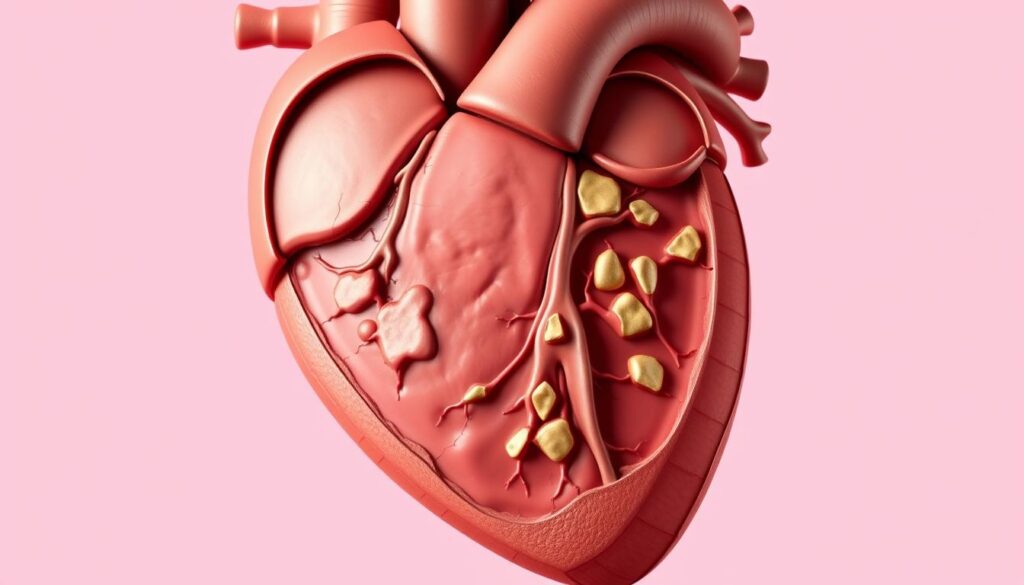
Heart Health Markers: Blood Pressure, Cholesterol, and Triglycerides
Shifting daily meal times can nudge cholesterol and blood pressure in a healthier direction. Evidence shows modest drops in LDL and triglyceride levels, and some trials report lower systolic blood pressure with time-based eating.
What studies show about LDL, HDL, and triglycerides
Trials often report reductions in LDL cholesterol and triglycerides, and sometimes lower total cholesterol. HDL findings vary: some studies show small increases, others see no change.
These shifts usually appear over weeks to months and track with weight loss and diet quality.
Why earlier eating may support cardiometabolic health
Earlier eating windows may align better with circadian insulin sensitivity and reduce metabolic stress in the evening. That alignment can help lower blood sugar swings and favor healthier lipid and blood pressure levels.
Mechanisms include weight reduction, improved insulin sensitivity, lower inflammation, and higher adiponectin — all of which help the heart.
- Diet quality matters: Mediterranean-style meals support better cholesterol and triglyceride profiles.
- Sleep & stress: Consistent sleep and low stress enhance blood pressure control.
- Exercise: Combine aerobic and resistance training to amplify improvements.
- Avoid: limit alcohol and ultra-processed foods that raise triglycerides and harm blood pressure.
| Marker | Typical change | Timeframe | Action |
|---|---|---|---|
| LDL cholesterol | Often ↓ modestly | Weeks–months | Improve diet quality; monitor levels |
| Triglycerides | Often ↓ with weight loss and less evening eating | Weeks–months | Limit alcohol, refined carbs; add aerobic exercise |
| Systolic blood pressure | Some trials show ↓ values | Weeks–months | Manage sleep, stress, and maintain activity |
“Track lipids and blood pressure regularly and work with your clinician to tailor timing, meds, and diet for safe, steady improvements.”
Potential Risks, Side Effects, and Who Should Avoid Fasting
Short-term side effects are common and usually ease after the first one to two weeks. Longer-term risks depend on diet quality, activity, and medical history, so tailor the plan and talk to your clinician when unsure.
Short-term negatives can show up within 24–72 hours of changing meal timing.
Short-term effects: irritability, dehydration, fatigue
Headaches, low mood, and low energy are typical early complaints. Dehydration can make these worse.
Use water, black coffee, or tea and consider electrolyte mixes (no calories) during longer hours to reduce symptoms.
Long-term concerns: bone density, lean mass, menstrual cycle
Extended or extreme schedules can risk lean mass loss and may affect bone health if protein and resistance work are inadequate.
Women may notice cycle changes; adjust hours or stop if irregular bleeding or persistent symptoms occur.
Who should avoid or seek medical oversight?
- Pregnant or breastfeeding people and those under 18 should not try extended hours without care.
- People with type 1 diabetes, a history of eating disorders, or complex disease on medication must talk to a doctor.
- Anyone taking meds that require food should coordinate timing with their clinician.
| Risk | Typical sign | Simple fix | When to seek care |
|---|---|---|---|
| Dehydration | Dark urine, dizziness | Structured fluids + electrolytes | Persistent lightheadedness |
| Lean mass loss | Drop in strength, fatigue | Protein + resistance training | Rapid strength decline |
| Menstrual disruption | Irregular or missed periods | Shorten window or pause | Two or more irregular cycles |
| Medication risk | Hypoglycemia or adverse effects | Coordinate timing with clinician | Any low blood sugar events |
“Start conservatively, monitor mood, sleep, and performance, and talk doctor when in doubt.”
Women and Intermittent Fasting: Special Considerations
Women may respond differently to a time-based eating plan because hormones, cycle phase, and energy needs all interact with when and how much you eat. Pay attention to signals from your body and prioritize steady nutrition over strict hours.
How hormones and the menstrual period affect appetite and recovery
Hormonal shifts across the cycle change appetite, energy, and sleep. Some days you may feel hungrier or more fatigued. That is normal and should guide adjustments to your plan.
Track your period and symptoms. If cycles shorten, lengthen, or become irregular after changing eating time, loosen the schedule and reassess calories and protein.
Practical adjustments to make the plan sustainable
Flexible windows — for example a 12–14 hour fasting window — reduce stress on hormones and energy. Periodic higher-calorie “refeed” days can restore energy and support training.
- Prioritize protein and minerals: dairy, legumes, nuts, leafy greens, and canned salmon for bone and muscle support.
- Time protein around workouts: a post-session meal or snack helps recovery and preserves lean mass.
- Do strength training: resistance work 2–3 times weekly protects muscle and bone.
- Prefer earlier eating when possible: morning-to-afternoon windows often match insulin sensitivity and steady energy.
| Concern | Sign | Adjustment |
|---|---|---|
| Cycle changes | Irregular or missed period | Shorten window, add carbs/protein, consult clinician |
| Low energy | Fatigue, poor workouts | Increase daily calories, add refeed, shift eating earlier |
| Bone/lean mass risk | Loss of strength, low recovery | Boost protein, minerals, and resistance training |

When in doubt, talk with a clinician or registered dietitian. Women’s health is individual—sustainability and overall well-being must come before strict adherence to any window.
Sustainability and Lifestyle: Making IF Work in the Real World
Real habits beat perfect rules—adapt your approach so it fits work, family, and travel. Create a routine that supports sleep, training, and social life to capture real health gains over months.
Real life will challenge any eating schedule. Family dinners, flights, and late meetings often collide with rigid windows.
Plan pragmatic flexibility: set a standard window most days and allow occasional “flex days” when events shift your hours.
Social schedules and adherence
Talk to family about choosing earlier meals or sharing Mediterranean-style dishes. Bring zero-calorie drinks to social hours to avoid snacking pressure.
Keep meal prep simple: batch-cook staples so you don’t skip nutritious choices on busy days.
Sleep, stress, and exercise as multipliers
Good sleep lowers appetite and supports weight and mood. Manage stress with short breathing breaks to curb emotional eating.
Combine resistance and cardio training to protect lean mass and speed metabolic gains. Place bigger workouts near your eating window for better recovery.
- Normalize imperfection: following the plan most days beats all-or-nothing thinking.
- Weekly check-ins: note how windows affect energy and social life, then tweak timing.
- Hydration: sip water and plain tea during longer hours to reduce hunger cues.
| Challenge | Common sign | Simple action |
|---|---|---|
| Family meals | Missed dinners or stress | Shift window earlier or pick shared dishes |
| Travel & events | Broken routine | Use a flex day; resume standard hours next day |
| Poor sleep / stress | Night cravings, low energy | Prioritize sleep, add stress relief, avoid late-night eating |
“Adherence grows from small, repeatable wins. Aim for a plan that matches your life, not the other way around.”
How to Start Safely Today
Begin with clear safety steps and a practical build-up plan so the change is sustainable and low-risk. Small, structured moves beat dramatic shifts — especially when medications, cycles, or training are involved.

Talk doctor first if you have chronic conditions, take meds that require food, or have a history of disordered eating. Your clinician or a registered dietitian will help adjust meds and set safe goals.
Doctor and dietitian check-ins
Start with a medical check-in when needed. Ask your provider how a new schedule could affect medications, glucose, or hormones.
Follow up with a dietitian to build a balanced meal plan that fits your lifestyle and supports training and recovery.
Gradual build-up of fasting hours
Begin with a conservative window like 12/12. Extend your hours slowly over 2–4 weeks to reduce headaches, dizziness, and mood dips.
- Set a consistent schedule that matches work and family life.
- Hydrate: water, black coffee, and plain tea during the fast hour blocks.
- Adjust earlier if mornings feel better with an earlier window.
Resistance training and recovery
Schedule resistance work 2–3 times per week to preserve lean mass and support metabolism.
Prioritize sleep and rest days. Good recovery amplifies the benefits intermittent fasting can offer and lowers side-effect risk.
“Start conservatively, track a few metrics, and recheck with your provider after 3–4 weeks.”
Quick starter checklist
- Talk doctor if you have medical concerns.
- Begin with a 12-hour window and add hours gradually.
- Keep protein at every meal and follow a Mediterranean-style plan.
- Track waist, morning energy, and training performance after one week and again at three weeks.
What I Tracked to Measure Progress
I tracked a small, repeatable set of metrics so I could spot real trends rather than daily noise. Objective measures paired with short subjective notes helped me judge if the plan made a meaningful difference.
I followed a simple monitoring plan to separate daily swings from sustained change. Below are the categories I recorded and why they mattered.
Weight, body composition, and circumferences
Use weekly weigh-ins and tape measures for waist and hip to capture trends. Consider a body composition tool if available to see fat vs. lean mass.
Blood pressure, glucose, and lipids
Record morning blood pressure periodically and track fasting glucose with labs or a meter. Periodic lipid panels show how blood lipids shift over weeks to months.
Energy, mood, and performance notes
Log energy, mood, and hunger on a 1–10 scale each day. Note training numbers—strength lifts, endurance sessions, and recovery markers—to judge functional change.
- Practical tips: weekly measures beat daily noise; align metrics with goals.
- If fasting affects meds, share readings with your clinician.
- When waist shrinks and energy improves, the plan is working even if weight plateaus.
“Track simple, repeatable metrics and tweak timing or food before making big changes.”
Conclusion
The 21-day experiment showed a predictable arc: early hunger and low energy gave way to steadier days and clearer routines. Small, consistent habits around when you eat — paired with good food, strength work, sleep, and stress care — deliver the most lasting benefits.
Takeaway: view this approach as a timing tool, not a magic fix.
Pick a window that fits your life, favor earlier hours when possible, and use Mediterranean-style meals to support recovery and overall health.
Track a few metrics — waist, energy, and training — and start conservatively. Some people should consult a clinician before trying extended hours.
Begin slowly, iterate weekly, and prioritize well‑being over extremes; consistent, balanced habits applied over time produce the best results.
FAQ
What changes can I expect if I skip breakfast for 21 days?
You may notice initial hunger and energy dips in the first week, followed by steadier energy and reduced cravings by week two. By week three some people report modest weight and fat loss, improved glucose regulation, and clearer meal timing habits. Results vary with diet quality, activity, sleep, and baseline health — track weight, mood, and blood markers to see what changes for you.
Is skipping breakfast the same as following an eating pattern like time-restricted eating?
No. Skipping breakfast is one way to create a daily eating window, but the broader approach is a pattern that controls when you eat rather than what you eat. Time-restricted eating (for example, 16/8) sets consistent hours for meals. Effectiveness depends on overall calories, nutrition quality (whole grains, lean protein, healthy fats), and consistency.
How does changing meal timing affect metabolism and energy?
Extending the overnight fast can prompt metabolic switching from glucose to stored fat and ketones during longer fasted periods. It also engages cellular pathways like AMPK and autophagy that support cellular repair. Those shifts help energy stability for many people, but consistency and adequate protein matter to preserve lean mass.
Will skipping breakfast help me lose weight or fat?
It can, mainly by reducing eating window and overall calorie intake for some people. Clinical trials show modest weight and fat loss ranges when meal timing is paired with healthy food choices and activity. To protect muscle, focus on protein targets and resistance training while monitoring bone and metabolic health.
How does this approach affect blood sugar and insulin?
Many people with overweight or type 2 diabetes see improvements in fasting glucose and insulin sensitivity with controlled meal timing, but responses vary. Healthy-weight individuals may experience smaller changes. Always consult a clinician if you have diabetes or take glucose-lowering medications.
Are there heart-health benefits from skipping breakfast or using a restricted eating window?
Some studies report improvements in triglycerides, HDL, and blood pressure, and mixed effects on LDL cholesterol. Earlier eating windows that align with circadian rhythms may support cardiometabolic markers, but diet quality and activity remain critical drivers.
What common side effects should I expect and how long do they last?
Short-term effects include irritability, headaches, dehydration, and fatigue as your body adapts. These usually subside within days to two weeks. Long-term concerns can include impacts on bone density, menstrual cycle changes, and loss of lean mass if nutrition is inadequate — monitor and adjust as needed.
Are women at higher risk of adverse effects from skipping breakfast or extending fasting hours?
Some women report menstrual irregularities, hormonal shifts, or increased stress responses when fasting aggressively. Many adapt with milder windows (e.g., 12–14 hours) or adjusted timing. If you experience cycle changes, fatigue, or fertility concerns, consult an endocrinologist or registered dietitian.
Who should avoid skipping breakfast or longer fasts without medical oversight?
People with type 1 diabetes, pregnant or breastfeeding women, those with a history of eating disorders, children and adolescents, and people on certain medications (including some for diabetes or blood pressure) should not fast without professional guidance. Always check with your primary care provider.
How do I choose a schedule that fits my life — 16/8, 5:2, or alternate-day approaches?
Pick a plan that matches your social calendar, work, and exercise routine. Time-restricted eating (daily windows like 14/10 or 16/8) is easiest to sustain for many. 5:2 and alternate-day fasting are more intense and may suit short-term goals. Align eating windows with daylight and sleep for better circadian support.
What should I eat during my eating window to support health and performance?
Aim for a Mediterranean-style template: whole grains, lean protein, vegetables, fruits, legumes, and healthy fats. Prioritize adequate protein at each meal to preserve muscle, hydrate well, and include fiber-rich whole foods to stabilize blood sugar and satiety.
How should I start safely if I want to try skipping breakfast now?
Start gradually by adding an hour or two to your fasting window every few days. Check in with a doctor or registered dietitian, especially if you have chronic conditions. Include resistance training, prioritize sleep and recovery, and monitor energy, mood, blood pressure, and glucose.
What measurements are most useful to track progress during a 21-day experiment?
Track body weight, body composition or circumferences, blood pressure, fasting glucose and lipids if available, and subjective measures like energy, mood, hunger, and exercise performance. These give a rounded view beyond the scale.
Can skipping breakfast affect sleep or exercise performance?
It can. Some people sleep better when they finish eating earlier; others find late fasting interferes with workouts if glycogen is low. Match meal timing to training sessions — prioritize a balanced meal or protein around resistance training to support performance and recovery.
How long should I try this approach before deciding if it works for me?
Give a consistent trial of at least 3–8 weeks to assess adaptation in energy, weight, sleep, and blood markers. Short-term changes may appear within a week, but meaningful body-composition shifts and metabolic adjustments often need several weeks with steady nutrition and exercise.
Are there evidence-backed benefits beyond weight loss?
Yes. Time-limited eating can support metabolic flexibility, improved insulin sensitivity in some people, cellular repair mechanisms, and simpler meal planning. Benefits depend on diet quality, activity, and individual health status.
How do I avoid common pitfalls like overeating during the eating window?
Focus on nutrient-dense meals, set protein targets, eat slowly, and plan balanced snacks. Stay hydrated and include fiber to promote fullness. If you find yourself bingeing, consult a clinician or therapist — restrictive schedules can trigger disordered eating in vulnerable people.




Don’t Miss These Picks