


Can a few small, science-grounded changes replace your midday coffee and keep you alert all day? This guide shows how simple lifestyle shifts raise baseline energy by improving sleep, light exposure, nutrition timing, movement, and stress control.
These are low-cost, beginner-friendly steps you can apply at home without gadgets. Think morning sunlight, better sleep routines, short cold finishes, breathwork, and basic tracking — each meant to build steady gains, not quick spikes.
We focus on practical, evidence-aware approaches and note safety limits. For a balanced overview of what biohacking can include and when to be cautious, see this summary from Medical News Today. You’ll get clear actions, timing, and why each move produces measurable results toward your health and daily goals.
Key Takeaways
- Small changes add up: focus on sleep, light, timing, movement, and stress regulation.
- All tips are low-cost and easy to start at home without special gear.
- Practical steps include morning sun, protein timing, short cold exposure, and breathwork.
- Track simple metrics to see real, steady results over days and weeks.
- Prioritize safety and consult a pro if fatigue or brain fog persists.
What Biohacking Really Means for Natural Energy Today
Biohacking is a simple, practical way to test small lifestyle tweaks that help your body and brain function better day to day. It’s low-cost, DIY, and focused on steady gains rather than quick fixes.
Think of it as running short experiments on your routine. Try sleep timing, early sunlight, modest fasting, or short movement breaks. Track what helps you feel clearer and more energetic.
Biohacking spans many approaches, from basic sleep hygiene to wearable tracking and, at the far end, advanced protocols. Medical sources note it isn’t a formal scientific term, so compare evidence before trying higher-risk options.

Keep the focus on low-cost, well-supported steps that ask little of your schedule but give big returns for health and daily energy. You become the experiment: record how small changes affect mood, focus, and recovery.
People at different stages of life can adapt these ideas. Start simple, avoid risky shortcuts in the name of science, and use short feedback loops to personalize what works.
How We Chose the Best Biohacking Habits
We selected routines that pair real-world feasibility with clear scientific rationale. Each pick emphasizes low cost, measurable benefit, and easy integration into daily life.

Our filter favored fundamentals supported by clinical guidance and consumer-friendly summaries. Time-restricted eating, morning light, sleep hygiene, hydration, movement, brief cold exposure, and mindfulness stood out for clear mechanisms and low risk.
Science-first, low-cost criteria
We prioritized approaches with plausible biological pathways and peer-reviewed support. Cost mattered: no recurring devices or complex gear unless outcomes clearly justified them.
Benefits-focused selection
Selections target mental clarity, circadian alignment, recovery, and steady metabolic results. We favored practices that interact across the body—sleep improves nutrition choices; light stabilizes appetite and alertness.
- Safety first: low-risk steps with clear cautions.
- Trackability: each habit offers simple markers you can monitor.
- Accessibility: methods require minimal instruction and fit diverse routines.
For more about our approach and team background, see our about page.
Upgrade Your Sleep: The Foundation of Sustainable Energy
A few simple bedroom and schedule tweaks can reset your circadian rhythm and improve how you feel all day. Make sleep the core of your routine and build small, consistent rituals that cue rest for the body and brain.

Sleep hygiene essentials
Anchor a consistent schedule. Go to bed and wake at the same times, even on weekends. This supports sleep efficiency and next-day energy for busy people.
Optimize your environment. Keep the room cool, dark, and quiet to ease strain on the brain and heart while deepening rest.
Evening wind-down
Reduce evening light and screens. Stop bright displays an hour before bed; swap them for a book or calm music.
Build a ritual. Chamomile or magnesium tea and simple breathwork lower stress and prepare the body for restorative sleep.
Why quality sleep matters
Better sleep sharpens focus, strengthens immunity, and uplifts mood. Small changes compound into lasting life and health benefits.
| Simple Upgrade | What to Do | Expected Benefit |
|---|---|---|
| Consistent timing | Sleep/wake same time daily | Improved sleep regularity and daytime energy |
| Bedroom setup | Cool, dark, quiet | Deeper sleep and lower overnight heart strain |
| Evening routine | No screens; tea and breathwork | Faster sleep onset and reduced stress |
Tip: Change one thing per week and track results. For a light-therapy complement to sleep strategies, read this short experiment with red light and sleep trial.
Morning Sunlight and Light Therapy for a Stronger Circadian Rhythm
Morning light is a simple, high-impact cue that helps reset your body’s day–night timing. Regular early exposure boosts serotonin and anchors daytime alertness without caffeine.

Aiming for bright light in the first hour after waking gives your brain a clear timing signal. Start with 10–20 minutes of outdoor sun; extend to 15–30 minutes if your schedule and weather allow.
Step outside without sunglasses when safe to strengthen retinal signaling. Face the sun generally rather than staring directly at it. Combine the time with a short walk or coffee to make the habit easy for busy people.
- Quick guide: 10–30 minutes within an hour of waking aligns circadian rhythm and raises serotonin levels.
- Use angles: Face toward the sun for stronger light levels on the eyes and faster rhythm stabilization.
- Season support: In darker months, consider a quality light therapy lamp—these devices are practical gadgets for mood and wakefulness.
- Travel tip: Morning light at your destination reduces jet lag by re-anchoring your rhythm.
“Daily, modest exposure beats occasional long sessions—consistency is what stabilizes sleep and daytime energy.”
Safety note: Never stare directly at the sun. Keep light therapy lamps out of the late afternoon to avoid delaying sleep timing.
Intermittent Fasting and Simple Nutrition Tweaks for Steady Energy
Small changes to when and what you eat can reduce swings in energy and sharpen daytime focus. Try pairing a predictable eating window with whole, protein-rich meals to lower inflammation and steady blood sugar.

Time-restricted eating like a 16/8 intermittent fasting approach creates clear fasting windows. These windows rest digestion, may lower fasting insulin, and help many people feel steadier through the day.
Time-restricted basics
Start with a 16/8 split: eat during eight hours, fast for sixteen. This pattern gives the body a predictable rest period for digestion and supports improved insulin levels.
Anti-inflammatory food focus
Keep your diet simple and whole. Prioritize lean protein, omega-3 rich foods, and leafy greens to reduce inflammation and support stable blood sugar.
Hydration and simple habits
Carry water, flavor with citrus or mint, and add unsweetened herbal tea for variety. Include protein at your first meal to curb snacks and improve satiety.
“Consistent, small nutrition changes often outpace one-off extremes when it comes to lasting energy and focus.”
| Strategy | How to Do It | Expected Benefit |
|---|---|---|
| 16/8 intermittent fasting | Eat within an 8‑hour window; fast 16 hours | Lower fasting insulin; steadier daytime energy |
| Anti-inflammatory foods | Lean protein, omega-3s, greens | Reduced inflammation and steadier blood sugar |
| Hydration | Water, citrus, herbal teas | Improved alertness and fewer cravings |
- Personalize the window to fit work and family life.
- Monitor sleep and training—shorten fasts if needed.
- Consult a clinician if you have medical concerns about fasting.
Natural Movement and Cold Exposure to Boost Performance and Recovery
Simple daily activity and a controlled cold routine support circulation, mood, and resilience. Both are low-cost, easy-to-repeat strategies that improve training results and help your body recover faster.

Daily movement made simple
No gym? No problem. Walks, stairs, calisthenics, and short play sessions keep people consistent and build performance over time.
Make movement automatic by weaving 5–10 minute micro-sets into your day. These mini sessions can rival one long workout for many goals.
Cold therapy fundamentals
Try a 30–60 second cold finish after a warm shower or a brief immersion below 59°F (15°C) when safe. Short cold bursts may boost circulation, mood, and recovery.
Progress slowly. Abrupt cold can stress the heart and raise blood pressure, so those with cardiovascular issues should consult a clinician first.
- Pair cold with steady nasal breath to lower the stress response.
- Stack habits: brisk walk, then a short cold burst — small biohacks that compound.
- Stay safe: avoid solo open-water immersion and warm up after exposure.
“Short, consistent movement and cautious cold exposure give outsized payoffs when done safely.”
Mindfulness and Stress Regulation to Reduce Inflammation
Short, consistent mindfulness exercises reduce bodily stress and sharpen decision-making. Daily mini-practices calm the nervous system and support steady mental clarity.
Mindfulness and meditation lower stress and improve concentration for the brain and body. Chronic stress affects digestion, heart health, and cellular renewal, so simple mental work matters for physical recovery.
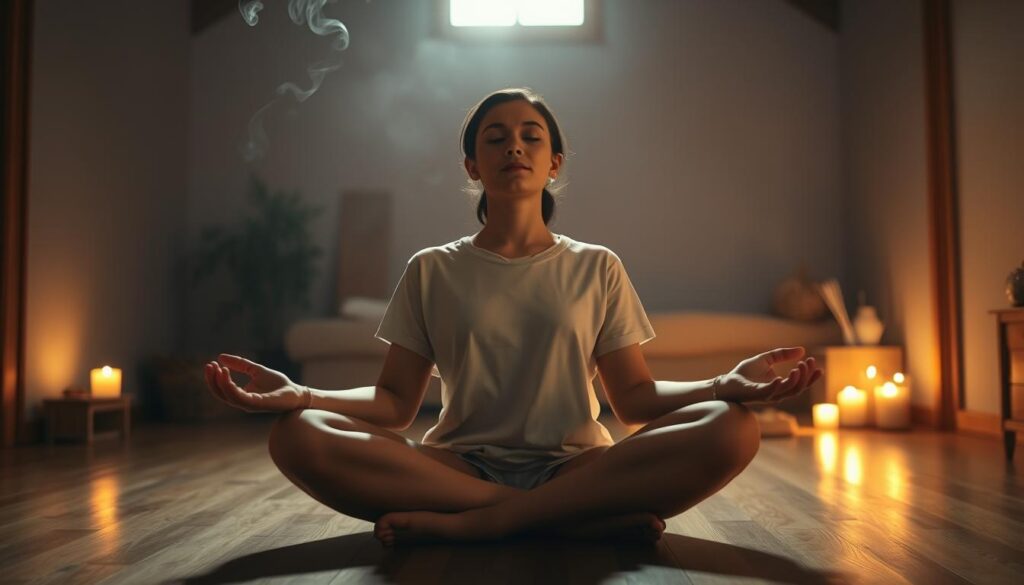
How to start with brief meditation, breathwork, and journaling
Start tiny: 3–5 minutes of meditation daily trains your system toward calm and better focus. Try box breathing, guided audio, or a mindful walk to make it simple.
- Short sessions: 3–5 minutes daily lowers stress and sharpens mental clarity.
- Journaling: Quick notes help people spot patterns and reduce rumination.
- Evening stack: A short meditation before bed smooths the transition to sleep.
Build nervous-system resilience with consistent, small practices
Make brief check-ins a daily way to reinforce resilience in everyday life. Save a favorite breathwork video, set a reminder, and keep a notebook visible so the routine sticks.
“Small, regular practices compound—calmer baseline stress improves food choices, social interactions, and training tolerance.”
| Action | Time | Benefit |
|---|---|---|
| Guided meditation | 3–10 min | Reduced stress; improved focus |
| Box breathing | 1–5 min | Immediate nervous-system calm |
| Journaling | 2–5 min | Clearer decisions; less rumination |
Track perceived calm or focus windows to measure what matters. For simple movement and habit stacking ideas, see 10 free smart ways to stay.
Safety, Risks, and When to Talk to a Professional
Smart self-experimentation pairs modest changes with safety checks and clear stopping rules. Focus first on low-risk practices that have predictable health benefits and measurable results.
Evidence matters. Prioritize approaches with clinical support and avoid dramatic trials without oversight.
How to separate evidence from hype
Start with behavior changes before adding devices or supplements. Track simple outcomes so you know what works.
Red flags that need medical input
Persistent fatigue, brain fog, mood shifts, or new digestive issues deserve clinician attention. These signs often point to underlying causes, not something you should push harder to fix alone.
- DIY labs or off-label stimulant use can harm blood pressure, sleep, and mood—avoid unsafe shortcuts.
- If a routine causes clear negative effects, scale back or stop it and seek advice.
- A clinician can order tests, assess hormones, and help sequence biohacking steps safely for better benefits.
“Small, steady experiments with a clinician in the loop reduce risk and improve long-term results.”
The Best Biohacking Habits: A Gentle 5-Day Starter Plan
Try a short, structured routine that introduces light, food timing, cold exposure, breathwork, and simple tracking. These steps fit into daily life and let you test what helps your energy without dramatic change.
A short plan makes consistency achievable. Use the five days to build momentum, not perfection.
From morning sunlight to cold bursts: a simple path to consistency
- Day 1: Get 20 minutes of morning light while walking. This is an easy way to anchor circadian cues and set the tone for the day.
- Day 2: Prioritize protein and healthy fats at breakfast to stabilize energy and appetite over time.
- Day 3: Add a 60–120 second cold shower finish to introduce hormetic stress and support recovery after light training or movement.
- Day 4: Do 5 minutes of breathwork or a guided meditation before bed to lower arousal and protect sleep timing.
- Day 5: Track bedtime, wake time, and perceived rest; note what helped or hindered so people can refine the next week.
- Keep it real: choose biohacks that suit your lifestyle and iterate slowly.
- Prep breakfast and lay out walking clothes to reduce friction.
- Reflect weekly: align actions with your goals and adjust fasting windows or training intensity accordingly.
“Small, consistent steps beat big, unsustainable pushes — build a routine you can keep.”
Track What Works: Journaling, Wearables, and Real-Life Results
Tracking small routine shifts reveals which changes truly lift daily energy and focus. Simple records let you turn experiments into useful habits without overcomplicating the process.
What simple metrics to watch
Keep it small. Write quick notes on sleep quality, focus windows, and energy levels each day.
Also log mood, cravings, and concentration to link brain and body responses. Track 2–3 metrics tied to your goals, like bedtime consistency, morning light, and steps.
Tech-optional tools to help you learn
Use a notes app or paper journal first. If helpful, add wearables or apps—Sleep Cycle, Fitbit, or Oura—to view trends in sleep stages, activity, and HRV.
Wear gadgets sparingly: use trends, not single readings, to guide performance and recovery choices.
| What to Track | How | Why it Helps |
|---|---|---|
| Sleep quality | Notes + sleep app | Shows if timing or light changes improve rest |
| Energy levels | Simple 1–5 rating after midday | Reveals links to meals, movement, or stress |
| Nutrition cues | Note meals that boost satiety | Helps tune food timing for steady energy |
- Journal friction: note what made a habit easy or hard.
- Respect context: biohackers should compare week-to-week baselines, not other dashboards.
- Decide weekly: keep what worked, drop what didn’t, and test one small change next time.
“Use simple tools to find patterns — consistency beats perfect data.”
Conclusion
Aim for small, reliable routines that stack together and shift how your body feels daily. Keep sleep, morning light, and simple food timing at the core of your plan to build steady energy and recovery.
Small, repeatable changes matter more than gadget-driven overhauls. Prioritize sleep cues, morning sun or a light therapy lamp in dark months, whole-food diet choices, hydration, and short daily movement. Add brief cold exposure and short mindfulness sessions only if they support recovery and sleep.
Track sleep, mood, and energy to find what helps you. For practical examples to try, see examples of biohacking. If symptoms persist, get clinical advice to tailor fasting, diet, and training safely for long-term health and results.
FAQ
What exactly does "biohacking" mean for natural energy?
Biohacking for energy means using simple, evidence-based lifestyle changes — like improving sleep, aligning your circadian rhythm with morning sunlight, optimizing nutrition and hydration, and adding movement or cold exposure — to boost alertness and recovery without relying on stimulants. It focuses on measurable habits that support mitochondrial function, inflammation control, and mental clarity.
Which five habits should I start with to boost energy without coffee?
Start with a consistent sleep schedule, morning sunlight or light therapy, time-restricted eating, daily natural movement (walking or calisthenics), and short cold exposure or contrast showers. These five practices support circadian rhythm, steady blood sugar, inflammation reduction, and recovery — all key for sustained energy and focus.
How do you choose which practices made the list?
Selection was science-first and practical: we prioritized low-cost, lifestyle-driven changes with strong evidence for improving sleep, metabolic health, and cognitive performance. Each habit improves measurable outcomes like sleep quality, insulin sensitivity, recovery, or stress resilience.
How long before I notice results from these changes?
Many people notice small improvements in alertness and mood within a few days, especially after morning sunlight and hydration tweaks. More durable changes — better sleep architecture, lower inflammation, and improved endurance — typically appear over 2–8 weeks of consistent practice.
What are essential sleep hygiene steps to prioritize tonight?
Keep a consistent wake and sleep time, cool and darken your bedroom, avoid screens 60–90 minutes before bed, and limit late heavy meals or intense exercise. These changes improve sleep onset and depth, supporting hormonal balance and daytime energy.
Can light therapy replace outdoor sunlight?
Light therapy lamps are an effective seasonal support when natural sunlight is limited, especially in winter or for shift workers. Aim for a 10,000-lux device used for 10–30 minutes in the morning at safe distance; outdoor morning light is still optimal for full-spectrum benefits.
What is time-restricted eating and how does it help energy?
Time-restricted eating confines daily calories to a consistent window (commonly 8–10 hours), giving the body a daily fasting period that supports insulin sensitivity, digestive rest, and steady daytime energy. It’s not about calorie deprivation but timing to stabilize blood sugar and metabolic rhythm.
Which foods and nutrients support anti-inflammatory energy levels?
Focus on whole foods: lean proteins, fatty fish for omega-3s, leafy greens, colorful vegetables, nuts, seeds, and fermented foods for gut health. Limit ultra-processed items, refined sugars, and excess alcohol. These choices lower inflammation and sustain cognitive performance.
How should I hydrate to avoid afternoon fatigue?
Start the day with a glass of water, drink steadily throughout the day, and include electrolytes if you sweat a lot or practice extended fasting. Avoid excessive caffeine later in the day, as it can impair sleep and reduce overall daytime energy.
How can short cold exposure improve recovery and focus?
Brief cold exposures (1–3 minutes in cool to cold water or showers) can improve circulation, reduce inflammation, and increase norepinephrine, which may sharpen attention and speed recovery. Begin conservatively, contraindicated for uncontrolled cardiovascular conditions, and consult a clinician if unsure.
What simple movement routine fits into a busy day?
Aim for multiple short sessions: 10–20 minutes of brisk walking, bodyweight moves (squats, push-ups, planks), or playful activity. Frequent low-intensity movement improves blood flow, mood, and glucose regulation without needing long gym sessions.
How do mindfulness practices fit into an energy plan?
Daily brief practices — 5–15 minutes of meditation, diaphragmatic breathing, or journaling — lower stress hormones and reduce systemic inflammation. Over weeks, these practices improve focus, sleep quality, and resilience to fatigue.
When should I see a professional instead of experimenting alone?
Consult a clinician if you have persistent fatigue, severe brain fog, unexplained weight change, mood disturbance, or a chronic medical condition. Also seek advice before beginning cold therapy, major dietary changes, or fasting if you’re pregnant, on medications, or have metabolic or cardiovascular concerns.
How can I track what actually works for my energy?
Use a simple daily journal or a wearable to log sleep duration and quality, energy and focus scores, and key habits like sunlight exposure, meals, movement, and stress practices. Track for 2–6 weeks to spot patterns and refine the routine based on real results.
Are there safety risks with these practices?
Most practices are low-risk, but there are precautions: avoid extreme fasting or prolonged cold exposure, use light therapy safely (no direct eye stare), and consult a clinician for chronic conditions. Stick to gradual changes and monitor blood pressure, mood, and recovery.
Can I combine these strategies into a short starter plan?
Yes. A simple 5-day starter: wake at a consistent time, get 10–30 minutes of morning light, eat within an 8–10 hour window, move daily with short walks or calisthenics, practice a 1–3 minute cold finish in the shower, and do a 5-minute evening wind-down. Small, consistent steps yield the best results.



Don’t Miss These Picks