

What if a few simple changes to your morning could help you feel more awake, focused, and ready for the day? You don’t need expensive supplements, complicated gadgets, or a 4:30 a.m. wake-up call to build a healthier routine.
An effective biohacker morning routine starts with five habits: consistent sleep and morning light, gentle movement, balanced nutrition, purposeful exercise, and simple progress tracking. Together, these habits can support your energy, concentration, fitness, and long-term health.
Biohackers like Bryan Johnson use detailed schedules, advanced therapies, and health measurements. But most people can benefit from a much simpler approach. This guide explains the science behind each habit, how to avoid common mistakes, and how to create a routine that fits into 30, 45, or 90 minutes.
Key Takeaways
- Protect your sleep first: A regular sleep schedule and enough rest matter more than waking extremely early.
- Get morning light: Daylight helps regulate your internal clock and supports daytime alertness.
- Move with purpose: Walking, mobility exercises, breathing, and strength training can prepare your body for the day.
- Fuel wisely: Water and balanced meals support daily functioning. Intermittent fasting is optional, not essential.
- Track what matters: Follow a few useful habits and health trends without becoming obsessed with numbers.
Helpful Products at a Glance
Verilux HappyLight Lucent: A UV-free bright-light lamp for mornings when outdoor daylight is difficult to access. It requires proper positioning and is not a replacement for spending time outdoors.
Fit Simplify Resistance Loop Bands: Five resistance levels for simple home exercises and strength training. Bodyweight exercises remain a good alternative.
- High End Exercise Bands. Our 12"³ By 2"³ Heavy Duty Loop Resistance Bands Come In 5 Varying Resistance Levels. This Makes Them Perfect Whether You Are Just Starting To Workout Or A Seasoned Workout Warrior. Our Extra Light And Light Bands Are Great For Beginners, While Our Medium, Heavy And Extra Heavy Exercise Bands Are Targeted For More Intermediate And Advanced Strength Training.
- Great With Any Workout. This Resistance Band Set Can Be Integrated Seamlessly With Various Popular Workout Program. Or Use Them For General Exercise, Stretching, Strength Training, Power Weight Programs. The Included Carry Bag Makes It Easy To Take Your Bands With You And Do Any Workout Away From Home Or Your Home Gym.

Why Your Morning Routine Matters
A predictable morning removes some of the small decisions that compete for your attention. Instead of wondering what to do first, you follow a familiar sequence and can begin important work with less distraction.
Regular habits also make exercise, meal preparation, and sleep schedules easier to maintain. However, no morning routine guarantees greater productivity or a longer life. The benefits come from the healthy behaviors you practice consistently.
How your body clock affects energy
Your body follows a roughly 24-hour cycle called the circadian rhythm. It helps control sleep, wakefulness, body temperature, and hormone patterns. Light is one of the strongest signals that keeps this internal clock aligned with your environment.

Morning light can signal that it is time to be awake, while reducing bright light near bedtime can help prepare your body for sleep. The National Heart, Lung, and Blood Institute explains how light exposure and regular daily schedules influence sleep-wake timing.
Before adding another morning habit, make sure your schedule allows enough sleep. Most adults need approximately 7–9 hours per night. Losing sleep to fit in a longer routine can work against your goals.
Habit 1: Wake Consistently and Get Morning Light
Start by choosing a wake-up time you can maintain on most days. Waking naturally is fine, but using an alarm does not mean your routine is unhealthy. A gradual sunrise alarm may feel more pleasant if sudden alarms leave you groggy.
After waking, try to spend 10–30 minutes outdoors, depending on your schedule, weather, and comfort. This is a flexible starting point, not an exact dose everyone needs.
A simple morning light routine
- Wake around the same time: Keep your bedtime consistent enough to support adequate sleep.
- Go outside: Walk, sit outdoors, or drink water in a comfortable, well-lit place.
- Protect your eyes and skin: Never stare directly at the sun. Use sunglasses and appropriate sun protection when needed.
- Limit distractions: Delay unnecessary notifications until you’ve finished your first planned activity.
In winter, particularly in northern parts of the United States, sunrise may occur after your workday begins. Use ordinary indoor lighting when you wake and seek outdoor daylight when it becomes available.
When a bright-light lamp may help
A purpose-built, UV-free light therapy lamp can be an optional tool when natural morning light is limited. Unlike ordinary room lighting, these devices can provide a high level of brightness at a specified distance.
The Verilux HappyLight Lucent offers a 10,000-lux-rated UV-free LED light source, a one-touch control, and a detachable stand. Its straightforward design suits someone who wants a simple stationary light without multiple settings.
However, 10,000 lux is not necessarily delivered at every sitting distance. Follow the device instructions and avoid staring into the light. People with certain eye conditions, bipolar disorder, or light-sensitive medication use should discuss bright-light therapy with their clinician before starting.
A light therapy lamp is not a tanning device and should not emit harmful UV light. For ordinary morning alertness, natural daylight remains a practical first choice that costs nothing.
Habit 2: Use Movement, Breathing, and Mobility to Wake Your Body
You don’t need an exhausting workout immediately after getting out of bed. A short period of gentle movement can help reduce stiffness, increase physical activity, and create a comfortable transition into your day.
Walking, controlled stretching, and simple breathing exercises work well together. They require little preparation and can fit into almost any schedule.
Try this 8-minute morning reset
- 2 minutes of easy walking: Walk around your home or outside at a comfortable pace.
- 4 minutes of mobility: Perform shoulder rolls, gentle trunk rotations, hip circles, and controlled ankle movements.
- 2 minutes of slow breathing: Breathe gently through your nose if comfortable, keeping your shoulders relaxed and avoiding forced breath-holding.
You can substitute chair-based movements if standing exercises are uncomfortable. The goal is to move without pain, not to force a deep stretch.
Does breathwork improve focus?
Slow, comfortable breathing may reduce feelings of stress and help some people settle their attention. One option is gentle box breathing, using equal breathing intervals without straining.
If breath-holding causes dizziness or discomfort, switch to normal, unforced breathing. You can also use a short outdoor walk as your calming activity.
Habit 3: Hydrate and Choose a Balanced Breakfast
After sleeping, drinking water is a simple way to meet your daily fluid needs. Plain water is usually enough for a normal morning. Electrolyte products are not automatically necessary unless fluid and salt losses or other circumstances justify them.
When it is time to eat, build your meal around protein, fiber-rich foods, and healthy fats. This combination can help with fullness and provides nutrients needed for daily activity.

Easy breakfast options for busy mornings
- Eggs and vegetables: Scrambled eggs with spinach, tomatoes, and whole-grain toast.
- Greek yogurt bowl: Plain yogurt topped with berries, nuts, and chia seeds.
- Plant-based breakfast: Lentils, vegetables, tofu, and a small serving of olive oil.
- Quick oatmeal: Oats with nuts and a protein source such as Greek yogurt or soy milk.
Meal preparation can make these choices easier. Cook lentils, wash vegetables, or prepare breakfast ingredients the night before. That reduces morning effort without sacrificing nutrition.

Should you try intermittent fasting?
Some biohackers use time-restricted eating, which means consuming meals within a shorter daily window. Bryan Johnson has described particularly narrow eating windows as part of his personal routine.
Research suggests intermittent fasting may help some people manage weight or blood glucose, but its long-term advantages over other balanced eating patterns remain under study. A five-hour eating window is not a general recommendation.
Fasting may be inappropriate during pregnancy, while breastfeeding, with a history of eating disorders, or in other situations requiring careful nutrition planning. People with diabetes, especially those using insulin or medications that can cause low blood sugar, should arrange appropriate medical guidance before changing meal timing. The NIDDK explains the benefits and risks.
For productivity, focus first on eating enough, choosing nutritious foods, and following meal timing that supports your activities.
Habit 4: Add Purposeful Strength and Cardio Training
Gentle morning mobility is useful, but it does not replace regular strength and aerobic exercise. These activities help support muscle function, cardiovascular fitness, and overall health.
The CDC recommends that most adults work toward at least 150 minutes of moderate-intensity aerobic activity each week, plus muscle-strengthening exercise on two or more days.
A practical 20-minute morning workout
- 5 minutes: Warm up with brisk walking and easy dynamic movements.
- 10 minutes: Alternate comfortable sets of squats or chair stands, wall push-ups, and resistance exercises.
- 5 minutes: Finish with easy walking and gentle mobility.
Choose a difficulty that allows controlled movement. Beginners can use bodyweight exercises, while more experienced adults can gradually increase resistance or repetitions.
Where resistance bands fit
Resistance bands can make home strength training more flexible, especially when you have limited space. They add resistance to movements such as side steps, hip exercises, and selected upper-body exercises.
The Fit Simplify Resistance Loop Exercise Bands set includes five color-coded resistance levels, a carry bag, and an exercise guide. The lighter bands allow gradual progression, while stronger bands provide additional resistance for suitable movements.
These short loop bands are not designed for every strength exercise. Inspect them for damage, keep them away from your face during use, and avoid movements that cause joint pain. If you prefer not to buy equipment, squats, wall push-ups, and other bodyweight movements remain useful options.
- High End Exercise Bands. Our 12"³ By 2"³ Heavy Duty Loop Resistance Bands Come In 5 Varying Resistance Levels. This Makes Them Perfect Whether You Are Just Starting To Workout Or A Seasoned Workout Warrior. Our Extra Light And Light Bands Are Great For Beginners, While Our Medium, Heavy And Extra Heavy Exercise Bands Are Targeted For More Intermediate And Advanced Strength Training.
- Great With Any Workout. This Resistance Band Set Can Be Integrated Seamlessly With Various Popular Workout Program. Or Use Them For General Exercise, Stretching, Strength Training, Power Weight Programs. The Included Carry Bag Makes It Easy To Take Your Bands With You And Do Any Workout Away From Home Or Your Home Gym.
- Multiple Uses. While These Resistance Bands Are Often Used For Sports And Fitness, Physical Therapists Love These Physical Therapy Bands (Rehab Bands) To Help Them Rehabilitate Their Patients. Our Stretch Bands Work For People Suffering From Leg, Knee And Back Injuries. They Are Also Perfect For Use By Women After Pregnancy And Birth To Keep Their Bodies In Shape.
- Superior Quality. All Of Our Exercise Resistance Bands Are Thoroughly Tested Before We Ship Them Out To You. This Ensures Your Bands Are Easy On Skin And Will Provide You With A Worry Free Experience. The Instruction Booklet Includes Dozens Of Different Illustrated Exercises That Demonstrate How To Use Our Resistance Bands For Legs, Arms, Back, Shoulders, Ankles, Hips And Stomach.
High-intensity interval training, or HIIT, is optional. If you are new to exercise, start with moderate activity and build fitness gradually. Training later in the day is equally reasonable when that suits your energy and schedule.
Habit 5: Track, Review, and Personalize Your Routine
Tracking can help you understand which habits work well, but more data is not always better. Start with a few measurements linked to your actual goals instead of collecting every number available on a smartwatch.

Which metrics are worth following?
- Sleep: Bedtime, wake time, approximate duration, and how rested you feel.
- Energy: A simple rating from 1 to 5 during the morning.
- Exercise: Activity duration, resistance used, and perceived difficulty.
- Mood and focus: Brief notes about how you felt and whether you completed your main task.
- Recovery: Resting heart rate or other measurements when relevant and interpreted appropriately.
Consumer wearables estimate metrics such as sleep stages and heart-rate variability (HRV), but these readings have limitations. Day-to-day changes do not automatically indicate better health or biological aging.
Review your notes weekly. Change one habit at a time, then observe patterns over the next one to two weeks or longer. For example, you might test whether an earlier bedtime leaves you more alert, rather than changing your sleep, meals, and workouts simultaneously.
A basic notebook works perfectly well. You do not need an expensive wearable to build consistent habits.
Bryan Johnson’s Morning Routine: What Can You Learn?
Entrepreneur Bryan Johnson is known for his extensive Blueprint longevity program. Reports of his routines describe early rising, measurement-based decisions, plant-focused meals, strength and cardio training, skin care, and several specialized therapies.
His schedule has changed over time. For example, reports from The Times of India and The Economic Times describe different versions involving light exposure, health tracking, vegan meals, exercise, and advanced treatments.
Five ideas worth borrowing
- Keep a regular sleep schedule and protect adequate rest.
- Make exercise part of your weekly plan.
- Prepare nutritious meals in advance.
- Measure a few meaningful outcomes consistently.
- Reconsider habits or interventions that cause unwanted effects.
His program also includes costly or specialized approaches such as red light devices, sauna sessions, altered-oxygen treatments, and extensive health testing. Their effectiveness and safety vary, and the overall routine has not been proven to extend human lifespan.
Use the consistency as inspiration, not the intensity as a requirement. Your routine should fit your health needs, budget, and responsibilities.
Optional Biohacking Extras: Light Therapy, Skin Care, and Supplements
Once your basic routine feels manageable, you may be curious about additional tools. Treat these as optional activities with specific purposes, rather than essential steps for focus or longevity.
Red light and blue light therapy
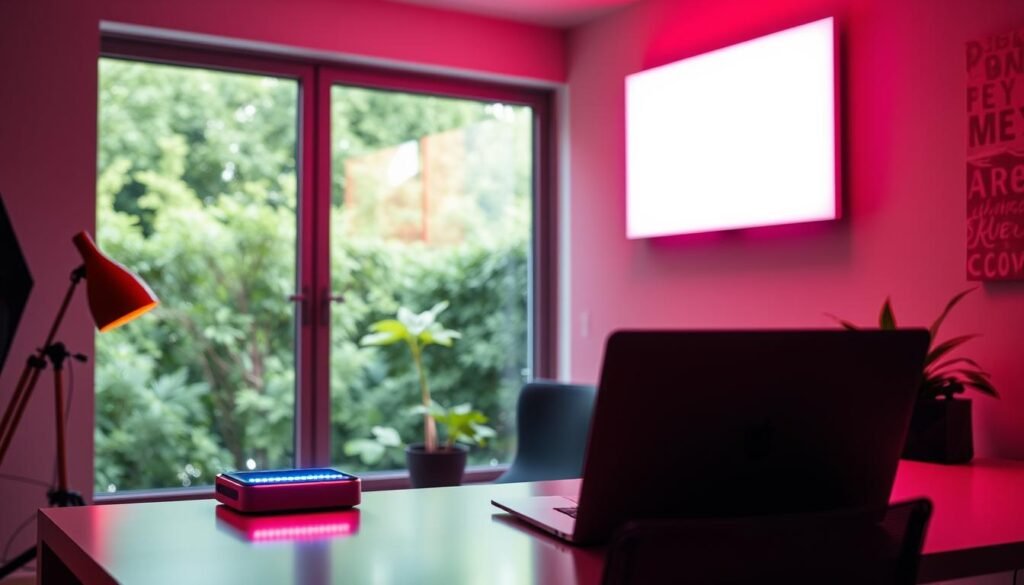
Red and near-infrared light devices are studied for certain skin concerns and types of hair loss. Some results are encouraging, but benefits depend on the condition and device. They are not proven shortcuts to better morning productivity or longer life.
The American Academy of Dermatology recommends choosing devices designed for the intended condition, following treatment instructions, and using recommended eye protection. There is no universal six-minute treatment that works for everyone.
For daytime alertness, ordinary daylight or appropriate bright white light is more relevant than a separate cosmetic blue-light device. Avoid using UV lamps for general circadian support. Eye treatments such as specialized stimulation devices or prescription drops should be used only for appropriate medical indications.
Skin, hair, and oral care
A basic personal-care routine can fit alongside your morning habits without turning into a complicated therapy schedule.

- Skin: Cleanse gently, moisturize as needed, and use broad-spectrum sunscreen before outdoor exposure. Vitamin C and retinoids are optional; retinoids are usually introduced at night and require appropriate precautions.
- Hair: Choose gentle scalp care. Seek a dermatologist’s advice for persistent or unexplained hair loss.
- Teeth: Brush twice daily with fluoride toothpaste and clean between your teeth once daily. Water flossers can be helpful for some people.
What about a morning supplement stack?
Supplements should address a real nutritional need or a clearly supported goal. More pills do not automatically mean better performance.
For example, iron supplementation may be appropriate for confirmed iron deficiency, but unnecessary iron can cause harm. Vitamin B12 deserves attention in vegan diets, while other supplements depend on individual dietary needs and medical circumstances.
Review medication interactions, avoid combining multiple stimulant-heavy products, and use appropriate clinical testing when indicated. Do not copy another biohacker’s supplement doses or medication routine.
Build Your Own 30-, 45-, or 90-Minute Morning Routine
The five habits work best when they are flexible. Choose a routine based on available time rather than trying to complete every possible biohack.
Beginner routine: 30 minutes
- 10 minutes: Walk outdoors for morning light and gentle movement.
- 7 minutes: Practice mobility and comfortable breathing.
- 8 minutes: Perform a short bodyweight exercise circuit.
- 5 minutes: Have a prepared breakfast or organize your meal, and note your main priority.
Balanced routine: 45 minutes
- 10 minutes: Outdoor walking and daylight.
- 10 minutes: Mobility and breathing exercises.
- 15 minutes: Strength training or moderate cardio.
- 10 minutes: Balanced breakfast and a brief daily review.
Advanced routine: 90 minutes
- 20 minutes: Outdoor walk and light exposure.
- 10 minutes: Mobility and warm-up exercises.
- 40 minutes: Focused strength, cardio, or planned training.
- 15 minutes: Prepare and eat a nutrient-dense meal.
- 5 minutes: Review sleep, recovery, and daily priorities.
On difficult days, use a 15-minute reset: five minutes outdoors, five minutes of movement, and five minutes of calm breathing or planning. You can complete breakfast separately.
None of these templates requires an early clock time. Parents, shift workers, commuters, and people with unpredictable schedules can adapt the order and timing while protecting adequate rest.
Common Morning Mistakes That Reduce Energy and Focus
A demanding routine should make everyday life easier, not become another source of stress. Watch for these avoidable problems:
- Sleeping less to wake earlier: Protect sufficient sleep before moving your alarm.
- Checking your phone immediately: If notifications distract you, postpone them until after your first activity.
- Training too intensely: Match workouts to your fitness, health, and recovery instead of copying someone else’s HIIT schedule.
- Skipping meals without a reason: If fasting leaves you weak, distracted, or unable to meet your nutrition needs, reconsider it.
- Using unnecessary supplements: Avoid taking products simply because they appear in a celebrity routine.
- Overtracking: Look for meaningful trends instead of reacting to every smartwatch reading.
- Ignoring evening habits: Late caffeine, irregular bedtimes, and insufficient sleep can undermine even a carefully planned morning.
Anyone starting vigorous exercise with a chronic medical condition may need individualized guidance. Stop activity if you experience chest pain, faintness, or unusual severe breathlessness, and seek appropriate medical assessment. Persistent fatigue or sleep problems also deserve attention rather than another supplement or device.
Frequently Asked Questions
Do I need to wake up at 5 a.m. to be productive?
No. A consistent wake time that allows enough sleep is more important than choosing an extremely early hour. Plan your routine around your work, family, and natural sleep schedule.
What if I wake up before sunrise?
Use comfortable indoor lighting initially and seek daylight when it becomes available. A suitable UV-free light therapy lamp may be useful in some circumstances, but timing and safety depend on your needs.
Is a smartwatch necessary for biohacking?
No. A notebook recording sleep duration, morning energy, and exercise is enough to begin. Wearables are optional tools, not requirements.
Can breathing and red light therapy replace exercise?
No. Breathing exercises may help with relaxation, and red light has specific possible uses, but neither replaces regular aerobic exercise and muscle-strengthening activities.
Conclusion: Start Simple and Build Consistency
The most useful biohacker morning routine is one you can follow without sacrificing sleep, nutrition, or peace of mind. Morning daylight, gentle movement, balanced fueling, regular exercise, and thoughtful tracking provide a practical foundation.
Start with just two habits this week: keep your wake time reasonably consistent and take a short morning walk. Add another habit when those steps feel comfortable.
Learn from ambitious routines like Bryan Johnson’s, but measure success by what improves your own daily life. Better mornings come from sustainable choices, not the number of devices, supplements, or therapies you can fit into an hour.